Posted on

Slippery Elm for Gut Lining: A Soothing Demulcent Bark

Slippery Elm for Gut Lining: An Old North American Remedy
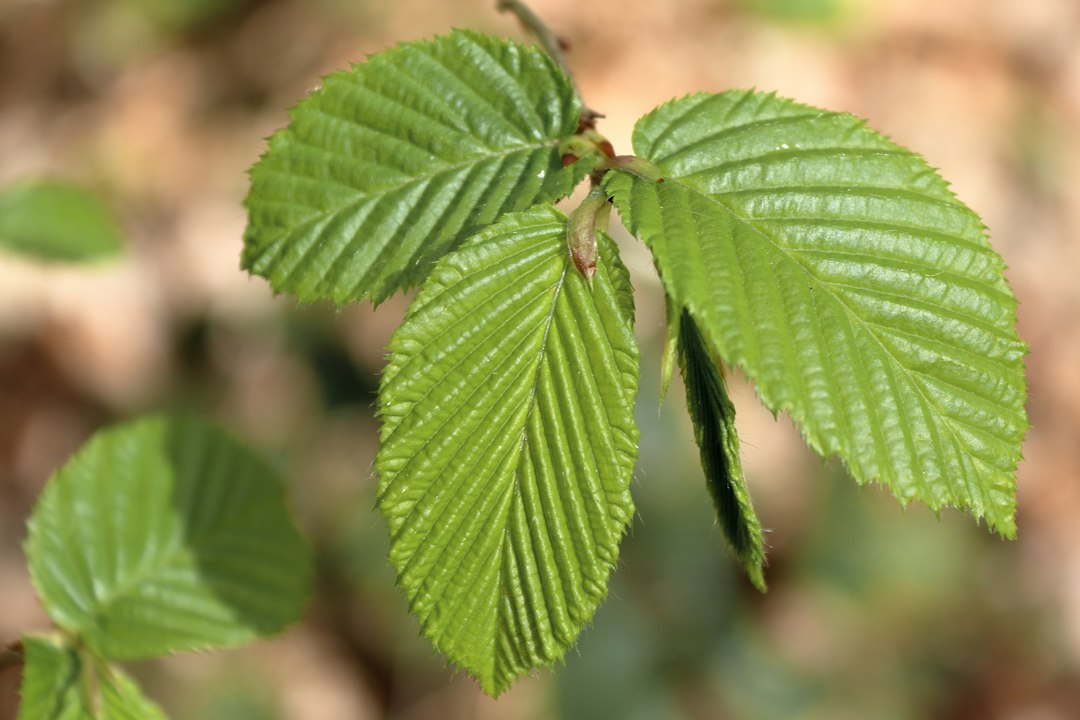
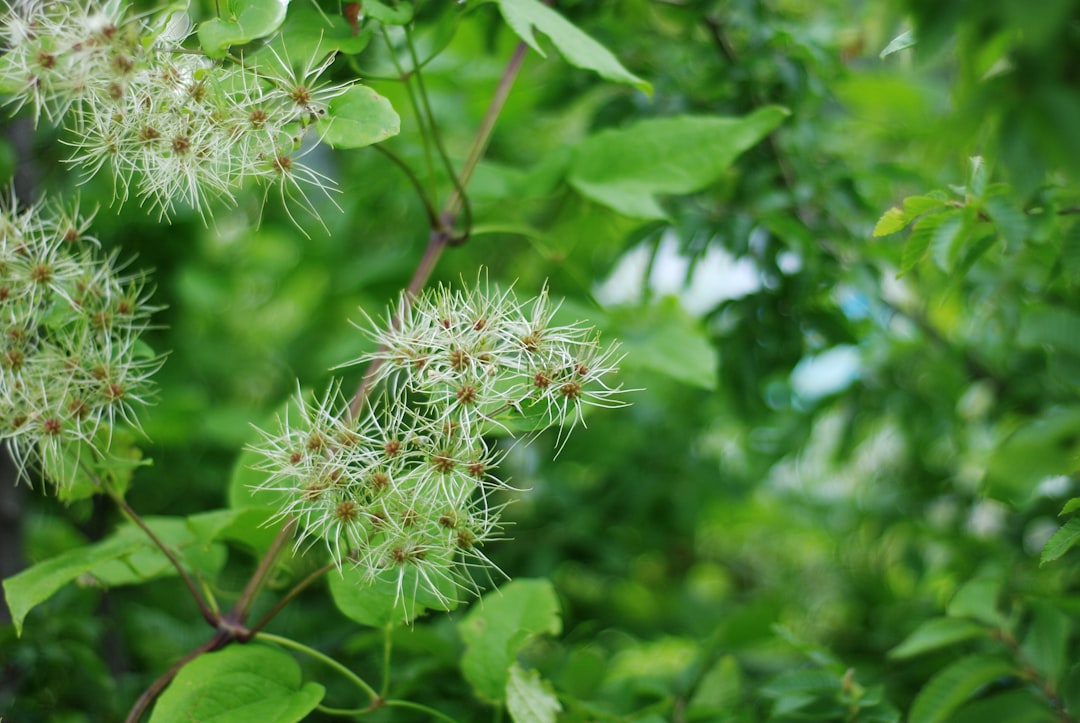
Slippery elm for gut lining, showing the serrated green leaves of Ulmus rubra

Ulmus rubra, the source of slippery elm for gut lining support

Slippery elm for gut lining support has one of the longest track records of any North American herb. The reason is almost mechanical rather than chemical. The inner bark turns slick the moment it meets water. If your stomach flares at the wrong foods, this is a plant worth knowing.

Slippery elm (Ulmus rubra, also listed as Ulmus fulva) is a medium-sized tree in the elm family. It grows across eastern North America, from Ontario and Quebec down through the Appalachians and into Texas. The useful part is not the leaf or the flower. It is the soft inner bark, dried and then cut or ground to a fine powder.

Here is why that matters: that inner bark is loaded with mucilage. Indigenous peoples across the continent used it as food and as a wound dressing. They also made it into a gruel for people who could not keep anything else down. Early settlers adopted the practice, and the bark became a fixture in North American pharmacy for over a century.

The common name is literal. Chew a piece of the dried bark and it goes slippery in seconds. However, that texture is the whole point. In addition, the bark is mild enough to be treated as a food. That is unusual among medicinal barks, and part of why it has stayed in use so long.

Benefits of Slippery Elm for Gut Lining and Beyond
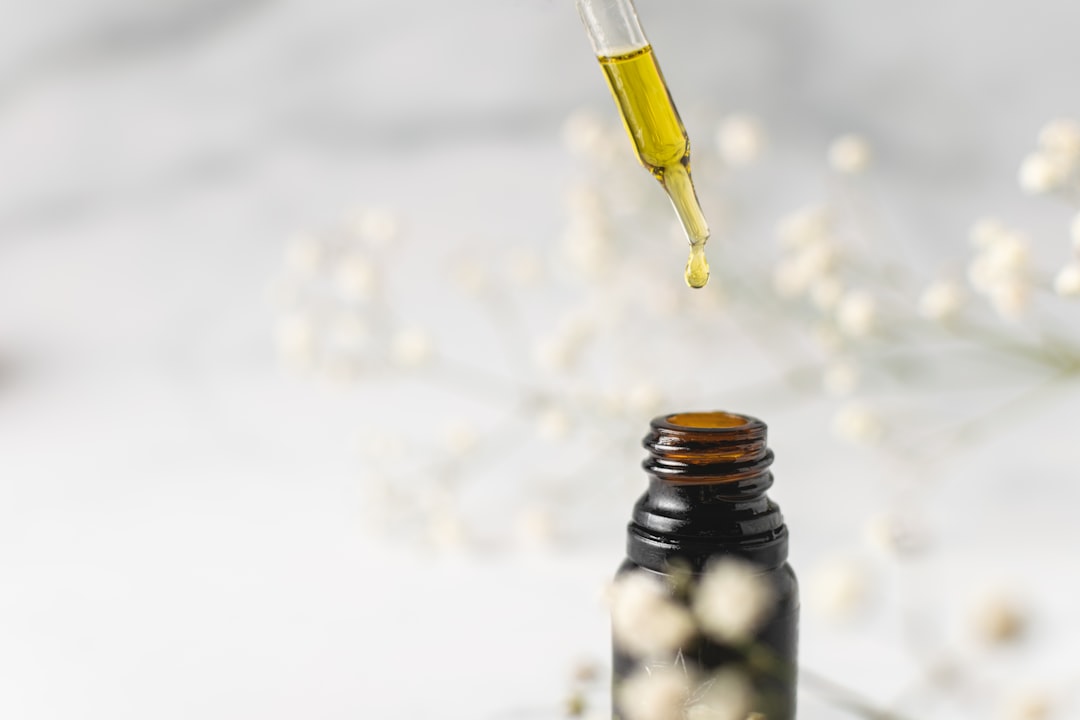
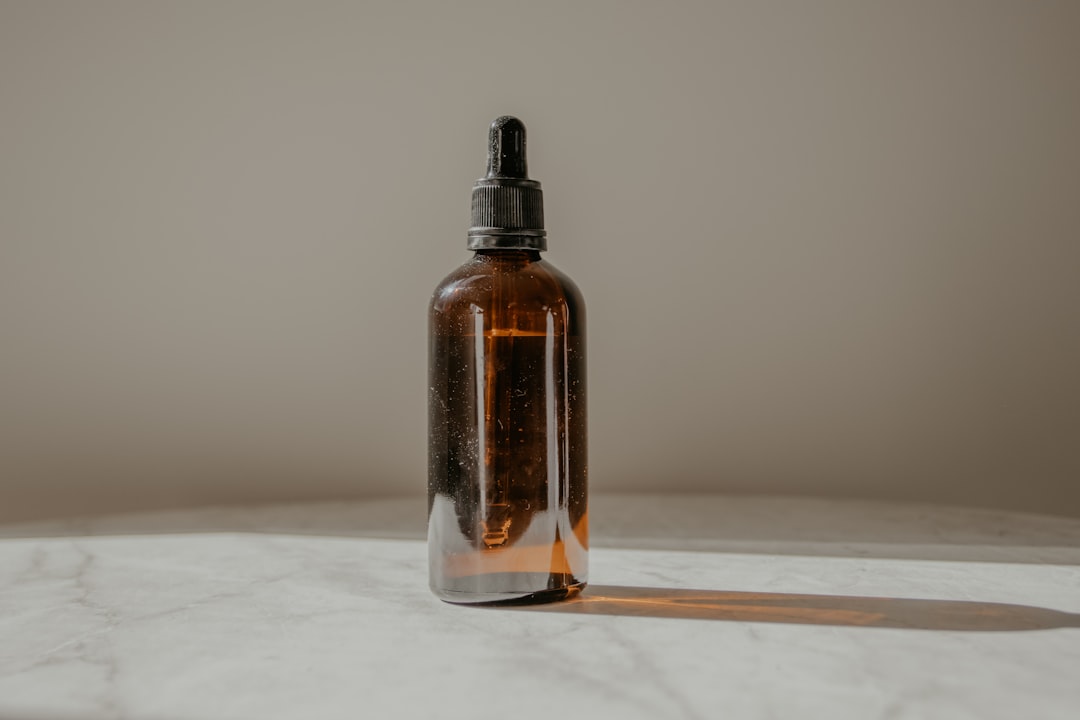
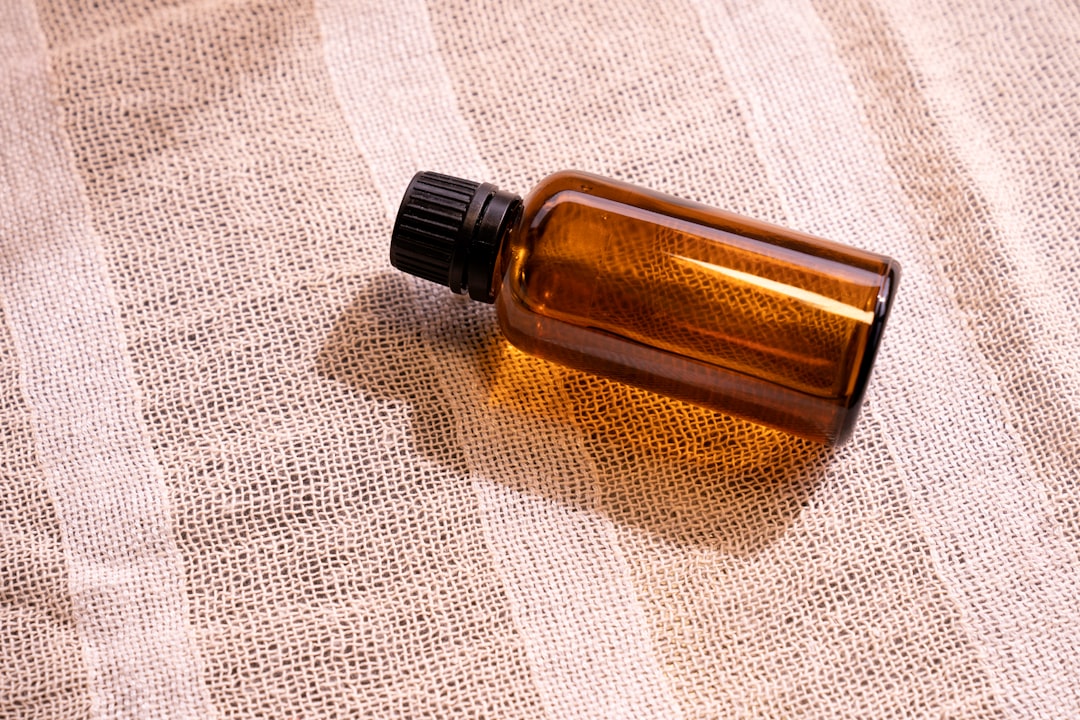
A glass bottle of slippery elm extract used for gut lining support

Slippery elm extract in a dropper bottle

The case for slippery elm for gut lining comfort rests on a single class of compounds: mucilage polysaccharides. These are long sugar chains that swell into a soft gel in water. As a result, the bark forms a slick film that coats whatever tissue it touches. That covers the mouth and throat, down through the digestive tract.

Here is how it works. The body does not break mucilage down and absorb it the way it handles most plant constituents. Instead, the gel acts physically. It lays a temporary protective layer over surfaces that are dry, raw, or irritated. It also reduces friction as food and acid move past. Herbalists call this action demulcent, and slippery elm is one of the most reliable examples.

Traditionally, the bark has been associated with occasional heartburn, a sensitive stomach, irritable bowel patterns, and dry coughs. Furthermore, it has a second reputation as a vulnerary: a herb used on tissue that needs to settle. Our guide to herbs for IBS covers other options that work alongside it.

But there is more to it than that. The mucilage is nutritive as well as soothing. Slippery elm has long been used as a food for people with very little appetite. In addition, it pairs naturally with other demulcents. That is why marshmallow root and slippery elm turn up together in so many classic gut formulas.

How to Use Slippery Elm for Gut Lining Support
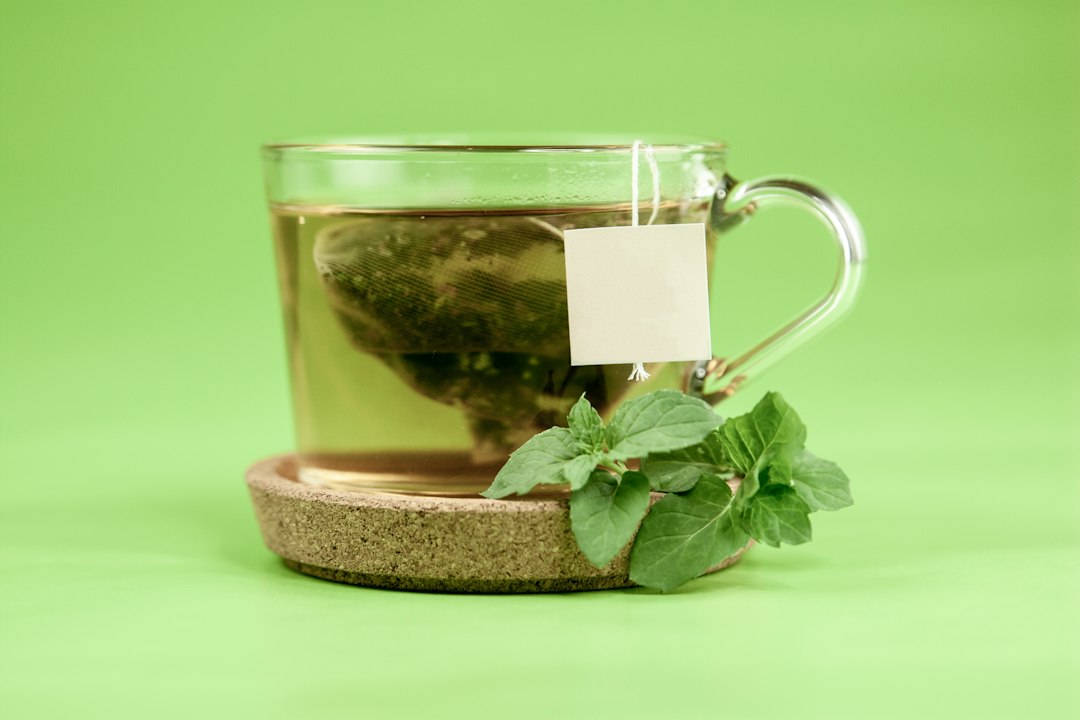
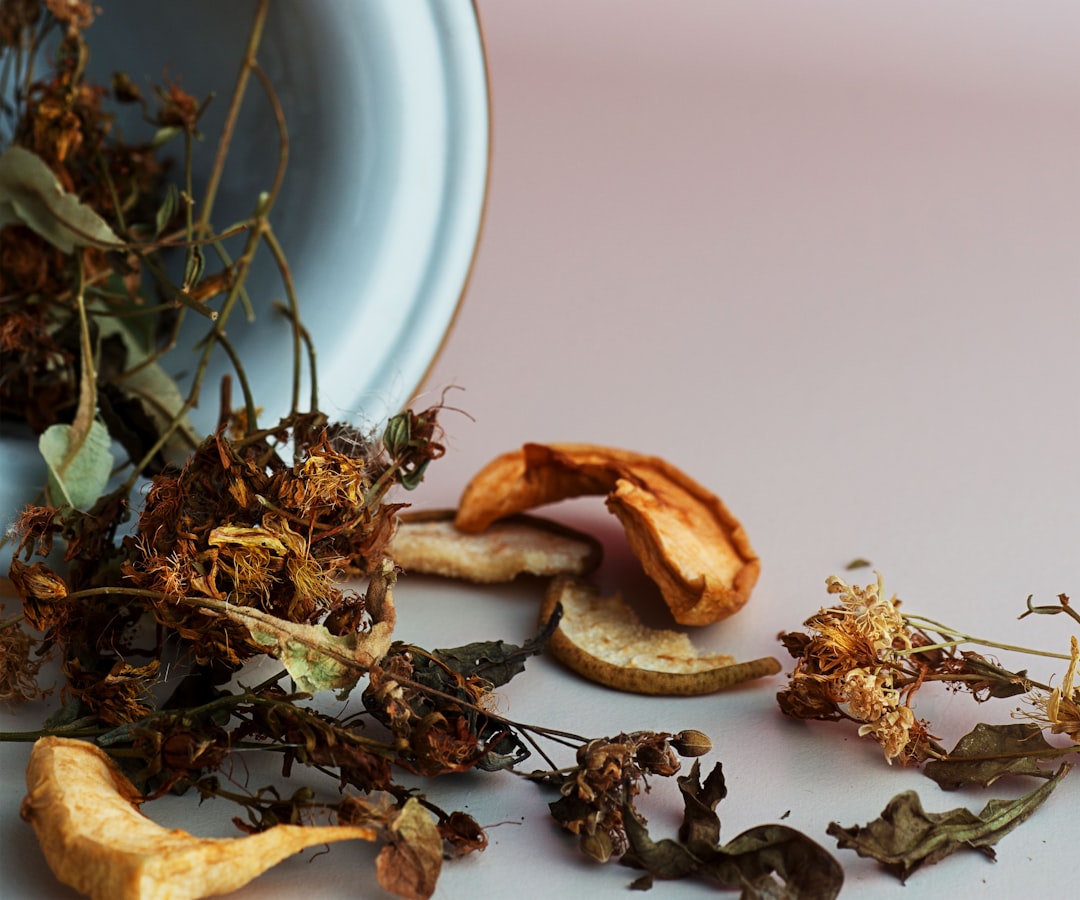
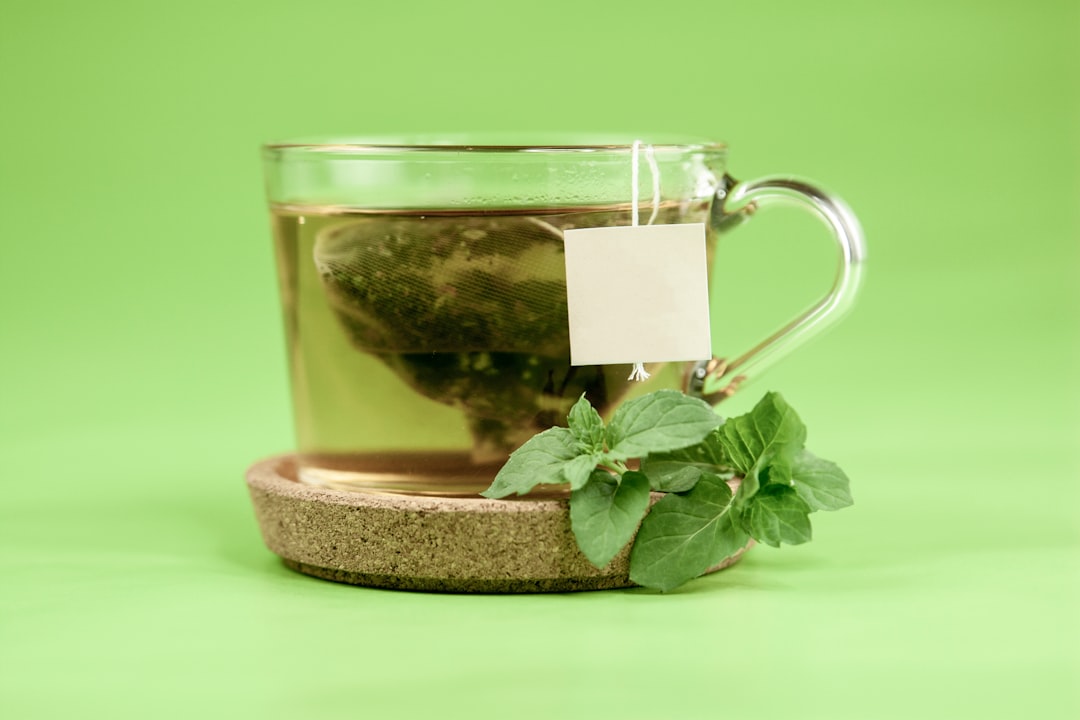
A warm herbal drink prepared with slippery elm bark

Slippery elm gruel, prepared with warm water

Putting slippery elm for gut lining care into practice is straightforward, though it behaves differently from most herbs. The mucilage needs water and contact time, so how you prepare it changes how well it works.

The traditional method is a gruel. Whisk the powdered bark into a little warm water until it thickens, then drink it slowly. However, many people find a tincture far easier to keep up with. Add it to a small glass of water, swirl, then sip rather than shoot it. The coating action depends on contact with the tissue on the way down. The powder also mixes into oatmeal, apple sauce, or a smoothie. That suits anyone who dislikes the texture on its own.

The key takeaway: mucilage works by contact, not by absorption. As a result, small amounts taken several times through the day tend to suit people better than one large dose. That same film can slow how the body takes up other substances. In addition, take slippery elm an hour or so apart from medications and supplements.

At Herbal Clinic we prepare our slippery elm from carefully sourced Ulmus rubra inner bark. We use the classic tincturing method at a controlled alcohol percentage. Elm populations have been hit hard by disease, so responsible sourcing matters here more than with most herbs. We do not make dosing claims, so please speak with a qualified practitioner about what is right for you.

FAQ

  • Superior Sourcing: Our herbs are sourced from all over the world to avoid seasonal fluctuations in availability, keeping herbs accessible. Our suppliers meet strict standards that ensure top quality herbs, most of which are organic, wildcrafted, sustainably grown, or grown using permaculture. We support local farmers and grow many of our own herbs.
  • Superior Processing: Our tinctures are made using the classic tincturing method. The tinctures are made in a 1:5 ratio which allows for the optimal extraction of the herb. The alcohol percentage is strictly controlled depending on the herb and part of the plant that is used.
  • Superior Selection: We take pride in our growing selection of over 300 individual herbs. If we don’t carry the herb you’re seeking, we can likely track it down for you.
  • Superior Quality Control: Our tinctures are thoroughly tested by a third-party lab and with an organoleptic evaluation by our team of herbalists prior to final bottling.
  • Superior Price: Our tinctures are more cost-effective than other tinctures on the market. With an eye towards efficiency, we keep our costs low by maintaining good relationships with our wide network of suppliers and ordering herbs in bulk quantities.
  • We Care About the Environment: We repackage materials that are shipped to us (so don’t be surprised if our packages look different from time to time!). We recycle or reuse materials whenever possible. We turn the cardboard we receive from other suppliers into packing material. We donate to avoid waste to groups like Naturopaths Without Borders. Our workforce almost completely uses public transportation or bikes. We are powered using 100% renewable energy through Bullfrog Power.
  • We Donate To Charity: We support many causes that make the world better. We donate a portion of our profits or products. These include charities that support environmental and natural sustainability.

Set up an online account and order through the website. If you don’t have an account and place an order, one will be created for you.

Our products are made in Toronto, Ontario, Canada by a team of Herbalists and Naturopathic Doctors. The herbs and ingredients we use to make our products are sourced both locally and globally to keep herbs accessible and sustainable.

The majority of our herbs are certified organic, sustainably wildcrafted, or come from small-scale local organic farms that do not yet have organic certification. We always do our best to provide organic herbs in your formulas. We work with a variety of suppliers to keep costs low.

Although most of our products do not contain gluten, we do not have gluten-free certification for our production facility. Feel free to ask about any specific products and we’ll share whatever information we have available.

For liability and regulatory reasons, we don’t make any claims as to how our herbs should be used, including dosing recommendations. Please review our disclaimer, as well as our terms and policies.
Posted on

Dong Quai for Menstrual Health: Benefits, Properties & How to Use

Dong Quai for Menstrual Health: Meet the Root

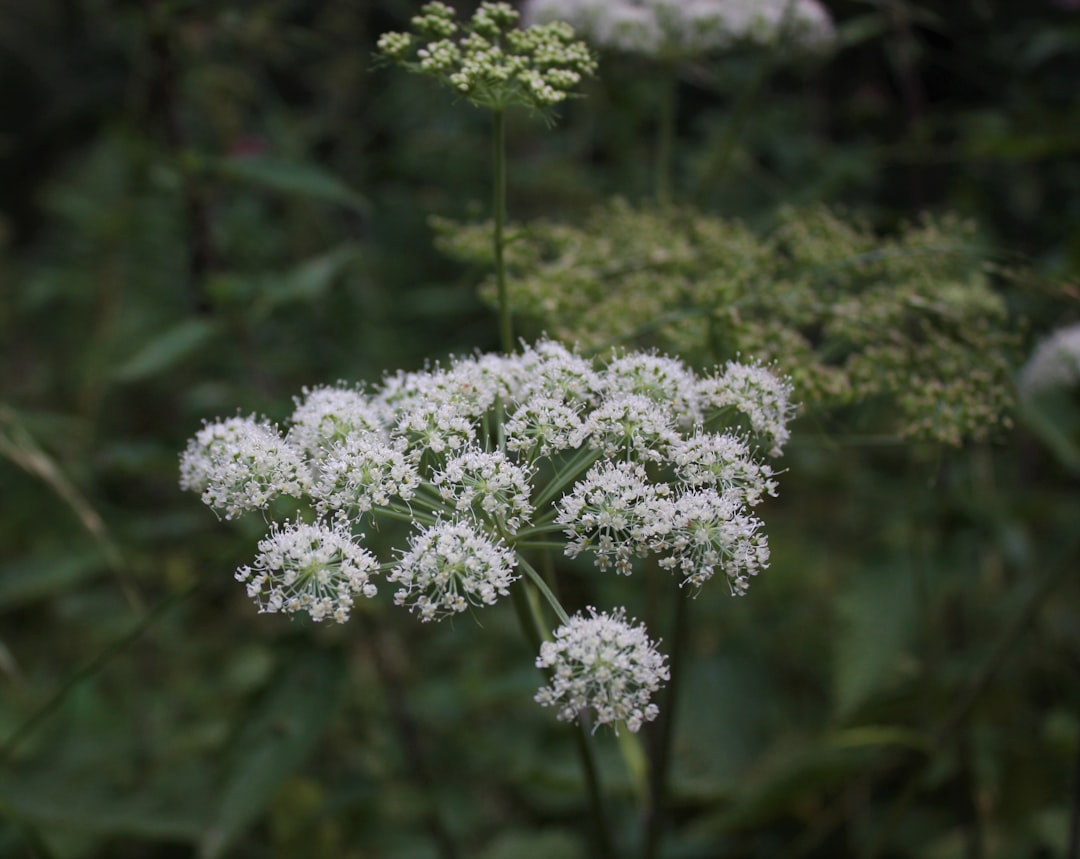
Angelica sinensis in flower, the plant behind dong quai for menstrual health

Angelica sinensis in flower, the botanical source of dong quai for menstrual health.

Dong quai for menstrual health has held a place in Chinese herbal practice for more than a thousand years, and it still appears in more women’s formulas than almost any other root. Herbalists sometimes call it female ginseng, though that nickname undersells it. Above all, this is a blood-building root with a long and well-documented history.

Where Angelica Sinensis Grows

The plant behind the powder is Angelica sinensis, a member of the carrot family. Consequently it looks a lot like its cousins: tall hollow stems, feathery divided leaves, and wide umbrella-shaped clusters of small white flowers. It grows in the cool, damp highlands of Gansu, Yunnan and Sichuan, usually between 2,000 and 3,000 metres above sea level. Growers leave the plant in the ground for two or three years, then lift the roots in autumn once the aromatic oils have concentrated.

Here is why that matters: the root is the only part used. A mature root is thick, pale brown and heavily branched, with a sweet celery-like smell. The taste runs sweet first, then slightly bitter, then warm. Graders sort roots by size and oil content, because those oils carry much of the herb’s character.

Dong Quai for Menstrual Health in the Classical Record

You will also see this herb written as dang gui, tang kuei or Chinese angelica. Classical Chinese texts describe the root as sweet, pungent and warm, entering the Liver, Heart and Spleen channels. In other words, traditional practitioners reached for dong quai for menstrual health, for signs of blood deficiency, and for dryness anywhere in the body.

The written record goes back a long way. Dong quai appears in the Shennong Bencao Jing, compiled around the first or second century, and by the Han dynasty it had settled into the blood-tonic category where it still sits. Physicians of that era used it for what they described as thin or stagnant blood, and they noticed early on that the same root both moved blood and nourished it. That double action explains why it turns up in formulas for opposite-looking problems: sluggish, painful periods on one hand and depleted, scanty ones on the other.

Western herbalists picked the root up much later, largely through twentieth-century interest in Chinese formulas. Meanwhile, in China it never left. It anchors Si Wu Tang and Dang Gui Bu Xue Tang, two of the oldest surviving blood-nourishing formulas, and it also shows up in Xiao Yao San and Ba Zhen Tang. Both remain in daily use today.

Benefits and Properties of Dong Quai Root

Amber dropper bottle holding a dong quai root tincture

Alcohol extraction captures the oil-soluble fraction of a dense, aromatic root.

So what makes this root worth its reputation? The traditional answer is straightforward. Practitioners classify dong quai as a blood tonic, and they reach for it when someone shows the classic signs of blood deficiency: pale complexion, dry skin, dizziness on standing, scant periods and a general sense of running on empty.

The Constituents Behind Dong Quai for Menstrual Health

Modern analysis has identified several groups of compounds in the root. Ferulic acid and the phthalides, of which ligustilide is the best studied, account for most of the aromatic fraction. In addition, the root carries polysaccharides, plant sterols, coumarins and a surprising amount of vitamin B12 for a plant material. As a result, dong quai for menstrual health is usually discussed as a whole-root effect rather than a single-molecule story.

Ligustilide draws most of the research attention. Laboratory work associates it with smooth-muscle relaxation, which lines up neatly with the traditional use of the root for cramping and dragging periods. Furthermore, researchers have studied the polysaccharide fraction for its effect on red blood cell production. That finding matches the classical blood-building description more closely than you might expect.

This is where it gets interesting. Many sources label dong quai phytoestrogenic, but the evidence is muddier than the label suggests. The root does contain compounds that interact with estrogen receptors, yet studies measuring hormonal markers have produced mixed results. Consequently, careful herbalists describe dong quai for menstrual health as circulatory and nourishing rather than hormonal.

What Herbalists Traditionally Use It For

Traditional practice has associated the root with:

  • Scant, late or irregular periods
  • Cramping and dragging pelvic discomfort
  • Recovery after blood loss, childbirth or illness
  • Cold hands and feet, and sluggish peripheral circulation
  • Dry skin, brittle nails and thinning hair linked to depletion
  • Constipation caused by dryness rather than weak digestion

That last point surprises people. Because the root is oily and moistening, classical texts used it to lubricate the bowel as well as the womb. However, that same oiliness makes it a poor fit for anyone already dealing with loose stools or heavy, damp digestion.

Cautions Worth Knowing

A few cautions belong alongside any discussion of dong quai for menstrual health. The root has blood-moving properties, so anyone taking anticoagulant medication should speak with a practitioner first. Additionally, traditional practice avoids the root during pregnancy and during heavy menstrual flow. Finally, the coumarins and furanocoumarins it contains can increase sun sensitivity in some people.

How to Use Dong Quai for Menstrual Health

Dried herbs being ground with a mortar and pestle before extraction

Woody roots need grinding and a long simmer, not a quick steep.

Dong quai reaches people in three main forms: a tincture, a decoction, and dried root slices simmered into soup. Each has a place, and the right choice usually comes down to how long someone plans to use the root.

Tincture, Decoction or Soup

Here is how it works with tinctures. Alcohol pulls the aromatic oils and phthalides out of a dense root efficiently, so a tincture captures the fraction that water alone struggles to reach. Our dong quai tincture uses a 1:5 ratio, with the alcohol percentage set for an oil-rich root rather than a leaf or a flower. A dropper also makes it easy to build the root into a custom blend with other herbs.

Decoctions work differently. Because the root is woody, a quick steep barely touches it. Traditional preparation calls for a slow simmer of twenty to forty minutes, which draws out the polysaccharides and the sweeter, more nourishing fraction. Cooks across northern China take the same approach with food: they drop a few slices of dang gui into chicken broth alongside astragalus and red dates, then let it cook down for an hour. That is arguably the oldest and gentlest way to use dong quai for menstrual health.

Herbs That Pair Well With Dong Quai

The root rarely travels alone. Traditional formulas combine it with herbs that cover its weak spots:

  • Astragalus and reishi for deeper blood and energy building
  • Peony and rehmannia in the classic Si Wu Tang pattern
  • Cramp bark or chaste tree berry in Western cycle-support formulas
  • Ginger or cinnamon to warm digestion and offset the root’s oiliness

Timing matters as well. Many practitioners use blood-building herbs in the week after a period rather than during it, since dong quai moves blood and may increase flow. Consequently, cycle-aware scheduling is common: the root goes in during the follicular phase and comes out before bleeding starts.

How We Source and Test the Root

Sourcing matters more with this root than with most. Much of its value sits in the volatile oil content, and that content falls as the root ages, dries out or sits in warehouse storage. We buy Angelica sinensis from suppliers who can document harvest year and growing region. Then our herbalists check every batch organoleptically, smelling and tasting the material before it goes near a tincture press. Additionally, every finished tincture goes to a third-party lab for testing.

Good material tells you what it is. Fresh dong quai root smells unmistakably of sweet celery and warm earth, and a slice snapped in half shows a pale, slightly oily cut surface rather than a dry, chalky one. Faded colour and a flat smell usually mean old stock. Because of that, we buy in smaller, more frequent lots instead of warehousing a year of root at a time.

The key takeaway: anyone using dong quai for menstrual health should treat it as a long-game herb. It builds rather than stimulates, and traditional practice assumes weeks or months of steady use rather than a single dose when symptoms flare. Furthermore, it works best inside a formula, supported by sleep, iron-rich food and rest.

FAQ

  • Superior Sourcing: Our herbs are sourced from all over the world to avoid seasonal fluctuations in availability, keeping herbs accessible. Our suppliers meet strict standards that ensure top quality herbs, most of which are organic, wildcrafted, sustainably grown, or grown using permaculture. We support local farmers and grow many of our own herbs.
  • Superior Processing: Our tinctures are made using the classic tincturing method. The tinctures are made in a 1:5 ratio which allows for the optimal extraction of the herb. The alcohol percentage is strictly controlled depending on the herb and part of the plant that is used.
  • Superior Selection: We take pride in our growing selection of over 300 individual herbs. If we don’t carry the herb you’re seeking, we can likely track it down for you.
  • Superior Quality Control: Our tinctures are thoroughly tested by a third-party lab and with an organoleptic evaluation by our team of herbalists prior to final bottling.
  • Superior Price: Our tinctures are more cost-effective than other tinctures on the market. With an eye towards efficiency, we keep our costs low by maintaining good relationships with our wide network of suppliers and ordering herbs in bulk quantities.
  • We Care About the Environment: We repackage materials that are shipped to us (so don’t be surprised if our packages look different from time to time!). We recycle or reuse materials whenever possible. We turn the cardboard we receive from other suppliers into packing material. We donate to avoid waste to groups like Naturopaths Without Borders. Our workforce almost completely uses public transportation or bikes. We are powered using 100% renewable energy through Bullfrog Power.
  • We Donate To Charity: We support many causes that make the world better. We donate a portion of our profits or products. These include charities that support environmental and natural sustainability.

Set up an online account and order through the website. If you don’t have an account and place an order, one will be created for you.

Our products are made in Toronto, Ontario, Canada by a team of Herbalists and Naturopathic Doctors. The herbs and ingredients we use to make our products are sourced both locally and globally to keep herbs accessible and sustainable.

The majority of our herbs are certified organic, sustainably wildcrafted, or come from small-scale local organic farms that do not yet have organic certification. We always do our best to provide organic herbs in your formulas. We work with a variety of suppliers to keep costs low.

Although most of our products do not contain gluten, we do not have gluten-free certification for our production facility. Feel free to ask about any specific products and we’ll share whatever information we have available.

For liability and regulatory reasons, we don’t make any claims as to how our herbs should be used, including dosing recommendations. Please review our disclaimer, as well as our terms and policies.
Posted on

Andrographis for Cold Symptoms: The Bitter Herb Worth Knowing

Andrographis for Cold Symptoms: Where the Herb Comes From

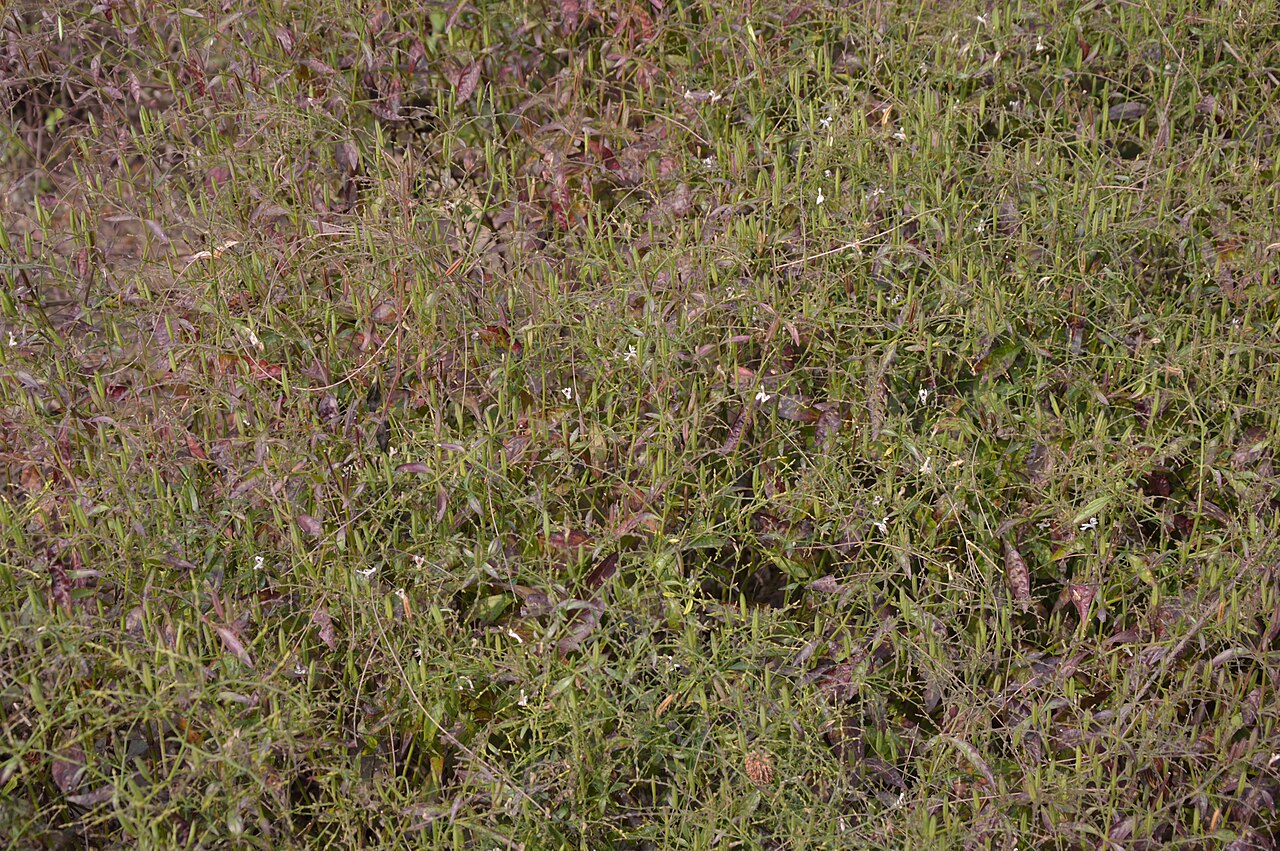
Andrographis paniculata plant with small white flowers, the herb used as andrographis for cold symptoms

Andrographis paniculata in flower

Andrographis for cold symptoms is one of the few traditional remedies that travelled from South Asia to Scandinavia and stayed in use in both places. In India the herb earned the name maha-tita, or king of bitters. Taste a drop of the tincture and the name explains itself.

What the Andrographis Plant Looks Like

Andrographis paniculata is an upright annual in the Acanthaceae family. It grows to roughly a metre tall. The leaves are narrow and lance-shaped, and small white flowers carry purple streaks. Native to India and Sri Lanka, this plant now grows across Southeast Asia, southern China, and parts of the Caribbean.

Herbalists use the leaf. Harvest happens as the plant comes into flower, when the bitter compounds sit at their peak.

Here is why that matters. The bitterness is not a side effect. Diterpene lactones cause the taste, and andrographolide is the main one. Those same compounds are what extracts get standardised on. A batch that tastes mild is usually a batch that is short on them.

A Long and Well-Travelled History

This plant carries a dense history. Ayurvedic practitioners have used it for centuries for fever, sluggish digestion, and liver complaints. Traditional Chinese Medicine knows the leaf as chuan xin lian, and classes it among herbs that clear heat. In Sweden, however, the herb took a different path. It arrived late in the twentieth century and became a common winter preparation. That is where most modern interest in andrographis for cold symptoms began, and the published clinical literature still reflects that Scandinavian focus.

Furthermore, this is a genuine annual. A root crop can take three or four years in the ground. Andrographis is sown, grown, and harvested inside a single season, which keeps supply steady and pricing sane.

Properties and Traditional Uses of Andrographis

Amber dropper bottle of herbal tincture on a wooden surface

Andrographis is most often taken as a tincture

Herbalists class andrographis first as an antimicrobial. Bitter and carminative actions come second. Its affinities run through the respiratory, digestive, and urinary tracts, which is a broader reach than most single herbs manage. Traditionally, andrographis for cold symptoms is the use people meet first.

Andrographis for Cold Symptoms: The Active Constituents

Diterpene lactones do the work here. Andrographolide is the best studied of them. Research has looked at how it interacts with inflammatory signalling pathways rather than at any direct germ-killing effect. In addition, this compound group appears to influence immune cell activity. That is the mechanism most often cited when the herb comes up in a winter wellness context.

So what does this mean in practice? Andrographis is not a soothing herb. It will not coat a sore throat the way marshmallow root does. Nor will it sedate the way passionflower does. Instead the herb is sharp, cooling, and drying, which suits an acute congested picture better than a lingering dry cough.

The Bitter Action Behind the Herb

Bitters stimulate saliva, digestive enzymes, and bile flow through receptors on the tongue. As a result, this leaf also carries a traditional reputation for sluggish digestion and poor appetite. It appears in digestive formulas as often as in winter blends. Herbalists pair it with boldo and greater celandine for digestion. For the urinary tract, buchu and uva-ursi are the classic partners.

However, the herb has limits. Its cooling quality does not suit someone who already runs cold and depleted. Traditional practice keeps andrographis for cold symptoms to short courses during an acute episode rather than a daily tonic.

How to Use Andrographis for Cold Symptoms

Clear glass mug of herbal tea with green leaves

Andrographis leaf also brews as a tea, though the tincture is more common

Most people who use andrographis for cold symptoms reach for the tincture. The extract concentrates the diterpene lactones and takes seconds to measure. Traditional daily use of the tincture sits between 3 mL and 6 mL. As a dried leaf tea, the traditional range is 5 g to 8 g per day. We do not make dosing recommendations, so treat those figures as historical reference points and speak with a qualified practitioner.

Yes, It Really Is That Bitter

There is no polite way around the taste. Diluting the tincture in a small glass of water helps. A little juice helps more. Anything sweet enough to fully mask the bitterness also blunts the bitter reflex on the tongue, though. Many people simply take it fast and follow with water.

Blending Andrographis for Cold Symptoms

Andrographis works well alongside other winter herbs. It sits comfortably with echinacea in a formula. Warming aromatics such as ginger or thyme balance its cooling edge. In addition, a few millilitres go a long way inside a wider digestive blend.

Practical Notes on Use

Use the herb in short, defined courses rather than continuously. Its bitterness makes it hard going on an empty stomach, so taking it with food is common practice. Furthermore, pregnancy is a traditional caution here. Anyone on prescription medication should check with a healthcare provider first.

At Herbal Clinic we extract andrographis leaf at a 1:5 ratio using the classic tincturing method. Alcohol percentage is set for the leaf and its diterpene lactone content. Every batch goes through third-party lab testing and an organoleptic evaluation by our herbalists before bottling. We also offer the leaf as a dried herb for tea, and as a glycerite for people who avoid alcohol.

FAQ

  • Superior Sourcing: Our herbs are sourced from all over the world to avoid seasonal fluctuations in availability, keeping herbs accessible. Our suppliers meet strict standards that ensure top quality herbs, most of which are organic, wildcrafted, sustainably grown, or grown using permaculture. We support local farmers and grow many of our own herbs.
  • Superior Processing: Our tinctures are made using the classic tincturing method. The tinctures are made in a 1:5 ratio which allows for the optimal extraction of the herb. The alcohol percentage is strictly controlled depending on the herb and part of the plant that is used.
  • Superior Selection: We take pride in our growing selection of over 300 individual herbs. If we don’t carry the herb you’re seeking, we can likely track it down for you.
  • Superior Quality Control: Our tinctures are thoroughly tested by a third-party lab and with an organoleptic evaluation by our team of herbalists prior to final bottling.
  • Superior Price: Our tinctures are more cost-effective than other tinctures on the market. With an eye towards efficiency, we keep our costs low by maintaining good relationships with our wide network of suppliers and ordering herbs in bulk quantities.
  • We Care About the Environment: We repackage materials that are shipped to us (so don’t be surprised if our packages look different from time to time!). We recycle or reuse materials whenever possible. We turn the cardboard we receive from other suppliers into packing material. We donate to avoid waste to groups like Naturopaths Without Borders. Our workforce almost completely uses public transportation or bikes. We are powered using 100% renewable energy through Bullfrog Power.
  • We Donate To Charity: We support many causes that make the world better. We donate a portion of our profits or products. These include charities that support environmental and natural sustainability.

Set up an online account and order through the website. If you don’t have an account and place an order, one will be created for you.

Our products are made in Toronto, Ontario, Canada by a team of Herbalists and Naturopathic Doctors. The herbs and ingredients we use to make our products are sourced both locally and globally to keep herbs accessible and sustainable.

The majority of our herbs are certified organic, sustainably wildcrafted, or come from small-scale local organic farms that do not yet have organic certification. We always do our best to provide organic herbs in your formulas. We work with a variety of suppliers to keep costs low.

Although most of our products do not contain gluten, we do not have gluten-free certification for our production facility. Feel free to ask about any specific products and we’ll share whatever information we have available.

For liability and regulatory reasons, we don’t make any claims as to how our herbs should be used, including dosing recommendations. Please review our disclaimer, as well as our terms and policies.
Posted on

Cinnamon for Blood Sugar Balance: Benefits, Uses and Tincture Guide

Cinnamon for Blood Sugar Balance: Where This Spice Came From

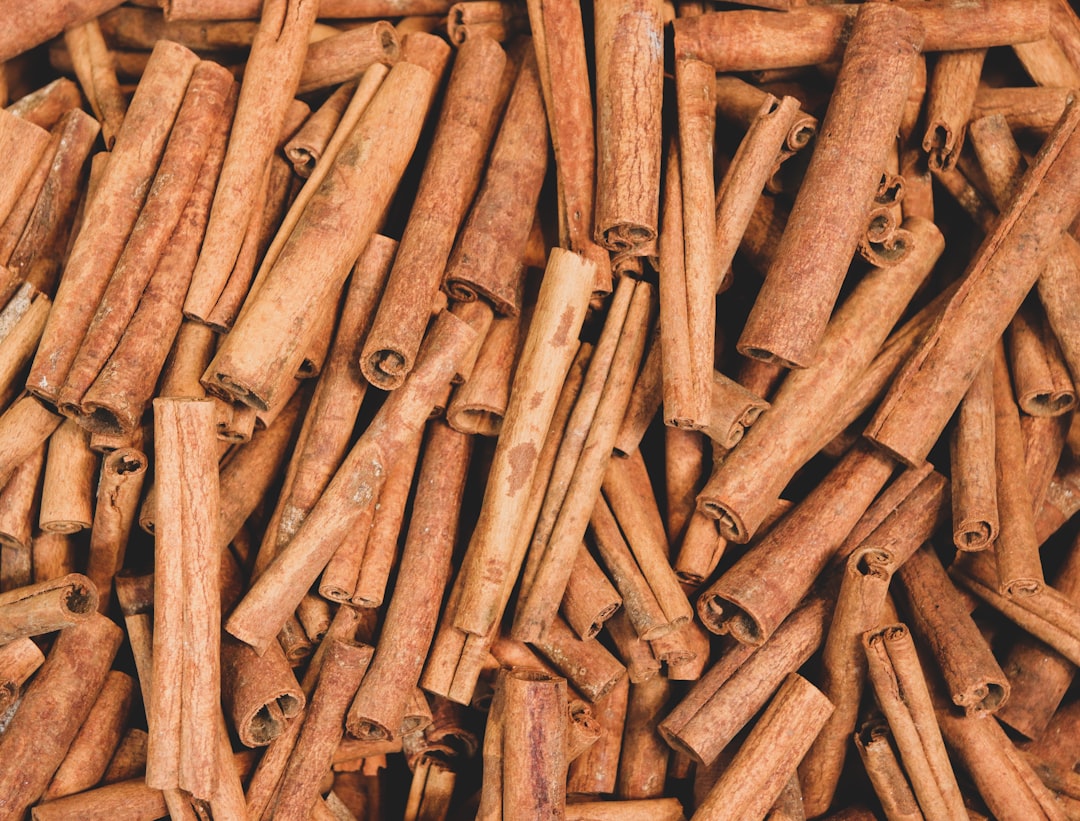
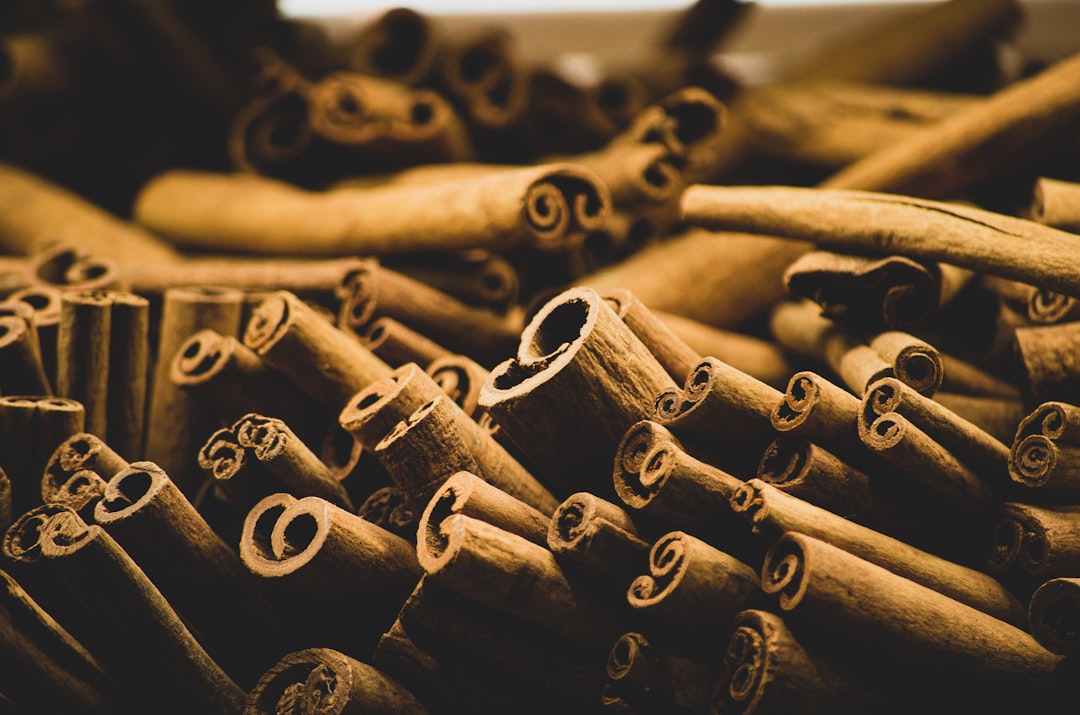
Rolled cinnamon bark quills used in cinnamon for blood sugar balance preparations

Cinnamon for blood sugar balance starts with the dried inner bark of the Cinnamomum tree.

Cinnamon for blood sugar balance is one of the few traditional herbal uses that later turned up in the research literature. The spice sat in kitchen cupboards for centuries before anyone measured what it did to a glucose curve. However, the traditional record pointed the same way all along.

Two very different trees

Cinnamon is the dried inner bark of trees in the Cinnamomum genus, part of the laurel family. Two species dominate the market. Cinnamomum verum, called Ceylon or true cinnamon, grows in Sri Lanka. Its bark rolls into soft, papery, multi layered quills. Cinnamomum cassia, known as cassia or Chinese cinnamon, comes from southern China and Southeast Asia. That bark runs thicker, darker and harder. It also carries the hotter flavour most North Americans recognise as cinnamon.

Here is why that matters. Cassia contains far more coumarin, a compound worth limiting at high intake over long periods. Ceylon contains only traces. So when someone takes cinnamon regularly rather than sprinkling it on oatmeal once a week, Ceylon makes more sense.

How growers harvest the bark

Both trees are evergreen and reach about ten metres in the wild. Growers coppice cultivated trees hard and keep them as low bushes, which pushes out young shoots. Harvesters strip those shoots, scrape away the outer layer, and leave the inner bark to dry and curl on its own. In addition, Chinese herbal medicine treats the twig and the bark as two separate remedies, gui zhi and rou gui. Western herbalism never made that distinction.

Traditionally, herbalists used cinnamon as a warming circulatory and digestive herb. Ayurvedic and Chinese practice both linked it to warming a sluggish digestion and moving stagnant circulation out to the hands and feet. The blood sugar connection arrived later. It fits the older picture rather than contradicting it.

How Cinnamon for Blood Sugar Balance Actually Works

Loose cinnamon bark pieces on a wooden surface

The active compounds sit in the aromatic inner bark.

The case for cinnamon for blood sugar balance rests on several compounds rather than one headline constituent. Cinnamaldehyde gives the bark its smell and much of its warming character. Alongside it sit cinnamic acid, eugenol, and a group of polyphenols called type A procyanidins. Those polyphenols appear to do most of the metabolic work.

Here is how it works

After a meal, insulin binds to receptors on your cells and triggers a signalling cascade. That cascade pulls glucose out of the blood, and it can turn sluggish. Procyanidins in cinnamon appear to sharpen the sensitivity of that step. The same amount of insulin then moves more glucose. Cinnamon also slows gastric emptying a little, which flattens the spike after a carbohydrate heavy meal by spreading absorption over more time.

Human trials back a modest effect. A meta analysis of controlled trials found reductions in fasting blood glucose, with less consistent movement in HbA1c. The honest summary: the effect is real but small. Cinnamon plays a supporting part rather than a leading one. Furthermore, results scatter between studies partly because researchers did not standardise the species or the dose.

But there is more to it than glucose

Cinnamon works as a warming circulatory stimulant. Herbalists reach for it where digestion runs weak and the hands and feet run cold. It is carminative, so it settles gas and cramping in the gut. The bark also carries real antimicrobial activity against a range of bacteria and fungi, which explains how it preserved food before refrigeration. As a result, it appears in traditional formulas for damp, sluggish and cold patterns far more often than in anything strictly metabolic.

The key takeaway: choose cinnamon for blood sugar balance because it fits a wider picture of sluggish digestion and poor circulation.

Using Cinnamon for Blood Sugar Balance Day to Day

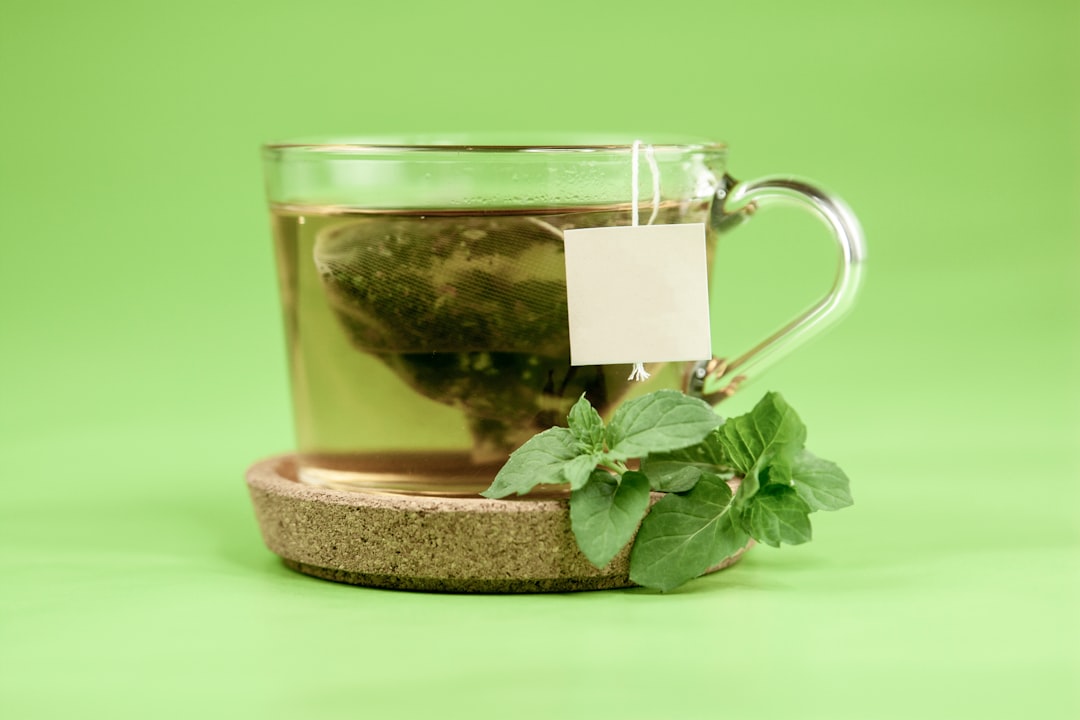
A cup of freshly brewed cinnamon bark tea

Cinnamon bark holds up well to a long, slow simmer.

Cinnamon for blood sugar balance comes in three main forms, and the form matters more here than with most herbs. Powdered bark stirred into food is the oldest route and the least precise. A decoction, where you simmer the bark rather than steep it, pulls out water soluble polyphenols but leaves much of the aromatic oil behind. A tincture captures both the aromatics and the polyphenols, which is why most herbalists reach for it.

Brewing and combining cinnamon

For a decoction, simmer a broken quill in covered water for fifteen to twenty minutes. The lid matters, because without it the aromatic compounds leave with the steam. In addition, cinnamon combines well with ginger, fennel and cardamom in a warming digestive blend. It also pairs naturally with bitter herbs traditionally associated with glucose metabolism.

Timing deserves some thought. Part of the effect involves slowing gastric emptying and supporting post meal glucose handling. So tradition puts cinnamon with food or just before it, rather than on an empty stomach hours away from a meal.

Cautions worth knowing

Cassia at high daily intake over months brings coumarin into play, especially for anyone with existing liver concerns. Ceylon sidesteps that problem. Anyone taking glucose lowering medication should speak with their prescriber first, since a herb acting on the same system can stack with the drug. Cinnamon also ranks as a common contact allergen, so patch test before any topical use.

At Herbal Clinic we extract cinnamon at a 1:5 ratio using the classic tincturing method. We set the alcohol percentage for the bark itself rather than applying one blanket standard, because dense resinous bark needs a different solvent strength than a soft leaf or flower. Every batch passes third party lab testing and an organoleptic check by our herbalists before bottling.

FAQ

  • Superior Sourcing: Our herbs are sourced from all over the world to avoid seasonal fluctuations in availability, keeping herbs accessible. Our suppliers meet strict standards that ensure top quality herbs, most of which are organic, wildcrafted, sustainably grown, or grown using permaculture. We support local farmers and grow many of our own herbs.
  • Superior Processing: Our tinctures are made using the classic tincturing method. The tinctures are made in a 1:5 ratio which allows for the optimal extraction of the herb. The alcohol percentage is strictly controlled depending on the herb and part of the plant that is used.
  • Superior Selection: We take pride in our growing selection of over 300 individual herbs. If we don’t carry the herb you’re seeking, we can likely track it down for you.
  • Superior Quality Control: Our tinctures are thoroughly tested by a third-party lab and with an organoleptic evaluation by our team of herbalists prior to final bottling.
  • Superior Price: Our tinctures are more cost-effective than other tinctures on the market. With an eye towards efficiency, we keep our costs low by maintaining good relationships with our wide network of suppliers and ordering herbs in bulk quantities.
  • We Care About the Environment: We repackage materials that are shipped to us (so don’t be surprised if our packages look different from time to time!). We recycle or reuse materials whenever possible. We turn the cardboard we receive from other suppliers into packing material. We donate to avoid waste to groups like Naturopaths Without Borders. Our workforce almost completely uses public transportation or bikes. We are powered using 100% renewable energy through Bullfrog Power.
  • We Donate To Charity: We support many causes that make the world better. We donate a portion of our profits or products. These include charities that support environmental and natural sustainability.

Set up an online account and order through the website. If you don’t have an account and place an order, one will be created for you.

Our products are made in Toronto, Ontario, Canada by a team of Herbalists and Naturopathic Doctors. The herbs and ingredients we use to make our products are sourced both locally and globally to keep herbs accessible and sustainable.

The majority of our herbs are certified organic, sustainably wildcrafted, or come from small-scale local organic farms that do not yet have organic certification. We always do our best to provide organic herbs in your formulas. We work with a variety of suppliers to keep costs low.

Although most of our products do not contain gluten, we do not have gluten-free certification for our production facility. Feel free to ask about any specific products and we’ll share whatever information we have available.

For liability and regulatory reasons, we don’t make any claims as to how our herbs should be used, including dosing recommendations. Please review our disclaimer, as well as our terms and policies.
Posted on

Schisandra Berry for Liver and Energy: The Five-Flavour Fruit

Schisandra Berry for Liver and Energy: A Fruit With Five Flavours

Red berries on a branch, similar to schisandra berry for liver and energy support
Schisandra berry for liver and energy comes from bright red clusters on a climbing vine.

Schisandra berry for liver and energy is a rare case of old and new agreeing. Chinese medicine has used the berry as a tonic for centuries, and modern herbalists reach for it for much the same reasons. In Chinese it is wu wei zi, the five-flavour fruit. One dried berry tastes sour, sweet, salty, bitter and pungent at once.

The plant is Schisandra chinensis, a woody climbing vine in the Schisandraceae family. It grows wild through the forests of northeastern China, Korea and the Russian Far East. The vine twines up trees and sets tight clusters of glossy red berries in late summer. Growers pick the berries at full ripeness and dry them. As a result, drying concentrates both the flavour and the resinous compounds herbalists want.

Why the Five Flavours Matter

Those five flavours are not a poetic flourish. Traditional theory holds that a herb carrying all five reaches all five organ systems. On that basis the Shen Nong Ben Cao Jing, one of the oldest surviving Chinese herbals, placed schisandra among the superior tonics. Consequently, that class of herb was meant for long-term use rather than acute illness.

Traditional practice used schisandra to hold things in. Herbalists gave it to steady the breath and quiet a restless mind. In addition, they used it for night sweats and for energy that was draining away. Russian hunters later carried the berry on long trips, and Soviet researchers picked up the same endurance reputation. Eventually that reputation landed schisandra in the adaptogen category beside astragalus and rhodiola.

At Herbal Clinic we work with the dried ripe fruit. Furthermore, we tincture the berry whole, so both the sour and the resinous fractions reach the bottle.

What Schisandra Berry Does for Liver and Energy

Amber glass tincture bottle representing schisandra berry liver and energy support

Schisandra is most often taken as a tincture of the dried ripe berry.

Most interest in schisandra berry for liver and energy comes down to one group of compounds. Herbalists call them lignans, chiefly schisandrin, gomisin and deoxyschisandrin. However, the seed holds far more of them than the pulp does. Whole-berry preparations therefore matter more here than with most fruits.

Schisandra Berry for Liver Support

Here’s how it works. The liver processes almost everything that enters the body, and it does that work through enzyme systems. Those systems generate oxidative stress as a byproduct. Schisandra lignans appear to support the liver’s own antioxidant defences. Moreover, research links them to normal liver enzyme levels, and a published review of Schisandra chinensis covers that ground in detail. Chinese hospitals have used the berry this way for decades. Today it sits just behind milk thistle as a researched liver herb.

Schisandra Berry for Steady Energy

But there’s more to it than that. Schisandra counts as an adaptogen. Traditional use points it at holding a steadier line under stress rather than pushing the body one way. Coffee lifts you and drops you, whereas schisandra carries no such crash. Soviet-era studies on pilots, sailors and factory workers tested exactly this question: does the berry sustain concentration and work capacity through a long shift?

The traditional picture rounds it out. Herbalists describe schisandra as astringent and stabilising. In practice they used it for night sweats, loose stools, a dry nagging cough, and that wired exhaustion where sleep never quite restores. It also anchors classical formulas such as Sheng Mai San, where it sits alongside ginseng and ophiopogon.

The key takeaway: schisandra suits the long game. Its reputation rests on steady use over weeks and months, not on a single dose.

How to Use Schisandra Berry for Liver and Energy Support

Dried herbs and berries prepared for tea

Dried schisandra berries can also be simmered as a tart, deep red decoction.

People take schisandra berry for liver and energy in three main forms. Each one suits a different routine.

Tincture

This is the practical option, and it is the one we make. Alcohol pulls the sour fruit acids and the seed lignans into solution together. A whole-berry tincture therefore captures the full spectrum. In addition, it keeps for years, travels well, and drops easily into a glass of water first thing.

Decoction

The dried berries simmer into a deep garnet liquid. It tastes genuinely tart, closer to sour cherry than to a typical herbal tea. Many people drink it cold in summer. However, water extracts the fruit acids well and the resinous lignans less completely, so a decoction is the gentler preparation.

In Formula

Schisandra rarely works alone in traditional practice. Herbalists pair it with eleuthero or ginseng for stamina. Similarly, they combine it with rehmannia for deeper restoration, and with other astringents for night sweats.

Practical Notes on Schisandra for Liver and Energy

So what does this mean for you? Most people take schisandra in the morning, since its steadying effect can feel subtly alerting. For liver support, however, consistency matters more than timing.

A few cautions apply. Schisandra is sour, and it can bother anyone with active reflux or gastritis. Furthermore, it acts on the liver enzymes that clear many pharmaceuticals, so speak with a practitioner first if you take prescription medication. Avoid it in pregnancy.

We source whole dried ripe berries and tincture them at a 1:5 ratio. Additionally, we set the alcohol percentage for the resinous seed content rather than the fruit alone. Every batch goes through third-party lab testing and an organoleptic check by our herbalists before bottling. If that tart five-flavour profile appeals, the tincture is the simplest way to keep it in a daily routine.

FAQ

  • Superior Sourcing: Our herbs are sourced from all over the world to avoid seasonal fluctuations in availability, keeping herbs accessible. Our suppliers meet strict standards that ensure top quality herbs, most of which are organic, wildcrafted, sustainably grown, or grown using permaculture. We support local farmers and grow many of our own herbs.
  • Superior Processing: Our tinctures are made using the classic tincturing method. The tinctures are made in a 1:5 ratio which allows for the optimal extraction of the herb. The alcohol percentage is strictly controlled depending on the herb and part of the plant that is used.
  • Superior Selection: We take pride in our growing selection of over 300 individual herbs. If we don’t carry the herb you’re seeking, we can likely track it down for you.
  • Superior Quality Control: Our tinctures are thoroughly tested by a third-party lab and with an organoleptic evaluation by our team of herbalists prior to final bottling.
  • Superior Price: Our tinctures are more cost-effective than other tinctures on the market. With an eye towards efficiency, we keep our costs low by maintaining good relationships with our wide network of suppliers and ordering herbs in bulk quantities.
  • We Care About the Environment: We repackage materials that are shipped to us (so don’t be surprised if our packages look different from time to time!). We recycle or reuse materials whenever possible. We turn the cardboard we receive from other suppliers into packing material. We donate to avoid waste to groups like Naturopaths Without Borders. Our workforce almost completely uses public transportation or bikes. We are powered using 100% renewable energy through Bullfrog Power.
  • We Donate To Charity: We support many causes that make the world better. We donate a portion of our profits or products. These include charities that support environmental and natural sustainability.

Set up an online account and order through the website. If you don’t have an account and place an order, one will be created for you.

Our products are made in Toronto, Ontario, Canada by a team of Herbalists and Naturopathic Doctors. The herbs and ingredients we use to make our products are sourced both locally and globally to keep herbs accessible and sustainable.

The majority of our herbs are certified organic, sustainably wildcrafted, or come from small-scale local organic farms that do not yet have organic certification. We always do our best to provide organic herbs in your formulas. We work with a variety of suppliers to keep costs low.

Although most of our products do not contain gluten, we do not have gluten-free certification for our production facility. Feel free to ask about any specific products and we’ll share whatever information we have available.

For liability and regulatory reasons, we don’t make any claims as to how our herbs should be used, including dosing recommendations. Please review our disclaimer, as well as our terms and policies.
Posted on

Blue Vervain for Stress and Tension: A Practical Herbal Guide

Blue Vervain for Stress and Tension: Meet the Plant

Blue vervain for stress and tension, purple flowering spikes of Verbena hastata

Verbena hastata, the North American blue vervain, in summer flower.

Blue vervain for stress and tension is one of those old remedies that never reached the supplement aisle. That is exactly why it is worth knowing. Herbalists reach for blue vervain for stress and tension when someone is wound tight, holding their shoulders around their ears, and running on nerves rather than sleep.

Where blue vervain grows

The plant is Verbena hastata, a member of the vervain family (Verbenaceae). It is native to North America. It grows in damp meadows, ditches, and along riverbanks across most of Canada and the United States. Square stems reach three to five feet tall, topped with narrow candelabra spikes of small violet flowers. The flowers open a few at a time, ringing their way up each spike through mid to late summer. Harvesters take the leaves. Anyone who has tasted them remembers the experience, because blue vervain is intensely bitter. The USDA plant profile maps its range in detail.

Here is why that matters. The bitterness is not a flaw to mask. In traditional herbal practice it is the point. Older herbalists understood bitter plants to settle and ground an overstimulated system. Vervain earned its reputation as a plant for people who cannot switch off.

A long history of use

Its history runs long. European herbalists worked with the related Verbena officinalis for centuries. The plant carried enough ceremonial weight to earn the names simple’s joy and holy herb. When settlers arrived in North America, they found Indigenous nations already using the local blue vervain. The two traditions gradually merged. By the nineteenth century the Eclectic physicians, an American school that leaned heavily on native plants, kept Verbena hastata as a standard dispensary item. However, pharmaceutical medicine expanded through the twentieth century, and blue vervain quietly slipped out of general use.

Common names include swamp vervain, American vervain, wild hyssop, and simpler’s joy. Furthermore, do not confuse it with lemon verbena (Aloysia citrodora). That is an entirely different and far sweeter plant.

What Blue Vervain Is Traditionally Used For

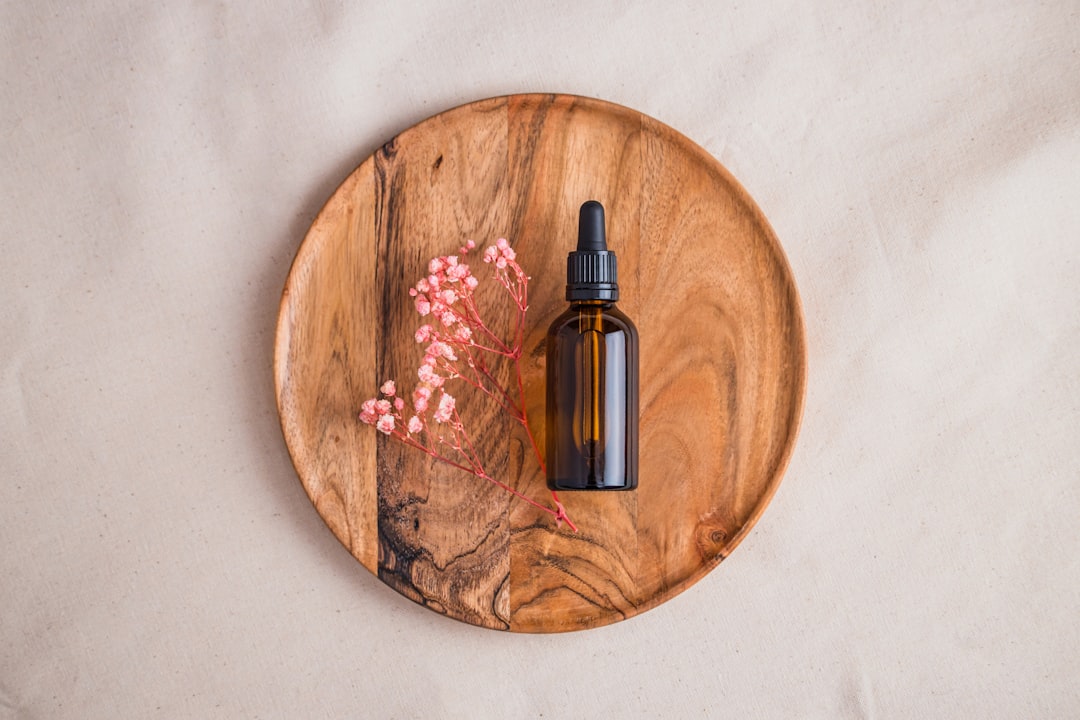
Amber tincture bottle representing blue vervain tincture

Blue vervain is most commonly taken as a tincture, which carries the bitter principles well.

Blue vervain for stress and tension: a nervine, not a sedative

Herbalists class blue vervain for stress and tension as a nervine. That means a herb with an affinity for the nervous system rather than one that sedates outright. In addition, it carries a secondary reputation as an alterative. That old term covers plants that gently support the body’s routes of elimination over time, particularly through the skin.

So what does this mean in practice? Herbalists have historically matched vervain to a fairly specific picture. Think of the person who is driven, capable, over-responsible, and physically braced. Tight neck and jaw. Difficulty putting a project down. Wired at bedtime despite genuine exhaustion. The older texts never present it as a herb for every kind of worry, and they are consistent on that point.

The traditional list of associations includes nervous tension, restlessness, and the tail end of an illness when energy has not returned. It also covers skin complaints such as acne, particularly where flare-ups track with hormonal cycles. Herbalists have long paired vervain with blue flag (Iris versicolor) for that last purpose.

What is inside the plant

On the chemistry side, blue vervain contains iridoid glycosides. These include verbenalin and hastatoside, alongside tannins and small amounts of volatile oil. The iridoids carry the bitterness, and researchers have studied them more than any other group in the genus. Research on Verbena species remains limited. Most of it sits at the preliminary laboratory stage rather than human trials. As a result, traditional use rather than clinical evidence supports blue vervain today.

The key takeaway: this is a plant with a long and specific traditional record and a thin modern research file. Both things are true at once, and it is worth knowing which one you are relying on.

How Blue Vervain for Stress and Tension Is Prepared and Used

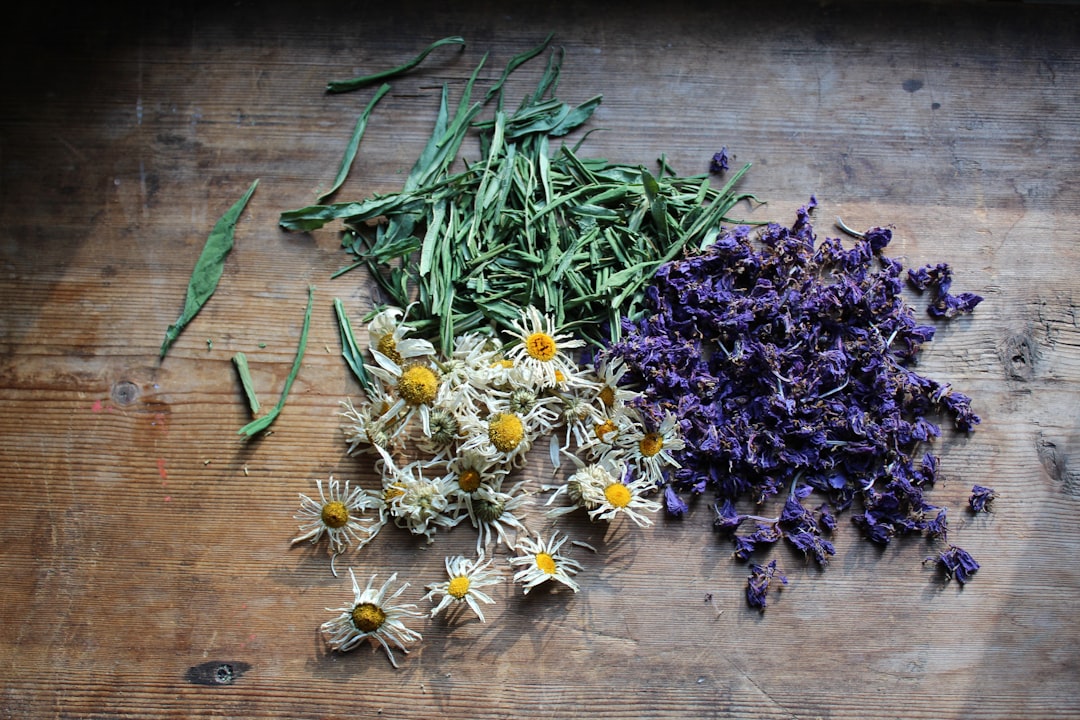
Loose dried herb steeping in a glass cup, one way blue vervain is prepared

Dried vervain leaf can be infused as a tea, though the bitterness is pronounced.

Blue vervain for stress and tension: tincture or tea

Most people who take blue vervain for stress and tension choose a tincture. The bitter iridoids and the volatile oil both extract well into alcohol. A few drops under the tongue also deliver the bitter taste directly. Traditional practice treated that taste as part of how the herb works, not as an unfortunate side effect.

Tea is the other option. Infuse the dried leaf in just off boiling water, and keep the cup covered while it steeps. That traps the volatile oils in the cup rather than in the air. Be warned though. Plain vervain tea tastes genuinely bitter, so most people blend it with lemon balm, chamomile, or oatstraw. Blue vervain also combines readily into custom tincture formulas, usually as a supporting element rather than the whole picture.

How we make it

Here is how we approach it at Herbal Clinic. We make our tinctures by classic maceration at a 1:5 herb to menstruum ratio. We set the alcohol percentage according to the plant and the part we use. For a leaf like vervain, that balance matters. Too little alcohol and the volatile oils do not come across. Too much and the water soluble fraction stays behind. Every batch goes through third-party lab testing plus an organoleptic check by our herbalists before bottling.

Blue vervain safety notes

A few practical notes. Traditional practice avoids blue vervain during pregnancy. The herb also has a reputation for unsettling the stomach at higher amounts, which is common among strongly bitter plants. Furthermore, if you take prescription medication or manage an ongoing health condition, speak with a qualified practitioner before adding any new herb.

For regulatory reasons we do not publish dosing guidance. If you want help building a formula around vervain, you can pair our blue vervain tincture with other herbs, or ask a practitioner to design one for you.

FAQ

  • Superior Sourcing: Our herbs are sourced from all over the world to avoid seasonal fluctuations in availability, keeping herbs accessible. Our suppliers meet strict standards that ensure top quality herbs, most of which are organic, wildcrafted, sustainably grown, or grown using permaculture. We support local farmers and grow many of our own herbs.
  • Superior Processing: Our tinctures are made using the classic tincturing method. The tinctures are made in a 1:5 ratio which allows for the optimal extraction of the herb. The alcohol percentage is strictly controlled depending on the herb and part of the plant that is used.
  • Superior Selection: We take pride in our growing selection of over 300 individual herbs. If we don’t carry the herb you’re seeking, we can likely track it down for you.
  • Superior Quality Control: Our tinctures are thoroughly tested by a third-party lab and with an organoleptic evaluation by our team of herbalists prior to final bottling.
  • Superior Price: Our tinctures are more cost-effective than other tinctures on the market. With an eye towards efficiency, we keep our costs low by maintaining good relationships with our wide network of suppliers and ordering herbs in bulk quantities.
  • We Care About the Environment: We repackage materials that are shipped to us (so don’t be surprised if our packages look different from time to time!). We recycle or reuse materials whenever possible. We turn the cardboard we receive from other suppliers into packing material. We donate to avoid waste to groups like Naturopaths Without Borders. Our workforce almost completely uses public transportation or bikes. We are powered using 100% renewable energy through Bullfrog Power.
  • We Donate To Charity: We support many causes that make the world better. We donate a portion of our profits or products. These include charities that support environmental and natural sustainability.

Set up an online account and order through the website. If you don’t have an account and place an order, one will be created for you.

Our products are made in Toronto, Ontario, Canada by a team of Herbalists and Naturopathic Doctors. The herbs and ingredients we use to make our products are sourced both locally and globally to keep herbs accessible and sustainable.

The majority of our herbs are certified organic, sustainably wildcrafted, or come from small-scale local organic farms that do not yet have organic certification. We always do our best to provide organic herbs in your formulas. We work with a variety of suppliers to keep costs low.

Although most of our products do not contain gluten, we do not have gluten-free certification for our production facility. Feel free to ask about any specific products and we’ll share whatever information we have available.

For liability and regulatory reasons, we don’t make any claims as to how our herbs should be used, including dosing recommendations. Please review our disclaimer, as well as our terms and policies.
Posted on

Horsetail for Hair and Nails: A Practical Guide to Equisetum arvense

Horsetail for Hair and Nails: Meet Equisetum arvense

Dried horsetail for hair and nails, Equisetum arvense cut and sifted herb

Dried Equisetum arvense (field horsetail), cut and sifted

Horsetail for hair and nails is one of the oldest ideas in Western herbalism. It comes from a plant older than almost everything growing beside it. Equisetum arvense, or field horsetail, survives from a plant family that covered the earth before flowers existed. Its ancestors grew as trees.

Here’s why that matters: horsetail never evolved true leaves. Instead it grows a jointed, hollow, bottle-brush stem. That stem pulls silica out of the soil and stores it. Silica is the reason this herb sits in the hair, skin, and nail category.

Where horsetail for hair and nails grows

The plant belongs to the Equisetaceae family, the only surviving family in its group. It grows across Europe, Asia, and North America. It favours damp ditches, riverbanks, sandy roadsides, and disturbed ground. In spring it sends up a pale, cone-topped fertile shoot. That shoot dies back. The green sterile stems that follow are the part herbalists harvest.

Old names, older uses

Common names tell you how people used it. Scouring rush and pewterwort come from the same habit. Because of its silica, the dried stems are mildly abrasive. Rural households scrubbed pots and polished pewter with bundles of horsetail. In Traditional Chinese Medicine the same plant appears as Mu Zei.

However, one detail matters when you buy it. Equisetum arvense is the herbal species. Its relative Equisetum palustre, or marsh horsetail, carries alkaloids that make it unsuitable. The two grow side by side. Careful identification is therefore the whole job with this herb. Herbal Clinic sources cut and sifted Equisetum arvense, and our herbalists check every batch before it becomes a tincture or a tea.

Why Horsetail Is Associated With Hair, Skin, and Nails

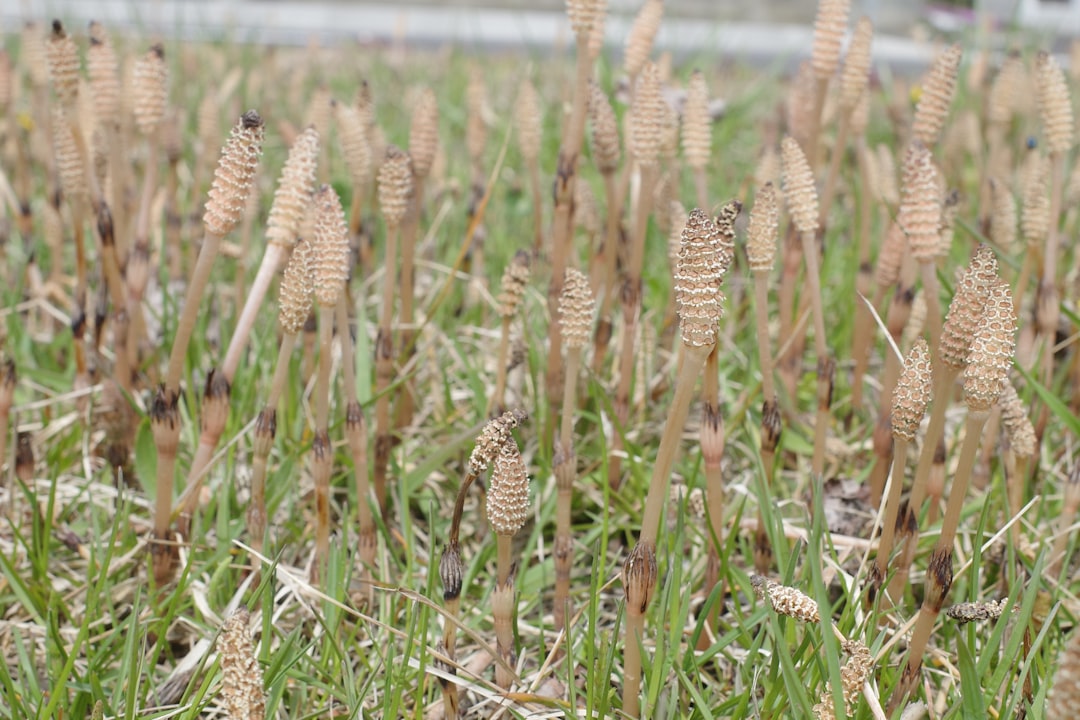
Field horsetail plants growing in grass, the source of horsetail for hair and nails

Field horsetail growing in its typical damp, sandy ground

Traditional use of horsetail for hair and nails rests on one feature. This plant ranks among the richest botanical sources of silica. Of course, growing site and harvest time shift the amount. Most of it sits in the stem as water-soluble silicic acid, not as inert sand.

Here’s how it works. Silicon takes part in the way the body builds collagen. In turn, collagen forms the scaffold under skin, inside hair shafts, and in the nail plate. Connective tissue short on structural support shows it at the edges first. Hair and nails live at those edges. Horsetail supplies a building block, not a treatment.

More than silica

But there’s more to it than silica. Horsetail also holds flavonoids, including quercetin and kaempferol derivatives. Similarly, it carries phenolic acids and small amounts of saponins too. Herbalists associate flavonoid-rich plants with antioxidant activity. That profile explains part of the herb’s topical tradition. You can check the botany of the species through Plants of the World Online.

The urinary tradition

In addition, European herbalists used horsetail as a gentle diuretic. That history explains the company it keeps. Our Uva-Ursi, Horsetail, and Cornsilk Combo pairs it with two herbs from the same traditional group. The blend reflects classical use rather than modern marketing.

The key takeaway: horsetail is a mineral-rich structural herb with a secondary urinary tradition. It stimulates nothing. It works slowly. Traditional use ran long and steady, which suits the tissues involved. Hair and nails grow at their own pace, so any change shows over months.

How to Use Horsetail for Hair and Nails at Home

Teapot and cup for preparing a horsetail infusion

Horsetail is traditionally prepared as a long, strong infusion

Most people meet horsetail for hair and nails in three forms: a tincture, a strong infusion, or a topical rinse. Each one suits a different habit. Preparation matters more here than with most herbs. Silicic acid needs time and heat to leave the stem.

Horsetail for hair and nails as an infusion or rinse

This is where it gets interesting. A two-minute steep does almost nothing with horsetail. Tradition calls for a decoction or a long infusion. Simmer the dried herb for roughly ten minutes. Then let it stand and cool for several hours before you strain it. Furthermore, people have long used that cooled liquid two ways: as a drink, and as a hair rinse or a nail soak.

Tinctures

By contrast, tinctures work differently. Herbal Clinic makes tinctures by the classic method at a 1:5 ratio. We match the alcohol percentage to the herb and the plant part, so each bottle matches the last. A tincture measures easily and keeps well. As a result, many people stay consistent with drops far more easily than with a pot of tea that needs hours of standing time.

Practical notes on use

Tradition pairs horsetail with food and plenty of water. European practice also favoured short courses rather than indefinite daily use. In addition, the raw plant contains thiaminase, an enzyme that degrades vitamin B1. Heat handles that enzyme, which is why traditional preparation cooks the herb and why properly processed material matters.

Above all, sourcing deserves one more line. That look-alike relative makes dried horsetail only as good as the supplier behind it. We hold our suppliers to strict standards. Most of our herbs are organic, wildcrafted, or grown using permaculture. A third-party lab tests our tinctures, and our herbalists run an organoleptic check before final bottling. With a silica herb pulled from ditches and roadsides, that chain matters more than the front label.

For liability and regulatory reasons we make no dosing recommendations. Talk with a qualified practitioner before you add horsetail to your routine, especially during pregnancy, alongside medication, or with a kidney condition.

FAQ

  • Superior Sourcing: Our herbs are sourced from all over the world to avoid seasonal fluctuations in availability, keeping herbs accessible. Our suppliers meet strict standards that ensure top quality herbs, most of which are organic, wildcrafted, sustainably grown, or grown using permaculture. We support local farmers and grow many of our own herbs.
  • Superior Processing: Our tinctures are made using the classic tincturing method. The tinctures are made in a 1:5 ratio which allows for the optimal extraction of the herb. The alcohol percentage is strictly controlled depending on the herb and part of the plant that is used.
  • Superior Selection: We take pride in our growing selection of over 300 individual herbs. If we don’t carry the herb you’re seeking, we can likely track it down for you.
  • Superior Quality Control: Our tinctures are thoroughly tested by a third-party lab and with an organoleptic evaluation by our team of herbalists prior to final bottling.
  • Superior Price: Our tinctures are more cost-effective than other tinctures on the market. With an eye towards efficiency, we keep our costs low by maintaining good relationships with our wide network of suppliers and ordering herbs in bulk quantities.
  • We Care About the Environment: We repackage materials that are shipped to us (so don’t be surprised if our packages look different from time to time!). We recycle or reuse materials whenever possible. We turn the cardboard we receive from other suppliers into packing material. We donate to avoid waste to groups like Naturopaths Without Borders. Our workforce almost completely uses public transportation or bikes. We are powered using 100% renewable energy through Bullfrog Power.
  • We Donate To Charity: We support many causes that make the world better. We donate a portion of our profits or products. These include charities that support environmental and natural sustainability.

Set up an online account and order through the website. If you don’t have an account and place an order, one will be created for you.

Our products are made in Toronto, Ontario, Canada by a team of Herbalists and Naturopathic Doctors. The herbs and ingredients we use to make our products are sourced both locally and globally to keep herbs accessible and sustainable.

The majority of our herbs are certified organic, sustainably wildcrafted, or come from small-scale local organic farms that do not yet have organic certification. We always do our best to provide organic herbs in your formulas. We work with a variety of suppliers to keep costs low.

Although most of our products do not contain gluten, we do not have gluten-free certification for our production facility. Feel free to ask about any specific products and we’ll share whatever information we have available.

For liability and regulatory reasons, we don’t make any claims as to how our herbs should be used, including dosing recommendations. Please review our disclaimer, as well as our terms and policies.
Posted on

California Poppy for Sleep: A Gentle Nervine for Restless Nights

California Poppy for Sleep: Where This Bright Little Nervine Comes From

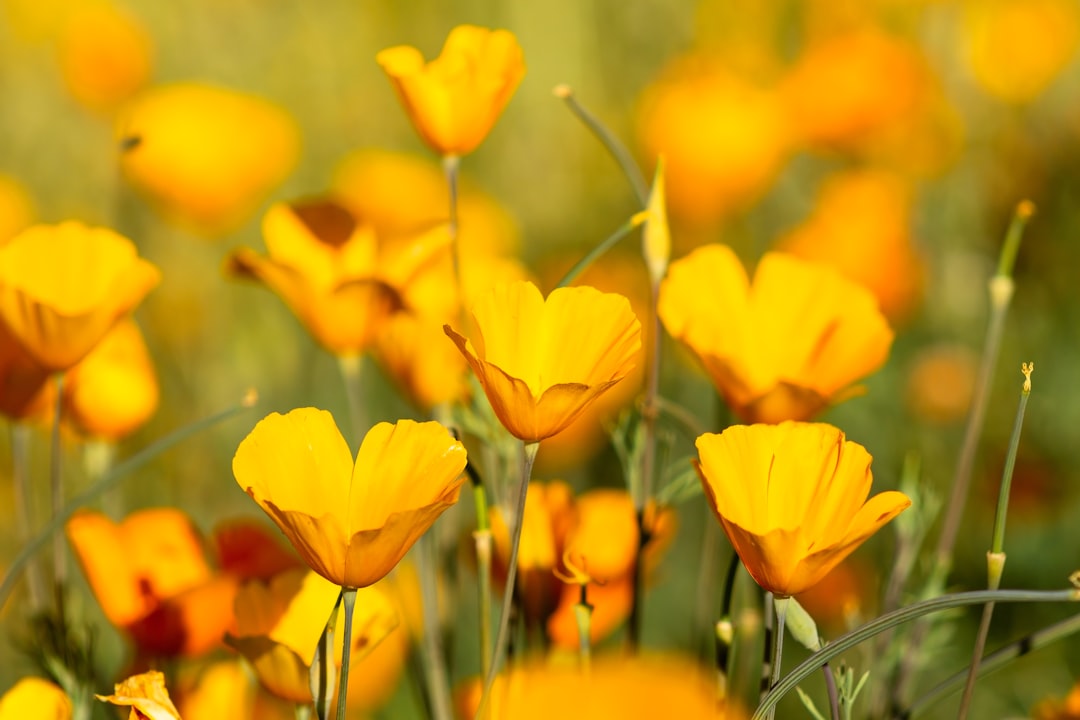
California poppy for sleep, orange Eschscholzia californica flowers growing in a sunny field

Eschscholzia californica in bloom, the aerial parts of which are used in herbal preparations.

California poppy for sleep has a much quieter reputation than valerian or passionflower. That is exactly why herbalists reach for it. It is a soft, unfussy nervine. Tradition puts it to work when the body feels tired but the mind refuses to settle.

What the California poppy plant actually is

Botanists know it as Eschscholzia californica, a member of the poppy family and the state flower of California. It grows low and sprawling, with feathery blue-green foliage and cup-shaped flowers in bright orange and yellow. However, one concern deserves an answer straight away. California poppy is not opium poppy. That plant is Papaver somniferum, and its chemistry differs completely. California poppy contains no morphine and no codeine. You can check the species record in the Royal Botanic Gardens Kew database, Plants of the World Online.

A long, quiet history

Here is why the mildness matters. Indigenous peoples of California used the aerial parts as a calming, pain-easing remedy, including for restless children. Eclectic physicians across North America picked it up through the late 1800s and early 1900s. Europe still uses it widely today. In France it remains a fixture in sleep and tension formulas.

Which part of the plant we use

Herbalists harvest the aerial parts: flowering tops, leaves and stems, gathered while the plant blooms. Some traditions include the root. Modern preparations mostly centre on the above-ground growth. In addition, the whole top of the plant goes into the jar rather than one isolated part. That gives the finished tincture its characteristic spread of alkaloids and flavones.

As a result, California poppy sits in a useful middle ground. It will not flatten you the way a heavy sedative does. It is also far from inert. For anyone building a first herbal sleep routine, it makes a sensible starting point.

What California Poppy Is Traditionally Used For

Amber dropper bottle of herbal tincture, the form California poppy is most often taken in

California poppy is most commonly prepared as an alcohol tincture from the fresh or dried aerial parts.

Herbalists class California poppy for sleep as a sedative nervine with a secondary pain-easing action, and its affinity sits squarely with the central nervous system. Tradition links it to three overlapping pictures: trouble falling asleep, general restlessness, and mild discomfort that keeps a person from settling.

How California poppy works for sleep, in plain terms

The plant makes a group of isoquinoline alkaloids, including californidine, escholtzine and protopine, alongside flavone glycosides. Laboratory research suggests these constituents interact with GABA receptor activity in the brain. GABA carries the nervous system’s main calming signal. It quiets neural chatter rather than stimulating it. That same broad mechanism sits behind many traditional relaxing herbs, and it explains the herb’s reputation for taking the edge off without a knockout effect.

The pain-easing side

But there is more to it than that. The analgesic action separates California poppy from purely sedative herbs. Traditionally people reached for it when discomfort was part of the reason sleep would not come: aching muscles, tension headaches, period pain. One plant covering both mild pain relief and mild sedation is unusual. That combination explains why the herb has stayed in use for well over a century.

What the research shows

European clinical trials have mostly studied California poppy in combination rather than alone. Researchers typically paired it with hawthorn and magnesium in formulas aimed at mild anxiousness and disturbed sleep. Those trials reported meaningful gains in sleep quality measures. The limits deserve an honest mention. The evidence base stays modest, most trials test combination products, and the traditional record runs far stronger than the clinical one.

The key takeaway: treat California poppy as a gentle, well-tolerated nervine with a long traditional track record, not as a heavily researched sleep drug. Furthermore, it partners with other herbs rather than competing with them. That is how most herbalists use it.

How California Poppy for Sleep Is Prepared and Used

Dried herbs laid out for tea preparation, one of the traditional ways California poppy is taken

The aerial parts can also be infused as a tea, though the tincture is the more common preparation.

Most people take California poppy for sleep as an alcohol tincture. There is a practical reason. Alcohol pulls the active alkaloids out far more reliably than hot water does, so a tincture delivers a fuller and steadier preparation than an infusion. We make our California poppy tincture from the aerial parts using the classic 1:5 method, and we match the alcohol percentage to the plant material.

Tea as an alternative

However, the herb also works as a tea. An infusion of the dried aerial parts gives a pleasant, slightly bitter cup, and the ritual itself earns a place in an evening wind-down. If you prefer teas, it blends easily with chamomile, lemon balm or oatstraw. Browse our loose leaf teas if you would rather build a blend that way.

California poppy for sleep: timing and pairings

Timing tends to matter more than anything else. Tradition puts the herb in the evening, roughly thirty to sixty minutes before bed. Some people also take a smaller amount during the day when tension is the main issue. Because it acts mildly, herbalists usually combine it rather than relying on it alone. Valerian makes the classic pairing where sedation and pain overlap. Passionflower suits a racing mind. Wild lettuce (Lactuca virosa) stands in as the closest substitute when California poppy runs short.

So what does this mean for you? With nervine herbs, consistency generally beats intensity. Most people work them into a routine over a stretch of weeks rather than reaching for a one-off rescue.

Cautions and sourcing

A few practical cautions. Avoid California poppy during pregnancy and breastfeeding. Do not combine it with sedative medication. Anyone taking prescription drugs, particularly MAO inhibitors, should speak to a practitioner first. For liability and regulatory reasons we do not give dosing recommendations, so please review our disclaimer and talk to a qualified health practitioner about your own situation.

On sourcing: our suppliers meet strict quality standards, and the majority of our herbs carry organic certification, come from sustainable wildcrafting, or grow on small local farms. A third-party lab tests every tincture, and our team runs an organoleptic evaluation before final bottling.

FAQ

  • Superior Sourcing: Our herbs are sourced from all over the world to avoid seasonal fluctuations in availability, keeping herbs accessible. Our suppliers meet strict standards that ensure top quality herbs, most of which are organic, wildcrafted, sustainably grown, or grown using permaculture. We support local farmers and grow many of our own herbs.
  • Superior Processing: Our tinctures are made using the classic tincturing method. The tinctures are made in a 1:5 ratio which allows for the optimal extraction of the herb. The alcohol percentage is strictly controlled depending on the herb and part of the plant that is used.
  • Superior Selection: We take pride in our growing selection of over 300 individual herbs. If we don’t carry the herb you’re seeking, we can likely track it down for you.
  • Superior Quality Control: Our tinctures are thoroughly tested by a third-party lab and with an organoleptic evaluation by our team of herbalists prior to final bottling.
  • Superior Price: Our tinctures are more cost-effective than other tinctures on the market. With an eye towards efficiency, we keep our costs low by maintaining good relationships with our wide network of suppliers and ordering herbs in bulk quantities.
  • We Care About the Environment: We repackage materials that are shipped to us (so don’t be surprised if our packages look different from time to time!). We recycle or reuse materials whenever possible. We turn the cardboard we receive from other suppliers into packing material. We donate to avoid waste to groups like Naturopaths Without Borders. Our workforce almost completely uses public transportation or bikes. We are powered using 100% renewable energy through Bullfrog Power.
  • We Donate To Charity: We support many causes that make the world better. We donate a portion of our profits or products. These include charities that support environmental and natural sustainability.

Set up an online account and order through the website. If you don’t have an account and place an order, one will be created for you.

Our products are made in Toronto, Ontario, Canada by a team of Herbalists and Naturopathic Doctors. The herbs and ingredients we use to make our products are sourced both locally and globally to keep herbs accessible and sustainable.

The majority of our herbs are certified organic, sustainably wildcrafted, or come from small-scale local organic farms that do not yet have organic certification. We always do our best to provide organic herbs in your formulas. We work with a variety of suppliers to keep costs low.

Although most of our products do not contain gluten, we do not have gluten-free certification for our production facility. Feel free to ask about any specific products and we’ll share whatever information we have available.

For liability and regulatory reasons, we don’t make any claims as to how our herbs should be used, including dosing recommendations. Please review our disclaimer, as well as our terms and policies.
Posted on

Oatstraw for Nervous Exhaustion: The Quiet Nervine Behind the Morning Bowl

Oatstraw for Nervous Exhaustion: Meet Avena Sativa

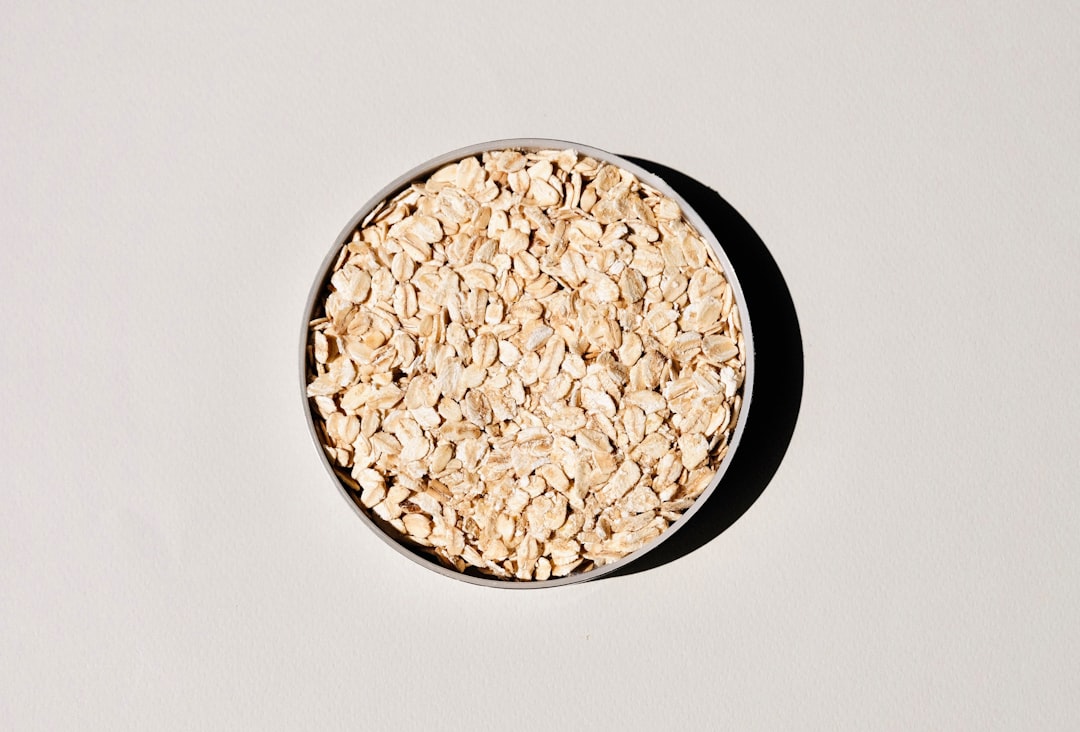
Oats in a ceramic bowl, the plant behind oatstraw for nervous exhaustion

Oatstraw for nervous exhaustion comes from Avena sativa, the common oat

Oatstraw for nervous exhaustion is one of the least dramatic remedies in the herbal cabinet, and that is exactly the point. It does not hit you like a stimulant or knock you out like a sedative. It works slowly, over weeks. The target is a nervous system that has been running on empty.

The plant is Avena sativa, the common oat, a member of the grass family (Poaceae). It is the same crop that ends up in porridge and oat milk, but herbalists use a different part at a different moment. Oatstraw is the green stem and leaf, harvested and dried. Milky oat tops are the immature seed heads. They are picked in the brief window when squeezing one releases a white, milky sap. That window lasts about a week, which is why milky oats have always been a small-batch herb.

Oatstraw or Milky Oat Tops?

Here is why that matters: the two preparations are related but not identical. Milky oat tops are the richer, more concentrated nervine, traditionally reserved for the deepest depletion. Oatstraw is milder and more mineral-rich. That makes it the everyday version, easy to drink daily.

Oats grow across the temperate world and have followed human agriculture for thousands of years. Northern European and British herbal traditions both recorded oats as a restorative. It went to people worn down by illness, overwork, or long convalescence. In other words, oatstraw for nervous exhaustion is not a new idea in wellness clothing. It is an old one that never went away.

Why Oatstraw for Nervous Exhaustion Works: Properties and Constituents

Herbal tincture bottle with dropper

Tincture concentrates the milky oat sap

Herbalists file oats under nervine tonic, which is a specific and useful category. A nervine relaxant, like passionflower or valerian, calms the nervous system while you are taking it. A nervine tonic works differently. It feeds and rebuilds nervous tissue over time. That is the traditional case for oatstraw for nervous exhaustion, rather than for acute panic.

So what does this mean for you? The effect is cumulative, not immediate. Nobody takes oats and feels a shift in twenty minutes, and anyone who promises that is selling something else.

Minerals, Alkaloids, and the Milky Stage

The chemistry backs up the traditional use. Oat straw is notably rich in minerals, particularly silica, along with calcium and magnesium. The body draws on all three during sustained stress. Milky oat tops carry additional compounds, including the alkaloid gramine and a group of avenanthramides. The milky stage is what concentrates them. However, the mineral content alone explains much of the long convalescent reputation.

Traditionally, oats have been associated with the tired-and-wired state. Worn out but unable to settle. Running on caffeine and nerve, irritable by evening. This is where it gets interesting. Oats were also used historically alongside withdrawal from tobacco and other stimulants. The reasoning: a depleted nervous system copes badly with anything taken away. As a result, oats often appear in formulas rather than alone. They pair with other stress and anxiety herbs that handle the sharper edges, while the oats rebuild underneath.

How to Use Oatstraw for Nervous Exhaustion

Mug of herbal infusion

A long overnight infusion draws out the minerals

There are two sensible ways to take oatstraw for nervous exhaustion, and they suit different goals. The choice comes down to whether you are after the minerals or the nervine action.

For minerals, brew a long infusion rather than a quick cup of tea. Put a generous handful of dried oatstraw in a jar. Fill it with just-boiled water, cap it, and leave it overnight. Strain it in the morning. Furthermore, that extended steep is what pulls the silica and other minerals out of the tough plant material. A five-minute steep will not do it. The taste is mild, grassy, and faintly sweet. That is one reason oatstraw ends up in so many daily tea blends.

For the nervine action, a tincture made from the milky tops is the more direct route. The milky sap does not survive drying well, so a fresh-plant tincture captures what a dried tea largely misses. In addition, a tincture is easier to keep up daily, and daily is the whole point with a tonic herb. Consistency over weeks beats a heroic dose over a weekend.

The key takeaway: oats reward patience. Traditionally they are part of a routine rather than a rescue remedy, often over six to eight weeks. Sleep and food still do the heavy lifting.

At Herbal Clinic we prepare our oat tincture using the classic 1:5 method. The alcohol percentage is set for the plant part used. Every batch is third-party lab tested and checked by our herbalists before bottling. We also carry dried oatstraw for infusions. For liability and regulatory reasons we do not make dosing recommendations. If you are pregnant, breastfeeding, taking medication, or sensitive to gluten, speak with a health practitioner first. Oats are frequently processed alongside gluten-containing grains.

FAQ

  • Superior Sourcing: Our herbs are sourced from all over the world to avoid seasonal fluctuations in availability, keeping herbs accessible. Our suppliers meet strict standards that ensure top quality herbs, most of which are organic, wildcrafted, sustainably grown, or grown using permaculture. We support local farmers and grow many of our own herbs.
  • Superior Processing: Our tinctures are made using the classic tincturing method. The tinctures are made in a 1:5 ratio which allows for the optimal extraction of the herb. The alcohol percentage is strictly controlled depending on the herb and part of the plant that is used.
  • Superior Selection: We take pride in our growing selection of over 300 individual herbs. If we don’t carry the herb you’re seeking, we can likely track it down for you.
  • Superior Quality Control: Our tinctures are thoroughly tested by a third-party lab and with an organoleptic evaluation by our team of herbalists prior to final bottling.
  • Superior Price: Our tinctures are more cost-effective than other tinctures on the market. With an eye towards efficiency, we keep our costs low by maintaining good relationships with our wide network of suppliers and ordering herbs in bulk quantities.
  • We Care About the Environment: We repackage materials that are shipped to us (so don’t be surprised if our packages look different from time to time!). We recycle or reuse materials whenever possible. We turn the cardboard we receive from other suppliers into packing material. We donate to avoid waste to groups like Naturopaths Without Borders. Our workforce almost completely uses public transportation or bikes. We are powered using 100% renewable energy through Bullfrog Power.
  • We Donate To Charity: We support many causes that make the world better. We donate a portion of our profits or products. These include charities that support environmental and natural sustainability.

Set up an online account and order through the website. If you don’t have an account and place an order, one will be created for you.

Our products are made in Toronto, Ontario, Canada by a team of Herbalists and Naturopathic Doctors. The herbs and ingredients we use to make our products are sourced both locally and globally to keep herbs accessible and sustainable.

The majority of our herbs are certified organic, sustainably wildcrafted, or come from small-scale local organic farms that do not yet have organic certification. We always do our best to provide organic herbs in your formulas. We work with a variety of suppliers to keep costs low.

Although most of our products do not contain gluten, we do not have gluten-free certification for our production facility. Feel free to ask about any specific products and we’ll share whatever information we have available.

For liability and regulatory reasons, we don’t make any claims as to how our herbs should be used, including dosing recommendations. Please review our disclaimer, as well as our terms and policies.
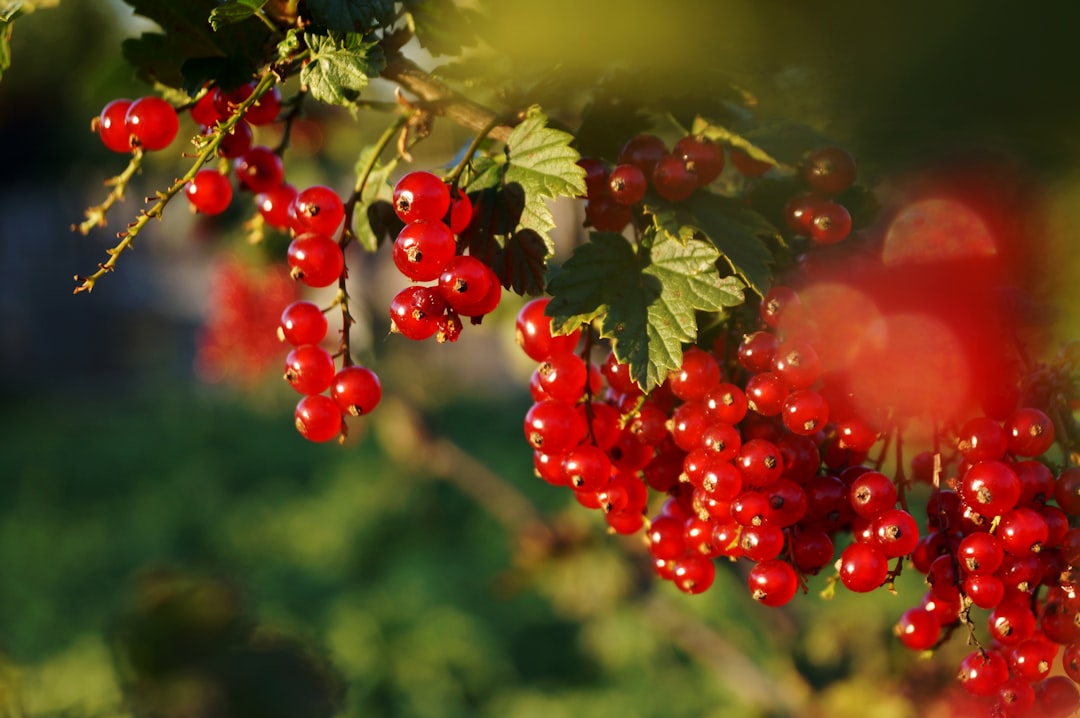
Posted on

Siberian Ginseng for Energy and Stamina: A Practical Guide

Siberian Ginseng for Energy: Where This Herb Comes From

Siberian ginseng for energy, the thorny Eleutherococcus senticosus shrub in leaf

Eleutherococcus senticosus, the shrub behind siberian ginseng for energy.

Siberian ginseng for energy is a stamina herb, not a stimulant. People reach for it when the problem is not one bad night of sleep. It is a long stretch of too much work and too little recovery. Soviet researchers studied the root heavily through the 1960s. They measured endurance and work capacity, and the herb built its reputation there.

Despite the name, this plant is not true ginseng. Botanists call it Eleutherococcus senticosus. It shares the Araliaceae family with Panax ginseng, but only as a cousin. Common names include eleuthero, ciwujia, touch-me-not, and devil’s shrub. That last name fits: the stems carry dense, fine thorns.

The shrub grows across the taiga forests of eastern Russia, northeastern China, Korea, and northern Japan. It reaches two to three metres and throws out palmate leaves in fives. Small dark berries follow in late summer. However, the root and root bark carry the medicine. That is the part we tincture.

Here is why the history matters. Traditional Chinese medicine used ciwujia long before the Russian work began. Practitioners gave it as a qi tonic to people who felt worn down rather than acutely ill. As a result, the two pictures line up unusually well. Both describe a plant for depletion, not for a quick lift. Our guide to herbs for energy covers the wider group.

What Siberian Ginseng for Energy Is Traditionally Used For

Dropper bottle of siberian ginseng tincture on linen

Siberian ginseng is most often taken as a tincture.

Herbalists classify siberian ginseng for energy as an adaptogen. The same Russian researchers coined that term. In addition, it carries a specific meaning. An adaptogen helps the body hold steady under physical, mental, or environmental strain. It does not push one system hard in one direction.

The root carries a group of compounds called eleutherosides, plus polysaccharides. Furthermore, eleutherosides differ chemically from the ginsenosides in true ginseng. That difference explains why the two herbs behave differently in practice. The published research on Eleutherococcus senticosus mostly focuses on these compounds.

Here is how it works, in plain terms. The herb acts on the stress-response pathway running from brain to adrenal glands. It steadies the output of that pathway. Ordinary demands then stop registering as emergencies. It adds no stimulation on top of an already strained system.

Tradition links the root to four things. Physical endurance and work capacity come first. Mental stamina through long or repetitive tasks comes second. Recovery after illness or heavy exertion follows. Resistance across seasons of frequent infection rounds it out. Consequently, it shows up in formulas for the tail end of a stressful stretch. Compare it with astragalus root, which leans harder on immune terrain.

The key takeaway: this is not a caffeine substitute. As a result, anyone expecting a same-hour jolt walks away disappointed. People who take it steadily through a demanding month keep using it.

How People Use Siberian Ginseng for Energy Day to Day

Walkers among tall trees at dawn, stamina and endurance

Stamina herbs work best alongside sleep, food, and movement.

Most people take siberian ginseng for energy as a tincture. Alcohol pulls the eleutherosides out well, and a liquid is easy to adjust. However, the dried root also makes a serviceable decoction. It is woody, so it needs a real simmer rather than a steep. The flavour runs mild, slightly sweet, and faintly bitter.

Timing follows one consistent piece of traditional guidance. Herbalists suggest earlier in the day rather than at night. They also favour steady use across weeks over occasional doses. In addition, many traditional programs run it for a stretch, then pause.

This is where it gets interesting. Eleuthero blends well. Formulators pair it with ashwagandha for people who feel wired and tired. They add rhodiola when mood and motivation flatten. Licorice joins it in classic adrenal blends. You can buy these ready-made, or we can build a custom blend.

We make our Siberian ginseng tincture in Toronto by the classic method at a 1:5 ratio. We set the alcohol percentage for a woody root, not a leaf. Furthermore, we offer a 1:2 version for a stronger extract in less volume. Every batch clears third-party lab testing. Our herbalists also run an organoleptic check before final bottling.

One practical note. It works with your stress response rather than overriding it. So siberian ginseng for energy rewards the boring fundamentals. Sleep, meals, and movement do the heavy lifting. The herb helps you hold the line while you rebuild them.

FAQ

  • Superior Sourcing: Our herbs are sourced from all over the world to avoid seasonal fluctuations in availability, keeping herbs accessible. Our suppliers meet strict standards that ensure top quality herbs, most of which are organic, wildcrafted, sustainably grown, or grown using permaculture. We support local farmers and grow many of our own herbs.
  • Superior Processing: Our tinctures are made using the classic tincturing method. The tinctures are made in a 1:5 ratio which allows for the optimal extraction of the herb. The alcohol percentage is strictly controlled depending on the herb and part of the plant that is used.
  • Superior Selection: We take pride in our growing selection of over 300 individual herbs. If we don’t carry the herb you’re seeking, we can likely track it down for you.
  • Superior Quality Control: Our tinctures are thoroughly tested by a third-party lab and with an organoleptic evaluation by our team of herbalists prior to final bottling.
  • Superior Price: Our tinctures are more cost-effective than other tinctures on the market. With an eye towards efficiency, we keep our costs low by maintaining good relationships with our wide network of suppliers and ordering herbs in bulk quantities.
  • We Care About the Environment: We repackage materials that are shipped to us (so don’t be surprised if our packages look different from time to time!). We recycle or reuse materials whenever possible. We turn the cardboard we receive from other suppliers into packing material. We donate to avoid waste to groups like Naturopaths Without Borders. Our workforce almost completely uses public transportation or bikes. We are powered using 100% renewable energy through Bullfrog Power.
  • We Donate To Charity: We support many causes that make the world better. We donate a portion of our profits or products. These include charities that support environmental and natural sustainability.

Set up an online account and order through the website. If you don’t have an account and place an order, one will be created for you.

Our products are made in Toronto, Ontario, Canada by a team of Herbalists and Naturopathic Doctors. The herbs and ingredients we use to make our products are sourced both locally and globally to keep herbs accessible and sustainable.

The majority of our herbs are certified organic, sustainably wildcrafted, or come from small-scale local organic farms that do not yet have organic certification. We always do our best to provide organic herbs in your formulas. We work with a variety of suppliers to keep costs low.

Although most of our products do not contain gluten, we do not have gluten-free certification for our production facility. Feel free to ask about any specific products and we’ll share whatever information we have available.

For liability and regulatory reasons, we don’t make any claims as to how our herbs should be used, including dosing recommendations. Please review our disclaimer, as well as our terms and policies.