Andrographis for Cold Symptoms: Where the Herb Comes From
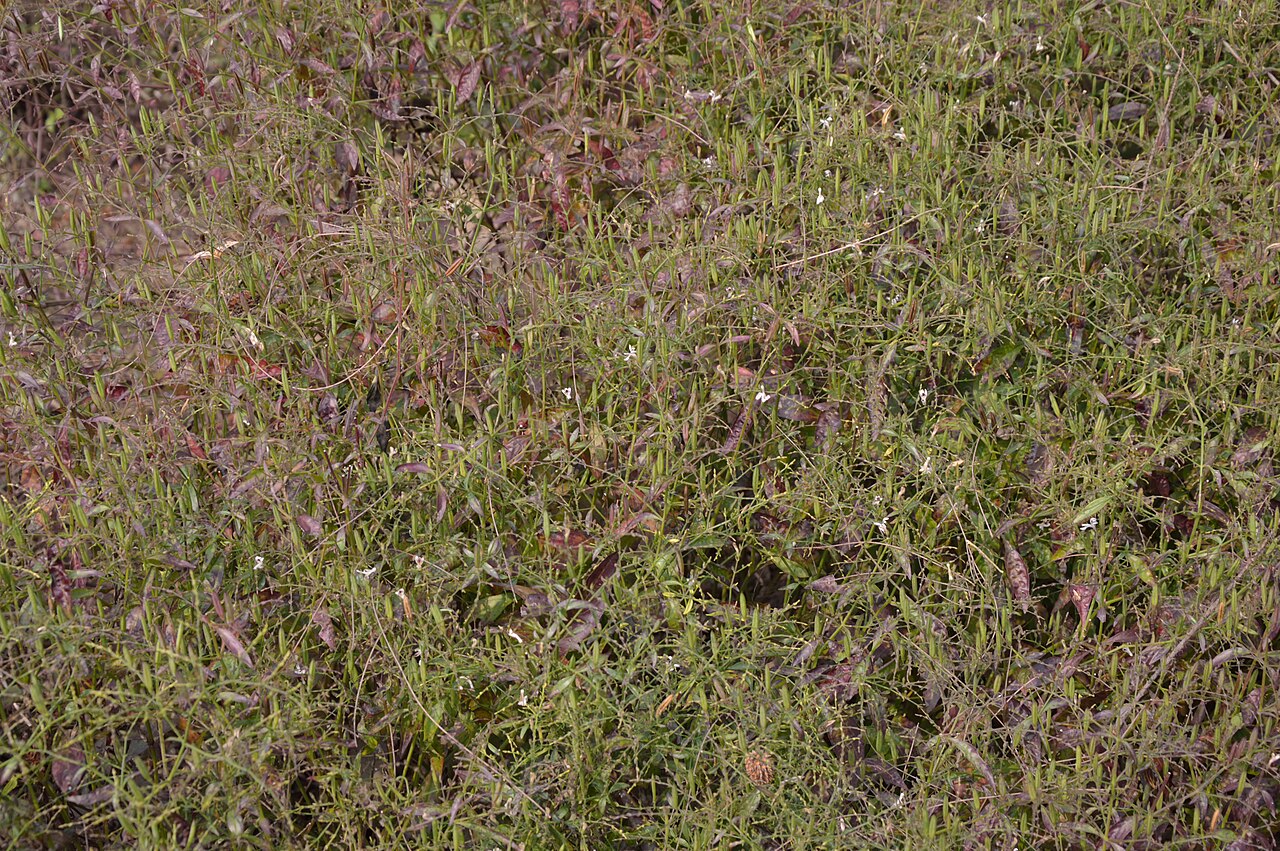
Andrographis paniculata in flower
Andrographis for cold symptoms is one of the few traditional remedies that travelled from South Asia to Scandinavia and stayed in use in both places. In India the herb earned the name maha-tita, or king of bitters. Taste a drop of the tincture and the name explains itself.
What the Andrographis Plant Looks Like
Andrographis paniculata is an upright annual in the Acanthaceae family. It grows to roughly a metre tall. The leaves are narrow and lance-shaped, and small white flowers carry purple streaks. Native to India and Sri Lanka, this plant now grows across Southeast Asia, southern China, and parts of the Caribbean.
Herbalists use the leaf. Harvest happens as the plant comes into flower, when the bitter compounds sit at their peak.
Here is why that matters. The bitterness is not a side effect. Diterpene lactones cause the taste, and andrographolide is the main one. Those same compounds are what extracts get standardised on. A batch that tastes mild is usually a batch that is short on them.
A Long and Well-Travelled History
This plant carries a dense history. Ayurvedic practitioners have used it for centuries for fever, sluggish digestion, and liver complaints. Traditional Chinese Medicine knows the leaf as chuan xin lian, and classes it among herbs that clear heat. In Sweden, however, the herb took a different path. It arrived late in the twentieth century and became a common winter preparation. That is where most modern interest in andrographis for cold symptoms began, and the published clinical literature still reflects that Scandinavian focus.
Furthermore, this is a genuine annual. A root crop can take three or four years in the ground. Andrographis is sown, grown, and harvested inside a single season, which keeps supply steady and pricing sane.
Properties and Traditional Uses of Andrographis
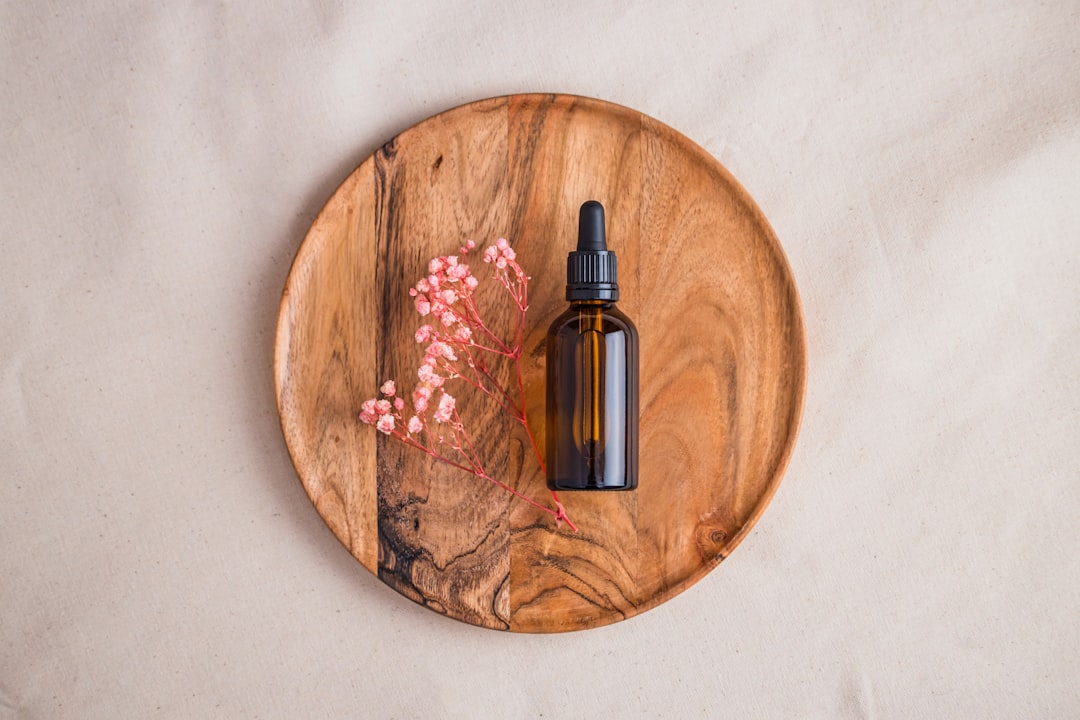
Andrographis is most often taken as a tincture
Herbalists class andrographis first as an antimicrobial. Bitter and carminative actions come second. Its affinities run through the respiratory, digestive, and urinary tracts, which is a broader reach than most single herbs manage. Traditionally, andrographis for cold symptoms is the use people meet first.
Andrographis for Cold Symptoms: The Active Constituents
Diterpene lactones do the work here. Andrographolide is the best studied of them. Research has looked at how it interacts with inflammatory signalling pathways rather than at any direct germ-killing effect. In addition, this compound group appears to influence immune cell activity. That is the mechanism most often cited when the herb comes up in a winter wellness context.
So what does this mean in practice? Andrographis is not a soothing herb. It will not coat a sore throat the way marshmallow root does. Nor will it sedate the way passionflower does. Instead the herb is sharp, cooling, and drying, which suits an acute congested picture better than a lingering dry cough.
The Bitter Action Behind the Herb
Bitters stimulate saliva, digestive enzymes, and bile flow through receptors on the tongue. As a result, this leaf also carries a traditional reputation for sluggish digestion and poor appetite. It appears in digestive formulas as often as in winter blends. Herbalists pair it with boldo and greater celandine for digestion. For the urinary tract, buchu and uva-ursi are the classic partners.
However, the herb has limits. Its cooling quality does not suit someone who already runs cold and depleted. Traditional practice keeps andrographis for cold symptoms to short courses during an acute episode rather than a daily tonic.
How to Use Andrographis for Cold Symptoms
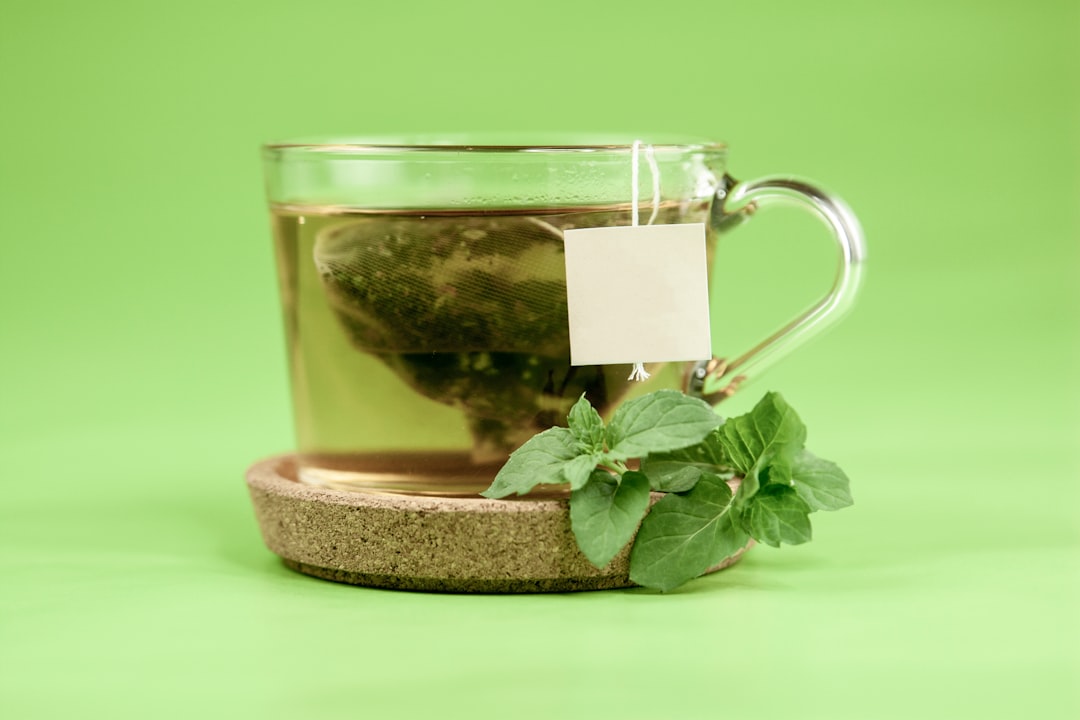
Andrographis leaf also brews as a tea, though the tincture is more common
Most people who use andrographis for cold symptoms reach for the tincture. The extract concentrates the diterpene lactones and takes seconds to measure. Traditional daily use of the tincture sits between 3 mL and 6 mL. As a dried leaf tea, the traditional range is 5 g to 8 g per day. We do not make dosing recommendations, so treat those figures as historical reference points and speak with a qualified practitioner.
Yes, It Really Is That Bitter
There is no polite way around the taste. Diluting the tincture in a small glass of water helps. A little juice helps more. Anything sweet enough to fully mask the bitterness also blunts the bitter reflex on the tongue, though. Many people simply take it fast and follow with water.
Blending Andrographis for Cold Symptoms
Andrographis works well alongside other winter herbs. It sits comfortably with echinacea in a formula. Warming aromatics such as ginger or thyme balance its cooling edge. In addition, a few millilitres go a long way inside a wider digestive blend.
Practical Notes on Use
Use the herb in short, defined courses rather than continuously. Its bitterness makes it hard going on an empty stomach, so taking it with food is common practice. Furthermore, pregnancy is a traditional caution here. Anyone on prescription medication should check with a healthcare provider first.
At Herbal Clinic we extract andrographis leaf at a 1:5 ratio using the classic tincturing method. Alcohol percentage is set for the leaf and its diterpene lactone content. Every batch goes through third-party lab testing and an organoleptic evaluation by our herbalists before bottling. We also offer the leaf as a dried herb for tea, and as a glycerite for people who avoid alcohol.
FAQ
- Superior Sourcing: Our herbs are sourced from all over the world to avoid seasonal fluctuations in availability, keeping herbs accessible. Our suppliers meet strict standards that ensure top quality herbs, most of which are organic, wildcrafted, sustainably grown, or grown using permaculture. We support local farmers and grow many of our own herbs.
- Superior Processing: Our tinctures are made using the classic tincturing method. The tinctures are made in a 1:5 ratio which allows for the optimal extraction of the herb. The alcohol percentage is strictly controlled depending on the herb and part of the plant that is used.
- Superior Selection: We take pride in our growing selection of over 300 individual herbs. If we don’t carry the herb you’re seeking, we can likely track it down for you.
- Superior Quality Control: Our tinctures are thoroughly tested by a third-party lab and with an organoleptic evaluation by our team of herbalists prior to final bottling.
- Superior Price: Our tinctures are more cost-effective than other tinctures on the market. With an eye towards efficiency, we keep our costs low by maintaining good relationships with our wide network of suppliers and ordering herbs in bulk quantities.
- We Care About the Environment: We repackage materials that are shipped to us (so don’t be surprised if our packages look different from time to time!). We recycle or reuse materials whenever possible. We turn the cardboard we receive from other suppliers into packing material. We donate to avoid waste to groups like Naturopaths Without Borders. Our workforce almost completely uses public transportation or bikes. We are powered using 100% renewable energy through Bullfrog Power.
- We Donate To Charity: We support many causes that make the world better. We donate a portion of our profits or products. These include charities that support environmental and natural sustainability.
Set up an online account and order through the website. If you don’t have an account and place an order, one will be created for you.
Click here to subscribe to our mailing list.
Our products are made in Toronto, Ontario, Canada by a team of Herbalists and Naturopathic Doctors. The herbs and ingredients we use to make our products are sourced both locally and globally to keep herbs accessible and sustainable.
The majority of our herbs are certified organic, sustainably wildcrafted, or come from small-scale local organic farms that do not yet have organic certification. We always do our best to provide organic herbs in your formulas. We work with a variety of suppliers to keep costs low.
Although most of our products do not contain gluten, we do not have gluten-free certification for our production facility. Feel free to ask about any specific products and we’ll share whatever information we have available.
For liability and regulatory reasons, we don’t make any claims as to how our herbs should be used, including dosing recommendations. Please review our disclaimer, as well as our terms and policies.