Cinnamon for Blood Sugar Balance: Where This Spice Came From
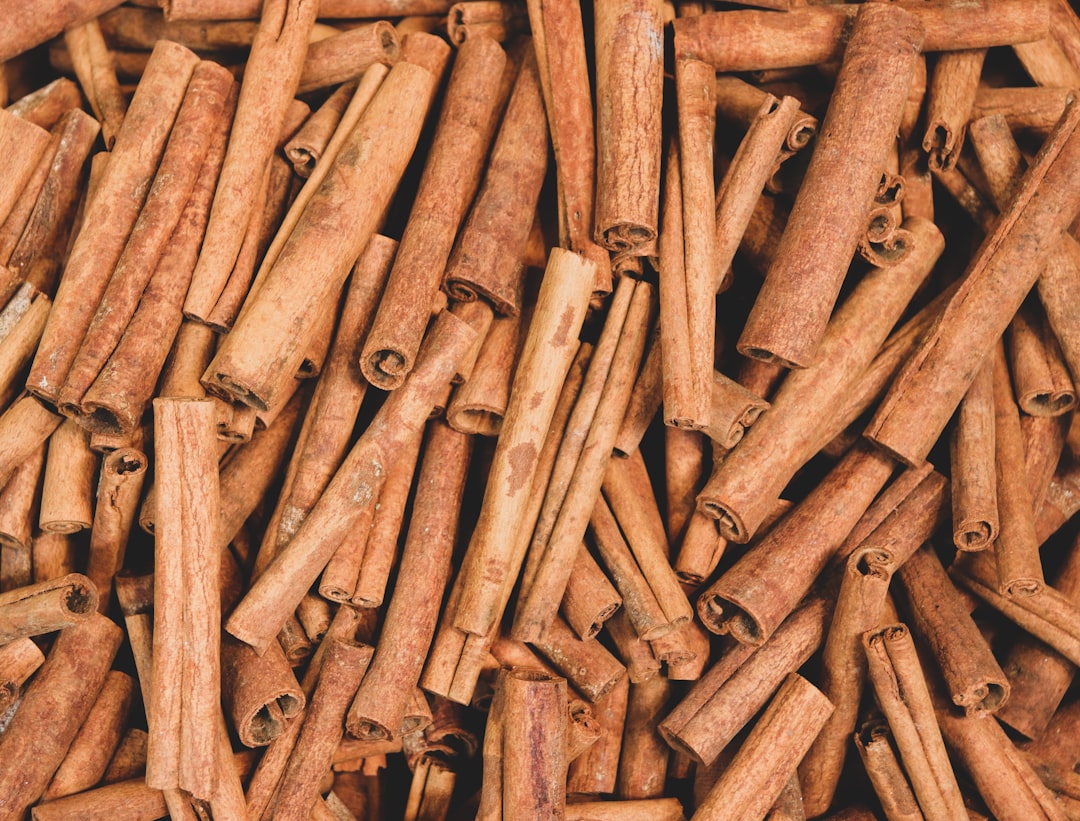
Cinnamon for blood sugar balance starts with the dried inner bark of the Cinnamomum tree.
Cinnamon for blood sugar balance is one of the few traditional herbal uses that later turned up in the research literature. The spice sat in kitchen cupboards for centuries before anyone measured what it did to a glucose curve. However, the traditional record pointed the same way all along.
Two very different trees
Cinnamon is the dried inner bark of trees in the Cinnamomum genus, part of the laurel family. Two species dominate the market. Cinnamomum verum, called Ceylon or true cinnamon, grows in Sri Lanka. Its bark rolls into soft, papery, multi layered quills. Cinnamomum cassia, known as cassia or Chinese cinnamon, comes from southern China and Southeast Asia. That bark runs thicker, darker and harder. It also carries the hotter flavour most North Americans recognise as cinnamon.
Here is why that matters. Cassia contains far more coumarin, a compound worth limiting at high intake over long periods. Ceylon contains only traces. So when someone takes cinnamon regularly rather than sprinkling it on oatmeal once a week, Ceylon makes more sense.
How growers harvest the bark
Both trees are evergreen and reach about ten metres in the wild. Growers coppice cultivated trees hard and keep them as low bushes, which pushes out young shoots. Harvesters strip those shoots, scrape away the outer layer, and leave the inner bark to dry and curl on its own. In addition, Chinese herbal medicine treats the twig and the bark as two separate remedies, gui zhi and rou gui. Western herbalism never made that distinction.
Traditionally, herbalists used cinnamon as a warming circulatory and digestive herb. Ayurvedic and Chinese practice both linked it to warming a sluggish digestion and moving stagnant circulation out to the hands and feet. The blood sugar connection arrived later. It fits the older picture rather than contradicting it.
How Cinnamon for Blood Sugar Balance Actually Works
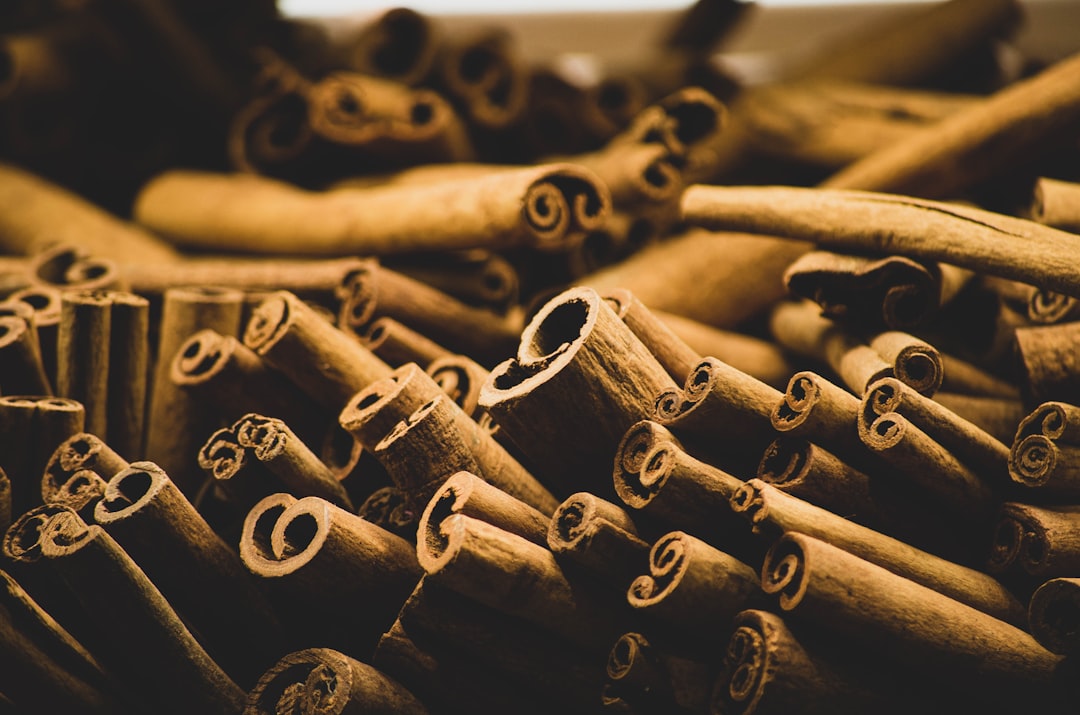
The active compounds sit in the aromatic inner bark.
The case for cinnamon for blood sugar balance rests on several compounds rather than one headline constituent. Cinnamaldehyde gives the bark its smell and much of its warming character. Alongside it sit cinnamic acid, eugenol, and a group of polyphenols called type A procyanidins. Those polyphenols appear to do most of the metabolic work.
Here is how it works
After a meal, insulin binds to receptors on your cells and triggers a signalling cascade. That cascade pulls glucose out of the blood, and it can turn sluggish. Procyanidins in cinnamon appear to sharpen the sensitivity of that step. The same amount of insulin then moves more glucose. Cinnamon also slows gastric emptying a little, which flattens the spike after a carbohydrate heavy meal by spreading absorption over more time.
Human trials back a modest effect. A meta analysis of controlled trials found reductions in fasting blood glucose, with less consistent movement in HbA1c. The honest summary: the effect is real but small. Cinnamon plays a supporting part rather than a leading one. Furthermore, results scatter between studies partly because researchers did not standardise the species or the dose.
But there is more to it than glucose
Cinnamon works as a warming circulatory stimulant. Herbalists reach for it where digestion runs weak and the hands and feet run cold. It is carminative, so it settles gas and cramping in the gut. The bark also carries real antimicrobial activity against a range of bacteria and fungi, which explains how it preserved food before refrigeration. As a result, it appears in traditional formulas for damp, sluggish and cold patterns far more often than in anything strictly metabolic.
The key takeaway: choose cinnamon for blood sugar balance because it fits a wider picture of sluggish digestion and poor circulation.
Using Cinnamon for Blood Sugar Balance Day to Day
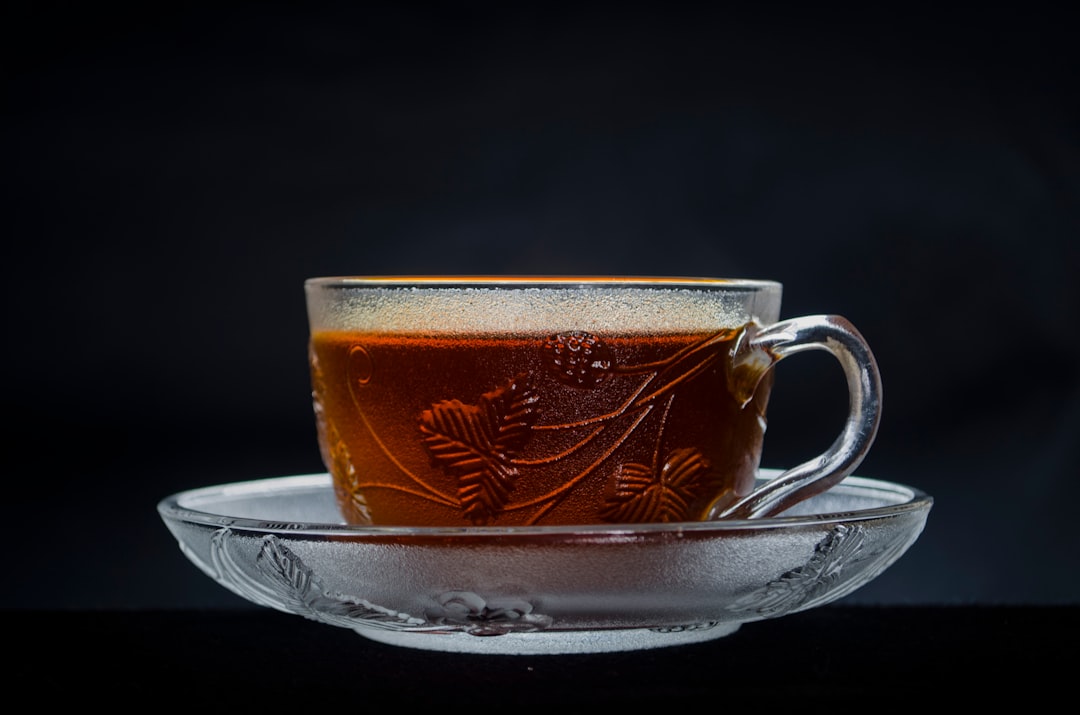
Cinnamon bark holds up well to a long, slow simmer.
Cinnamon for blood sugar balance comes in three main forms, and the form matters more here than with most herbs. Powdered bark stirred into food is the oldest route and the least precise. A decoction, where you simmer the bark rather than steep it, pulls out water soluble polyphenols but leaves much of the aromatic oil behind. A tincture captures both the aromatics and the polyphenols, which is why most herbalists reach for it.
Brewing and combining cinnamon
For a decoction, simmer a broken quill in covered water for fifteen to twenty minutes. The lid matters, because without it the aromatic compounds leave with the steam. In addition, cinnamon combines well with ginger, fennel and cardamom in a warming digestive blend. It also pairs naturally with bitter herbs traditionally associated with glucose metabolism.
Timing deserves some thought. Part of the effect involves slowing gastric emptying and supporting post meal glucose handling. So tradition puts cinnamon with food or just before it, rather than on an empty stomach hours away from a meal.
Cautions worth knowing
Cassia at high daily intake over months brings coumarin into play, especially for anyone with existing liver concerns. Ceylon sidesteps that problem. Anyone taking glucose lowering medication should speak with their prescriber first, since a herb acting on the same system can stack with the drug. Cinnamon also ranks as a common contact allergen, so patch test before any topical use.
At Herbal Clinic we extract cinnamon at a 1:5 ratio using the classic tincturing method. We set the alcohol percentage for the bark itself rather than applying one blanket standard, because dense resinous bark needs a different solvent strength than a soft leaf or flower. Every batch passes third party lab testing and an organoleptic check by our herbalists before bottling.
FAQ
- Superior Sourcing: Our herbs are sourced from all over the world to avoid seasonal fluctuations in availability, keeping herbs accessible. Our suppliers meet strict standards that ensure top quality herbs, most of which are organic, wildcrafted, sustainably grown, or grown using permaculture. We support local farmers and grow many of our own herbs.
- Superior Processing: Our tinctures are made using the classic tincturing method. The tinctures are made in a 1:5 ratio which allows for the optimal extraction of the herb. The alcohol percentage is strictly controlled depending on the herb and part of the plant that is used.
- Superior Selection: We take pride in our growing selection of over 300 individual herbs. If we don’t carry the herb you’re seeking, we can likely track it down for you.
- Superior Quality Control: Our tinctures are thoroughly tested by a third-party lab and with an organoleptic evaluation by our team of herbalists prior to final bottling.
- Superior Price: Our tinctures are more cost-effective than other tinctures on the market. With an eye towards efficiency, we keep our costs low by maintaining good relationships with our wide network of suppliers and ordering herbs in bulk quantities.
- We Care About the Environment: We repackage materials that are shipped to us (so don’t be surprised if our packages look different from time to time!). We recycle or reuse materials whenever possible. We turn the cardboard we receive from other suppliers into packing material. We donate to avoid waste to groups like Naturopaths Without Borders. Our workforce almost completely uses public transportation or bikes. We are powered using 100% renewable energy through Bullfrog Power.
- We Donate To Charity: We support many causes that make the world better. We donate a portion of our profits or products. These include charities that support environmental and natural sustainability.
Set up an online account and order through the website. If you don’t have an account and place an order, one will be created for you.
Click here to subscribe to our mailing list.
Our products are made in Toronto, Ontario, Canada by a team of Herbalists and Naturopathic Doctors. The herbs and ingredients we use to make our products are sourced both locally and globally to keep herbs accessible and sustainable.
The majority of our herbs are certified organic, sustainably wildcrafted, or come from small-scale local organic farms that do not yet have organic certification. We always do our best to provide organic herbs in your formulas. We work with a variety of suppliers to keep costs low.
Although most of our products do not contain gluten, we do not have gluten-free certification for our production facility. Feel free to ask about any specific products and we’ll share whatever information we have available.
For liability and regulatory reasons, we don’t make any claims as to how our herbs should be used, including dosing recommendations. Please review our disclaimer, as well as our terms and policies.