Schisandra Berry for Liver and Energy: A Fruit With Five Flavours
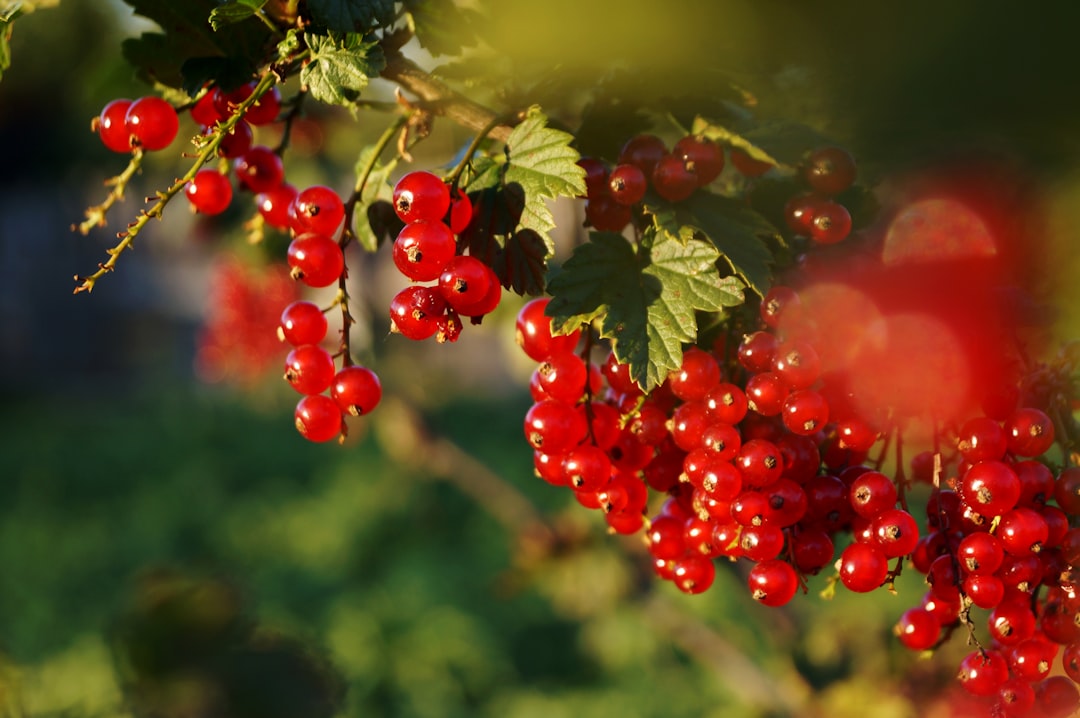
Schisandra berry for liver and energy is a rare case of old and new agreeing. Chinese medicine has used the berry as a tonic for centuries, and modern herbalists reach for it for much the same reasons. In Chinese it is wu wei zi, the five-flavour fruit. One dried berry tastes sour, sweet, salty, bitter and pungent at once.
The plant is Schisandra chinensis, a woody climbing vine in the Schisandraceae family. It grows wild through the forests of northeastern China, Korea and the Russian Far East. The vine twines up trees and sets tight clusters of glossy red berries in late summer. Growers pick the berries at full ripeness and dry them. As a result, drying concentrates both the flavour and the resinous compounds herbalists want.
Why the Five Flavours Matter
Those five flavours are not a poetic flourish. Traditional theory holds that a herb carrying all five reaches all five organ systems. On that basis the Shen Nong Ben Cao Jing, one of the oldest surviving Chinese herbals, placed schisandra among the superior tonics. Consequently, that class of herb was meant for long-term use rather than acute illness.
Traditional practice used schisandra to hold things in. Herbalists gave it to steady the breath and quiet a restless mind. In addition, they used it for night sweats and for energy that was draining away. Russian hunters later carried the berry on long trips, and Soviet researchers picked up the same endurance reputation. Eventually that reputation landed schisandra in the adaptogen category beside astragalus and rhodiola.
At Herbal Clinic we work with the dried ripe fruit. Furthermore, we tincture the berry whole, so both the sour and the resinous fractions reach the bottle.
What Schisandra Berry Does for Liver and Energy
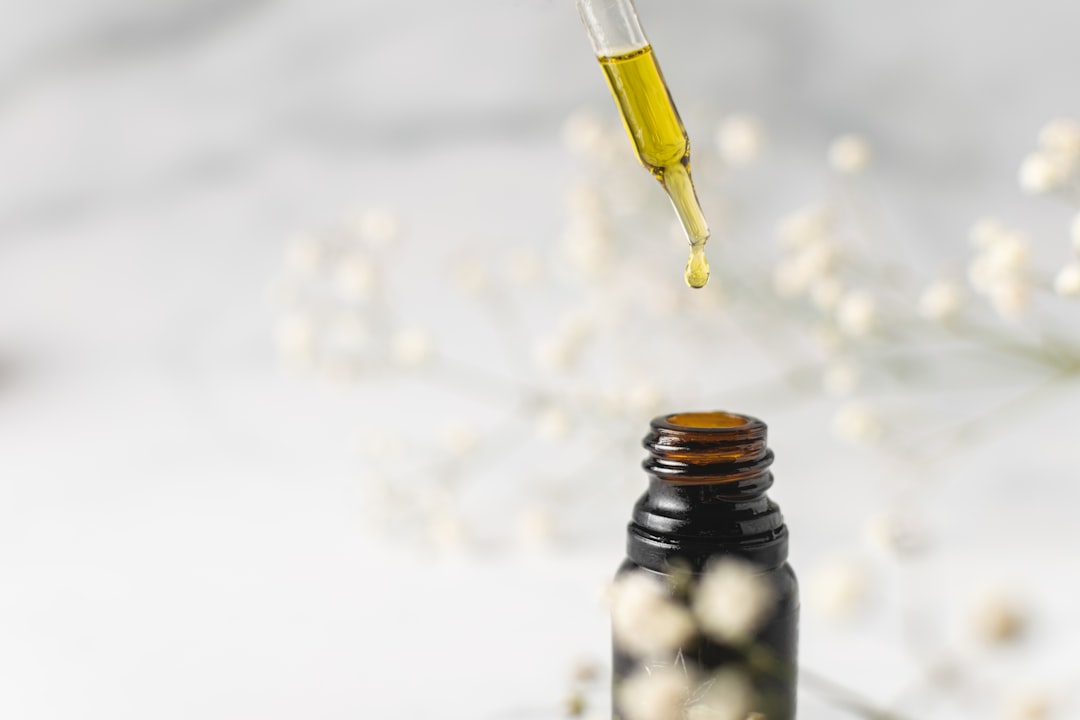
Schisandra is most often taken as a tincture of the dried ripe berry.
Most interest in schisandra berry for liver and energy comes down to one group of compounds. Herbalists call them lignans, chiefly schisandrin, gomisin and deoxyschisandrin. However, the seed holds far more of them than the pulp does. Whole-berry preparations therefore matter more here than with most fruits.
Schisandra Berry for Liver Support
Here’s how it works. The liver processes almost everything that enters the body, and it does that work through enzyme systems. Those systems generate oxidative stress as a byproduct. Schisandra lignans appear to support the liver’s own antioxidant defences. Moreover, research links them to normal liver enzyme levels, and a published review of Schisandra chinensis covers that ground in detail. Chinese hospitals have used the berry this way for decades. Today it sits just behind milk thistle as a researched liver herb.
Schisandra Berry for Steady Energy
But there’s more to it than that. Schisandra counts as an adaptogen. Traditional use points it at holding a steadier line under stress rather than pushing the body one way. Coffee lifts you and drops you, whereas schisandra carries no such crash. Soviet-era studies on pilots, sailors and factory workers tested exactly this question: does the berry sustain concentration and work capacity through a long shift?
The traditional picture rounds it out. Herbalists describe schisandra as astringent and stabilising. In practice they used it for night sweats, loose stools, a dry nagging cough, and that wired exhaustion where sleep never quite restores. It also anchors classical formulas such as Sheng Mai San, where it sits alongside ginseng and ophiopogon.
The key takeaway: schisandra suits the long game. Its reputation rests on steady use over weeks and months, not on a single dose.
How to Use Schisandra Berry for Liver and Energy Support
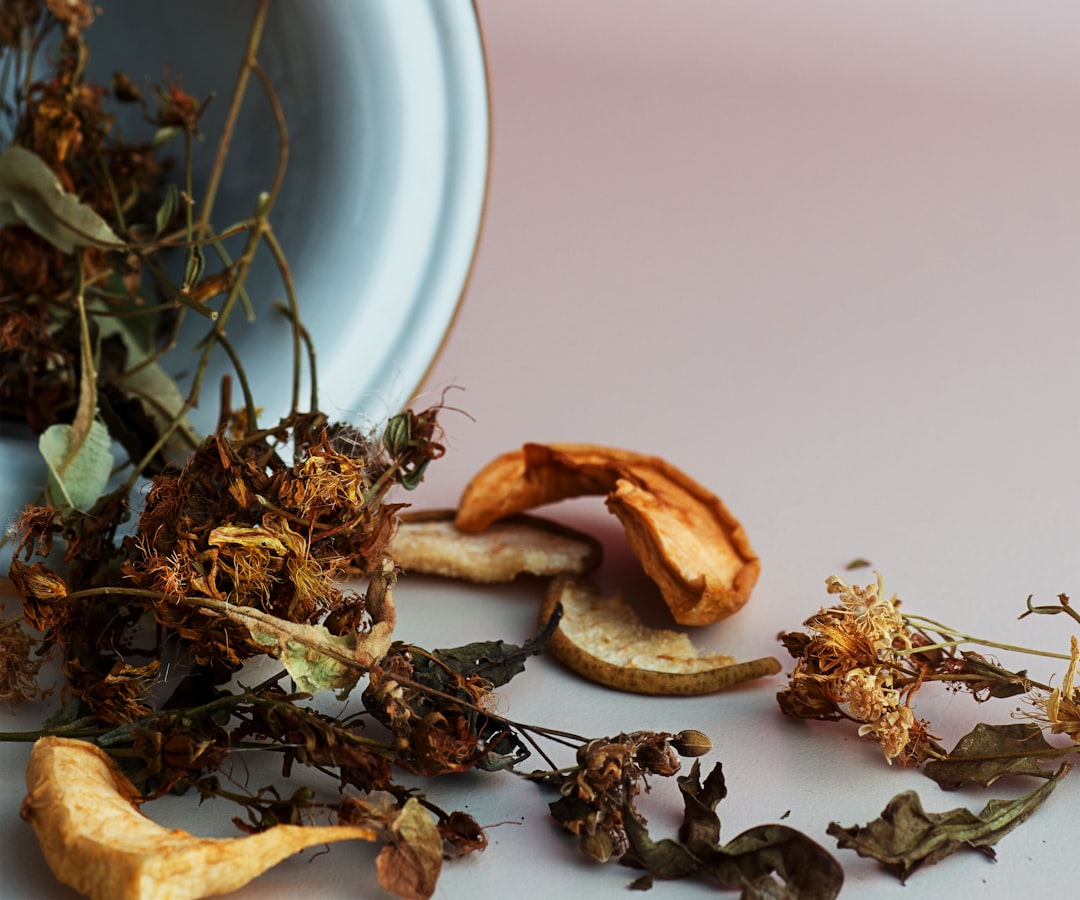
Dried schisandra berries can also be simmered as a tart, deep red decoction.
People take schisandra berry for liver and energy in three main forms. Each one suits a different routine.
Tincture
This is the practical option, and it is the one we make. Alcohol pulls the sour fruit acids and the seed lignans into solution together. A whole-berry tincture therefore captures the full spectrum. In addition, it keeps for years, travels well, and drops easily into a glass of water first thing.
Decoction
The dried berries simmer into a deep garnet liquid. It tastes genuinely tart, closer to sour cherry than to a typical herbal tea. Many people drink it cold in summer. However, water extracts the fruit acids well and the resinous lignans less completely, so a decoction is the gentler preparation.
In Formula
Schisandra rarely works alone in traditional practice. Herbalists pair it with eleuthero or ginseng for stamina. Similarly, they combine it with rehmannia for deeper restoration, and with other astringents for night sweats.
Practical Notes on Schisandra for Liver and Energy
So what does this mean for you? Most people take schisandra in the morning, since its steadying effect can feel subtly alerting. For liver support, however, consistency matters more than timing.
A few cautions apply. Schisandra is sour, and it can bother anyone with active reflux or gastritis. Furthermore, it acts on the liver enzymes that clear many pharmaceuticals, so speak with a practitioner first if you take prescription medication. Avoid it in pregnancy.
We source whole dried ripe berries and tincture them at a 1:5 ratio. Additionally, we set the alcohol percentage for the resinous seed content rather than the fruit alone. Every batch goes through third-party lab testing and an organoleptic check by our herbalists before bottling. If that tart five-flavour profile appeals, the tincture is the simplest way to keep it in a daily routine.
FAQ
- Superior Sourcing: Our herbs are sourced from all over the world to avoid seasonal fluctuations in availability, keeping herbs accessible. Our suppliers meet strict standards that ensure top quality herbs, most of which are organic, wildcrafted, sustainably grown, or grown using permaculture. We support local farmers and grow many of our own herbs.
- Superior Processing: Our tinctures are made using the classic tincturing method. The tinctures are made in a 1:5 ratio which allows for the optimal extraction of the herb. The alcohol percentage is strictly controlled depending on the herb and part of the plant that is used.
- Superior Selection: We take pride in our growing selection of over 300 individual herbs. If we don’t carry the herb you’re seeking, we can likely track it down for you.
- Superior Quality Control: Our tinctures are thoroughly tested by a third-party lab and with an organoleptic evaluation by our team of herbalists prior to final bottling.
- Superior Price: Our tinctures are more cost-effective than other tinctures on the market. With an eye towards efficiency, we keep our costs low by maintaining good relationships with our wide network of suppliers and ordering herbs in bulk quantities.
- We Care About the Environment: We repackage materials that are shipped to us (so don’t be surprised if our packages look different from time to time!). We recycle or reuse materials whenever possible. We turn the cardboard we receive from other suppliers into packing material. We donate to avoid waste to groups like Naturopaths Without Borders. Our workforce almost completely uses public transportation or bikes. We are powered using 100% renewable energy through Bullfrog Power.
- We Donate To Charity: We support many causes that make the world better. We donate a portion of our profits or products. These include charities that support environmental and natural sustainability.
Set up an online account and order through the website. If you don’t have an account and place an order, one will be created for you.
Click here to subscribe to our mailing list.
Our products are made in Toronto, Ontario, Canada by a team of Herbalists and Naturopathic Doctors. The herbs and ingredients we use to make our products are sourced both locally and globally to keep herbs accessible and sustainable.
The majority of our herbs are certified organic, sustainably wildcrafted, or come from small-scale local organic farms that do not yet have organic certification. We always do our best to provide organic herbs in your formulas. We work with a variety of suppliers to keep costs low.
Although most of our products do not contain gluten, we do not have gluten-free certification for our production facility. Feel free to ask about any specific products and we’ll share whatever information we have available.
For liability and regulatory reasons, we don’t make any claims as to how our herbs should be used, including dosing recommendations. Please review our disclaimer, as well as our terms and policies.