Siberian Ginseng for Energy: Where This Herb Comes From
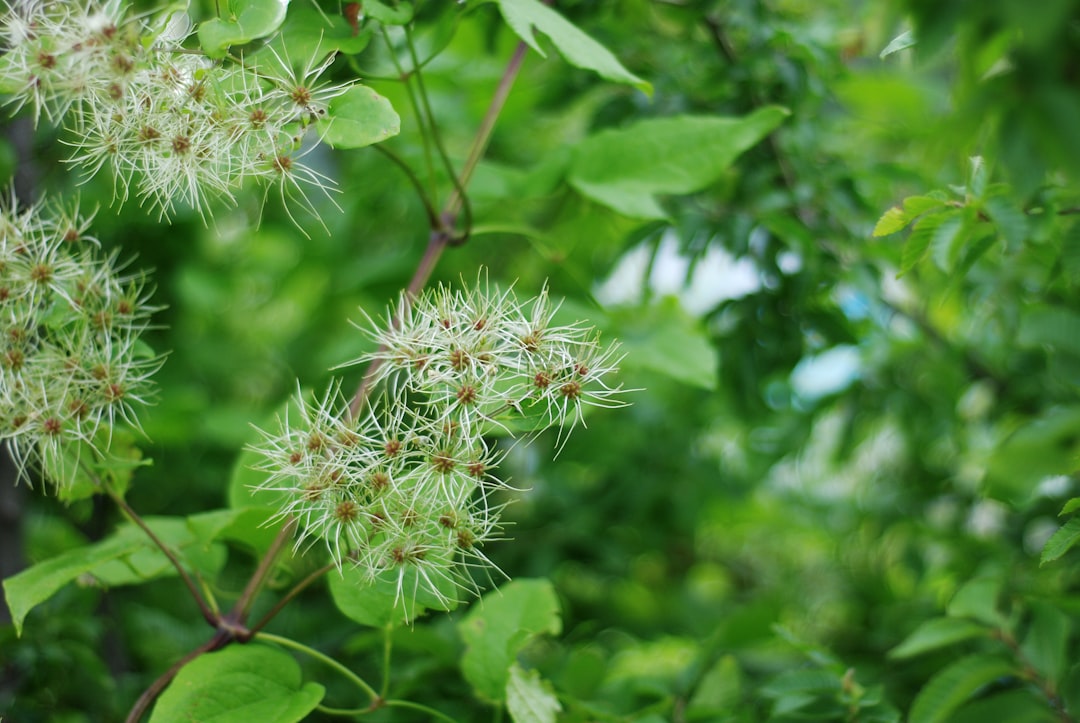
Eleutherococcus senticosus, the shrub behind siberian ginseng for energy.
Siberian ginseng for energy is a stamina herb, not a stimulant. People reach for it when the problem is not one bad night of sleep. It is a long stretch of too much work and too little recovery. Soviet researchers studied the root heavily through the 1960s. They measured endurance and work capacity, and the herb built its reputation there.
Despite the name, this plant is not true ginseng. Botanists call it Eleutherococcus senticosus. It shares the Araliaceae family with Panax ginseng, but only as a cousin. Common names include eleuthero, ciwujia, touch-me-not, and devil’s shrub. That last name fits: the stems carry dense, fine thorns.
The shrub grows across the taiga forests of eastern Russia, northeastern China, Korea, and northern Japan. It reaches two to three metres and throws out palmate leaves in fives. Small dark berries follow in late summer. However, the root and root bark carry the medicine. That is the part we tincture.
Here is why the history matters. Traditional Chinese medicine used ciwujia long before the Russian work began. Practitioners gave it as a qi tonic to people who felt worn down rather than acutely ill. As a result, the two pictures line up unusually well. Both describe a plant for depletion, not for a quick lift. Our guide to herbs for energy covers the wider group.
What Siberian Ginseng for Energy Is Traditionally Used For
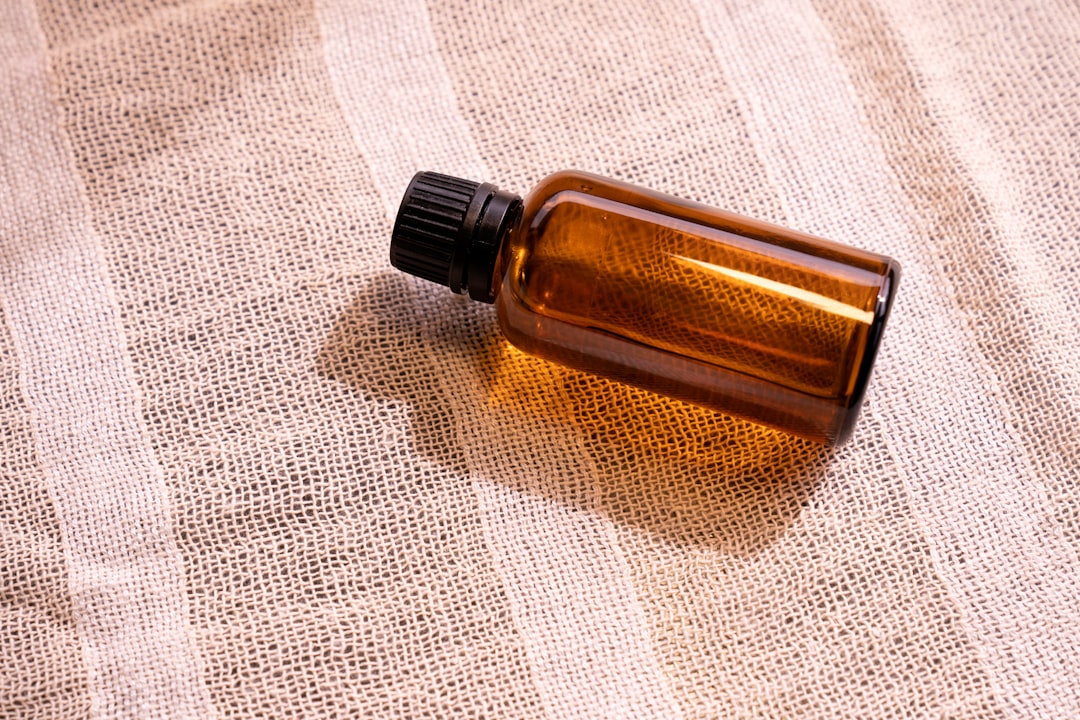
Siberian ginseng is most often taken as a tincture.
Herbalists classify siberian ginseng for energy as an adaptogen. The same Russian researchers coined that term. In addition, it carries a specific meaning. An adaptogen helps the body hold steady under physical, mental, or environmental strain. It does not push one system hard in one direction.
The root carries a group of compounds called eleutherosides, plus polysaccharides. Furthermore, eleutherosides differ chemically from the ginsenosides in true ginseng. That difference explains why the two herbs behave differently in practice. The published research on Eleutherococcus senticosus mostly focuses on these compounds.
Here is how it works, in plain terms. The herb acts on the stress-response pathway running from brain to adrenal glands. It steadies the output of that pathway. Ordinary demands then stop registering as emergencies. It adds no stimulation on top of an already strained system.
Tradition links the root to four things. Physical endurance and work capacity come first. Mental stamina through long or repetitive tasks comes second. Recovery after illness or heavy exertion follows. Resistance across seasons of frequent infection rounds it out. Consequently, it shows up in formulas for the tail end of a stressful stretch. Compare it with astragalus root, which leans harder on immune terrain.
The key takeaway: this is not a caffeine substitute. As a result, anyone expecting a same-hour jolt walks away disappointed. People who take it steadily through a demanding month keep using it.
How People Use Siberian Ginseng for Energy Day to Day

Stamina herbs work best alongside sleep, food, and movement.
Most people take siberian ginseng for energy as a tincture. Alcohol pulls the eleutherosides out well, and a liquid is easy to adjust. However, the dried root also makes a serviceable decoction. It is woody, so it needs a real simmer rather than a steep. The flavour runs mild, slightly sweet, and faintly bitter.
Timing follows one consistent piece of traditional guidance. Herbalists suggest earlier in the day rather than at night. They also favour steady use across weeks over occasional doses. In addition, many traditional programs run it for a stretch, then pause.
This is where it gets interesting. Eleuthero blends well. Formulators pair it with ashwagandha for people who feel wired and tired. They add rhodiola when mood and motivation flatten. Licorice joins it in classic adrenal blends. You can buy these ready-made, or we can build a custom blend.
We make our Siberian ginseng tincture in Toronto by the classic method at a 1:5 ratio. We set the alcohol percentage for a woody root, not a leaf. Furthermore, we offer a 1:2 version for a stronger extract in less volume. Every batch clears third-party lab testing. Our herbalists also run an organoleptic check before final bottling.
One practical note. It works with your stress response rather than overriding it. So siberian ginseng for energy rewards the boring fundamentals. Sleep, meals, and movement do the heavy lifting. The herb helps you hold the line while you rebuild them.
FAQ
- Superior Sourcing: Our herbs are sourced from all over the world to avoid seasonal fluctuations in availability, keeping herbs accessible. Our suppliers meet strict standards that ensure top quality herbs, most of which are organic, wildcrafted, sustainably grown, or grown using permaculture. We support local farmers and grow many of our own herbs.
- Superior Processing: Our tinctures are made using the classic tincturing method. The tinctures are made in a 1:5 ratio which allows for the optimal extraction of the herb. The alcohol percentage is strictly controlled depending on the herb and part of the plant that is used.
- Superior Selection: We take pride in our growing selection of over 300 individual herbs. If we don’t carry the herb you’re seeking, we can likely track it down for you.
- Superior Quality Control: Our tinctures are thoroughly tested by a third-party lab and with an organoleptic evaluation by our team of herbalists prior to final bottling.
- Superior Price: Our tinctures are more cost-effective than other tinctures on the market. With an eye towards efficiency, we keep our costs low by maintaining good relationships with our wide network of suppliers and ordering herbs in bulk quantities.
- We Care About the Environment: We repackage materials that are shipped to us (so don’t be surprised if our packages look different from time to time!). We recycle or reuse materials whenever possible. We turn the cardboard we receive from other suppliers into packing material. We donate to avoid waste to groups like Naturopaths Without Borders. Our workforce almost completely uses public transportation or bikes. We are powered using 100% renewable energy through Bullfrog Power.
- We Donate To Charity: We support many causes that make the world better. We donate a portion of our profits or products. These include charities that support environmental and natural sustainability.
Set up an online account and order through the website. If you don’t have an account and place an order, one will be created for you.
Click here to subscribe to our mailing list.
Our products are made in Toronto, Ontario, Canada by a team of Herbalists and Naturopathic Doctors. The herbs and ingredients we use to make our products are sourced both locally and globally to keep herbs accessible and sustainable.
The majority of our herbs are certified organic, sustainably wildcrafted, or come from small-scale local organic farms that do not yet have organic certification. We always do our best to provide organic herbs in your formulas. We work with a variety of suppliers to keep costs low.
Although most of our products do not contain gluten, we do not have gluten-free certification for our production facility. Feel free to ask about any specific products and we’ll share whatever information we have available.
For liability and regulatory reasons, we don’t make any claims as to how our herbs should be used, including dosing recommendations. Please review our disclaimer, as well as our terms and policies.