Thyme Tincture for Cough: The Kitchen Herb With a Medicinal Past
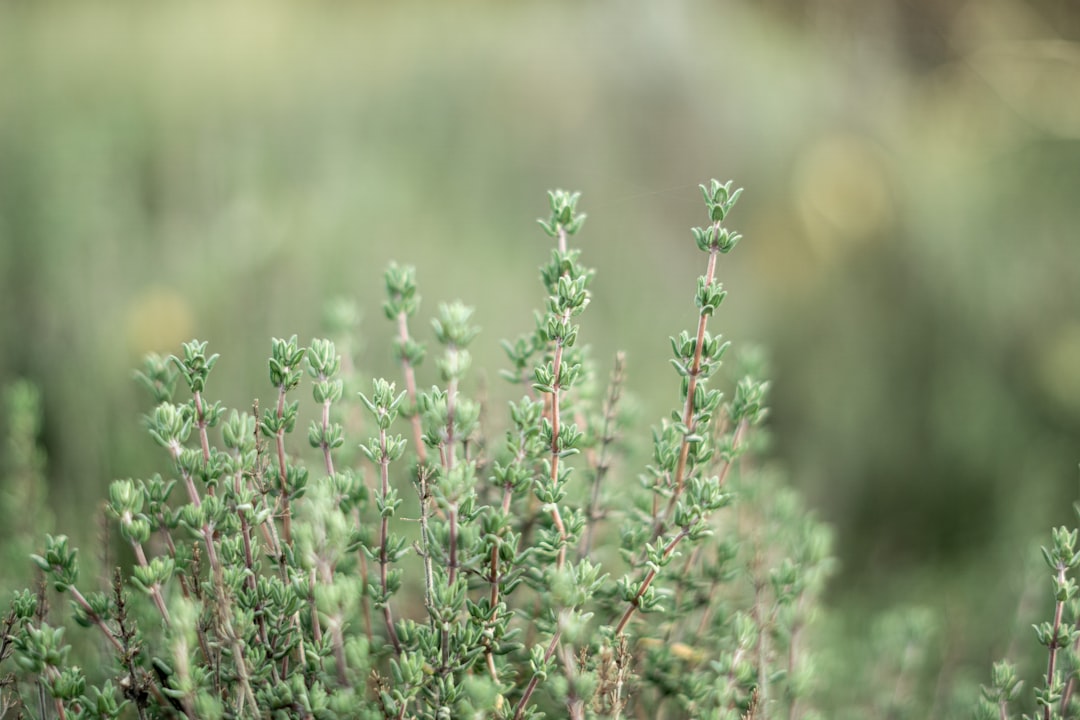
Thymus vulgaris in flower, the aerial parts used in tincture
Thyme tincture for cough draws on one of the oldest respiratory herbs in the Western tradition. The plant behind it is almost certainly already in your spice rack. Botanists call it Thymus vulgaris. However, its reputation as a roast-chicken herb tends to overshadow a far longer record in the medicine chest.
Where Thyme Grows
Thyme is native to the western Mediterranean, where it grows on dry, rocky slopes in full sun. The plant rarely passes 30 centimetres in height. It forms low, dense mounds of thin woody stems lined with small grey-green leaves. In early summer it throws up clusters of pale pink to purple flowers that bees work heavily. Because it tolerates poor soil and very little water, thyme has naturalized across much of Europe. It now grows in gardens throughout North America.
Common names include garden thyme, common thyme, and English thyme. The genus belongs to the Lamiaceae, the mint family, alongside oregano, rosemary, sage, and peppermint. That family placement gives a useful clue about its chemistry. Nearly every well-known member of the mint family is aromatic, and the aroma comes from volatile oils that sit in tiny glands on the leaf surface.
Here’s why that matters: those volatile oils moved thyme out of the kitchen and into herbal practice.
A Long Written Record
The written record goes back a long way. Ancient Egyptians used thyme in embalming preparations. Greek writers noted it as a strewing herb and an incense, and the Romans carried it north through Europe as they expanded. Medieval European herbals list thyme repeatedly for complaints of the chest and throat. In addition, nineteenth-century chemists isolated thymol, one of the plant’s principal constituents. They put it to work as an antiseptic on surgical dressings well before modern antibiotics existed.
Modern Western herbalism classes thyme as an antispasmodic, expectorant, and antimicrobial herb. Herbalists traditionally associate it with dry irritable coughs, tight congested chests, and sore throats. Furthermore, Germany’s Commission E approved thyme preparations for symptoms of bronchitis and whooping cough. That panel reviewed herbal medicines for the German government.
A thyme tincture for cough concentrates that traditional use into a shelf-stable liquid extract. Instead of steeping the herb fresh each time, an alcohol and water solvent pulls the constituents out of the plant and holds them there. As a result, the preparation keeps for years and takes seconds to use.
How a Thyme Tincture for Cough Works: Constituents and Properties
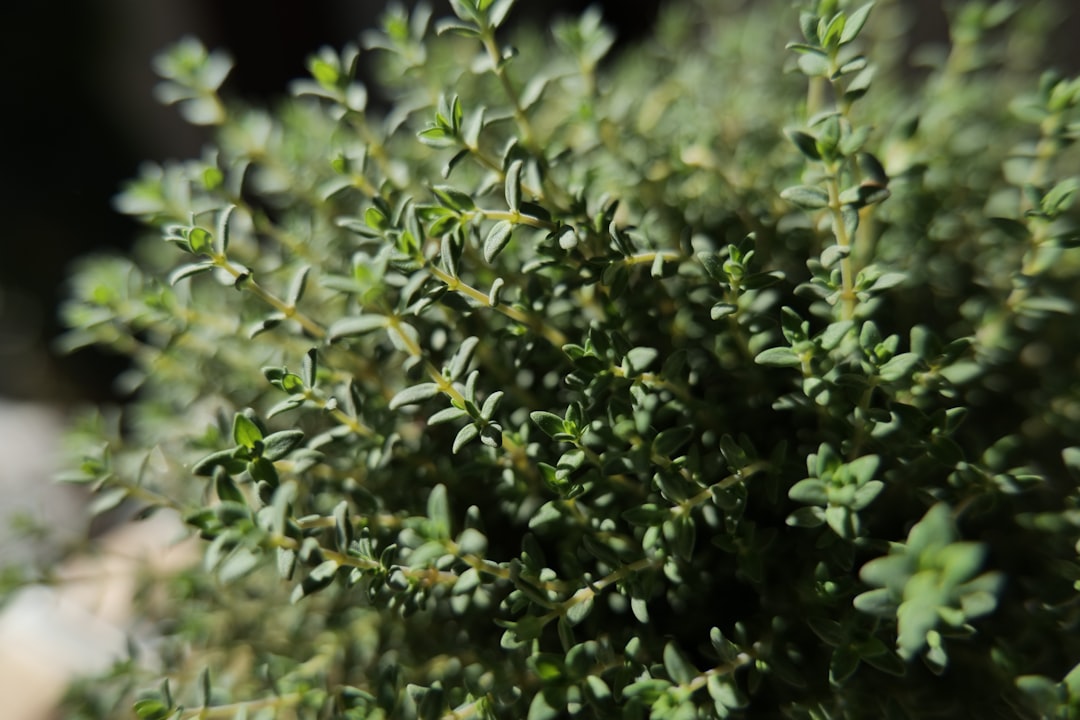
The aerial parts carry the volatile oils that give thyme its character
The value of a thyme tincture for cough comes down to a handful of well-studied plant compounds. Two phenolic compounds dominate thyme’s volatile oil fraction: thymol and carvacrol. Both smell strongly medicinal. Both also show antimicrobial activity in laboratory work, which explains why a crushed thyme leaf smells more like a remedy than a salad green.
What Goes Into a Thyme Tincture for Cough
Alongside the volatile oils, thyme contains rosmarinic acid, flavonoids such as luteolin and apigenin, and a modest amount of tannin. Each contributes something different. Researchers link the flavonoids to antispasmodic activity and rosmarinic acid to antioxidant and anti-inflammatory action. The tannins account for the mild astringency you notice as a drying sensation on the tongue.
Here’s how it works: herbalists traditionally use thyme as an antispasmodic and an expectorant at the same time. That is an unusual and useful pairing.
Two Actions at Once
The antispasmodic side relates to the smooth muscle lining the bronchial passages. A hacking, repetitive cough is partly a muscular event. Herbalists therefore reach for herbs that ease bronchial spasm to settle that pattern. Meanwhile, the expectorant side pulls in the opposite direction. Rather than shutting the cough down, thyme carries a traditional reputation for loosening and thinning mucus so a productive cough clears more efficiently.
But there’s more to it than that. Thyme also acts as a carminative, which is why it turns up in digestive formulas as well as respiratory ones. Our own SIBO tincture pairs thyme with Barberry and Myrrh for exactly that reason. The same volatile oils that act on the airways also ease gas and digestive spasm in the gut.
What the Research Adds
Research has followed the tradition here. Clinical trials have examined combination preparations of thyme with ivy leaf or primrose root in acute bronchitis. The results encouraged enough confidence that these combinations remain in wide use across Europe. Thymol itself still appears in antiseptic mouthwashes and dental preparations, which shows how seriously formulators take its antimicrobial profile.
That said, thyme rarely works alone. Herbalists frequently pair it with demulcent herbs that coat and soothe irritated tissue, because thyme stimulates and dries rather than moistens. Mullein makes a common partner for this reason, and so does marshmallow root. The key takeaway: thyme handles the spasm and the microbial side, while a demulcent handles the rawness.
How to Use Thyme Tincture for Cough and Other Preparations
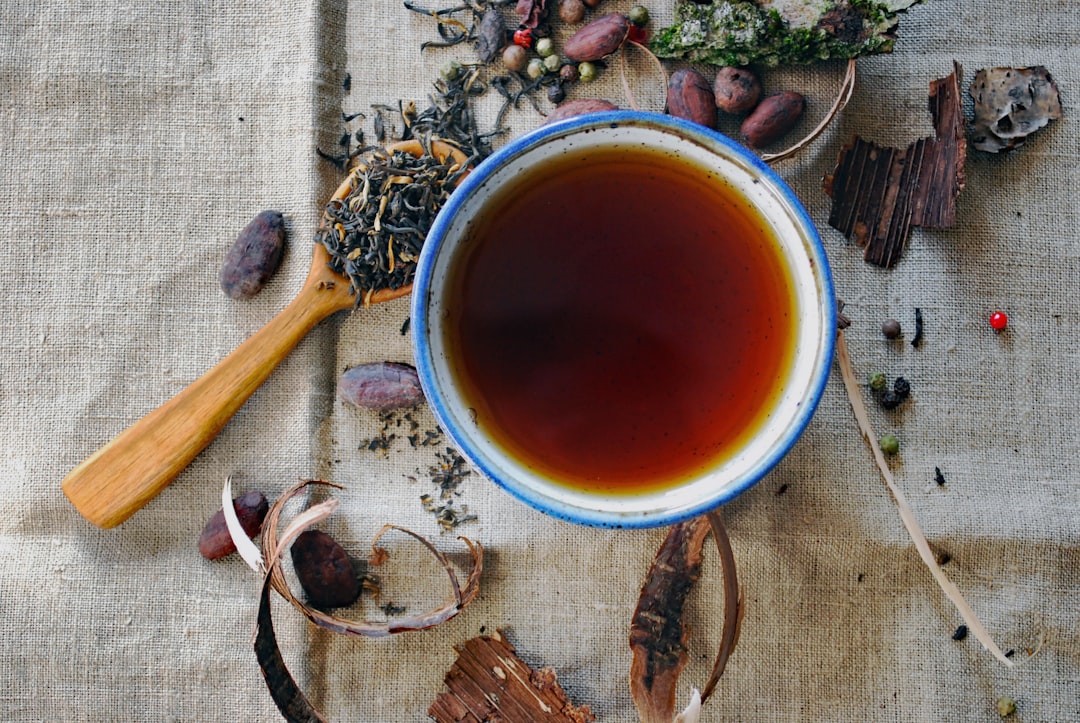
Thyme works as an infusion, a steam, a gargle, or a tincture
Thyme is unusually flexible, and a thyme tincture for cough is only one of several traditional preparations. Because the active constituents are volatile, how you prepare the herb changes what you get out of it.
Infusions, Steams, and Gargles
As an infusion, thyme is straightforward. You steep the dried aerial parts in just-boiled water, covered. Covering the cup matters more than people expect. The volatile oils leave with the steam, so an uncovered infusion loses much of what makes thyme worth drinking.
As a steam inhalation, people use thyme the opposite way. Here the escaping vapour is the point. You steep the herb in a bowl of hot water, drape a towel over your head, and breathe the steam in. This is a traditional approach to congested sinuses and a tight chest.
As a gargle, a cooled thyme infusion draws on the herb’s astringency and its antimicrobial reputation for sore, scratchy throats. Furthermore, thyme combines well with honey. A thyme honey or oxymel ranks among the oldest domestic remedies in the European tradition.
Why a Thyme Tincture for Cough Suits Most People
A tincture, however, suits most people best. It keeps for years without refrigeration. Bottled properly, the extract travels anywhere. You also get consistent strength every time, rather than results that depend on how long you left the lid off the pot.
Our team prepares thyme tincture at our Toronto facility using the classic tincturing method at a 1:5 ratio, meaning one part dried herb to five parts solvent. We control the alcohol percentage specifically for thyme’s aerial parts. Volatile oils and water-soluble constituents need different solvent strengths to come out cleanly. Every batch goes through third-party lab testing and an organoleptic evaluation by our herbalists before final bottling.
Thyme also fits easily into daily routines outside of acute use. It is a genuine culinary herb, so cooking with it generously through the winter months makes an entirely reasonable habit. In addition, it grows well in a pot on a sunny windowsill, and the fresh plant makes a serviceable tea.
For liability and regulatory reasons, we don’t make claims about how our herbs should be used, including dosing recommendations. If you are pregnant, nursing, taking prescription medication, or managing a persistent cough, speak with a qualified practitioner first. A cough that lingers past a few weeks warrants proper assessment rather than self-treatment.
FAQ
- Superior Sourcing: Our herbs are sourced from all over the world to avoid seasonal fluctuations in availability, keeping herbs accessible. Our suppliers meet strict standards that ensure top quality herbs, most of which are organic, wildcrafted, sustainably grown, or grown using permaculture. We support local farmers and grow many of our own herbs.
- Superior Processing: Our tinctures are made using the classic tincturing method. The tinctures are made in a 1:5 ratio which allows for the optimal extraction of the herb. The alcohol percentage is strictly controlled depending on the herb and part of the plant that is used.
- Superior Selection: We take pride in our growing selection of over 300 individual herbs. If we don’t carry the herb you’re seeking, we can likely track it down for you.
- Superior Quality Control: Our tinctures are thoroughly tested by a third-party lab and with an organoleptic evaluation by our team of herbalists prior to final bottling.
- Superior Price: Our tinctures are more cost-effective than other tinctures on the market. With an eye towards efficiency, we keep our costs low by maintaining good relationships with our wide network of suppliers and ordering herbs in bulk quantities.
- We Care About the Environment: We repackage materials that are shipped to us (so don’t be surprised if our packages look different from time to time!). We recycle or reuse materials whenever possible. We turn the cardboard we receive from other suppliers into packing material. We donate to avoid waste to groups like Naturopaths Without Borders. Our workforce almost completely uses public transportation or bikes. We are powered using 100% renewable energy through Bullfrog Power.
- We Donate To Charity: We support many causes that make the world better. We donate a portion of our profits or products. These include charities that support environmental and natural sustainability.
Set up an online account and order through the website. If you don’t have an account and place an order, one will be created for you.
Click here to subscribe to our mailing list.
Our products are made in Toronto, Ontario, Canada by a team of Herbalists and Naturopathic Doctors. The herbs and ingredients we use to make our products are sourced both locally and globally to keep herbs accessible and sustainable.
The majority of our herbs are certified organic, sustainably wildcrafted, or come from small-scale local organic farms that do not yet have organic certification. We always do our best to provide organic herbs in your formulas. We work with a variety of suppliers to keep costs low.
Although most of our products do not contain gluten, we do not have gluten-free certification for our production facility. Feel free to ask about any specific products and we’ll share whatever information we have available.
For liability and regulatory reasons, we don’t make any claims as to how our herbs should be used, including dosing recommendations. Please review our disclaimer, as well as our terms and policies.