Oatstraw for Nervous Exhaustion: Meet Avena Sativa
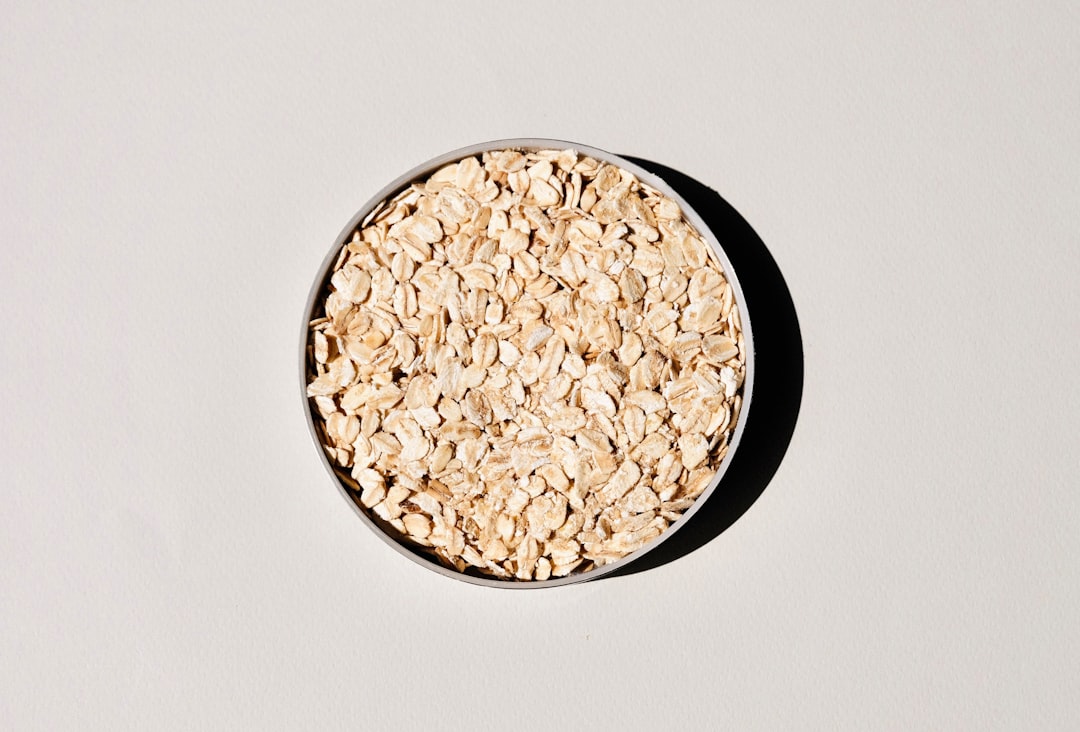
Oatstraw for nervous exhaustion comes from Avena sativa, the common oat
Oatstraw for nervous exhaustion is one of the least dramatic remedies in the herbal cabinet, and that is exactly the point. It does not hit you like a stimulant or knock you out like a sedative. It works slowly, over weeks. The target is a nervous system that has been running on empty.
The plant is Avena sativa, the common oat, a member of the grass family (Poaceae). It is the same crop that ends up in porridge and oat milk, but herbalists use a different part at a different moment. Oatstraw is the green stem and leaf, harvested and dried. Milky oat tops are the immature seed heads. They are picked in the brief window when squeezing one releases a white, milky sap. That window lasts about a week, which is why milky oats have always been a small-batch herb.
Oatstraw or Milky Oat Tops?
Here is why that matters: the two preparations are related but not identical. Milky oat tops are the richer, more concentrated nervine, traditionally reserved for the deepest depletion. Oatstraw is milder and more mineral-rich. That makes it the everyday version, easy to drink daily.
Oats grow across the temperate world and have followed human agriculture for thousands of years. Northern European and British herbal traditions both recorded oats as a restorative. It went to people worn down by illness, overwork, or long convalescence. In other words, oatstraw for nervous exhaustion is not a new idea in wellness clothing. It is an old one that never went away.
Why Oatstraw for Nervous Exhaustion Works: Properties and Constituents
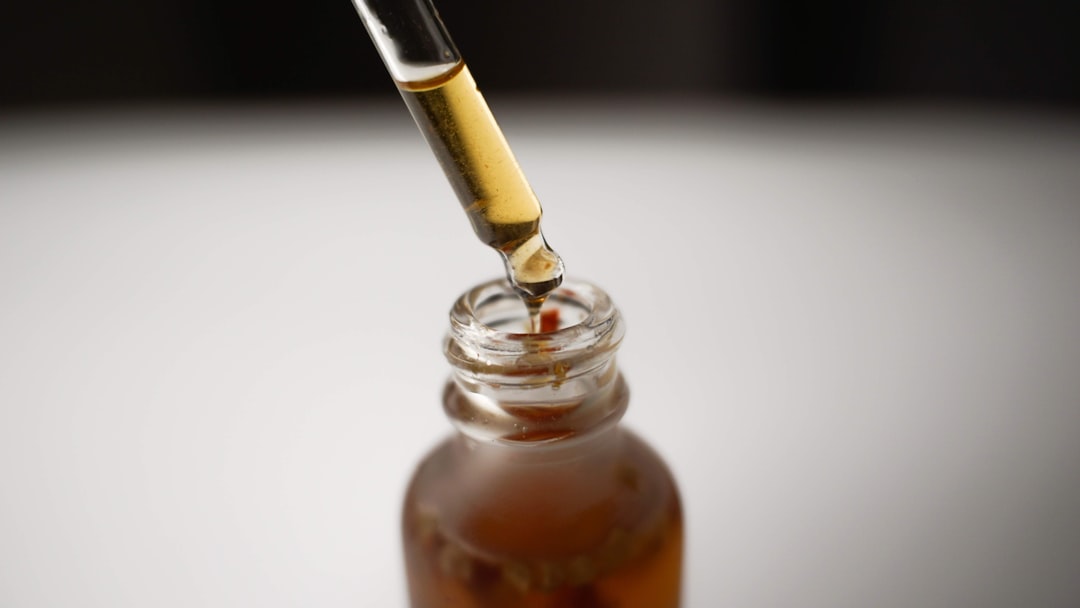
Tincture concentrates the milky oat sap
Herbalists file oats under nervine tonic, which is a specific and useful category. A nervine relaxant, like passionflower or valerian, calms the nervous system while you are taking it. A nervine tonic works differently. It feeds and rebuilds nervous tissue over time. That is the traditional case for oatstraw for nervous exhaustion, rather than for acute panic.
So what does this mean for you? The effect is cumulative, not immediate. Nobody takes oats and feels a shift in twenty minutes, and anyone who promises that is selling something else.
Minerals, Alkaloids, and the Milky Stage
The chemistry backs up the traditional use. Oat straw is notably rich in minerals, particularly silica, along with calcium and magnesium. The body draws on all three during sustained stress. Milky oat tops carry additional compounds, including the alkaloid gramine and a group of avenanthramides. The milky stage is what concentrates them. However, the mineral content alone explains much of the long convalescent reputation.
Traditionally, oats have been associated with the tired-and-wired state. Worn out but unable to settle. Running on caffeine and nerve, irritable by evening. This is where it gets interesting. Oats were also used historically alongside withdrawal from tobacco and other stimulants. The reasoning: a depleted nervous system copes badly with anything taken away. As a result, oats often appear in formulas rather than alone. They pair with other stress and anxiety herbs that handle the sharper edges, while the oats rebuild underneath.
How to Use Oatstraw for Nervous Exhaustion
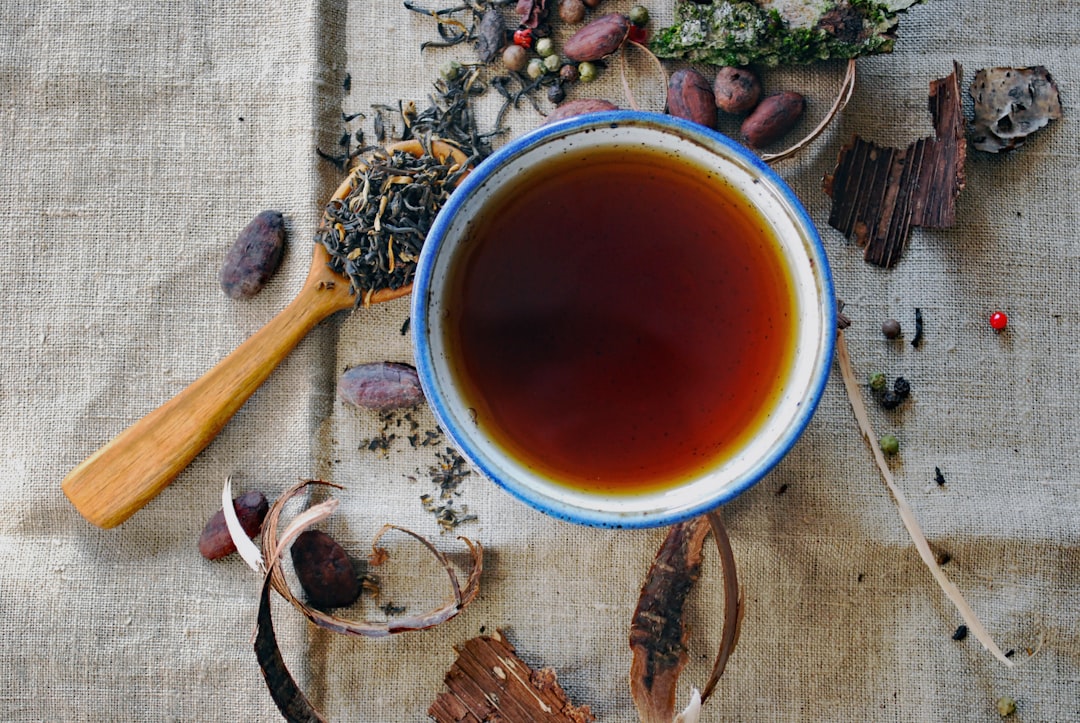
A long overnight infusion draws out the minerals
There are two sensible ways to take oatstraw for nervous exhaustion, and they suit different goals. The choice comes down to whether you are after the minerals or the nervine action.
For minerals, brew a long infusion rather than a quick cup of tea. Put a generous handful of dried oatstraw in a jar. Fill it with just-boiled water, cap it, and leave it overnight. Strain it in the morning. Furthermore, that extended steep is what pulls the silica and other minerals out of the tough plant material. A five-minute steep will not do it. The taste is mild, grassy, and faintly sweet. That is one reason oatstraw ends up in so many daily tea blends.
For the nervine action, a tincture made from the milky tops is the more direct route. The milky sap does not survive drying well, so a fresh-plant tincture captures what a dried tea largely misses. In addition, a tincture is easier to keep up daily, and daily is the whole point with a tonic herb. Consistency over weeks beats a heroic dose over a weekend.
The key takeaway: oats reward patience. Traditionally they are part of a routine rather than a rescue remedy, often over six to eight weeks. Sleep and food still do the heavy lifting.
At Herbal Clinic we prepare our oat tincture using the classic 1:5 method. The alcohol percentage is set for the plant part used. Every batch is third-party lab tested and checked by our herbalists before bottling. We also carry dried oatstraw for infusions. For liability and regulatory reasons we do not make dosing recommendations. If you are pregnant, breastfeeding, taking medication, or sensitive to gluten, speak with a health practitioner first. Oats are frequently processed alongside gluten-containing grains.
FAQ
- Superior Sourcing: Our herbs are sourced from all over the world to avoid seasonal fluctuations in availability, keeping herbs accessible. Our suppliers meet strict standards that ensure top quality herbs, most of which are organic, wildcrafted, sustainably grown, or grown using permaculture. We support local farmers and grow many of our own herbs.
- Superior Processing: Our tinctures are made using the classic tincturing method. The tinctures are made in a 1:5 ratio which allows for the optimal extraction of the herb. The alcohol percentage is strictly controlled depending on the herb and part of the plant that is used.
- Superior Selection: We take pride in our growing selection of over 300 individual herbs. If we don’t carry the herb you’re seeking, we can likely track it down for you.
- Superior Quality Control: Our tinctures are thoroughly tested by a third-party lab and with an organoleptic evaluation by our team of herbalists prior to final bottling.
- Superior Price: Our tinctures are more cost-effective than other tinctures on the market. With an eye towards efficiency, we keep our costs low by maintaining good relationships with our wide network of suppliers and ordering herbs in bulk quantities.
- We Care About the Environment: We repackage materials that are shipped to us (so don’t be surprised if our packages look different from time to time!). We recycle or reuse materials whenever possible. We turn the cardboard we receive from other suppliers into packing material. We donate to avoid waste to groups like Naturopaths Without Borders. Our workforce almost completely uses public transportation or bikes. We are powered using 100% renewable energy through Bullfrog Power.
- We Donate To Charity: We support many causes that make the world better. We donate a portion of our profits or products. These include charities that support environmental and natural sustainability.
Set up an online account and order through the website. If you don’t have an account and place an order, one will be created for you.
Click here to subscribe to our mailing list.
Our products are made in Toronto, Ontario, Canada by a team of Herbalists and Naturopathic Doctors. The herbs and ingredients we use to make our products are sourced both locally and globally to keep herbs accessible and sustainable.
The majority of our herbs are certified organic, sustainably wildcrafted, or come from small-scale local organic farms that do not yet have organic certification. We always do our best to provide organic herbs in your formulas. We work with a variety of suppliers to keep costs low.
Although most of our products do not contain gluten, we do not have gluten-free certification for our production facility. Feel free to ask about any specific products and we’ll share whatever information we have available.
For liability and regulatory reasons, we don’t make any claims as to how our herbs should be used, including dosing recommendations. Please review our disclaimer, as well as our terms and policies.