California Poppy for Sleep: Where This Bright Little Nervine Comes From
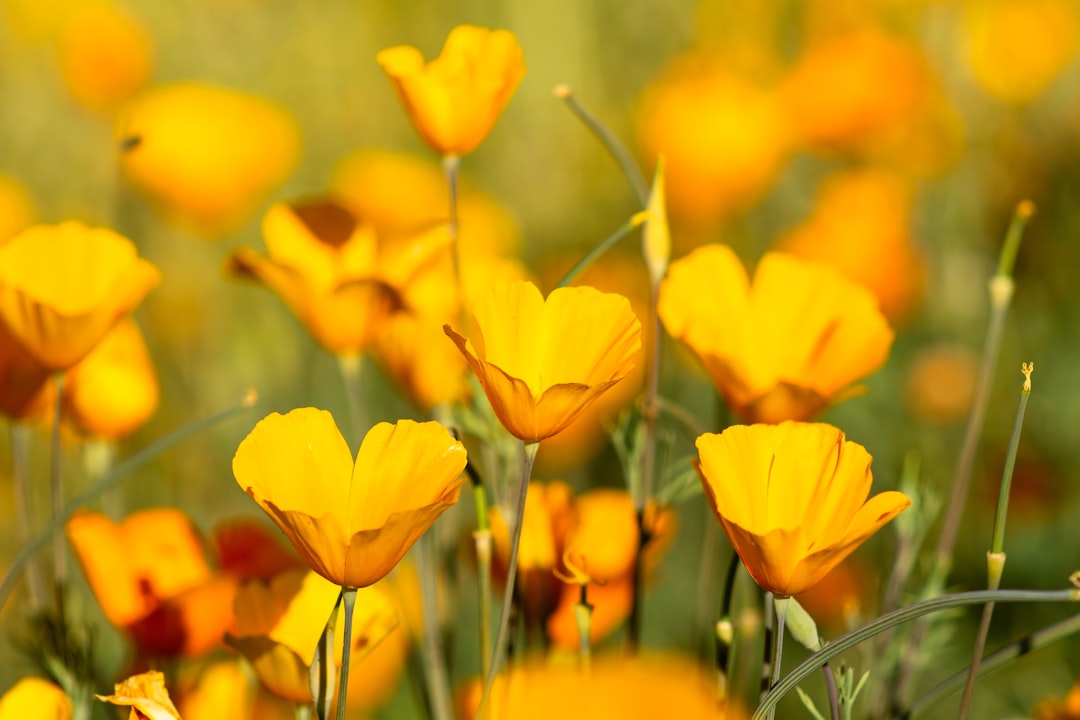
Eschscholzia californica in bloom, the aerial parts of which are used in herbal preparations.
California poppy for sleep has a much quieter reputation than valerian or passionflower. That is exactly why herbalists reach for it. It is a soft, unfussy nervine. Tradition puts it to work when the body feels tired but the mind refuses to settle.
What the California poppy plant actually is
Botanists know it as Eschscholzia californica, a member of the poppy family and the state flower of California. It grows low and sprawling, with feathery blue-green foliage and cup-shaped flowers in bright orange and yellow. However, one concern deserves an answer straight away. California poppy is not opium poppy. That plant is Papaver somniferum, and its chemistry differs completely. California poppy contains no morphine and no codeine. You can check the species record in the Royal Botanic Gardens Kew database, Plants of the World Online.
A long, quiet history
Here is why the mildness matters. Indigenous peoples of California used the aerial parts as a calming, pain-easing remedy, including for restless children. Eclectic physicians across North America picked it up through the late 1800s and early 1900s. Europe still uses it widely today. In France it remains a fixture in sleep and tension formulas.
Which part of the plant we use
Herbalists harvest the aerial parts: flowering tops, leaves and stems, gathered while the plant blooms. Some traditions include the root. Modern preparations mostly centre on the above-ground growth. In addition, the whole top of the plant goes into the jar rather than one isolated part. That gives the finished tincture its characteristic spread of alkaloids and flavones.
As a result, California poppy sits in a useful middle ground. It will not flatten you the way a heavy sedative does. It is also far from inert. For anyone building a first herbal sleep routine, it makes a sensible starting point.
What California Poppy Is Traditionally Used For
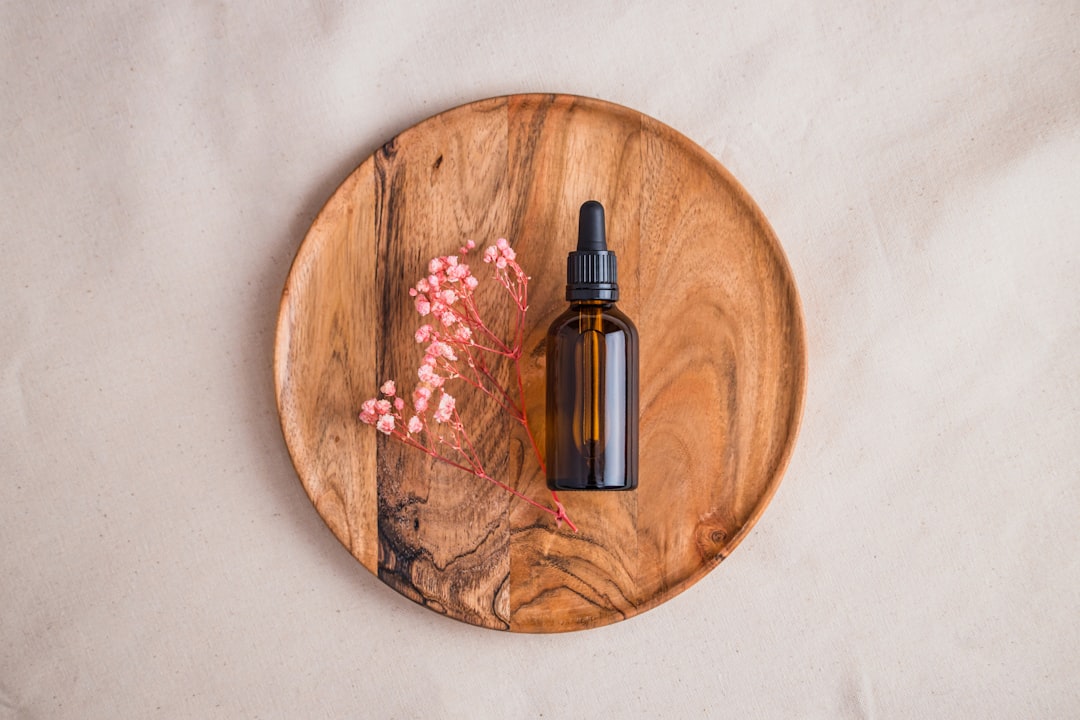
California poppy is most commonly prepared as an alcohol tincture from the fresh or dried aerial parts.
Herbalists class California poppy for sleep as a sedative nervine with a secondary pain-easing action, and its affinity sits squarely with the central nervous system. Tradition links it to three overlapping pictures: trouble falling asleep, general restlessness, and mild discomfort that keeps a person from settling.
How California poppy works for sleep, in plain terms
The plant makes a group of isoquinoline alkaloids, including californidine, escholtzine and protopine, alongside flavone glycosides. Laboratory research suggests these constituents interact with GABA receptor activity in the brain. GABA carries the nervous system’s main calming signal. It quiets neural chatter rather than stimulating it. That same broad mechanism sits behind many traditional relaxing herbs, and it explains the herb’s reputation for taking the edge off without a knockout effect.
The pain-easing side
But there is more to it than that. The analgesic action separates California poppy from purely sedative herbs. Traditionally people reached for it when discomfort was part of the reason sleep would not come: aching muscles, tension headaches, period pain. One plant covering both mild pain relief and mild sedation is unusual. That combination explains why the herb has stayed in use for well over a century.
What the research shows
European clinical trials have mostly studied California poppy in combination rather than alone. Researchers typically paired it with hawthorn and magnesium in formulas aimed at mild anxiousness and disturbed sleep. Those trials reported meaningful gains in sleep quality measures. The limits deserve an honest mention. The evidence base stays modest, most trials test combination products, and the traditional record runs far stronger than the clinical one.
The key takeaway: treat California poppy as a gentle, well-tolerated nervine with a long traditional track record, not as a heavily researched sleep drug. Furthermore, it partners with other herbs rather than competing with them. That is how most herbalists use it.
How California Poppy for Sleep Is Prepared and Used
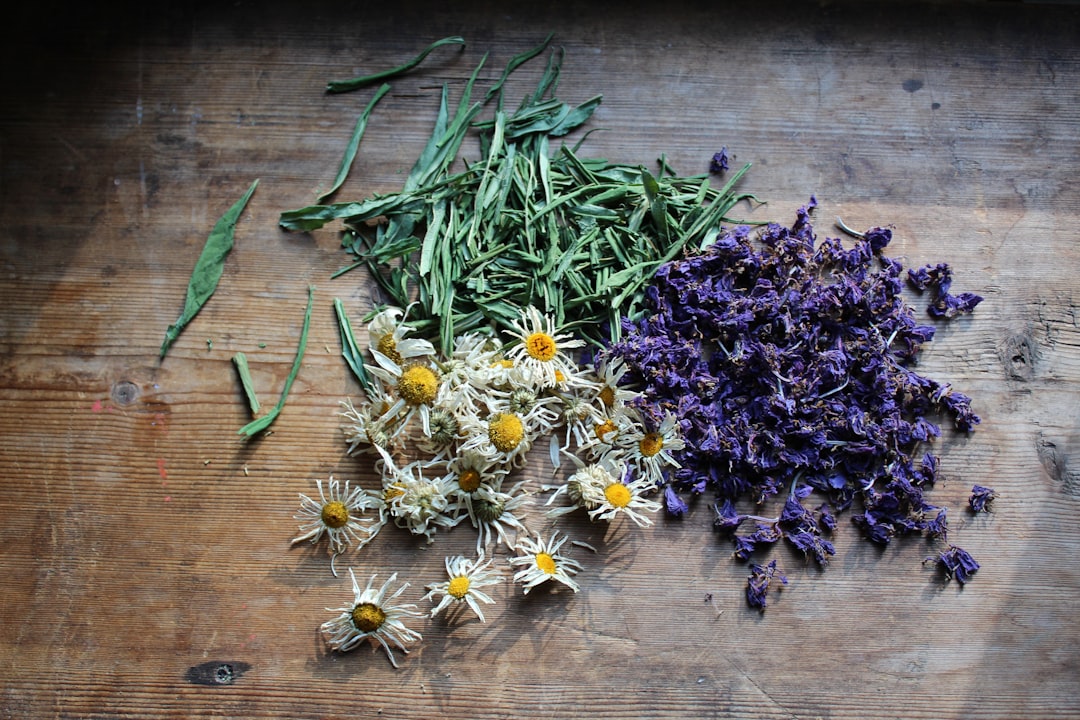
The aerial parts can also be infused as a tea, though the tincture is the more common preparation.
Most people take California poppy for sleep as an alcohol tincture. There is a practical reason. Alcohol pulls the active alkaloids out far more reliably than hot water does, so a tincture delivers a fuller and steadier preparation than an infusion. We make our California poppy tincture from the aerial parts using the classic 1:5 method, and we match the alcohol percentage to the plant material.
Tea as an alternative
However, the herb also works as a tea. An infusion of the dried aerial parts gives a pleasant, slightly bitter cup, and the ritual itself earns a place in an evening wind-down. If you prefer teas, it blends easily with chamomile, lemon balm or oatstraw. Browse our loose leaf teas if you would rather build a blend that way.
California poppy for sleep: timing and pairings
Timing tends to matter more than anything else. Tradition puts the herb in the evening, roughly thirty to sixty minutes before bed. Some people also take a smaller amount during the day when tension is the main issue. Because it acts mildly, herbalists usually combine it rather than relying on it alone. Valerian makes the classic pairing where sedation and pain overlap. Passionflower suits a racing mind. Wild lettuce (Lactuca virosa) stands in as the closest substitute when California poppy runs short.
So what does this mean for you? With nervine herbs, consistency generally beats intensity. Most people work them into a routine over a stretch of weeks rather than reaching for a one-off rescue.
Cautions and sourcing
A few practical cautions. Avoid California poppy during pregnancy and breastfeeding. Do not combine it with sedative medication. Anyone taking prescription drugs, particularly MAO inhibitors, should speak to a practitioner first. For liability and regulatory reasons we do not give dosing recommendations, so please review our disclaimer and talk to a qualified health practitioner about your own situation.
On sourcing: our suppliers meet strict quality standards, and the majority of our herbs carry organic certification, come from sustainable wildcrafting, or grow on small local farms. A third-party lab tests every tincture, and our team runs an organoleptic evaluation before final bottling.
FAQ
- Superior Sourcing: Our herbs are sourced from all over the world to avoid seasonal fluctuations in availability, keeping herbs accessible. Our suppliers meet strict standards that ensure top quality herbs, most of which are organic, wildcrafted, sustainably grown, or grown using permaculture. We support local farmers and grow many of our own herbs.
- Superior Processing: Our tinctures are made using the classic tincturing method. The tinctures are made in a 1:5 ratio which allows for the optimal extraction of the herb. The alcohol percentage is strictly controlled depending on the herb and part of the plant that is used.
- Superior Selection: We take pride in our growing selection of over 300 individual herbs. If we don’t carry the herb you’re seeking, we can likely track it down for you.
- Superior Quality Control: Our tinctures are thoroughly tested by a third-party lab and with an organoleptic evaluation by our team of herbalists prior to final bottling.
- Superior Price: Our tinctures are more cost-effective than other tinctures on the market. With an eye towards efficiency, we keep our costs low by maintaining good relationships with our wide network of suppliers and ordering herbs in bulk quantities.
- We Care About the Environment: We repackage materials that are shipped to us (so don’t be surprised if our packages look different from time to time!). We recycle or reuse materials whenever possible. We turn the cardboard we receive from other suppliers into packing material. We donate to avoid waste to groups like Naturopaths Without Borders. Our workforce almost completely uses public transportation or bikes. We are powered using 100% renewable energy through Bullfrog Power.
- We Donate To Charity: We support many causes that make the world better. We donate a portion of our profits or products. These include charities that support environmental and natural sustainability.
Set up an online account and order through the website. If you don’t have an account and place an order, one will be created for you.
Click here to subscribe to our mailing list.
Our products are made in Toronto, Ontario, Canada by a team of Herbalists and Naturopathic Doctors. The herbs and ingredients we use to make our products are sourced both locally and globally to keep herbs accessible and sustainable.
The majority of our herbs are certified organic, sustainably wildcrafted, or come from small-scale local organic farms that do not yet have organic certification. We always do our best to provide organic herbs in your formulas. We work with a variety of suppliers to keep costs low.
Although most of our products do not contain gluten, we do not have gluten-free certification for our production facility. Feel free to ask about any specific products and we’ll share whatever information we have available.
For liability and regulatory reasons, we don’t make any claims as to how our herbs should be used, including dosing recommendations. Please review our disclaimer, as well as our terms and policies.