Horsetail for Hair and Nails: Meet Equisetum arvense
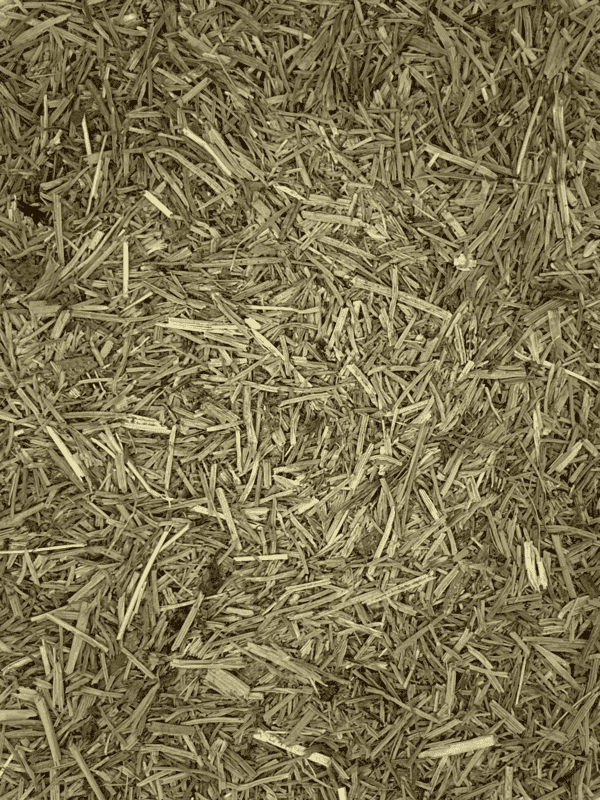
Dried Equisetum arvense (field horsetail), cut and sifted
Horsetail for hair and nails is one of the oldest ideas in Western herbalism. It comes from a plant older than almost everything growing beside it. Equisetum arvense, or field horsetail, survives from a plant family that covered the earth before flowers existed. Its ancestors grew as trees.
Here’s why that matters: horsetail never evolved true leaves. Instead it grows a jointed, hollow, bottle-brush stem. That stem pulls silica out of the soil and stores it. Silica is the reason this herb sits in the hair, skin, and nail category.
Where horsetail for hair and nails grows
The plant belongs to the Equisetaceae family, the only surviving family in its group. It grows across Europe, Asia, and North America. It favours damp ditches, riverbanks, sandy roadsides, and disturbed ground. In spring it sends up a pale, cone-topped fertile shoot. That shoot dies back. The green sterile stems that follow are the part herbalists harvest.
Old names, older uses
Common names tell you how people used it. Scouring rush and pewterwort come from the same habit. Because of its silica, the dried stems are mildly abrasive. Rural households scrubbed pots and polished pewter with bundles of horsetail. In Traditional Chinese Medicine the same plant appears as Mu Zei.
However, one detail matters when you buy it. Equisetum arvense is the herbal species. Its relative Equisetum palustre, or marsh horsetail, carries alkaloids that make it unsuitable. The two grow side by side. Careful identification is therefore the whole job with this herb. Herbal Clinic sources cut and sifted Equisetum arvense, and our herbalists check every batch before it becomes a tincture or a tea.
Why Horsetail Is Associated With Hair, Skin, and Nails
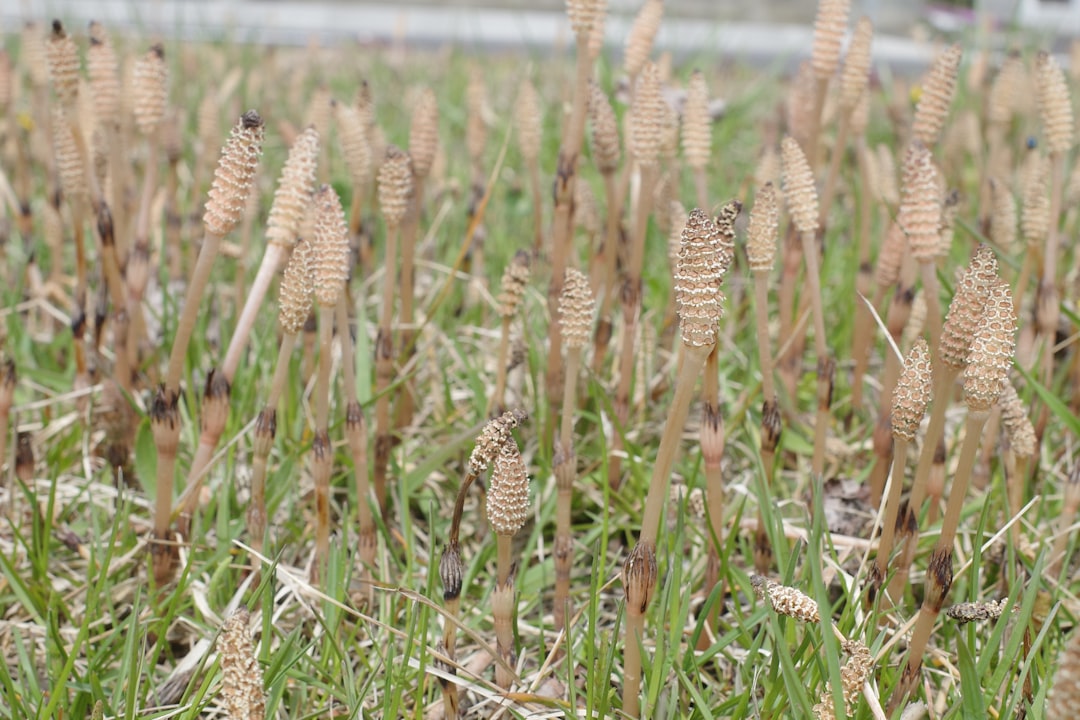
Field horsetail growing in its typical damp, sandy ground
Traditional use of horsetail for hair and nails rests on one feature. This plant ranks among the richest botanical sources of silica. Of course, growing site and harvest time shift the amount. Most of it sits in the stem as water-soluble silicic acid, not as inert sand.
Here’s how it works. Silicon takes part in the way the body builds collagen. In turn, collagen forms the scaffold under skin, inside hair shafts, and in the nail plate. Connective tissue short on structural support shows it at the edges first. Hair and nails live at those edges. Horsetail supplies a building block, not a treatment.
More than silica
But there’s more to it than silica. Horsetail also holds flavonoids, including quercetin and kaempferol derivatives. Similarly, it carries phenolic acids and small amounts of saponins too. Herbalists associate flavonoid-rich plants with antioxidant activity. That profile explains part of the herb’s topical tradition. You can check the botany of the species through Plants of the World Online.
The urinary tradition
In addition, European herbalists used horsetail as a gentle diuretic. That history explains the company it keeps. Our Uva-Ursi, Horsetail, and Cornsilk Combo pairs it with two herbs from the same traditional group. The blend reflects classical use rather than modern marketing.
The key takeaway: horsetail is a mineral-rich structural herb with a secondary urinary tradition. It stimulates nothing. It works slowly. Traditional use ran long and steady, which suits the tissues involved. Hair and nails grow at their own pace, so any change shows over months.
How to Use Horsetail for Hair and Nails at Home
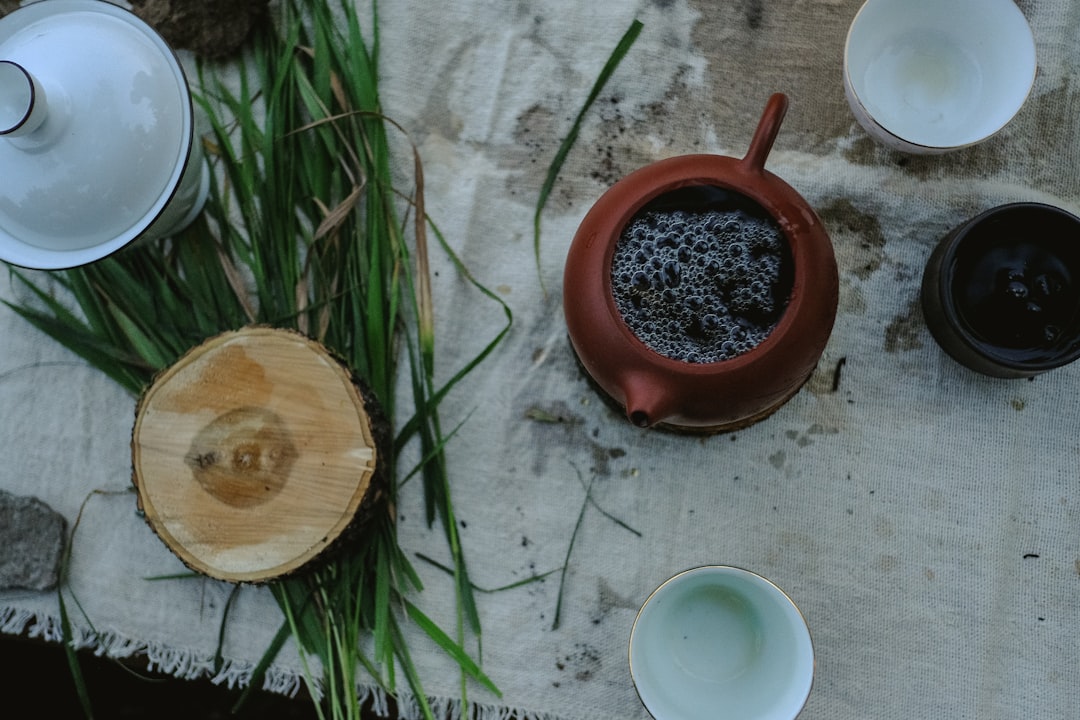
Horsetail is traditionally prepared as a long, strong infusion
Most people meet horsetail for hair and nails in three forms: a tincture, a strong infusion, or a topical rinse. Each one suits a different habit. Preparation matters more here than with most herbs. Silicic acid needs time and heat to leave the stem.
Horsetail for hair and nails as an infusion or rinse
This is where it gets interesting. A two-minute steep does almost nothing with horsetail. Tradition calls for a decoction or a long infusion. Simmer the dried herb for roughly ten minutes. Then let it stand and cool for several hours before you strain it. Furthermore, people have long used that cooled liquid two ways: as a drink, and as a hair rinse or a nail soak.
Tinctures
By contrast, tinctures work differently. Herbal Clinic makes tinctures by the classic method at a 1:5 ratio. We match the alcohol percentage to the herb and the plant part, so each bottle matches the last. A tincture measures easily and keeps well. As a result, many people stay consistent with drops far more easily than with a pot of tea that needs hours of standing time.
Practical notes on use
Tradition pairs horsetail with food and plenty of water. European practice also favoured short courses rather than indefinite daily use. In addition, the raw plant contains thiaminase, an enzyme that degrades vitamin B1. Heat handles that enzyme, which is why traditional preparation cooks the herb and why properly processed material matters.
Above all, sourcing deserves one more line. That look-alike relative makes dried horsetail only as good as the supplier behind it. We hold our suppliers to strict standards. Most of our herbs are organic, wildcrafted, or grown using permaculture. A third-party lab tests our tinctures, and our herbalists run an organoleptic check before final bottling. With a silica herb pulled from ditches and roadsides, that chain matters more than the front label.
For liability and regulatory reasons we make no dosing recommendations. Talk with a qualified practitioner before you add horsetail to your routine, especially during pregnancy, alongside medication, or with a kidney condition.
FAQ
- Superior Sourcing: Our herbs are sourced from all over the world to avoid seasonal fluctuations in availability, keeping herbs accessible. Our suppliers meet strict standards that ensure top quality herbs, most of which are organic, wildcrafted, sustainably grown, or grown using permaculture. We support local farmers and grow many of our own herbs.
- Superior Processing: Our tinctures are made using the classic tincturing method. The tinctures are made in a 1:5 ratio which allows for the optimal extraction of the herb. The alcohol percentage is strictly controlled depending on the herb and part of the plant that is used.
- Superior Selection: We take pride in our growing selection of over 300 individual herbs. If we don’t carry the herb you’re seeking, we can likely track it down for you.
- Superior Quality Control: Our tinctures are thoroughly tested by a third-party lab and with an organoleptic evaluation by our team of herbalists prior to final bottling.
- Superior Price: Our tinctures are more cost-effective than other tinctures on the market. With an eye towards efficiency, we keep our costs low by maintaining good relationships with our wide network of suppliers and ordering herbs in bulk quantities.
- We Care About the Environment: We repackage materials that are shipped to us (so don’t be surprised if our packages look different from time to time!). We recycle or reuse materials whenever possible. We turn the cardboard we receive from other suppliers into packing material. We donate to avoid waste to groups like Naturopaths Without Borders. Our workforce almost completely uses public transportation or bikes. We are powered using 100% renewable energy through Bullfrog Power.
- We Donate To Charity: We support many causes that make the world better. We donate a portion of our profits or products. These include charities that support environmental and natural sustainability.
Set up an online account and order through the website. If you don’t have an account and place an order, one will be created for you.
Click here to subscribe to our mailing list.
Our products are made in Toronto, Ontario, Canada by a team of Herbalists and Naturopathic Doctors. The herbs and ingredients we use to make our products are sourced both locally and globally to keep herbs accessible and sustainable.
The majority of our herbs are certified organic, sustainably wildcrafted, or come from small-scale local organic farms that do not yet have organic certification. We always do our best to provide organic herbs in your formulas. We work with a variety of suppliers to keep costs low.
Although most of our products do not contain gluten, we do not have gluten-free certification for our production facility. Feel free to ask about any specific products and we’ll share whatever information we have available.
For liability and regulatory reasons, we don’t make any claims as to how our herbs should be used, including dosing recommendations. Please review our disclaimer, as well as our terms and policies.