Blue Vervain for Stress and Tension: Meet the Plant

Verbena hastata, the North American blue vervain, in summer flower.
Blue vervain for stress and tension is one of those old remedies that never reached the supplement aisle. That is exactly why it is worth knowing. Herbalists reach for blue vervain for stress and tension when someone is wound tight, holding their shoulders around their ears, and running on nerves rather than sleep.
Where blue vervain grows
The plant is Verbena hastata, a member of the vervain family (Verbenaceae). It is native to North America. It grows in damp meadows, ditches, and along riverbanks across most of Canada and the United States. Square stems reach three to five feet tall, topped with narrow candelabra spikes of small violet flowers. The flowers open a few at a time, ringing their way up each spike through mid to late summer. Harvesters take the leaves. Anyone who has tasted them remembers the experience, because blue vervain is intensely bitter. The USDA plant profile maps its range in detail.
Here is why that matters. The bitterness is not a flaw to mask. In traditional herbal practice it is the point. Older herbalists understood bitter plants to settle and ground an overstimulated system. Vervain earned its reputation as a plant for people who cannot switch off.
A long history of use
Its history runs long. European herbalists worked with the related Verbena officinalis for centuries. The plant carried enough ceremonial weight to earn the names simple’s joy and holy herb. When settlers arrived in North America, they found Indigenous nations already using the local blue vervain. The two traditions gradually merged. By the nineteenth century the Eclectic physicians, an American school that leaned heavily on native plants, kept Verbena hastata as a standard dispensary item. However, pharmaceutical medicine expanded through the twentieth century, and blue vervain quietly slipped out of general use.
Common names include swamp vervain, American vervain, wild hyssop, and simpler’s joy. Furthermore, do not confuse it with lemon verbena (Aloysia citrodora). That is an entirely different and far sweeter plant.
What Blue Vervain Is Traditionally Used For
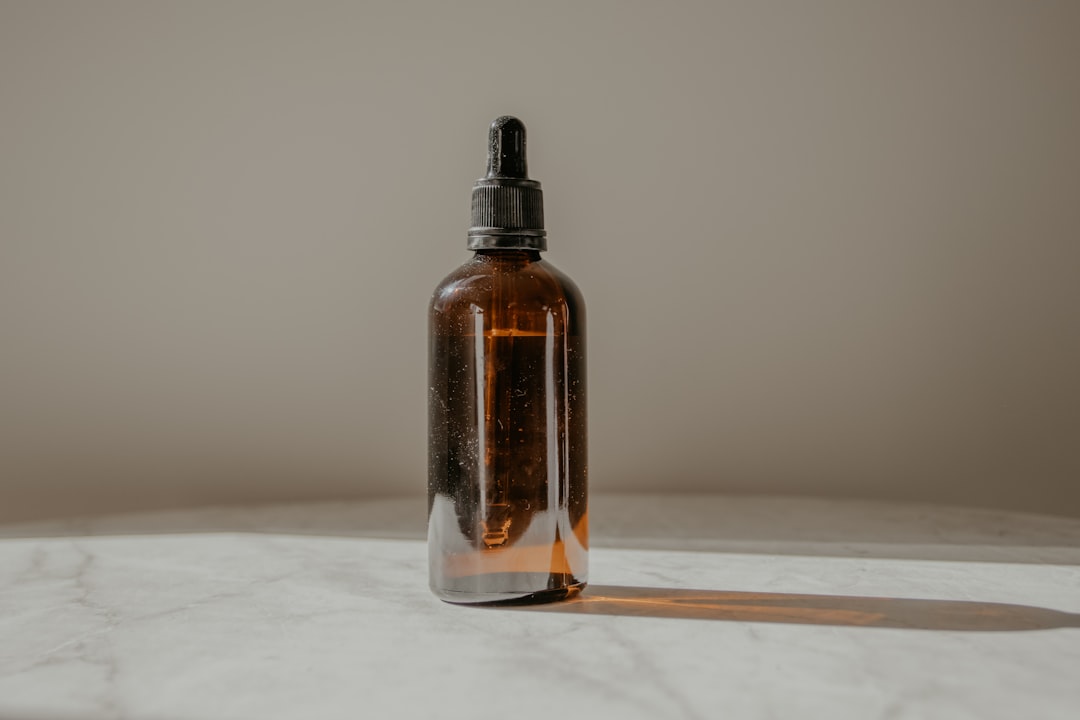
Blue vervain is most commonly taken as a tincture, which carries the bitter principles well.
Blue vervain for stress and tension: a nervine, not a sedative
Herbalists class blue vervain for stress and tension as a nervine. That means a herb with an affinity for the nervous system rather than one that sedates outright. In addition, it carries a secondary reputation as an alterative. That old term covers plants that gently support the body’s routes of elimination over time, particularly through the skin.
So what does this mean in practice? Herbalists have historically matched vervain to a fairly specific picture. Think of the person who is driven, capable, over-responsible, and physically braced. Tight neck and jaw. Difficulty putting a project down. Wired at bedtime despite genuine exhaustion. The older texts never present it as a herb for every kind of worry, and they are consistent on that point.
The traditional list of associations includes nervous tension, restlessness, and the tail end of an illness when energy has not returned. It also covers skin complaints such as acne, particularly where flare-ups track with hormonal cycles. Herbalists have long paired vervain with blue flag (Iris versicolor) for that last purpose.
What is inside the plant
On the chemistry side, blue vervain contains iridoid glycosides. These include verbenalin and hastatoside, alongside tannins and small amounts of volatile oil. The iridoids carry the bitterness, and researchers have studied them more than any other group in the genus. Research on Verbena species remains limited. Most of it sits at the preliminary laboratory stage rather than human trials. As a result, traditional use rather than clinical evidence supports blue vervain today.
The key takeaway: this is a plant with a long and specific traditional record and a thin modern research file. Both things are true at once, and it is worth knowing which one you are relying on.
How Blue Vervain for Stress and Tension Is Prepared and Used
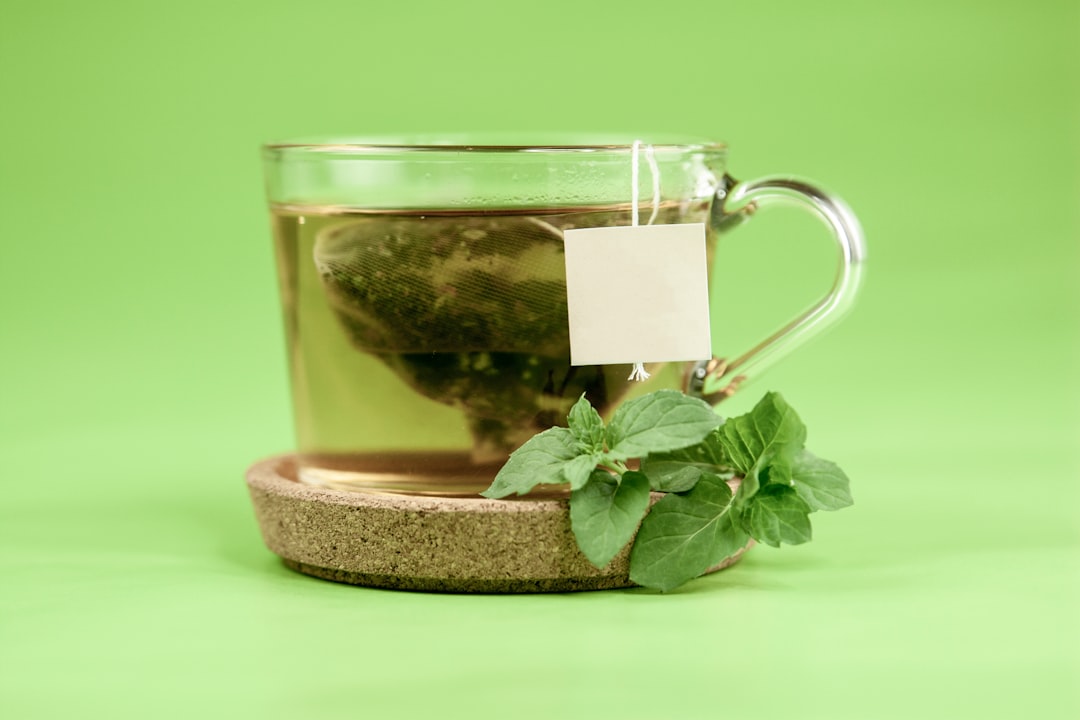
Dried vervain leaf can be infused as a tea, though the bitterness is pronounced.
Blue vervain for stress and tension: tincture or tea
Most people who take blue vervain for stress and tension choose a tincture. The bitter iridoids and the volatile oil both extract well into alcohol. A few drops under the tongue also deliver the bitter taste directly. Traditional practice treated that taste as part of how the herb works, not as an unfortunate side effect.
Tea is the other option. Infuse the dried leaf in just off boiling water, and keep the cup covered while it steeps. That traps the volatile oils in the cup rather than in the air. Be warned though. Plain vervain tea tastes genuinely bitter, so most people blend it with lemon balm, chamomile, or oatstraw. Blue vervain also combines readily into custom tincture formulas, usually as a supporting element rather than the whole picture.
How we make it
Here is how we approach it at Herbal Clinic. We make our tinctures by classic maceration at a 1:5 herb to menstruum ratio. We set the alcohol percentage according to the plant and the part we use. For a leaf like vervain, that balance matters. Too little alcohol and the volatile oils do not come across. Too much and the water soluble fraction stays behind. Every batch goes through third-party lab testing plus an organoleptic check by our herbalists before bottling.
Blue vervain safety notes
A few practical notes. Traditional practice avoids blue vervain during pregnancy. The herb also has a reputation for unsettling the stomach at higher amounts, which is common among strongly bitter plants. Furthermore, if you take prescription medication or manage an ongoing health condition, speak with a qualified practitioner before adding any new herb.
For regulatory reasons we do not publish dosing guidance. If you want help building a formula around vervain, you can pair our blue vervain tincture with other herbs, or ask a practitioner to design one for you.
FAQ
- Superior Sourcing: Our herbs are sourced from all over the world to avoid seasonal fluctuations in availability, keeping herbs accessible. Our suppliers meet strict standards that ensure top quality herbs, most of which are organic, wildcrafted, sustainably grown, or grown using permaculture. We support local farmers and grow many of our own herbs.
- Superior Processing: Our tinctures are made using the classic tincturing method. The tinctures are made in a 1:5 ratio which allows for the optimal extraction of the herb. The alcohol percentage is strictly controlled depending on the herb and part of the plant that is used.
- Superior Selection: We take pride in our growing selection of over 300 individual herbs. If we don’t carry the herb you’re seeking, we can likely track it down for you.
- Superior Quality Control: Our tinctures are thoroughly tested by a third-party lab and with an organoleptic evaluation by our team of herbalists prior to final bottling.
- Superior Price: Our tinctures are more cost-effective than other tinctures on the market. With an eye towards efficiency, we keep our costs low by maintaining good relationships with our wide network of suppliers and ordering herbs in bulk quantities.
- We Care About the Environment: We repackage materials that are shipped to us (so don’t be surprised if our packages look different from time to time!). We recycle or reuse materials whenever possible. We turn the cardboard we receive from other suppliers into packing material. We donate to avoid waste to groups like Naturopaths Without Borders. Our workforce almost completely uses public transportation or bikes. We are powered using 100% renewable energy through Bullfrog Power.
- We Donate To Charity: We support many causes that make the world better. We donate a portion of our profits or products. These include charities that support environmental and natural sustainability.
Set up an online account and order through the website. If you don’t have an account and place an order, one will be created for you.
Click here to subscribe to our mailing list.
Our products are made in Toronto, Ontario, Canada by a team of Herbalists and Naturopathic Doctors. The herbs and ingredients we use to make our products are sourced both locally and globally to keep herbs accessible and sustainable.
The majority of our herbs are certified organic, sustainably wildcrafted, or come from small-scale local organic farms that do not yet have organic certification. We always do our best to provide organic herbs in your formulas. We work with a variety of suppliers to keep costs low.
Although most of our products do not contain gluten, we do not have gluten-free certification for our production facility. Feel free to ask about any specific products and we’ll share whatever information we have available.
For liability and regulatory reasons, we don’t make any claims as to how our herbs should be used, including dosing recommendations. Please review our disclaimer, as well as our terms and policies.