Posted on

Burdock Root for Skin and Detox: Traditional Use, Benefits, and How to Take It

Part 1: What Is Burdock Root? History, Origin and Traditional Use

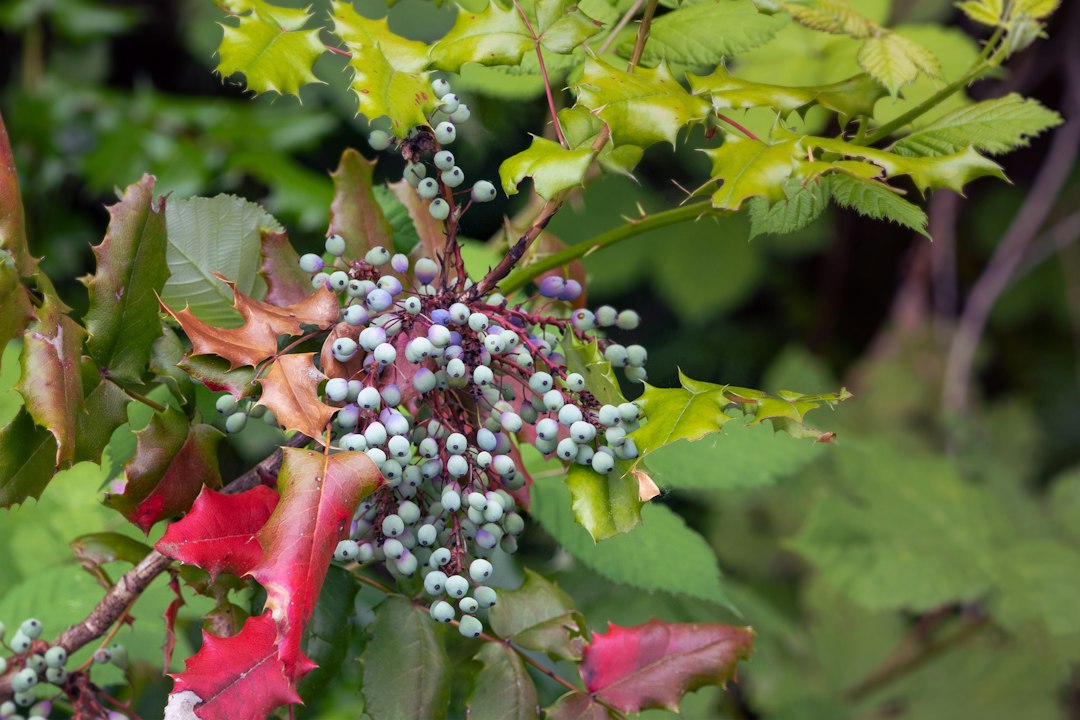
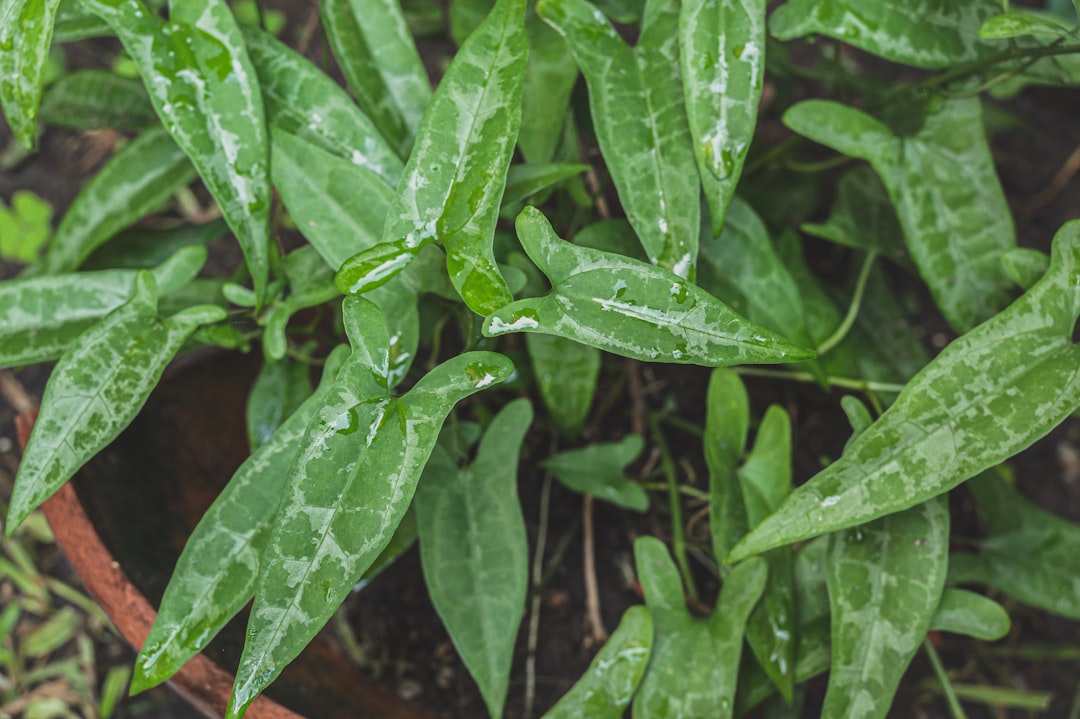
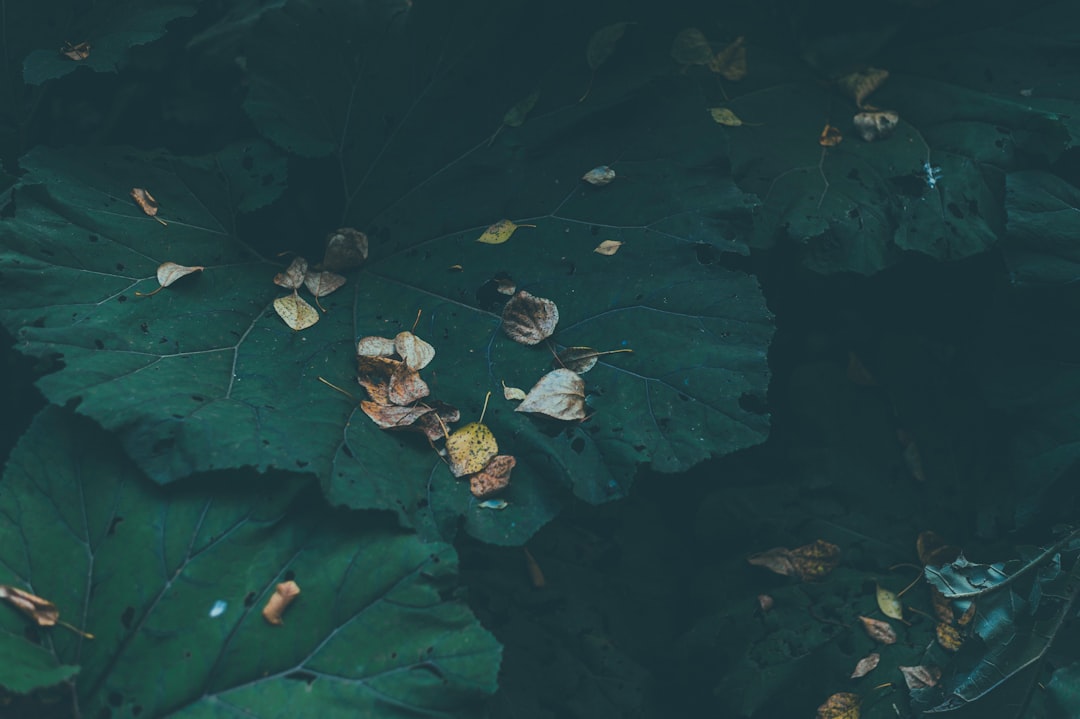
Burdock root for skin and detox — fresh burdock plant leaves

Burdock (Arctium lappa) — a foundational alterative herb in Western and Eastern herbal traditions.

Burdock root for skin and detox is one of the oldest and most trusted herbs in Western herbalism. If you have ever struggled with stubborn breakouts, dull skin, or a sense that your body needs a reset, burdock has likely already crossed your path. Practitioners have leaned on this humble root for centuries because it works on the systems that govern clear skin from the inside out.

Burdock (Arctium lappa) belongs to the Asteraceae family — the same family as dandelion, echinacea, and milk thistle. The plant is biennial: in the first year it grows a rosette of large, soft, slightly heart-shaped leaves; in the second year it sends up a tall flowering stalk topped with the famous prickly burrs that cling to clothing and animal fur. Those burrs are the reason burdock spread across continents, and they are also what inspired the invention of Velcro.

Origins and traditional use

Native to Europe and northern Asia, burdock now grows widely across North America as a hardy roadside and field plant. In traditional European herbalism, the root was a foundational alterative — a class of herbs used to gradually improve the body’s elimination, with the aim of clearing the skin, calming chronic inflammation, and supporting the liver. In Traditional Chinese Medicine, burdock fruit (Niu Bang Zi) and root have been used for centuries to clear heat and disperse swellings, particularly for hot, red, or pustular skin conditions.

Here’s why that matters: the herbal tradition figured out long before modern dermatology that the skin reflects what is happening inside. When the liver, bowel, lymph, and kidneys are sluggish, the skin is often the visible signal. Burdock was the herb people turned to.

What burdock looks like

Burdock leaves are unmistakable — broad, wavy-edged, and downy on the underside. The root is long, slender, and dark brown on the outside with a creamy interior. In Japan, where burdock is called gobo, the root is cultivated as a culinary vegetable and shows up in stir-fries, soups, and pickles. That dual identity — both food and medicine — tells you something important about its safety profile. Burdock is what herbalists call a food herb: a gentle, nourishing remedy the body tolerates well, suitable for long-term use rather than short, intense protocols.

How burdock fits into a clear-skin protocol

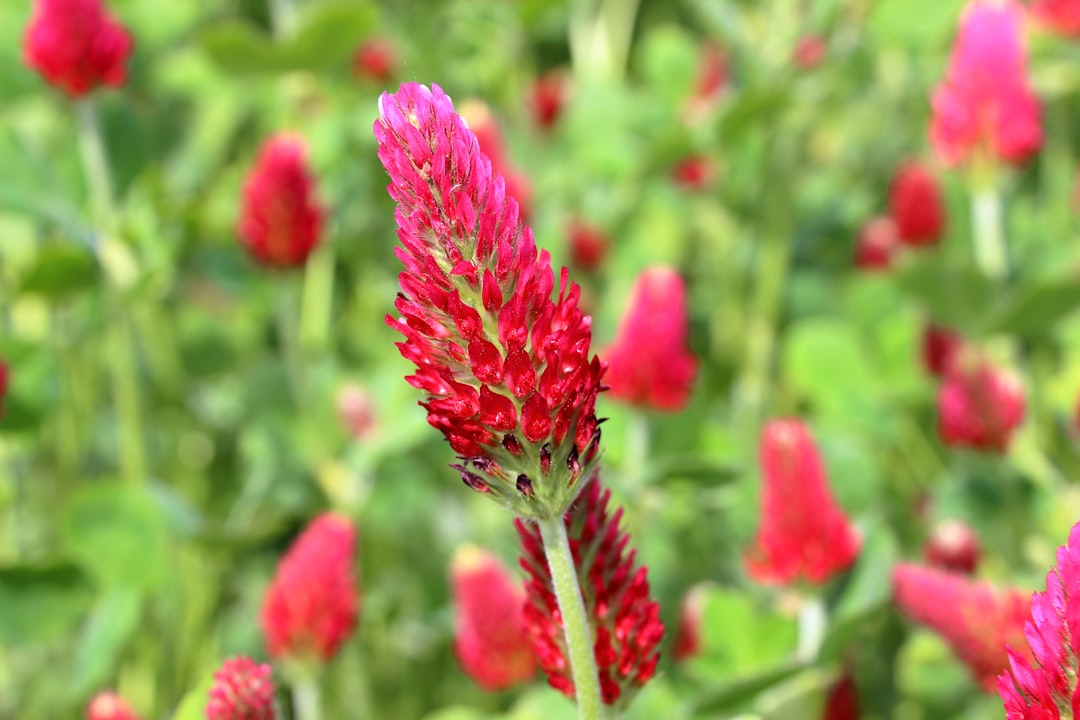
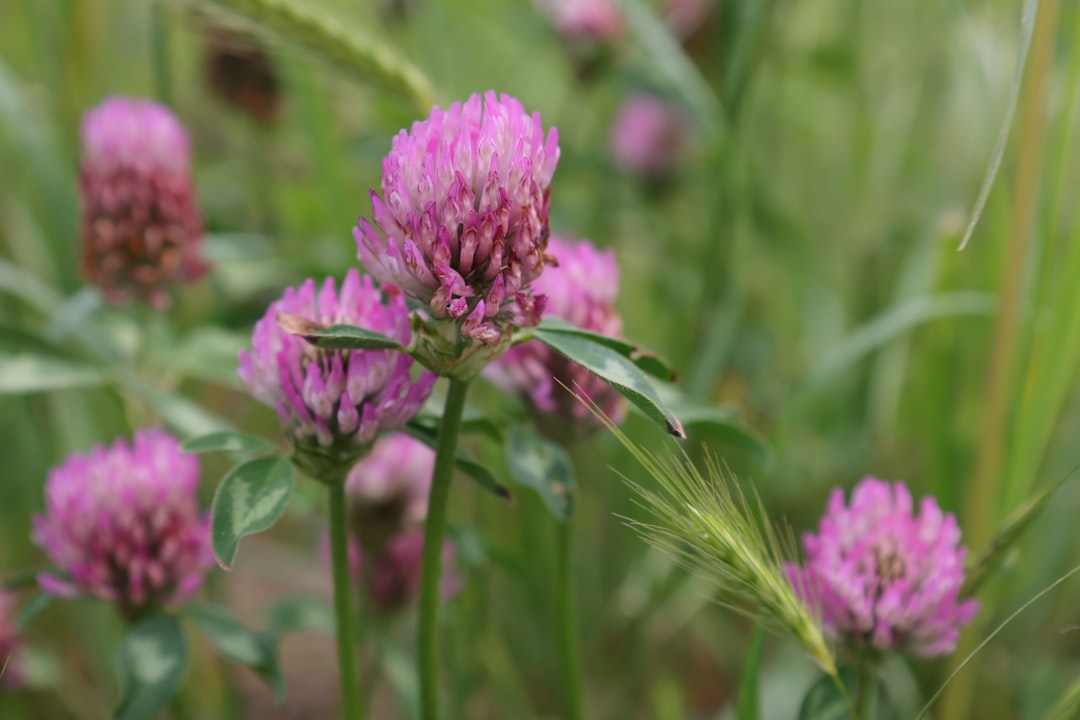
Burdock rarely works alone in traditional formulas. Herbalists usually pair it with related alteratives — dandelion, yellow dock, cleavers, or red clover — to support several elimination pathways at once. The thinking has always been that clear skin is downstream of a well-functioning liver, lymphatic system, and digestive tract. Burdock works on all three.

Furthermore, because burdock is mild and food-like, it suits a slow, steady approach. This is not a herb you take for a weekend cleanse and expect results. It is a herb you take consistently over weeks and months, and the skin and energy benefits accumulate gradually.

Part 2: Burdock Root for Skin and Detox — Benefits and Active Constituents

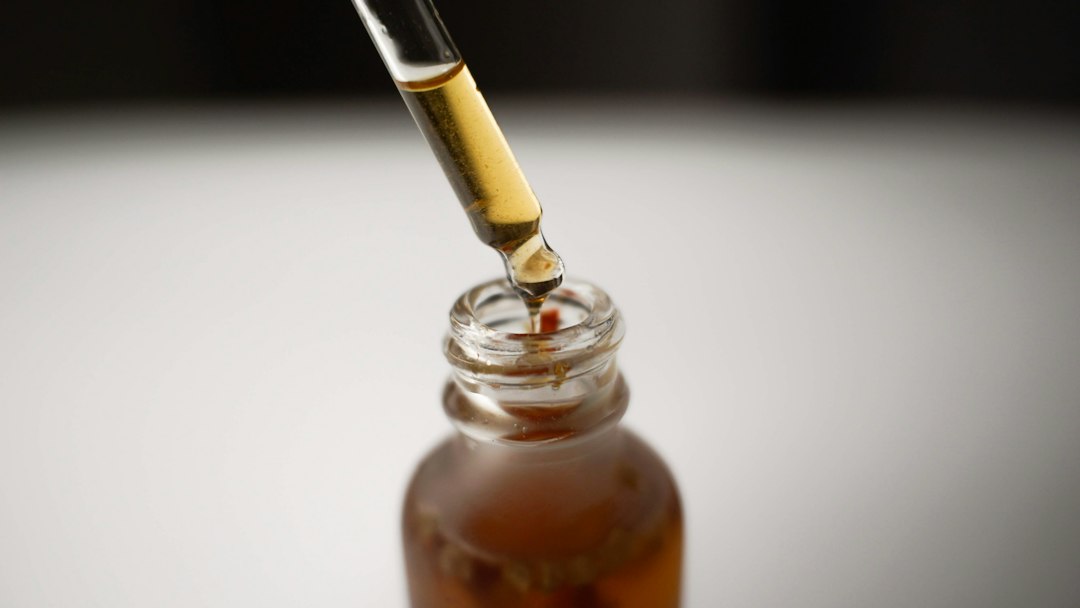
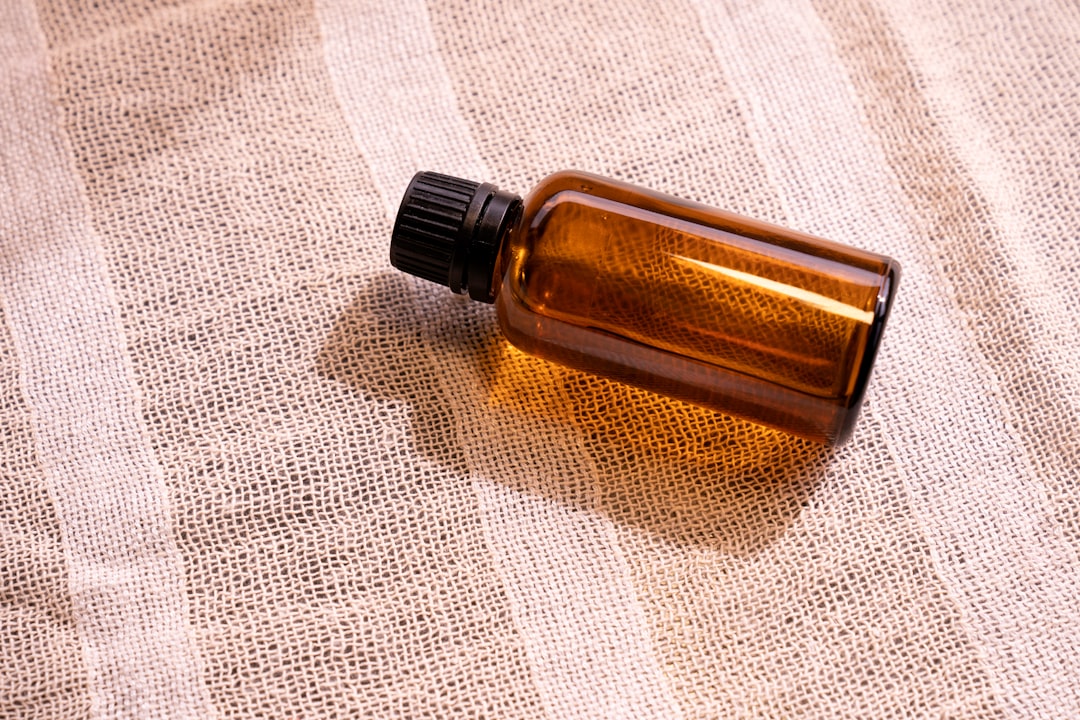
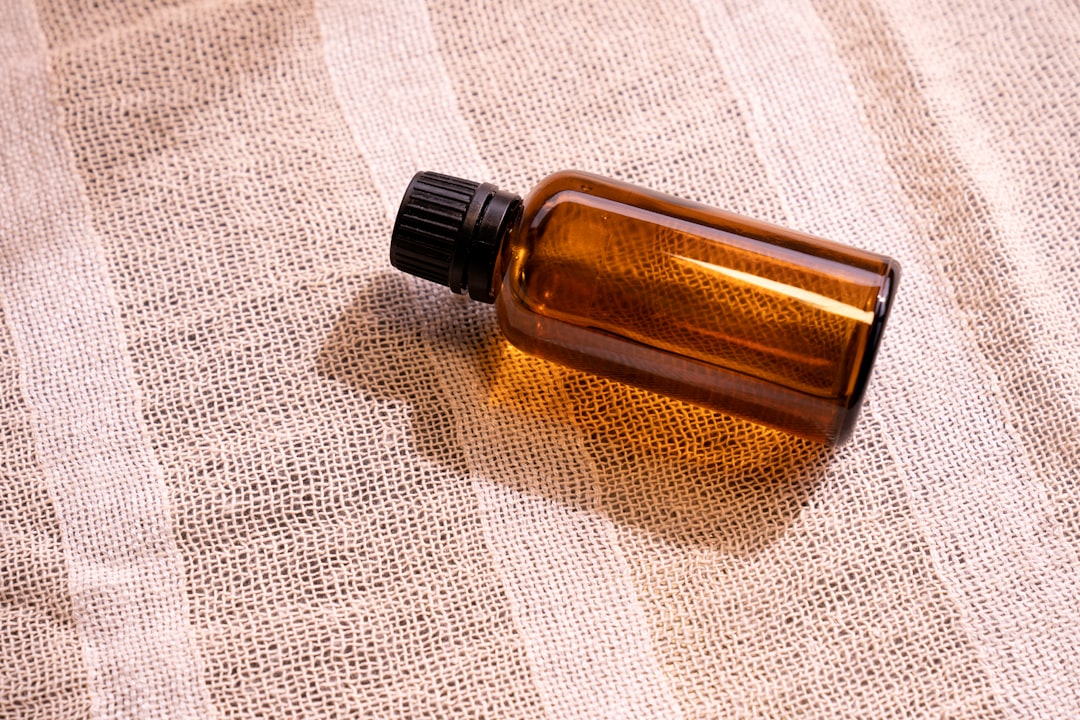
Burdock root tincture in an amber dropper bottle

Burdock tincture concentrates the root’s alterative and skin-supporting compounds.

Burdock root for skin and detox draws on a well-documented chemical profile. Herbalists classify burdock primarily as an alterative — meaning it gradually improves the body’s metabolic and eliminative function — with secondary actions that are diuretic, mildly bitter, and lymphatic. Together, these actions explain why burdock has earned such a long-standing reputation as a clear-skin herb.

What is actually in burdock root

The root is rich in inulin, a soluble prebiotic fibre that feeds beneficial gut bacteria and supports steady blood sugar. It also contains polyacetylenes (which carry mild antimicrobial activity), bitter sesquiterpene lactones (notably arctiopicrin), lignans such as arctigenin and arctiin, and a useful range of polyphenols and flavonoids. Burdock also delivers trace minerals — iron, magnesium, manganese — and a small but meaningful dose of vitamin C.

This is where it gets interesting: the inulin content makes burdock function as both a herb and a gut-supportive food. By feeding beneficial gut bacteria, burdock supports the gut barrier, which is itself a central part of any meaningful detox conversation. A healthy gut means fewer inflammatory triggers reaching the bloodstream, and less inflammatory load on the skin.

Burdock root for skin: the alterative mechanism

Traditional herbalists describe alteratives as herbs that “alter” or improve the terrain — they do not force a single dramatic action, but instead nudge the liver, kidneys, lymph, and gut toward better function. Burdock root for skin and detox works through this kind of gentle, distributed action.

For the liver, burdock’s bitter compounds stimulate bile production and flow. Better bile flow means the liver can process and clear fat-soluble waste more efficiently — including hormone metabolites and environmental toxins that, if recirculated, can contribute to acne, eczema, and dull skin. As a result, the skin gets less of the body’s housekeeping work dumped onto it.

For the lymphatic system, burdock is traditionally paired with cleavers and red root to help move stagnant lymph. The lymphatic system clears cellular debris and immune complexes — a sluggish lymph often shows up as puffiness, persistent breakouts in the same locations, and slow healing.

For the kidneys, burdock’s mild diuretic action increases urinary clearance of water-soluble waste. This complements the liver’s work and helps the body finish what the bile flow started.

What the tradition uses burdock for

Burdock has a long association with chronic skin conditions — acne, eczema, psoriasis, boils, and slow-healing rashes. Western herbalists have traditionally used it for skin presentations that feel “hot,” red, or angry, and for skin issues that flare alongside digestive sluggishness or stress. In TCM, burdock is used in similar territory: heat patterns showing up in the skin, sore throats with swollen glands, and acne flare-ups.

However, burdock is not a one-trick herb. Its bitter, alterative action also supports general digestion, helps regulate blood sugar via its inulin content, and gently supports the liver’s everyday detoxification work — making it a sensible foundation herb for general wellness, not only for active skin complaints.

Part 3: How to Use Burdock Root for Skin and Detox — Tinctures, Teas and Daily Wellness

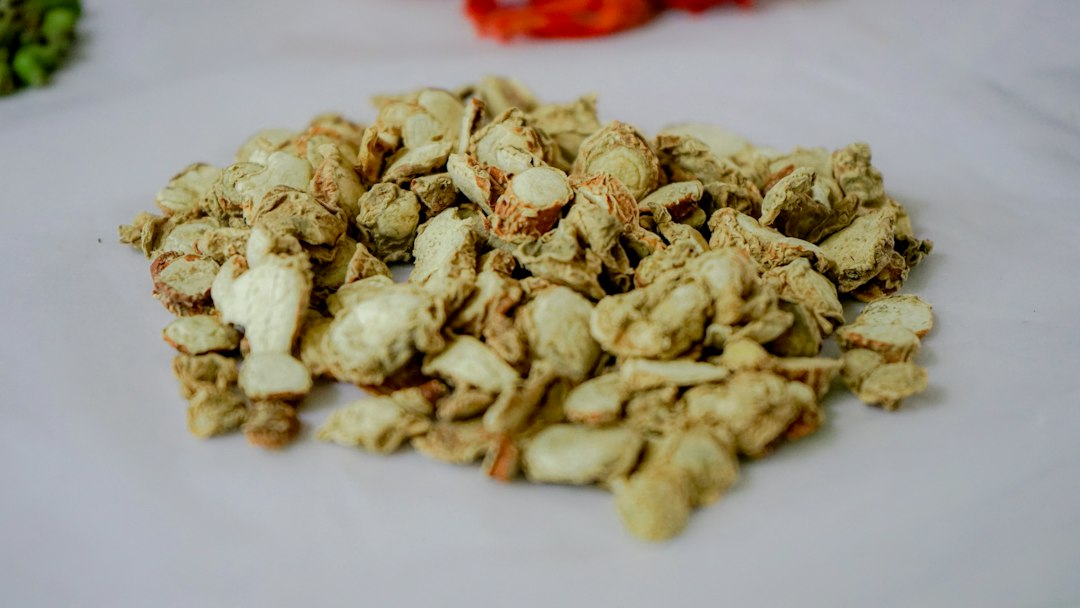
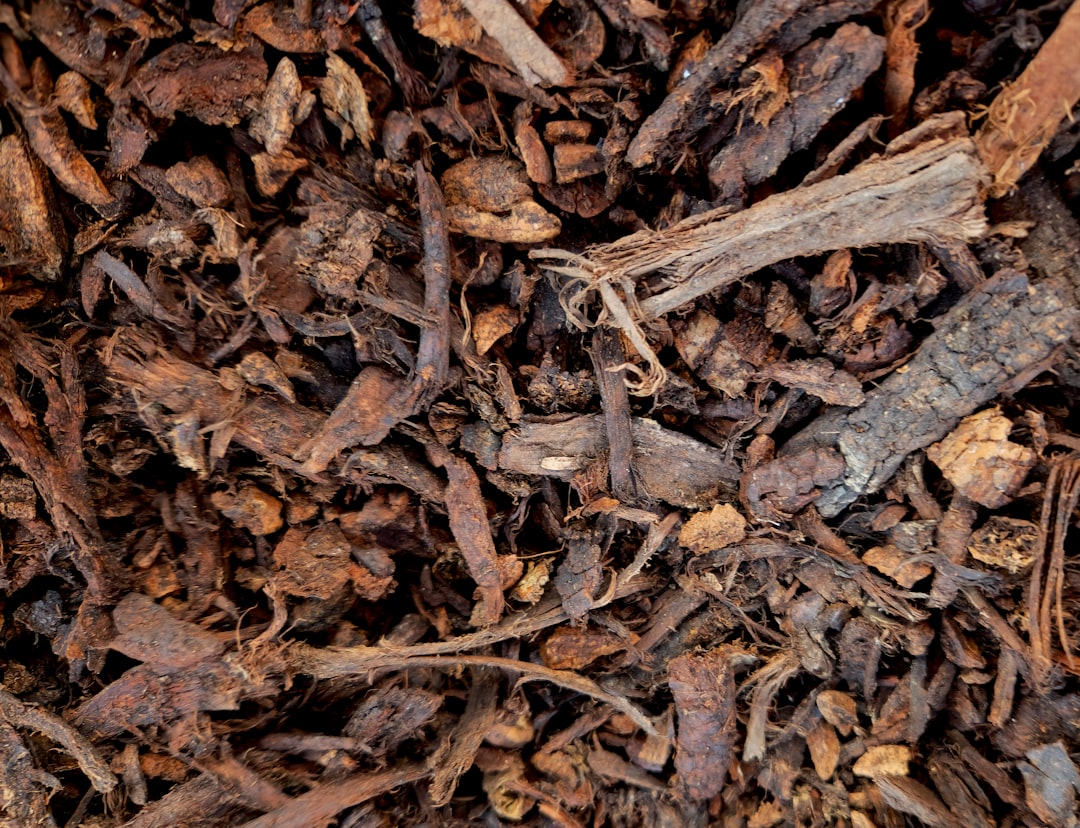
Dried burdock root for skin and detox in an apothecary preparation

Burdock root works best taken consistently over weeks rather than as a short cleanse.

Burdock root for skin and detox is available in several practical forms — tincture, tea, decoction, and as the whole vegetable in cooking. Each preparation has a different character, and the right choice depends on your goals and how you want it to fit into your day.

Tinctures: concentrated and convenient

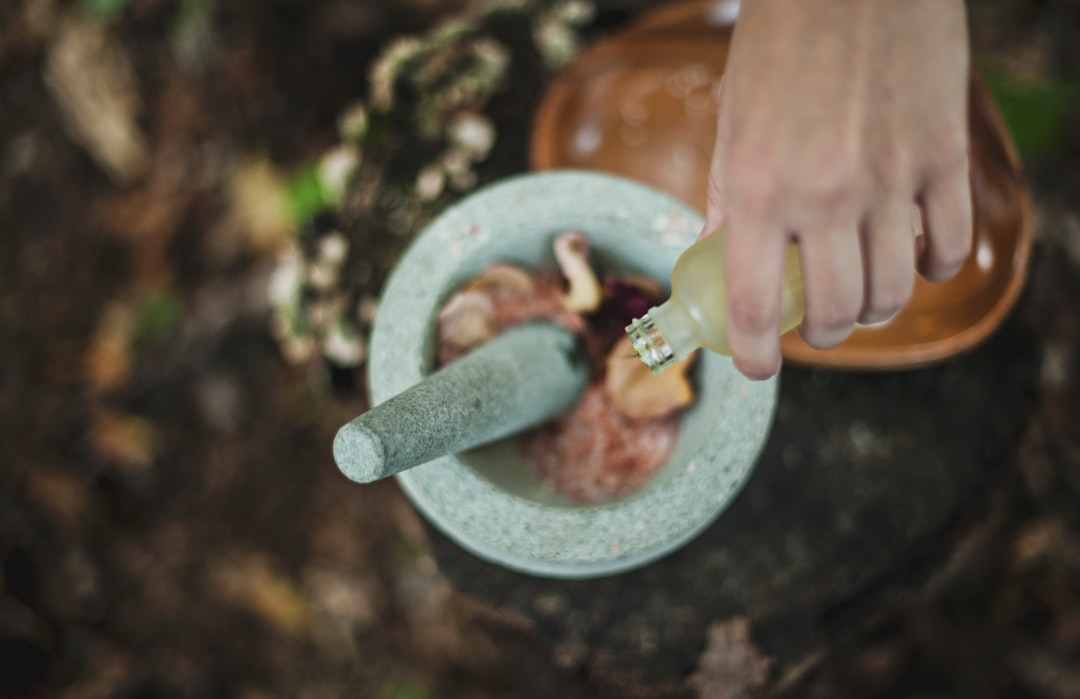
A tincture is the most concentrated way to take burdock and the most consistent in delivery. The alcohol extraction captures both the water-soluble inulin and polyphenols and the lipid-soluble lignans and sesquiterpene lactones — the full spectrum of compounds that give burdock its alterative profile. At Herbal Clinic, we craft burdock tinctures at a 1:5 ratio and calibrate the alcohol percentage to match the root, which keeps the extract stable and the dose predictable. For more on how tinctures work, see our beginner’s guide to making tinctures.

Tinctures also blend easily with other alteratives. Burdock is traditionally paired with red clover, cleavers, dandelion, or yellow dock to broaden the formula’s reach. The Clover and Burdock Combo is a classic skin-focused formula in this lineage, and Gentle Movements pairs burdock with licorice and ginger when bowel function needs to be addressed alongside the skin.

Teas and decoctions

Burdock root tea is a long-standing folk preparation. Because the root is dense and fibrous, prepare it as a decoction rather than a simple infusion: simmer the dried root in water for fifteen to twenty minutes to fully extract the compounds. The resulting brew has an earthy, slightly sweet, mildly bitter taste. Many people find it pleasant enough to drink daily, and the ritual itself can be part of the benefit.

Furthermore, burdock root tea is one of the gentler ways to start. If you are new to herbal medicine and unsure how your system will respond, a daily cup of decoction is a low-risk entry point. The inulin content also makes it mildly satisfying — useful as a between-meals option.

Burdock as food

Burdock root for skin and detox can also enter the diet directly as gobo — the same root, sold fresh in many Asian and natural-food grocers. Peel, slice, and add to soups, stir-fries, or roasted root vegetable trays. The flavour is earthy and slightly sweet, similar to artichoke heart. As a food, burdock delivers a steady, lower-dose version of the same benefits.

Choosing your preparation

For active skin complaints — persistent acne, eczema flares, or slow-healing inflammation — a tincture or combination formula gives the strongest, most consistent action. For general background support, a daily decoction or culinary burdock provides a gentler, food-like option. For digestive sluggishness paired with skin issues, a combo formula like Gentle Movements addresses both at once.

However, burdock is a slow herb. Plan to take it consistently for at least four to six weeks before evaluating results. Skin remodels slowly, and the alterative action accumulates rather than acting overnight.

Cautions

Burdock is generally well tolerated, but consult a qualified practitioner before using it if you take diuretics, blood sugar medications, or blood thinners; if you are pregnant or nursing; or if you have a known allergy to Asteraceae plants (which include ragweed, daisy, and chrysanthemum). Also drink plenty of water alongside burdock, especially in tincture form, to support the kidneys’ role in clearance.

At Herbal Clinic, we source burdock from suppliers who meet rigorous quality standards — most carry organic certification, wildcrafted designation, or come from small permaculture farms. Burdock is a hardy plant that thrives without intensive cultivation, which makes responsible sourcing both practical and accessible.

FAQ

  • Superior Sourcing: Our herbs are sourced from all over the world to avoid seasonal fluctuations in availability, keeping herbs accessible. Our suppliers meet strict standards that ensure top quality herbs, most of which are organic, wildcrafted, sustainably grown, or grown using permaculture. We support local farmers and grow many of our own herbs.
  • Superior Processing: Our tinctures are made using the classic tincturing method. The tinctures are made in a 1:5 ratio which allows for the optimal extraction of the herb. The alcohol percentage is strictly controlled depending on the herb and part of the plant that is used.
  • Superior Selection: We take pride in our growing selection of over 300 individual herbs. If we don’t carry the herb you’re seeking, we can likely track it down for you.
  • Superior Quality Control: Our tinctures are thoroughly tested by a third-party lab and with an organoleptic evaluation by our team of herbalists prior to final bottling.
  • Superior Price: Our tinctures are more cost-effective than other tinctures on the market. With an eye towards efficiency, we keep our costs low by maintaining good relationships with our wide network of suppliers and ordering herbs in bulk quantities.
  • We Care About the Environment: We repackage materials that are shipped to us (so don’t be surprised if our packages look different from time to time!). We recycle or reuse materials whenever possible. We turn the cardboard we receive from other suppliers into packing material. We donate to avoid waste to groups like Naturopaths Without Borders. Our workforce almost completely uses public transportation or bikes. We are powered using 100% renewable energy through Bullfrog Power.
  • We Donate To Charity: We support many causes that make the world better. We donate a portion of our profits or products. These include charities that support environmental and natural sustainability.

Set up an online account and order through the website. If you don’t have an account and place an order, one will be created for you.

Our products are made in Toronto, Ontario, Canada by a team of Herbalists and Naturopathic Doctors. The herbs and ingredients we use to make our products are sourced both locally and globally to keep herbs accessible and sustainable.

The majority of our herbs are certified organic, sustainably wildcrafted, or come from small-scale local organic farms that do not yet have organic certification. We always do our best to provide organic herbs in your formulas. We work with a variety of suppliers to keep costs low.

Although most of our products do not contain gluten, we do not have gluten-free certification for our production facility. Feel free to ask about any specific products and we’ll share whatever information we have available.

For liability and regulatory reasons, we don’t make any claims as to how our herbs should be used, including dosing recommendations. Please review our disclaimer, as well as our terms and policies.
Posted on

Oak Bark for Digestive Health: Benefits and How to Use It

Oak Bark for Digestive Health: A Herb Rooted in Western Tradition

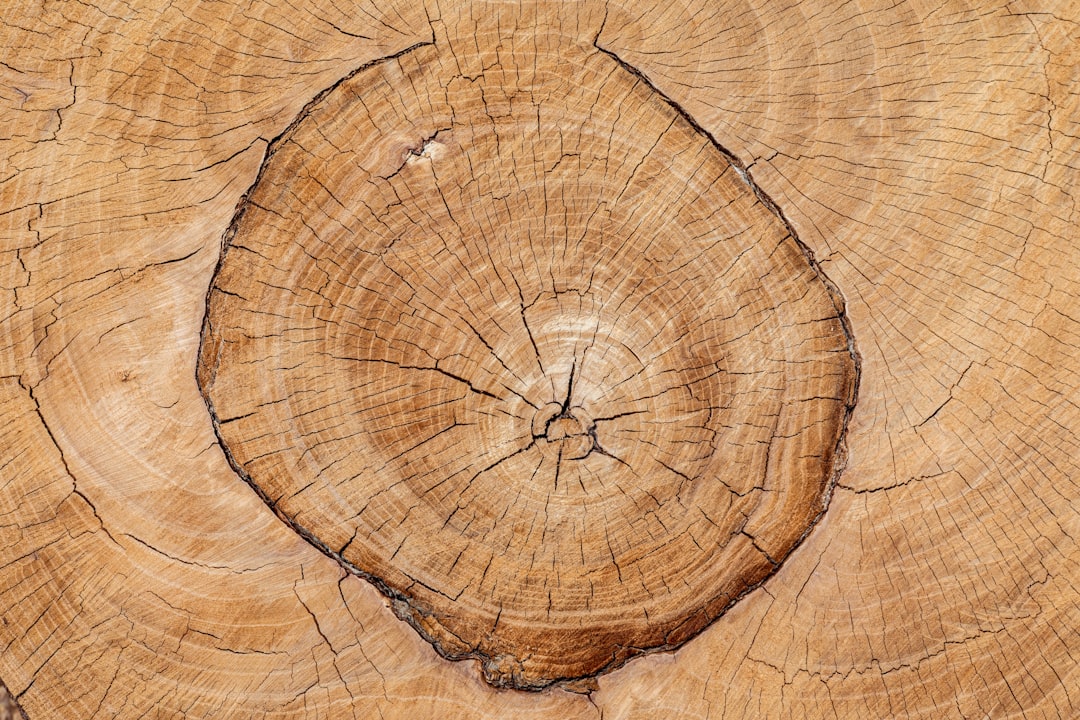
oak bark for digestive health — closeup of white oak tree bark texture

Oak bark for digestive health — white oak (Quercus alba) inner bark contains the highest concentration of medicinal tannins.

Oak bark for digestive health has been a staple of Western herbal practice for centuries. It remains one of the most reliable astringent herbs in the materia medica. Derived from the bark of Quercus alba (white oak), a native North American hardwood in the Fagaceae family, it delivers a concentrated dose of tannins and gallic acid. These constituents act directly on inflamed and irritated mucous membranes. For anyone navigating digestive inflammation, diarrhea, or gut laxity, understanding how this herb works is worth the time.

White Oak Tree: Identification and Harvest

The white oak grows across eastern North America, from southern Ontario down through the southeastern United States. It is one of the most ecologically significant hardwoods on the continent. In older specimens, the deeply furrowed, whitish-grey bark is immediately recognizable. For medicinal purposes, however, the inner bark of young branches — typically two to five years old — holds the therapeutic value. Herbalists discard the outer bark. Additionally, younger inner bark contains a higher proportion of soluble tannins than older, heavily lignified tissue, making harvest timing meaningful rather than arbitrary.

Oak Bark in Traditional Western Herbalism

Oak bark’s place in Western herbalism predates European settlement in North America. Multiple Indigenous nations across the eastern woodlands — including Anishinaabe, Cherokee, and Haudenosaunee communities — recorded medicinal uses of various Quercus species for diarrhea, wound care, and inflammatory gut conditions. Furthermore, European herbalists recognized in white oak an analogue to European oak (Quercus robur), long listed in Old World pharmacopoeias for its astringent properties. By the nineteenth century, white oak bark held an official entry in the United States Pharmacopoeia.

Here’s why that matters: oak bark is not a herb that depends on tradition alone. Chemistry directly explains its actions, and that chemistry has been consistently documented and studied. Therefore, oak bark is a predictable and trustworthy herb — one that earns its place in a protocol because the mechanism is understood. In the context of digestive health, the clinical indication centres on states of excess laxity, secretion, or inflammation in the gut lining. This is where the primary action of its tannins applies most directly.

At Herbal Clinic, we carry Quercus alba oak bark as both a tincture and a dried herb. Consequently, whether you are working with a practitioner on a targeted protocol or building a broader digestive wellness routine, both forms are available.

How Oak Bark Works: Tannins, Gallic Acid, and the Astringent Mechanism

herbal tincture bottle on wooden table representing oak bark tincture

Oak bark tincture — alcohol extraction draws out both the tannins and gallic acid that define the herb’s therapeutic activity.

Oak bark for digestive health works through one primary mechanism: astringency. The bark of Quercus alba contains a substantial concentration of tannins — primarily ellagitannins and condensed proanthocyanidins — along with gallic acid, a polyphenolic compound with independent antimicrobial and antiparasitic activity. Together, these constituents make oak bark one of the more biochemically coherent herbs in the Western materia medica.

How Tannins Work on the Gut Lining

Tannins act by precipitating proteins. They bind to proteins on contact and cause them to condense. On a mucous membrane, this creates a temporary protective layer that reduces secretion, limits tissue permeability, and exerts a mild anti-inflammatory effect on the underlying tissue. Furthermore, this protein-binding action is not selective: it works on the mucosal surface of the gut, on skin, and on any protein-rich tissue the herb contacts directly. This is the core of astringency, and it explains why oak bark applies both internally for digestive complaints and externally for skin conditions.

In the gastrointestinal tract, this mechanism addresses states of excessive secretion and tissue laxity — the underlying conditions in many presentations of diarrhea and intestinal inflammation. However, astringency does not suppress gut motility the way pharmaceutical antidiarrheals do. Nor does it address root-cause inflammation directly. Instead, it tones the mucosal surface and reduces secretory excess while the underlying condition resolves. As a result, oak bark works best as part of a broader protocol rather than a standalone long-term intervention.

Oak Bark, Gallic Acid, and Parasite Protocols

Gallic acid adds further dimension. Beyond its contribution to the astringent effect, research on gallic acid documents antifungal and antiparasitic activity, giving oak bark secondary usefulness in protocols for dysbiosis, intestinal fungal overgrowth, or parasitic infection. Moreover, when combined with black walnut hull (Juglans nigra), oak bark’s tissue-toning action complements black walnut’s anthelmintic juglone content. The combination is a recognized staple of parasite-focused herbal protocols for this reason.

Topically, the same astringent mechanism applies to skin. Oak bark is traditionally associated with suppurative skin infections — weeping wounds, fungal skin conditions, and inflammatory skin eruptions with excess exudate. The tannins draw the tissue, reduce discharge, and create an environment less favourable to pathogen growth. This dual affinity for gastrointestinal and dermal tissue reflects how a single biochemical action serves different clinical ends depending on the route of application.

For comparison: Salix alba (white willow bark) is the listed substitute for oak bark. It shares a similar tannin profile and comparable astringent action. Nevertheless, willow also contains salicylates — analgesic and anti-inflammatory compounds absent in oak — making the two herbs related but not identical. The choice between them depends on which properties the clinical picture most requires.

Using Oak Bark for Digestive Health: Tincture, Tea, and Practical Notes

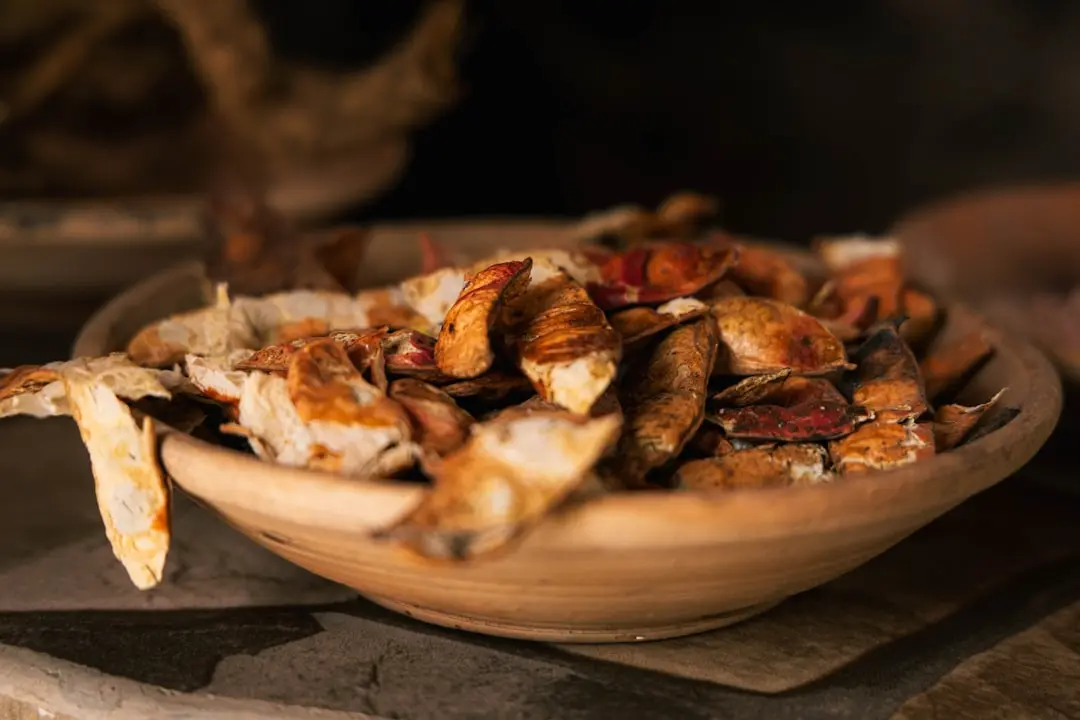
dried oak bark chips for herbal tea and tincture preparation

Dried oak bark — suitable for decoction or tincturing, depending on the intended use.

Oak bark for digestive health is available in two primary forms: as a tincture and as a dried herb for tea. Each preparation has distinct strengths, and understanding the difference is useful when choosing how to work with this herb.

Tincture vs. Decoction: Which to Choose

A tincture extracts the tannins and gallic acid in alcohol, producing a concentrated liquid with a long shelf life. Additionally, tinctures offer precise and consistent dosing, which makes them convenient for daily use. For topical applications — skin infections, weeping wounds, or hemorrhoids — dilute the tincture in water and apply via compress or wash. This delivers the same astringent action externally that it provides internally. The alcohol base also ensures that gallic acid, which has good solubility in ethanol, extracts fully into the preparation.

Oak bark tea, prepared as a decoction from the dried inner bark, delivers the herb’s tannins in water. However, a decoction differs from a simple infusion: the woody nature of bark requires sustained simmering — typically 15 to 20 minutes — rather than a brief steep. Polyphenols and tannins from hard plant tissue release more fully under prolonged heat. Many traditional herbalists preferred the decoction for gut-specific complaints. Their reasoning: the tannins act directly on the gastrointestinal mucosa as the liquid passes through, providing a surface-level interaction before systemic absorption occurs.

Oak Bark for Digestive Health: Dosing and Herb Pairings

Here’s a practical consideration worth noting: oak bark works best as a corrective rather than a long-term tonic. The astringent action suits states of excess — loose stools, weeping skin, inflamed gut mucosa — and supports short to medium-term protocols tied to a specific clinical presentation. Furthermore, because tannins bind to minerals and other compounds in the digestive tract, practitioners typically recommend taking oak bark away from meals and other supplements.

For broader digestive protocols, oak bark pairs naturally with other gut-supportive herbs. As one example, dandelion root addresses liver and bile production — a complementary focus to oak bark’s mucosal toning action. For parasite protocols specifically, the pairing with black walnut hull remains a recognized and widely used combination.

At Herbal Clinic, oak bark (Quercus alba) is available as a 1:5 tincture in sizes from 100 mL to 1000 mL and as a dried herb. A glycerite version is also available for those avoiding alcohol. All tinctures use the classic tincturing method with controlled alcohol percentages, and third-party lab testing confirms quality before final bottling. As a result, what you receive is a consistent, reliably potent preparation.

FAQ

  • Superior Sourcing: Our herbs are sourced from all over the world to avoid seasonal fluctuations in availability, keeping herbs accessible. Our suppliers meet strict standards that ensure top quality herbs, most of which are organic, wildcrafted, sustainably grown, or grown using permaculture. We support local farmers and grow many of our own herbs.
  • Superior Processing: Our tinctures are made using the classic tincturing method. The tinctures are made in a 1:5 ratio which allows for the optimal extraction of the herb. The alcohol percentage is strictly controlled depending on the herb and part of the plant that is used.
  • Superior Selection: We take pride in our growing selection of over 300 individual herbs. If we don’t carry the herb you’re seeking, we can likely track it down for you.
  • Superior Quality Control: Our tinctures are thoroughly tested by a third-party lab and with an organoleptic evaluation by our team of herbalists prior to final bottling.
  • Superior Price: Our tinctures are more cost-effective than other tinctures on the market. With an eye towards efficiency, we keep our costs low by maintaining good relationships with our wide network of suppliers and ordering herbs in bulk quantities.
  • We Care About the Environment: We repackage materials that are shipped to us (so don’t be surprised if our packages look different from time to time!). We recycle or reuse materials whenever possible. We turn the cardboard we receive from other suppliers into packing material. We donate to avoid waste to groups like Naturopaths Without Borders. Our workforce almost completely uses public transportation or bikes. We are powered using 100% renewable energy through Bullfrog Power.
  • We Donate To Charity: We support many causes that make the world better. We donate a portion of our profits or products. These include charities that support environmental and natural sustainability.

Set up an online account and order through the website. If you don’t have an account and place an order, one will be created for you.

Our products are made in Toronto, Ontario, Canada by a team of Herbalists and Naturopathic Doctors. The herbs and ingredients we use to make our products are sourced both locally and globally to keep herbs accessible and sustainable.

The majority of our herbs are certified organic, sustainably wildcrafted, or come from small-scale local organic farms that do not yet have organic certification. We always do our best to provide organic herbs in your formulas. We work with a variety of suppliers to keep costs low.

Although most of our products do not contain gluten, we do not have gluten-free certification for our production facility. Feel free to ask about any specific products and we’ll share whatever information we have available.

For liability and regulatory reasons, we don’t make any claims as to how our herbs should be used, including dosing recommendations. Please review our disclaimer, as well as our terms and policies.
Posted on

Calendula Herb for Skin Healing: Benefits, Uses and How to Take It

calendula officinalis marigold flower herb

Part 1: What Is Calendula Herb and Why Is It Used for Skin Healing?

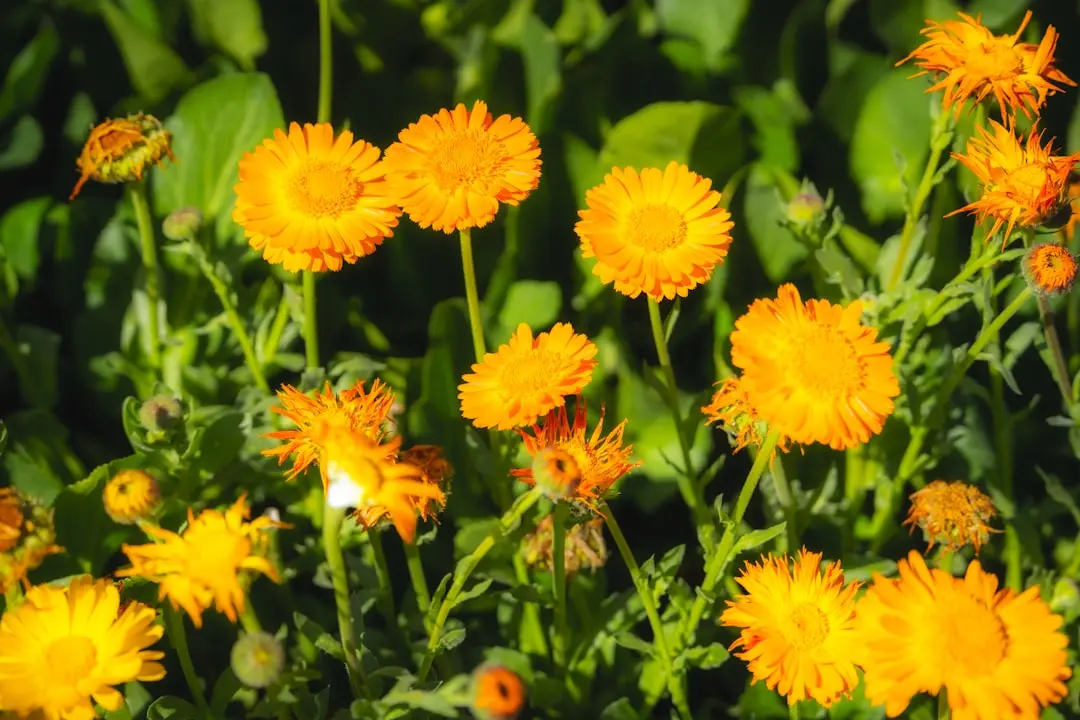
calendula herb for skin healing — Calendula officinalis marigold flowers in bloom
Photo credit: Dennis Zhang on Unsplash

Calendula herb for skin healing is one of the most trusted tools in Western herbalism. Calendula officinalis — known as pot marigold — belongs to the daisy family. Its bright orange flowers have served as a healing herb for thousands of years. Additionally, it works just as well inside the body as it does on the skin.

The name calendula comes from the Latin calendae, meaning “first day of the month.” This refers to its near-constant flowering habit. Native to the Mediterranean, it now grows in gardens across the world. It even thrives in Canadian climates.

A Healing Tradition That Spans Thousands of Years

Ancient Egyptians, Romans, and Greeks all prized calendula as a wound herb. Medieval herbalists relied on it for skin complaints and fevers. By the 1800s, it was a home remedy across Europe and North America. In addition, German folk medicine added dried petals to winter soups as a warming tonic.

Calendula also holds deep meaning in many cultures. In Mexico, it plays a key role in Día de los Muertos. In India, marigold garlands appear at religious events. These traditions show how widely people have valued this plant.

What Does Calendula Look Like and Where Does It Grow?

Calendula grows as a bushy annual. It reaches 30 to 60 cm tall. The flowers range from pale yellow to deep orange. They bloom all through the growing season. Furthermore, the leaves are lance-shaped, slightly sticky, and lightly scented.

At Herbal Clinic in Toronto, we source Calendula officinalis flowers to strict standards. Most carry organic status or come from farms that grow with care. We support local Canadian growers as part of our wider network. Calendula is a healing herb with a long history of skin repair — and we treat it with that respect.

Browse Skin Health Herbs at Herbal Clinic

Check Our Marigold (Calendula officinalis) Tincture & Tea →

Part 2: Calendula Herb Benefits — Skin Healing Properties and Active Compounds

natural herbal skin care products and dried botanicals on a wooden surface
Photo credit: Nandhu Kumar on Unsplash

Herbalists value calendula herb most for skin healing. It has two core actions. First, it is wound-healing — herbalists call this a vulnerary. Second, it is soothing and coating — they call this a demulcent. Together, these make it one of the most useful herbs in Western practice.

How Calendula Herb Heals Skin — Two Key Actions

A wound-healing herb helps the body repair its own tissue. Calendula does this on the skin and inside the gut lining. Herbalists link it to support for:

  • Minor cuts, scrapes, and slow-healing skin
  • Dry or irritated skin conditions
  • Sunburn and damaged skin
  • Gut wall support and digestive comfort
  • Mouth sores and inflamed gums — used as a rinse

Because it is also a demulcent, calendula coats and calms sore tissue. As a result, it helps both the skin and the gut at the same time.

Active Compounds in the Calendula Flower

The flower heads of Calendula officinalis hold several key compounds. In particular, mucilage drives the soothing action — it coats and calms. Additionally, the flowers contain:

  • Plant antioxidants (quercetin group) — calm swelling and cell stress
  • Healing plant compounds (oleanolic acid group) — linked to tissue repair
  • Orange pigments (carotenoids) — studied for cell health
  • Germ-fighting resins — natural defence against microbes
  • Complex plant sugars — support the immune response

Research on PubMed has explored calendula’s role in wound repair. Studies suggest it may help tissue heal faster on the skin. However, these findings are early and do not make health claims.

How Calendula Fits Into a Herbal Formula

Calendula works well with other herbs. The Perfect Herbs monograph pairs it with St. John’s Wort (Hypericum perforatum), Borage (Borago officinalis), and Wood Betony (Stachys betonica) for mood support. For gut use, it pairs well with chamomile. In contrast to herbs with one use, calendula bridges both skin and gut care at once.

Browse Digestive Health Herbs at Herbal Clinic

Check Our Marigold (Calendula officinalis) Tincture & Tea →

Part 3: How to Use Calendula Herb for Skin Healing — Tea, Tincture and Salve

herbal tincture dropper bottle on a natural background
Photo credit: Alexander Shustov on Unsplash

You can use calendula herb for skin healing in several simple ways. Tea works well for inner gut support. Tincture is fast and easy to take each day. Topical forms work right on the skin. Each method has its own strengths.

Calendula as a Tea

To make calendula tea, steep the dried flowers in hot water. This gives a golden, mildly sweet brew. Herbalists have used this method for centuries to calm the gut lining. Furthermore, calendula blends well with chamomile (Matricaria recutita) — its closest herbal match.

Calendula as a Tincture

A tincture draws out the active compounds using alcohol. At Herbal Clinic, we make our Marigold tincture with a 1:5 method — 1 part herb to 5 parts liquid. This gives the best draw of the flower’s key compounds. We also offer an alcohol-free glycerite for those who prefer it.

We test every batch in a certified lab. Our team of herbalists and Naturopathic Doctors also checks each batch by taste and smell before bottling. This work happens right here in Toronto, Ontario.

Calendula Herb: Direct Skin Healing Uses

Calendula herb supports skin healing when you apply it directly. Infused oils, salves, and creams have served this purpose for generations. Herbalists use them for:

  • Minor cuts, scrapes, and slow-healing skin
  • Dry or chapped skin
  • Chapped lips and cracked heels
  • Sensitive baby skin — gentle and well-tolerated
  • Skin recovery after sun exposure

Additionally, you can cool a strong calendula tea and use it as a skin rinse. This is a classic technique that needs no special tools.

Simple Ways to Add Calendula to Your Daily Routine

There are many easy ways to bring calendula into your day. Here are five to try:

  • Morning tea: Steep dried calendula flowers as a daily ritual
  • Tincture in water: Add a dropper of Marigold tincture to a glass of water
  • Topical salve: Apply to dry or irritated skin as needed
  • Herbal blend: Mix with chamomile for a soft, soothing daily tea
  • Skin rinse: Cool a strong infusion and apply it to sore skin

We suggest consulting a herbalist or Naturopathic Doctor for personal advice. For legal reasons, Herbal Clinic does not give dosing guidance. Please see our disclaimer below.

Our Marigold tincture and dried flowers come in several sizes. Most importantly, every batch meets our strict sourcing standards — organic, grown with care, and quality-tested before sale.

Browse Skin Health Herbs at Herbal Clinic

Check Our Marigold (Calendula officinalis) Tincture & Tea →


Disclaimer: These statements have not been evaluated by Health Canada. This product is not intended to diagnose, treat, cure, or prevent any disease. This information is provided for educational purposes only.


Frequently Asked Questions

What makes your products special and unique?

Superior Sourcing: Our herbs are sourced from all over the world to avoid seasonal fluctuations in availability, keeping herbs accessible. Our suppliers meet strict standards that ensure top quality herbs, most of which are organic, wildcrafted, sustainably grown, or grown using permaculture. We support local farmers and grow many of our own herbs. Superior Processing: Our tinctures are made using the classic tincturing method. The tinctures are made in a 1:5 ratio which allows for the optimal extraction of the herb. The alcohol percentage is strictly controlled depending on the herb and part of the plant that is used. Superior Selection: We take pride in our growing selection of over 300 individual herbs. If we don’t carry the herb you’re seeking, we can likely track it down for you. Superior Quality Control: Our tinctures are thoroughly tested by a third-party lab and with an organoleptic evaluation by our team of herbalists prior to final bottling. Superior Price: Our tinctures are more cost-effective than other tinctures on the market. With an eye towards efficiency, we keep our costs low by maintaining good relationships with our wide network of suppliers and ordering herbs in bulk quantities. We Care About the Environment: We repackage materials that are shipped to us. We recycle or reuse materials whenever possible. We turn the cardboard we receive from other suppliers into packing material. We donate to avoid waste to groups like Naturopaths Without Borders. Our workforce almost completely uses public transportation or bikes. We are powered using 100% renewable energy through Bullfrog Power. We Donate To Charity: We support many causes that make the world better. We donate a portion of our profits or products to charities that support environmental and natural sustainability.

How do I order herbs from you?

Set up an online account and order through the website. If you don’t have an account and place an order, one will be created for you.

I heard your email list is the best in town. How can I get on that?

Click here to subscribe to our mailing list.

Are your products Canadian?

Our products are made in Toronto, Ontario, Canada by a team of Herbalists and Naturopathic Doctors. The herbs and ingredients we use to make our products are sourced both locally and globally to keep herbs accessible and sustainable.

Are your products organic?

The majority of our herbs are certified organic, sustainably wildcrafted, or come from small-scale local organic farms that do not yet have organic certification. We always do our best to provide organic herbs in your formulas. We work with a variety of suppliers to keep costs low.

Are your products gluten-free?

Although most of our products do not contain gluten, we do not have gluten-free certification for our production facility. Feel free to ask about any specific products and we’ll share whatever information we have available.

How should I use your products? What’s the recommended dose?

For liability and regulatory reasons, we don’t make any claims as to how our herbs should be used, including dosing recommendations. Please review our disclaimer, as well as our terms and policies.