Part of our complete guide to classical Chinese immune formulas.
Stinging Nettle for Seasonal Allergies: Meet the Plant
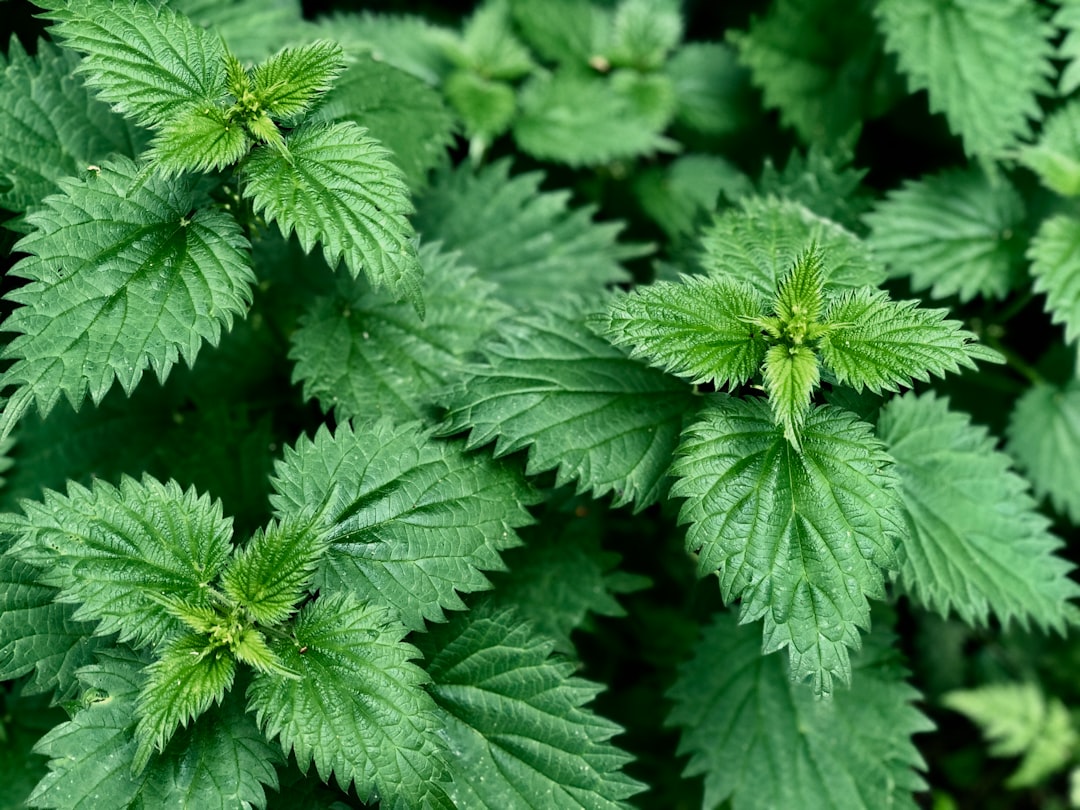
Urtica dioica — stinging nettle for seasonal allergies.
Stinging nettle for seasonal allergies has a long and quietly impressive track record. Furthermore, traditional Western herbalists have leaned on stinging nettle for seasonal allergies for centuries to settle watery eyes, runny noses, and itchy skin during pollen season. If you have ever brushed against a wild nettle, you have already met the plant.
The botanical name is Urtica dioica. In addition, it grows across temperate Europe, North America, and Asia. It thrives in disturbed soil, along forest edges, riverbanks, and old farm fields. As a result, foragers find it almost everywhere. The leaves are heart-shaped with serrated margins. Fine hollow hairs cover the leaves and, on contact, deliver the sting. However, drying or extraction removes that bite. What remains is a nutrient-dense, mineral-rich medicine.
Stinging Nettle’s Place in Western Herbalism
Here’s why that matters: people have used nettle as food and medicine for thousands of years. For example, Bronze Age weavers spun nettle fibre into textiles. Furthermore, Roman soldiers rubbed fresh leaves on cold limbs for warmth. In addition, medieval European herbalists prescribed nettle tea for spring cleansing, joint pain, and the congestion we now call hay fever.
Modern herbalists class nettle leaf as an alterative. In other words, alteratives gently support the body’s elimination pathways and help the system clear what it does not need. As a result, that role fits allergy season directly. During allergy season, the immune system reacts to airborne particles it would rather move along than fight.
At Herbal Clinic, we offer nettle leaf as a tincture, a dried herb for tea, and as part of our Allergy Relief collection. The leaf is the part most associated with allergy support. However, nettle root and nettle seed have separate, distinct uses.
How Stinging Nettle Supports Seasonal Allergies
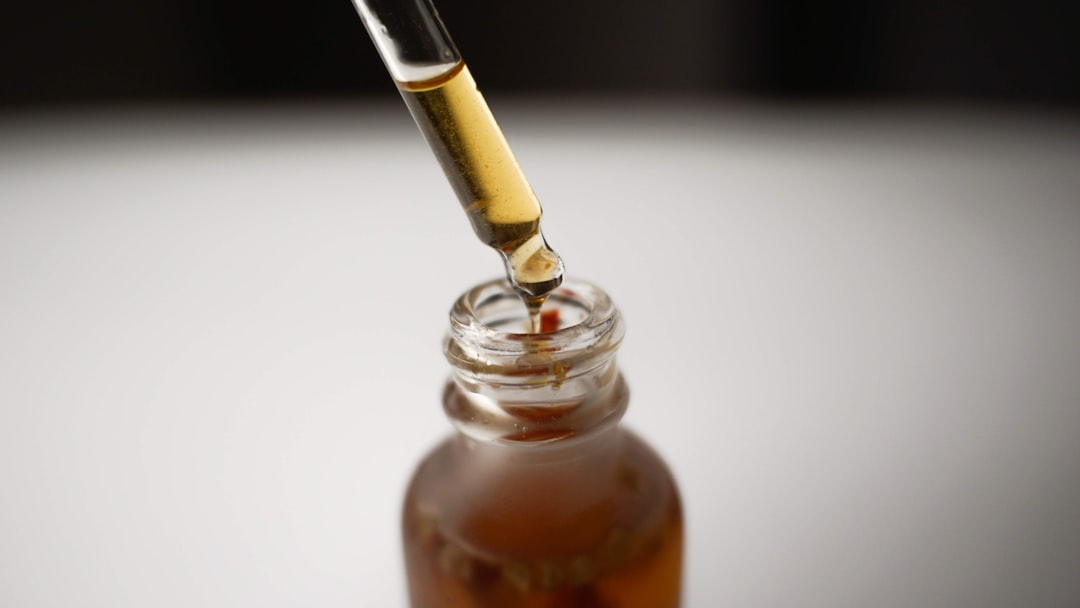
Nettle leaf tincture for seasonal allergies.
So what does stinging nettle for seasonal allergies actually do? The leaf carries flavonoids, most notably quercetin and rutin. In addition, it offers carotenoids, chlorophyll, and a broad mineral profile of iron, calcium, magnesium, and silica. Furthermore, researchers have studied freeze-dried nettle leaf for its effect on the histamine response.
Stinging Nettle and the Histamine Response
Here’s how it works: when the body encounters an allergen, mast cells release histamine. Histamine then binds to receptors. As a result, sneezing, itching, and inflammation follow. However, the flavonoids in nettle appear to help stabilise mast cells and moderate that release. Consequently, traditional herbalists describe nettle as an herb that tones the allergic response rather than suppressing it outright.
In addition, nettle leaf acts as a mild diuretic. That sounds unrelated, but it isn’t. Nettle gently supports kidney function and fluid movement. As a result, the body clears inflammatory byproducts more efficiently during an immune flare. Furthermore, many herbalists pair nettle with cleavers (Galium aparine) for exactly this reason.
Stinging Nettle as a Nutritive Tonic
Moreover, the leaf acts as a recognised nutritive tonic. For example, people who feel run-down, mineral-depleted, or low in iron often respond well to nettle as a daily food-medicine. Therefore, regular use of nettle leaf during allergy season tends to do two things at once. First, it takes the edge off acute symptoms. Second, it rebuilds the underlying resilience that makes a person reactive in the first place.
However, timing matters. The most consistent feedback comes from people who started taking nettle before their usual allergy season hit. In other words, starting four to six weeks ahead of peak pollen produces noticeably better results than starting once symptoms are already in full swing. As a result, herbalists treat nettle as a preventive ally first and a symptom-soother second. Browse our full Allergy Relief range for combinations that include nettle.
How to Use Stinging Nettle for Seasonal Allergies
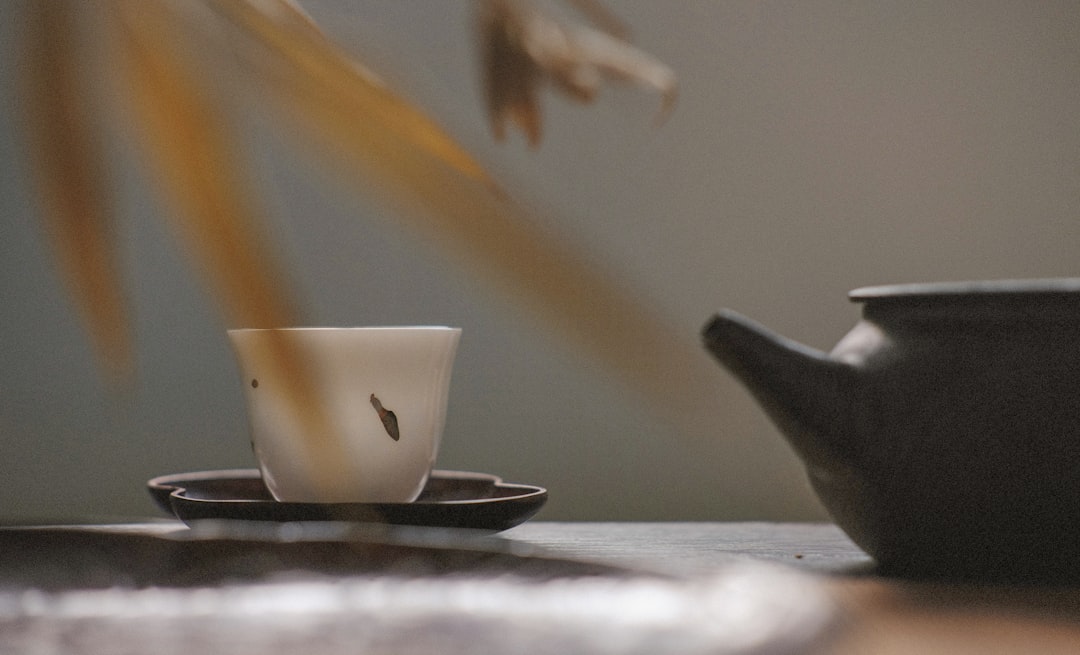
Daily nettle infusion for seasonal allergies.
Most people take stinging nettle for seasonal allergies as a tincture, a strong infusion, or a freeze-dried capsule. Each preparation has a slightly different feel. As a result, many regular users rotate between them depending on the day.
Stinging Nettle Tincture
For example, our nettle leaf tincture uses the classic tincturing method at a 1:5 ratio. Furthermore, it is the quickest and most concentrated option, and it travels well in a bag or pocket. Most people add a small amount to water once or twice a day through pollen season. In addition, we match the alcohol percentage to the leaf, so the active constituents extract cleanly and the flavour stays grassy and mild.
Stinging Nettle Tea
On the other hand, dried nettle leaf brewed as a strong daily infusion is the traditional approach. Most herbalists default to it. For example, use a heaped tablespoon of dried leaf per cup. Steep covered for at least 15 minutes, or longer for a fuller mineral extraction. The taste is deep, slightly salty, and grounding. Consequently, many people drink a litre a day during the height of allergy season.
Pairing Stinging Nettle With Other Allergy Herbs
In addition, nettle pairs naturally with other allergy-supportive herbs. For example, eyebright (Euphrasia officinalis) is a classic combination for itchy, watery eyes. Furthermore, goldenrod (Solidago canadensis) helps when sinus pressure dominates. Cleavers (Galium aparine) also supports lymphatic movement when the body feels puffy or stagnant. Our Allergy Relief category groups these herbs together.
Stinging Nettle: Consistency Beats Dose
Here’s the key takeaway: consistency matters more than dose. In other words, nettle is a tonic herb, not a fast-acting antihistamine. As a result, the strongest results come from steady daily use across the full pollen window. In Ontario, that means late April through early July, and again in late August through September for ragweed.
Furthermore, we source all Herbal Clinic nettle from suppliers who meet our standards for organic or sustainably wildcrafted material. In addition, our team tests every batch by third-party lab and assesses it organoleptically before final bottling. As with any herb, check with your healthcare provider before adding nettle to your routine if you are pregnant, breastfeeding, or taking medication.
FAQ
- Superior Sourcing: Our herbs are sourced from all over the world to avoid seasonal fluctuations in availability, keeping herbs accessible. Our suppliers meet strict standards that ensure top quality herbs, most of which are organic, wildcrafted, sustainably grown, or grown using permaculture. We support local farmers and grow many of our own herbs.
- Superior Processing: Our tinctures are made using the classic tincturing method. The tinctures are made in a 1:5 ratio which allows for the optimal extraction of the herb. The alcohol percentage is strictly controlled depending on the herb and part of the plant that is used.
- Superior Selection: We take pride in our growing selection of over 300 individual herbs. If we don’t carry the herb you’re seeking, we can likely track it down for you.
- Superior Quality Control: Our tinctures are thoroughly tested by a third-party lab and with an organoleptic evaluation by our team of herbalists prior to final bottling.
- Superior Price: Our tinctures are more cost-effective than other tinctures on the market. With an eye towards efficiency, we keep our costs low by maintaining good relationships with our wide network of suppliers and ordering herbs in bulk quantities.
- We Care About the Environment: We repackage materials that are shipped to us (so don’t be surprised if our packages look different from time to time!). We recycle or reuse materials whenever possible. We turn the cardboard we receive from other suppliers into packing material. We donate to avoid waste to groups like Naturopaths Without Borders. Our workforce almost completely uses public transportation or bikes. We are powered using 100% renewable energy through Bullfrog Power.
- We Donate To Charity: We support many causes that make the world better. We donate a portion of our profits or products. These include charities that support environmental and natural sustainability.
Set up an online account and order through the website. If you don’t have an account and place an order, one will be created for you.
Click here to subscribe to our mailing list.
Our products are made in Toronto, Ontario, Canada by a team of Herbalists and Naturopathic Doctors. The herbs and ingredients we use to make our products are sourced both locally and globally to keep herbs accessible and sustainable.
The majority of our herbs are certified organic, sustainably wildcrafted, or come from small-scale local organic farms that do not yet have organic certification. We always do our best to provide organic herbs in your formulas. We work with a variety of suppliers to keep costs low.
Although most of our products do not contain gluten, we do not have gluten-free certification for our production facility. Feel free to ask about any specific products and we’ll share whatever information we have available.
For liability and regulatory reasons, we don’t make any claims as to how our herbs should be used, including dosing recommendations. Please review our disclaimer, as well as our terms and policies.