Hawthorn Berry for Heart Health: A Brief Introduction
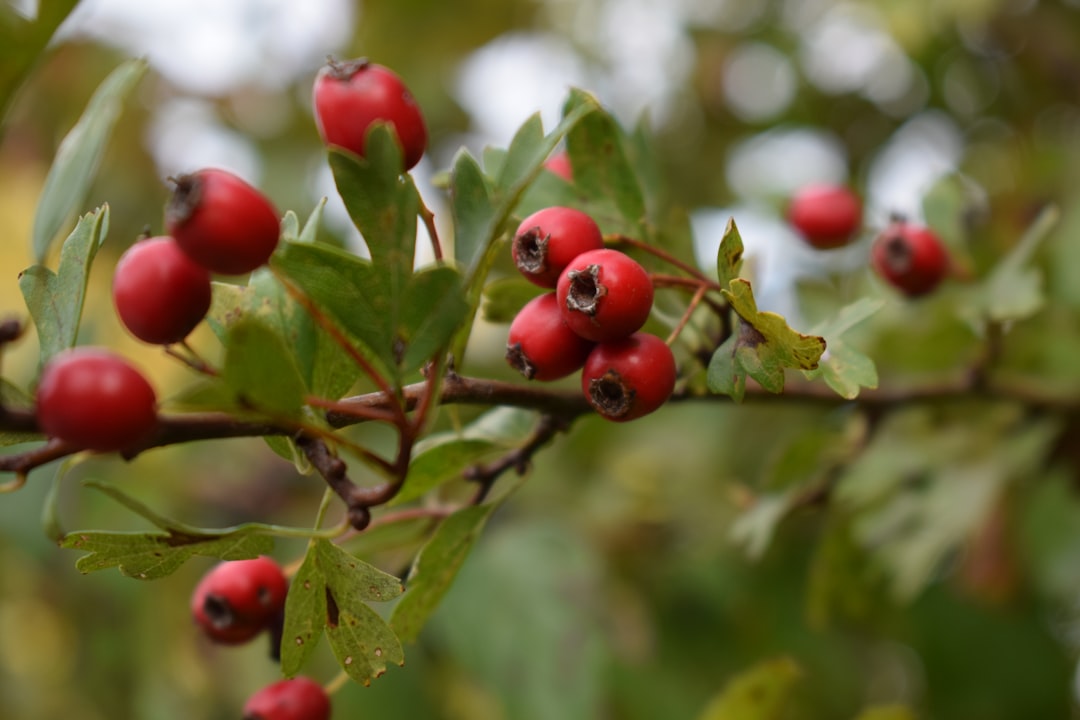
Ripe red berries on the branch in autumn
Hawthorn berry for heart health has one of the longest track records in Western herbalism. Other herbs come and go. However, this one has stayed in the cardiovascular toolkit for centuries. Traditional European herbalists used it. Likewise, Eclectic physicians in 19th-century North America reached for it. Modern clinical herbalists still rely on it today.
In short, the herb does not promise dramatic results. Instead, it works gradually, steadily, and predictably. That steadiness is exactly what the heart usually needs.
Where the Hawthorn Berry Comes From
Hawthorn is the common name for several closely related species in the Crataegus genus. In Western practice, two European species dominate: Crataegus monogyna and Crataegus laevigata. By contrast, Traditional Chinese Medicine turns to Crataegus pinnatifida, better known as Shan Zha.
All three plants are small thorny trees in the rose family. In autumn, they put out white spring flowers and clusters of small red berries. Herbalists use the berries, leaves, and flowers, often together.
How Hawthorn Berry Supports Heart Health
Here is where it gets interesting: hawthorn fits a category herbalists call a cardiotonic. The herb does not stimulate the heart. Nor does it sedate the heart. Instead, it nourishes and gradually strengthens cardiac tissue, much the way regular exercise does.
Furthermore, hawthorn is what herbalists call an amphoteric. As a result, it can help normalize whichever direction the system has drifted. High blood pressure or low, irregular rhythm or sluggish circulation — the herb meets the system where it is.
Traditional European herbalists used hawthorn for what they called a “weak” or “tired” heart. Meanwhile, in classical Chinese formulas, Shan Zha breaks up food stagnation, particularly from meat and rich meals. Practitioners also use it to invigorate blood circulation. In other words, both Western and Eastern traditions point to the same truth: hawthorn supports flow.
At Herbal Clinic we carry hawthorn berry, hawthorn leaf and flower, and combination formulas built around it. Each part of the plant has a slightly different emphasis. Even so, all three share the same gentle, building action.
Why Hawthorn Berry for Heart Health Works
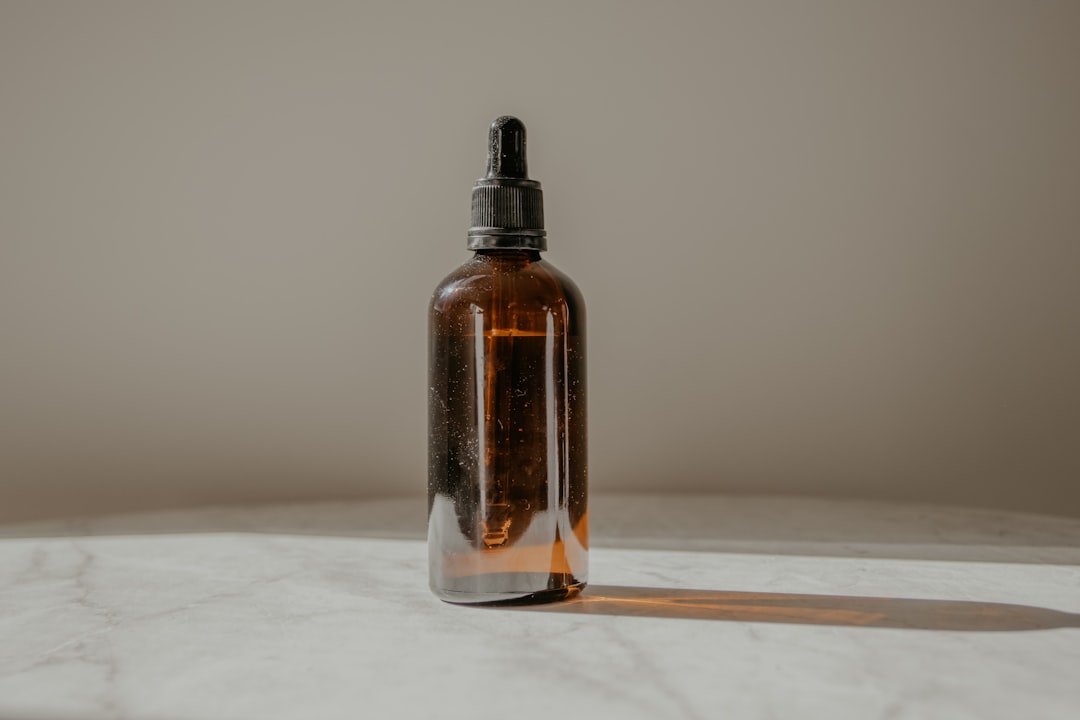
Amber tincture bottle holding extract from the berries
The reason hawthorn berry for heart health has held up across so many herbal traditions comes down to its constituents. Above all, hawthorn is rich in flavonoids and oligomeric proanthocyanidins, usually shortened to OPCs. Those same antioxidant compounds turn up in grape seed and pine bark extracts. In addition, these compounds give hawthorn berries their deep red colour and account for much of the cardiovascular activity.
Why Hawthorn Berry Works for the Heart
Here is how it works: OPCs and flavonoids help stabilize collagen in the walls of blood vessels. Furthermore, they support healthy endothelial function, which is the inner lining of arteries. In addition, these compounds also act as antioxidants in tissues that face constant oxidative stress.
As a result, traditional practice associates hawthorn with steadier circulation and more elastic blood vessels. Over time, the herb also offers gentler regulation of blood pressure. It is not a quick fix. Rather, hawthorn plays a long game.
Hawthorn Berry’s Effect on the Heart and Mind
Beyond the vascular effects, hawthorn has a long reputation for supporting the heart muscle itself. For instance, Eclectic physicians used it for a “feeble pulse.” They also reached for it during mild fluttering sensations. Moreover, the berry was a standby for the vague chest discomfort that often shows up with stress and overwork.
In addition, modern herbalists pair hawthorn with herbs like Linden, Motherwort, and Lily of the Valley. These combinations suit a cardiovascular system that feels tense, fatigued, or out of rhythm.
But there is more to it than the physical heart. Across cultures, herbal traditions also link hawthorn to the emotional heart. For instance, the berry shows up in formulas for grief, heartbreak, and the chronic stress that settles into the chest. The clinical logic is straightforward. Long-term emotional stress places real load on the cardiovascular system. Therefore, an herb that supports the tissue often softens how a person feels that stress in the body.
For people interested in stress and the heart together, hawthorn pairs especially well with calming nervines. You can find this combination in our Hawthorn Combo. It builds on hawthorn berry as the foundation and adds supporting herbs.
How to Use Hawthorn Berry for Heart Health
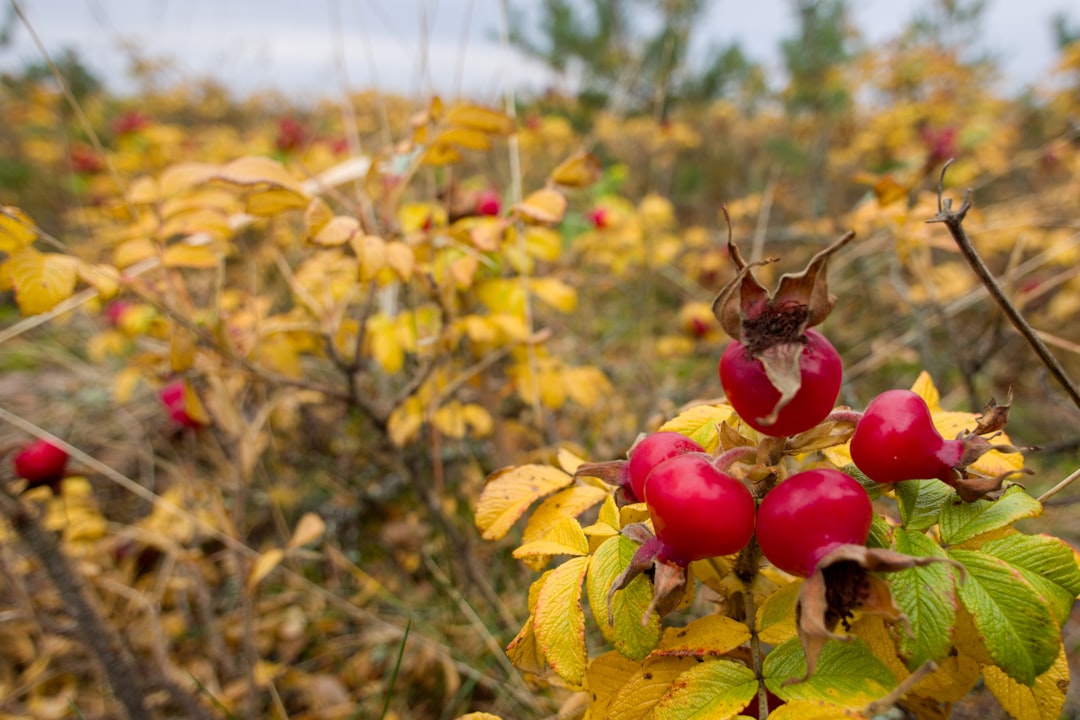
Ripe hawthorn berries ready for harvest
You can take hawthorn berry for heart health in a few different forms. Each form has its own place in a daily routine.
Hawthorn Berry Tincture, Tea, and Other Forms
First of all, tincture is the most common choice in Western herbalism. The format concentrates the flavonoids and OPCs and is easy to take consistently. Meanwhile, tea is the most traditional form, particularly in European folk medicine. Dried berries, often combined with the leaf and flower, simmer into a deep red decoction. Capsules and extract powders are widely available too. Even so, tincture and tea are still the formats most herbalists reach for.
However, the most important thing about hawthorn is not the form. Rather, it is the consistency. Hawthorn is a building herb, not an acute one. As a result, its effects accumulate over weeks and months rather than hours.
Working Hawthorn Berry Into Your Heart Health Routine
The people who get the most out of hawthorn make it a steady part of their routine. Conversely, reaching for it only when something feels off rarely works.
The key takeaway: think of hawthorn the way you would think of regular movement or eating well. In other words, it is a habit, not a treatment. Many herbalists suggest a course of several months at a time, often paired with the seasons. After a break, the course resumes. Furthermore, the herb combines beautifully with other cardiotonic and circulatory herbs. That is why most traditional heart formulas include it as a base.
How Herbal Clinic Prepares Its Hawthorn Berry
At Herbal Clinic we make our hawthorn tincture from dried berries using the classic 1:5 tincturing method. In addition, our team controls the alcohol percentage to suit the constituents in the berries. We also carry hawthorn leaf and flower as a separate tincture. That preparation tends to focus a bit more on circulation and blood pressure than the berry on its own. For people who want both, the leaf, flower, and berry together cover the full traditional spectrum.
If you are working with a practitioner on your cardiovascular health, hawthorn slots in well. In fact, it fits alongside whatever they are already doing. As always, talk to a qualified herbalist or naturopathic doctor before starting any new herb. This matters especially if you take medication.
FAQ
- Superior Sourcing: Our herbs are sourced from all over the world to avoid seasonal fluctuations in availability, keeping herbs accessible. Our suppliers meet strict standards that ensure top quality herbs, most of which are organic, wildcrafted, sustainably grown, or grown using permaculture. We support local farmers and grow many of our own herbs.
- Superior Processing: Our tinctures are made using the classic tincturing method. The tinctures are made in a 1:5 ratio which allows for the optimal extraction of the herb. The alcohol percentage is strictly controlled depending on the herb and part of the plant that is used.
- Superior Selection: We take pride in our growing selection of over 300 individual herbs. If we don’t carry the herb you’re seeking, we can likely track it down for you.
- Superior Quality Control: Our tinctures are thoroughly tested by a third-party lab and with an organoleptic evaluation by our team of herbalists prior to final bottling.
- Superior Price: Our tinctures are more cost-effective than other tinctures on the market. With an eye towards efficiency, we keep our costs low by maintaining good relationships with our wide network of suppliers and ordering herbs in bulk quantities.
- We Care About the Environment: We repackage materials that are shipped to us (so don’t be surprised if our packages look different from time to time!). We recycle or reuse materials whenever possible. We turn the cardboard we receive from other suppliers into packing material. We donate to avoid waste to groups like Naturopaths Without Borders. Our workforce almost completely uses public transportation or bikes. We are powered using 100% renewable energy through Bullfrog Power.
- We Donate To Charity: We support many causes that make the world better. We donate a portion of our profits or products. These include charities that support environmental and natural sustainability.
Set up an online account and order through the website. If you don’t have an account and place an order, one will be created for you.
Click here to subscribe to our mailing list.
Our products are made in Toronto, Ontario, Canada by a team of Herbalists and Naturopathic Doctors. The herbs and ingredients we use to make our products are sourced both locally and globally to keep herbs accessible and sustainable.
The majority of our herbs are certified organic, sustainably wildcrafted, or come from small-scale local organic farms that do not yet have organic certification. We always do our best to provide organic herbs in your formulas. We work with a variety of suppliers to keep costs low.
Although most of our products do not contain gluten, we do not have gluten-free certification for our production facility. Feel free to ask about any specific products and we’ll share whatever information we have available.
For liability and regulatory reasons, we don’t make any claims as to how our herbs should be used, including dosing recommendations. Please review our disclaimer, as well as our terms and policies.