Classical Chinese Digestive Formulas and the Spleen-Stomach
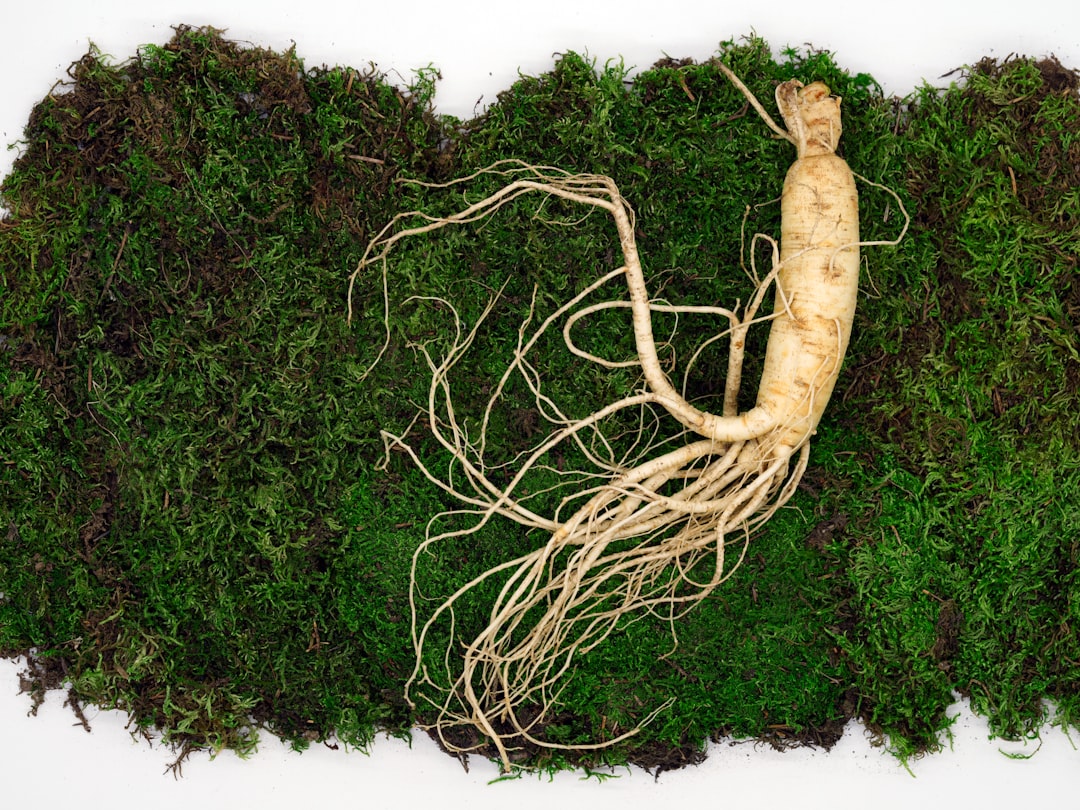
Ren Shen (Korean Red Ginseng), the qi tonic at the heart of many classical Chinese digestive formulas.
Classical Chinese digestive formulas approach the gut differently from most modern remedies. Instead of targeting one symptom, each formula treats a recognizable pattern of imbalance in the Spleen and Stomach. As a result, two people with bloating may receive entirely different formulas, because the underlying cause is what changes the prescription, not the surface complaint.
The Spleen and Stomach are paired organs in Traditional Chinese Medicine (TCM), and together they act as the body’s central digestive engine. The Stomach receives and breaks down food. The Spleen transforms that food into qi (energy) and blood, then lifts the clear nutrients upward to nourish the rest of the body. When this system works, digestion is efficient and energy is steady. When it falters, problems show up not only as bloating, gas, or loose stools, but also as fatigue, poor concentration, and a general heaviness.
Here’s why that matters: most digestive complaints in TCM map to one of a small number of patterns. Once a practitioner identifies the pattern, the formula often selects itself.
The common digestive patterns behind classical Chinese digestive formulas
Below are the patterns that appear most frequently in clinic, and the kinds of symptoms that point to each one. Furthermore, several patterns can overlap, which is why classical formulas often combine herb families rather than relying on a single action.
- Spleen qi deficiency. Fatigue after meals, soft or loose stools, poor appetite, pale tongue. The Spleen lacks the energy to transform food.
- Damp accumulation. Heavy feeling after eating, a thick coated tongue, bloating that worsens with rich or cold food. Fluids are pooling because transformation has stalled.
- Phlegm-damp. Damp that has thickened, often with nausea, a fullness in the chest, or sticky mucus.
- Spleen yang deficiency. Cold limbs, watery stools, abdominal cold that improves with a hot water bottle. The Spleen lacks not only qi but warmth.
- Stomach heat or mixed heat-cold. Burning epigastric pain, acid reflux, or alternating belching and loose stools, often with a yellow tongue coat.
- Food stagnation. Bloating, sour belching, and discomfort after a heavy or late meal. Food is sitting and not moving.
- Liver overacting on Spleen. Digestion that worsens with stress, alternating constipation and loose stools, sighing, irritability.
- Intestinal dryness. Dry, hard stools and infrequent bowel movements, often in older adults or after illness.
So what does this mean for you? If you are considering classical Chinese digestive formulas, the most useful first step is not picking a formula by name. It is identifying which pattern best describes how your digestion goes wrong. This guide groups the nine most-used digestive formulas by the pattern each one targets, so you can see where each formula fits before reading deeper.
Read our guide to herbal tincture support for SIBO if your symptoms point to small intestinal overgrowth rather than a single TCM pattern.
Matching Classical Chinese Digestive Formulas to Pattern
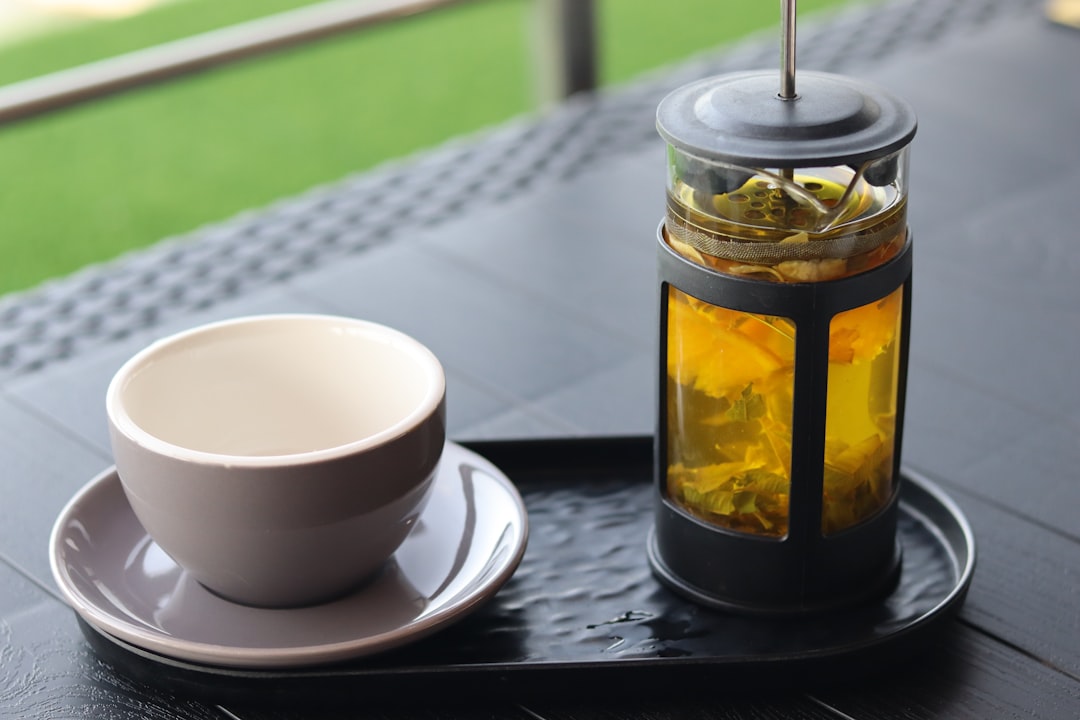
Most classical formulas are still prepared as decoctions or tinctures in modern clinical practice.
The classical Chinese digestive formulas below cover the patterns described in Part 1. Each formula has a defining target. However, several formulas overlap because the patterns themselves overlap. A practitioner reads tongue, pulse, and symptom history to pick between them.
Spleen qi deficiency: Si Jun Zi Tang and Liu Jun Zi Tang
Si Jun Zi Tang (Four Gentlemen Decoction) is the base qi tonic for the digestive system. Ren Shen, Bai Zhu, Fu Ling, and Zhi Gan Cao work together to lift Spleen qi, dry mild dampness, and restore appetite. It suits people whose digestion is simply weak: fatigue after eating, soft stools, pale complexion, no acute symptoms.
Liu Jun Zi Tang (Six Gentlemen Decoction) adds Chen Pi and Ban Xia to the Four Gentlemen base. As a result, it suits the same underlying weakness but with added phlegm-damp signs: a sticky-coated tongue, mild nausea, or a feeling that food sits in the chest. Read the full Si Jun Zi Tang guide and the full Liu Jun Zi Tang guide for the constituent breakdown.
Spleen qi with food stagnation: Xiang Sha Liu Jun Zi Tang
This formula is the Six Gentlemen with two more herbs: Mu Xiang and Sha Ren. The pair moves qi and breaks up food stagnation in the middle jiao. In addition, it warms slightly. Consequently, this is the formula for a weak digester who also bloats heavily after meals or has a sluggish appetite that gets worse with stress. Read the full Xiang Sha Liu Jun Zi Tang guide.
Damp accumulation: Ping Wei San
Ping Wei San (Calm the Stomach Powder) is the workhorse formula for damp in the middle jiao. The cardinal sign is a thick white tongue coat with a feeling of heaviness or fullness after eating. Cang Zhu and Hou Po dry damp, Chen Pi moves stuck qi, and Gan Cao harmonizes. Furthermore, it works best when damp is the dominant problem, not when underlying qi deficiency is severe. Read the full Ping Wei San guide.
Phlegm-damp: Er Chen Tang
Er Chen Tang (Two Aged Decoction) is the foundation formula for phlegm anywhere in the body, but especially in the stomach and chest. It uses Ban Xia and aged Chen Pi to dry and transform phlegm, with Fu Ling and Gan Cao supporting. As a result, it is the right formula when nausea, a stifling feeling, or chronic productive cough sit on top of damp accumulation. Read the full Er Chen Tang guide.
Spleen yang cold: Li Zhong Wan
Li Zhong Wan (Regulate the Middle Pill) warms the Spleen and Stomach. The signs are clear: watery stools, cold abdominal pain that improves with warmth, no appetite, fatigue. Gan Jiang (dried ginger) supplies the warming action that Si Jun Zi Tang lacks. Consequently, this is the formula for true Spleen-Stomach cold, not just qi deficiency. Read the full Li Zhong Wan guide.
Cold cramping and yang deficiency: Xiao Jian Zhong Tang
Xiao Jian Zhong Tang (Minor Construct the Middle Decoction) targets the abdominal cramping that comes with deficiency cold, especially in children and thin or run-down adults. The defining herb is maltose (Yi Tang), which tonifies and softens the middle. Read the full Xiao Jian Zhong Tang guide.
Mixed heat and cold: Ban Xia Xie Xin Tang
Ban Xia Xie Xin Tang (Pinellia Decoction to Drain the Epigastrium) is the formula for the epigastric fullness pattern with both heat and cold signs at once. Typical complaints are reflux or burning paired with loose stools, or alternating belching and gurgling sounds. It contains both bitter cold herbs (Huang Qin, Huang Lian) and warming pungent herbs (Ban Xia, Gan Jiang) in a deliberate combination. Read the full Ban Xia Xie Xin Tang guide.
Intestinal dryness: Ma Zi Ren Wan
Ma Zi Ren Wan (Hemp Seed Pill) moistens dry intestines without depleting qi. It is built on the Xiao Cheng Qi Tang chassis and softened with Ma Zi Ren (hemp seed) and Xing Ren (apricot kernel). As a result, it suits dry, hard stools in elderly people or in anyone whose constipation worsens with dehydration rather than stagnation. Read the full Ma Zi Ren Wan guide.
How to Use This Guide to Classical Chinese Digestive Formulas
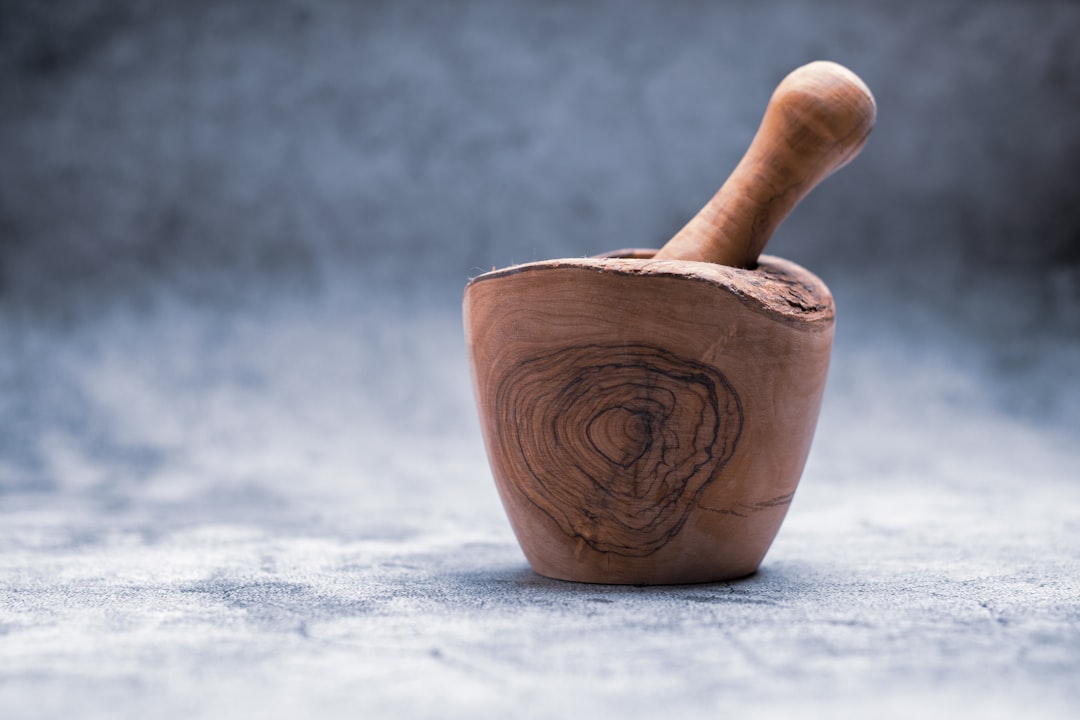
Mortar-and-pestle preparation is still part of how some classical formulas are finished.
The classical Chinese digestive formulas in this guide are not interchangeable. Each one corrects a specific imbalance, and using the wrong formula for the wrong pattern can stall progress or, in some cases, worsen symptoms. So how do you use this guide in practice?
Start with the pattern, not the symptom, when choosing classical Chinese digestive formulas
Bloating, loose stools, and reflux are common across multiple patterns. Therefore, the first step is to notice the full picture: when do symptoms appear, what makes them better or worse, what does your tongue look like in the morning, how is your energy after meals. These small details are what separate a Spleen qi pattern from a damp pattern from a yang cold pattern.
Here’s how it works in clinic: a practitioner builds a short pattern profile, then matches it to the closest classical formula. If symptoms shift, the formula shifts too. Furthermore, classical formulas can be modified by adding or removing herbs to fit a specific case, but the base structure is preserved.
Work with a practitioner when the picture is mixed
If your digestion fits cleanly into one description in Part 1 — for example, clear Spleen qi deficiency with fatigue and soft stools — a classical formula like Si Jun Zi Tang or Liu Jun Zi Tang is often a sensible starting point. However, mixed pictures (heat plus cold, deficiency plus stagnation, damp plus dryness) are common and benefit from a trained eye. In those cases, book a consult with a TCM practitioner or naturopathic doctor who prescribes classical formulas. They can confirm the pattern, modify the formula if needed, and adjust over time.
Support the formula with simple diet changes
No classical formula performs well against a diet that fuels the pattern. As a result, Spleen qi formulas work better when cold raw foods, excess sugar, and chilled drinks are reduced. Damp formulas work better when greasy, sticky, and dairy-heavy foods are reduced. Intestinal dryness formulas work better when daily water intake and healthy oils are increased. These are not rules, they are levers.
How Herbal Clinic prepares its classical Chinese digestive formulas
Our classical Chinese digestive formulas are prepared as 1:5 tinctures from individually sourced raw herbs. Each constituent is identified by qualified herbalists before extraction, and finished formulas are tested by a third-party lab and reviewed organoleptically by our team before bottling. Furthermore, the alcohol percentage in each tincture is matched to the herbs used, so that the active constituents are properly extracted.
If a formula in this guide describes your pattern, the linked product page lists the full constituent breakdown. If you are unsure which formula fits, book a brief practitioner consult before ordering, or message us and we will route the question to one of our herbalists.
FAQ
- Superior Sourcing: Our herbs are sourced from all over the world to avoid seasonal fluctuations in availability, keeping herbs accessible. Our suppliers meet strict standards that ensure top quality herbs, most of which are organic, wildcrafted, sustainably grown, or grown using permaculture. We support local farmers and grow many of our own herbs.
- Superior Processing: Our tinctures are made using the classic tincturing method. The tinctures are made in a 1:5 ratio which allows for the optimal extraction of the herb. The alcohol percentage is strictly controlled depending on the herb and part of the plant that is used.
- Superior Selection: We take pride in our growing selection of over 300 individual herbs. If we don’t carry the herb you’re seeking, we can likely track it down for you.
- Superior Quality Control: Our tinctures are thoroughly tested by a third-party lab and with an organoleptic evaluation by our team of herbalists prior to final bottling.
- Superior Price: Our tinctures are more cost-effective than other tinctures on the market. With an eye towards efficiency, we keep our costs low by maintaining good relationships with our wide network of suppliers and ordering herbs in bulk quantities.
- We Care About the Environment: We repackage materials that are shipped to us (so don’t be surprised if our packages look different from time to time!). We recycle or reuse materials whenever possible. We turn the cardboard we receive from other suppliers into packing material. We donate to avoid waste to groups like Naturopaths Without Borders. Our workforce almost completely uses public transportation or bikes. We are powered using 100% renewable energy through Bullfrog Power.
- We Donate To Charity: We support many causes that make the world better. We donate a portion of our profits or products. These include charities that support environmental and natural sustainability.
Set up an online account and order through the website. If you don’t have an account and place an order, one will be created for you.
Click here to subscribe to our mailing list.
Our products are made in Toronto, Ontario, Canada by a team of Herbalists and Naturopathic Doctors. The herbs and ingredients we use to make our products are sourced both locally and globally to keep herbs accessible and sustainable.
The majority of our herbs are certified organic, sustainably wildcrafted, or come from small-scale local organic farms that do not yet have organic certification. We always do our best to provide organic herbs in your formulas. We work with a variety of suppliers to keep costs low.
Although most of our products do not contain gluten, we do not have gluten-free certification for our production facility. Feel free to ask about any specific products and we’ll share whatever information we have available.
For liability and regulatory reasons, we don’t make any claims as to how our herbs should be used, including dosing recommendations. Please review our disclaimer, as well as our terms and policies.