Part of our complete guide to classical Chinese digestive formulas.
Er Chen Tang: The Two-Cured Formula for Phlegm and Nausea
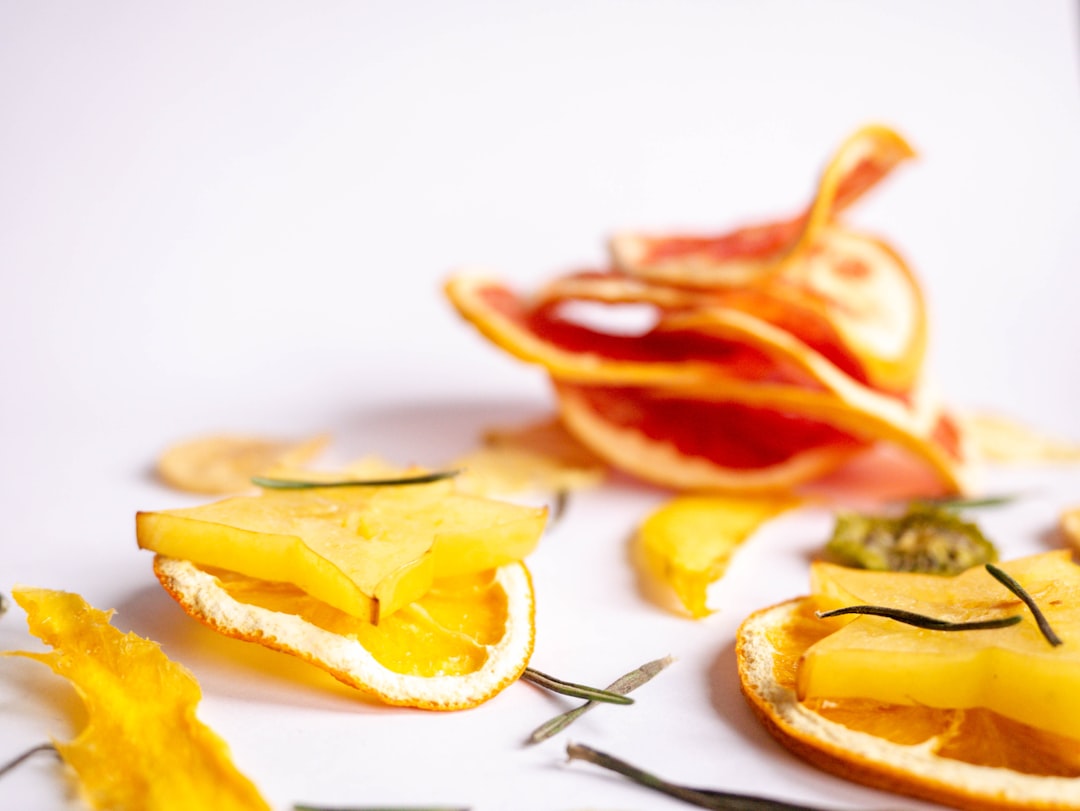
Chen Pi — aged tangerine peel — is one of the two ‘cured’ herbs at the heart of Er Chen Tang.
Er Chen Tang for phlegm and nausea is one of the most foundational formulas in classical Chinese medicine — a thousand-year-old remedy built around two carefully aged ingredients. Herbalists first recorded it in the Tai Ping Hui Min He Ji Ju Fang of 1107 CE, during the Song Dynasty. It remains one of one of the most common classical formulas for conditions rooted in phlegm and dampness.
The name means “Two-Cured Decoction” — a reference to two of its four core herbs. Ban Xia (pinellia tuber) and Chen Pi (aged tangerine peel) both require aging and processing before use. Aging improves safety and concentrates their effects. Here’s why that matters: in TCM, how practitioners prepare an herb determines whether it works.
The Two Cured Herbs: Chen Pi and Ban Xia
Chen Pi is not simply dried citrus rind. This tangerine peel ages for at least three years — the longer, the better. As it ages, its warming and moving qualities intensify. With time, it becomes a powerful tool for shifting stagnant Qi and clearing accumulated phlegm from the chest and stomach.
The formula follows one of the most important principles in TCM: treat the root, not just the symptom. In classical theory, phlegm does not arise on its own. It develops when the Spleen — responsible for transforming fluids — becomes weak or overwhelmed. Fluids stop moving, accumulate, and congeal into phlegm. Er Chen Tang addresses this root pattern by strengthening the Spleen and drying the dampness that gives rise to phlegm.
The supporting herbs each play a clear role. Fu Ling (poria) strengthens the Spleen and drains excess moisture. Zhi Gan Cao (honey-fried licorice) harmonizes the formula. Sheng Jiang (fresh ginger) warms the Stomach and helps Ban Xia work safely. Wu Mei (smoked plum) keeps the formula from over-drying — a careful counterbalance to the drying herbs.
Additionally, practitioners consider Er Chen Tang the “mother formula” for a whole family of phlegm-resolving prescriptions in classical Chinese medicine. Many well-known formulas build on its foundation. Understanding Er Chen Tang is, in many ways, the key to understanding how TCM approaches phlegm as a whole.
How Er Chen Tang Clears Phlegm and Calms Nausea
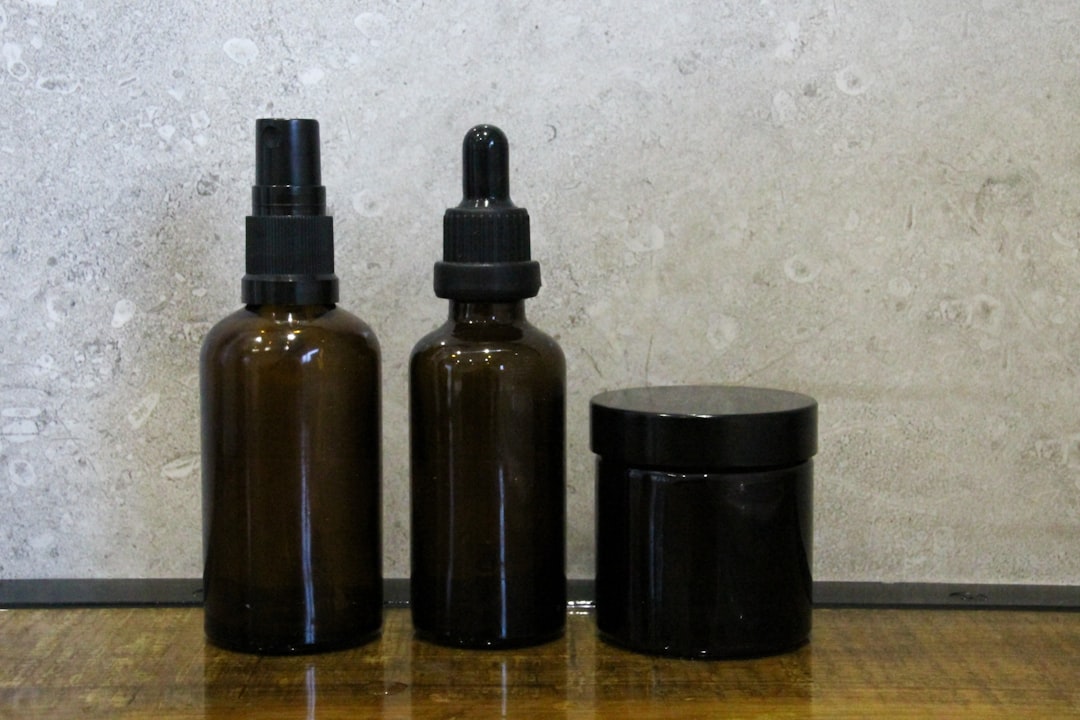
Herbal Clinic stocks Er Chen Tang as a 1:5 tincture, with 200 mg of herb per mL.
Er Chen Tang for phlegm and nausea works by addressing the mechanism behind them — not just the symptoms themselves. In TCM, the Spleen governs the transformation of fluids. When Spleen Qi is weak or burdened by cold and damp foods, fluids stagnate and become dampness. Over time, that dampness congeals into phlegm — showing up as mucus in the respiratory tract, or creating heaviness and fog in the body.
The formula’s most common application is chronic cough with white or clear phlegm. This is Lung phlegm rooted in a Spleen that fails to process fluids well. Furthermore, Er Chen Tang addresses the digestive side of phlegm accumulation — nausea, vomiting, fullness in the stomach, and poor appetite. When phlegm sits in the Middle Jiao, the Stomach cannot move its contents downward properly. The result is upward rebellious Qi — felt as nausea or reflux with mucus.
When Phlegm Rises: Dizziness and Foggy Thinking
Phlegm does not stay in one place. In classical theory, phlegm can move to any part of the body and block clear channels. When it rises to the head, it produces a heavy, foggy kind of dizziness — that practitioners call Phlegm-type vertigo. Practitioners have traditionally used Er Chen Tang for this pattern when the root cause is Spleen deficiency and dampness accumulation.
In addition, this formula has a long history of use for nausea during pregnancy and for motion sickness — both conditions where the Stomach’s downward-moving energy is disrupted. A growing body of research on PubMed examines how Er Chen Tang’s component herbs affect the digestive and respiratory systems at a physiological level.
Er Chen Tang Ingredients and Their Roles
- Ban Xia (Pinellia ternata) — resolves phlegm, dries dampness, redirects rebellious Stomach Qi downward to stop nausea and vomiting
- Chen Pi (aged tangerine peel) — moves stagnant Qi in the chest and Middle Jiao, dissolves phlegm, supports Spleen function
- Fu Ling (Poria cocos) — strengthens the Spleen, drains dampness, calms the mind
- Zhi Gan Cao (honey-fried licorice) — harmonizes the formula and supports Spleen Qi
- Sheng Jiang (fresh ginger root) — warms the Stomach, moderates Ban Xia, supports digestion
- Wu Mei (smoked plum) — prevents over-drying and balances the stronger herbs
Most importantly, the formula works as a system. In fact, each herb plays a defined role. Indeed, none could achieve the same result alone. This is the core of TCM formulation — a precisely built combination addressing a root pattern, not single herbs targeting single symptoms.
Using Er Chen Tang for Phlegm-Dampness Conditions
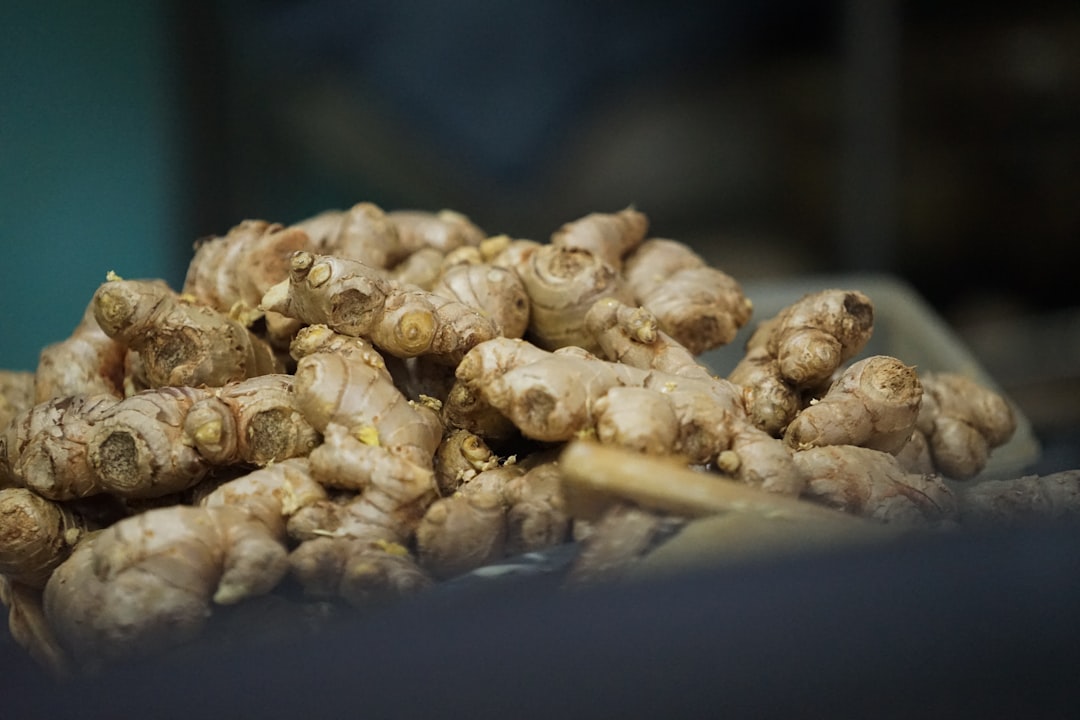
Ginger root (Sheng Jiang) warms the Stomach and supports Ban Xia’s phlegm-resolving action in Er Chen Tang.
Herbal Clinic carries Er Chen Tang as a tincture — extracted at a 1:5 ratio with 200 mg of herb per mL, in 30–50% pharmaceutical-grade alcohol. This format preserves a broad range of active plant compounds while making the formula easy to use.
Using Er Chen Tang for phlegm and nausea works best when you bring some understanding of the underlying pattern. In TCM practice, a practitioner assesses the tongue coat, pulse, and overall health picture before recommending this formula. A thick white tongue coating, a slippery pulse, and a sense of heaviness or fatigue are classic signs of Phlegm-Dampness — the core pattern this formula targets.
Who This Formula Works Best For
Specifically, Er Chen Tang suits people who experience:
- Persistent cough with white or clear phlegm that lingers after a cold
- Nausea in the morning or after rich, oily, or cold foods
- A heavy or foggy quality in their thinking, or fullness in the chest
- Sluggish digestion, loose stools, or poor appetite
However, this formula does not suit dry cough, yellow phlegm from heat, or patterns with significant yin deficiency. For those situations, a different approach applies. Working with a trained TCM practitioner helps match the formula to the right pattern.
Er Chen Tang as a Foundation for Other Formulas
Because Er Chen Tang is the core phlegm formula in the classical tradition, practitioners often use it as a base and add herbs for specific complications. For example, when phlegm combines with heat — seen as yellow phlegm, thirst, or a red tongue — heat-clearing herbs are layered in. When it combines with Qi deficiency, Spleen tonics are added. You may recognize this approach in related formulas like Xiang Sha Liu Jun Zi Tang and Ping Wei San — both build on the principles Er Chen Tang established.
Furthermore, dietary choices support the formula’s work. Reducing cold, raw, or greasy foods eases the burden on the Spleen. Warming, well-cooked meals — grains, root vegetables, soups — align with the Spleen-supporting approach at the heart of this formula.
Herbal Clinic prepares Er Chen Tang in Toronto, Ontario, using reverse osmosis water and gluten-free pharmaceutical-grade alcohol. Each batch goes through sensory evaluation by our herbalists before final bottling.
These statements have not been evaluated by Health Canada. This product is not intended to diagnose, treat, cure, or prevent any disease.
FAQ
- Superior Sourcing: Our herbs are sourced from all over the world to avoid seasonal fluctuations in availability, keeping herbs accessible. Our suppliers meet strict standards that ensure top quality herbs, most of which are organic, wildcrafted, sustainably grown, or grown using permaculture. We support local farmers and grow many of our own herbs.
- Superior Processing: Our tinctures are made using the classic tincturing method. The tinctures are made in a 1:5 ratio which allows for the optimal extraction of the herb. The alcohol percentage is strictly controlled depending on the herb and part of the plant that is used.
- Superior Selection: We take pride in our growing selection of over 300 individual herbs. If we don’t carry the herb you’re seeking, we can likely track it down for you.
- Superior Quality Control: Our tinctures are thoroughly tested by a third-party lab and with an organoleptic evaluation by our team of herbalists prior to final bottling.
- Superior Price: Our tinctures are more cost-effective than other tinctures on the market. With an eye towards efficiency, we keep our costs low by maintaining good relationships with our wide network of suppliers and ordering herbs in bulk quantities.
- We Care About the Environment: We repackage materials that are shipped to us (so don’t be surprised if our packages look different from time to time!). We recycle or reuse materials whenever possible. We turn the cardboard we receive from other suppliers into packing material. We donate to avoid waste to groups like Naturopaths Without Borders. Our workforce almost completely uses public transportation or bikes. We are powered using 100% renewable energy through Bullfrog Power.
- We Donate To Charity: We support many causes that make the world better. We donate a portion of our profits or products. These include charities that support environmental and natural sustainability.
Set up an online account and order through the website. If you don’t have an account and place an order, one will be created for you.
Click here to subscribe to our mailing list.
Our products are made in Toronto, Ontario, Canada by a team of Herbalists and Naturopathic Doctors. The herbs and ingredients we use to make our products are sourced both locally and globally to keep herbs accessible and sustainable.
The majority of our herbs are certified organic, sustainably wildcrafted, or come from small-scale local organic farms that do not yet have organic certification. We always do our best to provide organic herbs in your formulas. We work with a variety of suppliers to keep costs low.
Although most of our products do not contain gluten, we do not have gluten-free certification for our production facility. Feel free to ask about any specific products and we’ll share whatever information we have available.
For liability and regulatory reasons, we don’t make any claims as to how our herbs should be used, including dosing recommendations. Please review our disclaimer, as well as our terms and policies.