Part of our complete guide to classical Chinese digestive formulas.
Li Zhong Wan for Digestive Weakness and Fatigue: A Classical Chinese Formula
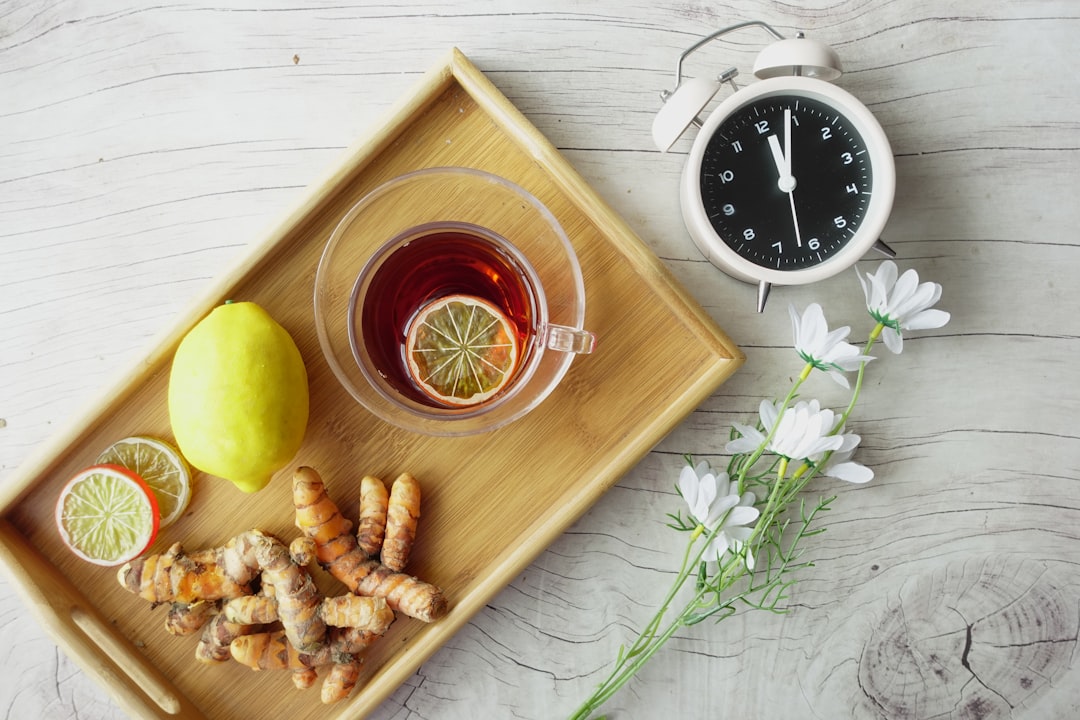
Ginger root — the chief warming herb in the Li Zhong Wan formula
Li zhong wan for digestive weakness and fatigue has a history stretching nearly 2,000 years. Zhang Zhongjing recorded it around 200 CE in a text called the Shang Han Lun — the Treatise on Cold Damage. That book remains a core reference in Traditional Chinese Medicine (TCM) education today. It is one of the oldest complete clinical textbooks in the world.
In Chinese, 理中丸 means “Regulate the Middle Pill.” The middle refers to the middle jiao — the digestive centre of the body in TCM. When the middle jiao runs cold and weak, the whole system begins to struggle. Food sits heavy in the stomach. Energy drops. The belly feels bloated and uncomfortable after meals.
In TCM thinking, warmth drives digestion. The spleen needs Yang energy to transform food into nutrients. When that Yang weakens — through cold exposure, chronic illness, stress, or constitution — the whole digestive process slows. For this reason, Zhang Zhongjing developed li zhong wan for patterns where cold had entered the middle jiao. The cold weakened the spleen and disrupted digestion. In fact, TCM practitioners have used this formula with very little change for nearly 2,000 years. That longevity reflects its consistency in clinical practice.
Understanding Spleen Yang Deficiency
However, not every digestive problem calls for this formula. Li zhong wan targets a specific pattern. Practitioners call it Spleen Yang deficiency — a state where the digestive fire burns too low to warm and transform food. In everyday terms, this looks like sluggish digestion, fatigue after meals, and loose stools. Many people also notice poor appetite and a cold feeling in the abdomen.
The Four Warming Herbs in the Formula
Each of the four herbs carries a long individual history in Chinese medicine. Dried Ginger (Gan Jiang, from Zingiber officinale) provides the warming action. Korean Red Ginseng (Ren Shen, from Panax ginseng) rebuilds digestive Qi. White Atractylodes (Bai Zhu, from Atractylodes macrocephala) dries dampness and strengthens spleen function. Honey-Fried Licorice (Zhi Gan Cao, from Glycyrrhiza uralensis) harmonizes the formula and supports spleen Qi recovery.
Many people turn to li zhong wan for digestive weakness and fatigue when cold sits at the root of their symptoms. Additionally, it serves as the base for several stronger variants in classical Chinese medicine. Herbal Clinic carries it as a liquid tincture, producing each batch in Toronto from organic and wildcrafted herbs.
Li Zhong Wan Benefits: Fatigue, Digestive Weakness, and Cold Patterns
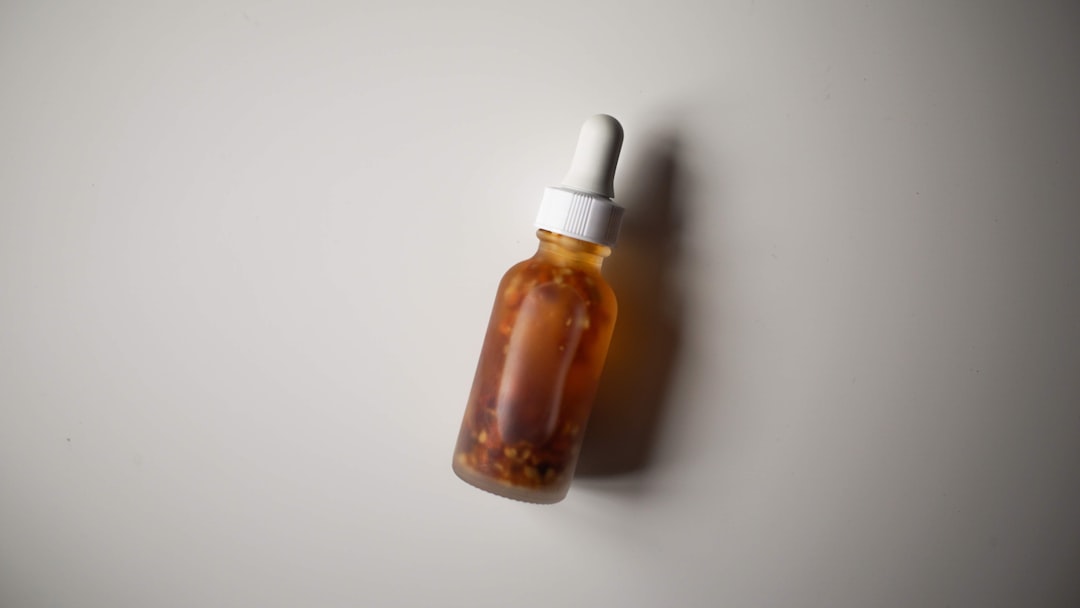
Li Zhong Wan tincture — available from Herbal Clinic in 100mL to 1000mL sizes
In TCM, the spleen governs digestion and energy production. When spleen Yang weakens, the body cannot pull energy from food well. As a result, fatigue sets in — especially after meals. Digestion slows. Stools become loose or watery. Appetite drops.
Indeed, the symptom picture is distinctive. The abdomen feels cold and achy — especially after cold foods or drinks. Nausea may occur in the morning. Fatigue runs constant, not just after exercise. In TCM tongue and pulse diagnosis, this pattern shows a pale tongue with a white coating and a deep, weak pulse.
How Li Zhong Wan Addresses Digestive Weakness and Fatigue
Li zhong wan works best for digestive weakness and fatigue tied to cold, damp patterns. The formula addresses this through four specific actions:
- Warms the middle jiao — Dried Ginger drives cold out of the digestive system directly. It is the chief herb and does the most immediate work.
- Rebuilds Qi — Korean Red Ginseng tonifies spleen and stomach Qi. It restores the body’s capacity to transform food into energy.
- Dries dampness — White Atractylodes supports the spleen’s ability to move fluids. This reduces bloating, loose stools, and the heavy, sluggish feeling cold-damp patterns produce.
- Harmonizes — Honey-Fried Licorice softens the formula, moderates the drying herbs, and supports spleen Qi recovery.
Here is how the logic works: Ginger and Atractylodes address the immediate problem — cold and dampness. Ginseng and Licorice address the underlying cause — Qi deficiency. Together, they work on both the symptom and the root. This is a key principle in classical TCM formula design.
Seasonal Use and Post-Illness Recovery
Additionally, practitioners often recommend li zhong wan after illness. A cold, flu, or prolonged infection can weaken the middle jiao significantly. In these cases, the formula helps restore digestive function and rebuild energy over a recovery period of several weeks.
Furthermore, the formula follows a seasonal pattern of use. Cold months — late autumn and winter — tend to aggravate middle jiao deficiency. Many practitioners prescribe li zhong wan during these seasons for patients with a known tendency toward cold-type digestive weakness. In East Asia, it remains one of the most commonly prescribed warming formulas in clinical TCM practice.
For comparison, the Si Jun Zi Tang four gentlemen formula tonifies spleen and stomach Qi without the strong warming action of li zhong wan. That makes Si Jun Zi Tang the right choice when Qi deficiency is present but cold is not the main pattern. Li zhong wan, by contrast, adds the warming element that cold-pattern patients need.
In modern clinical settings across China, Japan, Korea, and Taiwan, practitioners continue to use li zhong wan for digestive weakness, fatigue, cold abdominal pain, and other presentations with a clear cold-digestive pattern. The formula’s four-herb simplicity makes it reliable and well-tolerated.
How to Use Li Zhong Wan: Tincture Form and What to Expect
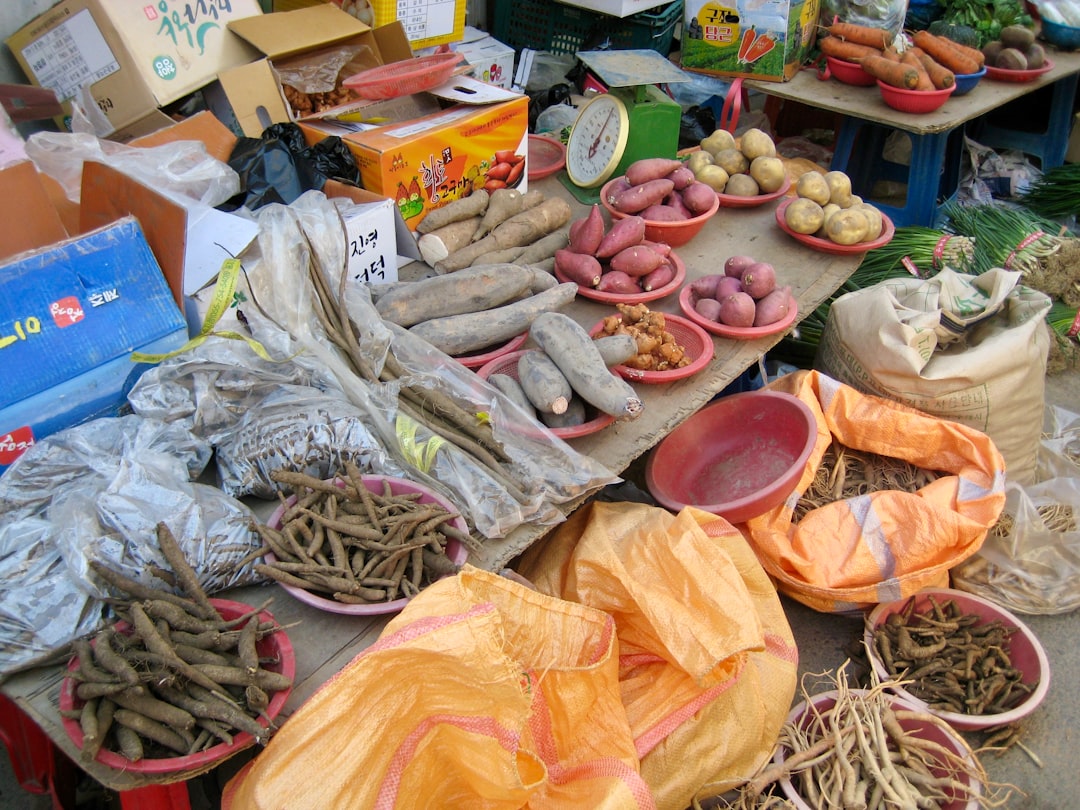
Dried ginseng, ginger, and atractylodes — the warming roots of Li Zhong Wan
Herbal Clinic prepares li zhong wan as an alcohol-based liquid tincture. This differs from the traditional honey pill form, but offers real advantages. The liquid absorbs quickly. It is easy to adjust the amount taken. Furthermore, the alcohol-based extraction draws out a wide range of active compounds from all four herbs.
Li zhong wan for digestive weakness and fatigue works best with consistent use over several weeks. Most people begin to notice improved digestion and less fatigue within two to four weeks. As with most TCM formulas, the herbs work gradually — building warmth and Qi rather than delivering a quick fix.
Here are general usage notes:
- Take the tincture as directed on the label or as advised by your health practitioner.
- Dilute it in a small amount of warm water before drinking. Warm delivery supports the warming nature of the formula.
- Take it before or with meals to support the digestive process directly.
- Overall, consistency matters more than dose size. Regular use over several weeks gives the herbs time to address the pattern at its root.
Diet and Lifestyle While Taking Li Zhong Wan
In the classical texts, Zhang Zhongjing advised patients to eat warm rice porridge after taking li zhong wan. The principle still applies today. Warm, easy-to-digest foods support the formula’s work. In contrast, cold drinks, raw foods, and heavy greasy meals run counter to its action.
Some practitioners also recommend pairing the formula with simple dietary adjustments. Cooked, warm foods are easier for the weakened spleen to transform. Therefore, soups, stews, steamed vegetables, and warm grains suit the cold-deficient pattern well. Raw salads and iced drinks tend to aggravate it. This is not a strict rule — it is a general direction for the recovery period.
Additionally, lifestyle choices reinforce the formula’s effectiveness. Dress warmly in cold weather. Rest more during the rebuilding phase. Avoid sitting on cold surfaces for long periods. These small habits support the warming work the herbs are doing internally.
Because of this, some practitioners also explore stronger variants. For more severe presentations, some practitioners prescribe Fu Zi Li Zhong Wan — a variant that adds Aconite for deeper Yang deficiency. However, the original four-herb formula handles most mild to moderate cold-pattern presentations well. Moreover, start with the base formula and adjust only if a qualified practitioner recommends otherwise.
Herbal Clinic’s Li Zhong Wan Tincture
Herbal Clinic’s Li Zhong Wan tincture is available in four sizes: 100mL, 250mL, 500mL, and 1000mL. The formula contains Dried Ginger, Korean Red Ginseng, White Atractylodes, and Honey-Fried Licorice — the complete classical four-herb combination. Indeed, each batch passes quality review before bottling.
As with all herbal products, consult a qualified health practitioner before use if you are pregnant, breastfeeding, or taking medications. These statements have not been evaluated by Health Canada. This product is not intended to diagnose, treat, cure, or prevent any disease.
FAQ
- Superior Sourcing: Our herbs are sourced from all over the world to avoid seasonal fluctuations in availability, keeping herbs accessible. Our suppliers meet strict standards that ensure top quality herbs, most of which are organic, wildcrafted, sustainably grown, or grown using permaculture. We support local farmers and grow many of our own herbs.
- Superior Processing: Our tinctures are made using the classic tincturing method. The tinctures are made in a 1:5 ratio which allows for the optimal extraction of the herb. The alcohol percentage is strictly controlled depending on the herb and part of the plant that is used.
- Superior Selection: We take pride in our growing selection of over 300 individual herbs. If we don’t carry the herb you’re seeking, we can likely track it down for you.
- Superior Quality Control: Our tinctures are thoroughly tested by a third-party lab and with an organoleptic evaluation by our team of herbalists prior to final bottling.
- Superior Price: Our tinctures are more cost-effective than other tinctures on the market. With an eye towards efficiency, we keep our costs low by maintaining good relationships with our wide network of suppliers and ordering herbs in bulk quantities.
- We Care About the Environment: We repackage materials that are shipped to us (so don’t be surprised if our packages look different from time to time!). We recycle or reuse materials whenever possible. We turn the cardboard we receive from other suppliers into packing material. We donate to avoid waste to groups like Naturopaths Without Borders. Our workforce almost completely uses public transportation or bikes. We are powered using 100% renewable energy through Bullfrog Power.
- We Donate To Charity: We support many causes that make the world better. We donate a portion of our profits or products. These include charities that support environmental and natural sustainability.
Set up an online account and order through the website. If you don’t have an account and place an order, one will be created for you.
Click here to subscribe to our mailing list.
Our products are made in Toronto, Ontario, Canada by a team of Herbalists and Naturopathic Doctors. The herbs and ingredients we use to make our products are sourced both locally and globally to keep herbs accessible and sustainable.
The majority of our herbs are certified organic, sustainably wildcrafted, or come from small-scale local organic farms that do not yet have organic certification. We always do our best to provide organic herbs in your formulas. We work with a variety of suppliers to keep costs low.
Although most of our products do not contain gluten, we do not have gluten-free certification for our production facility. Feel free to ask about any specific products and we’ll share whatever information we have available.
For liability and regulatory reasons, we don’t make any claims as to how our herbs should be used, including dosing recommendations. Please review our disclaimer, as well as our terms and policies.