Part of our complete guide to classical Chinese digestive formulas.
What Is Xiang Sha Liu Jun Zi Tang for Digestion?
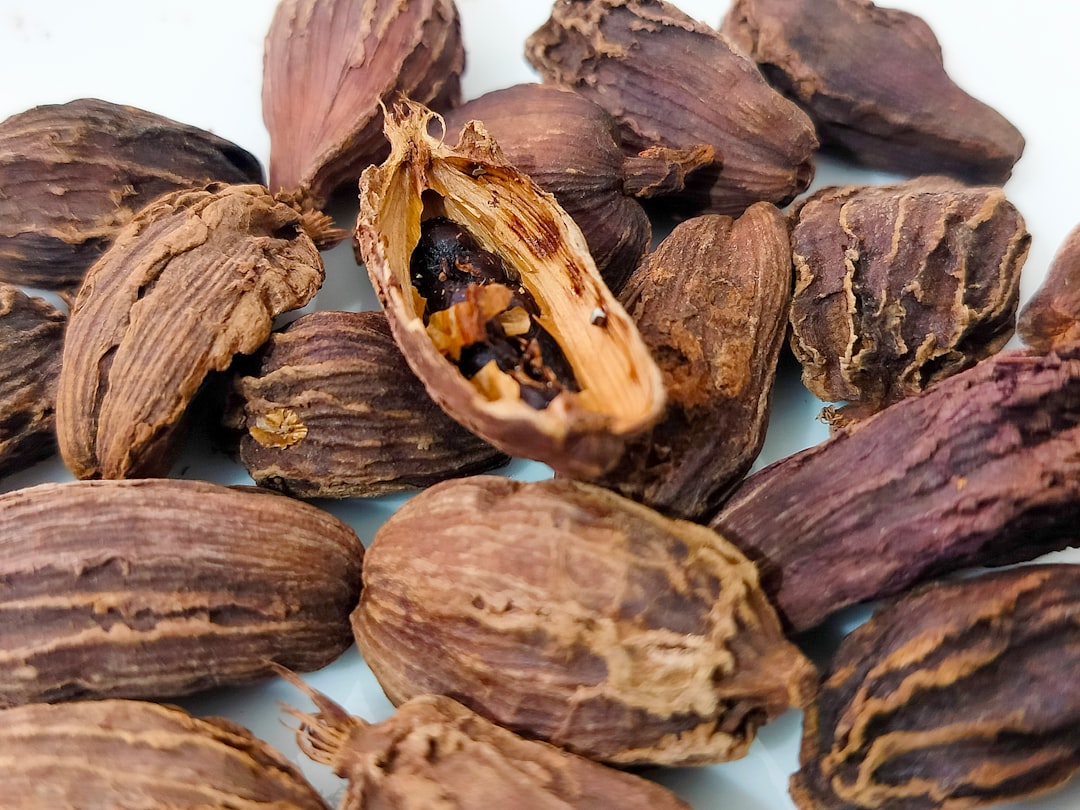
The aromatic herbs in Xiang Sha Liu Jun Zi Tang — cardamom and aucklandia — give the formula its warming, Qi-moving character.
Xiang Sha Liu Jun Zi Tang for digestion stands among the most complete classical formulas in the TCM tradition. It builds on Si Jun Zi Tang — the Four Gentlemen Decoction by adding six herbs that address both weakness and stagnation. The result is a formula that suits a broader range of digestive presentations than a pure tonic can handle.
The name tells the full story. “Liu Jun Zi” translates as Six Gentlemen — six herbs working together to strengthen the Spleen and Stomach. “Xiang” refers to Mu Xiang — Aucklandia root — an aromatic herb that moves Qi in the abdomen and relieves distension. “Sha” refers to Sha Ren — Cardamom seed — which warms the middle burner and transforms dampness with its aromatic properties. In turn, these two additions transform a pure tonic formula into one that also relieves stagnation.
A Formula Built on Layers
In the classical TCM tradition, herbalists developed formulas by building on earlier foundations. Specifically, Xiang Sha Liu Jun Zi Tang sits at the top of a progression. It begins with Si Jun Zi Tang — the basic Spleen Qi tonic. From there, herbalists added Ban Xia and Chen Pi. This formed Liu Jun Zi Tang, a formula addressing dampness and phlegm alongside deficiency. Finally, they incorporated Mu Xiang and Sha Ren to produce Xiang Sha Liu Jun Zi Tang, extending the formula’s reach to include Qi stagnation in the middle burner.
In practice, this layered structure makes the formula easy to understand clinically. The more complex the digestive picture, the more layers of treatment the patient requires. Moreover, it allows practitioners to select the formula that most precisely fits the patient’s pattern — pure deficiency, deficiency with dampness, or deficiency with both dampness and stagnation.
The Eight Herbs
The formula uses eight herbs, each playing a specific role:
- Ren Shen (Ginseng root) — tonifies Spleen and Stomach Qi; the primary tonic herb in the formula
- Bai Zhu (White Atractylodes rhizome) — strengthens the Spleen and dries dampness
- Fu Ling (Poria) — supports Spleen function and helps drain pathological dampness
- Gan Cao (Chinese Licorice root) — harmonizes the formula and mildly tonifies Qi
- Ban Xia (Pinellia rhizome) — transforms phlegm and redirects rebellious Stomach Qi downward to stop nausea
- Chen Pi (Tangerine peel) — moves Qi, dries dampness, and harmonizes the middle burner
- Mu Xiang (Aucklandia root) — moves Qi strongly and relieves abdominal pain and distension
- Sha Ren (Cardamom seed) — warms the Stomach, moves Qi, and transforms dampness with its aromatic quality
In TCM, Xiang Sha Liu Jun Zi Tang for digestion targets a specific pattern. That pattern is Spleen Qi deficiency with dampness and Qi stagnation in the middle burner. Additionally, Mu Xiang and Sha Ren add a warming dimension the base Liu Jun Zi Tang lacks. This makes Xiang Sha Liu Jun Zi Tang well-suited for cold-type dampness and post-meal heaviness.
The TCM Digestion Pattern: How Xiang Sha Liu Jun Zi Tang Works
Spleen Qi deficiency is one of the most common patterns in TCM practice. The Spleen governs transformation and transportation in Chinese medicine — the process by which the body breaks down food and distributes its essence throughout the body. When the Spleen is weak, this process slows. Food fails to transform cleanly. As a result, dampness accumulates in the middle burner, causing the characteristic bloating, heaviness, and fatigue after meals that patients describe.
Furthermore, Qi stagnation develops as a secondary consequence. For instance, when the Spleen cannot move food efficiently, Qi backs up and stagnates in the digestive tract. In turn, this stagnation produces distension, discomfort, and the cramping sensation many patients report. Therefore, a formula that only tonifies — without also moving Qi — may not fully resolve the presentation. Xiang Sha Liu Jun Zi Tang addresses all three layers: the root deficiency, the dampness it generates, and the resulting Qi stagnation.
How Xiang Sha Liu Jun Zi Tang Supports Digestion
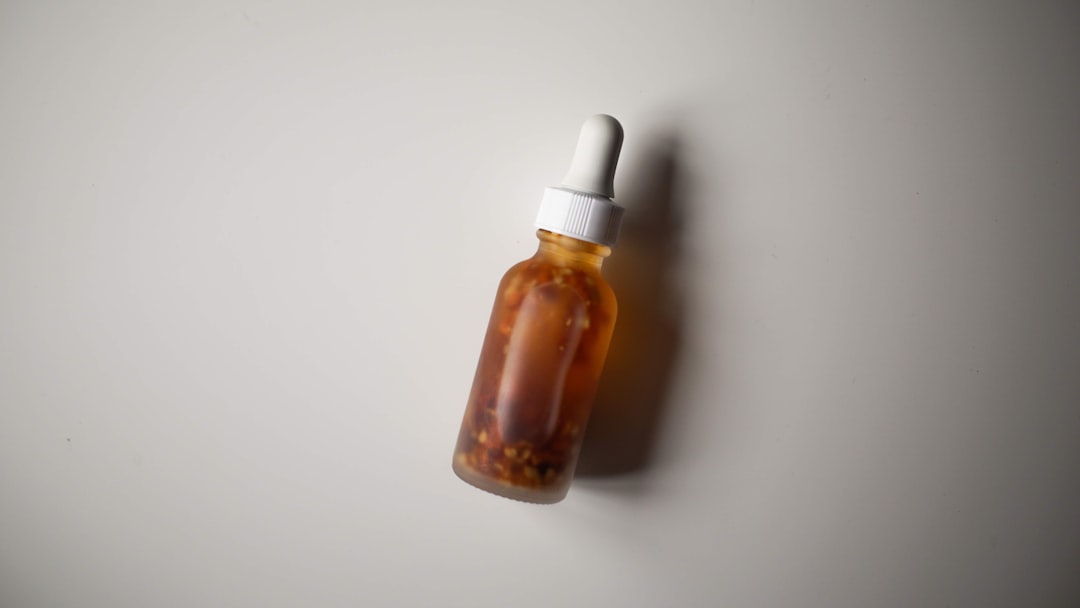
Xiang Sha Liu Jun Zi Tang is available as a tincture at Herbal Clinic, Toronto.
Xiang Sha Liu Jun Zi Tang for digestion works through three complementary mechanisms: tonifying the Spleen, transforming dampness, and moving stagnant Qi in the middle burner. Together, these actions address the most common pattern driving chronic digestive weakness in TCM clinical practice.
Tonifying the Spleen Foundation
The core of the formula is Si Jun Zi Tang. Ren Shen, Bai Zhu, Fu Ling, and Gan Cao work together to rebuild Spleen Qi over time. In TCM physiology, the Spleen transforms and transports nutrients from food. A weak Spleen performs this work inefficiently. As a result, food accumulates in the middle burner. Dampness forms, and the person feels tired, bloated, and unable to finish a meal comfortably. Additionally, energy stays low throughout the day because the Spleen cannot distribute nutrients properly.
In particular, Ren Shen stands at the centre of this tonic action. It directly supplements Qi in both the Spleen and Stomach. Bai Zhu dries dampness as it strengthens, making it particularly valuable in presentations with loose stools or heavy limbs. Fu Ling drains dampness through the lower burner and calms the spirit. Furthermore, Gan Cao harmonizes all the other herbs, ensuring the formula works as a coherent unit rather than a collection of individual actions.
Resolving Dampness and Redirecting Qi
Ban Xia and Chen Pi address the secondary pathology that Spleen deficiency creates. Specifically, Ban Xia transforms phlegm and redirects rebellious Stomach Qi downward. This directly stops nausea and the upward pressure many people feel after eating. Additionally, Ban Xia dries dampness by transforming pathological fluid into a form the body can clear.
Chen Pi contributes a complementary Qi-moving action. It enters the Spleen and Lung channels and moves stagnant Qi in the digestive tract. Moreover, its drying quality reinforces the dampness-clearing work of Bai Zhu and Fu Ling. In clinical practice, many herbalists describe Chen Pi as the herb that keeps the Spleen’s transformative action flowing — it prevents the tonic herbs from becoming cloying or causing further stagnation.
Moving Qi with Aucklandia and Cardamom
Mu Xiang and Sha Ren are what set this formula apart from the standard Six Gentlemen. Mu Xiang enters the Spleen, Stomach, and Large Intestine channels. It moves Qi throughout the digestive tract and specifically relieves abdominal distension, cramping, and pain. Therefore, Mu Xiang directly addresses these stagnation complaints — post-meal bloating and the sense that food sits heavily in the stomach.
Sha Ren adds a different dimension. Its aromatic quality warms and transforms dampness, especially cold-type dampness. Furthermore, it anchors Qi and prevents it from scattering, making it a steadying addition to an otherwise active formula. Consequently, Xiang Sha Liu Jun Zi Tang for digestion works not just for deficiency, but for deficiency with distension and post-meal discomfort.
Research published on PubMed suggests this formula and its related variants show benefit for functional digestive complaints including poor appetite, nausea, and gastric discomfort. Additionally, studies have explored its use for chemotherapy-related digestive side effects, where Spleen Qi deficiency often develops.
Who Benefits from Xiang Sha Liu Jun Zi Tang for Digestion
In TCM practice, herbalists typically recommend Xiang Sha Liu Jun Zi Tang for digestion complaints that include several of the following:
- Poor appetite or a notable loss of interest in food
- Abdominal bloating or distension, especially after meals
- Loose stools or irregular bowel function
- Nausea, particularly in the morning or shortly after eating
- General fatigue and heaviness, especially post-meal
- A pale, puffy complexion and consistently low energy
- A preference for warm foods and sensitivity to cold foods or drinks
However, every patient’s presentation differs. Therefore, a qualified TCM practitioner can best assess whether Xiang Sha Liu Jun Zi Tang for digestion fits your full pattern before you begin.
How to Use Xiang Sha Liu Jun Zi Tang for Digestion Support
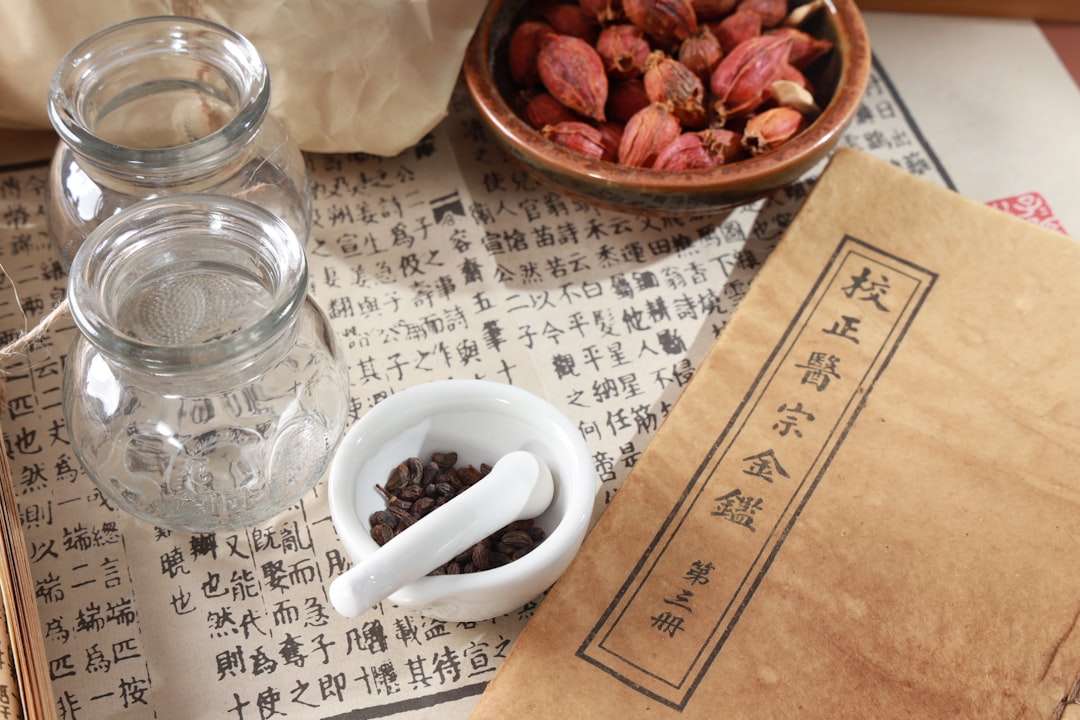
Traditional TCM decoctions involve simmering dried herbs together in water for 30–40 minutes.
Herbal Clinic prepares Xiang Sha Liu Jun Zi Tang for digestion as a ready-made tincture. This format makes the formula accessible without requiring you to source, weigh, and cook eight individual herbs. Additionally, a tincture offers consistent dosing and a longer shelf life compared to fresh decoctions prepared daily.
In traditional TCM practice, herbalists prepare the formula as a decoction. They place the dried herbs in a clay or ceramic pot, cover them with water, and simmer for 30–40 minutes. The resulting tea delivers the full spectrum of water-soluble active compounds from each ingredient. However, many modern patients and practitioners prefer the convenience of a tincture or granule formula instead — and for most people, these forms produce equivalent results with far less preparation time.
Working with a TCM Practitioner
Xiang Sha Liu Jun Zi Tang suits a well-defined TCM pattern. Yet TCM formulas work best when a practitioner matches them to your full presentation. A trained practitioner will assess your Tongue and Pulse alongside your symptoms before recommending a formula. Furthermore, they may adjust herb proportions or add new herbs to target patterns specific to you.
For example, someone with pronounced cold in the middle burner may benefit from adding warming herbs like Gan Jiang or Ding Xiang. Someone with significant Heat signs alongside deficiency would need a different approach entirely. These nuanced adjustments go beyond what a fixed formula can provide on its own. Therefore, working with a qualified practitioner produces the most precise and lasting results.
Additionally, TCM dietary guidance pairs well with this formula. In TCM, the Spleen benefits from warm, cooked foods and suffers from raw or cold foods, excess dairy, and iced drinks. Even simple shifts toward warmer, easier-to-digest meals can amplify the formula’s restorative action considerably. Consequently, many practitioners combine formula support with basic dietary adjustments for best outcomes.
Duration and Consistency
Xiang Sha Liu Jun Zi Tang for digestion suits long-term, consistent use. TCM formulas for deficiency patterns typically require weeks to months before the underlying weakness resolves. In contrast to symptomatic treatments, Xiang Sha Liu Jun Zi Tang restores the Spleen function that drives healthy digestion. As a result, the improvements build gradually and tend to last longer than short-term interventions.
Most practitioners recommend an initial course of four to eight weeks, reassessing at that point based on how the pattern responds. Moreover, Mu Xiang and Sha Ren often produce quick relief of bloating and distension, even early in treatment. This gives a noticeable improvement in comfort while the deeper tonic work continues.
Quality and Sourcing
At Herbal Clinic, we source each of the eight herbs in this formula to the same quality standards we apply across our full range. We make our tinctures using careful alcohol extraction at controlled ratios. Furthermore, every batch undergoes sensory evaluation before bottling to confirm the quality and potency our clinical team expects. Our herbalists review each formula to ensure the ingredients meet the standards that clinical use demands.
These statements have not been evaluated by Health Canada. This product is not intended to diagnose, treat, cure, or prevent any disease.
FAQ
- Superior Sourcing: Our herbs are sourced from all over the world to avoid seasonal fluctuations in availability, keeping herbs accessible. Our suppliers meet strict standards that ensure top quality herbs, most of which are organic, wildcrafted, sustainably grown, or grown using permaculture. We support local farmers and grow many of our own herbs.
- Superior Processing: Our tinctures are made using the classic tincturing method. The tinctures are made in a 1:5 ratio which allows for the optimal extraction of the herb. The alcohol percentage is strictly controlled depending on the herb and part of the plant that is used.
- Superior Selection: We take pride in our growing selection of over 300 individual herbs. If we don’t carry the herb you’re seeking, we can likely track it down for you.
- Superior Quality Control: Our tinctures are thoroughly tested by a third-party lab and with an organoleptic evaluation by our team of herbalists prior to final bottling.
- Superior Price: Our tinctures are more cost-effective than other tinctures on the market. With an eye towards efficiency, we keep our costs low by maintaining good relationships with our wide network of suppliers and ordering herbs in bulk quantities.
- We Care About the Environment: We repackage materials that are shipped to us (so don’t be surprised if our packages look different from time to time!). We recycle or reuse materials whenever possible. We turn the cardboard we receive from other suppliers into packing material. We donate to avoid waste to groups like Naturopaths Without Borders. Our workforce almost completely uses public transportation or bikes. We are powered using 100% renewable energy through Bullfrog Power.
- We Donate To Charity: We support many causes that make the world better. We donate a portion of our profits or products. These include charities that support environmental and natural sustainability.
Set up an online account and order through the website. If you don’t have an account and place an order, one will be created for you.
Click here to subscribe to our mailing list.
Our products are made in Toronto, Ontario, Canada by a team of Herbalists and Naturopathic Doctors. The herbs and ingredients we use to make our products are sourced both locally and globally to keep herbs accessible and sustainable.
The majority of our herbs are certified organic, sustainably wildcrafted, or come from small-scale local organic farms that do not yet have organic certification. We always do our best to provide organic herbs in your formulas. We work with a variety of suppliers to keep costs low.
Although most of our products do not contain gluten, we do not have gluten-free certification for our production facility. Feel free to ask about any specific products and we’ll share whatever information we have available.
For liability and regulatory reasons, we don’t make any claims as to how our herbs should be used, including dosing recommendations. Please review our disclaimer, as well as our terms and policies.