Classical Chinese Sleep Formulas and the Heart-Shen Relationship
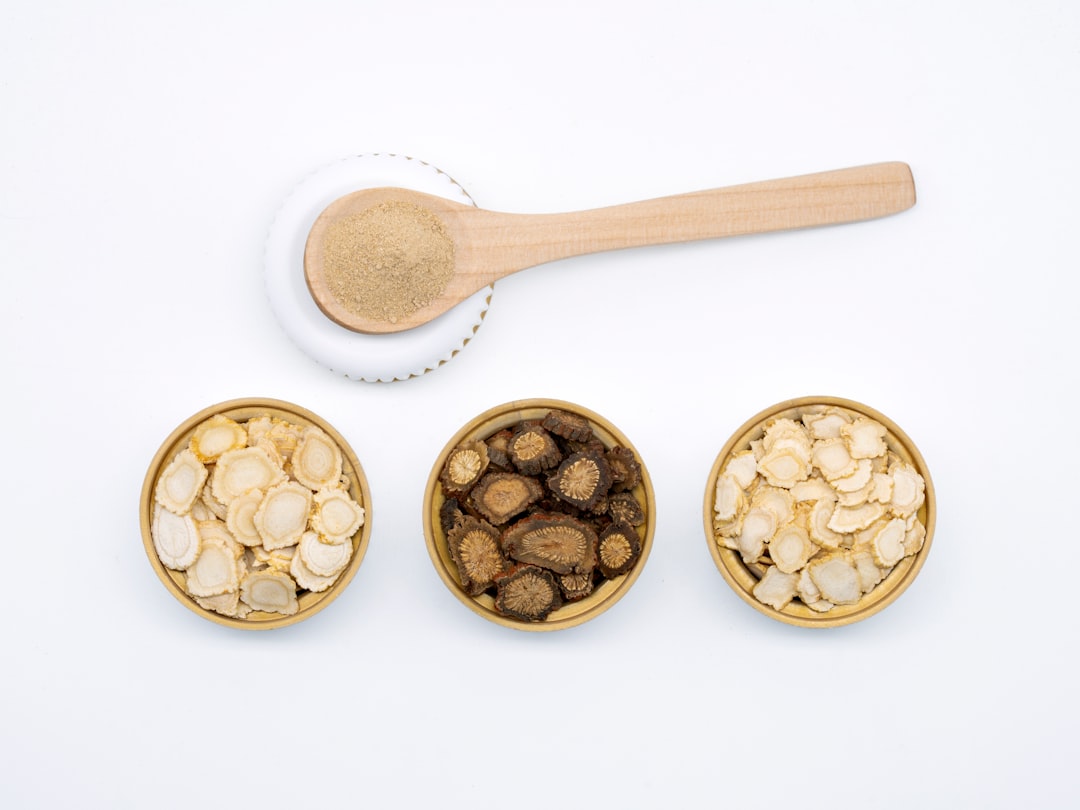
Classical Chinese sleep formulas draw on a small core of qi, blood, and yin tonics matched to the pattern at hand.
Classical Chinese sleep formulas approach the night differently from most modern remedies. Instead of broadly sedating the nervous system, each formula treats a recognizable pattern of imbalance in the Heart, Liver, Spleen, or Kidney — the organ systems that anchor shen, the mind, and govern rest. As a result, two people with insomnia often receive entirely different prescriptions, because the cause behind the sleep loss is what shifts the formula, not the surface complaint.
In Traditional Chinese Medicine (TCM), the Heart houses the shen. When the Heart is well nourished by blood, qi, and yin, the shen rests at night and the person sleeps deeply. However, when the Heart is undernourished or disturbed, the shen drifts. Sleep fragments. Dreams turn vivid. The mind cycles through worry the moment the head hits the pillow.
Here’s why that matters: sleep complaints in TCM map to a small number of recognizable patterns. Once a practitioner identifies the pattern, the formula often selects itself.
The common patterns behind classical Chinese sleep formulas
Below are the patterns that appear most often in clinic, and the symptom clusters that point to each one. Furthermore, several patterns overlap, which is why classical formulas usually combine herb families rather than relying on one action.
- Heart and Liver blood deficiency. Difficulty falling asleep, light sleep with frequent waking, anxious thoughts, palpitations, pale complexion, dry skin. Blood does not anchor the shen.
- Heart-Spleen deficiency (qi and blood). Fatigue, poor appetite, weak memory, easy worry, light sleep that improves with rest. The Spleen fails to make enough blood for the Heart to hold the shen.
- Qi and yin deficiency. Exhaustion after illness or sustained stress, spontaneous sweating, shortness of breath, palpitations on exertion. Both energy and fluids run low.
- Yin deficiency with empty heat. Restless sleep with night sweats, hot flushes, dry mouth, vivid dreams. Yin no longer cools and anchors yang.
- Phlegm-heat harassing the Heart. Heavy sleep but unrefreshing, vivid disturbing dreams, bitter taste in the morning, thick yellow tongue coat. Damp-heat rises and unsettles the shen.
- Liver qi stagnation turning to fire. Sleep disrupted by tension and irritation, red eyes, headaches, frequent waking around 1 to 3 in the morning. Constraint generates heat that rises to the Heart.
So what does this mean for you? If you are considering classical Chinese sleep formulas, the most useful first step is not picking a formula by name. Instead, it is identifying which pattern best describes how your sleep goes wrong and what surrounding symptoms come with it. Therefore, this guide groups the core classical Chinese sleep formulas by the pattern each one targets, so you can see where a formula fits before reading deeper.
For a related cluster, see our guide to classical Chinese digestive formulas, which covers Spleen and Stomach patterns. Notably, the Spleen and Heart are closely linked — many sleep formulas also strengthen Spleen function, because that is where blood production begins.
Matching Classical Chinese Sleep Formulas to Pattern
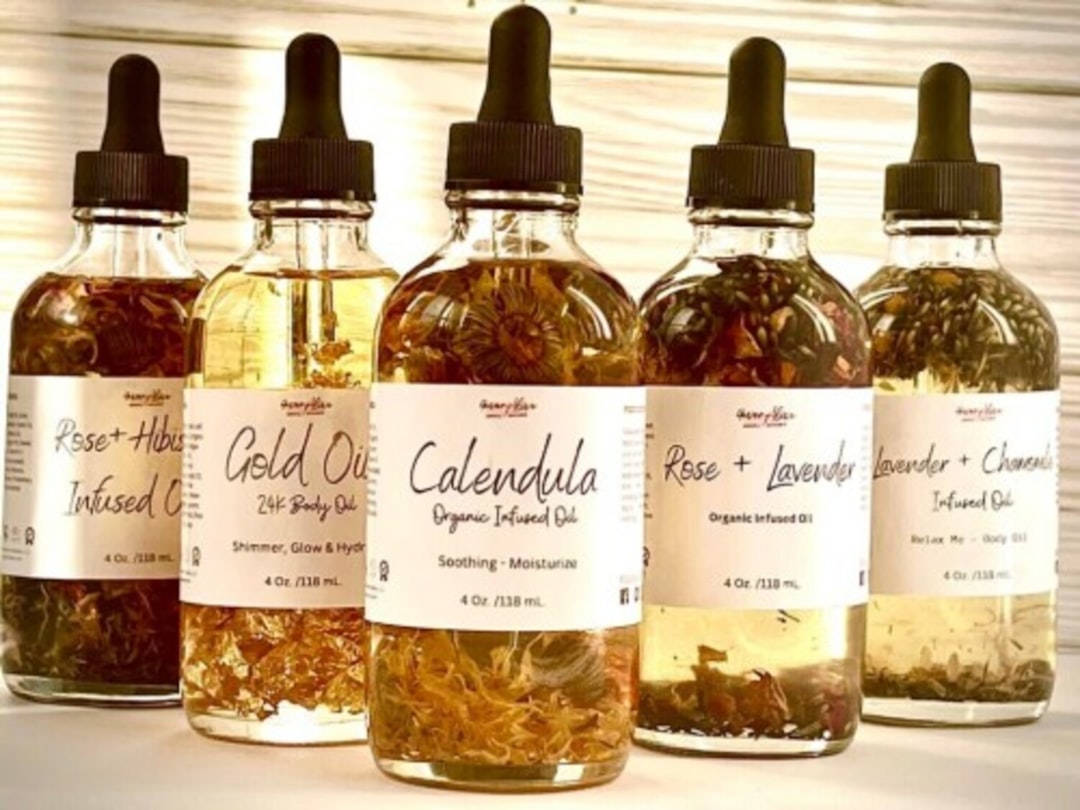
Most classical formulas are prepared as decoctions or 1:5 tinctures in modern practice.
The classical Chinese sleep formulas below cover the patterns described in Part 1. However, several formulas overlap because the underlying patterns themselves overlap. Practitioners read tongue, pulse, and symptom history to choose between them.
Heart and Liver blood deficiency: Suan Zao Ren Tang
Suan Zao Ren Tang (Sour Jujube Decoction) is the defining formula for the restless sleeper with blood deficiency. The chief herb, Suan Zao Ren (Ziziphus spinosa seed), nourishes Heart and Liver blood. In addition, Chuan Xiong moves blood so the tonic herbs do not stagnate. Zhi Mu clears the empty heat that often comes with the pattern. Fu Ling calms the mind, and Zhi Gan Cao harmonizes the whole. As a result, the formula suits someone who falls asleep with difficulty, wakes repeatedly, feels anxious but exhausted, and may sweat at night. Read the full Suan Zao Ren Tang guide for the constituent breakdown.
Heart-Spleen deficiency: Gui Pi Tang
Gui Pi Tang (Restore the Spleen Decoction) targets the person whose sleep, memory, and mood all slip at the same time. The Spleen, weakened by overwork or worry, fails to produce enough blood. Consequently, the Heart loses its anchor. Symptoms cluster together: fatigue, poor concentration, anxious thoughts, light sleep, easy bruising, and a pale tongue. Furthermore, the formula combines qi tonics (Ren Shen, Huang Qi, Bai Zhu) with blood tonics (Dang Gui, Long Yan Rou, Suan Zao Ren) and shen-calming herbs (Yuan Zhi, Fu Shen). Therefore, it rebuilds the deficient ground rather than masking the surface complaint. Read the full Gui Pi Tang guide for the full picture.
Qi and blood deficiency: Ba Zhen Tang
Ba Zhen Tang (Eight Treasures Decoction) is the foundation qi and blood tonic in classical practice. It combines Si Jun Zi Tang (the qi-tonic chassis) with Si Wu Tang (the blood-building chassis). As a result, it suits people whose sleep complaints sit on top of deep depletion — after childbirth, prolonged illness, surgery, or sustained overwork. In particular, the picture includes fatigue, pale complexion, dizziness, palpitations on exertion, light or unsatisfying sleep, and a thin pulse. Read the full Ba Zhen Tang guide.
Heart qi and yin deficiency: Sheng Mai San
Sheng Mai San (Generate the Pulse Powder) is a compact three-herb formula for Heart qi and yin deficiency. The signs are clear: shortness of breath, spontaneous sweating, dry mouth, palpitations, a feeling of being depleted to the core. Specifically, the formula uses Ren Shen to restore Heart qi, Mai Men Dong (Ophiopogon) to replenish yin and fluids, and Wu Wei Zi (Schisandra) to consolidate sweating and stabilize the shen. Therefore, it is particularly relevant after acute illness, in summer-heat depletion, or in convalescent recovery when the chest feels hollow and the pulse runs thin. Notably, the Sheng Mai San tincture is available from Herbal Clinic in the same 1:5 format as our other classical formulas.
When the picture is mixed
In clinic, sleep patterns rarely arrive cleanly. For example, Heart-Spleen deficiency frequently combines with Heart-Liver blood deficiency, and qi and yin deficiency often layers on top of either. For mixed pictures, a practitioner may use one of the formulas above as a base and modify it — adding or subtracting herbs to match the case. Classical training, in fact, emphasizes the underlying chassis rather than rigid product names. As a result, two patients receiving “Gui Pi Tang” in a clinic may receive slightly different finished prescriptions. Pharmacological work on Suan Zao Ren and related herbs continues to expand — see PubMed for current research on Ziziphus spinosa and sleep.
How to Use This Guide to Classical Chinese Sleep Formulas
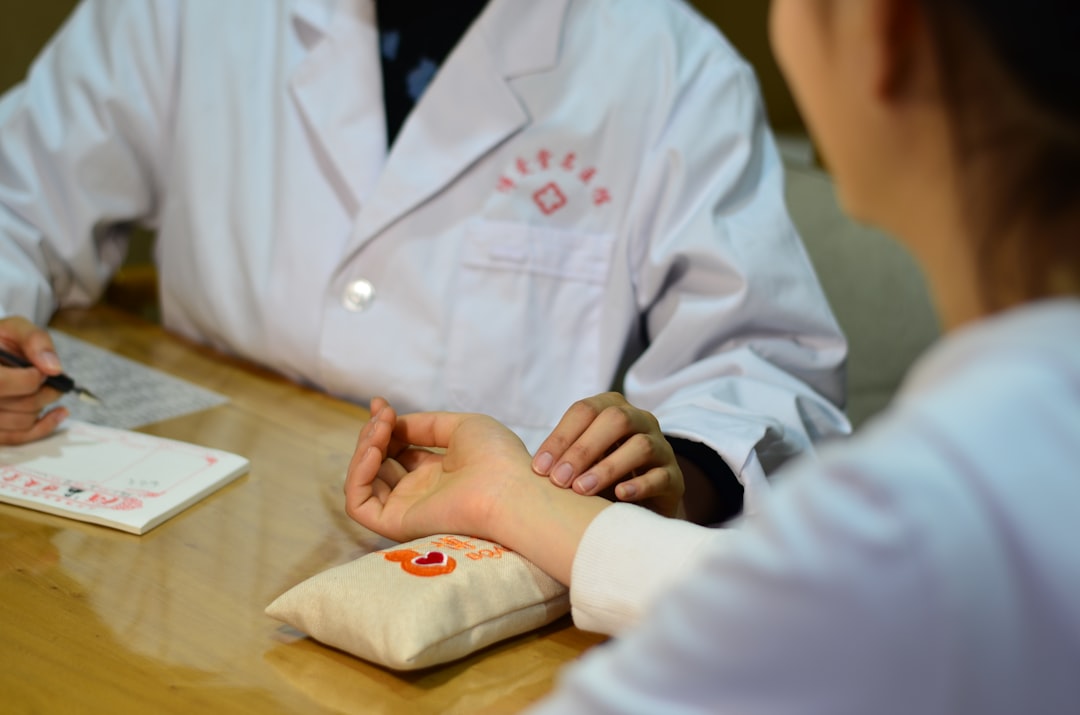
TCM practitioners assess pulse and tongue before choosing a formula.
The classical Chinese sleep formulas in this guide are not interchangeable. Each one corrects a specific imbalance, and using the wrong formula for the wrong pattern can stall progress or, in some cases, worsen symptoms. So how do you use this guide in practice?
Start with the pattern, not the symptom
Insomnia, palpitations, and anxiety appear across multiple patterns. Therefore, the first step is to notice the full picture: when do symptoms appear, what makes them better or worse, what does your tongue look like in the morning, and how is your energy through the day. These small details separate a Heart-Spleen pattern from a Heart-Liver blood pattern from a qi-yin depletion.
Here’s how it works in clinic: a practitioner builds a short pattern profile, then matches it to the closest classical formula. If symptoms shift, the formula shifts too. Furthermore, classical Chinese sleep formulas can be modified by adding or removing herbs to fit a specific case, while the base structure stays intact.
Work with a practitioner when the picture is mixed
If your sleep pattern fits cleanly into one description in Part 1 — for example, clear Heart-Liver blood deficiency with light sleep and night sweats — a classical formula like Suan Zao Ren Tang is often a sensible starting point. However, mixed pictures (deficiency layered with stagnation, or qi deficiency layered with yin depletion) are common and benefit from a trained eye. In those cases, book a consult with a TCM practitioner or naturopathic doctor who prescribes classical formulas. They can confirm the pattern, modify the formula if needed, and adjust over time.
Support the formula with lifestyle changes
No classical formula performs well against a lifestyle that fuels the pattern. As a result, Heart-Spleen formulas work better when worry eases and meals stay regular. Yin-depletion formulas work better when late nights, caffeine, and overexertion pull back. Blood-deficiency formulas work better when iron-rich foods, warm cooked meals, and steady rest come back into the routine. These are not rules — they are levers.
How Herbal Clinic prepares its classical Chinese sleep formulas
We prepare our classical Chinese sleep formulas as 1:5 tinctures from individually sourced raw herbs in Toronto, Ontario. Each constituent is identified by qualified herbalists before extraction. Furthermore, we send finished formulas to a third-party lab for testing and review each batch organoleptically before bottling. In addition, the alcohol percentage in each tincture is matched to the herbs used so that active constituents extract properly.
If a formula in this guide describes your pattern, the linked product page lists the full constituent breakdown. If you are unsure which formula fits, book a brief practitioner consult before ordering, or message us and we will route the question to one of our herbalists.
FAQ
- Superior Sourcing: Our herbs are sourced from all over the world to avoid seasonal fluctuations in availability, keeping herbs accessible. Our suppliers meet strict standards that ensure top quality herbs, most of which are organic, wildcrafted, sustainably grown, or grown using permaculture. We support local farmers and grow many of our own herbs.
- Superior Processing: Our tinctures are made using the classic tincturing method. The tinctures are made in a 1:5 ratio which allows for the optimal extraction of the herb. The alcohol percentage is strictly controlled depending on the herb and part of the plant that is used.
- Superior Selection: We take pride in our growing selection of over 300 individual herbs. If we don’t carry the herb you’re seeking, we can likely track it down for you.
- Superior Quality Control: Our tinctures are thoroughly tested by a third-party lab and with an organoleptic evaluation by our team of herbalists prior to final bottling.
- Superior Price: Our tinctures are more cost-effective than other tinctures on the market. With an eye towards efficiency, we keep our costs low by maintaining good relationships with our wide network of suppliers and ordering herbs in bulk quantities.
- We Care About the Environment: We repackage materials that are shipped to us (so don’t be surprised if our packages look different from time to time!). We recycle or reuse materials whenever possible. We turn the cardboard we receive from other suppliers into packing material. We donate to avoid waste to groups like Naturopaths Without Borders. Our workforce almost completely uses public transportation or bikes. We are powered using 100% renewable energy through Bullfrog Power.
- We Donate To Charity: We support many causes that make the world better. We donate a portion of our profits or products. These include charities that support environmental and natural sustainability.
Set up an online account and order through the website. If you don’t have an account and place an order, one will be created for you.
Click here to subscribe to our mailing list.
Our products are made in Toronto, Ontario, Canada by a team of Herbalists and Naturopathic Doctors. The herbs and ingredients we use to make our products are sourced both locally and globally to keep herbs accessible and sustainable.
The majority of our herbs are certified organic, sustainably wildcrafted, or come from small-scale local organic farms that do not yet have organic certification. We always do our best to provide organic herbs in your formulas. We work with a variety of suppliers to keep costs low.
Although most of our products do not contain gluten, we do not have gluten-free certification for our production facility. Feel free to ask about any specific products and we’ll share whatever information we have available.
For liability and regulatory reasons, we don’t make any claims as to how our herbs should be used, including dosing recommendations. Please review our disclaimer, as well as our terms and policies.