Classical Chinese Liver and Stress Formulas: The Pattern Behind the Pattern
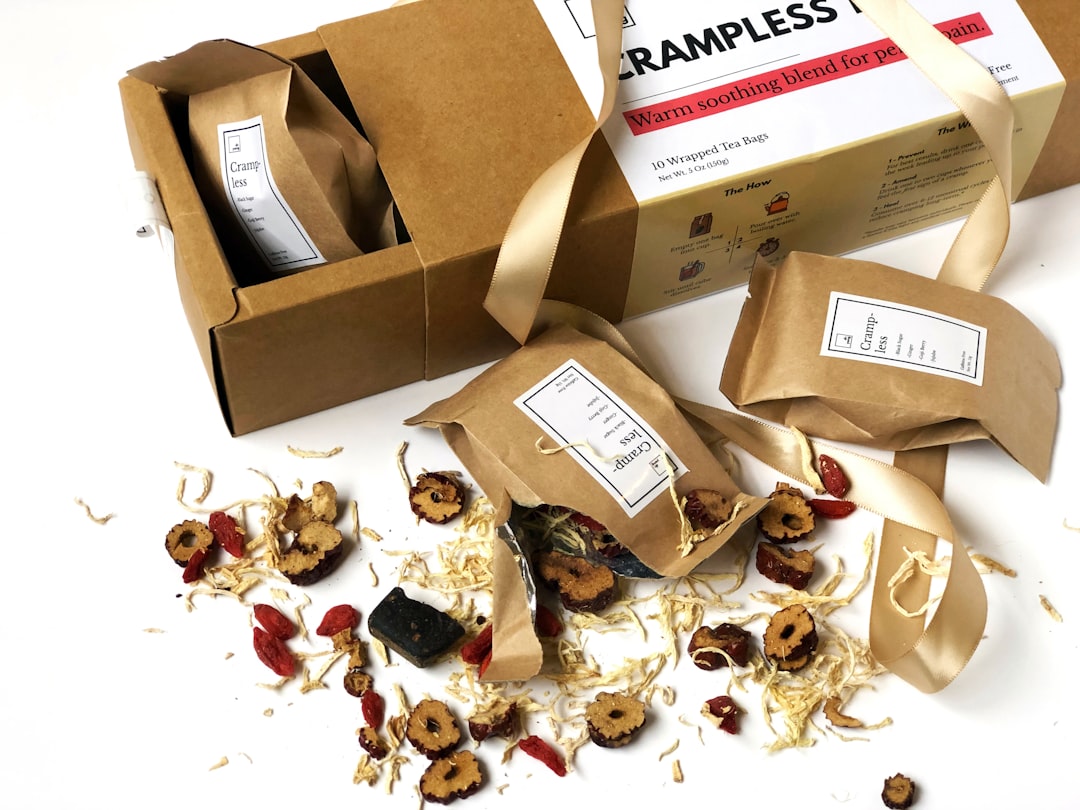
Dried botanicals used across the classical Liver-and-stress formula family.
Classical Chinese liver and stress formulas treat a pattern that modern medicine has no clean equivalent for. The pattern is the body-and-mind tightness that builds when stress meets a system too tight to release it. In Traditional Chinese Medicine that pattern is called Liver Qi stagnation, and a small family of classical formulas has treated it for centuries with remarkable precision.
However, the picture rarely stays still. Liver Qi stagnation can sit alone, or it can pull in Blood deficiency, generate Heat, or compress the system so tightly that the limbs run cold. Because the pattern shifts, the formula has to shift with it. That is why one root prescription, Xiao Yao San, spawned a whole family of variants. It is not a single fixed remedy.
What Liver Qi stagnation actually feels like
In TCM the Liver is not just the organ Western anatomy describes. It is the system responsible for the smooth movement of Qi, the moment-to-moment flow of energy through every channel. Furthermore, the Liver houses the Hun. This is the part of the spirit that handles planning, direction, and drive.
When that flow gets blocked, the signs are recognisable. They include a tight chest, frequent sighing, rib-side soreness, a short temper, irregular periods, and digestion that swings between sluggish and urgent. Most people who walk into a TCM clinic with stress complaints fit some version of this picture.
Here is why that matters: the symptoms above look scattered to a Western lens but coherent to a TCM one. One pattern, many expressions. And one carefully balanced formula can unwind several of them at once.
Why classical Chinese liver and stress formulas come as a family
Classical Chinese liver and stress formulas exist as a family because Liver Qi stagnation rarely arrives alone. Blood deficiency softens the picture and adds fatigue. Heat sharpens it and adds irritability or burning sensations. Cold reverses the surface and chills the hands and feet. As a result, the herbalists who refined these prescriptions wrote four distinct formulas. Each one is tuned to a different overlay. The next section walks through them.
The Four Classical Chinese Liver and Stress Formulas
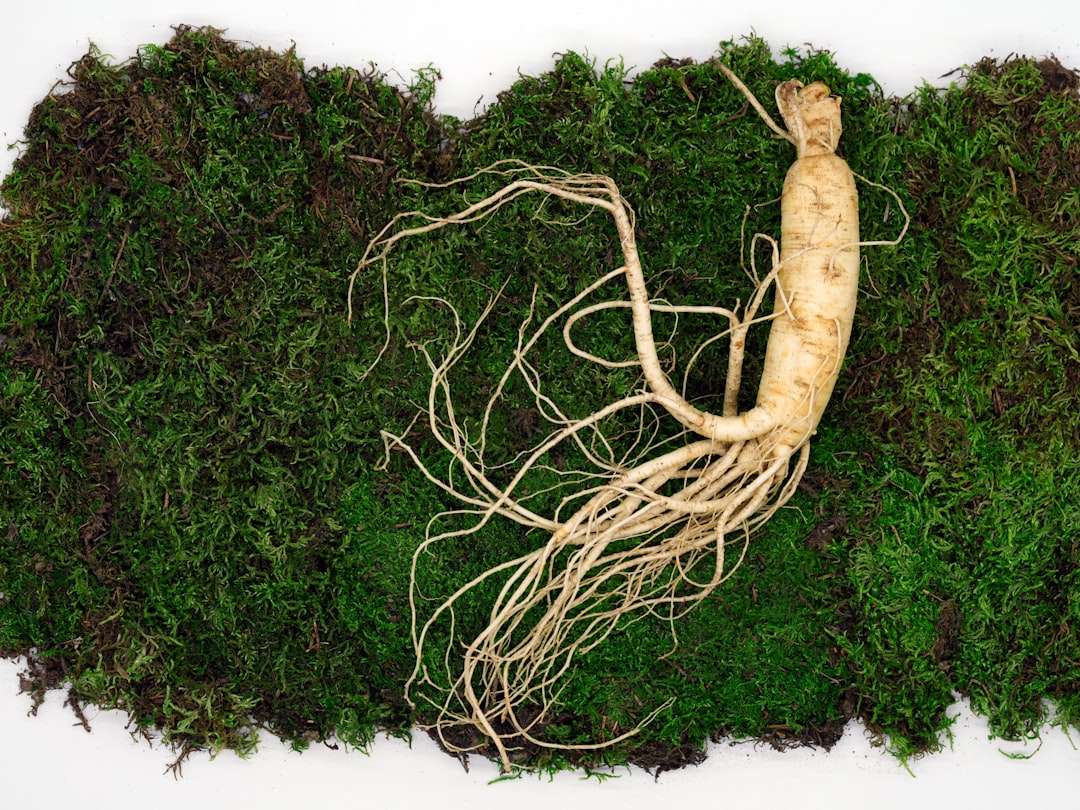
Bupleurum, dong quai, and licorice anchor most of these formulas.
Each of the four classical Chinese liver and stress formulas builds on the same backbone, then leans in a different direction. Bupleurum (Chai Hu) almost always sits at the head: it lifts and releases stuck Liver Qi. From there, the supporting herbs decide which version of the pattern the formula treats. Here is how they sort out.
Xiao Yao San: the baseline formula
Xiao Yao San (Free and Easy Wanderer) is the root of the family. It treats classic Liver Qi stagnation with mild Blood deficiency: irritability, premenstrual tension, breast tenderness, sighing, fatigue, and a tongue that looks pale around the edges. The formula pairs Chai Hu with Dang Gui (Chinese angelica) and Bai Shao (white peony) to soften the Liver while it releases. Ginger and mint round it out. Most people meeting this pattern start here. Read the full Xiao Yao San guide for the per-herb breakdown.
Jia Wei Xiao Yao San: when the stagnation has turned hot
Jia Wei Xiao Yao San (Augmented Free and Easy Wanderer) takes the base formula and adds two cooling herbs: Mu Dan Pi (moutan peony bark) and Zhi Zi (gardenia fruit). Practitioners reach for it when Liver Qi stagnation has sat long enough to generate Heat. Signs include hot flushes around the period, red eyes, sharp irritability, vivid dreams, and a yellow-coated tongue. In particular, it is the most-prescribed formula in this family for premenstrual heat patterns and perimenopausal stress. The cooling pair handles the Heat without slowing the Liver-releasing action of the base formula.
Long Dan Xie Gan Tang: when Liver Fire dominates
Long Dan Xie Gan Tang (Gentian Drain the Liver Decoction) is the firepower formula of the family. It treats full-blown Liver Fire and Damp-Heat in the Liver and Gallbladder channels. Signs include throbbing temple headaches, red eyes with discharge, ear infections, rib pain, anger, urinary burning, and genital itch. The lead herb, Long Dan Cao (Chinese gentian), is one of the most bitter and cooling substances in the entire materia medica. This is not a long-term tonic. Practitioners use it for a defined course while the Heat is active, then step down to a gentler formula. The cooling action is strong enough that anyone with cold-pattern signs should skip it.
Si Ni San: when the Qi compresses the limbs
Si Ni San (Frigid Extremities Powder) is the most surgical of the four. It treats Liver Qi stagnation severe enough that the Qi cannot reach the limbs. The hands and feet run cold while the trunk runs warm. Patients present with cold hands, chest tightness, bowel habits that swing with mood, and a wiry pulse. The formula is short and concentrated: Chai Hu, Zhi Shi (bitter orange immature fruit), Bai Shao, and Zhi Gan Cao (honey-fried licorice). Therefore it is a clean lever for a specific picture rather than a general stress tonic.
How to Use Classical Chinese Liver and Stress Formulas
Decoction and tincture are the two most common forms.
Choosing between the classical Chinese liver and stress formulas is a matching exercise: read the pattern, then pick the formula tuned to it. Most of the time the choice falls between Xiao Yao San and Jia Wei Xiao Yao San. Long Dan Xie Gan Tang is a short course for active Heat. Si Ni San is for the cold-limb, compressed-Qi presentation. Jia Wei Xiao Yao San earns the most regular use of the four for everyday stress with a hot edge.
How Chinese liver and stress formulas are prepared
For centuries the standard form was the decoction: raw herbs simmered down into a strong tea. At Herbal Clinic we also offer the classical Chinese liver and stress formulas as alcohol tinctures. Each is made in a 1:5 ratio using the classic tincturing method, so the dose is consistent and the herbs travel well. Tinctures suit modern routines. A few millilitres in water, taken twice a day, fits a working schedule better than simmering raw herbs.
What to expect from a Chinese liver and stress formula course
Most people notice a softening of the irritable, tight feeling within the first one to two weeks on a well-matched formula. Sleep often steadies first. Cycle changes (less PMS heat, less breast tenderness, a calmer pre-period week) usually take two full cycles to settle. As a result, the standard approach is to commit to a six-to-eight-week trial and then reassess. Furthermore, if the pattern shifts during that time, the formula must shift too. Liver Qi stagnation that runs hot can cool into a Blood-deficiency picture once the pressure releases. That is when Xiao Yao San often becomes the right next step.
How Herbal Clinic prepares these formulas
We source the constituent herbs from suppliers vetted for botanical identity and contaminant testing. Each tincture is third-party lab tested and reviewed by our team of herbalists before bottling. Most importantly, we keep each classical formula in its original ratio so the clinical action of the prescription stays intact. We do not alter classical proportions to fit a marketing angle. For a fuller picture of how the wider system fits together, our sleep and heart formula guide covers the related family that handles overnight Shen.
These statements have not been evaluated by Health Canada. These products are not intended to diagnose, treat, cure, or prevent any disease. For research depth on bupleurum and the broader Chai Hu category, see the PubMed bupleurum literature.
FAQ
- Superior Sourcing: Our herbs are sourced from all over the world to avoid seasonal fluctuations in availability, keeping herbs accessible. Our suppliers meet strict standards that ensure top quality herbs, most of which are organic, wildcrafted, sustainably grown, or grown using permaculture. We support local farmers and grow many of our own herbs.
- Superior Processing: Our tinctures are made using the classic tincturing method. The tinctures are made in a 1:5 ratio which allows for the optimal extraction of the herb. The alcohol percentage is strictly controlled depending on the herb and part of the plant that is used.
- Superior Selection: We take pride in our growing selection of over 300 individual herbs. If we don’t carry the herb you’re seeking, we can likely track it down for you.
- Superior Quality Control: Our tinctures are thoroughly tested by a third-party lab and with an organoleptic evaluation by our team of herbalists prior to final bottling.
- Superior Price: Our tinctures are more cost-effective than other tinctures on the market. With an eye towards efficiency, we keep our costs low by maintaining good relationships with our wide network of suppliers and ordering herbs in bulk quantities.
- We Care About the Environment: We repackage materials that are shipped to us (so don’t be surprised if our packages look different from time to time!). We recycle or reuse materials whenever possible. We turn the cardboard we receive from other suppliers into packing material. We donate to avoid waste to groups like Naturopaths Without Borders. Our workforce almost completely uses public transportation or bikes. We are powered using 100% renewable energy through Bullfrog Power.
- We Donate To Charity: We support many causes that make the world better. We donate a portion of our profits or products. These include charities that support environmental and natural sustainability.
Set up an online account and order through the website. If you don’t have an account and place an order, one will be created for you.
Click here to subscribe to our mailing list.
Our products are made in Toronto, Ontario, Canada by a team of Herbalists and Naturopathic Doctors. The herbs and ingredients we use to make our products are sourced both locally and globally to keep herbs accessible and sustainable.
The majority of our herbs are certified organic, sustainably wildcrafted, or come from small-scale local organic farms that do not yet have organic certification. We always do our best to provide organic herbs in your formulas. We work with a variety of suppliers to keep costs low.
Although most of our products do not contain gluten, we do not have gluten-free certification for our production facility. Feel free to ask about any specific products and we’ll share whatever information we have available.
For liability and regulatory reasons, we don’t make any claims as to how our herbs should be used, including dosing recommendations. Please review our disclaimer, as well as our terms and policies.