Part of our complete guide to classical Chinese liver and stress formulas.
Xiao Yao San for Liver Qi Stagnation: What It Is
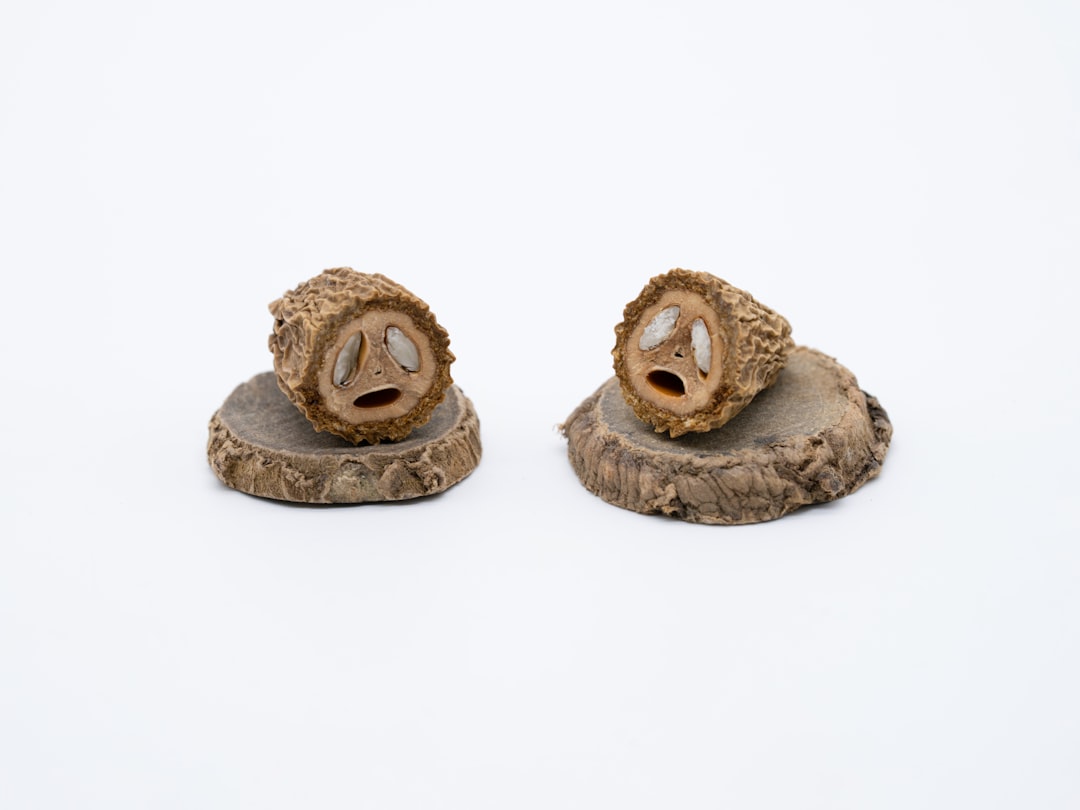
Xiao Yao San for liver qi stagnation is composed of eight classical Chinese herbs, each playing a distinct role in the formula.
Xiao Yao San for liver qi stagnation is one of the oldest and most widely used formulas in classical Chinese medicine — a carefully balanced combination of eight herbs that together address the tension, mood shifts, and digestive disruption that arise when the Liver’s free-flowing function is compromised.
The formula dates to the Song dynasty, first recorded in the Tai Ping Hui Min He Ji Ju Fang (1107 CE), and has remained a clinical mainstay for nearly a thousand years. Its common English translations — Rambling Powder, Free and Easy Wanderer — point directly to its purpose: restoring the smooth, unobstructed movement of Qi through the body’s channels.
In TCM, the Liver is responsible for ensuring that Qi flows freely throughout the body. When that flow becomes constrained — from stress, overwork, irregular eating, or emotional strain — the pattern known as Liver Qi stagnation develops. The Liver channel runs through the chest, hypochondrium, and lower abdomen, which is why stagnation there tends to produce a recognizable cluster: tightness under the ribs, mood irritability, breast tenderness, and disruption to the menstrual cycle.
Here’s why the formula works so well: Xiao Yao San doesn’t only regulate the Liver — it simultaneously nourishes the Blood and supports the Spleen, addressing the root cause alongside the presenting pattern. Liver function depends on adequate Blood; when Blood is thin, Qi stagnates more easily. Meanwhile, Spleen function weakens under prolonged stagnation, reducing the digestive capacity that generates new Blood. The formula interrupts this cycle from both ends.
The eight ingredients in Herbal Clinic’s Xiao Yao San tincture are: Bupleurum (Chai Hu), Dong Quai (Dang Gui), White Peony Root (Bai Shao), White Atractylodes (Bai Zhu), Poria (Fu Ling), Honey-Fried Licorice (Gan Cao), Ginger (Sheng Jiang), and Chinese Mint (Bo He).
How Xiao Yao San Addresses Liver Qi Stagnation
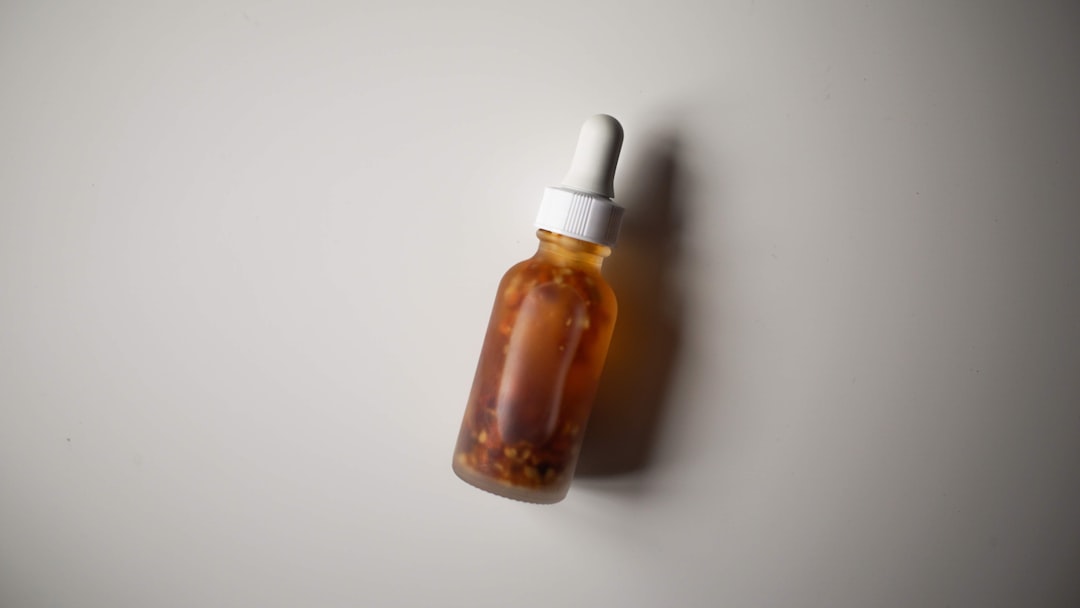
Each ingredient in this liquid tincture extract contributes a distinct and complementary action to the whole formula.
Bupleurum (Chai Hu): The Lead Herb for Liver Qi Stagnation
The therapeutic logic of Xiao Yao San for liver qi stagnation becomes clear when you examine each herb’s contribution. Bupleurum (Chai Hu) is the principal herb — its primary action is hepatic, relieving constraint in the Liver channel and lifting depressed Liver Qi. Furthermore, it acts as an alterative, clearing congestion at the hepatic level. Its saponin and sterol constituents associate with anti-inflammatory activity and hepatic tissue support. In short, Chai Hu provides the formula’s directional action.
Blood Nourishment in Liver Qi Stagnation: Bai Shao and Dang Gui
Working alongside Chai Hu, White Peony Root (Bai Shao) provides essential counterbalancing nourishment. As a female endocrine modulator with antispasmodic and alterative actions, Bai Shao prevents the dispersing action from depleting Liver Blood further. Its constituent paeoniflorin associates with smooth muscle relaxation and hormonal regulation. Where Chai Hu moves, Bai Shao nourishes and holds.
In addition, Dong Quai (Dang Gui) adds Blood-nourishing and Blood-moving action. As an endocrine modulator with carminative properties, it addresses blood deficiency that often underlies Liver Qi stagnation, including dysmenorrhea and menstrual irregularity.
Why Liver Qi Stagnation Needs Spleen Support
Liver Qi stagnation frequently invades the Spleen, producing bloating, fatigue, and poor appetite. White Atractylodes (Bai Zhu) and Poria (Fu Ling) address this dimension directly. Together, they tonify Spleen Qi and restore the digestive capacity that generates new Blood. Moreover, Poria calms the Shen through its heart-settling action, addressing the anxiety and restlessness that often accompany stagnation.
The Harmonizing Herbs: Mint, Ginger, and Licorice
Chinese Mint (Bo He) is added in a small quantity — enough to disperse constrained Liver Qi at the surface and vent accumulated heat. Ginger activates the formula’s digestive action and warms the middle. Honey-Fried Licorice (Gan Cao) harmonizes all ingredients and protects the Spleen throughout.
The key takeaway: this formula moves without over-dispersing, nourishes without creating dampness, and clears without over-cooling. That balance has kept it clinically unmodified for nearly a millennium. However, when stagnation generates significant internal heat, the modified formula Jia Wei Xiao Yao San may be more appropriate.
Using Xiao Yao San for Liver Qi Stagnation: What to Expect
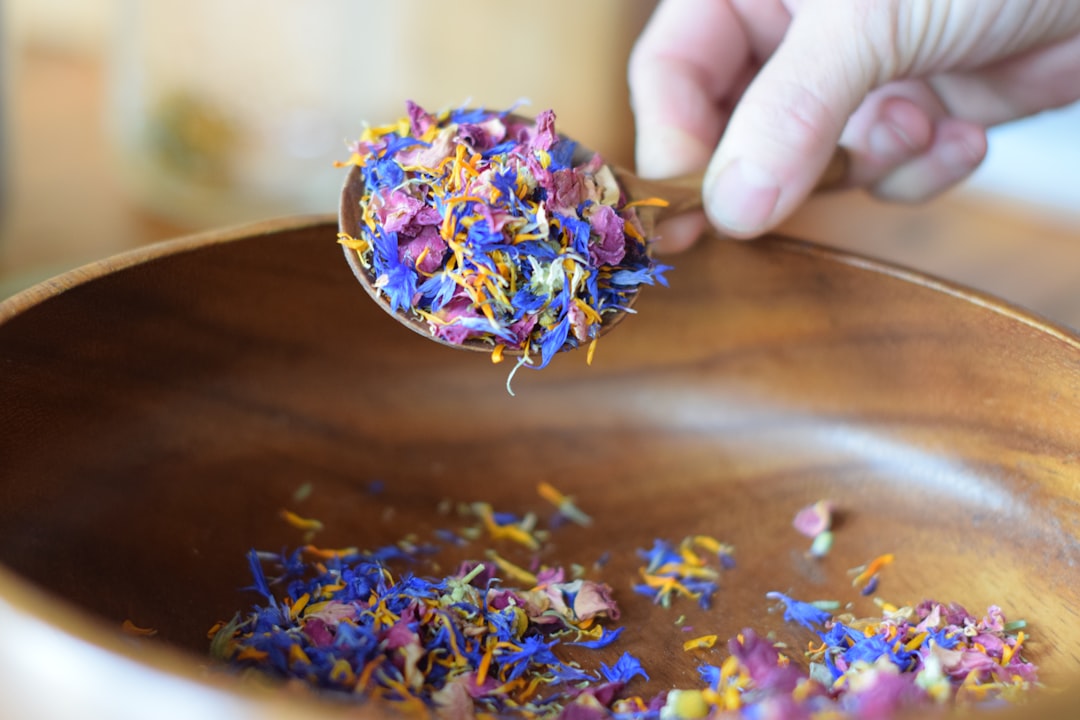
Each batch of Xiao Yao San is made in Toronto using herbs sourced to Herbal Clinic’s quality standards.
Sizes Available for Xiao Yao San for Liver Qi Stagnation
Xiao Yao San for liver qi stagnation is available at Herbal Clinic as a liquid tincture. It uses reverse osmosis water and gluten-free pharmaceutical grade alcohol. Our team of herbalists and naturopathic doctors make it in Toronto. The formula comes in four sizes: 100mL, 250mL, 500mL, and 1000mL. The 250mL bottle is a practical starting point, providing several weeks of consistent daily use.
How Long to Take Xiao Yao San
Chinese herbal formulas are course-of-treatment remedies rather than on-demand supplements. Xiao Yao San works cumulatively, and consistent daily use is central to how the formula functions. Most practitioners recommend observing the formula’s effect over several weeks before adjusting. In other words, it rewards patience and consistency more than periodic use.
Why Spring Is the Right Season
In TCM, spring is the season of the Liver. The Liver’s natural energy is expansive and upward-moving. When this movement is blocked, symptoms of stagnation intensify in spring rather than ease. So what does this mean for you? If mood irritability, PMS symptoms, or digestive tightness tend to flare in March and April, that timing is consistent with the TCM seasonal framework and with Xiao Yao San’s classic indications.
The formula is traditionally associated with hypochondriac fullness, mood variability, fatigue, poor appetite, breast distension, and menstrual irregularity. As a result, it is broad and adaptable — one reason it has remained in continuous clinical use across centuries.
For more pronounced heat presentations, where stagnation has generated significant irritability or night sweating, Long Dan Xie Gan Tang may be more appropriate. A practitioner familiar with TCM pattern differentiation can help determine which formula fits your presentation best.
Furthermore, Herbal Clinic sources each ingredient to meet the quality standards applied across all our TCM formulas: certified organic or sustainably wildcrafted where available, third-party tested, and produced using the classic tincturing method.
FAQ
- Superior Sourcing: Our herbs are sourced from all over the world to avoid seasonal fluctuations in availability, keeping herbs accessible. Our suppliers meet strict standards that ensure top quality herbs, most of which are organic, wildcrafted, sustainably grown, or grown using permaculture. We support local farmers and grow many of our own herbs.
- Superior Processing: Our tinctures are made using the classic tincturing method. The tinctures are made in a 1:5 ratio which allows for the optimal extraction of the herb. The alcohol percentage is strictly controlled depending on the herb and part of the plant that is used.
- Superior Selection: We take pride in our growing selection of over 300 individual herbs. If we don’t carry the herb you’re seeking, we can likely track it down for you.
- Superior Quality Control: Our tinctures are thoroughly tested by a third-party lab and with an organoleptic evaluation by our team of herbalists prior to final bottling.
- Superior Price: Our tinctures are more cost-effective than other tinctures on the market. With an eye towards efficiency, we keep our costs low by maintaining good relationships with our wide network of suppliers and ordering herbs in bulk quantities.
- We Care About the Environment: We repackage materials that are shipped to us (so don’t be surprised if our packages look different from time to time!). We recycle or reuse materials whenever possible. We turn the cardboard we receive from other suppliers into packing material. We donate to avoid waste to groups like Naturopaths Without Borders. Our workforce almost completely uses public transportation or bikes. We are powered using 100% renewable energy through Bullfrog Power.
- We Donate To Charity: We support many causes that make the world better. We donate a portion of our profits or products. These include charities that support environmental and natural sustainability.
Set up an online account and order through the website. If you don’t have an account and place an order, one will be created for you.
Click here to subscribe to our mailing list.
Our products are made in Toronto, Ontario, Canada by a team of Herbalists and Naturopathic Doctors. The herbs and ingredients we use to make our products are sourced both locally and globally to keep herbs accessible and sustainable.
The majority of our herbs are certified organic, sustainably wildcrafted, or come from small-scale local organic farms that do not yet have organic certification. We always do our best to provide organic herbs in your formulas. We work with a variety of suppliers to keep costs low.
Although most of our products do not contain gluten, we do not have gluten-free certification for our production facility. Feel free to ask about any specific products and we’ll share whatever information we have available.
For liability and regulatory reasons, we don’t make any claims as to how our herbs should be used, including dosing recommendations. Please review our disclaimer, as well as our terms and policies.