Part of our complete guide to classical Chinese liver and stress formulas.
A classical TCM formula for constrained Liver Qi, Blood deficiency, and emotional resilience — this is your guide to jia wei xiao yao san for liver qi and stress.
Jia Wei Xiao Yao San for Liver Qi and Stress: What Is the Modified Free and Easy Wanderer?
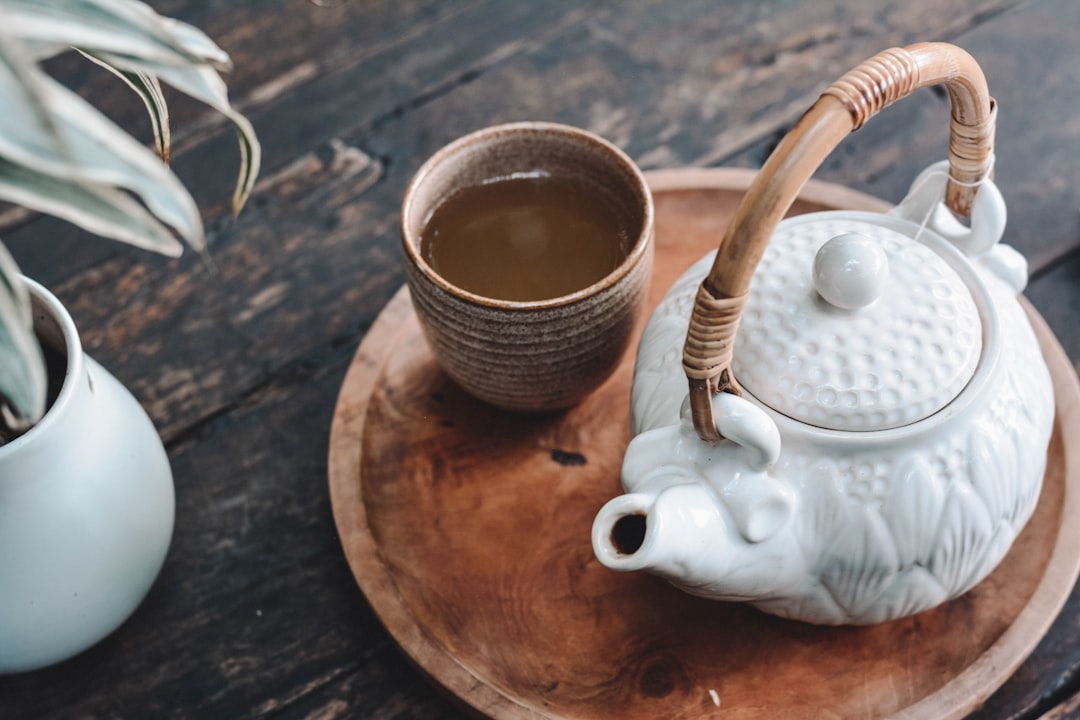
Jia Wei Xiao Yao San is traditionally prepared as a decoction and is now available in concentrated granule and tincture forms.
Jia wei xiao yao san for liver qi and stress is one of the most widely prescribed classical Chinese herbal formulas in modern integrative practice. Practitioners have used it for over a thousand years to address Liver Qi stagnation with Blood deficiency and depressive heat. As a result, this formula has an unusually broad range of clinical applications spanning physical, emotional, and hormonal domains.
The formula originates from the Song Dynasty text Tàipíng Huìmín Hé Jì Jú Fāng, compiled in 1107 CE. Its foundation is Xiao Yao San — the Free and Easy Wanderer — one of the cornerstone formulas in classical Chinese medicine. The “jia wei” (added ingredients) version, however, builds on this base with two additional herbs. Mu Dan Pi (Tree Peony bark) and Zhi Zi (Gardenia fruit) clear the heat that accumulates when Liver Qi has been constrained for a prolonged period. Therefore, these additions make the formula appropriate when irritability with heat signs, night sweating, or restless sleep accompany the baseline pattern.
Formula Composition: All Ten Herbs
Each herb plays a specific role within the formula. Together, they address the full triad of Liver Qi stagnation, Blood deficiency, and Spleen Qi weakness:
- Chai Hu (Bupleurum root) — spreads Liver Qi and relieves constraint and depression
- Bai Shao (White Peony root) — nourishes Liver Blood and softens Liver Qi
- Dang Gui (Dong Quai root) — nourishes and gently moves Blood
- Bai Zhu (White Atractylodes rhizome) — tonifies Spleen Qi to support digestion and energy
- Fu Ling (Poria) — calms the Shen (spirit) and strengthens Spleen function
- Gan Cao (Honey-fried Licorice root) — harmonizes the formula and moderates the action of other herbs
- Sheng Jiang (Fresh Ginger rhizome) — warms digestion and prevents cloying from the Blood tonics
- Bo He (Peppermint) — lightly disperses Liver constraint and clears mild heat
- Mu Dan Pi (Tree Peony bark) — clears heat from the Liver and Blood
- Zhi Zi (Gardenia fruit) — clears depressive heat and calms restlessness
In TCM five-element theory, spring is governed by the Liver and Gallbladder. Consequently, Liver Qi naturally rises with the season, and any pre-existing constraint tends to become more pronounced. When that rising movement meets stress, frustration, or suppressed emotion, the symptoms this formula addresses often intensify. For this reason, jia wei xiao yao san is particularly relevant during the seasonal shift into spring. Additionally, complementary TCM sleep formulas such as Suan Zao Ren Tang address overlapping patterns when Heart Blood deficiency is prominent alongside Liver constraint.
What Jia Wei Xiao Yao San for Liver Qi Stagnation and Stress Is Used For
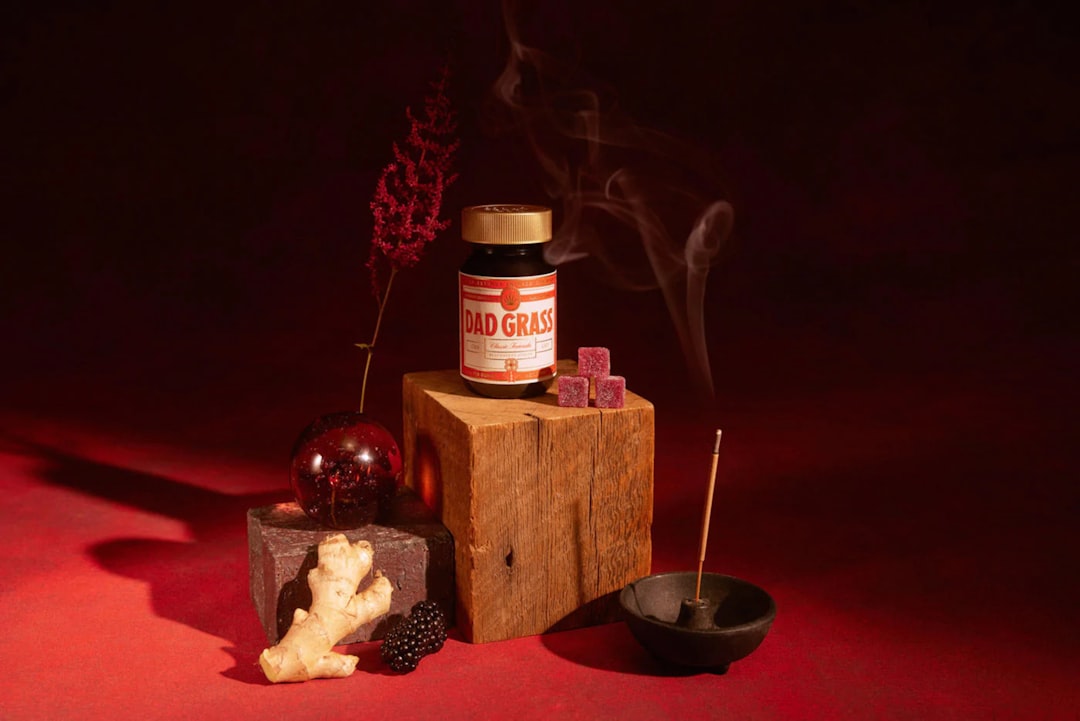
The formula’s ten herbs work together to spread Liver Qi, nourish Blood, and clear depressive heat.
Jia wei xiao yao san for liver qi and stress is indicated for a wide range of conditions that TCM practitioners attribute to this specific pattern. The formula’s clinical versatility stems directly from the pattern itself: Liver Qi stagnation, Blood deficiency, and heat frequently co-occur, spanning physical, emotional, and hormonal domains simultaneously.
Here’s how it works: the Liver in TCM governs the smooth flow of Qi throughout the body. Chronic stress, unresolved emotion, or prolonged irregular habits disrupt that flow and cause Qi to stagnate. Over time, stagnant Qi generates heat. Furthermore, because the Liver stores Blood and depends on adequate Blood to function smoothly, Blood deficiency worsens the stagnation. The result is a recognizable constellation: irritability, anxiety, mood instability, fatigue, disrupted sleep, breast tenderness, and digestive irregularity.
The formula addresses each of these mechanisms directly. Chai Hu and Bo He spread and course Liver Qi, relieving the constrained feeling that presents as chest tightness, sighing, or emotional flatness. Moreover, Bai Shao and Dang Gui nourish Liver Blood, addressing the deficiency underlying fatigue and emotional fragility. Additionally, Mu Dan Pi and Zhi Zi clear the secondary heat — reducing the irritability, flushing, and insomnia that develop as stagnation persists.
But there’s more to it than Liver action alone. Bai Zhu and Fu Ling support Spleen Qi alongside the Liver-focused herbs. In TCM pathology, a constrained Liver commonly invades the Spleen — producing bloating, irregular bowel, poor appetite, and fatigue rooted in digestive weakness. Consequently, by tonifying the Spleen while coursing the Liver, the formula addresses both the causative pattern and its downstream effects in one prescription.
Traditional Indications and Clinical Applications
Classical clinical indications for the formula include:
- Premenstrual syndrome — mood changes, breast distension, abdominal bloating, irregular cycles
- Perimenopausal symptoms — irritability, night sweating, sleep disturbance with heat sensations
- Anxiety and low mood associated with chronic stress and Liver Qi constraint
- Stress-related digestive symptoms — bloating, irregular bowel, appetite fluctuation
- Fatigue patterns rooted in Liver Blood and Spleen Qi deficiency
- Restless sleep or early waking with a sensation of heat
Contemporary research has examined jia wei xiao yao san’s effects on anxiety and depression. Specifically, several peer-reviewed meta-analyses indexed at the National Institutes of Health report meaningful clinical outcomes. These results corroborate what practitioners have observed across centuries: the formula works because it matches an underlying TCM diagnosis, not because a single constituent targets a single symptom. For comparison, the related formula Suan Zao Ren Tang addresses Heart Blood deficiency and insomnia more narrowly; therefore, jia wei xiao yao san is the better choice when Liver Qi constraint is the root of the presentation.
How to Use Jia Wei Xiao Yao San
Jia Wei Xiao Yao San is available at Herbal Clinic as a liquid tincture prepared using the classical tincturing method.
Jia wei xiao yao san for liver qi and stress is a pattern-based formula, not a symptom-targeted supplement. Traditionally, practitioners prepared it as a decoction — raw herbs simmered in water. In modern practice, it is available in several convenient forms: concentrated granules, pills, and liquid tincture. At Herbal Clinic, we prepare it as a liquid tincture using the classical tincturing method.
Because this formula addresses an underlying TCM pattern rather than an acute condition, consistent daily use is essential. This is not a formula for single-dose or as-needed use. Instead, it works cumulatively. Most TCM practitioners recommend an initial course of several weeks to assess the clinical response, with follow-up pattern differentiation guiding ongoing use.
Choosing the Right Form and Timing
The formula suits presentations where all three elements are present: Liver Qi stagnation, Blood deficiency, and heat signs. When only one element is evident, a more targeted formula may be more precise. For example, Xiao Yao San (without Mu Dan Pi and Zhi Zi) suits presentations where heat signs are absent. Therefore, working with a qualified TCM practitioner ensures you select the correct formula and avoid partial symptom matching.
Spring is a particularly appropriate season for this formula. In classical Chinese medicine, the Liver reaches its peak functional activity in spring. Moreover, Liver Qi stagnation intensifies during the seasonal change — particularly in people who carried high stress through winter. Addressing the pattern at this time aligns with the classical principle of treating the root before symptoms escalate.
For regulatory reasons, we do not make specific health claims or dosing recommendations. Please consult a qualified practitioner for guidance tailored to your situation. Additionally, if you take medications affecting mood, hormones, or liver metabolism, professional guidance before starting any herbal formula is advisable.
Herbal Clinic sources all formula herbs to strict quality standards — certified organic where available, sustainably wildcrafted, or from small-scale farms meeting our quality criteria. Specifically, our jia wei xiao yao san tincture undergoes third-party testing and organoleptic assessment by our herbalists before bottling. As a result, you receive a formula that reflects the same sourcing and quality standards we apply across our full range of over 300 herbs and formulas.
FAQ
- Superior Sourcing: Our herbs are sourced from all over the world to avoid seasonal fluctuations in availability, keeping herbs accessible. Our suppliers meet strict standards that ensure top quality herbs, most of which are organic, wildcrafted, sustainably grown, or grown using permaculture. We support local farmers and grow many of our own herbs.
- Superior Processing: Our tinctures are made using the classic tincturing method. The tinctures are made in a 1:5 ratio which allows for the optimal extraction of the herb. The alcohol percentage is strictly controlled depending on the herb and part of the plant that is used.
- Superior Selection: We take pride in our growing selection of over 300 individual herbs. If we don’t carry the herb you’re seeking, we can likely track it down for you.
- Superior Quality Control: Our tinctures are thoroughly tested by a third-party lab and with an organoleptic evaluation by our team of herbalists prior to final bottling.
- Superior Price: Our tinctures are more cost-effective than other tinctures on the market. With an eye towards efficiency, we keep our costs low by maintaining good relationships with our wide network of suppliers and ordering herbs in bulk quantities.
- We Care About the Environment: We repackage materials that are shipped to us (so don’t be surprised if our packages look different from time to time!). We recycle or reuse materials whenever possible. We turn the cardboard we receive from other suppliers into packing material. We donate to avoid waste to groups like Naturopaths Without Borders. Our workforce almost completely uses public transportation or bikes. We are powered using 100% renewable energy through Bullfrog Power.
- We Donate To Charity: We support many causes that make the world better. We donate a portion of our profits or products. These include charities that support environmental and natural sustainability.
Set up an online account and order through the website. If you don’t have an account and place an order, one will be created for you.
Click here to subscribe to our mailing list.
Our products are made in Toronto, Ontario, Canada by a team of Herbalists and Naturopathic Doctors. The herbs and ingredients we use to make our products are sourced both locally and globally to keep herbs accessible and sustainable.
The majority of our herbs are certified organic, sustainably wildcrafted, or come from small-scale local organic farms that do not yet have organic certification. We always do our best to provide organic herbs in your formulas. We work with a variety of suppliers to keep costs low.
Although most of our products do not contain gluten, we do not have gluten-free certification for our production facility. Feel free to ask about any specific products and we’ll share whatever information we have available.
For liability and regulatory reasons, we don’t make any claims as to how our herbs should be used, including dosing recommendations. Please review our disclaimer, as well as our terms and policies.