Part of our complete guide to classical Chinese digestive formulas.
Oak Bark for Digestive Health: A Herb Rooted in Western Tradition
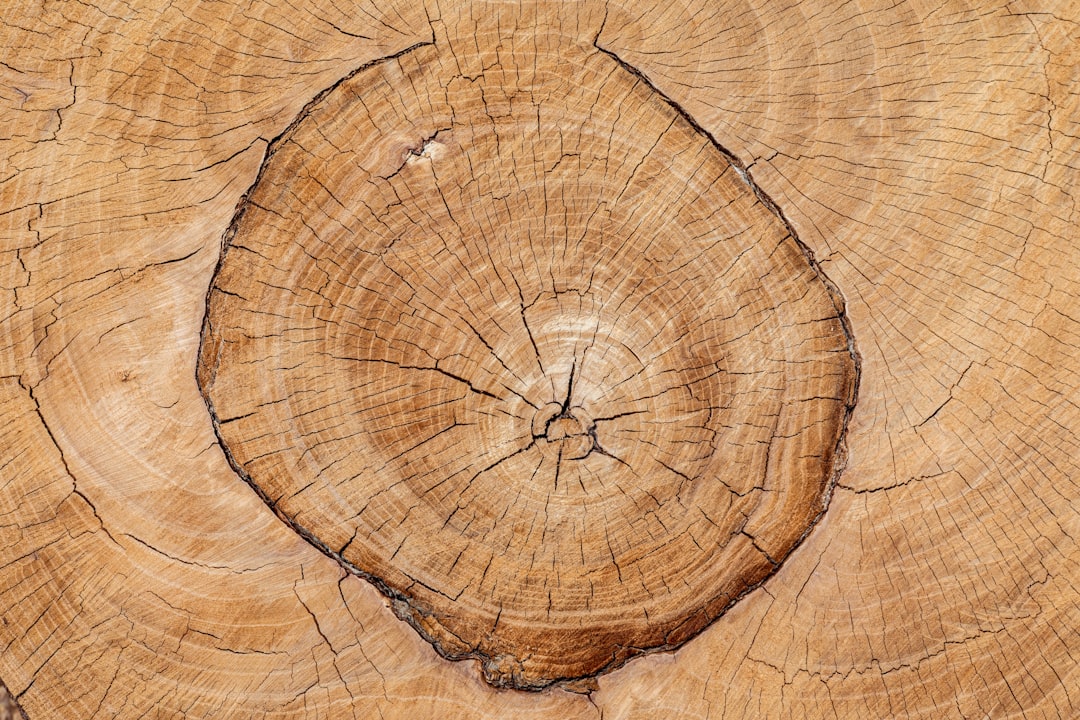
Oak bark for digestive health — white oak (Quercus alba) inner bark contains the highest concentration of medicinal tannins.
Oak bark for digestive health has been a staple of Western herbal practice for centuries. It remains one of the most reliable astringent herbs in the materia medica. Derived from the bark of Quercus alba (white oak), a native North American hardwood in the Fagaceae family, it delivers a concentrated dose of tannins and gallic acid. These constituents act directly on inflamed and irritated mucous membranes. For anyone navigating digestive inflammation, diarrhea, or gut laxity, understanding how this herb works is worth the time.
White Oak Tree: Identification and Harvest
The white oak grows across eastern North America, from southern Ontario down through the southeastern United States. It is one of the most ecologically significant hardwoods on the continent. In older specimens, the deeply furrowed, whitish-grey bark is immediately recognizable. For medicinal purposes, however, the inner bark of young branches — typically two to five years old — holds the therapeutic value. Herbalists discard the outer bark. Additionally, younger inner bark contains a higher proportion of soluble tannins than older, heavily lignified tissue, making harvest timing meaningful rather than arbitrary.
Oak Bark in Traditional Western Herbalism
Oak bark’s place in Western herbalism predates European settlement in North America. Multiple Indigenous nations across the eastern woodlands — including Anishinaabe, Cherokee, and Haudenosaunee communities — recorded medicinal uses of various Quercus species for diarrhea, wound care, and inflammatory gut conditions. Furthermore, European herbalists recognized in white oak an analogue to European oak (Quercus robur), long listed in Old World pharmacopoeias for its astringent properties. By the nineteenth century, white oak bark held an official entry in the United States Pharmacopoeia.
Here’s why that matters: oak bark is not a herb that depends on tradition alone. Chemistry directly explains its actions, and that chemistry has been consistently documented and studied. Therefore, oak bark is a predictable and trustworthy herb — one that earns its place in a protocol because the mechanism is understood. In the context of digestive health, the clinical indication centres on states of excess laxity, secretion, or inflammation in the gut lining. This is where the primary action of its tannins applies most directly.
At Herbal Clinic, we carry Quercus alba oak bark as both a tincture and a dried herb. Consequently, whether you are working with a practitioner on a targeted protocol or building a broader digestive wellness routine, both forms are available.
How Oak Bark Works: Tannins, Gallic Acid, and the Astringent Mechanism

Oak bark tincture — alcohol extraction draws out both the tannins and gallic acid that define the herb’s therapeutic activity.
Oak bark for digestive health works through one primary mechanism: astringency. The bark of Quercus alba contains a substantial concentration of tannins — primarily ellagitannins and condensed proanthocyanidins — along with gallic acid, a polyphenolic compound with independent antimicrobial and antiparasitic activity. Together, these constituents make oak bark one of the more biochemically coherent herbs in the Western materia medica.
How Tannins Work on the Gut Lining
Tannins act by precipitating proteins. They bind to proteins on contact and cause them to condense. On a mucous membrane, this creates a temporary protective layer that reduces secretion, limits tissue permeability, and exerts a mild anti-inflammatory effect on the underlying tissue. Furthermore, this protein-binding action is not selective: it works on the mucosal surface of the gut, on skin, and on any protein-rich tissue the herb contacts directly. This is the core of astringency, and it explains why oak bark applies both internally for digestive complaints and externally for skin conditions.
In the gastrointestinal tract, this mechanism addresses states of excessive secretion and tissue laxity — the underlying conditions in many presentations of diarrhea and intestinal inflammation. However, astringency does not suppress gut motility the way pharmaceutical antidiarrheals do. Nor does it address root-cause inflammation directly. Instead, it tones the mucosal surface and reduces secretory excess while the underlying condition resolves. As a result, oak bark works best as part of a broader protocol rather than a standalone long-term intervention.
Oak Bark, Gallic Acid, and Parasite Protocols
Gallic acid adds further dimension. Beyond its contribution to the astringent effect, research on gallic acid documents antifungal and antiparasitic activity, giving oak bark secondary usefulness in protocols for dysbiosis, intestinal fungal overgrowth, or parasitic infection. Moreover, when combined with black walnut hull (Juglans nigra), oak bark’s tissue-toning action complements black walnut’s anthelmintic juglone content. The combination is a recognized staple of parasite-focused herbal protocols for this reason.
Topically, the same astringent mechanism applies to skin. Oak bark is traditionally associated with suppurative skin infections — weeping wounds, fungal skin conditions, and inflammatory skin eruptions with excess exudate. The tannins draw the tissue, reduce discharge, and create an environment less favourable to pathogen growth. This dual affinity for gastrointestinal and dermal tissue reflects how a single biochemical action serves different clinical ends depending on the route of application.
For comparison: Salix alba (white willow bark) is the listed substitute for oak bark. It shares a similar tannin profile and comparable astringent action. Nevertheless, willow also contains salicylates — analgesic and anti-inflammatory compounds absent in oak — making the two herbs related but not identical. The choice between them depends on which properties the clinical picture most requires.
Using Oak Bark for Digestive Health: Tincture, Tea, and Practical Notes
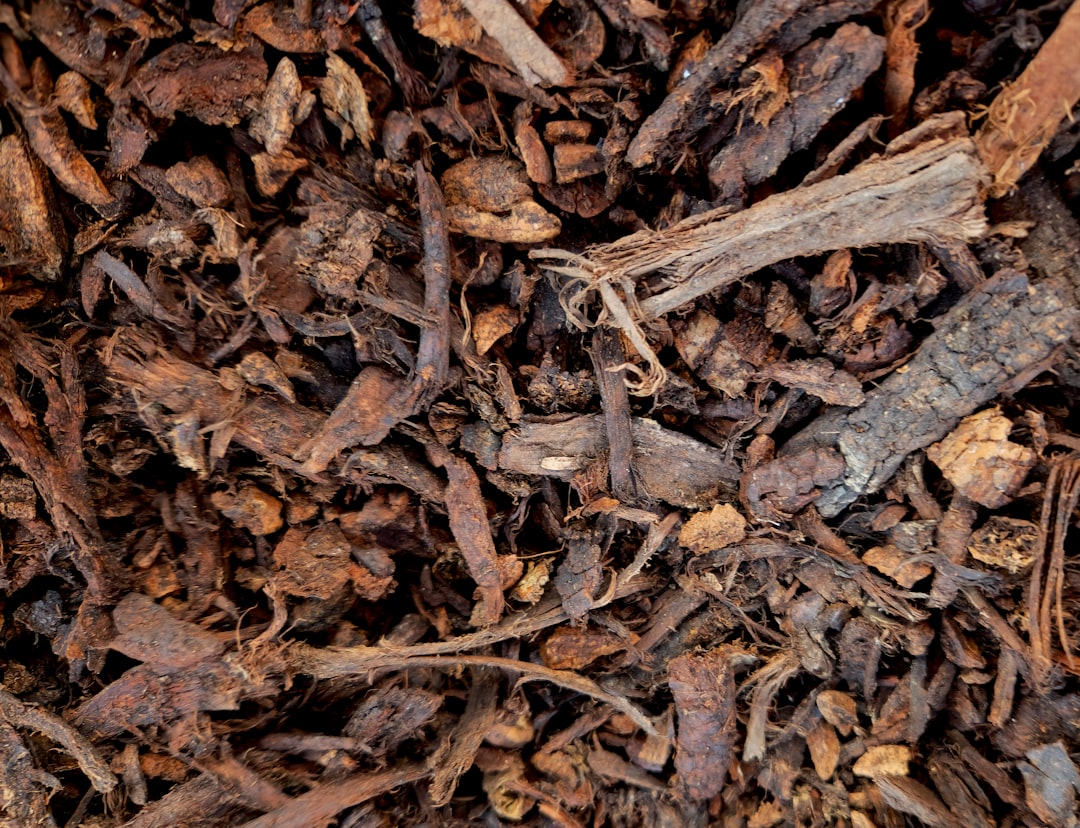
Dried oak bark — suitable for decoction or tincturing, depending on the intended use.
Oak bark for digestive health is available in two primary forms: as a tincture and as a dried herb for tea. Each preparation has distinct strengths, and understanding the difference is useful when choosing how to work with this herb.
Tincture vs. Decoction: Which to Choose
A tincture extracts the tannins and gallic acid in alcohol, producing a concentrated liquid with a long shelf life. Additionally, tinctures offer precise and consistent dosing, which makes them convenient for daily use. For topical applications — skin infections, weeping wounds, or hemorrhoids — dilute the tincture in water and apply via compress or wash. This delivers the same astringent action externally that it provides internally. The alcohol base also ensures that gallic acid, which has good solubility in ethanol, extracts fully into the preparation.
Oak bark tea, prepared as a decoction from the dried inner bark, delivers the herb’s tannins in water. However, a decoction differs from a simple infusion: the woody nature of bark requires sustained simmering — typically 15 to 20 minutes — rather than a brief steep. Polyphenols and tannins from hard plant tissue release more fully under prolonged heat. Many traditional herbalists preferred the decoction for gut-specific complaints. Their reasoning: the tannins act directly on the gastrointestinal mucosa as the liquid passes through, providing a surface-level interaction before systemic absorption occurs.
Oak Bark for Digestive Health: Dosing and Herb Pairings
Here’s a practical consideration worth noting: oak bark works best as a corrective rather than a long-term tonic. The astringent action suits states of excess — loose stools, weeping skin, inflamed gut mucosa — and supports short to medium-term protocols tied to a specific clinical presentation. Furthermore, because tannins bind to minerals and other compounds in the digestive tract, practitioners typically recommend taking oak bark away from meals and other supplements.
For broader digestive protocols, oak bark pairs naturally with other gut-supportive herbs. As one example, dandelion root addresses liver and bile production — a complementary focus to oak bark’s mucosal toning action. For parasite protocols specifically, the pairing with black walnut hull remains a recognized and widely used combination.
At Herbal Clinic, oak bark (Quercus alba) is available as a 1:5 tincture in sizes from 100 mL to 1000 mL and as a dried herb. A glycerite version is also available for those avoiding alcohol. All tinctures use the classic tincturing method with controlled alcohol percentages, and third-party lab testing confirms quality before final bottling. As a result, what you receive is a consistent, reliably potent preparation.
FAQ
- Superior Sourcing: Our herbs are sourced from all over the world to avoid seasonal fluctuations in availability, keeping herbs accessible. Our suppliers meet strict standards that ensure top quality herbs, most of which are organic, wildcrafted, sustainably grown, or grown using permaculture. We support local farmers and grow many of our own herbs.
- Superior Processing: Our tinctures are made using the classic tincturing method. The tinctures are made in a 1:5 ratio which allows for the optimal extraction of the herb. The alcohol percentage is strictly controlled depending on the herb and part of the plant that is used.
- Superior Selection: We take pride in our growing selection of over 300 individual herbs. If we don’t carry the herb you’re seeking, we can likely track it down for you.
- Superior Quality Control: Our tinctures are thoroughly tested by a third-party lab and with an organoleptic evaluation by our team of herbalists prior to final bottling.
- Superior Price: Our tinctures are more cost-effective than other tinctures on the market. With an eye towards efficiency, we keep our costs low by maintaining good relationships with our wide network of suppliers and ordering herbs in bulk quantities.
- We Care About the Environment: We repackage materials that are shipped to us (so don’t be surprised if our packages look different from time to time!). We recycle or reuse materials whenever possible. We turn the cardboard we receive from other suppliers into packing material. We donate to avoid waste to groups like Naturopaths Without Borders. Our workforce almost completely uses public transportation or bikes. We are powered using 100% renewable energy through Bullfrog Power.
- We Donate To Charity: We support many causes that make the world better. We donate a portion of our profits or products. These include charities that support environmental and natural sustainability.
Set up an online account and order through the website. If you don’t have an account and place an order, one will be created for you.
Click here to subscribe to our mailing list.
Our products are made in Toronto, Ontario, Canada by a team of Herbalists and Naturopathic Doctors. The herbs and ingredients we use to make our products are sourced both locally and globally to keep herbs accessible and sustainable.
The majority of our herbs are certified organic, sustainably wildcrafted, or come from small-scale local organic farms that do not yet have organic certification. We always do our best to provide organic herbs in your formulas. We work with a variety of suppliers to keep costs low.
Although most of our products do not contain gluten, we do not have gluten-free certification for our production facility. Feel free to ask about any specific products and we’ll share whatever information we have available.
For liability and regulatory reasons, we don’t make any claims as to how our herbs should be used, including dosing recommendations. Please review our disclaimer, as well as our terms and policies.