Part of our complete guide to classical Chinese liver and stress formulas.
Si Ni San for Liver Qi Stagnation: Origins and Formula
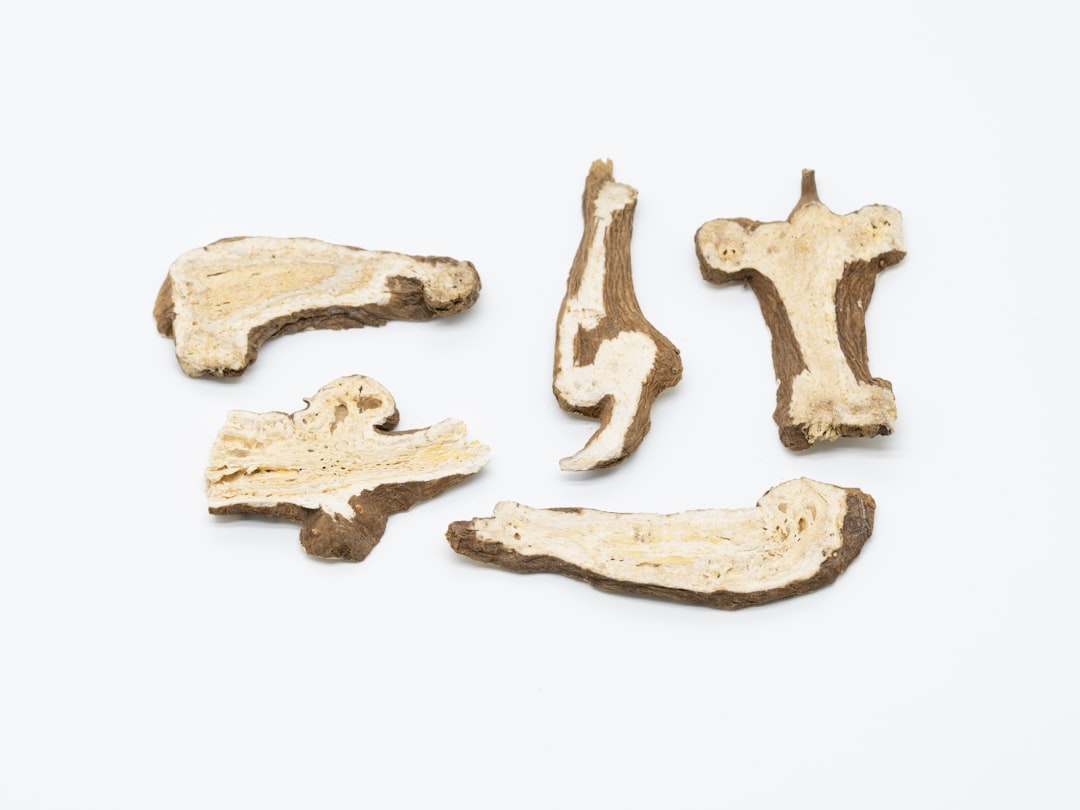
The herbs of Si Ni San have been used in Chinese medicine for nearly 1,800 years.
Si ni san for liver qi stagnation is one of the oldest recorded clinical formulas in Chinese medicine. Zhang Zhong-jing first described it in the Shang Han Lun — the Treatise on Cold Damage Diseases — around 220 AD. The name means “Four Reversal Powder.” It describes a specific symptom: cold hands and feet that arise not from a lack of warmth, but from blocked Qi flow.
Here’s how it works. In Chinese medicine, the Liver governs the smooth movement of Qi — the body’s functional energy. When stress or frustration builds, the Liver loses its ability to move Qi freely. As a result, that energy stagnates and stops reaching the hands and feet. The extremities turn cold even when the body’s core stays warm.
In fact, this is what makes si ni san for liver qi stagnation distinct from warming formulas. It does not add warmth. Instead, it resolves the constraint that is blocking circulation.
Specifically, the formula contains four herbs, each with a distinct role:
- Chai Hu (Bupleurum sinensis) — the lead herb. It moves Liver Qi, releases constraint, and restores smooth flow upward and outward.
- Zhi Shi (Roasted Unripe Bitter Orange, Citrus aurantium) — breaks accumulated Qi in the chest and abdomen, dispersing where blockage gathers.
- Bai Shao (White Peony Root, Paeonia lactiflora) — nourishes Liver Blood and softens tension. It balances Chai Hu’s outward drive to keep dispersal controlled.
- Zhi Gan Cao (Honey-Fried Licorice, Glycyrrhiza uralensis) — harmonizes all four herbs and supports Spleen function.
Notably, the balance between these herbs matters. Chai Hu and Zhi Shi disperse and move. Bai Shao nourishes and holds. Without that counterbalance, excessive dispersal would scatter Qi rather than restore flow. Indeed, herbalists have refined this proportion over nearly two millennia of clinical practice.
The Shang Han Lun is one of the foundational texts of Chinese medicine. Zhang Zhong-jing wrote it during a period of epidemic illness in the Han dynasty, refining formulas through direct clinical observation. Many of those formulas remain in active use today. Si Ni San is one of the shorter ones — only four herbs — but its clinical reach is wide. Specifically, it treats the pattern rather than individual symptoms. Si ni san for liver qi stagnation applies wherever the underlying cause — Liver Qi constraint blocking flow — is present, whether the main complaint is emotional, digestive, or physical.
In Chinese medicine, spring connects closely to the Liver. The season’s upward, outward energy mirrors the Liver’s natural movement. When Liver Qi stagnates in spring, si ni san for liver qi stagnation becomes especially relevant. Therefore, many TCM practitioners reach for this formula most actively during the spring months.
Additionally, Herbal Clinic carries Si Ni San as a liquid tincture in four sizes: 100mL, 250mL, 500mL, and 1000mL — the classical four-herb formula in a pharmaceutical-grade alcohol base.
How Si Ni San Works for Liver Qi Stagnation
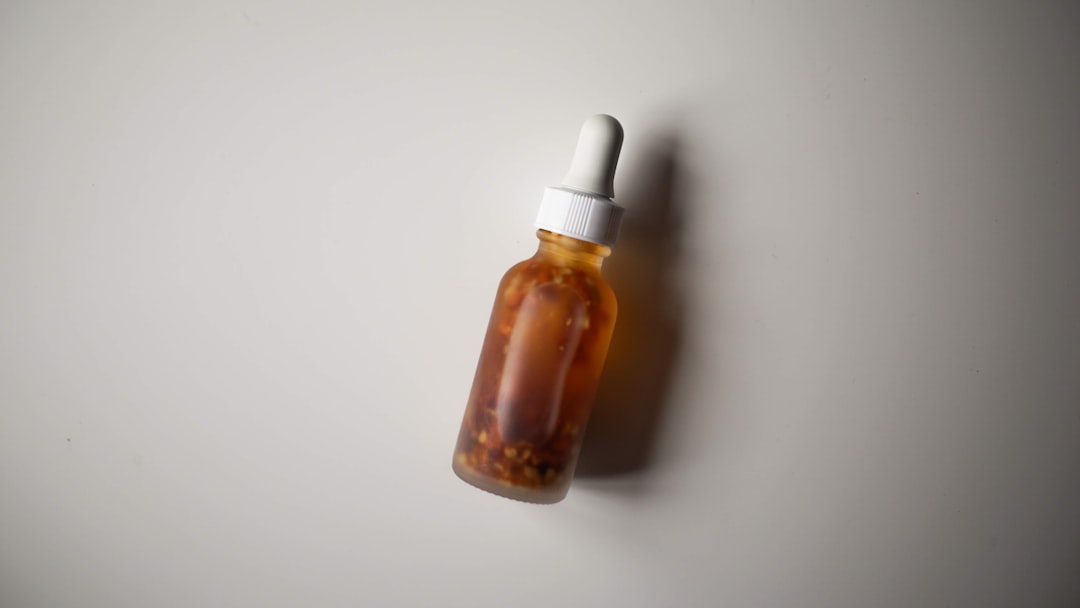
Si Ni San targets the pattern where emotional tension and physical symptoms reinforce each other.
Si ni san for liver qi stagnation targets a specific clinical pattern: Liver Qi constraint, frequently combined with Liver-Spleen disharmony. Together, these two elements explain why the formula applies to such a range of symptoms — from emotional tension and cold extremities to stress-linked digestive complaints.
In Chinese medicine, the Liver keeps Qi flowing smoothly throughout the body. When that function breaks down — from chronic stress, frustration, or suppressed emotion — Qi backs up. You may feel this as chest tightness, internal pressure, pain along the ribcage, or a recurring need to sigh. These are classic signs of Liver Qi constraint.
Si Ni San for Liver Qi Stagnation: Common Patterns
Practitioners use the formula for:
- Liver Qi constraint — chest tightness, hypochondriac fullness, irritability, frequent sighing
- Qi-blocked cold extremities — cold hands and feet from constraint, not from cold deficiency
- Liver-Spleen disharmony — stress-related bloating, abdominal distension, irregular digestion
- Combined emotional-physical tension — the pattern where mood and body symptoms worsen together
But there’s more to it than that. The Liver and Spleen function as a pair in Chinese medicine. A stagnant Liver often disrupts Spleen function — the organ responsible for digestion. Consequently, many people with Liver Qi constraint also develop stress-linked digestive symptoms: bloating, abdominal tension, or bowel irregularity that worsens under emotional pressure.
Research on Si Ni San’s Key Herbs
Research on Si Ni San/u2019s Key Herbs/h3>
Research into the formula’s herbs supports these traditional uses. Bupleurum (Chai Hu) contains plant compounds called saikosaponins, which studies link to liver-protective and anti-inflammatory effects. Similarly, White Peony (Bai Shao) contains paeoniflorin — research associates this compound with calming effects and reduced smooth muscle tension. Furthermore, studies on Bitter Orange (Zhi Shi) show activity on gut motility, consistent with the formula’s traditional role in stress-linked digestive complaints.
Research on the full Si Ni San formula has also examined its effects on the autonomic nervous system. Several of its herbs — notably Bai Shao and Chai Hu — appear to modulate both the stress response and gut motility. This dual action mirrors what TCM describes as the Liver-Spleen relationship: two systems that influence each other strongly under stress. Moreover, clinical observations have examined the formula in patients with chronic hepatitis and stress-related gastrointestinal conditions, finding improvements in both liver function markers and digestive symptoms.
TCM practitioners have long used si ni san for liver qi stagnation in women presenting with premenstrual symptoms — mood changes, breast tenderness, and abdominal distension before menstruation. These symptoms fit the Liver Qi constraint pattern closely. However, the formula applies to any person showing the matching pattern, regardless of sex.
In summary, si ni san targets the point where emotional constraint and physical symptoms overlap. If stress tightens the chest, cools the hands and feet, and disrupts digestion at the same time — that is the pattern this formula addresses.
How to Use Si Ni San: A Practical Guide
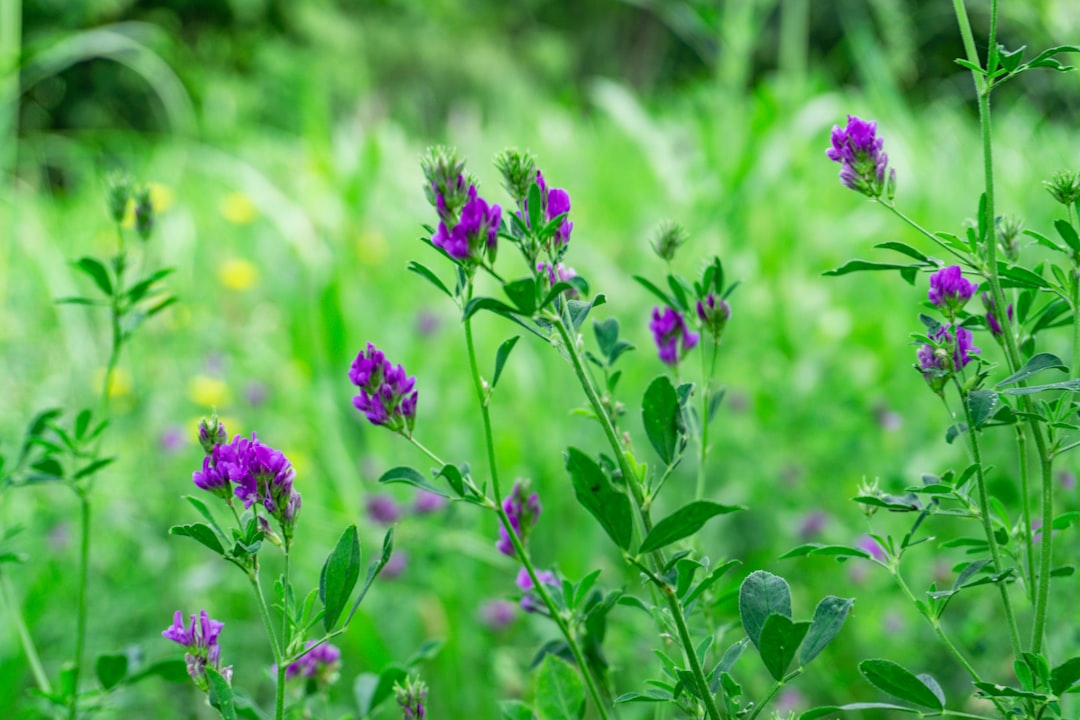
Spring is the Liver’s season in Chinese medicine — a natural time to support smooth Qi flow.
Si ni san for liver qi stagnation is available at Herbal Clinic as a liquid tincture. The classical form was a brewed decoction — the four herbs powdered and boiled in warm water. Modern tinctures capture the same active compounds in a stable, alcohol-preserved liquid that needs no preparation.
Additionally, liquid tinctures allow for easy dose adjustment — useful when working with Liver Qi patterns that shift as stress levels change over time.
Choosing the Right Size
Specifically, Herbal Clinic’s Si Ni San comes in four sizes:
- 100mL — a practical starting point for first-time users
- 250mL — suitable for ongoing use
- 500mL and 1000mL — larger volumes for practitioners and long-term supplementation
In practice, most people take liquid tinctures by adding drops to a small amount of water. The specific amount varies with individual constitution and practitioner guidance.
Si Ni San vs. Xiao Yao San
Many people encounter Si Ni San alongside Xiao Yao San — another classical formula for Liver Qi stagnation. The two formulas are related but target distinct patterns. Si Ni San suits more acute Qi constraint, where tension is strong and cold extremities are a clear sign. Xiao Yao San, in contrast, addresses a pattern that also includes Liver Blood deficiency and Spleen weakness. It tends to be gentler and better suited to chronic, depleted presentations.
Moreover, practitioners sometimes combine the two formulas or rotate between them as the pattern changes. Therefore, a qualified TCM practitioner is the best resource for matching formula to pattern. Nevertheless, understanding the distinction helps clarify why both formulas appear so often together in discussions of liver support through herbal medicine.
When Si Ni San May Not Be the Right Fit
When Si Ni San for Liver Qi Stagnation May Not Apply/h3>
A note on when Si Ni San is not the best fit: the formula targets Qi constraint, not deficiency. If the main pattern involves significant fatigue, weakness, or cold throughout the body — not just in the extremities under stress — a nourishing formula is more appropriate. Si Ni San suits a wound-up, tense, blocked presentation. When depletion is the dominant pattern rather than constraint, a TCM practitioner would typically consider a different formula or a combination approach.
In practice, Liver Qi patterns often include some degree of Liver Blood deficiency. This is why Bai Shao (White Peony) is part of the formula — it addresses the Blood component alongside the Qi constraint. However, when Blood deficiency is the dominant pattern, additional herbal support is typically needed.
At Herbal Clinic, we make Si Ni San in Toronto using pharmaceutical-grade alcohol and carefully sourced herb extracts. Our team of herbalists checks each batch by taste and smell before bottling. Herbal Clinic and Perfect Herbs are committed to quality sourcing and transparent production — so you know exactly what goes into every bottle.
These statements have not been evaluated by Health Canada. This product is not intended to diagnose, treat, cure, or prevent any disease.
FAQ
- Superior Sourcing: Our herbs are sourced from all over the world to avoid seasonal fluctuations in availability, keeping herbs accessible. Our suppliers meet strict standards that ensure top quality herbs, most of which are organic, wildcrafted, sustainably grown, or grown using permaculture. We support local farmers and grow many of our own herbs.
- Superior Processing: Our tinctures are made using the classic tincturing method. The tinctures are made in a 1:5 ratio which allows for the optimal extraction of the herb. The alcohol percentage is strictly controlled depending on the herb and part of the plant that is used.
- Superior Selection: We take pride in our growing selection of over 300 individual herbs. If we don’t carry the herb you’re seeking, we can likely track it down for you.
- Superior Quality Control: Our tinctures are thoroughly tested by a third-party lab and with an organoleptic evaluation by our team of herbalists prior to final bottling.
- Superior Price: Our tinctures are more cost-effective than other tinctures on the market. With an eye towards efficiency, we keep our costs low by maintaining good relationships with our wide network of suppliers and ordering herbs in bulk quantities.
- We Care About the Environment: We repackage materials that are shipped to us (so don’t be surprised if our packages look different from time to time!). We recycle or reuse materials whenever possible. We turn the cardboard we receive from other suppliers into packing material. We donate to avoid waste to groups like Naturopaths Without Borders. Our workforce almost completely uses public transportation or bikes. We are powered using 100% renewable energy through Bullfrog Power.
- We Donate To Charity: We support many causes that make the world better. We donate a portion of our profits or products. These include charities that support environmental and natural sustainability.
Set up an online account and order through the website. If you don’t have an account and place an order, one will be created for you.
Click here to subscribe to our mailing list.
Our products are made in Toronto, Ontario, Canada by a team of Herbalists and Naturopathic Doctors. The herbs and ingredients we use to make our products are sourced both locally and globally to keep herbs accessible and sustainable.
The majority of our herbs are certified organic, sustainably wildcrafted, or come from small-scale local organic farms that do not yet have organic certification. We always do our best to provide organic herbs in your formulas. We work with a variety of suppliers to keep costs low.
Although most of our products do not contain gluten, we do not have gluten-free certification for our production facility. Feel free to ask about any specific products and we’ll share whatever information we have available.
For liability and regulatory reasons, we don’t make any claims as to how our herbs should be used, including dosing recommendations. Please review our disclaimer, as well as our terms and policies.