Part of our complete guide to classical Chinese digestive formulas.
Ma Zi Ren Wan for Constipation: History and Origins
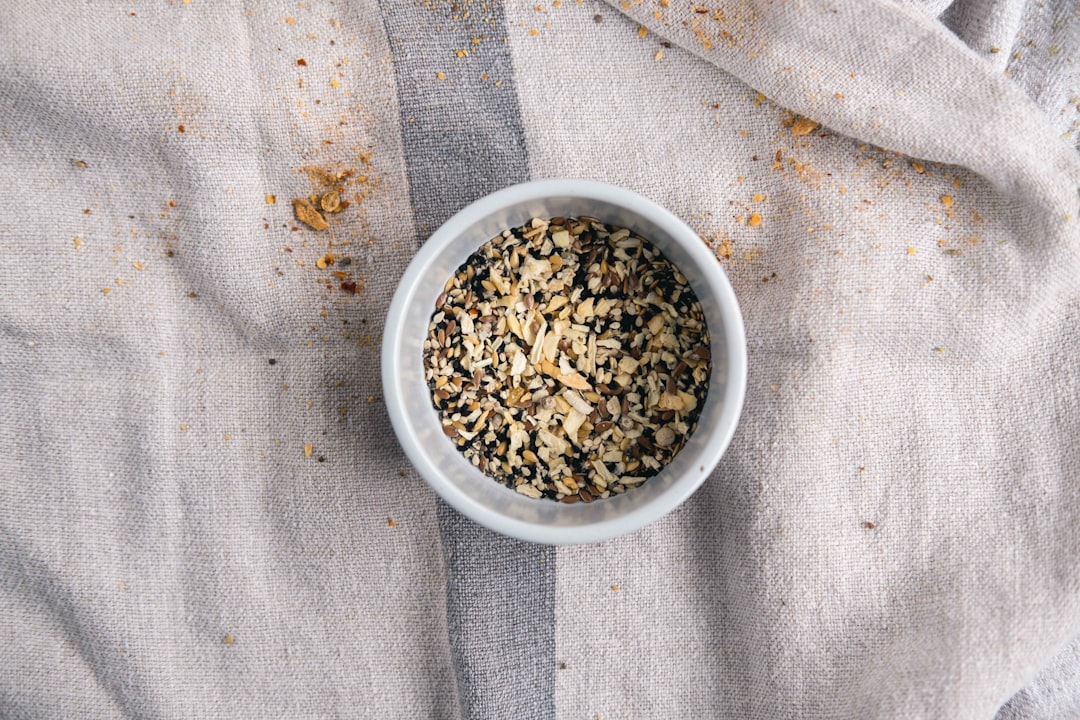
Known as the Hemp Seed Pill, this formula has been used in Chinese herbal medicine for nearly 2,000 years.
Ma zi ren wan for constipation is one of the oldest formulas in Chinese herbal medicine. Zhang Zhongjing first recorded it in the Shang Han Lun — the Treatise on Cold Damage Disorders — around 200 CE. That is nearly 2,000 years ago. Indeed, practitioners still reach for this formula today, particularly when patients present with dry, hard stools and persistent straining.
Here’s what distinguishes it from most modern approaches: it does not work by forcing the bowels. Instead, it moistens dry intestinal tissue and clears the internal heat that produced the dryness. The result is a gentler, more sustainable approach to a pattern that harsh laxatives often make worse over time.
A Classical Pattern: Pi Yue
The Shang Han Lun is one of the foundational texts in TCM clinical practice. Zhang Zhongjing organised it around specific disease patterns — detailed clinical pictures that guide formula selection with precision. Ma Zi Ren Wan belongs to the pattern called Pi Yue, which translates roughly as Spleen constraint.
The Pi Yue framework used pattern-based medicine as its core approach. A practitioner did not simply treat the symptom of constipation — they identified the mechanism behind it and selected a formula to match. This means Ma Zi Ren Wan is not a one-size-fits-all laxative. It is a targeted formula for a specific clinical picture.
In Pi Yue, excess heat accumulates in the Stomach. In time, that heat dries out the large intestine. The Spleen, responsible for distributing fluids throughout the body, cannot keep pace. As a result, stool becomes dry and difficult to pass. Also, infrequent bowel movements, straining, and a sense of incomplete emptying are common signs of this pattern.
Furthermore, Pi Yue is not the same as constipation from cold, deficiency, or pure qi stagnation. Each pattern calls for a different formula. A warming formula would worsen the Pi Yue picture. For instance, a strong purgative might offer short-term relief but would not restore moisture to the intestines. Ma Zi Ren Wan targets dryness and heat together — that specificity is what makes it effective for this presentation.
The Six-Herb Formula
The formula’s English name — Hemp Seed Pill — comes from its chief herb. That herb is Ma Zi Ren, or hemp seed (Cannabis sativa). In fact, hemp seed is rich in plant oils and fatty acids. It acts as a moistening agent for the intestinal lining. The five supporting herbs are:
- Apricot Kernel (Xing Ren, Prunus armeniaca): moistens the lungs and large intestine; supports downward qi movement
- White Peony root (Bai Shao, Paeonia lactiflora): nourishes blood and yin; helps restore the body’s fluid resources
- Rhubarb root (Da Huang, Rheum palmatum): clears Stomach heat; moves the bowels with a mild downward action
- Magnolia bark (Hou Po, Magnolia officinalis): moves stagnant qi in the digestive tract
- Immature Bitter Orange (Zhi Shi, Citrus aurantium): breaks up qi accumulation; supports downward intestinal movement
Together, these six herbs address the full Pi Yue picture. That means dryness, heat, and qi stagnation in the large intestine. In contemporary herbal practice, ma zi ren wan for constipation remains one of the most frequently prescribed TCM formulas for this pattern. Herbal Clinic prepares it as a liquid tincture, available in sizes from 100mL to 1000mL.
How Ma Zi Ren Wan Works for Constipation
Classical TCM formulas combine multiple herbs into precise, balanced preparations.
Understanding how ma zi ren wan works for constipation means looking at each herb’s contribution. This is not a one-ingredient preparation. Specifically, it combines moistening agents, heat-clearing herbs, and qi-movers into a single, balanced formula. Moreover, each ingredient addresses a different part of the Pi Yue picture.
What Each Herb Contributes
Hemp seed (Ma Zi Ren) anchors the formula with its lubricating action. It is rich in plant fats and oils — natural compounds that coat and soften dry intestinal tissue. In modern terms, it acts as a gentle emollient for the large intestine. Additionally, hemp seed contains proteins and plant fats that support the gut lining over time.
However, hemp seed alone would not fully resolve the Pi Yue pattern. That is why rhubarb root (Da Huang) plays a key supporting role. In particular, rhubarb contains natural plant compounds that stimulate intestinal movement and clear Stomach heat. It also adds a mild downward-draining action to the formula. Importantly, the moistening herbs keep this action in balance. The result is easier bowel movement without the cramping or fluid loss that harsh purgatives can cause.
White Peony root (Bai Shao) nourishes blood and yin in TCM terms. Both relate to the body’s fluid reserves. In a dryness pattern, replenishing these reserves helps restore moisture to the intestinal lining. As a result, stool softens gradually over time. Apricot Kernel (Xing Ren) works in a similar direction. In TCM, the lungs and large intestine are paired organs. Consequently, Apricot Kernel moistens both, supporting downward qi movement through the digestive tract.
For their part, Magnolia bark (Hou Po) and Immature Bitter Orange (Zhi Shi) bring qi-moving action to the formula. In constipation, qi often backs up alongside fluid deficiency. Therefore, moving that qi helps restore the downward flow the intestines need to function. These two herbs ensure the formula does not simply add moisture — it also clears the way for normal bowel movement to resume.
Research and Clinical Findings
In TCM theory, this aligns with how the formula is built. Herbs that clear heat and move qi tend to produce results quickly. Moistening and nourishing herbs, however, take longer to rebuild the body’s fluid resources. In practice, this means the formula often offers some relief early on while also supporting a more gradual restoration of intestinal moisture with continued use.
Modern research has examined ma zi ren wan for constipation in clinical settings. Studies published in journals including the World Journal of Gastroenterology have found the formula associated with improved stool consistency. Researchers also noted reduced straining in participants with functional constipation. Additional studies have explored its use in post-operative constipation and IBS with a constipation-dominant pattern.
Most importantly, practitioners note that this formula is generally well-tolerated for longer-term use. Indeed, many laxative herbs produce dependence or rebound constipation when stopped. Ma Zi Ren Wan does not carry that same risk, largely because moistening — not forcing — is its primary action. For chronic dry constipation, that distinction matters.
How to Take Ma Zi Ren Wan for Constipation
Herbal Clinic prepares Ma Zi Ren Wan as a liquid tincture using the six classical herbs.
At Herbal Clinic, ma zi ren wan for constipation is prepared as a liquid tincture. This format has practical advantages over the traditional pill or granule form. Furthermore, liquid extracts absorb efficiently. They also allow a practitioner to adjust quantities without switching products.
Choosing a Size
The formula is available in four sizes: 100mL, 250mL, 500mL, and 1000mL. For a first use, the 100mL is a good starting point. The 250mL and 500mL are the most popular sizes for ongoing use. The 1000mL suits households where the formula is used regularly by more than one person.
You typically take liquid tinctures diluted in a small amount of warm water. How and when to take this formula is best guided by a practitioner trained in TCM. In particular, the pattern matters here. Someone whose constipation stems from cold or deficiency would need a different formula entirely. A TCM practitioner can assess whether the Pi Yue picture fits your situation.
It is also worth noting how this formula differs from single-herb laxatives. A herb like senna or cascara primarily purges — it forces the bowels with a strong downward action. Ma Zi Ren Wan does not work this way. Furthermore, it does not deplete fluids in the process. That makes it a fundamentally different kind of digestive support, and one that suits longer periods of use.
Who This Formula Suits
Ma Zi Ren Wan suits dry constipation specifically. This means hard stools that are difficult to pass, infrequent bowel movements, and a sense of intestinal dryness. For example, someone who notices constipation worsening in dry conditions or during periods of low fluid intake may be showing this pattern. In TCM, the Pi Yue picture often presents alongside other signs of dryness — dry skin, dry lips, or low thirst.
Additionally, the tincture form suits longer treatment periods well. In TCM clinical practice, addressing a chronic dryness pattern takes time. The body rebuilds its fluid resources gradually. A daily tincture is easier to maintain than counting pills or mixing granules — especially for those using herbal medicine as part of a broader wellness routine.
In practice, this formula sometimes combines well with others. Those with Spleen qi deficiency alongside the dryness pattern may benefit from pairing Ma Zi Ren Wan with Si Jun Zi Tang for digestive qi support. People with concurrent fatigue and poor digestion might also benefit from Gui Pi Tang for fatigue and digestive weakness. A qualified practitioner guides these combinations based on the full clinical picture.
Overall, Herbal Clinic sources each of the six herbs to consistent quality standards. Each batch undergoes evaluation before bottling. Because of this, what you receive reflects the classical six-herb ratio — not a simplified extract. The tincture contains Roasted Hemp Seed, Apricot Kernel Seed, White Peony, Rhubarb, Magnolia, and Roasted Unripe Bitter Orange, prepared in reverse osmosis water and gluten-free pharmaceutical grade alcohol.
These statements have not been evaluated by Health Canada. This product is not intended to diagnose, treat, cure, or prevent any disease.
FAQ
- Superior Sourcing: Our herbs are sourced from all over the world to avoid seasonal fluctuations in availability, keeping herbs accessible. Our suppliers meet strict standards that ensure top quality herbs, most of which are organic, wildcrafted, sustainably grown, or grown using permaculture. We support local farmers and grow many of our own herbs.
- Superior Processing: Our tinctures are made using the classic tincturing method. The tinctures are made in a 1:5 ratio which allows for the optimal extraction of the herb. The alcohol percentage is strictly controlled depending on the herb and part of the plant that is used.
- Superior Selection: We take pride in our growing selection of over 300 individual herbs. If we don’t carry the herb you’re seeking, we can likely track it down for you.
- Superior Quality Control: Our tinctures are thoroughly tested by a third-party lab and with an organoleptic evaluation by our team of herbalists prior to final bottling.
- Superior Price: Our tinctures are more cost-effective than other tinctures on the market. With an eye towards efficiency, we keep our costs low by maintaining good relationships with our wide network of suppliers and ordering herbs in bulk quantities.
- We Care About the Environment: We repackage materials that are shipped to us (so don’t be surprised if our packages look different from time to time!). We recycle or reuse materials whenever possible. We turn the cardboard we receive from other suppliers into packing material. We donate to avoid waste to groups like Naturopaths Without Borders. Our workforce almost completely uses public transportation or bikes. We are powered using 100% renewable energy through Bullfrog Power.
- We Donate To Charity: We support many causes that make the world better. We donate a portion of our profits or products. These include charities that support environmental and natural sustainability.
Set up an online account and order through the website. If you don’t have an account and place an order, one will be created for you.
Click here to subscribe to our mailing list.
Our products are made in Toronto, Ontario, Canada by a team of Herbalists and Naturopathic Doctors. The herbs and ingredients we use to make our products are sourced both locally and globally to keep herbs accessible and sustainable.
The majority of our herbs are certified organic, sustainably wildcrafted, or come from small-scale local organic farms that do not yet have organic certification. We always do our best to provide organic herbs in your formulas. We work with a variety of suppliers to keep costs low.
Although most of our products do not contain gluten, we do not have gluten-free certification for our production facility. Feel free to ask about any specific products and we’ll share whatever information we have available.
For liability and regulatory reasons, we don’t make any claims as to how our herbs should be used, including dosing recommendations. Please review our disclaimer, as well as our terms and policies.