Astragalus Root for Immune Support: Origins and Tradition
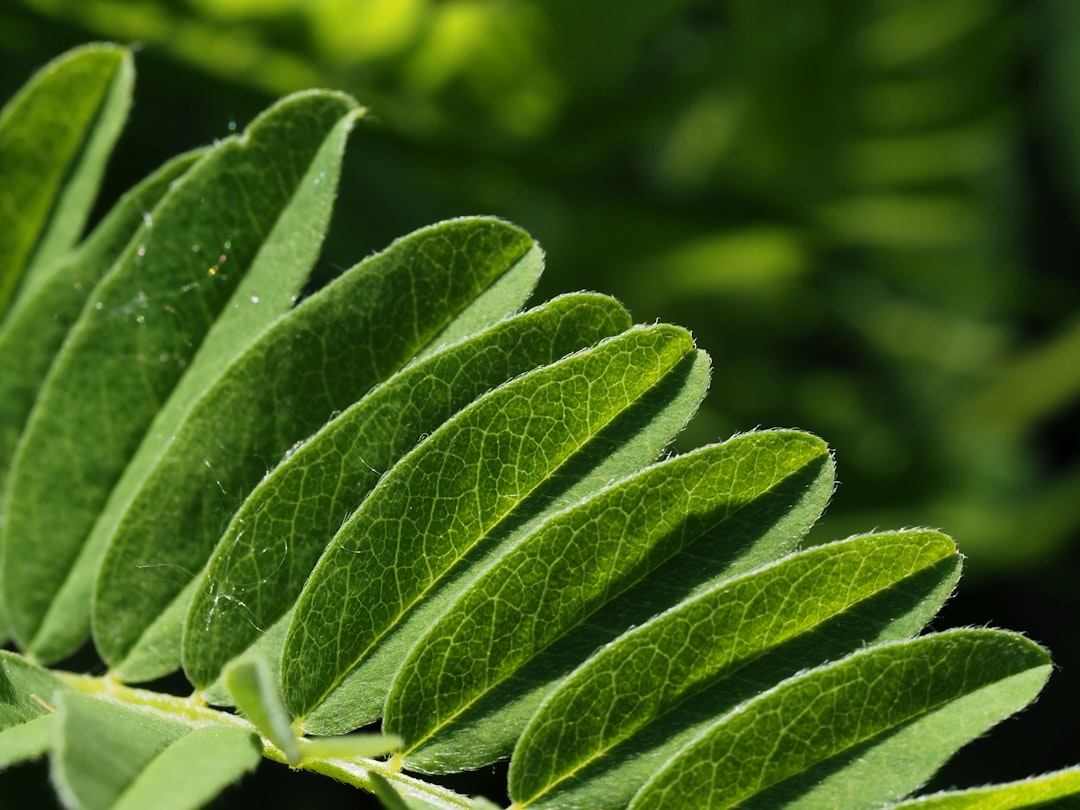
Astragalus root for immune support comes from Astragalus membranaceus, known in Chinese medicine as Huang Qi.
Astragalus root for immune support has anchored Chinese herbal medicine for more than two thousand years. Herbalists know it as Huang Qi, or “yellow leader.” The name nods to the deep yellow colour of the sliced root. Furthermore, it reflects its standing as one of the most trusted tonic herbs in the materia medica.
Practitioners reach for it in three common cases. First, the person who catches every cold going around. Second, the patient who takes weeks to bounce back from a flu. Third, anyone who simply runs out of steam by mid-afternoon.
Botanically, the plant belongs to the legume family, Fabaceae. It carries feathery leaflets and small pale-yellow pea-like flowers. In the wild, stands grow across the dry, cold steppes of northern China, Mongolia, and parts of Korea. Growers harvest the long taproot after four to seven years, so the active polysaccharides have time to develop.
Here’s why that matters: shorter cycles yield a thinner, weaker root. Traditional Chinese sources insist on older plants from the right soil. As a result, good modern suppliers still respect that standard.
However, the tradition is no longer only Eastern. Because the research on its immune-modulating polysaccharides emerged in the 1980s and 1990s, Western herbalists adopted astragalus widely during that period. Today it sits comfortably in both East Asian formulas and Western single-herb tinctures. Consequently, you will find it in classical TCM blends like Yu Ping Feng San and in modern immune bundles built for cold and flu season.
How Astragalus Root for Immune Support Actually Works
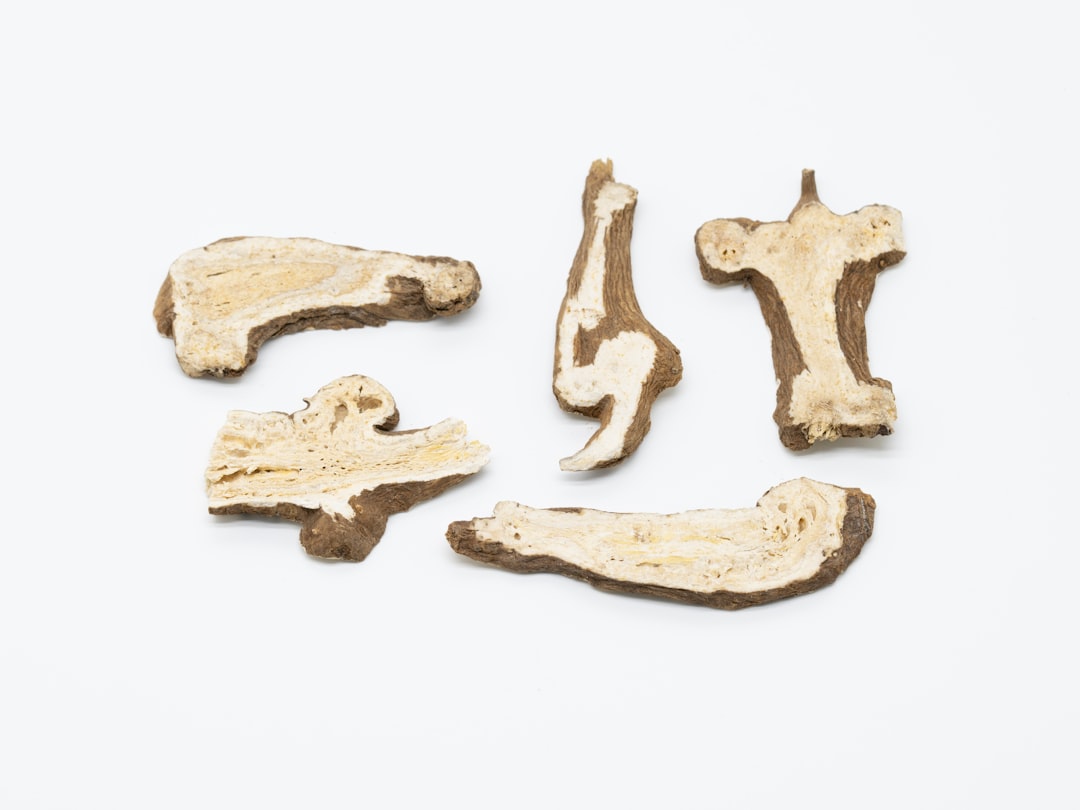
Sliced dried astragalus root, the form used in both tinctures and traditional decoctions.
One striking thing about astragalus root for immune support is its pace. It does not act like a stimulant. By contrast, echinacea ramps up white blood cell activity quickly when a cold sets in. Astragalus works on a slower timeline. Traditional Chinese medicine calls this layer Wei Qi, or defensive Qi: the body’s outer barrier against wind, cold, and pathogens.
The Active Compounds Inside the Root
Modern research points to a clear set of active compounds. The main group is astragalus polysaccharides. Saponins called astragalosides and a range of flavonoids round out the profile. Together, these polysaccharides support macrophage activity, T-cell function, and natural killer cell response. Meanwhile, the saponins carry mild adaptogenic and cardiovascular effects.
So what does this mean for you? In practical terms, astragalus suits people whose immunity has worn down over time. By comparison, it helps less in the middle of an acute infection. Furthermore, it pairs well with reishi mushroom and ginseng for the same reason. Each one builds the body’s underlying resilience instead of pushing it harder in the moment. For a related approach to long-term resilience, see our guide on reishi mushroom for stress and immunity.
Beyond daily resilience, astragalus carries a long reputation for supporting recovery. Traditional sources point to its use after illness or surgery, for low-grade fatigue, and for people who feel chronically depleted. Our Ginseng and Astragalus Combo follows the same logic. First, astragalus and ginseng lay the foundation. Then elderberry and echinacea step in when the body needs faster action.
Using Astragalus Root for Immune Support at Home
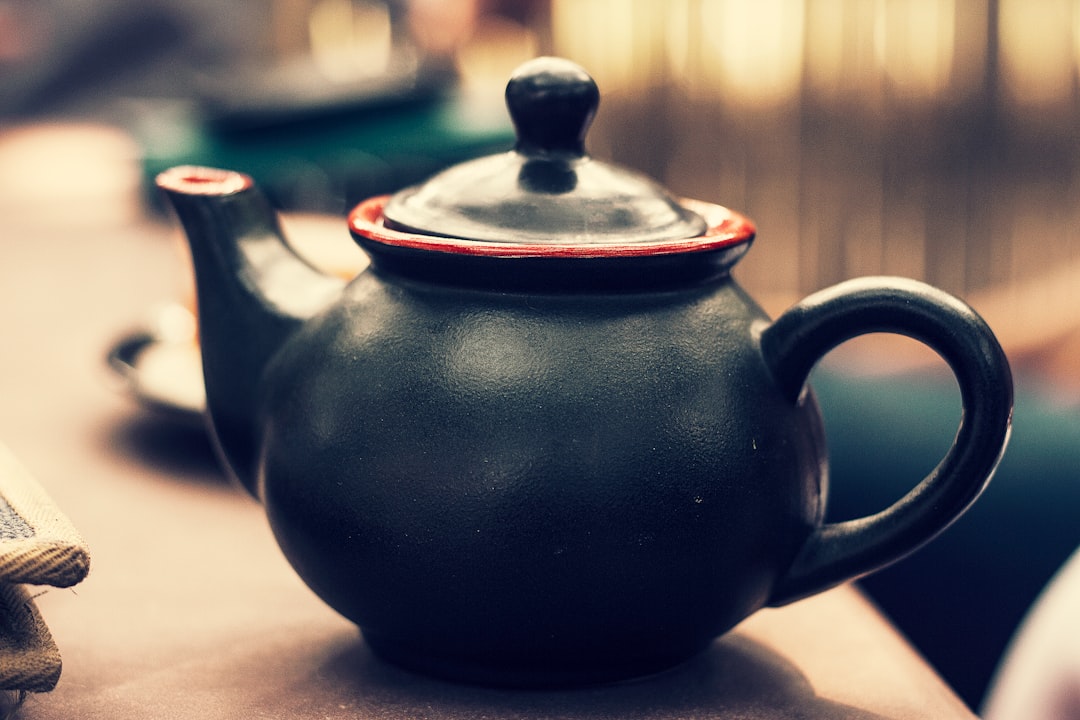
Astragalus root for immune support is traditionally simmered as a long decoction.
Two main methods exist for taking astragalus root for immune support: tincture or decoction. As a daily option, a tincture is the most convenient. A few millilitres in water once or twice a day fits easily into a routine. Crucially, the alcohol pulls a broad spectrum of constituents from the root.
Preparing Astragalus as a Traditional Decoction
However, the older method still has its place. Traditionally, astragalus was prepared as a long-simmered tea. Decoction draws out the water-soluble polysaccharides that drive much of its immune activity.
The classical preparation is simple. First, place a handful of dried sliced root in a pot. Then cover with cold water and simmer gently for forty-five minutes to an hour. The resulting broth is mild and slightly sweet. Drink it on its own or use it as a soup base. Eventually this becomes the foundation of the well-known Change of Season Soup, taken in autumn and spring as the weather shifts.
When to Take Astragalus and When to Pause
The key takeaway: astragalus is a tonic, not a quick fix. Therefore, take it consistently over weeks or months, especially in the lead-up to cold and flu season. By comparison, most people pause it once they actually become acutely ill. In traditional Chinese practice, immune-building tonics can hold a pathogen in if used during an active infection. For acute support during that window, herbs like echinacea tincture for immune support are a better fit.
At Herbal Clinic, we source astragalus root from suppliers that respect the four-to-seven-year cultivation standard. Furthermore, we tincture it at a 1:5 ratio with a carefully chosen alcohol percentage. As a result, the extract captures both the polysaccharides and the saponins. Our final product is a consistent, full-spectrum tincture that fits cleanly into a year-round wellness routine.
FAQ
- Superior Sourcing: Our herbs are sourced from all over the world to avoid seasonal fluctuations in availability, keeping herbs accessible. Our suppliers meet strict standards that ensure top quality herbs, most of which are organic, wildcrafted, sustainably grown, or grown using permaculture. We support local farmers and grow many of our own herbs.
- Superior Processing: Our tinctures are made using the classic tincturing method. The tinctures are made in a 1:5 ratio which allows for the optimal extraction of the herb. The alcohol percentage is strictly controlled depending on the herb and part of the plant that is used.
- Superior Selection: We take pride in our growing selection of over 300 individual herbs. If we don’t carry the herb you’re seeking, we can likely track it down for you.
- Superior Quality Control: Our tinctures are thoroughly tested by a third-party lab and with an organoleptic evaluation by our team of herbalists prior to final bottling.
- Superior Price: Our tinctures are more cost-effective than other tinctures on the market. With an eye towards efficiency, we keep our costs low by maintaining good relationships with our wide network of suppliers and ordering herbs in bulk quantities.
- We Care About the Environment: We repackage materials that are shipped to us (so don’t be surprised if our packages look different from time to time!). We recycle or reuse materials whenever possible. We turn the cardboard we receive from other suppliers into packing material. We donate to avoid waste to groups like Naturopaths Without Borders. Our workforce almost completely uses public transportation or bikes. We are powered using 100% renewable energy through Bullfrog Power.
- We Donate To Charity: We support many causes that make the world better. We donate a portion of our profits or products. These include charities that support environmental and natural sustainability.
Set up an online account and order through the website. If you don’t have an account and place an order, one will be created for you.
Click here to subscribe to our mailing list.
Our products are made in Toronto, Ontario, Canada by a team of Herbalists and Naturopathic Doctors. The herbs and ingredients we use to make our products are sourced both locally and globally to keep herbs accessible and sustainable.
The majority of our herbs are certified organic, sustainably wildcrafted, or come from small-scale local organic farms that do not yet have organic certification. We always do our best to provide organic herbs in your formulas. We work with a variety of suppliers to keep costs low.
Although most of our products do not contain gluten, we do not have gluten-free certification for our production facility. Feel free to ask about any specific products and we’ll share whatever information we have available.
For liability and regulatory reasons, we don’t make any claims as to how our herbs should be used, including dosing recommendations. Please review our disclaimer, as well as our terms and policies.