Milk Thistle for Liver Support: Origins and Tradition
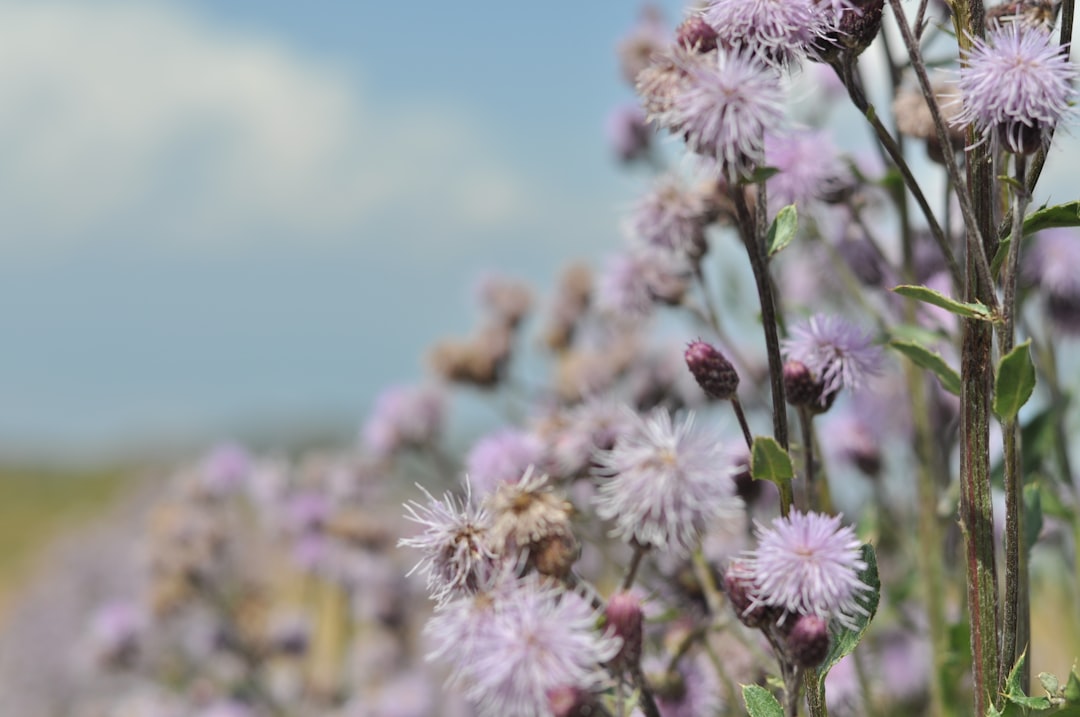
Milk thistle (Silybum marianum) in bloom
Milk thistle for liver support has a track record stretching back more than two thousand years. Few herbs are tied so closely to a single organ. When the liver needs help, this is usually the plant herbalists reach for first.
Milk thistle (Silybum marianum) is a tall, spiny plant in the daisy family. It carries purple flower heads and glossy leaves marbled with white veins. Folklore tied those white markings to the Virgin Mary’s milk, which gave the plant its common name. The herb grows wild across the Mediterranean and now thrives in temperate regions worldwide.
Here’s why that matters: the medicinal part is the small, hard seed, not the leaf. The seed carries the compounds that built milk thistle’s reputation. At Herbal Clinic we default to the seed form for this reason. Traditional European herbalists used the seed for jaundice and sluggish digestion long before anyone understood the chemistry. You can read more in our dandelion root for liver health guide.
Why Milk Thistle Supports the Liver
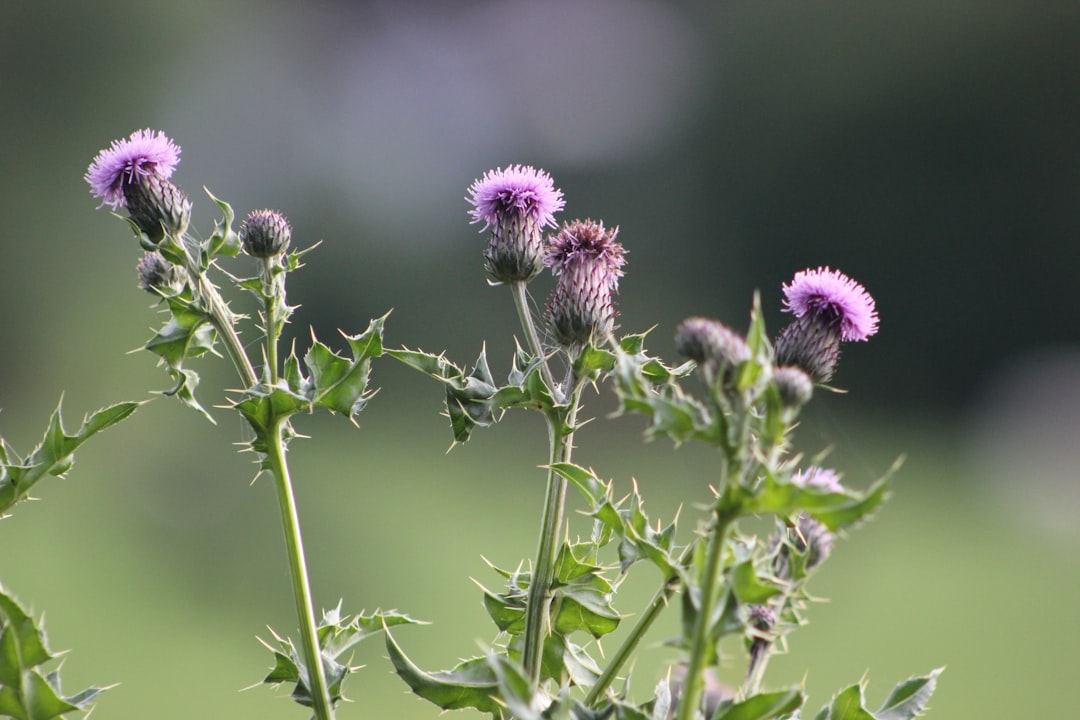
Milk thistle seed tincture
The active group in milk thistle for liver support is a cluster of flavonolignans called silymarin. It sits mostly in the seed coat. Silybin is the most studied of these compounds. Here’s how it works: silymarin acts on the membrane of liver cells. It makes that membrane harder for certain toxins to cross, and it supports the cell’s own repair.
But there’s more to it than a protective shell. Silymarin also works as an antioxidant. It helps neutralise the unstable molecules the liver makes when it processes alcohol, medication, and metabolic waste. Because the liver is the body’s main filter, lowering that oxidative load supports healthier, more resilient tissue over time.
Traditionally, milk thistle also encourages steady bile flow. That links the liver to smoother digestion of fats. Furthermore, it pairs well with other bitter, liver-friendly herbs. This is why it often appears alongside dandelion in a detox and cleansing routine. The key takeaway: milk thistle works with the liver’s own biology rather than forcing it.
How to Use Milk Thistle for Liver Support
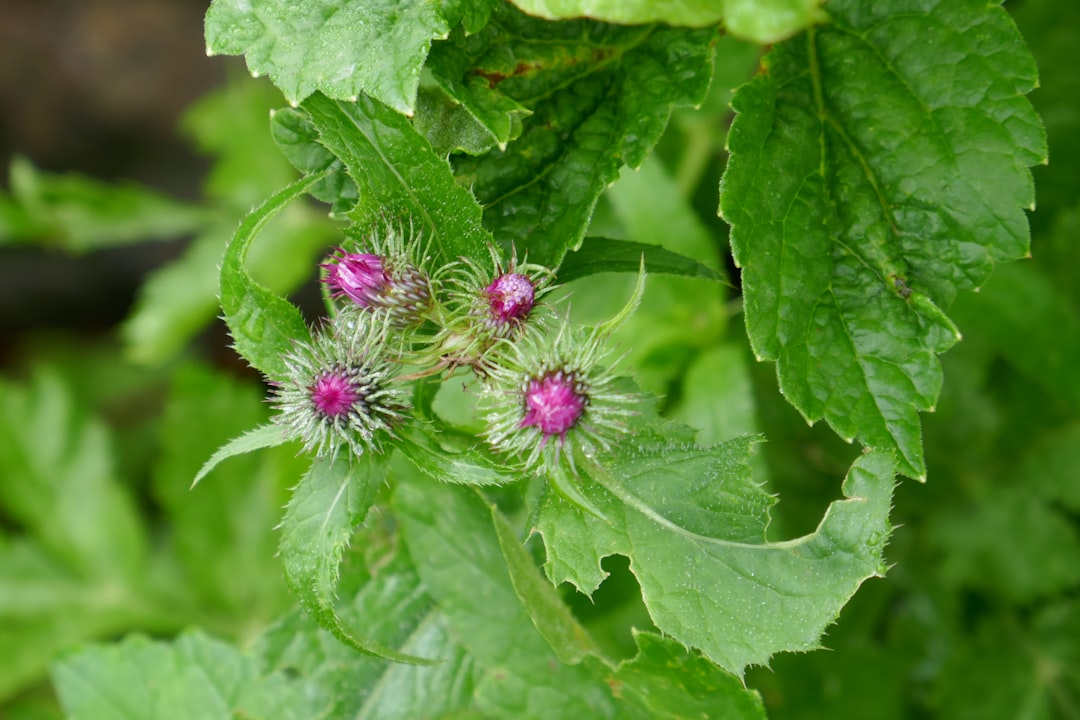
A field of milk thistle
There are several ways to bring milk thistle for liver support into a daily routine. The right one depends on how you like to take herbs. Silymarin dissolves only modestly in water, so a concentrated extract usually beats a casual tea.
Most people choose a tincture. Here the seed steeps in alcohol, which draws out and preserves the silymarin. A tincture mixes easily into water and absorbs well. Some people instead grind the seed into a powder and sprinkle it onto food, though the dose is harder to control that way. So what does this mean for you? For steady results, a seed tincture is the simplest path.
At Herbal Clinic we tincture milk thistle from whole seed using the classic 1:5 method. We tune the alcohol percentage to the seed so the silymarin extracts properly. As a result, you get a reliable extract rather than a weak infusion. Milk thistle can change how the liver processes medication, so check with a practitioner before you start if you take prescriptions.
FAQ
- Superior Sourcing: Our herbs are sourced from all over the world to avoid seasonal fluctuations in availability, keeping herbs accessible. Our suppliers meet strict standards that ensure top quality herbs, most of which are organic, wildcrafted, sustainably grown, or grown using permaculture. We support local farmers and grow many of our own herbs.
- Superior Processing: Our tinctures are made using the classic tincturing method. The tinctures are made in a 1:5 ratio which allows for the optimal extraction of the herb. The alcohol percentage is strictly controlled depending on the herb and part of the plant that is used.
- Superior Selection: We take pride in our growing selection of over 300 individual herbs. If we don’t carry the herb you’re seeking, we can likely track it down for you.
- Superior Quality Control: Our tinctures are thoroughly tested by a third-party lab and with an organoleptic evaluation by our team of herbalists prior to final bottling.
- Superior Price: Our tinctures are more cost-effective than other tinctures on the market. With an eye towards efficiency, we keep our costs low by maintaining good relationships with our wide network of suppliers and ordering herbs in bulk quantities.
- We Care About the Environment: We repackage materials that are shipped to us (so don’t be surprised if our packages look different from time to time!). We recycle or reuse materials whenever possible. We turn the cardboard we receive from other suppliers into packing material. We donate to avoid waste to groups like Naturopaths Without Borders. Our workforce almost completely uses public transportation or bikes. We are powered using 100% renewable energy through Bullfrog Power.
- We Donate To Charity: We support many causes that make the world better. We donate a portion of our profits or products. These include charities that support environmental and natural sustainability.
Set up an online account and order through the website. If you don’t have an account and place an order, one will be created for you.
Click here to subscribe to our mailing list.
Our products are made in Toronto, Ontario, Canada by a team of Herbalists and Naturopathic Doctors. The herbs and ingredients we use to make our products are sourced both locally and globally to keep herbs accessible and sustainable.
The majority of our herbs are certified organic, sustainably wildcrafted, or come from small-scale local organic farms that do not yet have organic certification. We always do our best to provide organic herbs in your formulas. We work with a variety of suppliers to keep costs low.
Although most of our products do not contain gluten, we do not have gluten-free certification for our production facility. Feel free to ask about any specific products and we’ll share whatever information we have available.
For liability and regulatory reasons, we don’t make any claims as to how our herbs should be used, including dosing recommendations. Please review our disclaimer, as well as our terms and policies.