Cramp Bark for Menstrual Cramps: Meet the Herb
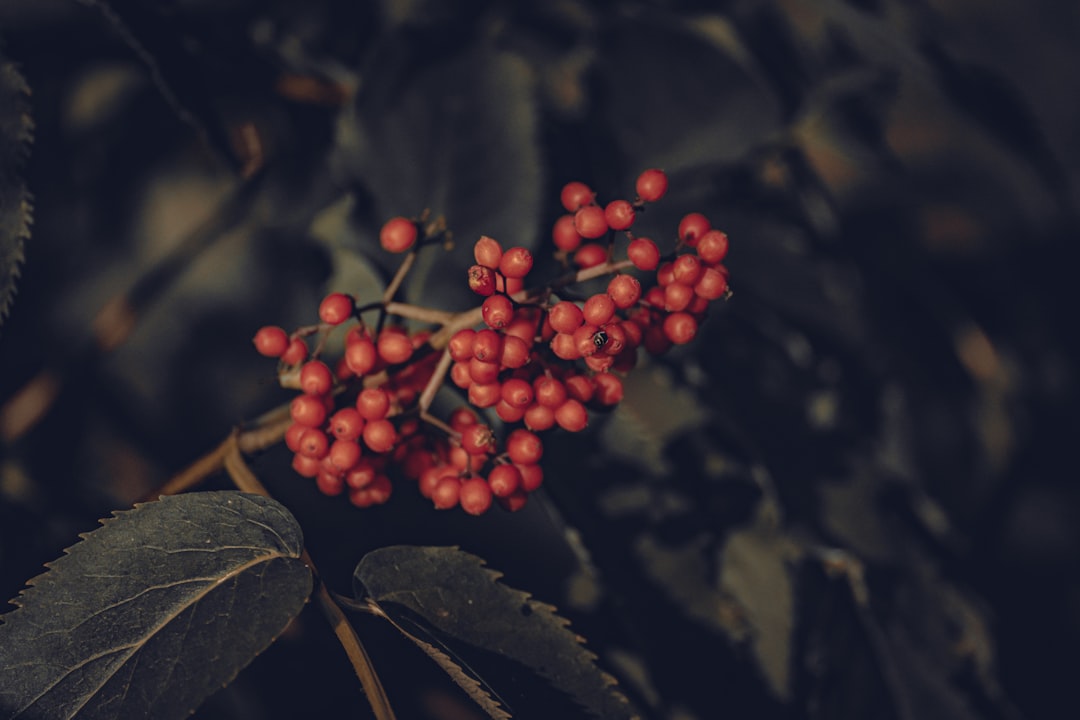
Viburnum opulus, known as cramp bark
Cramp bark for menstrual cramps has earned its plain, no-nonsense name honestly: herbalists have reached for it to ease cramping pain for generations. The herb is the bark of Viburnum opulus, a shrub in the Adoxaceae family also called guelder rose or high-bush cranberry, native across Europe, Asia, and parts of North America.
Here’s what sets it apart: it is the bark, not the bright red berries, that carries the medicine. Herbalists harvest the bark in spring or autumn. They then dry it and prepare it as a crampbark tincture or tea. In the wild the plant is easy to spot, with flat clusters of white flowers giving way to translucent scarlet fruit.
Traditional herbalists placed cramp bark squarely in the category of antispasmodics, herbs that ease tight, gripping muscle. That reputation put it in countless old formulas. Herbalists aimed those blends at cramping pain that many people know all too well.
Why Cramp Bark Is Associated With Cramping Relief
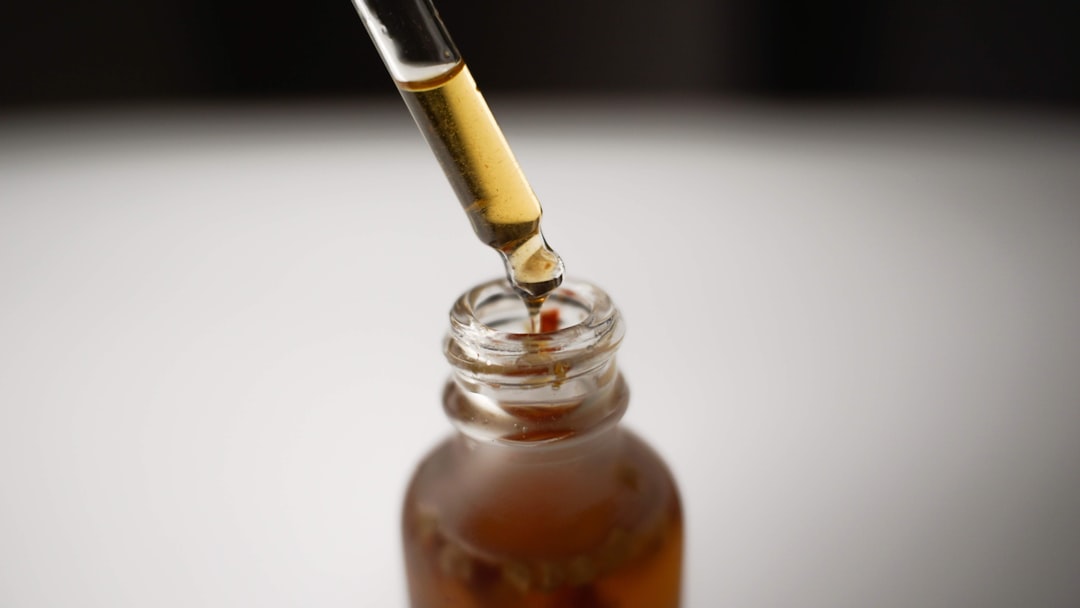
Cramp bark is most often taken as a tincture
So what does cramp bark actually do? Its primary traditional action is antispasmodic, meaning it is associated with relaxing smooth muscle, the involuntary muscle that lines the uterus, blood vessels, and digestive tract. When that muscle grips and spasms, you feel it as cramping, and this is exactly where cramp bark for menstrual cramps built its reputation.
The bark contains a mix of constituents that researchers have catalogued, including coumarins, flavonoids, catechins, tannins, and arbutin. Herbalists have long connected this combination to the herb’s relaxing, toning effect on tense tissue. Beyond the uterus, Viburnum opulus also served herbalists as a mild anti-inflammatory and a vascular tonic. A vascular tonic supports the tone of blood vessels.
Here’s why that matters: menstrual discomfort is often driven by the uterus contracting hard. An herb traditionally used to soften that contraction is a natural fit, which is why cramp bark appears in so many classic formulas for pre-menstrual and menstrual cramping, frequently paired with Jamaican dogwood (Piscidia piscipula).
How to Use Cramp Bark for Menstrual Cramps
Cramp bark can also be simmered as a decoction
Most people take cramp bark for menstrual cramps as a tincture. This concentrated liquid extract absorbs quickly and doses easily by the drop. Because it is a bark rather than a leaf or flower, you can also simmer it gently as a decoction. A decoction is a stronger tea. You simmer the plant material rather than steep it.
Many people begin using it in the days leading up to their period, when cramping tends to build, rather than waiting for discomfort to peak. However, because everyone’s body is different, it pairs well with rest, warmth, and gentle movement as part of a wider self-care routine. In addition, herbalists have traditionally blended it with other relaxing herbs to round out a formula.
At Herbal Clinic, we make our crampbark tincture using the classic 1:5 method. We match the alcohol percentage to the bark so the herb’s constituents extract fully. As a result, you get a consistent, carefully prepared extract. For liability and regulatory reasons we do not make dosing recommendations, so please review our disclaimer and speak with a qualified practitioner about what is right for you.
FAQ
- Superior Sourcing: Our herbs are sourced from all over the world to avoid seasonal fluctuations in availability, keeping herbs accessible. Our suppliers meet strict standards that ensure top quality herbs, most of which are organic, wildcrafted, sustainably grown, or grown using permaculture. We support local farmers and grow many of our own herbs.
- Superior Processing: Our tinctures are made using the classic tincturing method. The tinctures are made in a 1:5 ratio which allows for the optimal extraction of the herb. The alcohol percentage is strictly controlled depending on the herb and part of the plant that is used.
- Superior Selection: We take pride in our growing selection of over 300 individual herbs. If we don’t carry the herb you’re seeking, we can likely track it down for you.
- Superior Quality Control: Our tinctures are thoroughly tested by a third-party lab and with an organoleptic evaluation by our team of herbalists prior to final bottling.
- Superior Price: Our tinctures are more cost-effective than other tinctures on the market. With an eye towards efficiency, we keep our costs low by maintaining good relationships with our wide network of suppliers and ordering herbs in bulk quantities.
- We Care About the Environment: We repackage materials that are shipped to us (so don’t be surprised if our packages look different from time to time!). We recycle or reuse materials whenever possible. We turn the cardboard we receive from other suppliers into packing material. We donate to avoid waste to groups like Naturopaths Without Borders. Our workforce almost completely uses public transportation or bikes. We are powered using 100% renewable energy through Bullfrog Power.
- We Donate To Charity: We support many causes that make the world better. We donate a portion of our profits or products. These include charities that support environmental and natural sustainability.
Set up an online account and order through the website. If you don’t have an account and place an order, one will be created for you.
Click here to subscribe to our mailing list.
Our products are made in Toronto, Ontario, Canada by a team of Herbalists and Naturopathic Doctors. The herbs and ingredients we use to make our products are sourced both locally and globally to keep herbs accessible and sustainable.
The majority of our herbs are certified organic, sustainably wildcrafted, or come from small-scale local organic farms that do not yet have organic certification. We always do our best to provide organic herbs in your formulas. We work with a variety of suppliers to keep costs low.
Although most of our products do not contain gluten, we do not have gluten-free certification for our production facility. Feel free to ask about any specific products and we’ll share whatever information we have available.
For liability and regulatory reasons, we don’t make any claims as to how our herbs should be used, including dosing recommendations. Please review our disclaimer, as well as our terms and policies.