Posted on

Oak Bark for Digestive Health: Benefits and How to Use It

Oak Bark for Digestive Health: A Herb Rooted in Western Tradition

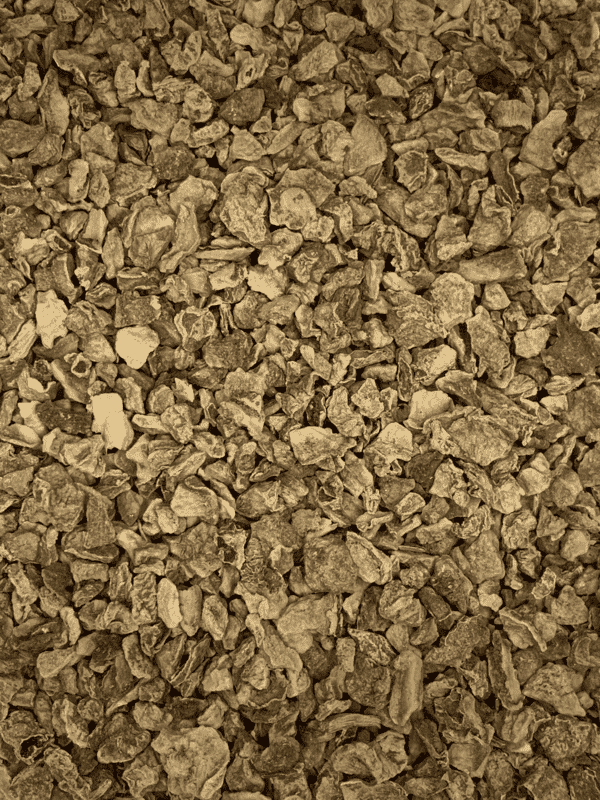
oak bark for digestive health — closeup of white oak tree bark texture

Oak bark for digestive health — white oak (Quercus alba) inner bark contains the highest concentration of medicinal tannins.

Oak bark for digestive health has been a staple of Western herbal practice for centuries. It remains one of the most reliable astringent herbs in the materia medica. Derived from the bark of Quercus alba (white oak), a native North American hardwood in the Fagaceae family, it delivers a concentrated dose of tannins and gallic acid. These constituents act directly on inflamed and irritated mucous membranes. For anyone navigating digestive inflammation, diarrhea, or gut laxity, understanding how this herb works is worth the time.

White Oak Tree: Identification and Harvest

The white oak grows across eastern North America, from southern Ontario down through the southeastern United States. It is one of the most ecologically significant hardwoods on the continent. In older specimens, the deeply furrowed, whitish-grey bark is immediately recognizable. For medicinal purposes, however, the inner bark of young branches — typically two to five years old — holds the therapeutic value. Herbalists discard the outer bark. Additionally, younger inner bark contains a higher proportion of soluble tannins than older, heavily lignified tissue, making harvest timing meaningful rather than arbitrary.

Oak Bark in Traditional Western Herbalism

Oak bark’s place in Western herbalism predates European settlement in North America. Multiple Indigenous nations across the eastern woodlands — including Anishinaabe, Cherokee, and Haudenosaunee communities — recorded medicinal uses of various Quercus species for diarrhea, wound care, and inflammatory gut conditions. Furthermore, European herbalists recognized in white oak an analogue to European oak (Quercus robur), long listed in Old World pharmacopoeias for its astringent properties. By the nineteenth century, white oak bark held an official entry in the United States Pharmacopoeia.

Here’s why that matters: oak bark is not a herb that depends on tradition alone. Chemistry directly explains its actions, and that chemistry has been consistently documented and studied. Therefore, oak bark is a predictable and trustworthy herb — one that earns its place in a protocol because the mechanism is understood. In the context of digestive health, the clinical indication centres on states of excess laxity, secretion, or inflammation in the gut lining. This is where the primary action of its tannins applies most directly.

At Herbal Clinic, we carry Quercus alba oak bark as both a tincture and a dried herb. Consequently, whether you are working with a practitioner on a targeted protocol or building a broader digestive wellness routine, both forms are available.

How Oak Bark Works: Tannins, Gallic Acid, and the Astringent Mechanism

herbal tincture bottle on wooden table representing oak bark tincture

Oak bark tincture — alcohol extraction draws out both the tannins and gallic acid that define the herb’s therapeutic activity.

Oak bark for digestive health works through one primary mechanism: astringency. The bark of Quercus alba contains a substantial concentration of tannins — primarily ellagitannins and condensed proanthocyanidins — along with gallic acid, a polyphenolic compound with independent antimicrobial and antiparasitic activity. Together, these constituents make oak bark one of the more biochemically coherent herbs in the Western materia medica.

How Tannins Work on the Gut Lining

Tannins act by precipitating proteins. They bind to proteins on contact and cause them to condense. On a mucous membrane, this creates a temporary protective layer that reduces secretion, limits tissue permeability, and exerts a mild anti-inflammatory effect on the underlying tissue. Furthermore, this protein-binding action is not selective: it works on the mucosal surface of the gut, on skin, and on any protein-rich tissue the herb contacts directly. This is the core of astringency, and it explains why oak bark applies both internally for digestive complaints and externally for skin conditions.

In the gastrointestinal tract, this mechanism addresses states of excessive secretion and tissue laxity — the underlying conditions in many presentations of diarrhea and intestinal inflammation. However, astringency does not suppress gut motility the way pharmaceutical antidiarrheals do. Nor does it address root-cause inflammation directly. Instead, it tones the mucosal surface and reduces secretory excess while the underlying condition resolves. As a result, oak bark works best as part of a broader protocol rather than a standalone long-term intervention.

Oak Bark, Gallic Acid, and Parasite Protocols

Gallic acid adds further dimension. Beyond its contribution to the astringent effect, research on gallic acid documents antifungal and antiparasitic activity, giving oak bark secondary usefulness in protocols for dysbiosis, intestinal fungal overgrowth, or parasitic infection. Moreover, when combined with black walnut hull (Juglans nigra), oak bark’s tissue-toning action complements black walnut’s anthelmintic juglone content. The combination is a recognized staple of parasite-focused herbal protocols for this reason.

Topically, the same astringent mechanism applies to skin. Oak bark is traditionally associated with suppurative skin infections — weeping wounds, fungal skin conditions, and inflammatory skin eruptions with excess exudate. The tannins draw the tissue, reduce discharge, and create an environment less favourable to pathogen growth. This dual affinity for gastrointestinal and dermal tissue reflects how a single biochemical action serves different clinical ends depending on the route of application.

For comparison: Salix alba (white willow bark) is the listed substitute for oak bark. It shares a similar tannin profile and comparable astringent action. Nevertheless, willow also contains salicylates — analgesic and anti-inflammatory compounds absent in oak — making the two herbs related but not identical. The choice between them depends on which properties the clinical picture most requires.

Using Oak Bark for Digestive Health: Tincture, Tea, and Practical Notes

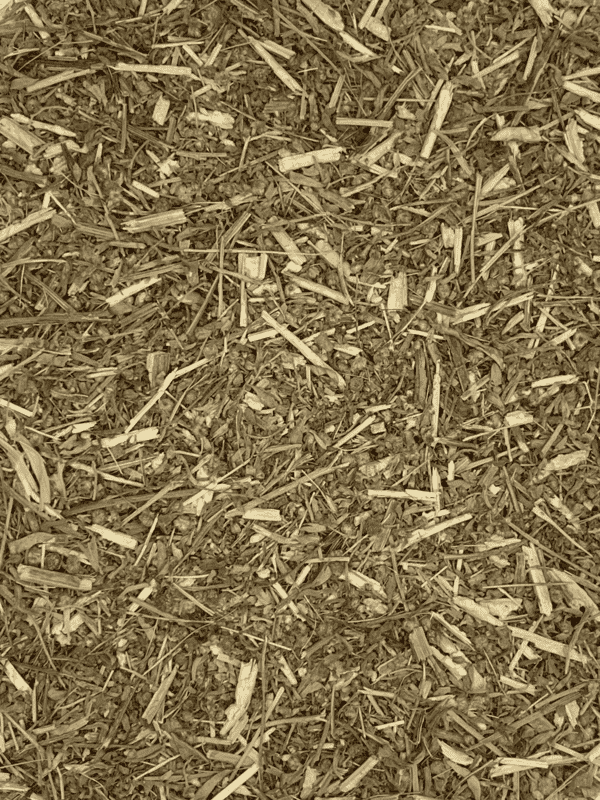
dried oak bark chips for herbal tea and tincture preparation

Dried oak bark — suitable for decoction or tincturing, depending on the intended use.

Oak bark for digestive health is available in two primary forms: as a tincture and as a dried herb for tea. Each preparation has distinct strengths, and understanding the difference is useful when choosing how to work with this herb.

Tincture vs. Decoction: Which to Choose

A tincture extracts the tannins and gallic acid in alcohol, producing a concentrated liquid with a long shelf life. Additionally, tinctures offer precise and consistent dosing, which makes them convenient for daily use. For topical applications — skin infections, weeping wounds, or hemorrhoids — dilute the tincture in water and apply via compress or wash. This delivers the same astringent action externally that it provides internally. The alcohol base also ensures that gallic acid, which has good solubility in ethanol, extracts fully into the preparation.

Oak bark tea, prepared as a decoction from the dried inner bark, delivers the herb’s tannins in water. However, a decoction differs from a simple infusion: the woody nature of bark requires sustained simmering — typically 15 to 20 minutes — rather than a brief steep. Polyphenols and tannins from hard plant tissue release more fully under prolonged heat. Many traditional herbalists preferred the decoction for gut-specific complaints. Their reasoning: the tannins act directly on the gastrointestinal mucosa as the liquid passes through, providing a surface-level interaction before systemic absorption occurs.

Oak Bark for Digestive Health: Dosing and Herb Pairings

Here’s a practical consideration worth noting: oak bark works best as a corrective rather than a long-term tonic. The astringent action suits states of excess — loose stools, weeping skin, inflamed gut mucosa — and supports short to medium-term protocols tied to a specific clinical presentation. Furthermore, because tannins bind to minerals and other compounds in the digestive tract, practitioners typically recommend taking oak bark away from meals and other supplements.

For broader digestive protocols, oak bark pairs naturally with other gut-supportive herbs. As one example, dandelion root addresses liver and bile production — a complementary focus to oak bark’s mucosal toning action. For parasite protocols specifically, the pairing with black walnut hull remains a recognized and widely used combination.

At Herbal Clinic, oak bark (Quercus alba) is available as a 1:5 tincture in sizes from 100 mL to 1000 mL and as a dried herb. A glycerite version is also available for those avoiding alcohol. All tinctures use the classic tincturing method with controlled alcohol percentages, and third-party lab testing confirms quality before final bottling. As a result, what you receive is a consistent, reliably potent preparation.

FAQ

  • Superior Sourcing: Our herbs are sourced from all over the world to avoid seasonal fluctuations in availability, keeping herbs accessible. Our suppliers meet strict standards that ensure top quality herbs, most of which are organic, wildcrafted, sustainably grown, or grown using permaculture. We support local farmers and grow many of our own herbs.
  • Superior Processing: Our tinctures are made using the classic tincturing method. The tinctures are made in a 1:5 ratio which allows for the optimal extraction of the herb. The alcohol percentage is strictly controlled depending on the herb and part of the plant that is used.
  • Superior Selection: We take pride in our growing selection of over 300 individual herbs. If we don’t carry the herb you’re seeking, we can likely track it down for you.
  • Superior Quality Control: Our tinctures are thoroughly tested by a third-party lab and with an organoleptic evaluation by our team of herbalists prior to final bottling.
  • Superior Price: Our tinctures are more cost-effective than other tinctures on the market. With an eye towards efficiency, we keep our costs low by maintaining good relationships with our wide network of suppliers and ordering herbs in bulk quantities.
  • We Care About the Environment: We repackage materials that are shipped to us (so don’t be surprised if our packages look different from time to time!). We recycle or reuse materials whenever possible. We turn the cardboard we receive from other suppliers into packing material. We donate to avoid waste to groups like Naturopaths Without Borders. Our workforce almost completely uses public transportation or bikes. We are powered using 100% renewable energy through Bullfrog Power.
  • We Donate To Charity: We support many causes that make the world better. We donate a portion of our profits or products. These include charities that support environmental and natural sustainability.

Set up an online account and order through the website. If you don’t have an account and place an order, one will be created for you.

Our products are made in Toronto, Ontario, Canada by a team of Herbalists and Naturopathic Doctors. The herbs and ingredients we use to make our products are sourced both locally and globally to keep herbs accessible and sustainable.

The majority of our herbs are certified organic, sustainably wildcrafted, or come from small-scale local organic farms that do not yet have organic certification. We always do our best to provide organic herbs in your formulas. We work with a variety of suppliers to keep costs low.

Although most of our products do not contain gluten, we do not have gluten-free certification for our production facility. Feel free to ask about any specific products and we’ll share whatever information we have available.

For liability and regulatory reasons, we don’t make any claims as to how our herbs should be used, including dosing recommendations. Please review our disclaimer, as well as our terms and policies.
Posted on

Xiao Yao San for Liver Qi Stagnation: The Classic Free and Easy Wanderer Formula

Xiao Yao San for Liver Qi Stagnation: What It Is

Xiao Yao San herbs for liver qi stagnation — traditional Chinese medicine roots and botanicals

Xiao Yao San for liver qi stagnation is composed of eight classical Chinese herbs, each playing a distinct role in the formula.

Xiao Yao San for liver qi stagnation is one of the oldest and most widely used formulas in classical Chinese medicine — a carefully balanced combination of eight herbs that together address the tension, mood shifts, and digestive disruption that arise when the Liver’s free-flowing function is compromised.

The formula dates to the Song dynasty, first recorded in the Tai Ping Hui Min He Ji Ju Fang (1107 CE), and has remained a clinical mainstay for nearly a thousand years. Its common English translations — Rambling Powder, Free and Easy Wanderer — point directly to its purpose: restoring the smooth, unobstructed movement of Qi through the body’s channels.

In TCM, the Liver is responsible for ensuring that Qi flows freely throughout the body. When that flow becomes constrained — from stress, overwork, irregular eating, or emotional strain — the pattern known as Liver Qi stagnation develops. The Liver channel runs through the chest, hypochondrium, and lower abdomen, which is why stagnation there tends to produce a recognizable cluster: tightness under the ribs, mood irritability, breast tenderness, and disruption to the menstrual cycle.

Here’s why the formula works so well: Xiao Yao San doesn’t only regulate the Liver — it simultaneously nourishes the Blood and supports the Spleen, addressing the root cause alongside the presenting pattern. Liver function depends on adequate Blood; when Blood is thin, Qi stagnates more easily. Meanwhile, Spleen function weakens under prolonged stagnation, reducing the digestive capacity that generates new Blood. The formula interrupts this cycle from both ends.

The eight ingredients in Herbal Clinic’s Xiao Yao San tincture are: Bupleurum (Chai Hu), Dong Quai (Dang Gui), White Peony Root (Bai Shao), White Atractylodes (Bai Zhu), Poria (Fu Ling), Honey-Fried Licorice (Gan Cao), Ginger (Sheng Jiang), and Chinese Mint (Bo He).

How Xiao Yao San Addresses Liver Qi Stagnation

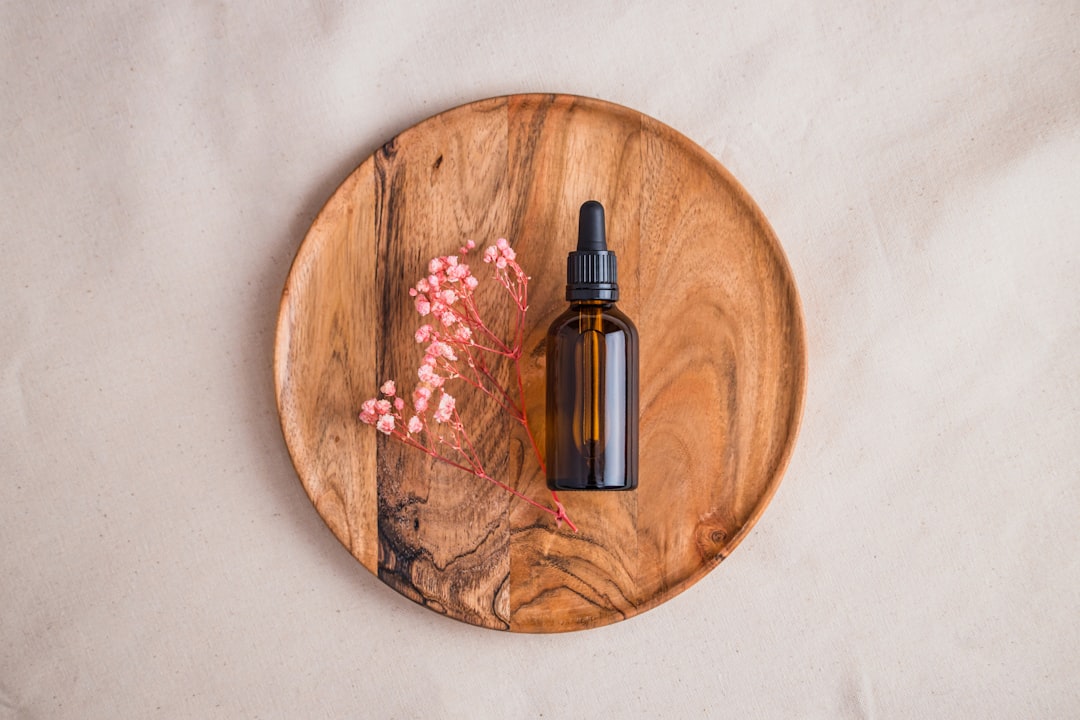
Herbal tincture bottle — xiao yao san formula for liver qi stagnation

Each ingredient in this liquid tincture extract contributes a distinct and complementary action to the whole formula.

Bupleurum (Chai Hu): The Lead Herb for Liver Qi Stagnation

The therapeutic logic of Xiao Yao San for liver qi stagnation becomes clear when you examine each herb’s contribution. Bupleurum (Chai Hu) is the principal herb — its primary action is hepatic, relieving constraint in the Liver channel and lifting depressed Liver Qi. Furthermore, it acts as an alterative, clearing congestion at the hepatic level. Its saponin and sterol constituents associate with anti-inflammatory activity and hepatic tissue support. In short, Chai Hu provides the formula’s directional action.

Blood Nourishment in Liver Qi Stagnation: Bai Shao and Dang Gui

Working alongside Chai Hu, White Peony Root (Bai Shao) provides essential counterbalancing nourishment. As a female endocrine modulator with antispasmodic and alterative actions, Bai Shao prevents the dispersing action from depleting Liver Blood further. Its constituent paeoniflorin associates with smooth muscle relaxation and hormonal regulation. Where Chai Hu moves, Bai Shao nourishes and holds.

In addition, Dong Quai (Dang Gui) adds Blood-nourishing and Blood-moving action. As an endocrine modulator with carminative properties, it addresses blood deficiency that often underlies Liver Qi stagnation, including dysmenorrhea and menstrual irregularity.

Why Liver Qi Stagnation Needs Spleen Support

Liver Qi stagnation frequently invades the Spleen, producing bloating, fatigue, and poor appetite. White Atractylodes (Bai Zhu) and Poria (Fu Ling) address this dimension directly. Together, they tonify Spleen Qi and restore the digestive capacity that generates new Blood. Moreover, Poria calms the Shen through its heart-settling action, addressing the anxiety and restlessness that often accompany stagnation.

The Harmonizing Herbs: Mint, Ginger, and Licorice

Chinese Mint (Bo He) is added in a small quantity — enough to disperse constrained Liver Qi at the surface and vent accumulated heat. Ginger activates the formula’s digestive action and warms the middle. Honey-Fried Licorice (Gan Cao) harmonizes all ingredients and protects the Spleen throughout.

The key takeaway: this formula moves without over-dispersing, nourishes without creating dampness, and clears without over-cooling. That balance has kept it clinically unmodified for nearly a millennium. However, when stagnation generates significant internal heat, the modified formula Jia Wei Xiao Yao San may be more appropriate.

Using Xiao Yao San for Liver Qi Stagnation: What to Expect

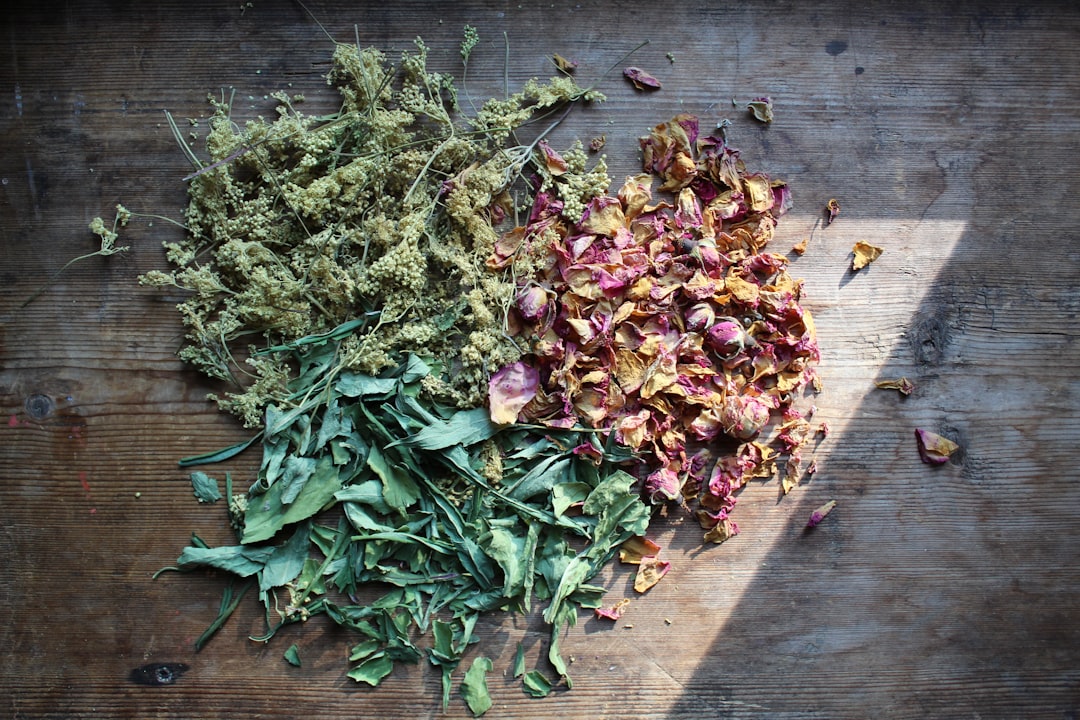
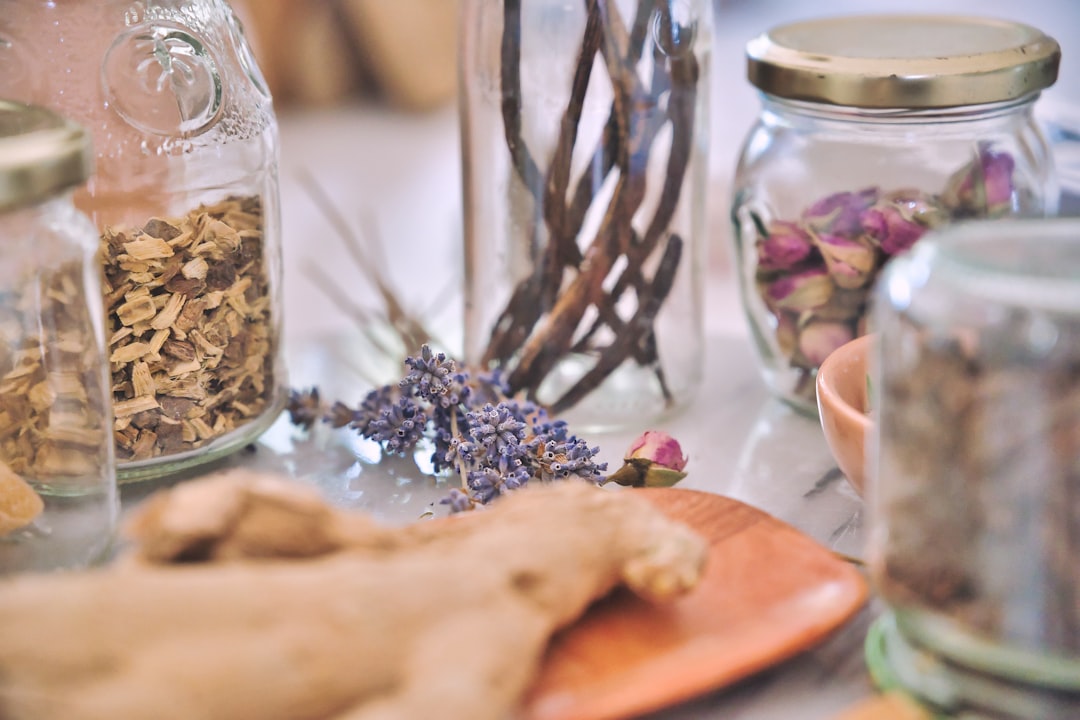
Dried herbs in a wooden bowl — ingredients used in xiao yao san for liver qi stagnation

Each batch of Xiao Yao San is made in Toronto using herbs sourced to Herbal Clinic’s quality standards.

Sizes Available for Xiao Yao San for Liver Qi Stagnation

Xiao Yao San for liver qi stagnation is available at Herbal Clinic as a liquid tincture. It uses reverse osmosis water and gluten-free pharmaceutical grade alcohol. Our team of herbalists and naturopathic doctors make it in Toronto. The formula comes in four sizes: 100mL, 250mL, 500mL, and 1000mL. The 250mL bottle is a practical starting point, providing several weeks of consistent daily use.

How Long to Take Xiao Yao San

Chinese herbal formulas are course-of-treatment remedies rather than on-demand supplements. Xiao Yao San works cumulatively, and consistent daily use is central to how the formula functions. Most practitioners recommend observing the formula’s effect over several weeks before adjusting. In other words, it rewards patience and consistency more than periodic use.

Why Spring Is the Right Season

In TCM, spring is the season of the Liver. The Liver’s natural energy is expansive and upward-moving. When this movement is blocked, symptoms of stagnation intensify in spring rather than ease. So what does this mean for you? If mood irritability, PMS symptoms, or digestive tightness tend to flare in March and April, that timing is consistent with the TCM seasonal framework and with Xiao Yao San’s classic indications.

The formula is traditionally associated with hypochondriac fullness, mood variability, fatigue, poor appetite, breast distension, and menstrual irregularity. As a result, it is broad and adaptable — one reason it has remained in continuous clinical use across centuries.

For more pronounced heat presentations, where stagnation has generated significant irritability or night sweating, Long Dan Xie Gan Tang may be more appropriate. A practitioner familiar with TCM pattern differentiation can help determine which formula fits your presentation best.

Furthermore, Herbal Clinic sources each ingredient to meet the quality standards applied across all our TCM formulas: certified organic or sustainably wildcrafted where available, third-party tested, and produced using the classic tincturing method.

FAQ

  • Superior Sourcing: Our herbs are sourced from all over the world to avoid seasonal fluctuations in availability, keeping herbs accessible. Our suppliers meet strict standards that ensure top quality herbs, most of which are organic, wildcrafted, sustainably grown, or grown using permaculture. We support local farmers and grow many of our own herbs.
  • Superior Processing: Our tinctures are made using the classic tincturing method. The tinctures are made in a 1:5 ratio which allows for the optimal extraction of the herb. The alcohol percentage is strictly controlled depending on the herb and part of the plant that is used.
  • Superior Selection: We take pride in our growing selection of over 300 individual herbs. If we don’t carry the herb you’re seeking, we can likely track it down for you.
  • Superior Quality Control: Our tinctures are thoroughly tested by a third-party lab and with an organoleptic evaluation by our team of herbalists prior to final bottling.
  • Superior Price: Our tinctures are more cost-effective than other tinctures on the market. With an eye towards efficiency, we keep our costs low by maintaining good relationships with our wide network of suppliers and ordering herbs in bulk quantities.
  • We Care About the Environment: We repackage materials that are shipped to us (so don’t be surprised if our packages look different from time to time!). We recycle or reuse materials whenever possible. We turn the cardboard we receive from other suppliers into packing material. We donate to avoid waste to groups like Naturopaths Without Borders. Our workforce almost completely uses public transportation or bikes. We are powered using 100% renewable energy through Bullfrog Power.
  • We Donate To Charity: We support many causes that make the world better. We donate a portion of our profits or products. These include charities that support environmental and natural sustainability.

Set up an online account and order through the website. If you don’t have an account and place an order, one will be created for you.

Our products are made in Toronto, Ontario, Canada by a team of Herbalists and Naturopathic Doctors. The herbs and ingredients we use to make our products are sourced both locally and globally to keep herbs accessible and sustainable.

The majority of our herbs are certified organic, sustainably wildcrafted, or come from small-scale local organic farms that do not yet have organic certification. We always do our best to provide organic herbs in your formulas. We work with a variety of suppliers to keep costs low.

Although most of our products do not contain gluten, we do not have gluten-free certification for our production facility. Feel free to ask about any specific products and we’ll share whatever information we have available.

For liability and regulatory reasons, we don’t make any claims as to how our herbs should be used, including dosing recommendations. Please review our disclaimer, as well as our terms and policies.
Posted on

Echinacea Tincture for Immune Support: A Complete Guide

Echinacea Tincture for Immune Support: History and Overview

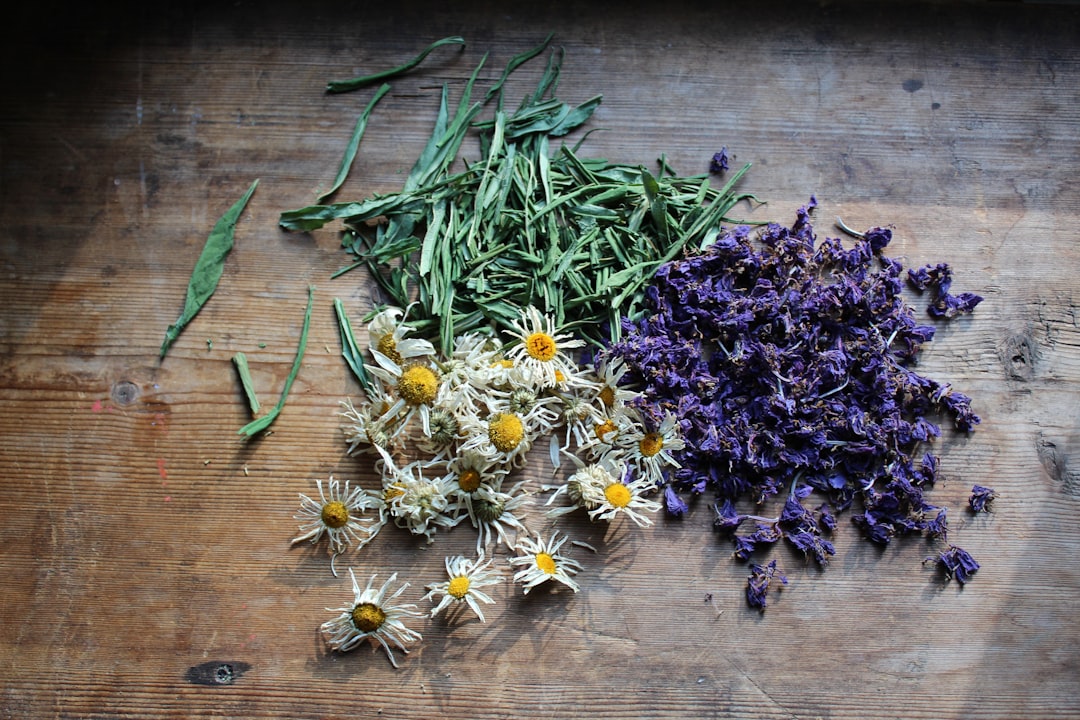
Echinacea purpurea purple coneflower — source of echinacea tincture for immune support

Echinacea purpurea in bloom — the plant behind echinacea tincture for immune support, used in North American herbalism for centuries.

Echinacea tincture for immune support is one of the most widely used herbal preparations in North America, with a track record that stretches back centuries. If you have been looking for a plant-based way to support your immune system through cold and flu season, echinacea is likely already on your radar — and the history behind it is worth knowing.

What Is Echinacea?

Echinacea is a genus of flowering plants in the daisy family (Asteraceae), native to the prairies and open woodlands of North America. Three species are most commonly used in herbal medicine: Echinacea purpurea, Echinacea angustifolia, and Echinacea pallida. Of these, Echinacea purpurea (Purple Coneflower) and Echinacea angustifolia (Narrow-Leaf Coneflower) are the most studied and widely available.

Here’s why that matters: each species contributes different active compounds, which is why many herbalists prefer combination preparations that draw on more than one species.

The plant is easy to recognize — a raised cone at the centre, drooping purple petals, and a coarse bristly stem. It grows one to three feet tall, thrives in full sun, and blooms from midsummer through early fall. In the wild it is found from Saskatchewan to Texas. Today, small herb farms across Canada widely cultivate it.

Traditional Use of Echinacea for Immune Health

Long before echinacea appeared in any health store, it was a medicine plant for many Indigenous peoples of the Great Plains, including the Lakota, Cheyenne, and Comanche. Both topical and internal uses are well documented across many nations. European settlers took notice in the 1800s, and by the late 19th century echinacea had become one of the most popular plant medicines on the continent. The U.S. National Formulary included it from 1916 to 1950 — a reflection of how seriously it was regarded at the time.

Echinacea Tincture for Immune Support: Benefits and Properties

Herbal tincture bottle for immune support — echinacea extract

A well-made tincture extracts both water-soluble and fat-soluble compounds from echinacea

Echinacea for immune support is not just tradition — it is one of the most researched herbs in modern botanical medicine. Understanding what makes it effective starts with its active constituents.

Echinacea Active Compounds and Immune Properties

Echinacea contains several groups of compounds associated with its immune-modulating properties:

  • Alkylamides — occurring mainly in Echinacea purpurea and Echinacea angustifolia root; well absorbed orally and linked to immune cell activity
  • Polysaccharides — large carbohydrate molecules present in the aerial parts and linked to immune stimulation
  • Caffeic acid derivatives — including cichoric acid (Echinacea purpurea) and echinacoside (Echinacea angustifolia); associated with antioxidant and antiviral activity

This is where it gets interesting: the balance of these compounds differs significantly between species and plant parts. Root preparations of Echinacea angustifolia are rich in alkylamides. Aerial preparations of Echinacea purpurea are higher in polysaccharides. A combination product brings both profiles together.

What Research Says About Echinacea for Immune Support

Herbalists have traditionally used echinacea for upper respiratory support and general immune resilience during cold and flu season. Research published in journals including The Lancet Infectious Diseases and Phytomedicine has examined these associations, with several studies suggesting that echinacea tincture for immune support may help reduce the duration or severity of cold symptoms when used at the onset of illness.

So what does this mean for you? As with all herbal medicines, results vary by individual. Most herbalists regard echinacea as a supportive tool — one that many herbalists reach for at the first sign of seasonal illness rather than as a daily long-term supplement.

How to Use an Echinacea Tincture

Herbal wellness tincture bottles for immune health support

Tinctures offer a concentrated, shelf-stable way to incorporate echinacea into a wellness routine

Tincture is one of the most practical and widely used forms of echinacea — and for good reason. An echinacea tincture for immune support concentrates the plant’s active compounds in a stable, fast-absorbing liquid that is easy to take anywhere.

Why Choose an Echinacea Tincture for Immune Support?

Echinacea comes as teas, capsules, and dried herb — but a well-made tincture has advantages the other forms do not. The alcohol solvent extracts both water-soluble and fat-soluble compounds, including the alkylamides that are largely destroyed by heat. Furthermore, a properly stored alcohol tincture retains its potency for years, compared to a few days for an herbal tea.

In short: if you are looking for a full-spectrum echinacea preparation, tincture is the preferred form among most practicing herbalists.

Using Echinacea in Practice

Many herbalists use echinacea at the first sign of seasonal illness rather than on a continuous daily basis. Traditional protocols often suggest short-term, higher-frequency use at illness onset followed by a rest period. In addition, some practitioners combine echinacea with other immune-supportive herbs for broader coverage. For guidance specific to your situation, consult a qualified herbalist or naturopathic doctor.

You can take tinctures directly under the tongue for faster absorption, or stirred into a small amount of water or warm tea. The taste of echinacea is distinctive — slightly earthy, with a characteristic tingling sensation on the tongue that many herbalists consider a sign of alkylamide-rich quality.

Herbal Clinic’s Echinacea

At Herbal Clinic, our team makes echinacea tinctures in-house in Toronto using certified organic or sustainably wildcrafted herb. The Purple Cone Flower Combo combines E. purpurea and E. angustifolia in a single preparation, providing both the polysaccharide profile of the aerial herb and the alkylamide-rich root. Each batch goes through a thorough quality assurance process before bottling.

FAQ

  • Superior Sourcing: Our herbs are sourced from all over the world to avoid seasonal fluctuations in availability, keeping herbs accessible. Our suppliers meet strict standards that ensure top quality herbs, most of which are organic, wildcrafted, sustainably grown, or grown using permaculture. We support local farmers and grow many of our own herbs.
  • Superior Processing: Our tinctures are made using the classic tincturing method. The tinctures are made in a 1:5 ratio which allows for the optimal extraction of the herb. The alcohol percentage is strictly controlled depending on the herb and part of the plant that is used.
  • Superior Selection: We take pride in our growing selection of over 300 individual herbs. If we don’t carry the herb you’re seeking, we can likely track it down for you.
  • Superior Quality Control: Our tinctures are thoroughly tested by a third-party lab and with an organoleptic evaluation by our team of herbalists prior to final bottling.
  • Superior Price: Our tinctures are more cost-effective than other tinctures on the market. With an eye towards efficiency, we keep our costs low by maintaining good relationships with our wide network of suppliers and ordering herbs in bulk quantities.
  • We Care About the Environment: We repackage materials that are shipped to us (so don’t be surprised if our packages look different from time to time!). We recycle or reuse materials whenever possible. We turn the cardboard we receive from other suppliers into packing material. We donate to avoid waste to groups like Naturopaths Without Borders. Our workforce almost completely uses public transportation or bikes. We are powered using 100% renewable energy through Bullfrog Power.
  • We Donate To Charity: We support many causes that make the world better. We donate a portion of our profits or products. These include charities that support environmental and natural sustainability.

Set up an online account and order through the website. If you don’t have an account and place an order, one will be created for you.

Our products are made in Toronto, Ontario, Canada by a team of Herbalists and Naturopathic Doctors. The herbs and ingredients we use to make our products are sourced both locally and globally to keep herbs accessible and sustainable.

The majority of our herbs are certified organic, sustainably wildcrafted, or come from small-scale local organic farms that do not yet have organic certification. We always do our best to provide organic herbs in your formulas. We work with a variety of suppliers to keep costs low.

Although most of our products do not contain gluten, we do not have gluten-free certification for our production facility. Feel free to ask about any specific products and we’ll share whatever information we have available.

For liability and regulatory reasons, we don’t make any claims as to how our herbs should be used, including dosing recommendations. Please review our disclaimer, as well as our terms and policies.
Posted on

Xue Fu Zhu Yu Tang Blood Stasis Formula: A Guide to the Classical Chinese Decoction

Xue Fu Zhu Yu Tang: The Blood Stasis Formula with 200 Years of Clinical Use

Xue Fu Zhu Yu Tang blood stasis formula herbs in a traditional Chinese medicine preparation bowl

Xue Fu Zhu Yu Tang — eleven herbs working as one formula to move blood and ease stasis in the chest

Xue Fu Zhu Yu Tang blood stasis formula is one of classical Chinese medicine’s most versatile and widely-used decoctions. It targets a pattern that shows up across dozens of seemingly unrelated symptoms — chronic chest tightness, persistent insomnia, and low-grade restlessness among them.

Physician Wang Qingren developed the formula in the early 19th century. Published in 1830 as part of his landmark work Corrections of the Errors of Medical Works (Yi Lin Gai Cuo), it was his answer to a question he had spent decades investigating. His conclusion: a surprising number of stubborn conditions share one root cause — blood stasis lodged in the upper body.

Here’s why that matters:

In traditional Chinese medicine, blood stasis describes a state where blood loses its normal flow and becomes sluggish or obstructed. The “mansion of blood” (xue fu) refers to the chest and diaphragm region — where the heart, lungs, and major vessels concentrate. When blood stagnates here, it disrupts sleep, mood, physical sensation, and circulation. The formula’s name translates as “Drive Out Stasis from the Mansion of Blood.” That is exactly what it does.

Eleven Herbs, One Coherent Structure

Xue Fu Zhu Yu Tang contains eleven herbs, each with a specific role. Peach Kernel (Tao Ren), Safflower (Hong Hua), Red Peony (Chi Shao), and Chuan Xiong are the core blood-movers — they break up stagnant blood and restore circulation directly. Dong Quai (Dang Gui) and Rehmannia (Sheng Di Huang) nourish blood alongside this movement, preventing over-dispersal. Bupleurum (Chai Hu) and Roasted Bitter Orange (Zhi Ke) move qi, because stagnant qi and stagnant blood rarely exist apart. Platycodon Root (Jie Geng) guides the formula into the chest. Licorice (Gan Cao) harmonizes all eleven.

The result is a formula that moves without depleting — exactly what chronic blood stasis requires. Wang Qingren built nourishment and dispersal into a single structure, rather than treating them as separate interventions. That architectural decision has kept this formula in active clinical use for nearly two centuries.

Xue Fu Zhu Yu Tang Blood Stasis Pattern: What It Traditionally Addresses

Herbal tincture bottle representing Xue Fu Zhu Yu Tang blood stasis formula in concentrated liquid form

Prepared as a concentrated liquid tincture for convenient daily use

Blood stasis is one of the most clinically significant patterns in classical Chinese medicine. Xue Fu Zhu Yu Tang blood stasis formula targets its presentation specifically in the chest and upper body. Broad in scope, the traditional indications reflect the nature of blood stasis: when circulation becomes sluggish in this region, the effects ripple outward across sensation, cognition, mood, and sleep.

The classic indications recorded by Wang Qingren include:

  • Chronic chest pain or tightness — particularly pain that is fixed in location. Fixed pain is the hallmark of blood stasis in TCM. Pain that moves points to qi stagnation instead.
  • Palpitations and restlessness — blood stasis agitates the heart spirit (shen), which depends on smooth circulation to stay anchored and calm.
  • Insomnia and dream-disturbed sleep — when blood fails to nourish and settle the shen at night, wakefulness and vivid dreaming follow.
  • Persistent frontal or vertex headache — attributed to impaired blood flow in the upper body and head.
  • Irritability, afternoon low-grade fever, or a warm sensation in the evening — signs of stasis generating localized heat when stagnant blood cannot disperse.
  • Depression or chronic low mood — prolonged blood and qi stagnation affects emotional function in TCM theory as directly as it affects physical circulation.
  • Dark complexion, purplish lips, or dark circles under the eyes — external markers of impaired blood movement visible at the skin’s surface.

Understanding the Pattern: Why the Symptoms Connect

This is where it gets interesting: many people present with a cluster of these complaints simultaneously — poor sleep, vague chest tightness, persistent headache, and a flat or irritable mood — without a clear Western diagnosis connecting them. In TCM, all of these can arise from one root pattern: blood stasis in the chest. Treating the pattern treats the full cluster.

The formula’s qi-moving herbs play an important structural role here. Bupleurum and Roasted Bitter Orange address the co-existing qi stagnation that perpetuates blood stasis. In Chinese medicine, qi drives blood — stagnant qi produces stagnant blood. Breaking that cycle requires moving both simultaneously. A blood-moving formula without qi-moving support only partially resolves the pattern. Xue Fu Zhu Yu Tang accounts for both.

Additionally, the blood-nourishing herbs — Dong Quai and Rehmannia — mean the formula does not simply disperse what has accumulated. Rather, it replenishes the quality of blood that remains. This clinical logic sets Wang Qingren’s formula apart from a simpler, more aggressive blood-breaking approach.

How to Use Xue Fu Zhu Yu Tang Tincture: Form, Context, and What to Expect

Dried herbs and roots traditionally used in Chinese herbal medicine including ingredients in Xue Fu Zhu Yu Tang

The eleven herbs of Xue Fu Zhu Yu Tang — each selected for a specific role in moving, nourishing, and guiding

Tincture vs. Decoction: The Practical Choice

Xue Fu Zhu Yu Tang blood stasis formula was historically a decoction — eleven herbs simmered in water and taken as a tea twice daily. Practitioners who work with raw herbs still use that method. Liquid tincture has become the practical choice for most people, however. It delivers the full formula in a concentrated, shelf-stable format without the daily preparation a decoction requires.

Herbal Clinic prepares Xue Fu Zhu Yu Tang as a 1:5 tincture — one part herbs to five parts liquid. This ratio supports optimal extraction while preserving the formula’s balance. All herbs undergo third-party testing before final bottling.

So what does this mean in practice?

Using a TCM compound formula differs from taking a single-herb supplement. Rather than targeting one isolated symptom, the formula works on the pattern — the underlying mechanism connecting a cluster of symptoms. This is why Xue Fu Zhu Yu Tang may suit chest discomfort, insomnia, and persistent headache in the same person at the same time: those symptoms share one root cause, and the formula addresses it directly.

How Xue Fu Zhu Yu Tang Compares to Related Formulas

In clinical practice, Xue Fu Zhu Yu Tang is one of several classical blood-stasis formulas, each targeting a different location or secondary pattern. Gui Pi Tang addresses the heart and spleen when blood deficiency is the primary issue. Jia Wei Xiao Yao San targets Liver Qi stagnation with heat. Among the three, Xue Fu Zhu Yu Tang is the chest-focused formula — and the most aggressively moving. Its nourishing layer is essential precisely because of that.

Practitioners typically use this formula when blood stasis in the upper body is clearly the primary pattern. A TCM practitioner, naturopathic doctor, or clinical herbalist can confirm whether the formula fits and advise on integration into a treatment plan.

For regulatory reasons, Herbal Clinic does not provide dosing recommendations. Xue Fu Zhu Yu Tang is available in 100 mL, 250 mL, 500 mL, and 1000 mL sizes. Blood stasis formulas suit sustained use over weeks to months — the pattern builds gradually, and consistent treatment resolves it more effectively than short-term use.

FAQ

  • Superior Sourcing: Our herbs are sourced from all over the world to avoid seasonal fluctuations in availability, keeping herbs accessible. Our suppliers meet strict standards that ensure top quality herbs, most of which are organic, wildcrafted, sustainably grown, or grown using permaculture. We support local farmers and grow many of our own herbs.
  • Superior Processing: Our tinctures are made using the classic tincturing method. The tinctures are made in a 1:5 ratio which allows for the optimal extraction of the herb. The alcohol percentage is strictly controlled depending on the herb and part of the plant that is used.
  • Superior Selection: We take pride in our growing selection of over 300 individual herbs. If we don’t carry the herb you’re seeking, we can likely track it down for you.
  • Superior Quality Control: Our tinctures are thoroughly tested by a third-party lab and with an organoleptic evaluation by our team of herbalists prior to final bottling.
  • Superior Price: Our tinctures are more cost-effective than other tinctures on the market. With an eye towards efficiency, we keep our costs low by maintaining good relationships with our wide network of suppliers and ordering herbs in bulk quantities.
  • We Care About the Environment: We repackage materials that are shipped to us (so don’t be surprised if our packages look different from time to time!). We recycle or reuse materials whenever possible. We turn the cardboard we receive from other suppliers into packing material. We donate to avoid waste to groups like Naturopaths Without Borders. Our workforce almost completely uses public transportation or bikes. We are powered using 100% renewable energy through Bullfrog Power.
  • We Donate To Charity: We support many causes that make the world better. We donate a portion of our profits or products. These include charities that support environmental and natural sustainability.

Set up an online account and order through the website. If you don’t have an account and place an order, one will be created for you.

Our products are made in Toronto, Ontario, Canada by a team of Herbalists and Naturopathic Doctors. The herbs and ingredients we use to make our products are sourced both locally and globally to keep herbs accessible and sustainable.

The majority of our herbs are certified organic, sustainably wildcrafted, or come from small-scale local organic farms that do not yet have organic certification. We always do our best to provide organic herbs in your formulas. We work with a variety of suppliers to keep costs low.

Although most of our products do not contain gluten, we do not have gluten-free certification for our production facility. Feel free to ask about any specific products and we’ll share whatever information we have available.

For liability and regulatory reasons, we don’t make any claims as to how our herbs should be used, including dosing recommendations. Please review our disclaimer, as well as our terms and policies.
Posted on

Sour Jujube Seed for Sleep: What It Is and How It Works

Sour Jujube Seed for Sleep: A Traditional Chinese Medicine Classic

dried sour jujube seeds used for sleep support in Traditional Chinese Medicine

Suan Zao Ren — the roasted seed of Ziziphus spinosa, a cornerstone of TCM sleep medicine.

What Is Sour Jujube Seed?

Sour jujube seed for sleep is one of the most consistently used herbs in the Classical Chinese pharmacopoeia. Known as Suan Zao Ren, the seed comes from Ziziphus spinosa, a thorny shrub native to northern China, Korea, and parts of Central Asia. It belongs to the Rhamnaceae family and is a close relative of the common jujube fruit tree.

Here is where it gets interesting: the fleshy fruit of the cultivated jujube (Ziziphus jujuba) is widely eaten as a sweet tonic food, known as Hong Zao. However, it is the seed of the related wild species that became a cornerstone of TCM sleep medicine. The seed is sour and bitter, while the fruit is sweet. Their medicinal uses are quite different.

A 2,000-Year History in Chinese Medicine

Suan Zao Ren appears in the Shennong Bencao Jing (Divine Farmer’s Materia Medica). This is one of the earliest foundational texts of Chinese herbalism. Practitioners there classified it as a calming herb with affinity for the Heart and Liver. The classical decoction Suan Zao Ren Tang dates to Zhang Zhongjing’s Jinguiyaolue, written around 220 CE. It remains in active clinical use today.

In TCM classification, sour jujube seed is sour and sweet in taste. It is neutral in temperature. The herb enters the Heart, Liver, and Gallbladder meridians. Its core function is to nourish Heart blood and Liver yin. It calms the Shen — the settled quality of consciousness that makes restful sleep possible. When the Heart lacks sufficient blood, the spirit wanders. Restless thoughts, fragmented sleep, vivid dreams, night sweats, and palpitations can follow. Sour jujube seed is traditionally indicated for exactly this presentation.

The plant grows to approximately three metres tall on dry, rocky terrain. The small round fruit ripens in late autumn. Growers crack the pit open to extract the seed, then dry-roast it before use. In TCM pharmacy, roasting deepens and concentrates the seed’s sedating properties. This distinguishes it from the raw seed, which carries a subtly different energetic quality.

How Sour Jujube Seed for Sleep Works: Constituents and Properties

herbal tincture bottle representing sour jujube seed for sleep and anxiety

Sour jujube seed is available as a 1:5 tincture — the standard preparation for individual herb work.

Key Constituents: Jujubosides and Spinosin

Research increasingly supports the calming action of sour jujube seed for sleep. This research aligns with what TCM practitioners observed centuries ago. The herb’s effects come primarily from two classes of constituents: jujubosides (particularly jujuboside A and B) and spinosin, a flavonoid C-glycoside also called zizybeoside II. Together, these compounds act on the central nervous system through several complementary pathways.

Here is how it works: jujubosides are triterpenoid saponins. Research suggests they inhibit excitatory glutamate signalling in the hippocampus. They also modulate serotonergic pathways. Both mechanisms associate with the sedating and anxiolytic effects seen in preclinical models. Spinosin potentiates GABA-A receptor activity — the same receptor system that conventional sedative-hypnotic drugs target, though through what appears to be a distinct binding mechanism. Together, these pathways provide a plausible neurochemical basis for what TCM describes as settling the Shen.

But there is more to it than that. Beyond sleep, sour jujube seed traditionally addresses anxiety, palpitations, and the restlessness that follows prolonged overwork or chronic blood deficiency. This pattern presents as an inability to mentally disengage, rather than simple physical fatigue. Practitioners combine it with blood-nourishing agents such as Dang Gui (Angelica sinensis) and Chuan Xiong (Ligusticum chuanxiong), and with heat-clearing herbs like Zhi Mu (Anemarrhena rhizome).

Neuroprotective Properties and the Broader Constituent Profile

The constituent profile of Ziziphus spinosa seed also includes betulinic acid, ceanothic acid, and alphitolic acid (triterpenic acids), along with polysaccharides with antioxidant activity. Additionally, some research points to neuroprotective properties under oxidative stress conditions. This aligns with the classical TCM use of the herb to support memory and cognitive clarity over time.

Furthermore, sour jujube seed has a notably mild energetic profile. It is neither drying nor strongly warming. This makes it well suited to long-term use in constitutional deficiency patterns. So what does this mean in practical terms? Sour jujube seed for sleep addresses the underlying blood and yin insufficiency that TCM holds responsible for sleep disruption. It does not simply suppress wakefulness through a depressant effect.

How to Use Sour Jujube Seed: Tincture, Tea, and Traditional Preparation

chinese herb decoction preparation bowl for traditional herbal formula

Traditional TCM decoction — the method used in Suan Zao Ren Tang for over 1,800 years.

Decoction: The Traditional Method

Practitioners have prepared sour jujube seed as a decoction for most of its clinical history. In the classical formula Suan Zao Ren Tang, the seed simmers for 30 to 60 minutes before other formula ingredients are added. This extended decoction extracts the jujubosides fully. These triterpenoid saponins require sustained heat and water contact to become readily bioavailable. Therefore, a longer cooking time is recommended when using the whole dried seed in a tea preparation.

The key takeaway: preparation method matters significantly with this herb. Roasted seed is the standard in TCM pharmacy. Chao Suan Zao Ren — the dry-fried, roasted seed — is the preparation for sleep and calming purposes. The raw seed carries a subtly more stimulating quality. At Herbal Clinic, the sour jujube seed tincture uses the processed (roasted) seed with the classic 1:5 tincturing method. This ratio provides optimal extraction while preserving the active constituents.

Incorporating Sour Jujube Seed Into Your Routine

For those building a daily wellness routine with sour jujube seed, consistency matters more than precise timing. However, many practitioners recommend evening use, given the herb’s sleep-supporting intention. It also appears in daytime formulas targeting anxiety and mental restlessness. Its action is calming rather than sedating in a way that impairs function. This makes it appropriate across the day within suitable formulas.

Additionally, sour jujube seed pairs well in combination. Its closest classical companions are Zhi Mu (Anemarrhena rhizome) for clearing empty heat, Fu Ling (Poria mushroom) for calming the mind and supporting digestion, Chuan Xiong (Ligusticum root) for moving blood and relieving constraint, and Gan Cao (Licorice root) as a harmonizing agent. These five herbs compose the complete Suan Zao Ren Tang formula. It ranks among the most clinically prescribed TCM formulas for sleep disturbance from blood and yin deficiency.

Herbal Clinic sources sour jujube seed with the same care applied across its full Chinese medicine catalogue. The herb is available as a 1:5 tincture in sizes from 100mL to 1000mL, and in dried herb form (100g). A glycerite (alcohol-free) option is available on request. For the complete classical formula, Suan Zao Ren Tang is available separately as a pre-made formula.

FAQ

  • Superior Sourcing: Our herbs are sourced from all over the world to avoid seasonal fluctuations in availability, keeping herbs accessible. Our suppliers meet strict standards that ensure top quality herbs, most of which are organic, wildcrafted, sustainably grown, or grown using permaculture. We support local farmers and grow many of our own herbs.
  • Superior Processing: Our tinctures are made using the classic tincturing method. The tinctures are made in a 1:5 ratio which allows for the optimal extraction of the herb. The alcohol percentage is strictly controlled depending on the herb and part of the plant that is used.
  • Superior Selection: We take pride in our growing selection of over 300 individual herbs. If we don’t carry the herb you’re seeking, we can likely track it down for you.
  • Superior Quality Control: Our tinctures are thoroughly tested by a third-party lab and with an organoleptic evaluation by our team of herbalists prior to final bottling.
  • Superior Price: Our tinctures are more cost-effective than other tinctures on the market. With an eye towards efficiency, we keep our costs low by maintaining good relationships with our wide network of suppliers and ordering herbs in bulk quantities.
  • We Care About the Environment: We repackage materials that are shipped to us (so don’t be surprised if our packages look different from time to time!). We recycle or reuse materials whenever possible. We turn the cardboard we receive from other suppliers into packing material. We donate to avoid waste to groups like Naturopaths Without Borders. Our workforce almost completely uses public transportation or bikes. We are powered using 100% renewable energy through Bullfrog Power.
  • We Donate To Charity: We support many causes that make the world better. We donate a portion of our profits or products. These include charities that support environmental and natural sustainability.

Set up an online account and order through the website. If you don’t have an account and place an order, one will be created for you.

Our products are made in Toronto, Ontario, Canada by a team of Herbalists and Naturopathic Doctors. The herbs and ingredients we use to make our products are sourced both locally and globally to keep herbs accessible and sustainable.

The majority of our herbs are certified organic, sustainably wildcrafted, or come from small-scale local organic farms that do not yet have organic certification. We always do our best to provide organic herbs in your formulas. We work with a variety of suppliers to keep costs low.

Although most of our products do not contain gluten, we do not have gluten-free certification for our production facility. Feel free to ask about any specific products and we’ll share whatever information we have available.

For liability and regulatory reasons, we don’t make any claims as to how our herbs should be used, including dosing recommendations. Please review our disclaimer, as well as our terms and policies.
Posted on

Long Dan Xie Gan Tang: Liver Fire Formula in Classical Chinese Medicine

Long Dan Xie Gan Tang: A Classical Chinese Liver Fire Formula

Purple gentian flowers — the chief herb in long dan xie gan tang liver fire formula

Long dan cao (Chinese gentian) gives this classical formula its name and its clearing action.

Long dan xie gan tang liver fire formula is one of classical Chinese medicine’s most direct prescriptions for excess heat. It is a concentrated, ten-herb prescription designed for when the Liver and Gallbladder are running too hot.

Wang Ang codified it as “Gentian Decoction to Drain the Liver” in Yi Fang Ji Jie (Analytic Collection of Medical Formulas, 1682), though its roots reach back through earlier classical texts. Today it ranks among the most widely used formulas in the Chinese herbal tradition, stocked by practitioners worldwide.

The name comes directly from its chief herb — long dan cao (Gentiana scabra or Gentiana manshurica), known in English as Chinese gentian. This intensely bitter, cold root is one of the strongest draining agents in the materia medica. It has a direct affinity for the Liver and Gallbladder channels. Xie gan translates literally as “draining the liver” — a name that leaves no ambiguity about what this formula is designed to do.

Long Dan Xie Gan Tang and the Liver in Spring

In the framework of Traditional Chinese Medicine, the Liver governs the smooth flow of qi throughout the body and is associated with the Wood element. Spring is Wood’s season — the time when Liver energy naturally rises. Here’s why that matters: TCM has long observed that Liver patterns intensify in spring, when the Liver’s natural expansive drive meets stagnation or accumulated heat. Excess Liver fire and damp-heat don’t arise randomly — they tend to surface under stress, from prolonged emotional tension, from alcohol or rich food, or from constitutional heat that has built over time.

Long dan xie gan tang addresses this directly. It doesn’t just suppress symptoms — its ten-herb composition reflects a sophisticated clinical logic. The formula clears fire from above and eliminates damp-heat from below, while also protecting the Liver yin and blood that the purging herbs might otherwise deplete. That internal compensation is what distinguishes a classical formula from a simple collection of cooling herbs.

The formula targets two distinct but overlapping TCM patterns: Liver fire rising — with symptoms moving upward toward the head and eyes, and damp-heat collecting in the lower reaches of the Liver and Gallbladder channels, particularly through the genital and urinary system. Both patterns share the same root: excess heat in the Liver and Gallbladder. For a gentler Liver formula that works on constraint rather than fire, see our guide to Jia Wei Xiao Yao San.

Long Dan Xie Gan Tang Liver Fire: Ingredients, Actions, and Indications

Herbal tincture bottle representing long dan xie gan tang liver fire formula

Long dan xie gan tang is a ten-herb formula structured around a hierarchy of chief, deputy, assistant, and envoy herbs.

The long dan xie gan tang liver fire formula works through a layered ten-herb structure in which each ingredient plays a specific, assigned role. Understanding the formula’s architecture makes it easier to understand why it works and when to use it.

Chief and Deputy Herbs

Long dan cao (Chinese gentian, Gentiana scabra) is the chief. It is bitter and cold, with a direct affinity for the Liver and Gallbladder channels. Its primary action is draining fire from the Liver and clearing damp-heat from the lower burner. Modern research has identified iridoid glycosides — particularly gentiopicroside — as key active constituents, with demonstrated anti-inflammatory and hepatoprotective activity in preclinical studies. The chief herb gives the formula its name and sets its direction.

Two deputies reinforce the chief. Huang qin (Baikal skullcap, Scutellaria baicalensis) clears heat and dries dampness with particular strength in the upper and middle burners; its flavonoid baicalin is well studied for its anti-inflammatory mechanisms. Zhi zi (gardenia fruit, Gardenia jasminoides) clears heat from the Triple Burner and channels damp-heat downward and out through urination.

The Elimination Pathway

The formula directs damp-heat out of the body via the urine.: Three diuretic herbs — ze xie (water plantain, Alisma orientalis), che qian zi (plantain seed, Plantago asiatica), and mu tong (clematis) — direct damp-heat out of the body via the urine. This lower exit route is what makes long dan xie gan tang specifically suited to damp-heat patterns with urinary involvement.

Chai hu (bupleurum root) plays a subtler but essential role. Chai hu guides the formula into the Liver and Gallbladder channels and relieves Liver qi constraint. Critically, it prevents the cold, heavy draining herbs from suppressing free qi movement. Without it, the formula would clear heat but risk creating stagnation in the process.

Two assistant herbs perform a protective function. Sheng di huang (fresh rehmannia root) nourishes Liver yin and cools the blood, moderating the formula’s cold and draining character. Dang gui (dong quai root) nourishes blood and protects the Liver’s underlying substance. A formula this aggressive in clearing excess must also preserve what it could deplete. Gan cao (licorice root) harmonizes the whole prescription and eases the stomach.

Traditional and Modern Indications

Traditionally, long dan xie gan tang is indicated for:

  • Headache with a pressing, hot quality; dizziness and tinnitus with a rushing or fullness sensation
  • Red, burning, or irritated eyes; hypersensitivity to light
  • Hypochondriac pain or fullness along the flanks
  • Bitter or sour taste in the mouth; dry throat
  • Irritability, frustration, anger with a heat quality
  • Short, dark, or burning urination
  • Genital swelling, heat, itching, or discharge with a damp-heat quality

In contemporary TCM practice, practitioners have applied this formula to support conditions presenting with the appropriate pattern, including urinary tract infections with heat signs, acute herpes zoster (shingles), conjunctivitis and otitis media with Liver fire characteristics, acute hepatitis and cholecystitis presentations, and conditions involving skin heat or inflammation (for a simpler liver herb overview, see our dandelion root guide), and hypertension with a clear Liver fire pattern. The key word is pattern — long dan xie gan tang is not indicated for the same symptom arising from a cold or deficiency root.

How to Use Long Dan Xie Gan Tang Liver Fire Tincture

Dried herbal roots used in traditional Chinese medicine tincture preparation

Each herb in the formula is individually extracted, then combined in the proportions of the original classical prescription.

Long dan xie gan tang liver fire formula is available as a liquid tincture — the most practical format for a multi-herb classical prescription. Herbal Clinic prepares each formula using the classic tincturing method. Herbs are individually extracted in pharmaceutical-grade alcohol at precisely controlled percentages, then combined in the proportions of the original formula.

The tincture contains all ten classical herbs: long dan cao, huang qin, zhi zi, chai hu, clematis root (substituted for traditional akebia due to aristolochic acid concerns in modern practice), che qian zi, ze xie, sheng di huang, dang gui, and gan cao. This is a complete, balanced preparation — the formula’s internal compensation between clearing and nourishing is preserved.

How Long to Use Long Dan Xie Gan Tang

In TCM clinical tradition, long dan xie gan tang practitioners use in short, targeted courses rather than as a long-term daily supplement. It is a purging formula — its cold, bitter character suits acute or subacute excess conditions, not to ongoing maintenance or support for deficiency patterns. Using it beyond the appropriate timeframe, or applying it to the wrong pattern, can weaken the Spleen and deplete qi and yang.

The key takeaway: this formula is for heat and excess. Someone who runs cold, fatigues easily, or has a weak digestion is not a candidate for this formula. A warming or toning prescription would be more appropriate. The right pattern is unmistakable when present: heat, irritability, redness or burning in the body, and a red tongue with a yellow coating.

In addition, long dan xie gan tang is traditionally contraindicated during pregnancy. Working with a qualified TCM practitioner or herbalist to confirm the pattern before starting is the appropriate approach — particularly for anything beyond short-term acute use.

However, for those familiar with TCM pattern assessment, this formula is a well-established, well-understood tool. Its clinical record spans centuries and its ingredient composition is transparent. Herbal Clinic’s version is produced in Toronto from verified-source herbs, with each batch assessed for quality and consistency before bottling. The tincture is available in 100mL, 250mL, 500mL, and 1000mL sizes.

FAQ

  • Superior Sourcing: Our herbs are sourced from all over the world to avoid seasonal fluctuations in availability, keeping herbs accessible. Our suppliers meet strict standards that ensure top quality herbs, most of which are organic, wildcrafted, sustainably grown, or grown using permaculture. We support local farmers and grow many of our own herbs.
  • Superior Processing: Our tinctures are made using the classic tincturing method. The tinctures are made in a 1:5 ratio which allows for the optimal extraction of the herb. The alcohol percentage is strictly controlled depending on the herb and part of the plant that is used.
  • Superior Selection: We take pride in our growing selection of over 300 individual herbs. If we don’t carry the herb you’re seeking, we can likely track it down for you.
  • Superior Quality Control: Our tinctures are thoroughly tested by a third-party lab and with an organoleptic evaluation by our team of herbalists prior to final bottling.
  • Superior Price: Our tinctures are more cost-effective than other tinctures on the market. With an eye towards efficiency, we keep our costs low by maintaining good relationships with our wide network of suppliers and ordering herbs in bulk quantities.
  • We Care About the Environment: We repackage materials that are shipped to us (so don’t be surprised if our packages look different from time to time!). We recycle or reuse materials whenever possible. We turn the cardboard we receive from other suppliers into packing material. We donate to avoid waste to groups like Naturopaths Without Borders. Our workforce almost completely uses public transportation or bikes. We are powered using 100% renewable energy through Bullfrog Power.
  • We Donate To Charity: We support many causes that make the world better. We donate a portion of our profits or products. These include charities that support environmental and natural sustainability.

Set up an online account and order through the website. If you don’t have an account and place an order, one will be created for you.

Our products are made in Toronto, Ontario, Canada by a team of Herbalists and Naturopathic Doctors. The herbs and ingredients we use to make our products are sourced both locally and globally to keep herbs accessible and sustainable.

The majority of our herbs are certified organic, sustainably wildcrafted, or come from small-scale local organic farms that do not yet have organic certification. We always do our best to provide organic herbs in your formulas. We work with a variety of suppliers to keep costs low.

Although most of our products do not contain gluten, we do not have gluten-free certification for our production facility. Feel free to ask about any specific products and we’ll share whatever information we have available.

For liability and regulatory reasons, we don’t make any claims as to how our herbs should be used, including dosing recommendations. Please review our disclaimer, as well as our terms and policies.
Posted on

Gui Pi Tang for Fatigue, Anxiety and Poor Memory

Gui Pi Tang for Fatigue, Anxiety and Poor Memory: A Classical Chinese Formula

Chinese herbal medicine ingredients used in gui pi tang for fatigue anxiety and poor memory

Gui pi tang for fatigue, anxiety and poor memory draws on twelve classical Chinese herbs to rebuild Qi and Blood.

Gui pi tang for fatigue, anxiety and poor memory is one of the most enduring classical Chinese formulas. Physician Yan Yonghe recorded it in his 1253 text Jisheng Fang, and practitioners have used it continuously for nearly 800 years.

The formula’s Chinese name translates roughly as “Restore the Spleen Decoction” — a name that points directly to its underlying logic. In Traditional Chinese Medicine (TCM), the Spleen transforms food into Qi (vital energy) and Blood. Overwork, chronic stress, poor diet, or prolonged illness can deplete the Spleen. As a result, the body cannot generate enough Blood to nourish the Heart.

The Heart-Spleen Connection

In TCM theory, the Heart houses the Shen — the mind, consciousness, and emotional life. A Heart well-nourished by Blood stays calm, focused, and grounded. However, when Blood is deficient, the Heart becomes anxious, forgetful, and exhausted. This is the core pattern Gui Pi Tang addresses: Heart and Spleen Deficiency.

The Twelve Herbs: Two Groups, One Formula

The formula contains twelve herbs in two overlapping groups. A tonifying group — Ren Shen (ginseng), Huang Qi (astragalus), Bai Zhu (white atractylodes), and Zhi Gan Cao (honey-fried licorice) — rebuilds Spleen Qi and restores the body’s capacity to generate energy. Nourishing Blood and calming the mind, a second group — Dang Gui (dong quai), Long Yan Rou (longan flesh), and Suan Zao Ren (sour jujube seed) — addresses the Heart directly. Furthermore, Yuan Zhi (polygala) and Fu Ling (poria) settle the Shen, while Mu Xiang (costus) prevents the tonics from causing stagnation.

Therefore, rather than sedating anxiety or stimulating energy by other means, Gui Pi Tang rebuilds the Qi and Blood deficiency that gives rise to all three complaints at once.

How Gui Pi Tang Supports Memory, Anxiety and Energy

Herbal tincture bottle representing gui pi tang benefits for fatigue and anxiety

Gui Pi Tang is taken as a tincture for convenient daily use.

Gui pi tang for fatigue, anxiety and poor memory maps onto a very specific clinical picture, and understanding that picture helps explain why this formula works when the pattern fits.

The Symptoms of Heart-Spleen Deficiency

The fatigue associated with Heart-Spleen Deficiency has a characteristic quality: it worsens with mental effort. In TCM, thinking, studying, worrying, and processing emotion are all Spleen functions. They draw on the same Qi and Blood reserves as physical work. Consequently, when those reserves run low, concentration becomes effortful and memory unreliable. Indeed, some practitioners describe this as “overthinking depleting the Spleen” — mind and body exhaust each other in a cycle.

The anxiety in this pattern is not agitated or restless — it tends towards worry, low-grade apprehension, and unease that worsens when the body is already tired. Heart palpitations (typically mild, occurring at rest or at night) are common. Disrupted sleep also accompanies the pattern: difficulty falling asleep, vivid dreaming, or waking in the early morning. Additionally, a pale complexion and poor appetite often complete the picture.

Key Herbs and Their Actions in Gui Pi Tang

The key herbs in Gui Pi Tang address these symptoms through overlapping actions. Suan Zao Ren (sour jujube seed) is specifically indicated for anxiety and insomnia from Blood deficiency — research on jujuboside A, one of its active saponins, suggests it may modulate GABAergic activity, which provides a plausible basis for its traditional calming effects. Long Yan Rou and Dang Gui add further Blood nourishment. Furthermore, studies associate Ren Shen (ginseng) with improved cognitive function and reduced mental fatigue. Yuan Zhi (polygala) anchors the Shen and is traditionally used to strengthen memory and ease anxiety.

The key takeaway: Gui Pi Tang is not a single-target formula. It is calibrated for a specific pattern of depletion. When the pattern matches, the clinical response can be meaningful. Without a matching pattern, however, the formula will have little effect — which is exactly why accurate TCM pattern recognition matters.

How to Use Gui Pi Tang for Fatigue and Anxiety: Forms and What to Expect

Woman resting outdoors representing recovery from fatigue with gui pi tang

Gui Pi Tang is slow medicine — designed to rebuild deficiency over weeks, not days.

Gui pi tang for fatigue, anxiety and poor memory is available in several forms. Traditionally, practitioners prepared it as a water decoction — herbs simmered for 30 to 40 minutes and taken as warm tea twice daily. This remains the most flexible method in classical clinical practice.

In modern practice, granules (concentrated freeze-dried extracts) and tinctures are the more practical choices for most people. Granules dissolve in warm water and deliver a strong extract without any preparation time. Similarly, tinctures allow easy daily use and straightforward adjustment of the amount taken.

Gui Pi Tang as a Tonic: What to Expect

Gui Pi Tang works over a sustained period — weeks to months rather than days — because it addresses an underlying deficiency, not an acute condition. Tonic formulas in Chinese medicine are slow by design. Most people notice improvement in sleep and anxiety first, with mental clarity following over several weeks of consistent use.

Herbal Clinic prepares Gui Pi Tang as a full classical twelve-herb tincture in appropriate proportions — not a simplified extract or partial blend. Maintaining the full formula preserves the synergistic herb relationships that make Gui Pi Tang clinically meaningful rather than a collection of isolated extracts. Moreover, it fits easily into a daily routine with no preparation required.

Although Gui Pi Tang is a tonic formula, it works best alongside attention to the lifestyle factors that deplete Spleen Qi: irregular meals, excessive screen time, chronic worry, and insufficient rest. The formula does its best work in combination with these adjustments, not instead of them.

As with all TCM formulas, working with a licensed practitioner to confirm the pattern is the most reliable approach — especially for complex or long-standing presentations.

FAQ

  • Superior Sourcing: Our herbs are sourced from all over the world to avoid seasonal fluctuations in availability, keeping herbs accessible. Our suppliers meet strict standards that ensure top quality herbs, most of which are organic, wildcrafted, sustainably grown, or grown using permaculture. We support local farmers and grow many of our own herbs.
  • Superior Processing: Our tinctures are made using the classic tincturing method. The tinctures are made in a 1:5 ratio which allows for the optimal extraction of the herb. The alcohol percentage is strictly controlled depending on the herb and part of the plant that is used.
  • Superior Selection: We take pride in our growing selection of over 300 individual herbs. If we don’t carry the herb you’re seeking, we can likely track it down for you.
  • Superior Quality Control: Our tinctures are thoroughly tested by a third-party lab and with an organoleptic evaluation by our team of herbalists prior to final bottling.
  • Superior Price: Our tinctures are more cost-effective than other tinctures on the market. With an eye towards efficiency, we keep our costs low by maintaining good relationships with our wide network of suppliers and ordering herbs in bulk quantities.
  • We Care About the Environment: We repackage materials that are shipped to us (so don’t be surprised if our packages look different from time to time!). We recycle or reuse materials whenever possible. We turn the cardboard we receive from other suppliers into packing material. We donate to avoid waste to groups like Naturopaths Without Borders. Our workforce almost completely uses public transportation or bikes. We are powered using 100% renewable energy through Bullfrog Power.
  • We Donate To Charity: We support many causes that make the world better. We donate a portion of our profits or products. These include charities that support environmental and natural sustainability.

Set up an online account and order through the website. If you don’t have an account and place an order, one will be created for you.

Our products are made in Toronto, Ontario, Canada by a team of Herbalists and Naturopathic Doctors. The herbs and ingredients we use to make our products are sourced both locally and globally to keep herbs accessible and sustainable.

The majority of our herbs are certified organic, sustainably wildcrafted, or come from small-scale local organic farms that do not yet have organic certification. We always do our best to provide organic herbs in your formulas. We work with a variety of suppliers to keep costs low.

Although most of our products do not contain gluten, we do not have gluten-free certification for our production facility. Feel free to ask about any specific products and we’ll share whatever information we have available.

For liability and regulatory reasons, we don’t make any claims as to how our herbs should be used, including dosing recommendations. Please review our disclaimer, as well as our terms and policies.
Posted on

Jia Wei Xiao Yao San for Liver Qi and Stress: The Complete Guide

Jia Wei Xiao Yao San for Liver Qi and Stress: What Is the Modified Free and Easy Wanderer?

Jia wei xiao yao san for liver qi and stress — traditional Chinese herbal tea preparation

Jia Wei Xiao Yao San is traditionally prepared as a decoction and is now available in concentrated granule and tincture forms.

Jia wei xiao yao san for liver qi and stress is one of the most widely prescribed classical Chinese herbal formulas in modern integrative practice. Practitioners have used it for over a thousand years to address Liver Qi stagnation with Blood deficiency and depressive heat. As a result, this formula has an unusually broad range of clinical applications spanning physical, emotional, and hormonal domains.

The formula originates from the Song Dynasty text Tàipíng Huìmín Hé Jì Jú Fāng, compiled in 1107 CE. Its foundation is Xiao Yao San — the Free and Easy Wanderer — one of the cornerstone formulas in classical Chinese medicine. The “jia wei” (added ingredients) version, however, builds on this base with two additional herbs. Mu Dan Pi (Tree Peony bark) and Zhi Zi (Gardenia fruit) clear the heat that accumulates when Liver Qi has been constrained for a prolonged period. Therefore, these additions make the formula appropriate when irritability with heat signs, night sweating, or restless sleep accompany the baseline pattern.

Formula Composition: All Ten Herbs

Each herb plays a specific role within the formula. Together, they address the full triad of Liver Qi stagnation, Blood deficiency, and Spleen Qi weakness:

  • Chai Hu (Bupleurum root) — spreads Liver Qi and relieves constraint and depression
  • Bai Shao (White Peony root) — nourishes Liver Blood and softens Liver Qi
  • Dang Gui (Dong Quai root) — nourishes and gently moves Blood
  • Bai Zhu (White Atractylodes rhizome) — tonifies Spleen Qi to support digestion and energy
  • Fu Ling (Poria) — calms the Shen (spirit) and strengthens Spleen function
  • Gan Cao (Honey-fried Licorice root) — harmonizes the formula and moderates the action of other herbs
  • Sheng Jiang (Fresh Ginger rhizome) — warms digestion and prevents cloying from the Blood tonics
  • Bo He (Peppermint) — lightly disperses Liver constraint and clears mild heat
  • Mu Dan Pi (Tree Peony bark) — clears heat from the Liver and Blood
  • Zhi Zi (Gardenia fruit) — clears depressive heat and calms restlessness

In TCM five-element theory, spring is governed by the Liver and Gallbladder. Consequently, Liver Qi naturally rises with the season, and any pre-existing constraint tends to become more pronounced. When that rising movement meets stress, frustration, or suppressed emotion, the symptoms this formula addresses often intensify. For this reason, jia wei xiao yao san is particularly relevant during the seasonal shift into spring. Additionally, complementary TCM sleep formulas such as Suan Zao Ren Tang address overlapping patterns when Heart Blood deficiency is prominent alongside Liver constraint.

What Jia Wei Xiao Yao San for Liver Qi Stagnation and Stress Is Used For

Jia wei xiao yao san herbal ingredients for liver qi stagnation

The formula’s ten herbs work together to spread Liver Qi, nourish Blood, and clear depressive heat.

Jia wei xiao yao san for liver qi and stress is indicated for a wide range of conditions that TCM practitioners attribute to this specific pattern. The formula’s clinical versatility stems directly from the pattern itself: Liver Qi stagnation, Blood deficiency, and heat frequently co-occur, spanning physical, emotional, and hormonal domains simultaneously.

Here’s how it works: the Liver in TCM governs the smooth flow of Qi throughout the body. Chronic stress, unresolved emotion, or prolonged irregular habits disrupt that flow and cause Qi to stagnate. Over time, stagnant Qi generates heat. Furthermore, because the Liver stores Blood and depends on adequate Blood to function smoothly, Blood deficiency worsens the stagnation. The result is a recognizable constellation: irritability, anxiety, mood instability, fatigue, disrupted sleep, breast tenderness, and digestive irregularity.

The formula addresses each of these mechanisms directly. Chai Hu and Bo He spread and course Liver Qi, relieving the constrained feeling that presents as chest tightness, sighing, or emotional flatness. Moreover, Bai Shao and Dang Gui nourish Liver Blood, addressing the deficiency underlying fatigue and emotional fragility. Additionally, Mu Dan Pi and Zhi Zi clear the secondary heat — reducing the irritability, flushing, and insomnia that develop as stagnation persists.

But there’s more to it than Liver action alone. Bai Zhu and Fu Ling support Spleen Qi alongside the Liver-focused herbs. In TCM pathology, a constrained Liver commonly invades the Spleen — producing bloating, irregular bowel, poor appetite, and fatigue rooted in digestive weakness. Consequently, by tonifying the Spleen while coursing the Liver, the formula addresses both the causative pattern and its downstream effects in one prescription.

Traditional Indications and Clinical Applications

Classical clinical indications for the formula include:

  • Premenstrual syndrome — mood changes, breast distension, abdominal bloating, irregular cycles
  • Perimenopausal symptoms — irritability, night sweating, sleep disturbance with heat sensations
  • Anxiety and low mood associated with chronic stress and Liver Qi constraint
  • Stress-related digestive symptoms — bloating, irregular bowel, appetite fluctuation
  • Fatigue patterns rooted in Liver Blood and Spleen Qi deficiency
  • Restless sleep or early waking with a sensation of heat

Contemporary research has examined jia wei xiao yao san’s effects on anxiety and depression. Specifically, several peer-reviewed meta-analyses indexed at the National Institutes of Health report meaningful clinical outcomes. These results corroborate what practitioners have observed across centuries: the formula works because it matches an underlying TCM diagnosis, not because a single constituent targets a single symptom. For comparison, the related formula Suan Zao Ren Tang addresses Heart Blood deficiency and insomnia more narrowly; therefore, jia wei xiao yao san is the better choice when Liver Qi constraint is the root of the presentation.

How to Use Jia Wei Xiao Yao San

Traditional Chinese medicine formula preparation bowl

Jia Wei Xiao Yao San is available at Herbal Clinic as a liquid tincture prepared using the classical tincturing method.

Jia wei xiao yao san for liver qi and stress is a pattern-based formula, not a symptom-targeted supplement. Traditionally, practitioners prepared it as a decoction — raw herbs simmered in water. In modern practice, it is available in several convenient forms: concentrated granules, pills, and liquid tincture. At Herbal Clinic, we prepare it as a liquid tincture using the classical tincturing method.

Because this formula addresses an underlying TCM pattern rather than an acute condition, consistent daily use is essential. This is not a formula for single-dose or as-needed use. Instead, it works cumulatively. Most TCM practitioners recommend an initial course of several weeks to assess the clinical response, with follow-up pattern differentiation guiding ongoing use.

Choosing the Right Form and Timing

The formula suits presentations where all three elements are present: Liver Qi stagnation, Blood deficiency, and heat signs. When only one element is evident, a more targeted formula may be more precise. For example, Xiao Yao San (without Mu Dan Pi and Zhi Zi) suits presentations where heat signs are absent. Therefore, working with a qualified TCM practitioner ensures you select the correct formula and avoid partial symptom matching.

Spring is a particularly appropriate season for this formula. In classical Chinese medicine, the Liver reaches its peak functional activity in spring. Moreover, Liver Qi stagnation intensifies during the seasonal change — particularly in people who carried high stress through winter. Addressing the pattern at this time aligns with the classical principle of treating the root before symptoms escalate.

For regulatory reasons, we do not make specific health claims or dosing recommendations. Please consult a qualified practitioner for guidance tailored to your situation. Additionally, if you take medications affecting mood, hormones, or liver metabolism, professional guidance before starting any herbal formula is advisable.

Herbal Clinic sources all formula herbs to strict quality standards — certified organic where available, sustainably wildcrafted, or from small-scale farms meeting our quality criteria. Specifically, our jia wei xiao yao san tincture undergoes third-party testing and organoleptic assessment by our herbalists before bottling. As a result, you receive a formula that reflects the same sourcing and quality standards we apply across our full range of over 300 herbs and formulas.

FAQ

  • Superior Sourcing: Our herbs are sourced from all over the world to avoid seasonal fluctuations in availability, keeping herbs accessible. Our suppliers meet strict standards that ensure top quality herbs, most of which are organic, wildcrafted, sustainably grown, or grown using permaculture. We support local farmers and grow many of our own herbs.
  • Superior Processing: Our tinctures are made using the classic tincturing method. The tinctures are made in a 1:5 ratio which allows for the optimal extraction of the herb. The alcohol percentage is strictly controlled depending on the herb and part of the plant that is used.
  • Superior Selection: We take pride in our growing selection of over 300 individual herbs. If we don’t carry the herb you’re seeking, we can likely track it down for you.
  • Superior Quality Control: Our tinctures are thoroughly tested by a third-party lab and with an organoleptic evaluation by our team of herbalists prior to final bottling.
  • Superior Price: Our tinctures are more cost-effective than other tinctures on the market. With an eye towards efficiency, we keep our costs low by maintaining good relationships with our wide network of suppliers and ordering herbs in bulk quantities.
  • We Care About the Environment: We repackage materials that are shipped to us (so don’t be surprised if our packages look different from time to time!). We recycle or reuse materials whenever possible. We turn the cardboard we receive from other suppliers into packing material. We donate to avoid waste to groups like Naturopaths Without Borders. Our workforce almost completely uses public transportation or bikes. We are powered using 100% renewable energy through Bullfrog Power.
  • We Donate To Charity: We support many causes that make the world better. We donate a portion of our profits or products. These include charities that support environmental and natural sustainability.

Set up an online account and order through the website. If you don’t have an account and place an order, one will be created for you.

Our products are made in Toronto, Ontario, Canada by a team of Herbalists and Naturopathic Doctors. The herbs and ingredients we use to make our products are sourced both locally and globally to keep herbs accessible and sustainable.

The majority of our herbs are certified organic, sustainably wildcrafted, or come from small-scale local organic farms that do not yet have organic certification. We always do our best to provide organic herbs in your formulas. We work with a variety of suppliers to keep costs low.

Although most of our products do not contain gluten, we do not have gluten-free certification for our production facility. Feel free to ask about any specific products and we’ll share whatever information we have available.

For liability and regulatory reasons, we don’t make any claims as to how our herbs should be used, including dosing recommendations. Please review our disclaimer, as well as our terms and policies.

Posted on

Suan Zao Ren Tang for Sleep and Anxiety: The Classical Formula Guide

Suan Zao Ren Tang: A Classical Chinese Formula for Sleep and Anxiety

Suan Zao Ren Tang for sleep and anxiety — jujube seeds used in the classical Chinese formula

Suan Zao Ren (sour jujube seeds) are the chief herb in the Suan Zao Ren Tang formula

Suan Zao Ren Tang for sleep and anxiety has been prescribed in Classical Chinese Medicine for nearly two thousand years. The reasoning behind it is far more specific than most modern sleep remedies ever attempt.

The formula translates as Sour Jujube Decoction. It first appears in the Jin Gui Yao Lue (Essentials from the Golden Cabinet), a clinical manual attributed to Zhang Zhongjing — a Han Dynasty physician, second century CE. This formula has survived in continuous clinical use for approximately eighteen centuries. That longevity signals something important: it addresses a recognizable and recurring human pattern.

Here’s how the TCM framework describes that pattern: the formula treats Heart and Liver blood deficiency. When blood is insufficient, the mind — called shen in Chinese medicine — loses its anchor. The result is a recognizable cluster of symptoms. These include difficulty falling asleep, repeated waking, anxious or racing thoughts, and a sense of internal heat or night sweating. They follow a specific physiological logic within the TCM model. Suan Zao Ren Tang addresses that logic directly, rather than sedating broadly.

The Five-Herb Formula Composition

The formula contains five herbs, each with a defined role. The chief ingredient is Suan Zao Ren (Ziziphus spinosa seed — the dry-fried seed of the spiny jujube, distinct from the common red jujube fruit). Supporting herbs include Chuan Xiong (Ligusticum chuanxiong) to move blood and qi; Zhi Mu (Anemarrhena asphodeloides) to clear deficiency heat; Fu Ling (Poria cocos) to calm the mind; and Zhi Gan Cao (prepared licorice) to harmonize the whole formula. Nothing in this combination is accidental.

Suan Zao Ren comes from Ziziphus spinosa, a thorny shrub native to northern China. The seeds are dry-fried before use. Traditional texts associate this processing step with enhanced shen-calming properties, compared to the raw seed. As a genus, Ziziphus has been valued in East Asian, Middle Eastern, and Indian traditional medicine for centuries — primarily for its nervous system affinity and tonifying character. However, it is specifically the Ziziphus spinosa seed that anchors this formula — the fruit and the more widely known red jujube (Z. jujuba) are separate preparations entirely.

For a related classical formula, see our Yin Qiao San guide — which targets Wind-Heat patterns at the onset of cold and flu. Both formulas illustrate the precision of classical Chinese prescribing.

How Suan Zao Ren Tang Works for Sleep and Anxiety Relief

Herbal tincture bottle for calming support

Suan Zao Ren Tang is available as a liquid tincture from Herbal Clinic in Toronto

The strength of Suan Zao Ren Tang for sleep and anxiety lies in how precisely each ingredient targets the blood deficiency pattern. Understanding each herb’s role reveals the formula’s internal logic — and why the formula cannot reduce to its chief ingredient alone.

Suan Zao Ren: The Chief Herb

Suan Zao Ren is the formula’s chief herb. The roasted Ziziphus spinosa seed acts as a blood tonic with affinity for the Heart and Liver channels — the two organ systems most directly tied to sleep quality and emotional stability. Heart blood deficiency leaves the shen unsettled. Liver blood deficiency prevents the Liver from storing blood at night. Suan Zao Ren addresses both. Furthermore, its primary constituents — jujubosides (saponins), the flavonoid spinosin, and cyclopeptide alkaloids — show activity at GABAergic and serotonergic pathways. A growing body of pharmacological research on Suan Zao Ren now supports what classical clinicians observed empirically, though whole-formula context differs from single-constituent studies.

Here’s why that distinction matters: this formula nourishes the underlying deficiency rather than suppressing symptoms. That is the TCM distinction between treating the root and the branch — and it separates Suan Zao Ren Tang from general calming herbs.

The Four Supporting Herbs

Chuan Xiong (Ligusticum chuanxiong) counterbalances the blood-building herbs. Blood tonics can become cloying without something to keep circulation active. Chuan Xiong moves blood and ensures nourishment reaches where it is needed. In addition, it enters the Liver channel and smooths Liver qi — addressing the tension and irritability that accompany blood deficiency, especially in people who feel wired and exhausted simultaneously. You can find the complete formula as a Suan Zao Ren Tang tincture at Herbal Clinic.

Zhi Mu (Anemarrhena asphodeloides) clears deficiency heat. Depleted yin and blood produce a subjective warmth, restlessness, or night sweating. The person is exhausted but cannot settle. Zhi Mu targets this surface presentation. As a result, the deeper blood-building herbs can work without interference from the heat pattern.

Fu Ling (Poria cocos) quiets the mind through the Heart and Spleen connection. It works particularly well where anxiety involves rumination or a mind that refuses to stop cycling. Zhi Gan Cao (prepared licorice) harmonizes the formula and supports Spleen function — the TCM source of blood production. Consequently, the prescription addresses both the production and the anchoring of blood.

The pattern Suan Zao Ren Tang traditionally targets: difficulty initiating or maintaining sleep, nervous exhaustion accompanied by anxiety, palpitations, occasional light-headedness, and night sweating. Moreover, this presentation appears frequently in modern clinical settings. The formula’s continued relevance likely reflects exactly that recognition.

How to Use Suan Zao Ren Tang: Traditional and Modern Preparations

Chinese herbal tea preparation, traditional decoction method

Classical TCM formulas like Suan Zao Ren Tang were traditionally prepared as decoctions — strong herbal teas simmered from dried ingredients

Suan Zao Ren Tang for sleep and anxiety has traditionally been prepared as a decoction — the word tang means herbs simmered in water, taken as a concentrated tea. The classical method briefly fries the Suan Zao Ren seeds before simmering them. Traditional texts associate this step with enhanced shen-calming properties, compared to the raw seed. Furthermore, classical practitioners prepared the formula fresh for each use. This reflects how tightly they connected application to individualized assessment.

Tincture: The Practical Modern Form

In contemporary practice, most people take Suan Zao Ren Tang as a liquid tincture or extract. This format preserves the five-herb relationship in a convenient, shelf-stable form. Herbal Clinic’s version contains Suan Zao Ren, Chuan Xiong, Poria, Anemarrhena Rhizome, and Licorice, extracted in reverse-osmosis water and pharmaceutical-grade gluten-free alcohol. It is available in 100 mL, 250 mL, 500 mL, and 1000 mL sizes — making it accessible for both individual and practitioner use.

However, choosing a format is only part of the picture. This formula targets a specific TCM pattern. It works best when someone accurately identifies that pattern. TCM practitioners typically assess the full symptom picture before prescribing — including the character of the sleep disturbance, the presence of warmth or cold signs, the quality of anxiety, and overall constitution. If you work with a TCM practitioner or naturopathic doctor, Suan Zao Ren Tang is worth raising in the context of a blood deficiency presentation.

Seasonal Relevance and Consistent Use

Spring carries particular relevance for this formula. TCM regards spring as a time of heightened Liver activity — the season when Liver qi is most mobile. In those with underlying blood deficiency, the Liver becomes prone to constraint and upward movement during this period. This can manifest as worsening sleep quality, increased anxiety, or restlessness that intensifies in late winter and early spring. Therefore, practitioners often recommend Suan Zao Ren Tang specifically during these months for individuals with a blood deficiency pattern.

As a tonifying formula, Suan Zao Ren Tang suits consistent use over time rather than a single acute dose. Blood deficiency responds to sustained nourishment — this differs from clearing an acute pathogen, which requires a shorter course. Nevertheless, many practitioners and individuals report noticeable shifts in sleep quality and restlessness within the first few weeks of regular use, particularly when the formula well matches the pattern.

Herbal Clinic produces all formulas in Toronto, Ontario. Each batch undergoes third-party laboratory testing and organoleptic evaluation by the team before bottling. The sourcing standard reflects what each formula requires to function as intended.

FAQ

  • Superior Sourcing: Our herbs are sourced from all over the world to avoid seasonal fluctuations in availability, keeping herbs accessible. Our suppliers meet strict standards that ensure top quality herbs, most of which are organic, wildcrafted, sustainably grown, or grown using permaculture. We support local farmers and grow many of our own herbs.
  • Superior Processing: Our tinctures are made using the classic tincturing method. The tinctures are made in a 1:5 ratio which allows for the optimal extraction of the herb. The alcohol percentage is strictly controlled depending on the herb and part of the plant that is used.
  • Superior Selection: We take pride in our growing selection of over 300 individual herbs. If we don’t carry the herb you’re seeking, we can likely track it down for you.
  • Superior Quality Control: Our tinctures are thoroughly tested by a third-party lab and with an organoleptic evaluation by our team of herbalists prior to final bottling.
  • Superior Price: Our tinctures are more cost-effective than other tinctures on the market. With an eye towards efficiency, we keep our costs low by maintaining good relationships with our wide network of suppliers and ordering herbs in bulk quantities.
  • We Care About the Environment: We repackage materials that are shipped to us (so don’t be surprised if our packages look different from time to time!). We recycle or reuse materials whenever possible. We turn the cardboard we receive from other suppliers into packing material. We donate to avoid waste to groups like Naturopaths Without Borders. Our workforce almost completely uses public transportation or bikes. We are powered using 100% renewable energy through Bullfrog Power.
  • We Donate To Charity: We support many causes that make the world better. We donate a portion of our profits or products. These include charities that support environmental and natural sustainability.

Set up an online account and order through the website. If you don’t have an account and place an order, one will be created for you.

Our products are made in Toronto, Ontario, Canada by a team of Herbalists and Naturopathic Doctors. The herbs and ingredients we use to make our products are sourced both locally and globally to keep herbs accessible and sustainable.

The majority of our herbs are certified organic, sustainably wildcrafted, or come from small-scale local organic farms that do not yet have organic certification. We always do our best to provide organic herbs in your formulas. We work with a variety of suppliers to keep costs low.

Although most of our products do not contain gluten, we do not have gluten-free certification for our production facility. Feel free to ask about any specific products and we’ll share whatever information we have available.

For liability and regulatory reasons, we don’t make any claims as to how our herbs should be used, including dosing recommendations. Please review our disclaimer, as well as our terms and policies.
Posted on

Mullein for Respiratory Health: The Lung Herb with Centuries of Tradition

Mullein for Respiratory Health — History, Origins, and the Plant Itself

Verbascum thapsus mullein plant used for respiratory health

Verbascum thapsus — common mullein, a centuries-old lung herb

Mullein for respiratory health has been relied upon by traditional herbalists for thousands of years — and if you have ever struggled with a lingering cough, a tight chest, or airways that just won’t calm down, this tall, velvety-leaved plant may be exactly what you have been looking for.

Known by its Latin name Verbascum thapsus, mullein belongs to the Scrophulariaceae family and has been a cornerstone of folk medicine traditions across Europe, Asia, and North America. Its common names tell a story: common mullein, great mullein, flannel leaf, and velvet plant — the last two earned from the herb’s most recognizable feature, its extraordinarily large, soft, felt-like leaves. Run a finger across a fresh mullein leaf and the texture is unmistakable.

Mullein is a biennial plant that makes its home in disturbed soils — roadsides, rocky hillsides, cleared fields, and open meadows. In its first year, it forms a low, wide rosette of enormous grey-green leaves that can reach 50 centimetres in length. In its second year, it launches a towering central spike that can grow to 2 metres, topped with small, bright yellow flowers that bloom progressively up the stalk throughout the summer. It is hard to miss once you know what you are looking for.

Here’s why that matters: it is the large, velvety first-year leaves that are the primary part used in herbal medicine. Indigenous peoples across North America relied on mullein leaf for lung and respiratory support — a tradition that runs parallel to centuries of European herbal practice. The 19th-century Eclectic physicians, who blended botanical and conventional medicine, called mullein “the herb of the respiratory tract” and placed it at the centre of their lung formulas.

But there’s more to it than that. Mullein’s deep historical reputation for lung support isn’t merely anecdotal — the plant’s chemistry offers a clear and compelling explanation for why herbalists across cultures have turned to it again and again. Its active constituents work in concert with the respiratory system in ways that are consistent, reliable, and well understood within the tradition of plant medicine.

Mullein for Respiratory Health: Key Properties and Active Constituents

Herbal tincture bottle for respiratory support with mullein

Mullein tincture — active constituents include mucilage, saponins, flavonoids, and tannins

The properties that make mullein for respiratory health so valued within herbal tradition come directly from its phytochemical profile. The leaf contains four primary categories of active constituents — flavonoids, mucilage, saponins, and tannins — each contributing a distinct layer of activity to mullein’s overall role as a pulmonary tonic.

The most significant of these is the mucilage content. Mucilage is a gel-like polysaccharide that, when consumed, coats and soothes irritated mucous membranes along the entire respiratory tract. This makes mullein particularly associated with dry, raw, or inflamed airways — conditions where the respiratory lining is crying out for both protection and hydration. Herbalists have traditionally described mullein as a “demulcent” for the lungs — an herb that brings genuine soothing relief to inflamed and irritated tissues rather than simply masking discomfort.

Here’s how it works: alongside the mucilage, mullein’s saponins act as a gentle relaxing expectorant. Saponins reduce surface tension within the bronchial passages, which helps to loosen and mobilize thick, stubborn mucus that has accumulated in the airways. This combination — soothing the tissue while simultaneously clearing the passage — is the hallmark of what herbalists call a “relaxing expectorant.” It supports the body’s natural clearing mechanisms without harsh stimulation.

The flavonoids provide antioxidant and anti-inflammatory activity. Chronic respiratory complaints are frequently driven by persistent inflammation in the airway lining, and the flavonoids in mullein leaf may help calm that underlying irritation. Tannins offer mild astringent properties, toning the mucous membranes and assisting with the reduction of excessive secretions. Together, these constituents support mullein’s additional classification as a vulnerary — an herb that helps heal and restore damaged or chronically irritated tissue.

Herbalists traditionally associate mullein with asthma, chronic and acute bronchitis, and emphysema — conditions that share the common thread of weakened, inflamed, or compromised lung tissue. Mullein pairs especially well with Coltsfoot (Tussilago farfara) and Lobelia (Lobelia inflata) for broader pulmonary support. Research on Verbascum thapsus constituents available through databases such as PubMed is consistent with its traditional applications, though this information is provided for educational purposes only and is not intended as medical advice.

Using Mullein for Respiratory Health: Tinctures, Teas, and Herbal Combinations

Herbal tea preparation for respiratory wellness with mullein leaf

Mullein leaf can be prepared as a tea or taken as a tincture for respiratory wellness

One of the most appealing aspects of incorporating mullein for respiratory health into a daily wellness routine is the variety of forms it can be prepared and used in. Mullein leaf is available as a dried herb for tea, as a liquid tincture, and in combination formulas with complementary respiratory herbs — each offering a slightly different profile of use.

The tea preparation carries a long and respected tradition. When preparing mullein leaf as an infusion, it is important to strain the tea carefully through a fine cloth before drinking. Mullein’s characteristic velvety leaves have fine hairs that, while completely harmless, can be mildly irritating to the throat if left in the cup. A well-strained cup of warm mullein leaf tea is traditionally enjoyed to support the airways, ease dryness, and bring a sense of calm and openness to the respiratory tract.

Tinctures offer a concentrated, convenient, and consistent way to work with mullein. Herbal Clinic’s Mullein tincture is crafted using the classic 1:5 tincture method — a ratio that allows for the optimal extraction of mullein leaf’s active constituents, including its mucilage, saponins, flavonoids, and tannins. The alcohol percentage is carefully calibrated for the specific plant part being extracted, ensuring the full spectrum of constituents is captured. Every batch is evaluated by Herbal Clinic’s team of herbalists and QA tested before bottling.

So what does this mean for you? It means the same level of care that a professional herbalist would apply to a custom preparation is built into every bottle.

Mullein also works beautifully as part of a broader pulmonary support formula. It pairs well with Coltsfoot and Lobelia as general pulmonary tonics — a combination traditionally used to support lung tissue in conditions of weakness or persistent irritation. Herbal Clinic carries both a standalone Mullein tincture and combination respiratory products for practitioners and wellness-minded customers looking for more comprehensive support.

As with any herbal practice, consistency tends to yield the most meaningful results. Incorporating mullein as an ongoing part of a respiratory wellness routine — rather than as a single-use remedy — reflects how herbalists across cultures have always worked with this plant. It is always advisable to consult a qualified healthcare practitioner, such as a naturopathic doctor or clinical herbalist, before beginning a new herbal protocol, particularly for ongoing respiratory concerns.

FAQ

  • Superior Sourcing: Our herbs are sourced from all over the world to avoid seasonal fluctuations in availability, keeping herbs accessible. Our suppliers meet strict standards that ensure top quality herbs, most of which are organic, wildcrafted, sustainably grown, or grown using permaculture. We support local farmers and grow many of our own herbs.
  • Superior Processing: Our tinctures are made using the classic tincturing method. The tinctures are made in a 1:5 ratio which allows for the optimal extraction of the herb. The alcohol percentage is strictly controlled depending on the herb and part of the plant that is used.
  • Superior Selection: We take pride in our growing selection of over 300 individual herbs. If we don’t carry the herb you’re seeking, we can likely track it down for you.
  • Superior Quality Control: Our tinctures are thoroughly tested by a third-party lab and with an organoleptic evaluation by our team of herbalists prior to final bottling.
  • Superior Price: Our tinctures are more cost-effective than other tinctures on the market. With an eye towards efficiency, we keep our costs low by maintaining good relationships with our wide network of suppliers and ordering herbs in bulk quantities.
  • We Care About the Environment: We repackage materials that are shipped to us (so don’t be surprised if our packages look different from time to time!). We recycle or reuse materials whenever possible. We turn the cardboard we receive from other suppliers into packing material. We donate to avoid waste to groups like Naturopaths Without Borders. Our workforce almost completely uses public transportation or bikes. We are powered using 100% renewable energy through Bullfrog Power.
  • We Donate To Charity: We support many causes that make the world better. We donate a portion of our profits or products. These include charities that support environmental and natural sustainability.

Set up an online account and order through the website. If you don’t have an account and place an order, one will be created for you.

Our products are made in Toronto, Ontario, Canada by a team of Herbalists and Naturopathic Doctors. The herbs and ingredients we use to make our products are sourced both locally and globally to keep herbs accessible and sustainable.

The majority of our herbs are certified organic, sustainably wildcrafted, or come from small-scale local organic farms that do not yet have organic certification. We always do our best to provide organic herbs in your formulas. We work with a variety of suppliers to keep costs low.

Although most of our products do not contain gluten, we do not have gluten-free certification for our production facility. Feel free to ask about any specific products and we’ll share whatever information we have available.

For liability and regulatory reasons, we don’t make any claims as to how our herbs should be used, including dosing recommendations. Please review our disclaimer, as well as our terms and policies.