Part of our complete guide to classical Chinese immune formulas.
Sang Ju Yin for Wind-Heat Cough — What Is This Classical Formula?

Chrysanthemum (Ju Hua) is one of the two chief herbs in Sang Ju Yin, targeting wind-heat in the upper body and Lungs.
Sang ju yin for wind-heat cough is one of classical Chinese medicine’s most precisely targeted respiratory formulas — aimed at a dry cough that arrives at the very start of an illness, before fever or sore throat take over.
Historically, the formula first appeared in Wu Ju-tong’s 1798 text Wen Bing Tiao Bian — Systematic Differentiation of Warm Diseases. Wu Ju-tong wrote this foundational text to address warm diseases (wen bing): illnesses that present with heat from the outset, in contrast to the cold-dominant patterns described in earlier classics. However, the same text contains two formulas for Wind-Heat exterior patterns, not one. Yin Qiao San suits Wind-Heat presentations where sore throat, fever, and headache dominate. Sang Ju Yin suits Wind-Heat presentations where cough is the chief complaint.
Notably, the name itself explains the formula. Sang means mulberry, Ju means chrysanthemum, and Yin means drink or decoction. Mulberry Leaf (Morus alba, Sang Ye) and Chrysanthemum (Chrysanthemum morifolium, Ju Hua) are the two chief herbs. Both target the Lungs directly — dispersing wind-heat and stopping cough.
A Formula Matched to Cough — The Light and Dispersing Category
In addition to the two chief herbs, the formula contains six supporting ingredients: Forsythia Fruit (Forsythia suspensa), Chinese Mint (Mentha haplocalyx), Platycodon Root (Platycodon grandiflorum), Apricot Kernel Seed (Prunus armeniaca), Reed Rhizome (Phragmites communis), and Licorice Root (Glycyrrhiza uralensis). Each herb carries a specific function. Together, they form what TCM classifies as a “Light and Dispersing” formula.
This is where it gets interesting: “Light and Dispersing” is not just a label — it defines how the formula acts. Light formulas work quickly at the body’s surface, called the Wei level in TCM. Furthermore, they don’t penetrate deeply. For that reason, they work best when illness starts, before the pathogen moves from the exterior to the interior.
Therefore, Sang Ju Yin is the right choice when a wind-heat invasion presents primarily as cough. For Wind-Cold presentations — where chills dominate and the throat is clear — Gui Zhi Tang for wind cold addresses the cold-dominant exterior pattern instead.
Today, Herbal Clinic carries Sang Ju Yin as a concentrated liquid extract in four sizes.
How Sang Ju Yin Treats Wind-Heat Cough — Herbs and Actions
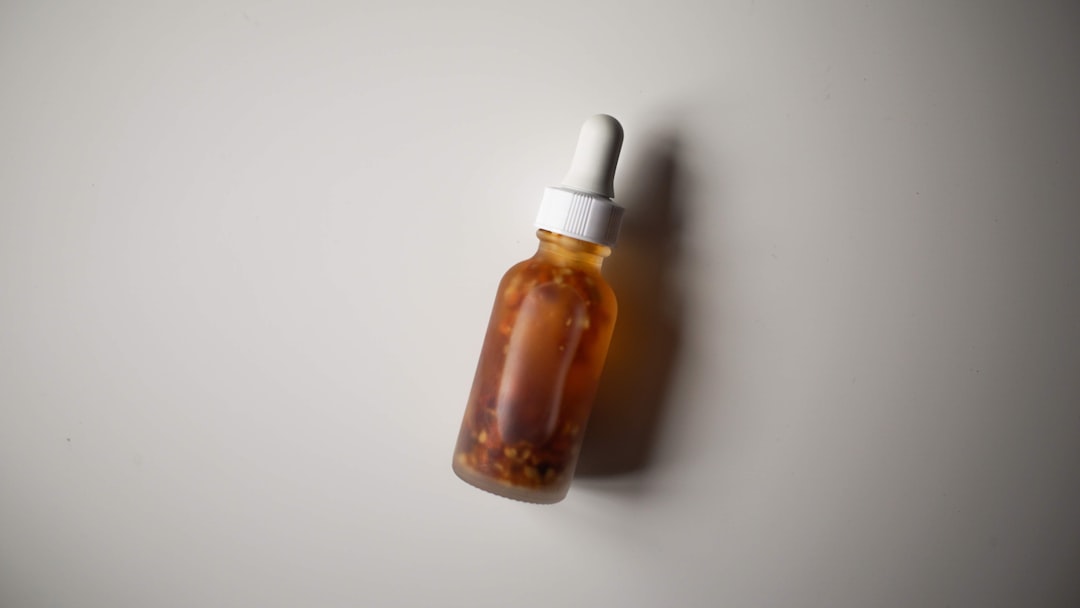
Sang Ju Yin is available at Herbal Clinic as a concentrated liquid extract, from 100mL to 1000mL.
Sang Ju Yin for wind-heat cough works by addressing the pattern from multiple angles at once. Each of the eight herbs carries a distinct role, and their combined action explains why the formula is so well matched to this specific presentation.
The Eight Herbs in Sang Ju Yin
Sang Ye — Mulberry Leaf (Morus alba)
First, consider Mulberry Leaf — the formula’s chief herb. Herbalists have used it for centuries to clear wind-heat from the Lungs and stop cough. It acts gently at the respiratory level, making it a logical anchor for a cough-focused formula.
Ju Hua — Chrysanthemum (Chrysanthemum morifolium)
Second, Chrysanthemum serves as co-chief herb. It disperses wind-heat in the upper body — head, throat, and chest. Additionally, it clears heat from the eyes, which is relevant when wind-heat presents with eye redness alongside cough.
Xing Ren — Apricot Kernel Seed (Prunus armeniaca)
Next, Apricot Kernel Seed descends Lung Qi. In TCM, cough results when Lung Qi moves upward instead of downward. Xing Ren corrects this directly. Furthermore, herbalists use it in more classical cough formulas than almost any other single herb.
Jie Geng — Platycodon Root (Platycodon grandiflorum)
Platycodon opens Lung Qi and directs the formula’s action upward to the throat and chest. Research links platycodon’s active plant compounds to support of the respiratory mucosa, giving it scientific backing alongside a long classical track record. As a result, Jie Geng serves as both a therapeutic herb and a channel guide in this formula.
Supporting and Coordinating Herbs
Bo He — Chinese Mint (Mentha haplocalyx)
Chinese Mint is cooling and acrid. It disperses wind-heat from the exterior, helping the body expel the pathogen at the surface. Because of this, Bo He contributes to the formula’s speed of action — one of Sang Ju Yin’s most valued clinical qualities.
Lian Qiao — Forsythia Fruit (Forsythia suspensa)
Forsythia clears heat and releases the exterior. Research shows that forsythoside A — a key active compound in the fruit — demonstrates antiviral activity in laboratory studies (PubMed). In particular, this gives Lian Qiao scientific credibility alongside its long traditional use.
Lu Gen — Reed Rhizome (Phragmites communis)
Reed Rhizome clears heat and generates fluids. Because wind-heat patterns dry out the throat and airways, Lu Gen counters this dryness by restoring moisture and cooling heat at the same time.
Gan Cao — Licorice Root (Glycyrrhiza uralensis)
Finally, Licorice harmonizes the formula, moderating the intensity of the other herbs. In addition, it benefits the throat directly — a fitting role in a formula targeting throat dryness and cough.
Sang Ju Yin vs. Yin Qiao San: Knowing Which Formula to Use
Practitioners often compare Sang Ju Yin and Yin Qiao San because both treat Wind-Heat. However, they target different dominant symptoms. Yin Qiao San is the stronger formula — designed for fever, significant sore throat, and systemic heat signs. Sang Ju Yin is lighter — designed for mild wind-heat where cough leads the presentation and fever is secondary or absent.
In practice, the guiding question is simple: what is the dominant complaint? If sore throat and fever come first, Yin Qiao San fits better. If cough comes first, Sang Ju Yin is the stronger match. Some practitioners combine both for complex presentations — however, this is a clinical decision that calls for guidance from a qualified TCM practitioner.
Additionally, neither formula suits Wind-Cold patterns. Specifically, Wind-Cold presents with stronger chills than fever, no significant thirst, and minimal throat involvement. In that case, a warming exterior formula is appropriate instead.
How to Use Sang Ju Yin for Wind-Heat Cough

Liquid extracts absorb quickly — useful for the early, acute window when Sang Ju Yin is most effective.
Sang Ju Yin for wind-heat cough works best at the earliest stage of illness — the first 12 to 24 hours after symptoms appear. Here’s how it works in practice: as a Light and Dispersing formula, it acts at the body’s exterior. Once illness moves deeper — once fatigue, significant fever, chest congestion, or digestive symptoms appear — the pattern has shifted. At that point, a different formula will be a better match.
For this reason, many practitioners and wellness-minded people keep Sang Ju Yin on hand before they need it. The critical window is short. Having the formula available at the first sign of a wind-heat cold is the practical approach.
Timing and Pattern Matching
However, pattern matching matters before reaching for this formula. Sang Ju Yin treats Wind-Heat specifically — and within that pattern, the version where cough is the chief complaint. Specifically, the indicators are:
- A dry or slightly productive cough as the main symptom
- Mild thirst or dry throat at onset
- Slight warmth or low-grade fever
- Thin yellow or white tongue coating
- Onset felt first in the throat and airways, not the body
In contrast, Wind-Cold presents with stronger chills than warmth, a clear throat, no significant thirst, and a white tongue coating. In that case, Gui Zhi Tang for wind cold is the appropriate match. Most importantly, using Sang Ju Yin for a Wind-Cold pattern is unlikely to help — and the correct pattern identification takes less than a minute.
Sang Ju Yin also works differently from preventive formulas like Yu Ping Feng San. Yu Ping Feng San (Jade Windscreen) builds defensive Wei Qi between illnesses — taken as a tonic over weeks. Sang Ju Yin is acute. Moreover, the two formulas are complementary: use Jade Windscreen to reduce susceptibility to illness, and reach for Sang Ju Yin when the wind-heat cough pattern appears.
Furthermore, Herbal Clinic’s Sang Ju Yin uses the full classical formula composition — Mulberry Leaf, Chrysanthemum, Forsythia Fruit, Chinese Mint, Platycodon Root, Apricot Kernel Seed, Reed Rhizome, and Licorice Root — in a pharmaceutical-grade alcohol base. Liquid extract absorbs quickly, which matters when timing is everything.
In addition, Herbal Clinic sources all herbs to strict quality standards. Most carry organic certification or come from sustainably wildcrafted sources. Sang Ju Yin is available in 100mL, 250mL, 500mL, and 1000mL sizes.
For regulatory reasons, dosing guidance is beyond what we can provide here. Please consult a qualified TCM practitioner for guidance suited to your individual situation.
These statements have not been evaluated by Health Canada. This product is not intended to diagnose, treat, cure, or prevent any disease.
FAQ
- Superior Sourcing: Our herbs are sourced from all over the world to avoid seasonal fluctuations in availability, keeping herbs accessible. Our suppliers meet strict standards that ensure top quality herbs, most of which are organic, wildcrafted, sustainably grown, or grown using permaculture. We support local farmers and grow many of our own herbs.
- Superior Processing: Our tinctures are made using the classic tincturing method. The tinctures are made in a 1:5 ratio which allows for the optimal extraction of the herb. The alcohol percentage is strictly controlled depending on the herb and part of the plant that is used.
- Superior Selection: We take pride in our growing selection of over 300 individual herbs. If we don’t carry the herb you’re seeking, we can likely track it down for you.
- Superior Quality Control: Our tinctures are thoroughly tested by a third-party lab and with an organoleptic evaluation by our team of herbalists prior to final bottling.
- Superior Price: Our tinctures are more cost-effective than other tinctures on the market. With an eye towards efficiency, we keep our costs low by maintaining good relationships with our wide network of suppliers and ordering herbs in bulk quantities.
- We Care About the Environment: We repackage materials that are shipped to us (so don’t be surprised if our packages look different from time to time!). We recycle or reuse materials whenever possible. We turn the cardboard we receive from other suppliers into packing material. We donate to avoid waste to groups like Naturopaths Without Borders. Our workforce almost completely uses public transportation or bikes. We are powered using 100% renewable energy through Bullfrog Power.
- We Donate To Charity: We support many causes that make the world better. We donate a portion of our profits or products. These include charities that support environmental and natural sustainability.
Set up an online account and order through the website. If you don’t have an account and place an order, one will be created for you.
Click here to subscribe to our mailing list.
Our products are made in Toronto, Ontario, Canada by a team of Herbalists and Naturopathic Doctors. The herbs and ingredients we use to make our products are sourced both locally and globally to keep herbs accessible and sustainable.
The majority of our herbs are certified organic, sustainably wildcrafted, or come from small-scale local organic farms that do not yet have organic certification. We always do our best to provide organic herbs in your formulas. We work with a variety of suppliers to keep costs low.
Although most of our products do not contain gluten, we do not have gluten-free certification for our production facility. Feel free to ask about any specific products and we’ll share whatever information we have available.
For liability and regulatory reasons, we don’t make any claims as to how our herbs should be used, including dosing recommendations. Please review our disclaimer, as well as our terms and policies.