Part of our complete guide to classical Chinese immune formulas.
What Is Gui Zhi Tang and When Is It Used for Wind Cold?
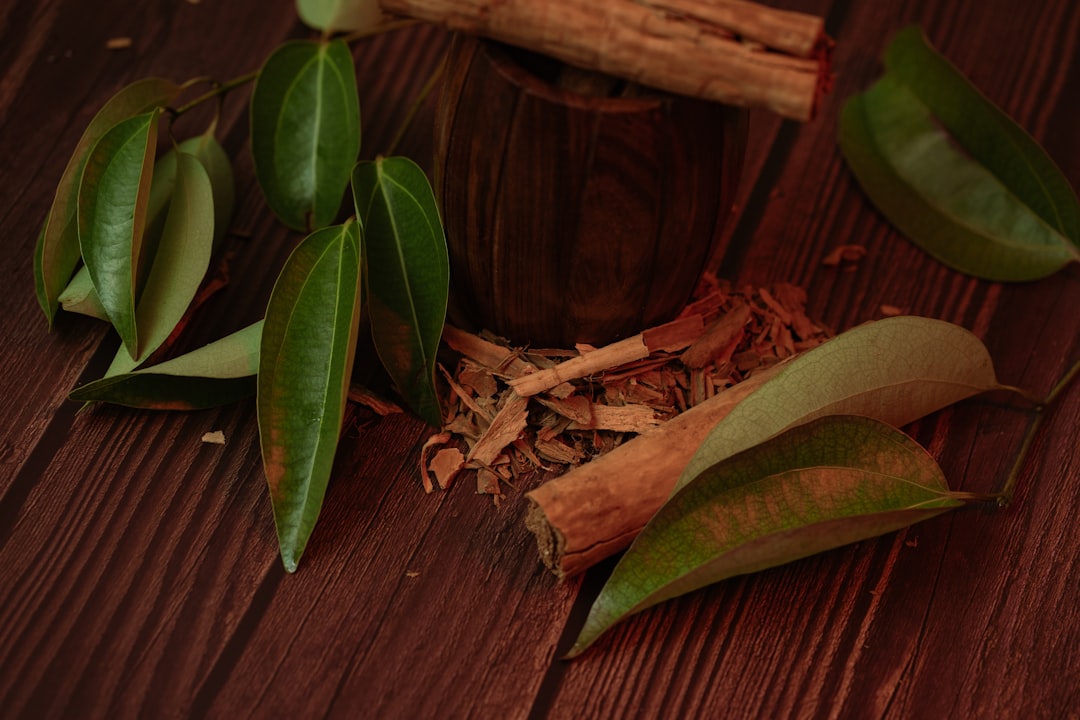
Cinnamon twig (gui zhi, Cinnamomum cassia) is the chief herb in Gui Zhi Tang.
Gui zhi tang for wind cold is one of the oldest Chinese herbal formulas in continuous clinical use. Zhang Zhongjing recorded it in the Shang Han Lun (Treatise on Cold Damage) around 200 CE, and practitioners have reached for it at the first sign of a cold ever since. Furthermore, it remains one of the most referenced formulas in all of classical Chinese medicine — a benchmark for understanding how the body’s exterior responds to cold and wind.
The name is straightforward: gui zhi means cinnamon twig, tang means decoction. In Chinese medicine, wind cold is a specific exterior pattern. It describes the early stage of a cold or flu where wind and cold have invaded the body’s surface, disrupting the balance between defensive qi (wei qi) and nutritive qi (ying qi). The result is a recognizable cluster of symptoms that sets it apart from other common cold presentations.
How to Identify a Wind Cold Pattern
Wind cold and wind heat share some symptoms on the surface — both can involve a runny nose, mild fatigue, and a general unwell feeling. However, the details that separate them are clinically significant, because each pattern calls for a completely different formula.
Wind cold presents with:
- Chills that feel stronger than any fever present
- Mild fever, or no fever at all
- Spontaneous sweating despite feeling cold
- Stiff, tense neck and upper back
- Headache at the occiput (base of skull) or top of the head
- A floating, soft (moderate) pulse
- No sore throat, or only mild throat discomfort without redness
In contrast, wind heat presentations — which call for formulas like Yin Qiao San — tend to feature a sore, red throat, yellow or green mucus, higher fever, and thirst. Gui zhi tang is not appropriate for that pattern. It is specifically indicated for wind cold with deficiency: the person’s defensive qi is not strong enough to fully close the surface, which explains why spontaneous sweating occurs even while the body feels chilled.
The Five Herbs in Gui Zhi Tang
Gui zhi tang contains five classical herbs, each with a defined role. The formula shows how Chinese medicine builds a treatment — not from one dominant herb, but from a balanced team where each ingredient supports the others.
- Gui zhi (Cinnamomum cassia twig) — the chief herb. Acrid and warm, it releases the exterior and warms the yang. It moves outward, helping the wei qi regain control of the body’s surface.
- Bai shao (Paeonia lactiflora, white peony root) — the deputy. Sour and cool, it nourishes the ying qi and astringes what is leaking. It directly counters spontaneous sweating by holding nutritive energy at the interior.
- Sheng jiang (Zingiber officinale, fresh ginger) — supports gui zhi in releasing the exterior and warms the stomach, protecting digestion during illness.
- Da zao (Ziziphus jujuba, jujube dates) — tonifies the spleen and nourishes the blood, pairing with bai shao to reinforce ying qi.
- Zhi gan cao (Glycyrrhiza uralensis, honey-fried licorice root) — harmonizes all five herbs, moderating the acridity of gui zhi and sheng jiang while supporting the tonifying action of da zao.
The gui zhi and bai shao pairing is the core of the formula. One opens the exterior; the other holds the interior. Together they restore ying-wei harmony — the relationship between surface defence and interior nourishment that wind cold disrupts. Herbal Clinic prepares Gui Zhi Tang in small batches at our Toronto facility using herb materials sourced to strict quality standards.
How Gui Zhi Tang Works for Wind Cold and Exterior Deficiency
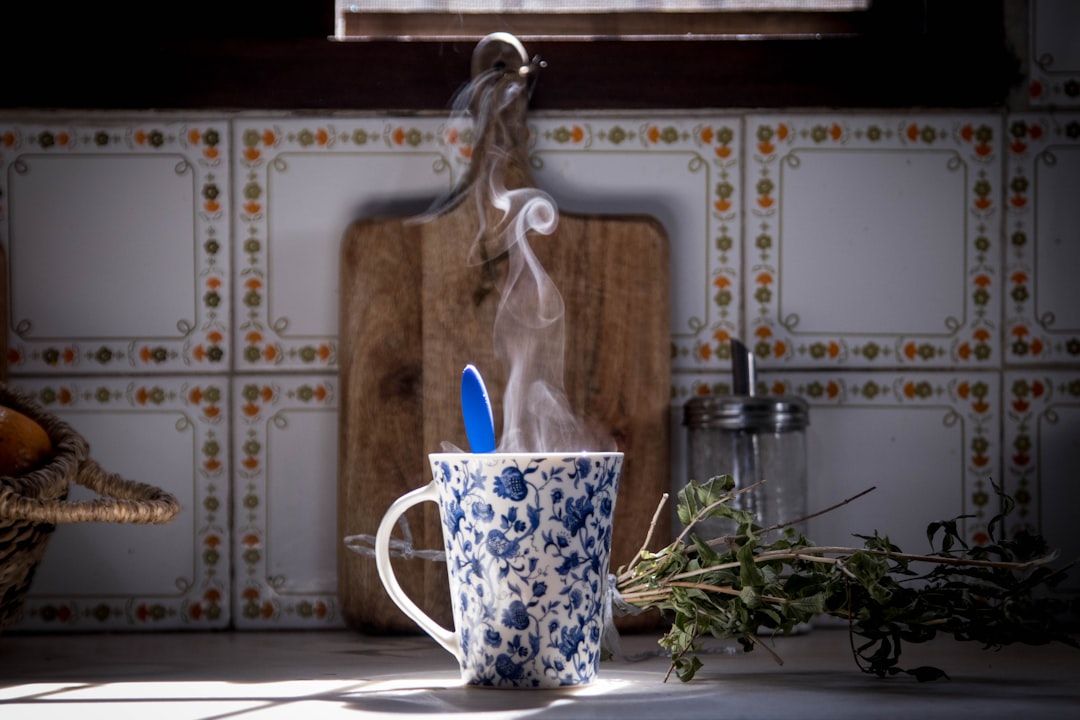
Gui zhi tang for wind cold is traditionally taken warm to support its surface-releasing action.
Gui zhi tang for wind cold works by restoring a specific energetic balance, not by simply suppressing symptoms. The condition arises when wei qi (defensive qi) is too weak to hold the exterior closed against wind and cold. As a result, the pores remain partially open — producing the paradox of spontaneous sweating in a person who feels cold. The formula addresses both sides of this imbalance at once.
The Ying-Wei Imbalance
In Chinese medicine, wei qi circulates on the body’s surface and acts as the first line of defence. Ying qi (nutritive qi) circulates inside the channels and nourishes the interior. When wind cold invades someone with relatively weak wei qi, these two fall out of rhythm. Wei qi cannot close the surface; ying qi leaks outward as sweat. Gui zhi tang for wind cold corrects this by working in two directions simultaneously: gui zhi reinforces the surface, and bai shao holds the interior.
This is where it gets interesting. Unlike formulas that forcefully drive out a pathogen — such as ma huang tang, which uses ephedra to produce a strong, fast sweat — gui zhi tang is gentle and restorative. It corrects the imbalance rather than overpowering it. This makes it suitable for people with weaker constitutions, those prone to spontaneous sweating, or older patients who cannot tolerate strong diaphoretic formulas. For people with stronger wei qi and no spontaneous sweating, a different exterior-releasing formula is typically more appropriate.
What Research Shows on the Key Compounds
Modern research has examined gui zhi tang’s component herbs for their effects on immune function, viral replication, and inflammation. Several findings align closely with the formula’s classical indications:
- Cinnamaldehyde (from Cinnamomum cassia) shows antiviral and warming actions in laboratory studies, including inhibition of influenza viral replication and support of peripheral circulation.
- Paeoniflorin (from Paeonia lactiflora) has well-documented anti-inflammatory and immune-modulating properties. Research links it to regulation of inflammatory cytokines — consistent with bai shao’s classical role of calming and astringing the interior.
- Gingerols (from Zingiber officinale) support warming, anti-nausea, and mild surface-releasing actions, in line with sheng jiang’s classical function.
- Glycyrrhizin (from Glycyrrhiza uralensis) shows anti-inflammatory and immune-supporting effects across multiple studies, supporting its role as the harmonizing agent in this and many other classical formulas.
Additionally, researchers have studied gui zhi tang as a complete formula in the context of early-stage respiratory infections and allergic rhinitis with a cold pattern. Practitioners have also applied it historically to postpartum sweating disorders and other situations involving ying-wei disharmony. However, the most important clinical point remains: gui zhi tang for wind cold is pattern-specific. It is not a general-purpose cold remedy. Applying it to the wrong pattern will produce a poor result and may worsen the presentation.
Most importantly, this precision is part of what makes Chinese medicine useful. You can also explore how Yu Ping Feng San strengthens defensive qi between illnesses — a formula that pairs well with gui zhi tang for people who catch colds easily. The goal of Chinese herbal medicine is not an herb that treats colds in general — it is the right formula for the right pattern at the right moment.
How to Take Gui Zhi Tang and What to Expect
Herbal Clinic offers Gui Zhi Tang as a tincture for convenient daily use.
Practitioners take gui zhi tang for wind cold at the very onset of symptoms. Timing matters more than almost any other factor. The formula works best when the pathogen remains at the exterior surface — before it progresses deeper or shifts from wind cold toward wind heat. Once symptoms change (for instance, if a sore throat develops, fever becomes dominant, or mucus turns yellow or green), a different formula fits better.
Traditional Preparation of Gui Zhi Tang
In classical use, practitioners prepared gui zhi tang as a water decoction: the five herbs simmered for 20 to 30 minutes, strained, and taken warm in divided doses. Zhang Zhongjing was specific about what to do after each dose: wrap in a light covering and allow a mild, even perspiration to develop across the whole body surface. The goal is not a heavy sweat — just a gentle, sustained dampness that signals the exterior is releasing.
The classical texts are equally clear about what to avoid during treatment. Cold foods, raw vegetables, cold drinks, and heavy meals direct the body’s energy inward, working against the formula’s outward, surface-releasing direction. Light, warm food — congee, broth, or steamed vegetables — is most appropriate during this phase of an illness. In addition, rest and warmth are not optional: they give the formula the conditions it needs to work.
Taking Gui Zhi Tang as a Tincture
Herbal Clinic offers Gui Zhi Tang as a tincture, with the five classical herbs extracted in an alcohol and water base. This form skips the preparation time of a decoction while preserving the formula’s action. For the best effect, add the tincture to a small amount of warm water rather than taking it straight or cold. Warmth supports the formula’s outward, surface-releasing direction — which aligns with one of the core principles of treating gui zhi tang for wind cold presentations.
Furthermore, taking it in warm water echoes the classical instruction to support the formula with warmth throughout. Stay warm, rest, and avoid cold exposure. These simple measures give the herbs the best possible environment to work in.
Here is what to expect in the hours after taking gui zhi tang for wind cold:
- A mild warmth spreading outward from the chest
- A light, even dampness at the skin — not a heavy sweat
- Gradual easing of chills and upper back tension
- Slow relief of headache as the exterior releases
- A general settling — the acute edge of the illness softening
If symptoms shift rather than improve — particularly if wind heat signs appear — stop the formula and reassess. A qualified Chinese medicine practitioner or herbalist can guide the transition to the correct formula for the new pattern. Herbal Clinic’s team of herbalists and naturopathic doctors is available to advise on formula selection.
Herbal Clinic prepares Gui Zhi Tang in small batches at our Toronto, Ontario facility. We source the component herbs from trusted suppliers who meet our standards for quality, organic certification, and sustainable wildcrafting. Most herbs in this formula are certified organic or sustainably sourced.
These statements have not been evaluated by Health Canada. This product is not intended to diagnose, treat, cure, or prevent any disease.
FAQ
- Superior Sourcing: Our herbs are sourced from all over the world to avoid seasonal fluctuations in availability, keeping herbs accessible. Our suppliers meet strict standards that ensure top quality herbs, most of which are organic, wildcrafted, sustainably grown, or grown using permaculture. We support local farmers and grow many of our own herbs.
- Superior Processing: Our tinctures are made using the classic tincturing method. The tinctures are made in a 1:5 ratio which allows for the optimal extraction of the herb. The alcohol percentage is strictly controlled depending on the herb and part of the plant that is used.
- Superior Selection: We take pride in our growing selection of over 300 individual herbs. If we don’t carry the herb you’re seeking, we can likely track it down for you.
- Superior Quality Control: Our tinctures are thoroughly tested by a third-party lab and with an organoleptic evaluation by our team of herbalists prior to final bottling.
- Superior Price: Our tinctures are more cost-effective than other tinctures on the market. With an eye towards efficiency, we keep our costs low by maintaining good relationships with our wide network of suppliers and ordering herbs in bulk quantities.
- We Care About the Environment: We repackage materials that are shipped to us (so don’t be surprised if our packages look different from time to time!). We recycle or reuse materials whenever possible. We turn the cardboard we receive from other suppliers into packing material. We donate to avoid waste to groups like Naturopaths Without Borders. Our workforce almost completely uses public transportation or bikes. We are powered using 100% renewable energy through Bullfrog Power.
- We Donate To Charity: We support many causes that make the world better. We donate a portion of our profits or products. These include charities that support environmental and natural sustainability.
Set up an online account and order through the website. If you don’t have an account and place an order, one will be created for you.
Click here to subscribe to our mailing list.
Our products are made in Toronto, Ontario, Canada by a team of Herbalists and Naturopathic Doctors. The herbs and ingredients we use to make our products are sourced both locally and globally to keep herbs accessible and sustainable.
The majority of our herbs are certified organic, sustainably wildcrafted, or come from small-scale local organic farms that do not yet have organic certification. We always do our best to provide organic herbs in your formulas. We work with a variety of suppliers to keep costs low.
Although most of our products do not contain gluten, we do not have gluten-free certification for our production facility. Feel free to ask about any specific products and we’ll share whatever information we have available.
For liability and regulatory reasons, we don’t make any claims as to how our herbs should be used, including dosing recommendations. Please review our disclaimer, as well as our terms and policies.