Eyebright for Eye Irritation: Meet Euphrasia officinalis
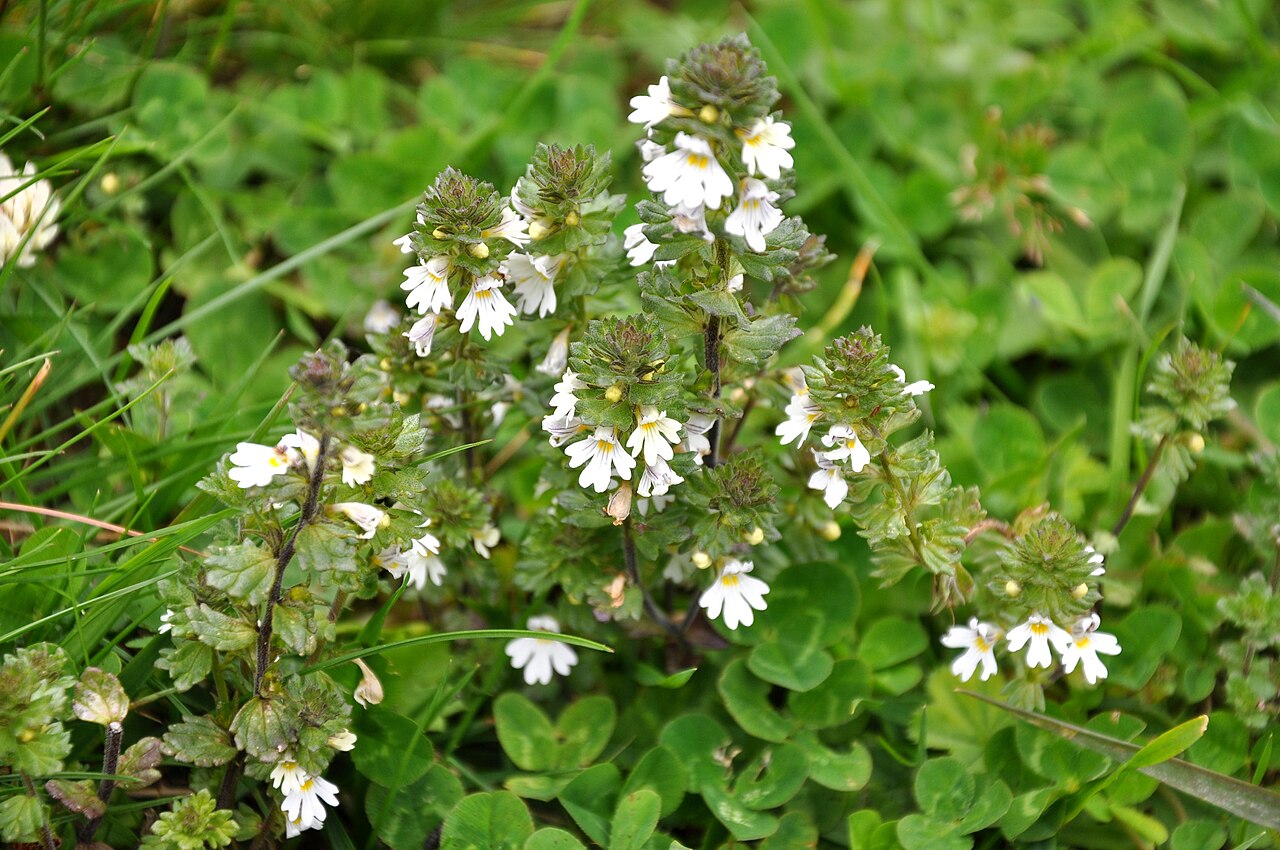
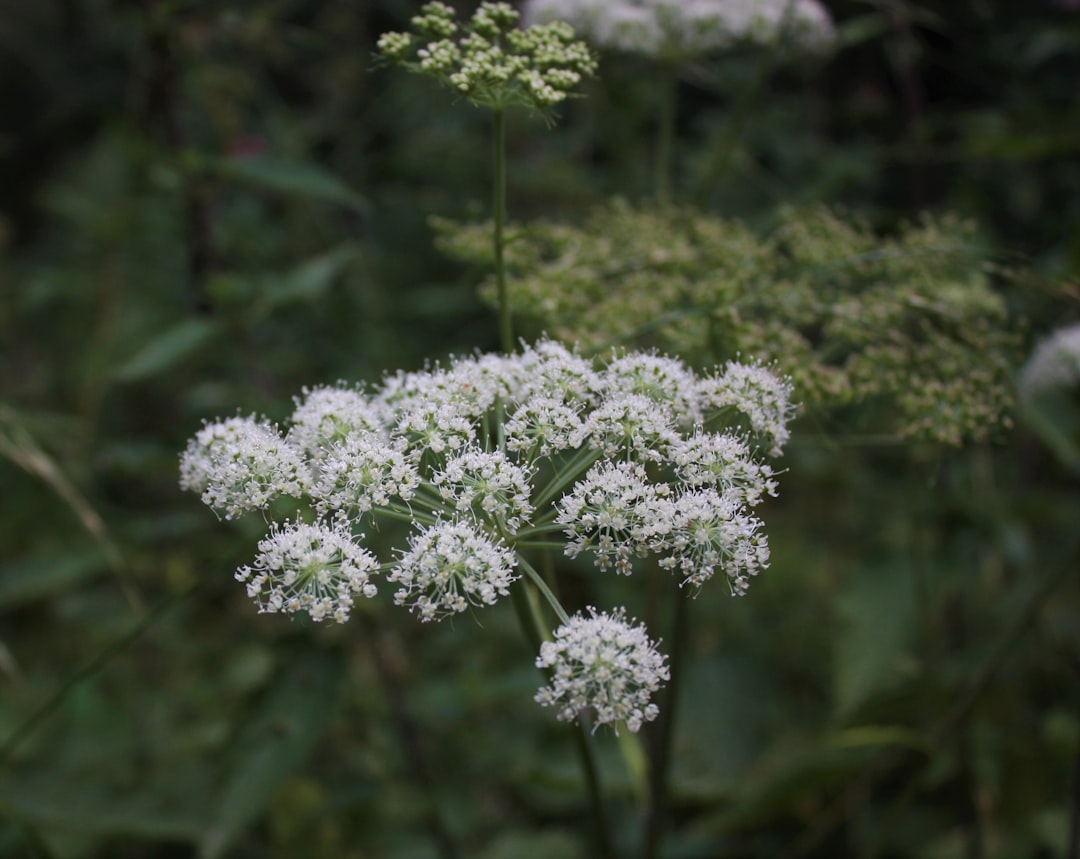
Euphrasia officinalis in flower, the plant known in English as eyebright.
Eyebright for eye irritation names its own job. That is rare in herbal medicine.
Long before anyone identified a single plant constituent, European herbalists reached for this small meadow wildflower. They used it when eyes turned red, watery, or gritty. The name has held for roughly six centuries. That kind of staying power usually means something.
What the plant actually looks like
Botanically, eyebright is Euphrasia officinalis. It belongs to the broomrape family, Orobanchaceae. The plant is a modest annual, rarely taller than twenty centimetres. Small white flowers carry fine purple streaks and a yellow blotch at the throat.
Herbal writers noticed that marking early. It resembles a bloodshot eye. Perhaps the likeness guided the plant’s first use. Perhaps it simply reinforced something people had already found. Either way, the association stuck. You may also meet the names euphrasy, meadow eyebright, and casse-lunette. That last one is French, and it translates roughly as “break your glasses.”
A plant that refuses to be farmed
Here is where it gets interesting: eyebright does not grow alone. It is hemiparasitic. The plant photosynthesises normally, but it also taps the roots of neighbouring grasses. From them it draws part of its water and minerals.
Consequently, eyebright resists tidy commercial cultivation. Harvesters still gather most of it from wild and semi-wild grassland. It favours open meadows, chalk downs, and hillside pasture across Europe and western Asia. In addition, traders handle several closely related Euphrasia species interchangeably. That is one reason species identity matters so much at the sourcing stage.
Herbalists use the aerial parts: flowering tops, leaves, and upper stems. Traditionally, harvesters worked through mid to late summer. At that point the flowers open fully and the plant carries its deepest colour. Afterwards the herb dries whole. Producers then cut it for tea or extract it into tincture.
What Eyebright for Eye Irritation Is Traditionally Associated With
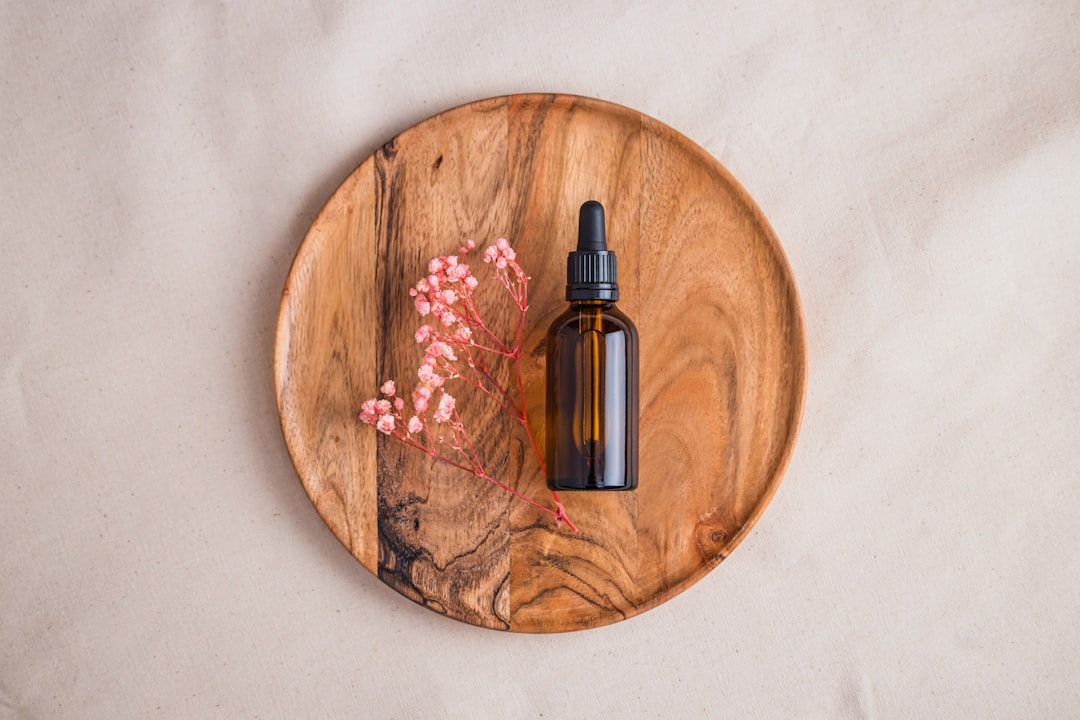
Eyebright is most commonly taken as a tincture or as a dried herb infusion.
Traditional Western herbalism classes eyebright as an astringent first. Anti-inflammatory comes second. Those two words carry most of the explanation.
Astringent herbs hold compounds that bind loosely to proteins at the surface of a mucous membrane. They tighten and tone tissue that has gone slack, weepy, and over-productive. Here is why that matters: the classic eyebright picture is not a dry eye. It is a wet one. Think watering, stinging, and puffiness in the surrounding tissue.
What sits inside the plant
The chemistry supports that description. Eyebright carries iridoid glycosides, most notably aucubin and catalpol. It also holds a meaningful tannin fraction, flavonoids such as quercetin, and phenolic acids including caffeic and ferulic acid.
The tannins account for the astringency. Furthermore, the iridoids and flavonoids draw the most attention in discussions of the plant’s anti-inflammatory reputation. However, eyebright research remains thin next to better-studied herbs. Most of what we know still rests on traditional use rather than large clinical trials.
The traditional picture behind eyebright for eye irritation
Historically, herbalists reached for this plant in a fairly narrow set of circumstances. Red and watering eyes. The gritty feeling that comes with conjunctivitis. Styes along the lid margin. General eye discomfort riding along with a heavy head cold.
However, they never treated it as an eye-only herb. The same membrane runs continuously from the eyes, through the tear ducts, into the nose and sinuses. So they applied eyebright just as readily to sinus congestion, post-nasal drip, and thin runny catarrh.
That connection explains its long role in allergy season. Pollen often sets off watering eyes and a streaming nose together. Traditional practice treated both as one picture, not two. For a related approach to the same season, see our guide to stinging nettle for seasonal allergies.
The key takeaway: eyebright is narrow and specific, not a broad tonic. Herbalists reach for it when tissue looks wet, reactive, and irritated. In addition, botanists recognise a large and tangled genus behind the common name. You can read more about the wider Euphrasia genus if the botany interests you.
How Eyebright for Eye Irritation Is Prepared and Used
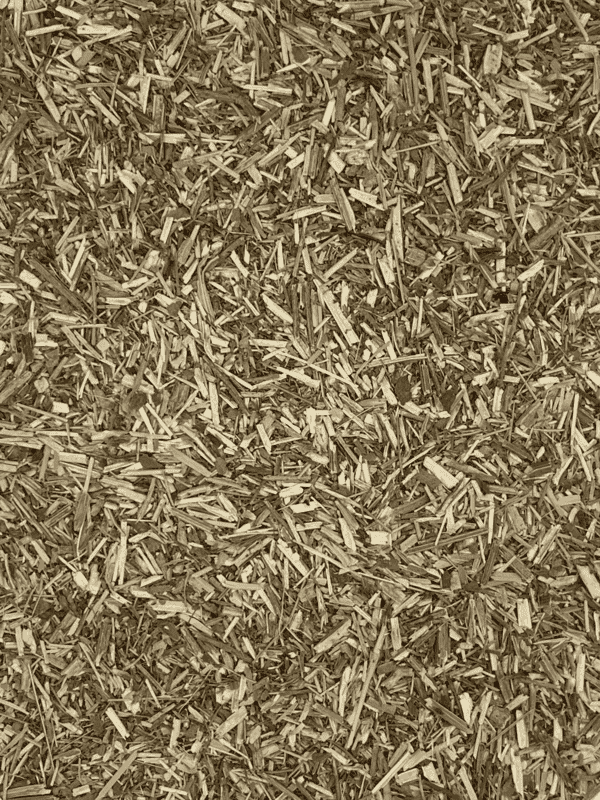
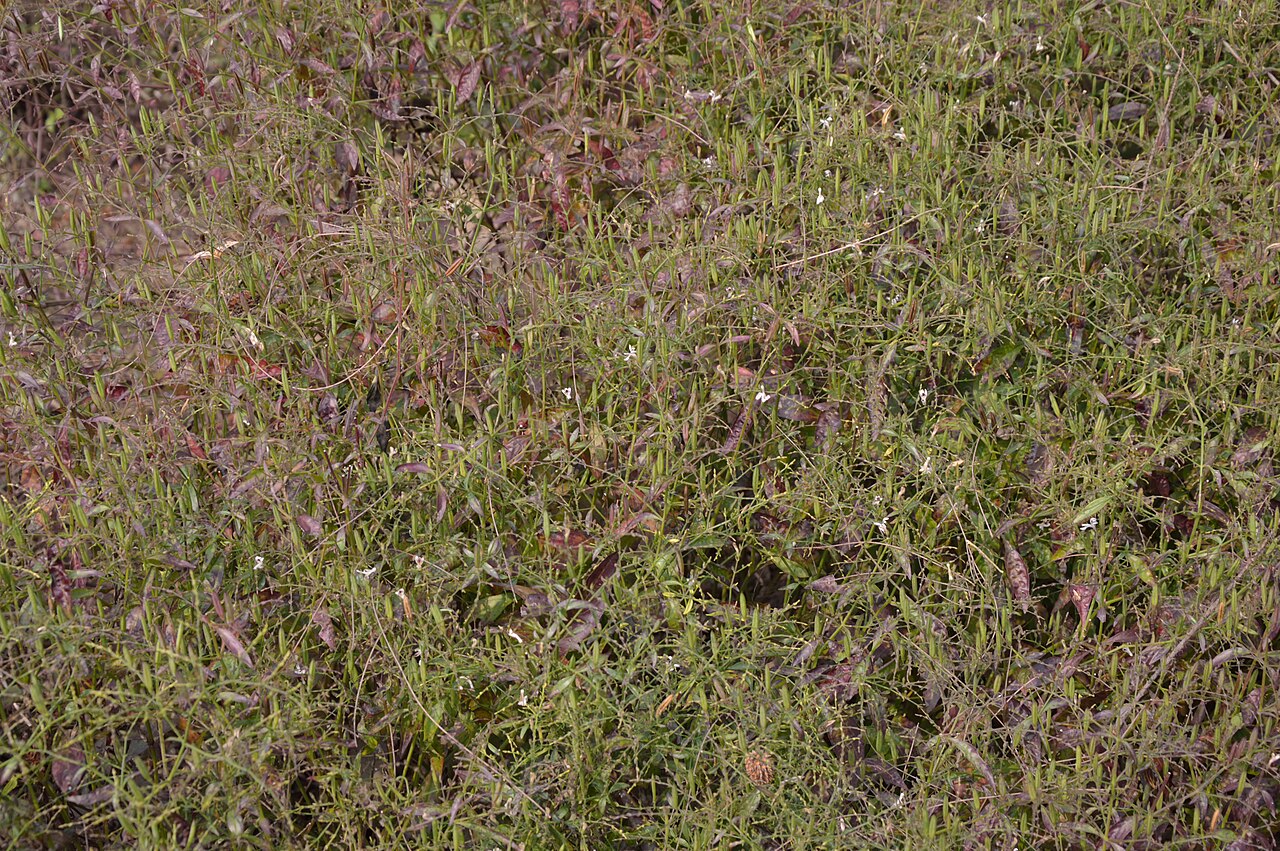
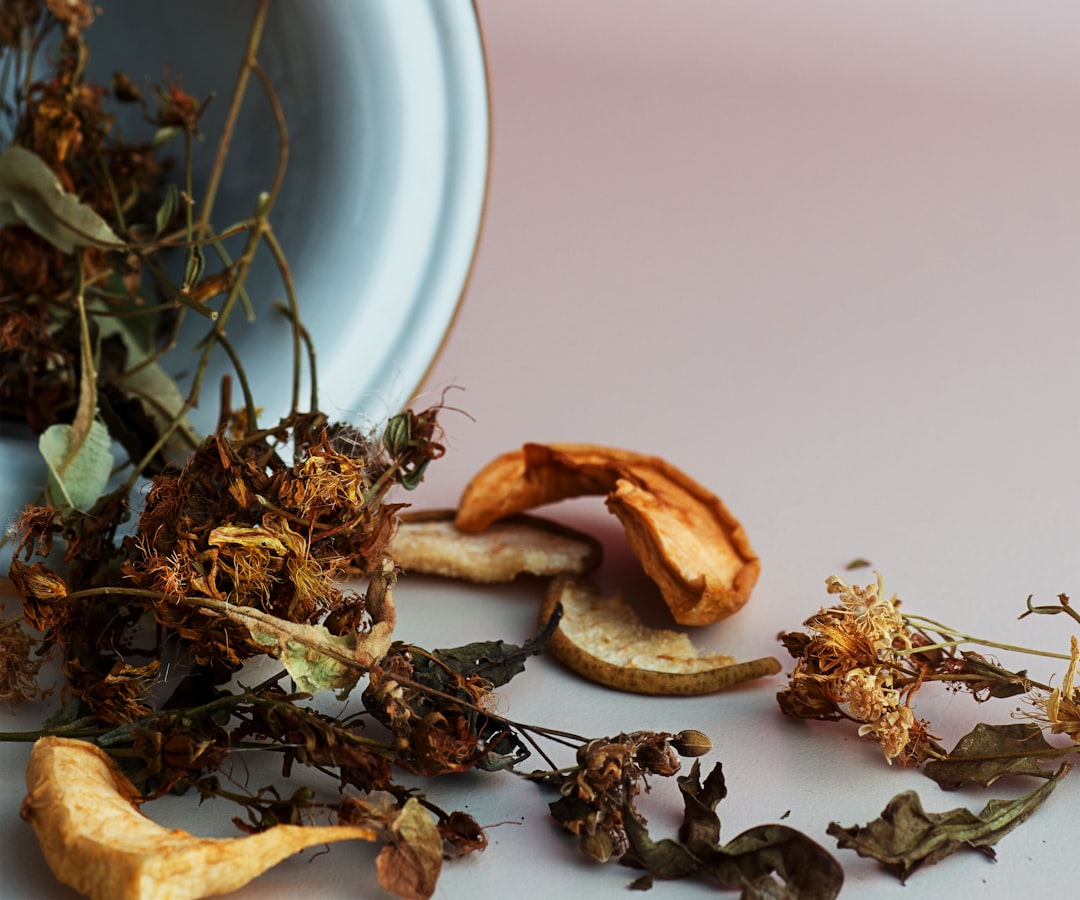
Dried eyebright aerial parts, cut and sifted for infusion.
Eyebright for eye irritation reaches people in two main forms today. One is a tincture. The other is dried herb for infusion. Both use the same aerial parts. The choice usually comes down to convenience and taste.
Tincture or tea?
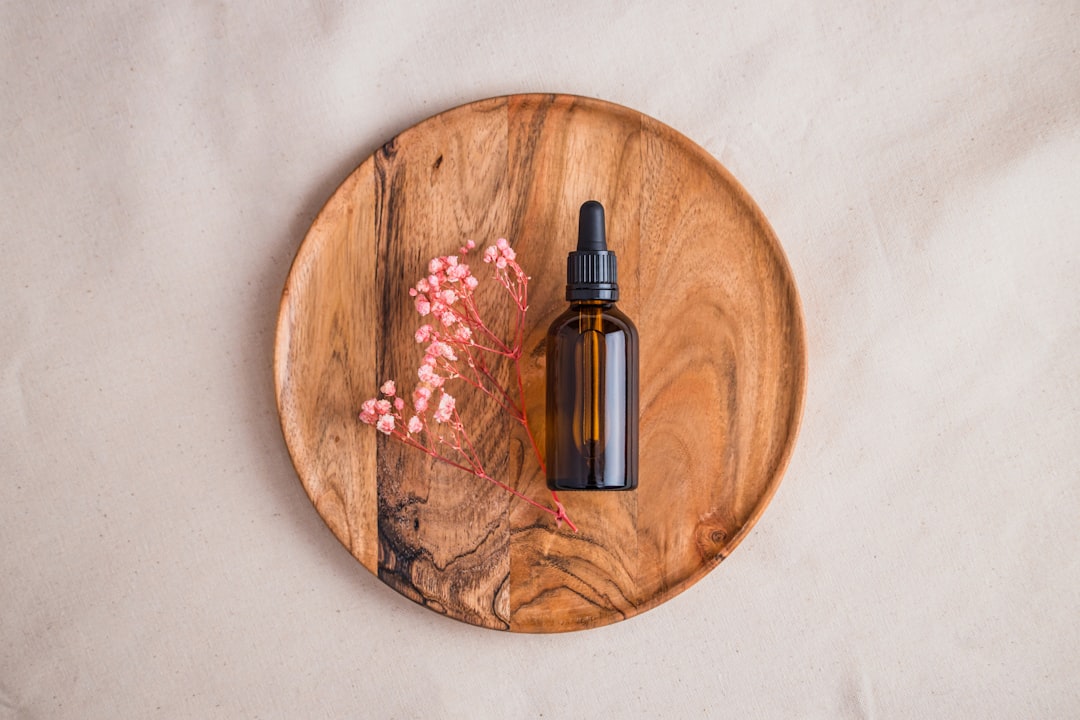
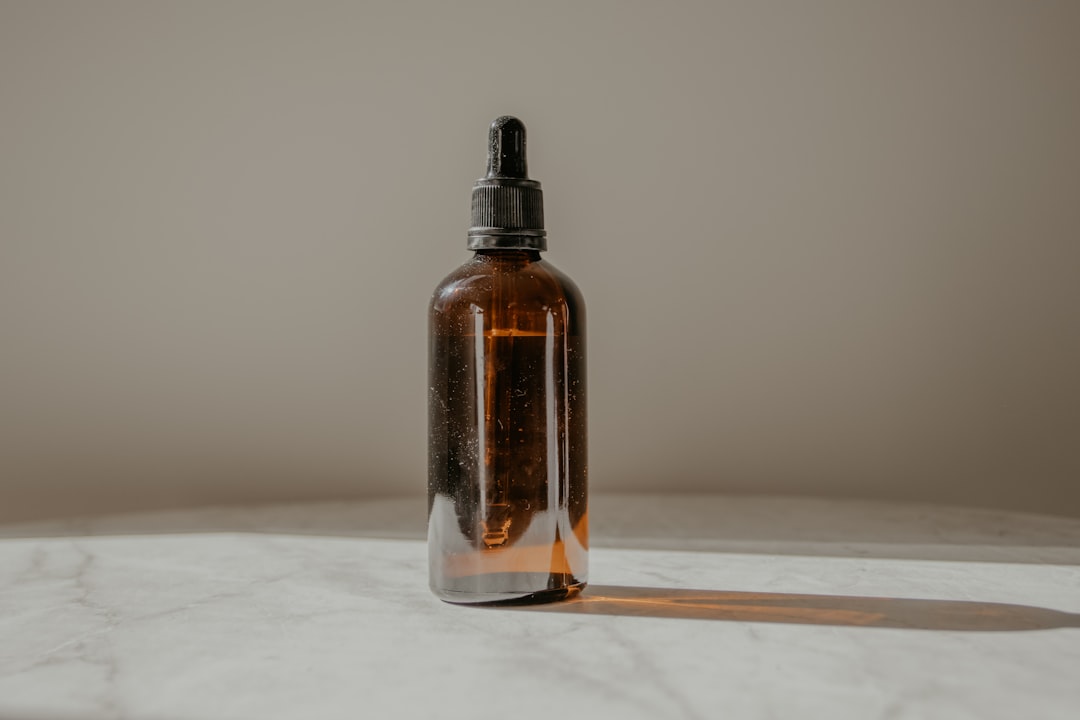
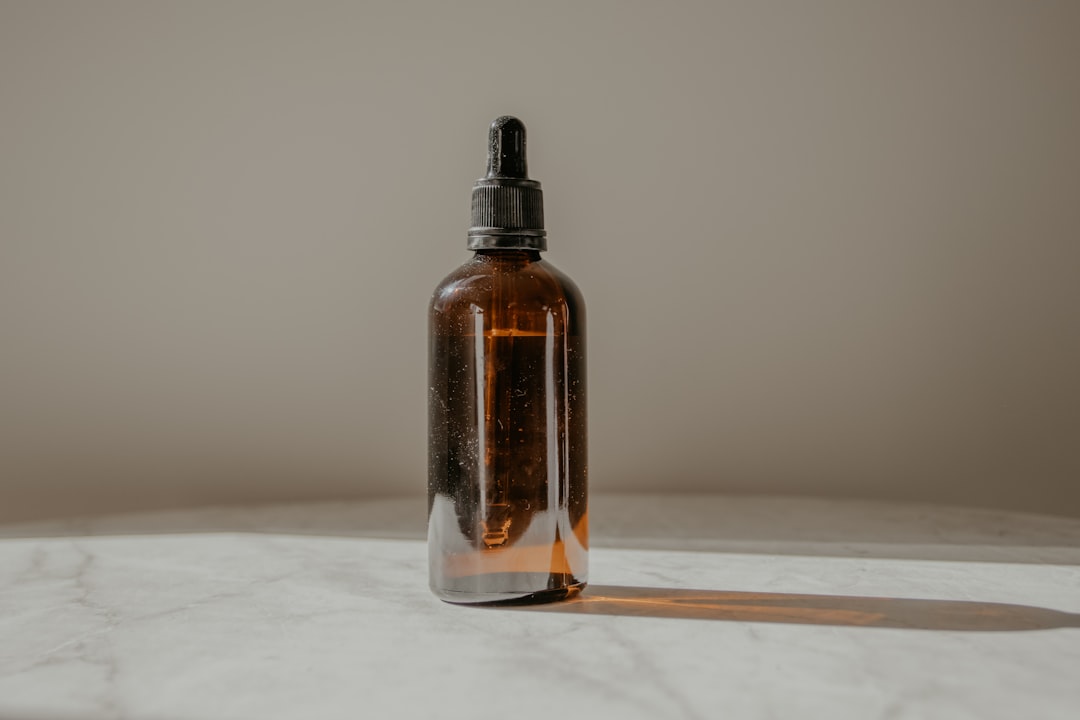
The tincture suits most people better. Alcohol pulls the iridoid and flavonoid fractions efficiently. It also keeps the finished extract stable for years in a sealed amber bottle. Consequently, a tincture travels well and needs no daily preparation. We extract our eyebright at a 1:5 ratio. We also set the alcohol percentage for this specific herb and plant part rather than applying a house default.
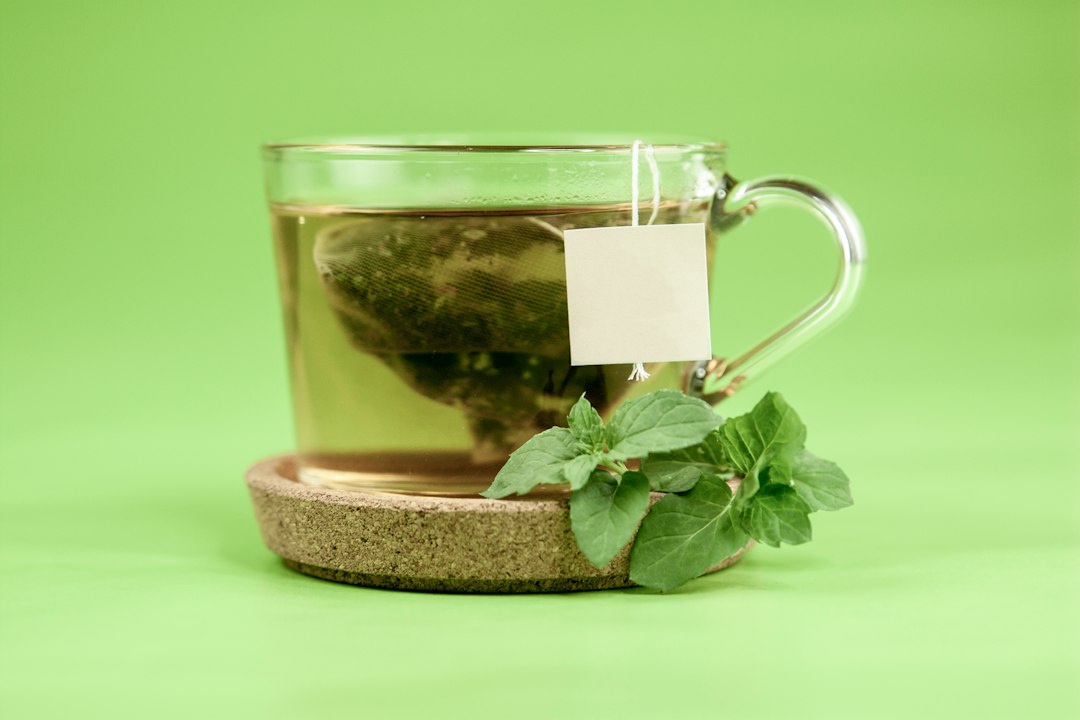
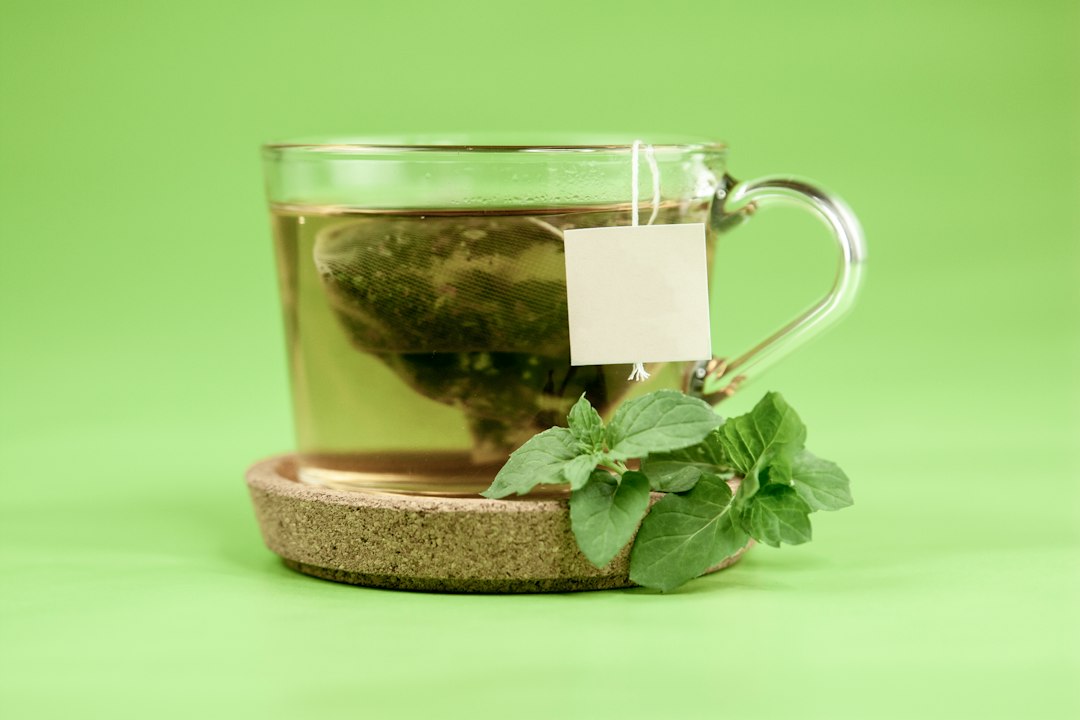
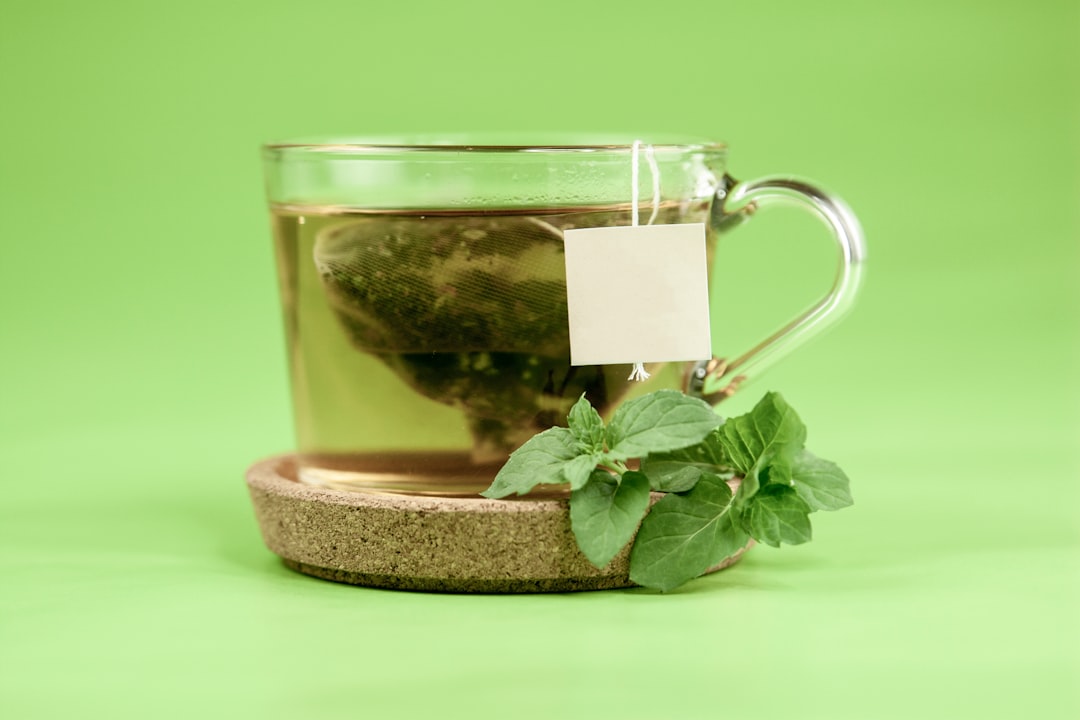
As a tea, eyebright tastes grassy and faintly bitter. It finishes dry, exactly as an astringent herb should. Traditionally people infused it rather than simmering it. The aerial parts are delicate, and long boiling drives off the lighter aromatics.
Moreover, many herbalists blended it rather than taking it alone. Chamomile was the usual partner. It softens the astringency and adds its own calming character. Our post on chamomile for sleep and digestion covers that herb in more detail. Shepherd’s purse also turns up in the older literature as a stand-in, since it shares the same astringent quality.
One important caution about the eyes
Historical texts describe eyebright compresses and eyewashes applied straight to the eye. Plenty of online writing still repeats that practice. We do not recommend it.
The eye is an exceptionally vulnerable structure. Home-prepared liquids are not sterile. Putting a non-sterile preparation into an already irritated eye risks a real infection. Therefore, if you have eye symptoms, talk to an optometrist or physician instead of mixing a wash at home. Persistent redness, pain, discharge, or any change in vision needs proper assessment.
Species identity is the other thing to watch with this herb. The Euphrasia genus holds hundreds of closely related species, and they hybridise freely. Material sold as eyebright is not always the same plant twice. As a result, we verify the botanical identity of everything that arrives. Our herbalists also confirm it organoleptically before it goes into production. For a genus this tangled, that is not a formality.
For liability and regulatory reasons, we make no claims about how our herbs should be used. That includes dosage. If you want guidance for your own situation, speak with a qualified herbalist or your health practitioner.
FAQ
- Superior Sourcing: Our herbs are sourced from all over the world to avoid seasonal fluctuations in availability, keeping herbs accessible. Our suppliers meet strict standards that ensure top quality herbs, most of which are organic, wildcrafted, sustainably grown, or grown using permaculture. We support local farmers and grow many of our own herbs.
- Superior Processing: Our tinctures are made using the classic tincturing method. The tinctures are made in a 1:5 ratio which allows for the optimal extraction of the herb. The alcohol percentage is strictly controlled depending on the herb and part of the plant that is used.
- Superior Selection: We take pride in our growing selection of over 300 individual herbs. If we don’t carry the herb you’re seeking, we can likely track it down for you.
- Superior Quality Control: Our tinctures are thoroughly tested by a third-party lab and with an organoleptic evaluation by our team of herbalists prior to final bottling.
- Superior Price: Our tinctures are more cost-effective than other tinctures on the market. With an eye towards efficiency, we keep our costs low by maintaining good relationships with our wide network of suppliers and ordering herbs in bulk quantities.
- We Care About the Environment: We repackage materials that are shipped to us (so don’t be surprised if our packages look different from time to time!). We recycle or reuse materials whenever possible. We turn the cardboard we receive from other suppliers into packing material. We donate to avoid waste to groups like Naturopaths Without Borders. Our workforce almost completely uses public transportation or bikes. We are powered using 100% renewable energy through Bullfrog Power.
- We Donate To Charity: We support many causes that make the world better. We donate a portion of our profits or products. These include charities that support environmental and natural sustainability.
Set up an online account and order through the website. If you don’t have an account and place an order, one will be created for you.
Click here to subscribe to our mailing list.
Our products are made in Toronto, Ontario, Canada by a team of Herbalists and Naturopathic Doctors. The herbs and ingredients we use to make our products are sourced both locally and globally to keep herbs accessible and sustainable.
The majority of our herbs are certified organic, sustainably wildcrafted, or come from small-scale local organic farms that do not yet have organic certification. We always do our best to provide organic herbs in your formulas. We work with a variety of suppliers to keep costs low.
Although most of our products do not contain gluten, we do not have gluten-free certification for our production facility. Feel free to ask about any specific products and we’ll share whatever information we have available.
For liability and regulatory reasons, we don’t make any claims as to how our herbs should be used, including dosing recommendations. Please review our disclaimer, as well as our terms and policies.