Posted on

Hibiscus for Blood Pressure: A Tart Red Tea With Real Research Behind It

Hibiscus for Blood Pressure: Meet the Roselle Plant
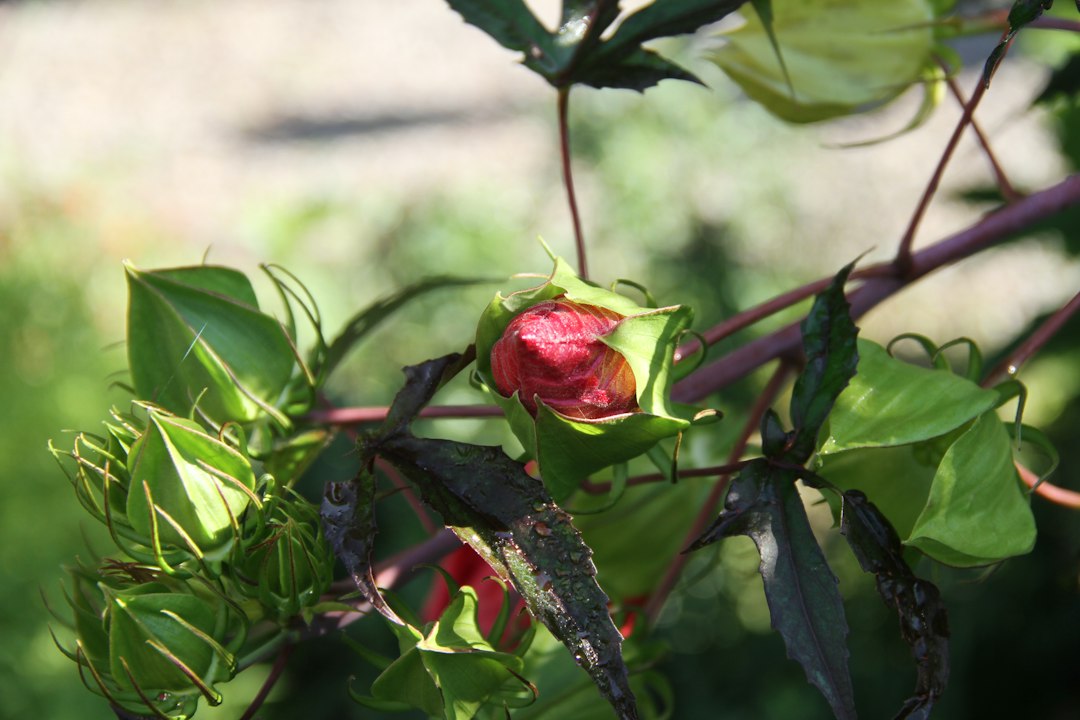
Roselle plant with a red calyx, the part used in hibiscus for blood pressure teas

Roselle (Hibiscus sabdariffa) is the plant behind hibiscus for blood pressure teas.

Hibiscus for blood pressure is one of the few herbal traditions that researchers have tested in real clinical trials. It also happens to make one of the best-tasting teas in the herbal world. So if you have ever sipped a tart, ruby-red drink at a Caribbean or Mexican market, you have already met this herb.

The plant behind that drink is roselle, or Hibiscus sabdariffa. It belongs to the mallow family (Malvaceae), which also includes marshmallow and okra. However, it is not the showy garden hibiscus you see in hotel lobbies. Roselle is a tall, shrubby annual with reddish stems and pale yellow flowers.

Here’s the interesting part: the flower is not the part we use. After each bloom fades, the base of the flower swells into a fleshy, deep red cup called a calyx. Growers harvest these calyces by hand and dry them. As a result, what you find in a bag of “hibiscus flowers” is really a pile of dried calyces.

Where Roselle Comes From

Roselle most likely originated in West Africa. From there, traders carried it to the Caribbean, Central America, India and Southeast Asia. Today, farmers grow it across the tropics, and Sudan, Nigeria, Mexico and China are major producers.

Almost every region that grows roselle has turned it into a drink. For example, Mexicans call it agua de jamaica and serve it chilled with a little sugar. In Jamaica and Trinidad, families brew it with ginger and spices as a holiday drink called sorrel. Meanwhile, people in Senegal and Egypt know it as bissap and karkadé.

These drinks were not only refreshing. Traditional healers in Africa, Iran and Mexico also turned to roselle as a gentle remedy for the heart, the kidneys and fluid balance. In Iranian folk medicine, for instance, sour tea made from the calyces was a common home remedy for high blood pressure. That long history is a big reason why researchers began studying hibiscus for blood pressure in the first place.

So what does roselle offer beyond tradition? Plenty. The calyces are rich in vitamin C, organic acids and red plant pigments called anthocyanins. Those pigments give the tea its colour, and they also do much of the work. We will look at how in Part 2.

You can explore our Hibiscus in the shop. And if heart health is your focus, our guide to hawthorn berry for heart health covers another classic heart herb.

How Hibiscus for Blood Pressure Works
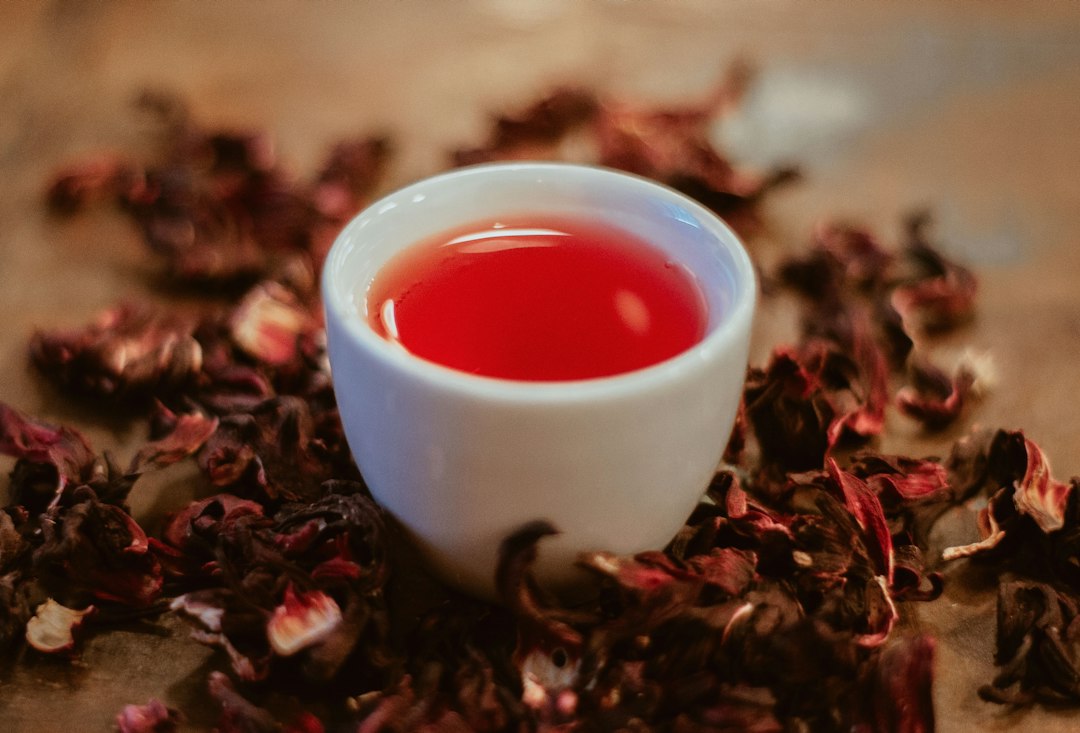
Cup of red hibiscus tea surrounded by dried roselle calyces

Hibiscus tea brewed from dried roselle calyces

Why does a sour red tea get so much attention from heart researchers? The answer lies in its chemistry. Studies on hibiscus for blood pressure have focused on a handful of plant compounds that seem to work together.

First, there are the anthocyanins. These deep red pigments, mainly delphinidin and cyanidin compounds, act as antioxidants. In lab studies, they also appear to block an enzyme called ACE. Your body uses ACE to make a hormone that tightens blood vessels. Some common heart drugs target this same enzyme, although hibiscus acts far more gently.

Second, hibiscus contains organic acids, including hibiscus acid and citric acid. These give the tea its sharp, cranberry-like taste. Researchers think they also play a part in the herb’s mild effects on the heart and blood vessels.

Third, roselle has a mild diuretic action. In other words, it may help the kidneys clear extra fluid and sodium. Less fluid in the bloodstream means less pressure on the vessel walls.

Here’s how it all fits together: relaxed vessels plus less fluid add up to a gentle downward nudge. Lab work also suggests that hibiscus helps the lining of blood vessels release nitric oxide, a molecule that lets them widen.

Research on Hibiscus for Blood Pressure

This is where it gets interesting. In a 2010 study from Tufts University, adults with mildly raised readings drank hibiscus tea every day for six weeks. As a result, their systolic numbers dropped more than those of adults who drank a placebo tea. Since then, several reviews have pooled similar trials and found a modest but consistent effect.

That said, the effect is gentle. Hibiscus is not a replacement for medication, and it is not a quick fix. Instead, it works best as one part of a heart-friendly routine that also includes movement, good sleep and less salt.

Beyond the heart, people also traditionally use hibiscus to support healthy cholesterol levels, digestion and hydration in hot weather. The National Center for Complementary and Integrative Health offers a helpful summary of the current evidence.

So what does this mean for you? If you want a gentle, food-like herb for your heart, hibiscus for blood pressure support is well worth a closer look. Just check with your doctor first if you already take medication for your heart.

How to Use Hibiscus Tea and Tincture
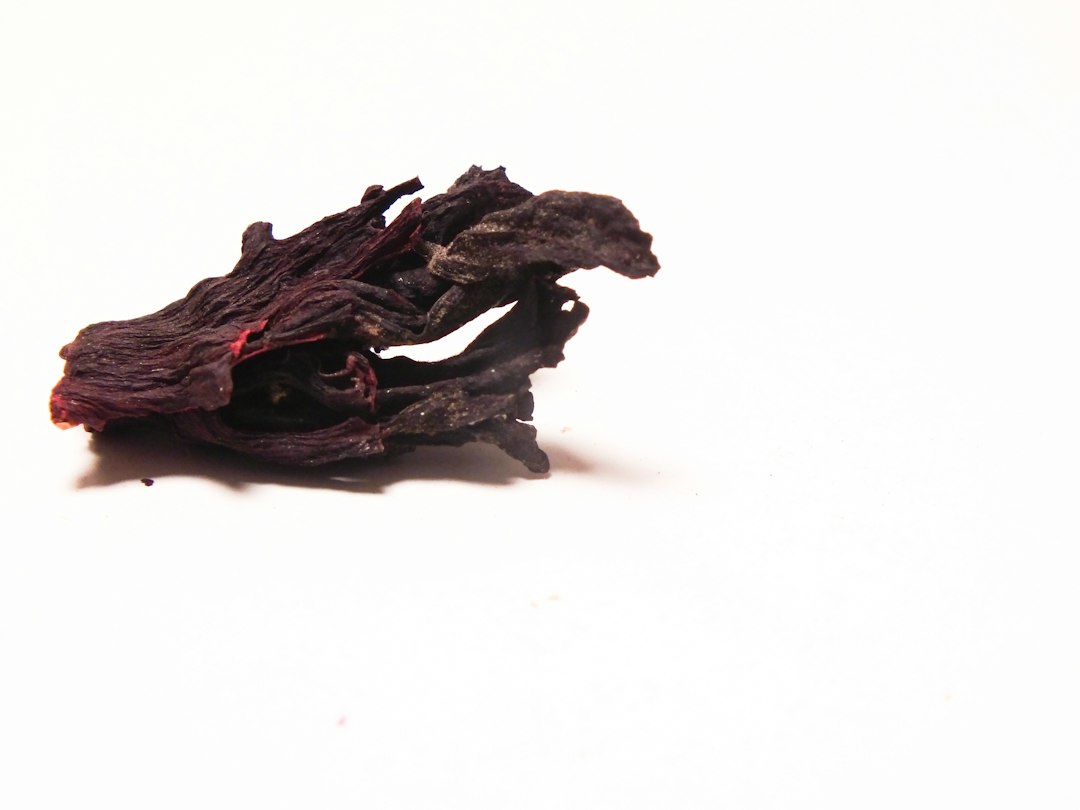
Dried hibiscus calyx ready for brewing tea

Dried roselle calyces, the classic form for hibiscus tea

Hibiscus is one of the easiest herbs to bring into your day. Because it tastes so good, most people never need to force it down. Here are the most common ways to enjoy it.

Hibiscus Tea

Tea is the classic form. To make a hot cup, pour just-boiled water over the dried calyces and let them steep for 5 to 10 minutes. The water turns a deep ruby red almost at once. Then strain and sip it plain, or add a little honey to soften the tartness.

Cold brewing works beautifully too. Simply add the calyces to a jar of cold water and leave it in the fridge overnight. The result is a smooth, less sour drink that suits hot days. For extra flavour, add fresh ginger, cinnamon, mint or a slice of orange.

Hibiscus also blends well with other herbs. For example, it pairs nicely with rose hips, lemon balm and hawthorn berry in a heart-friendly tea blend.

Hibiscus Tincture

A tincture is a concentrated liquid extract of the herb. It is handy if you travel or prefer not to brew tea every day. Many people simply add a tincture to a glass of water or juice. Plus, tinctures keep for years in a cool, dark cupboard.

If you want to support your heart from more than one angle, our Ginkgo and Hibiscus Combo pairs roselle with ginkgo, a herb known for circulation support.

Cautions With Hibiscus for Blood Pressure

Hibiscus is a food-grade herb, but it is still active. Anyone who takes medication should speak with a healthcare provider before using hibiscus for blood pressure support, since the effects may add up. Likewise, avoid it during pregnancy. Talk to your doctor too if you take diuretics, diabetes medication or acetaminophen. Finally, the acids in the tea can be hard on tooth enamel, so rinse with water afterward.

How Herbal Clinic Makes It

We source whole, deep red calyces from trusted suppliers, most of them organic. Our team of herbalists checks each batch for colour, aroma and taste. Then we make our tinctures in small batches in Toronto using the classic 1:5 method. That way, you get a product that tastes and works the way roselle should.

The key takeaway: hibiscus is a gentle, delicious herb with a long history and real research behind it. Brew a cup, notice how you feel, and enjoy the ritual.

FAQ

  • Superior Sourcing: Our herbs are sourced from all over the world to avoid seasonal fluctuations in availability, keeping herbs accessible. Our suppliers meet strict standards that ensure top quality herbs, most of which are organic, wildcrafted, sustainably grown, or grown using permaculture. We support local farmers and grow many of our own herbs.
  • Superior Processing: Our tinctures are made using the classic tincturing method. The tinctures are made in a 1:5 ratio which allows for the optimal extraction of the herb. The alcohol percentage is strictly controlled depending on the herb and part of the plant that is used.
  • Superior Selection: We take pride in our growing selection of over 300 individual herbs. If we don’t carry the herb you’re seeking, we can likely track it down for you.
  • Superior Quality Control: Our tinctures are thoroughly tested by a third-party lab and with an organoleptic evaluation by our team of herbalists prior to final bottling.
  • Superior Price: Our tinctures are more cost-effective than other tinctures on the market. With an eye towards efficiency, we keep our costs low by maintaining good relationships with our wide network of suppliers and ordering herbs in bulk quantities.
  • We Care About the Environment: We repackage materials that are shipped to us (so don’t be surprised if our packages look different from time to time!). We recycle or reuse materials whenever possible. We turn the cardboard we receive from other suppliers into packing material. We donate to avoid waste to groups like Naturopaths Without Borders. Our workforce almost completely uses public transportation or bikes. We are powered using 100% renewable energy through Bullfrog Power.
  • We Donate To Charity: We support many causes that make the world better. We donate a portion of our profits or products. These include charities that support environmental and natural sustainability.

Set up an online account and order through the website. If you don’t have an account and place an order, one will be created for you.

Our products are made in Toronto, Ontario, Canada by a team of Herbalists and Naturopathic Doctors. The herbs and ingredients we use to make our products are sourced both locally and globally to keep herbs accessible and sustainable.

The majority of our herbs are certified organic, sustainably wildcrafted, or come from small-scale local organic farms that do not yet have organic certification. We always do our best to provide organic herbs in your formulas. We work with a variety of suppliers to keep costs low.

Although most of our products do not contain gluten, we do not have gluten-free certification for our production facility. Feel free to ask about any specific products and we’ll share whatever information we have available.

For liability and regulatory reasons, we don’t make any claims as to how our herbs should be used, including dosing recommendations. Please review our disclaimer, as well as our terms and policies.
Posted on

Rhodiola for Stress and Fatigue: A Guide to the Arctic Golden Root

Meet the Golden Root: Rhodiola for Stress and Fatigue

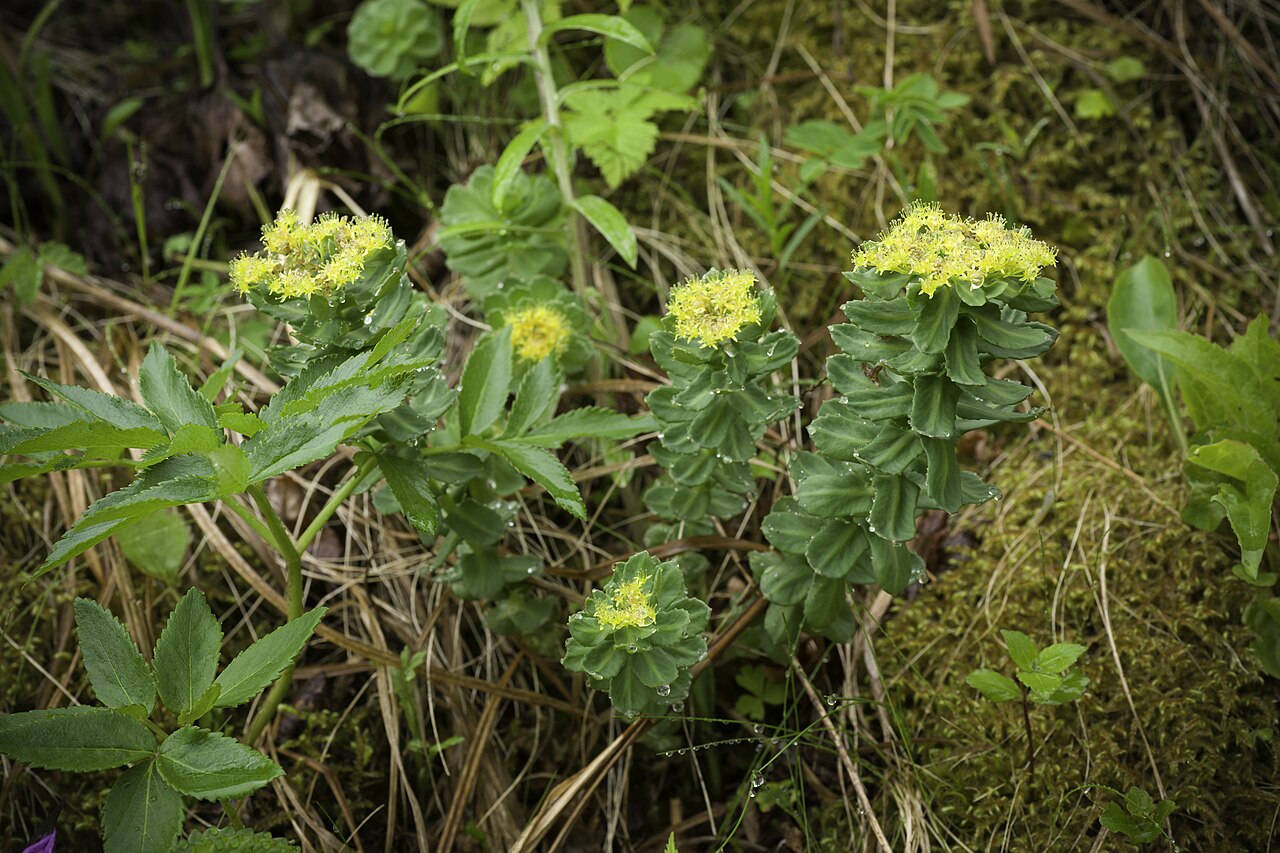
Rhodiola rosea plants in flower, the herb used for rhodiola for stress and fatigue

Golden root in flower: rhodiola for stress and fatigue comes from hardy mountain plants like these

Rhodiola for stress and fatigue has a long history in some of the coldest places on earth. For centuries, people in Siberia, Scandinavia and the Russian Arctic relied on this hardy root to cope with long winters and hard physical work. So if your energy dips every autumn, this herb may be worth a closer look.

Here’s why that matters: many herbs for energy simply stimulate you. Rhodiola works differently, and that difference is what makes it interesting.

Where Rhodiola Comes From

Rhodiola rosea belongs to the Crassulaceae family, the same family as stonecrops and jade plants. It grows in rocky, high-altitude soil across the Arctic, the Alps and the mountains of Central Asia. The plant is small and fleshy, with blue-green leaves and clusters of yellow flowers in early summer.

However, the flowers are not the useful part. Herbalists use the thick root, which smells faintly of roses when you cut it. That scent gave the plant its common names: roseroot and golden root.

The Tradition Behind Rhodiola for Stress and Fatigue

Viking sailors reportedly carried rhodiola to build stamina on long voyages. Later, Siberian families gave the root as a wedding gift to wish the couple health and a long life. In addition, Chinese emperors sent expeditions north to bring the root home.

Much later, Soviet researchers studied rhodiola closely. They wanted to help soldiers, athletes and cosmonauts stay sharp under pressure. As a result, much of the early research appeared only in Russian and stayed out of view in the West for decades.

Today, rhodiola sits beside ashwagandha and Siberian ginseng in the group of herbs called adaptogens. Many people now turn to rhodiola for stress and fatigue during busy seasons. You can read more about the plant’s botany on the Rhodiola rosea page on Wikipedia.

Because demand has grown fast, wild rhodiola has become scarce in some regions. For that reason, careful sourcing matters. We look for suppliers who harvest mature roots responsibly, so the plant can keep growing in the wild.

Benefits of Rhodiola for Stress and Fatigue

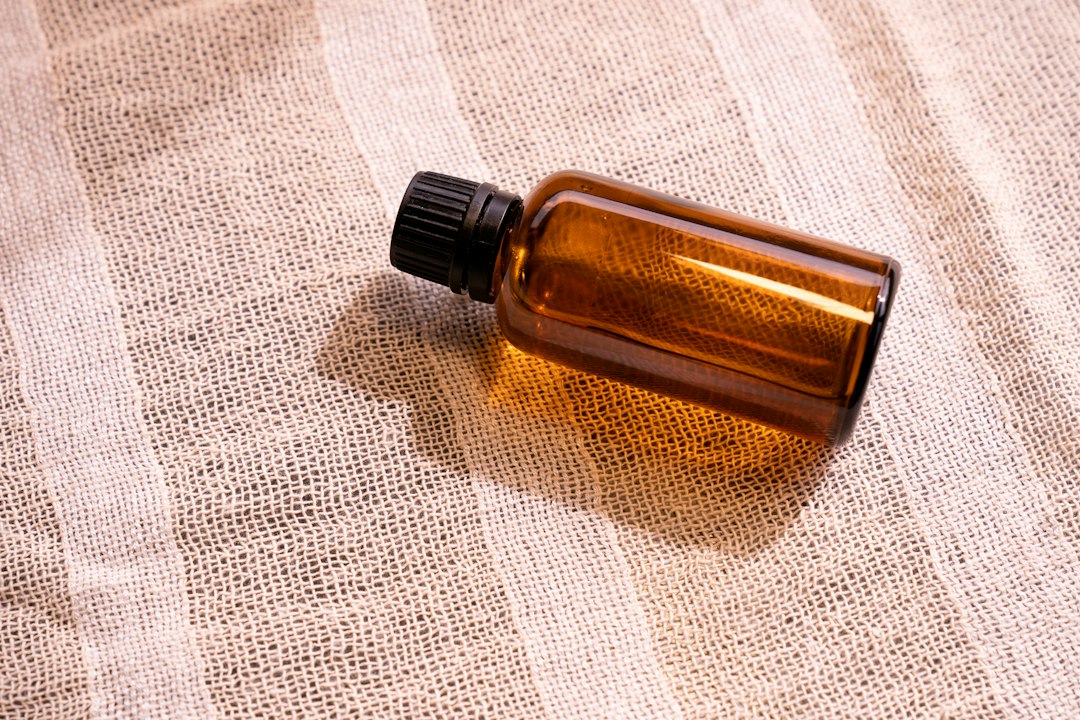
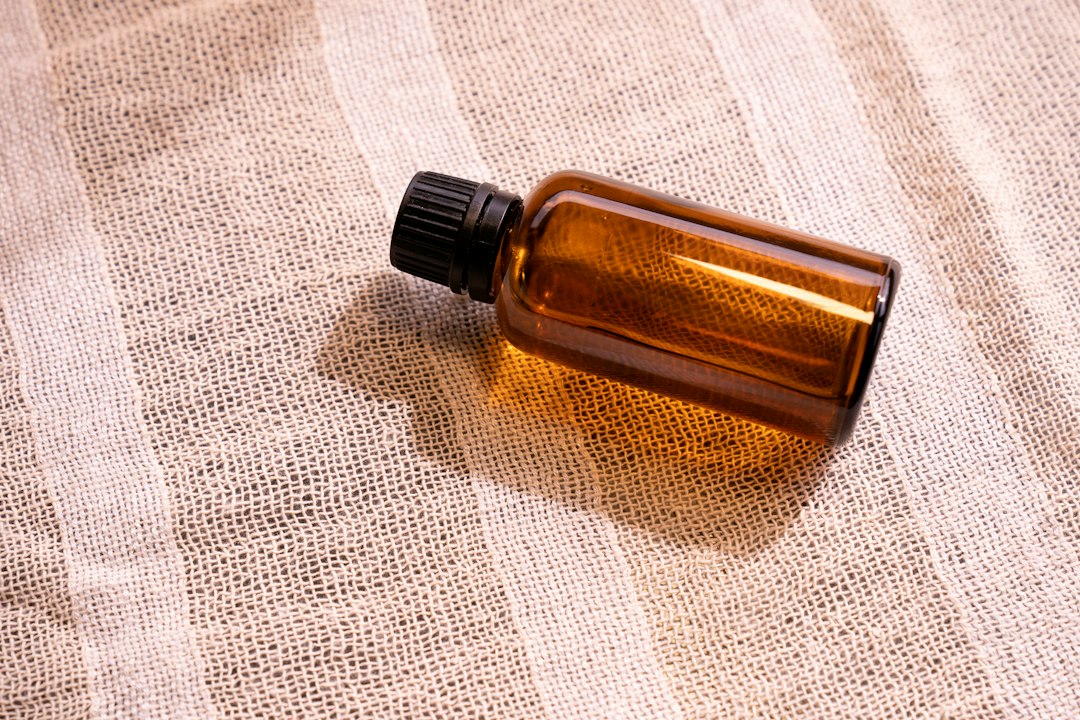
Amber bottle of rhodiola tincture on linen cloth

An amber bottle keeps a root tincture fresh and stable

So what does rhodiola for stress and fatigue actually do? Herbalists describe it as an adaptogen. In plain terms, people traditionally use it to help the body adapt to stress, whether that stress is physical, mental or emotional.

How Rhodiola Eases Stress and Fatigue

When you face pressure, your body releases stress hormones such as cortisol. In the short term, that response keeps you alert. However, when stress drags on for weeks, the same system can leave you wired, tired and foggy.

Researchers think rhodiola helps smooth out that stress response. In other words, it may support steady energy without the jittery lift of coffee. That is why many people describe it as calming and energizing at the same time.

Key Compounds in the Root

Rhodiola root contains several active compounds. The best known are rosavins and salidroside. Rosavins occur almost only in Rhodiola rosea, so they help confirm a genuine root. Meanwhile, salidroside appears in several rhodiola species and has drawn most of the research attention.

The root also contains antioxidants such as flavonoids, along with tannins. Together, these compounds give the tincture its slightly bitter, dry taste.

What Rhodiola Is Traditionally Used For

Here’s how people have traditionally used this root:

  • Mental fatigue during long work or study periods
  • Low energy linked to ongoing stress
  • Focus and mental clarity under pressure
  • Physical stamina and recovery
  • Low mood during dark winter months

Several small clinical studies suggest rhodiola may ease feelings of fatigue and support concentration in stressed adults. Still, the research is young, and results vary between studies. For this reason, we describe rhodiola as a traditional support, not a cure.

Most people who try rhodiola for stress and fatigue find it works best with steady use rather than as a quick fix. It also pairs well with calming herbs. For example, many people combine it with holy basil for a gentler, more balanced effect. Our Stress and Anxiety Bundle brings several of these herbs together.

How to Use Rhodiola Tincture

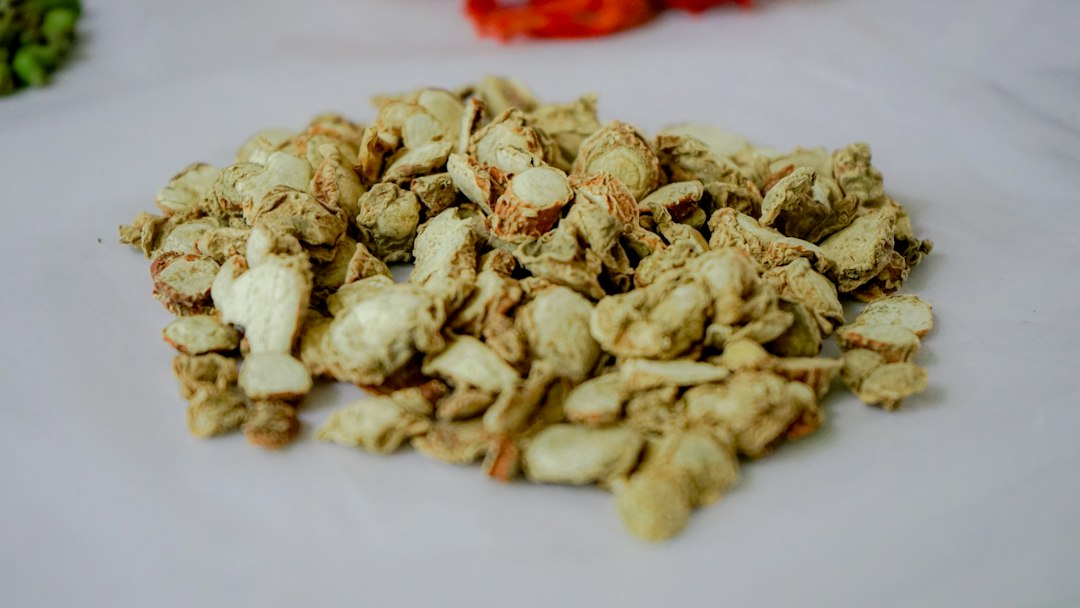
Dried root pieces ready for making an herbal tincture

Dried root pieces, ready for tincturing

Rhodiola for stress and fatigue is most often taken as a tincture. A tincture is a liquid extract. To make one, we soak the dried root in a blend of alcohol and water. This method draws out a wide range of the root’s compounds and keeps them stable for years.

Tincture, Tea or Capsule?

You can also find rhodiola as a tea or in capsules. However, the root is dense and woody, so tea extracts it poorly. Tinctures, on the other hand, capture both the water-soluble and alcohol-soluble parts of the root. They also absorb quickly and let you adjust the amount easily.

We offer two strengths. Our standard Rhodiola tincture follows the classic 1:5 ratio. Our 1:2 Rhodiola is more concentrated, so you need less of it.

Tips for Using Rhodiola for Stress and Fatigue

Most people take rhodiola earlier in the day. Because it can feel lightly energizing, a late-evening dose may keep some people awake. Here are a few other practical tips:

  • Add the tincture to a small glass of water or juice.
  • Start with a small amount and see how you feel.
  • Use it consistently for a few weeks rather than now and then.
  • Take regular breaks, since many herbalists suggest cycling adaptogens.

The key takeaway: rhodiola for stress and fatigue works best as part of a steady routine, alongside good sleep, food and movement.

Who Should Talk to a Practitioner First

Rhodiola is generally well tolerated. Even so, check with a qualified health practitioner before you start, especially if you are pregnant, take medication or live with bipolar disorder. Since we don’t give dosing advice, a practitioner can help you find the right approach.

How We Make Our Rhodiola Tincture

Our team of herbalists makes every tincture by hand in Toronto. First, we source responsibly harvested roots. Then we macerate them for several weeks and press them carefully. Finally, we taste and inspect each batch before bottling. As a result, you get a tincture that reflects the quality of the root.

FAQ

  • Superior Sourcing: Our herbs are sourced from all over the world to avoid seasonal fluctuations in availability, keeping herbs accessible. Our suppliers meet strict standards that ensure top quality herbs, most of which are organic, wildcrafted, sustainably grown, or grown using permaculture. We support local farmers and grow many of our own herbs.
  • Superior Processing: Our tinctures are made using the classic tincturing method. The tinctures are made in a 1:5 ratio which allows for the optimal extraction of the herb. The alcohol percentage is strictly controlled depending on the herb and part of the plant that is used.
  • Superior Selection: We take pride in our growing selection of over 300 individual herbs. If we don’t carry the herb you’re seeking, we can likely track it down for you.
  • Superior Quality Control: Our tinctures are thoroughly tested by a third-party lab and with an organoleptic evaluation by our team of herbalists prior to final bottling.
  • Superior Price: Our tinctures are more cost-effective than other tinctures on the market. With an eye towards efficiency, we keep our costs low by maintaining good relationships with our wide network of suppliers and ordering herbs in bulk quantities.
  • We Care About the Environment: We repackage materials that are shipped to us (so don’t be surprised if our packages look different from time to time!). We recycle or reuse materials whenever possible. We turn the cardboard we receive from other suppliers into packing material. We donate to avoid waste to groups like Naturopaths Without Borders. Our workforce almost completely uses public transportation or bikes. We are powered using 100% renewable energy through Bullfrog Power.
  • We Donate To Charity: We support many causes that make the world better. We donate a portion of our profits or products. These include charities that support environmental and natural sustainability.

Set up an online account and order through the website. If you don’t have an account and place an order, one will be created for you.

Our products are made in Toronto, Ontario, Canada by a team of Herbalists and Naturopathic Doctors. The herbs and ingredients we use to make our products are sourced both locally and globally to keep herbs accessible and sustainable.

The majority of our herbs are certified organic, sustainably wildcrafted, or come from small-scale local organic farms that do not yet have organic certification. We always do our best to provide organic herbs in your formulas. We work with a variety of suppliers to keep costs low.

Although most of our products do not contain gluten, we do not have gluten-free certification for our production facility. Feel free to ask about any specific products and we’ll share whatever information we have available.

For liability and regulatory reasons, we don’t make any claims as to how our herbs should be used, including dosing recommendations. Please review our disclaimer, as well as our terms and policies.
Posted on

Hyssop for Coughs and Colds: An Old Garden Herb for the Chest

Hyssop for Coughs and Colds: Meet the Herb

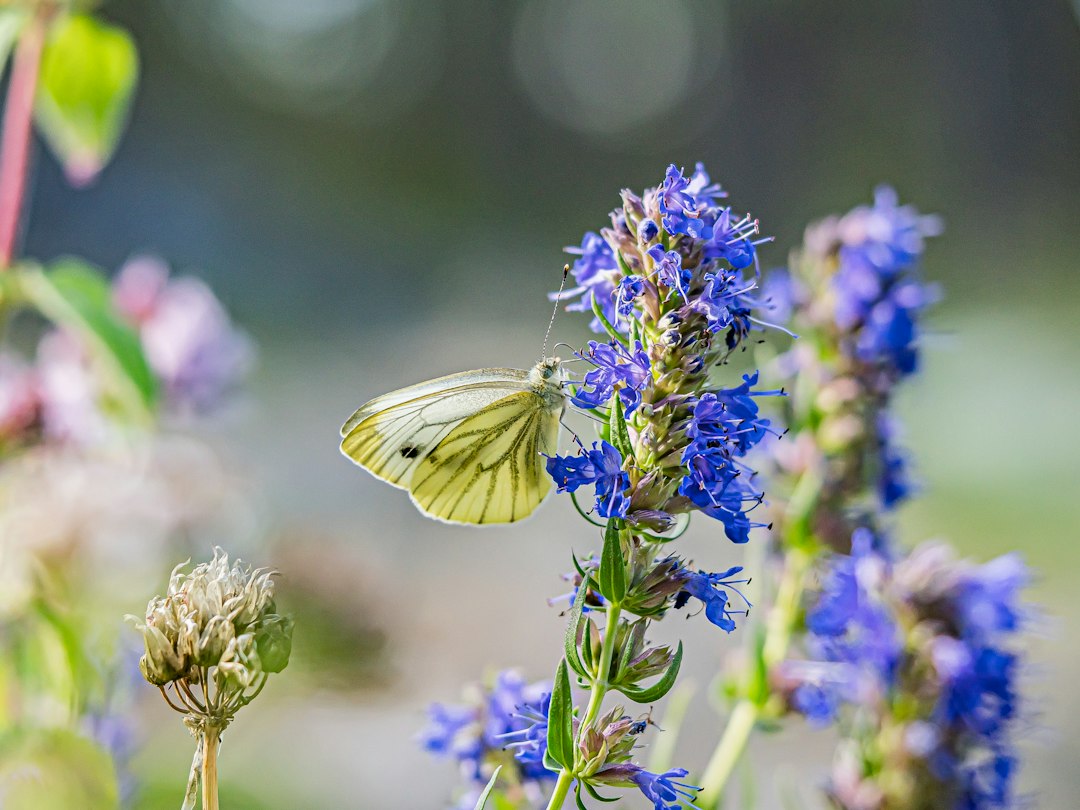
Hyssop for coughs and colds, blue hyssop flower spikes with a butterfly

Blue flower spikes like these are where hyssop for coughs and colds begins.

Hyssop for coughs and colds is one of the oldest pairings in European herbalism, and it still earns a place in the cold-season cupboard. Long before cough syrups lined pharmacy shelves, families grew this bushy herb by the kitchen door. So what made it so trusted, and how do people use it today?

Hyssop (Hyssopus officinalis) belongs to the Lamiaceae, or mint, family. That makes it a cousin of thyme, sage and rosemary. Like them, it has a square stem and narrow, fragrant leaves. Then, from mid-summer into fall, tall spikes of small blue-violet flowers open along the stems. Bees and butterflies crowd around them all day.

The plant is native to southern Europe, the Middle East and the area around the Caspian Sea. It loves dry, rocky soil and full sun. As a result, it grows happily in Canadian herb gardens and handles our winters well once it settles in. It usually reaches about 60 centimetres tall and turns slightly woody at the base.

A Name With a Long History

The name hyssop appears in very old texts, including the Bible. However, scholars believe that ancient “hyssop” was probably a different plant, likely a type of wild marjoram. The herb we now call hyssop became popular in medieval Europe instead. Monks grew it in monastery gardens, and herbalists added it to cough remedies and chest rubs. It also flavoured liqueurs such as Chartreuse.

Here’s why that matters: hyssop earned its reputation through centuries of household use. Old herbals list it as a warming herb for the lungs and throat. In addition, cooks used small amounts of the bitter, minty leaves in stews and salads.

Hyssop Is Not Anise Hyssop

One quick note before we go further. Anise hyssop (Agastache foeniculum) is a separate North American plant with a sweet, liquorice scent. It shares part of the name, but it is not the same herb. This article covers true hyssop only. You can see its botanical profile in the USDA PLANTS Database.

Traditional Benefits of Hyssop for Coughs and Colds

Amber herbal tincture bottle on a linen cloth

Tinctures capture both the aromatic oils and the bitter compounds of the plant.

Herbalists turn to hyssop for coughs and colds mainly because of its action on the chest. Traditionally, they describe it as an expectorant. An expectorant is an herb that may help the body loosen and clear mucus from the airways. So hyssop is a classic choice for a wet, rattly cough that feels stuck.

But there’s more to it than that. Hyssop is also a diaphoretic, which means it may help the body sweat when taken as a hot tea. Folk herbalists used warming, sweat-promoting teas at the first sign of a chill. For this reason, hyssop often appeared in old remedies for feverish colds, alongside herbs like yarrow and elderflower.

Key Traditional Uses

  • Chesty coughs: traditionally used to help loosen mucus so it is easier to cough up.
  • Early colds: a hot cup may support the body’s natural response when a chill sets in.
  • Sore throats: a cooled tea has long served as a soothing gargle.
  • Sluggish digestion: like many mint family herbs, it is a mild bitter and carminative.

What’s Inside the Plant?

This is where it gets interesting. Hyssop’s strong scent comes from its volatile oil. That oil contains compounds such as pinocamphone, isopinocamphone and beta-pinene. The leaves also hold flavonoids, tannins and a bitter compound called marrubiin. Marrubiin is the same bitter principle found in horehound, another classic cough herb.

Lab studies suggest that hyssop extracts have antimicrobial and antioxidant activity. However, human research on hyssop for coughs and colds is still limited. Most of what we know comes from long traditional use and the experience of herbalists. So think of it as a time-tested helper rather than a proven treatment.

So what does this mean for you? Hyssop fits well with other respiratory herbs. For example, herbalists often pair it with thyme, elecampane or mullein in a chest formula.

How to Use Hyssop for Coughs and Colds at Home

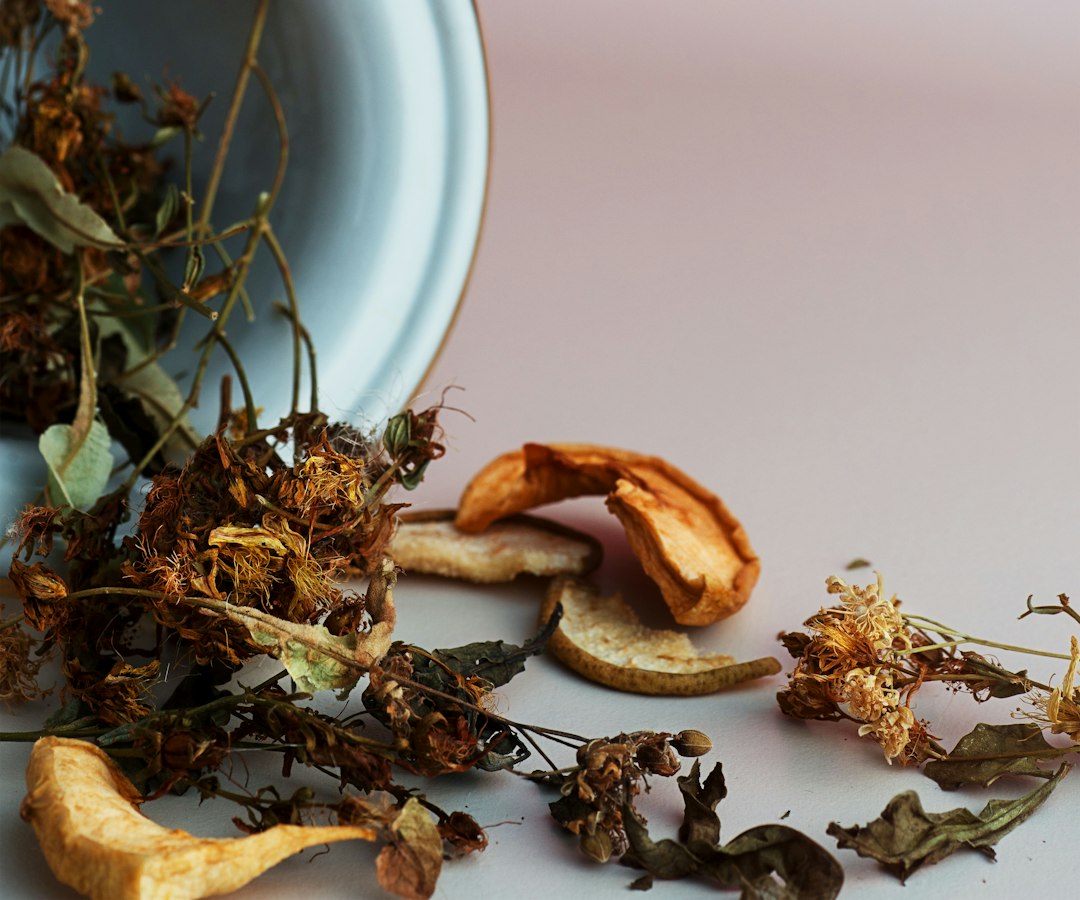
Dried herbs spilling from a cup, ready for a warming tea

Dried hyssop blends well with other warming tea herbs.

The simplest way to try hyssop for coughs and colds is a warm cup of tea. First, pour just-boiled water over the dried leaf and flowering tops. Then cover the cup and let it steep for about ten minutes. Covering it keeps the aromatic oils in your cup instead of in the air.

Hyssop Tea for Coughs and Colds

Hyssop tea tastes strong, minty and quite bitter. Because of that, many people add honey, which also soothes a scratchy throat. You can also blend it with peppermint, lemon balm or a slice of fresh ginger to soften the flavour. As a result, it becomes a comforting evening drink during cold season.

Hyssop Tincture on the Go

A tincture is another handy option. Because alcohol pulls out both the oils and the bitter compounds, a tincture captures the full character of the plant. It also travels well, so you can keep a bottle at work or in your bag. Many people stir it into a little warm water. If you enjoy making your own remedies, our guide on how to make a tincture walks you through each step.

Tips for Your Routine

  • Keep a small jar of dried hyssop in the cupboard from October onward.
  • Sip a warm cup when you feel the first chill of a cold.
  • Use a cooled, strong tea as a throat gargle.
  • Plant a hyssop bush in a sunny corner, since pollinators love it.

A Few Cautions

Hyssop tea and tincture are gentle in normal amounts. However, the pure essential oil is a very different product. It is highly concentrated, and people should never take it by mouth. Also, avoid hyssop during pregnancy and if you have a seizure disorder. Speak with a healthcare practitioner before giving any herb to a child.

At Herbal Clinic, we make our Hyssop tincture in Toronto using the classic tincturing method. We source quality dried herb and extract it at a 1:5 ratio. Our herbalists then check every batch before bottling. The key takeaway: hyssop is a warming, time-tested herb that has earned its place in the cold-season cupboard.

FAQ

  • Superior Sourcing: Our herbs are sourced from all over the world to avoid seasonal fluctuations in availability, keeping herbs accessible. Our suppliers meet strict standards that ensure top quality herbs, most of which are organic, wildcrafted, sustainably grown, or grown using permaculture. We support local farmers and grow many of our own herbs.
  • Superior Processing: Our tinctures are made using the classic tincturing method. The tinctures are made in a 1:5 ratio which allows for the optimal extraction of the herb. The alcohol percentage is strictly controlled depending on the herb and part of the plant that is used.
  • Superior Selection: We take pride in our growing selection of over 300 individual herbs. If we don’t carry the herb you’re seeking, we can likely track it down for you.
  • Superior Quality Control: Our tinctures are thoroughly tested by a third-party lab and with an organoleptic evaluation by our team of herbalists prior to final bottling.
  • Superior Price: Our tinctures are more cost-effective than other tinctures on the market. With an eye towards efficiency, we keep our costs low by maintaining good relationships with our wide network of suppliers and ordering herbs in bulk quantities.
  • We Care About the Environment: We repackage materials that are shipped to us (so don’t be surprised if our packages look different from time to time!). We recycle or reuse materials whenever possible. We turn the cardboard we receive from other suppliers into packing material. We donate to avoid waste to groups like Naturopaths Without Borders. Our workforce almost completely uses public transportation or bikes. We are powered using 100% renewable energy through Bullfrog Power.
  • We Donate To Charity: We support many causes that make the world better. We donate a portion of our profits or products. These include charities that support environmental and natural sustainability.

Set up an online account and order through the website. If you don’t have an account and place an order, one will be created for you.

Our products are made in Toronto, Ontario, Canada by a team of Herbalists and Naturopathic Doctors. The herbs and ingredients we use to make our products are sourced both locally and globally to keep herbs accessible and sustainable.

The majority of our herbs are certified organic, sustainably wildcrafted, or come from small-scale local organic farms that do not yet have organic certification. We always do our best to provide organic herbs in your formulas. We work with a variety of suppliers to keep costs low.

Although most of our products do not contain gluten, we do not have gluten-free certification for our production facility. Feel free to ask about any specific products and we’ll share whatever information we have available.

For liability and regulatory reasons, we don’t make any claims as to how our herbs should be used, including dosing recommendations. Please review our disclaimer, as well as our terms and policies.
Posted on

Catnip for Relaxation: The Gentle Mint Family Herb Worth Rediscovering

Catnip for Relaxation: Meet the Mint Family Herb

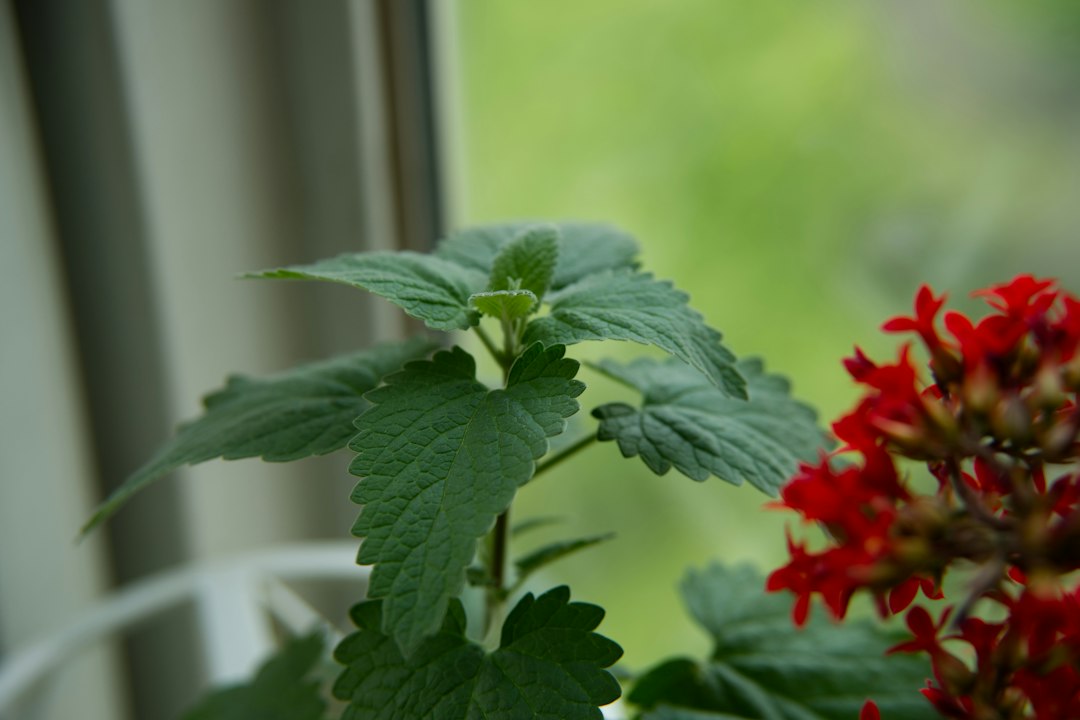
Catnip for relaxation, fresh catnip leaves growing by a window

Soft, minty leaves like these are where catnip for relaxation begins.

Catnip for relaxation might sound like a joke about house cats, but this humble herb has calmed people for centuries. In fact, European and North American households once kept it on the shelf right next to chamomile. So why did it fall out of fashion, and why is it worth a second look?

Catnip (Nepeta cataria) belongs to the Lamiaceae, or mint, family. It is a cousin of lemon balm, peppermint and sage. Like its relatives, it has a square stem and soft, fragrant leaves. The leaves are grey-green, heart-shaped and toothed along the edges. Then, in summer, small white flowers with purple spots appear in spikes at the tips of the stems.

The plant is native to Europe and parts of Asia. However, early settlers carried it to North America, where it now grows wild along roadsides, fences and field edges. It reaches about one metre tall and spreads easily. As a result, gardeners often find it in places they never planted it. Other common names include catmint, catwort and field balm.

A Long History in the Kitchen Garden

Catnip has a long record in folk herbalism. For example, English cottagers brewed catnip tea long before black tea from Asia became affordable. Herbalists also gave the mild tea to children with colds, upset tummies and restless nights. In addition, cooks added the leaves to soups and sauces for their soft minty flavour.

Here’s why that matters: catnip earned its place because it is gentle. Families trusted it for the youngest and oldest members of the house. Over time, it became a classic nursery herb alongside chamomile and lemon balm.

What About Cats?

Of course, the herb’s name comes from its famous effect on cats. The plant contains a compound called nepetalactone. When a cat sniffs it, the compound triggers rolling, rubbing and playful behaviour for about ten minutes. Humans, on the other hand, do not react this way at all. Instead, people have traditionally used catnip as a soothing, settling herb. You can explore the plant’s botanical profile in the USDA PLANTS Database.

Traditional Benefits of Catnip for Relaxation

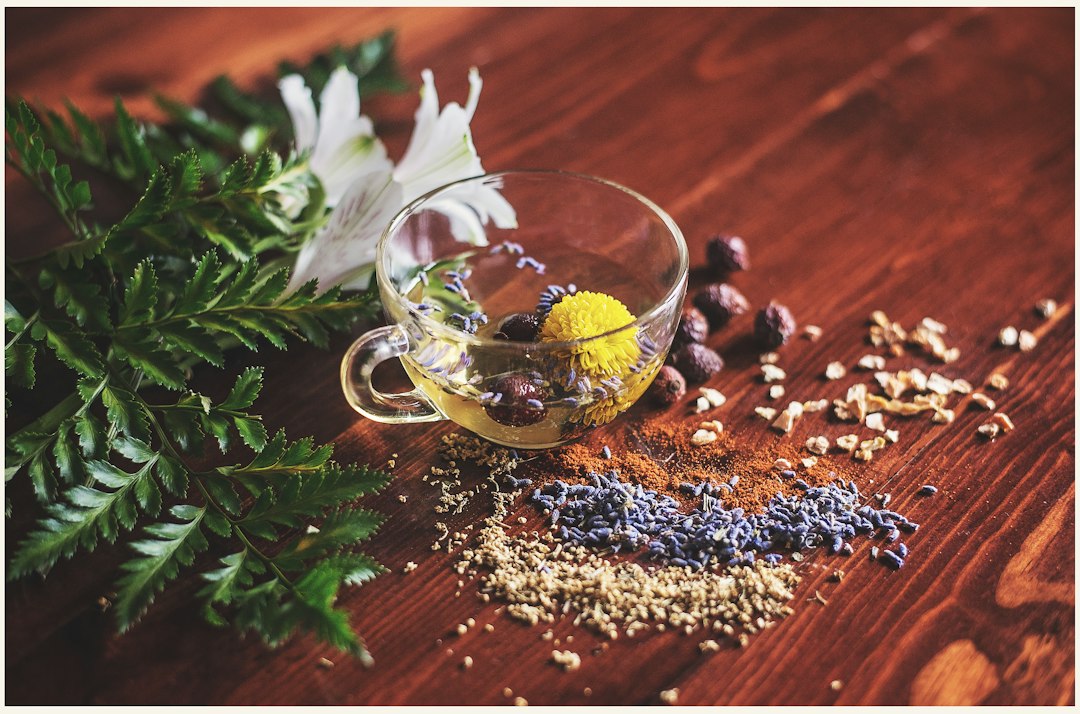
Cup of calming catnip herbal tea

A warm cup of herbal tea is a traditional way to unwind.

Herbalists describe catnip for relaxation as a gentle nervine. A nervine is an herb traditionally used to support a calm nervous system. Catnip sits at the mild end of that group. So herbalists often choose it for everyday tension rather than intense stress.

But there’s more to it than that. Catnip is also a carminative, which means it may help ease gas and bloating. Many people carry tension in the belly, and catnip speaks to both sides of that problem. For this reason, herbalists often reach for it after a heavy meal or at the end of a long day.

Key Traditional Uses

  • Restlessness and tension: a warm cup in the evening is a traditional way to unwind.
  • Digestive discomfort: catnip may help settle gas, cramping and a nervous stomach.
  • Colds and fevers: as a hot tea, it acts as a traditional diaphoretic, meaning it may help the body sweat during a fever.
  • Children’s remedies: its mild taste and gentle action made it a common choice for young ones, with guidance from a practitioner.

What’s Inside the Plant?

This is where it gets interesting. Catnip’s aroma comes from its volatile oil, which is rich in nepetalactone. The oil also contains smaller amounts of citronellol, geraniol and caryophyllene. In addition, the leaves hold tannins and flavonoids, which give the tea its slightly bitter, drying edge.

Researchers have studied nepetalactone mostly for its effect on insects. For example, lab studies suggest it repels mosquitoes about as well as some commercial repellents. However, human research on catnip as a calming herb is still limited. Most of what we know comes from centuries of traditional use and the experience of herbalists.

So what does this mean for you? Think of catnip as a friendly, gentle herb for daily balance. It also pairs naturally with other calming herbs. For example, our Chamomile and Catnip Combo blends two classic nursery herbs in one bottle. Readers exploring herbs for sleep often look at passionflower next.

How to Use Catnip for Relaxation at Home

Dried herbs and flowers ready for tea

Dried catnip blends well with other gentle tea herbs.

The simplest way to try catnip for relaxation is a cup of warm tea. First, pour hot water over the dried leaf and flower. Then cover the cup and let it steep for about ten minutes. Covering the cup keeps the fragrant oils in your tea instead of in the air.

Catnip Tea for Evening Relaxation

Catnip tea tastes minty, earthy and a little bitter. Many people enjoy it with honey or a slice of lemon. You can also blend it with chamomile, lemon balm or peppermint for a softer flavour. As a result, it slips easily into an evening wind-down routine.

Catnip Tincture for Relaxation on the Go

A tincture is another convenient option. Because alcohol pulls out both the oils and the bitter compounds, a tincture captures the whole character of the plant. It also travels well, so you can keep a bottle in a bag or desk drawer. Many people stir it into a small glass of water or warm tea. If you like to make your own remedies, our guide on how to make a tincture walks you through the process.

Tips for Your Daily Routine

  • Make a cup of catnip tea part of a screen-free evening ritual.
  • Sip it after a large meal when your stomach feels heavy.
  • Grow a pot on a sunny windowsill, but keep it out of the cat’s reach.
  • Pair it with slow breathing or a short walk to wind down.

A Few Cautions

Most herbalists consider catnip a mild herb. Even so, avoid it during pregnancy, because it has a traditional reputation for stimulating the uterus. Also, speak with a healthcare practitioner before giving any herb to a child or combining it with sedative medications.

At Herbal Clinic, we make our Catnip tincture in Toronto using the classic tincturing method. We source quality dried herb and extract it at a 1:5 ratio. Our herbalists then check every batch before bottling. The key takeaway: catnip is a simple, time-tested herb that deserves a spot in your evening routine.

FAQ

  • Superior Sourcing: Our herbs are sourced from all over the world to avoid seasonal fluctuations in availability, keeping herbs accessible. Our suppliers meet strict standards that ensure top quality herbs, most of which are organic, wildcrafted, sustainably grown, or grown using permaculture. We support local farmers and grow many of our own herbs.
  • Superior Processing: Our tinctures are made using the classic tincturing method. The tinctures are made in a 1:5 ratio which allows for the optimal extraction of the herb. The alcohol percentage is strictly controlled depending on the herb and part of the plant that is used.
  • Superior Selection: We take pride in our growing selection of over 300 individual herbs. If we don’t carry the herb you’re seeking, we can likely track it down for you.
  • Superior Quality Control: Our tinctures are thoroughly tested by a third-party lab and with an organoleptic evaluation by our team of herbalists prior to final bottling.
  • Superior Price: Our tinctures are more cost-effective than other tinctures on the market. With an eye towards efficiency, we keep our costs low by maintaining good relationships with our wide network of suppliers and ordering herbs in bulk quantities.
  • We Care About the Environment: We repackage materials that are shipped to us (so don’t be surprised if our packages look different from time to time!). We recycle or reuse materials whenever possible. We turn the cardboard we receive from other suppliers into packing material. We donate to avoid waste to groups like Naturopaths Without Borders. Our workforce almost completely uses public transportation or bikes. We are powered using 100% renewable energy through Bullfrog Power.
  • We Donate To Charity: We support many causes that make the world better. We donate a portion of our profits or products. These include charities that support environmental and natural sustainability.

Set up an online account and order through the website. If you don’t have an account and place an order, one will be created for you.

Our products are made in Toronto, Ontario, Canada by a team of Herbalists and Naturopathic Doctors. The herbs and ingredients we use to make our products are sourced both locally and globally to keep herbs accessible and sustainable.

The majority of our herbs are certified organic, sustainably wildcrafted, or come from small-scale local organic farms that do not yet have organic certification. We always do our best to provide organic herbs in your formulas. We work with a variety of suppliers to keep costs low.

Although most of our products do not contain gluten, we do not have gluten-free certification for our production facility. Feel free to ask about any specific products and we’ll share whatever information we have available.

For liability and regulatory reasons, we don’t make any claims as to how our herbs should be used, including dosing recommendations. Please review our disclaimer, as well as our terms and policies.
Posted on

Artichoke Leaf for Digestion: The Bitter Herb Behind Better Bile Flow

Artichoke Leaf for Digestion: Meet the Globe Artichoke

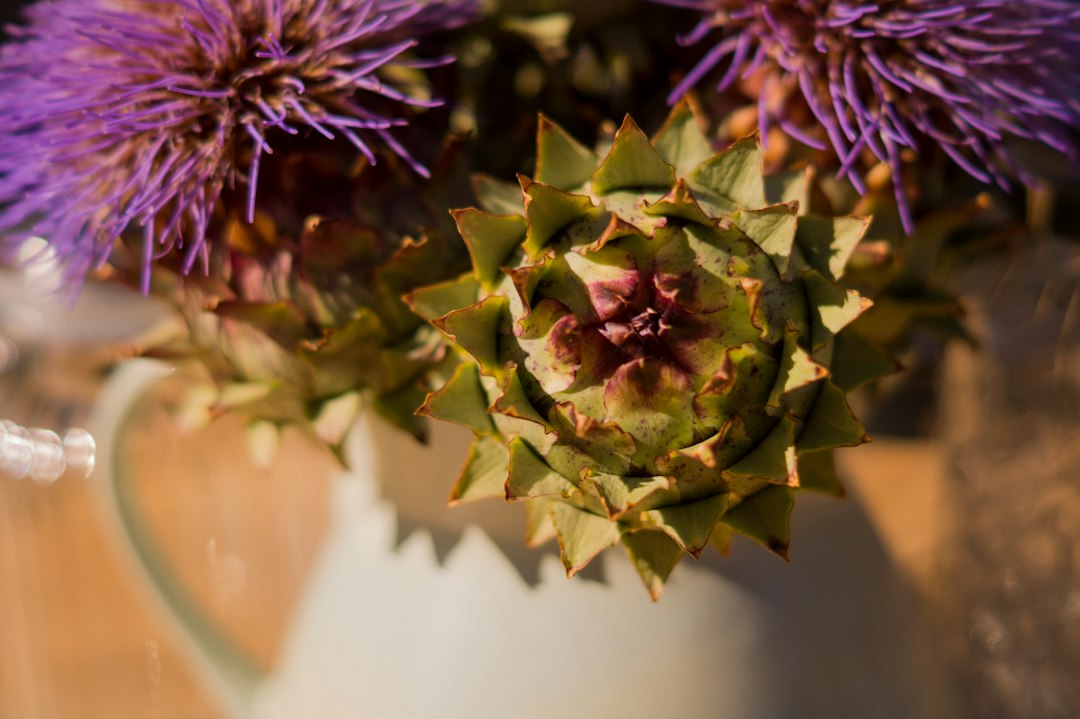
Globe artichoke buds, the plant behind artichoke leaf for digestion

Globe artichoke buds, the plant behind artichoke leaf for digestion

Artichoke leaf for digestion is one of the oldest bitter remedies in European herbalism, and it comes from a plant most people only know from the dinner plate. If rich meals leave you feeling heavy, bloated, or sluggish, this leaf might be the herb you have been overlooking.

Here’s the thing: the part we eat and the part herbalists use are different. The edible heart is an unopened flower bud. In contrast, herbalists prize the large, silvery, deeply lobed leaves. Those leaves carry most of the bitter compounds, so they taste far stronger than anything you would serve with butter.

A Mediterranean Thistle with a Long History

Globe artichoke (Cynara scolymus) belongs to the daisy family, Asteraceae. So it is a close cousin of milk thistle, burdock, and dandelion. It grows as a tall, silvery perennial across the Mediterranean. If nobody harvests the buds, each one opens into a striking purple thistle flower.

People have eaten and used artichoke for over two thousand years. For example, the ancient Greeks and Romans valued it as both a food and a digestive aid. Later, European herbalists turned to the leaves for sluggish digestion and a congested liver. By the twentieth century, artichoke leaf extract had become a common digestive remedy in Germany and France.

Why the Leaf and Not the Heart?

The answer comes down to bitterness. The leaves hold much higher levels of cynarin and related compounds than the bud. As a result, a leaf preparation tastes sharply bitter, and that bitter taste is part of how it works. Traditional herbalists believed that bitterness wakes up digestion before and during a meal.

So what does this mean for you? When people talk about artichoke leaf for digestion, they mean a concentrated leaf preparation, not a plate of steamed artichokes. The vegetable is a healthy food, of course. However, it simply does not deliver the same bitter punch.

If you enjoy this family of herbs, you may also like our guide to dandelion root for liver health, another classic bitter from the daisy family.

How Artichoke Leaf Supports Digestion and Bile Flow

Artichoke bud and purple thistle flowers in bloom

Left on the plant, artichoke buds open into purple thistle flowers

Artichoke leaf for digestion works mainly through one process: bile flow. Bile is a greenish fluid that your liver makes and your gallbladder stores. When you eat a fatty meal, the gallbladder squeezes bile into the small intestine. There, it breaks fats into tiny droplets so your body can absorb them.

Here’s why that matters: when bile flow is sluggish, fats linger longer. Consequently, many people feel full, heavy, or gassy after rich food. Herbalists call herbs that increase bile production choleretics, and artichoke is one of the best-known examples.

The Key Compounds in Artichoke Leaf

Artichoke leaves contain several active groups of compounds:

  • Cynarin and chlorogenic acid: plant acids linked to increased bile production
  • Cynaropicrin: the compound that gives the leaf its bitter taste
  • Luteolin: a flavonoid with antioxidant activity
  • Inulin: a prebiotic fibre, found mostly in the root and bud

Together, these compounds explain most of the plant’s traditional reputation. For instance, the European Medicines Agency herbal monograph on artichoke leaf recognises its traditional use for digestive complaints such as fullness, bloating, and gas.

What the Research Suggests

This is where it gets interesting. Several clinical trials have tested artichoke leaf extract in people with functional dyspepsia, the medical term for recurring indigestion without a clear cause. In these studies, many participants reported less fullness, bloating, and nausea than those taking a placebo. Other researchers have also looked at artichoke leaf and healthy cholesterol levels, with encouraging early results.

Still, most of these studies are small. So it is best to think of artichoke as a traditional digestive herb with some supportive evidence, rather than a cure for any condition.

Who Reaches for Artichoke Leaf for Digestion?

Herbalists have long associated this herb with a few common patterns:

  • Heaviness or discomfort after fatty meals
  • Bloating and gas that follow rich food
  • A sluggish appetite
  • General liver and gallbladder support

It also pairs well with other liver herbs. For example, many people combine it with milk thistle, which you can read about in our milk thistle for liver support guide.

How to Use Artichoke Leaf for Digestion

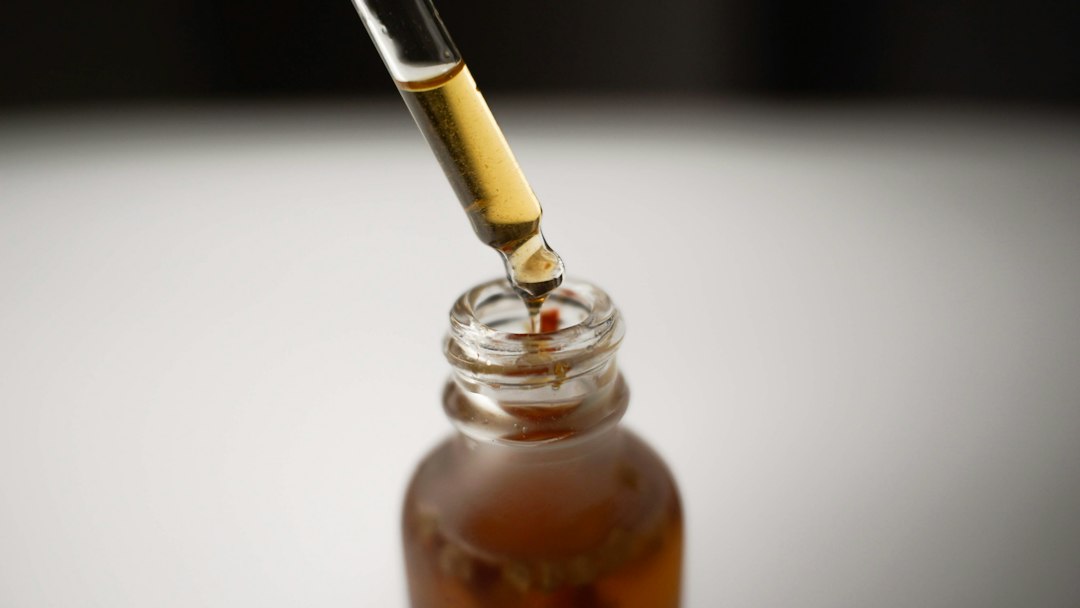
Dropper releasing herbal tincture into an amber bottle

A tincture is the easiest way to take bitter herbs before meals

Using artichoke leaf for digestion is simple, but timing makes a difference. Because bitters work by stimulating your digestive reflexes, most people take them shortly before or with a meal. That way, the bitter taste can prime digestion just as food arrives.

Tincture

A tincture is the most popular way to take artichoke leaf. It is concentrated, easy to carry, and quick to use. Many people add their drops to a small splash of water and sip it slowly. In fact, tasting the bitterness is part of the point, so there is no need to hide it in juice.

Tea

Dried artichoke leaf also makes a strong, earthy tea. Steep the leaves in hot water for about ten minutes, then strain. A word of warning, though: the tea is very bitter. Some people blend it with peppermint or fennel to soften the flavour and add extra digestive support.

Tips for Daily Use

  • Take it 10 to 15 minutes before your largest meal of the day.
  • Keep a bottle at work or in your bag for restaurant meals.
  • Pair it with slower eating and smaller portions.
  • Give it a few weeks, since traditional bitters work best with steady use.

Who Should Be Careful

Artichoke belongs to the daisy family. Therefore, anyone allergic to ragweed, chamomile, or marigold should use it with caution. Also, because it increases bile flow, people with gallstones or a blocked bile duct should avoid it unless a practitioner approves. If you are pregnant, nursing, or taking medication, talk to a qualified health professional first.

How Herbal Clinic Makes It

We make our Globe Artichoke tincture in small batches in Toronto using the classic 1:5 tincturing method. First, our herbalists select quality dried leaf. Then we soak it in carefully measured alcohol to draw out the bitter compounds. Finally, the team checks every batch by taste and smell before bottling.

FAQ

  • Superior Sourcing: Our herbs are sourced from all over the world to avoid seasonal fluctuations in availability, keeping herbs accessible. Our suppliers meet strict standards that ensure top quality herbs, most of which are organic, wildcrafted, sustainably grown, or grown using permaculture. We support local farmers and grow many of our own herbs.
  • Superior Processing: Our tinctures are made using the classic tincturing method. The tinctures are made in a 1:5 ratio which allows for the optimal extraction of the herb. The alcohol percentage is strictly controlled depending on the herb and part of the plant that is used.
  • Superior Selection: We take pride in our growing selection of over 300 individual herbs. If we don’t carry the herb you’re seeking, we can likely track it down for you.
  • Superior Quality Control: Our tinctures are thoroughly tested by a third-party lab and with an organoleptic evaluation by our team of herbalists prior to final bottling.
  • Superior Price: Our tinctures are more cost-effective than other tinctures on the market. With an eye towards efficiency, we keep our costs low by maintaining good relationships with our wide network of suppliers and ordering herbs in bulk quantities.
  • We Care About the Environment: We repackage materials that are shipped to us (so don’t be surprised if our packages look different from time to time!). We recycle or reuse materials whenever possible. We turn the cardboard we receive from other suppliers into packing material. We donate to avoid waste to groups like Naturopaths Without Borders. Our workforce almost completely uses public transportation or bikes. We are powered using 100% renewable energy through Bullfrog Power.
  • We Donate To Charity: We support many causes that make the world better. We donate a portion of our profits or products. These include charities that support environmental and natural sustainability.

Set up an online account and order through the website. If you don’t have an account and place an order, one will be created for you.

Our products are made in Toronto, Ontario, Canada by a team of Herbalists and Naturopathic Doctors. The herbs and ingredients we use to make our products are sourced both locally and globally to keep herbs accessible and sustainable.

The majority of our herbs are certified organic, sustainably wildcrafted, or come from small-scale local organic farms that do not yet have organic certification. We always do our best to provide organic herbs in your formulas. We work with a variety of suppliers to keep costs low.

Although most of our products do not contain gluten, we do not have gluten-free certification for our production facility. Feel free to ask about any specific products and we’ll share whatever information we have available.

For liability and regulatory reasons, we don’t make any claims as to how our herbs should be used, including dosing recommendations. Please review our disclaimer, as well as our terms and policies.
Posted on

Hops for Sleep: A Practical Guide to This Calming Herb

Hops for Sleep: Where This Herb Comes From

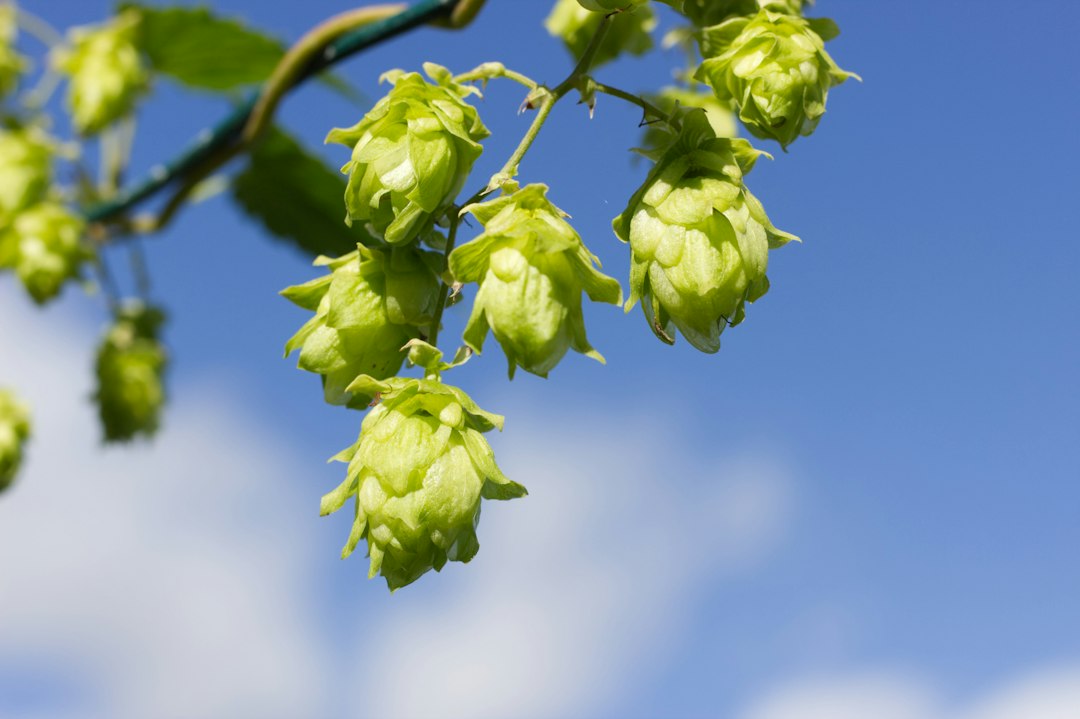
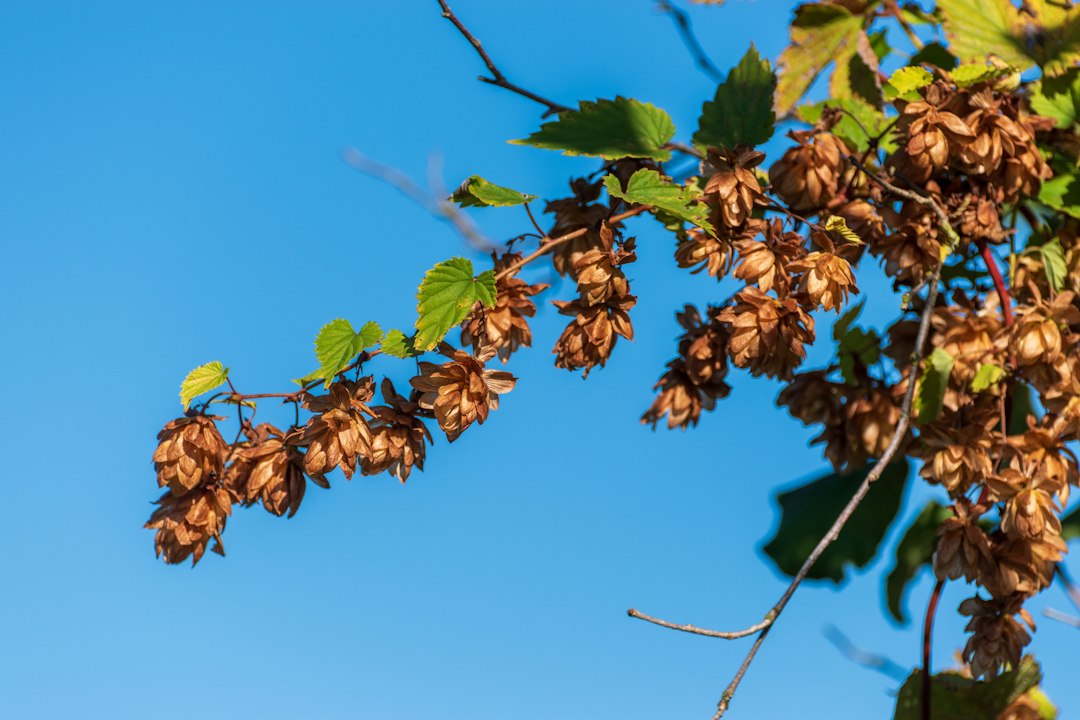
Green hop cones on the vine, a herb traditionally used for sleep

These fresh cones show where hops for sleep begins: Humulus lupulus on the vine.

Hops for sleep is an old idea that most people only meet in a pint glass, yet herbalists have reached for this plant long before brewers made it famous. If your mind keeps running after the lights go out, hops may be worth a closer look.

Hops is the common name for Humulus lupulus, a climbing vine in the Cannabaceae family. It grows wild across Europe, western Asia and North America. The part we use is the female flower, a soft, papery cone that looks a little like a small green pine cone.

Why hops for sleep began in the fields

Here’s a story herbalists love to tell. For centuries, workers who harvested hops by hand reported feeling drowsy in the fields. The sticky yellow powder inside each cone, called lupulin, rubbed off on their hands and filled the air. As a result, hops earned a reputation as a gentle sedative long before anyone studied it.

Europeans also stuffed pillows with dried hops. People slept on them to ease restlessness, and some families still do. In addition, traditional German and English herbals list hops as a remedy for nervous tension and poor sleep.

What hops looks and smells like

The vine can climb six metres or more in a single season. It twists clockwise around poles, fences and trees. By late summer, the cones turn from bright green to pale gold. At that point they are ready to pick.

Crush a dried cone and you will notice the smell right away. It is bitter, resinous and slightly musky. That aroma comes from the same resins and oils that give hops its calming and bitter qualities. So the scent is a good first clue to what the herb does.

But there’s more to it than that. Hops is also a classic bitter herb, which means it has a second role in digestion. We will cover both uses in the sections below.

How Hops for Sleep Works: Benefits and Properties

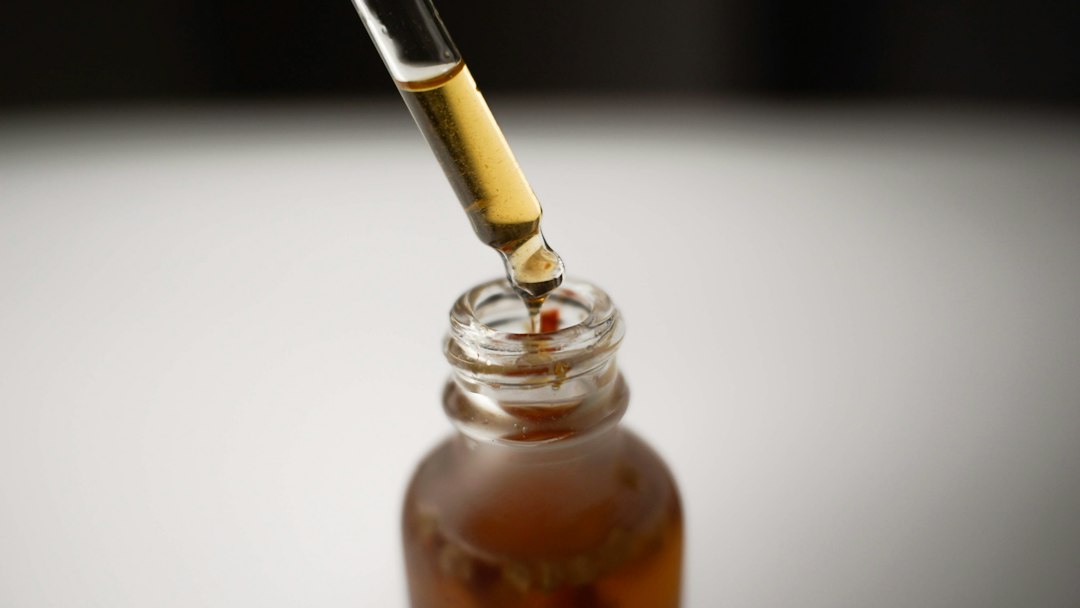
Herbal tincture dropper over an amber bottle

Hops is most often taken as a tincture or tea.

So what makes hops for sleep so popular with herbalists? The answer lies in the resin inside each cone. That resin holds bitter acids, essential oils and plant compounds called flavonoids.

The calming compounds behind hops for sleep

Hops contains bitter acids known as humulone and lupulone. As the dried herb ages, these break down into a compound called 2-methyl-3-buten-2-ol. Researchers think this compound may help explain the drowsy effect. In other words, hops seems to work in a similar way to the body’s own calming signals, which help the nervous system slow down at night.

For this reason, herbalists describe hops as a nervine. A nervine is an herb that supports the nervous system. Hops falls on the more relaxing end of that group. It is traditionally used for restlessness, nervous tension and trouble falling asleep.

Why hops pairs so well with valerian

This is where it gets interesting. Hops is rarely used alone for sleep. Instead, herbalists often combine it with valerian root, lemon balm or passionflower. The European Medicines Agency includes hops in its herbal monograph for hop strobile, which lists it as traditionally used for mild stress and to aid sleep.

Here’s why that matters: each herb brings something slightly different. Valerian is heavier and more sedating. Hops, on the other hand, is lighter and also calms an unsettled stomach. Together, they cover more ground than either herb on its own.

Hops as a bitter for digestion

Hops is also one of the more bitter herbs in the apothecary. Bitter taste triggers saliva, stomach acid and bile. As a result, a few drops before a meal may support appetite and digestion. This makes hops a good choice for people whose stress shows up in their gut.

The key takeaway: hops is both a calming herb and a digestive bitter. That double role is why it often appears in evening formulas for people who feel wired and bloated at the end of the day.

How to Use Hops for Sleep at Home

Golden hop cones ready for drying and tincturing

Hop cones turn gold when they are ready to harvest.

There are several easy ways to use hops for sleep. The best one depends on your taste and your routine. Most people choose a tincture, a tea or a herbal pillow.

Hops tincture

A tincture is the simplest option. It is concentrated, it keeps well and you only need a small amount. Many people take it in a little water in the evening. Because hops tastes very bitter, some people also mix it into a formula with milder herbs.

Hops tea for sleep

Hops tea is traditional, but it is strong. For that reason, most people blend a pinch of hops with chamomile, lemon balm or linden flower. Steep the blend for five to ten minutes, then strain. A little honey also helps soften the bitterness.

Hops pillows for sleep

A hops pillow is the old European method. Simply fill a small cotton bag with dried cones and a few lavender buds. Then tuck it inside your pillowcase. The scent is the whole point, so replace the herbs every few weeks as the aroma fades.

Tips for a calmer evening

First, build a routine. Herbs tend to work best alongside steady habits, such as a set bedtime and a dark, cool room. Also, try taking your tincture or tea about an hour before bed rather than right at lights out.

Hops is not for everyone. For example, herbalists traditionally avoid it in people with depression, because it can make low mood feel heavier. It may also add to the effect of sedative medications. So talk to your health care practitioner before you start, especially if you are pregnant or take any prescriptions.

How Herbal Clinic makes hops tincture

We make our hops tincture in small batches in Toronto. First, we source quality dried hop strobiles from trusted suppliers. Then we extract them using the classic tincturing method at a 1:5 ratio. Finally, our team of herbalists checks every batch before it is bottled. As a result, you get a tincture that tastes, smells and works the way hops should.

FAQ

  • Superior Sourcing: Our herbs are sourced from all over the world to avoid seasonal fluctuations in availability, keeping herbs accessible. Our suppliers meet strict standards that ensure top quality herbs, most of which are organic, wildcrafted, sustainably grown, or grown using permaculture. We support local farmers and grow many of our own herbs.
  • Superior Processing: Our tinctures are made using the classic tincturing method. The tinctures are made in a 1:5 ratio which allows for the optimal extraction of the herb. The alcohol percentage is strictly controlled depending on the herb and part of the plant that is used.
  • Superior Selection: We take pride in our growing selection of over 300 individual herbs. If we don’t carry the herb you’re seeking, we can likely track it down for you.
  • Superior Quality Control: Our tinctures are thoroughly tested by a third-party lab and with an organoleptic evaluation by our team of herbalists prior to final bottling.
  • Superior Price: Our tinctures are more cost-effective than other tinctures on the market. With an eye towards efficiency, we keep our costs low by maintaining good relationships with our wide network of suppliers and ordering herbs in bulk quantities.
  • We Care About the Environment: We repackage materials that are shipped to us (so don’t be surprised if our packages look different from time to time!). We recycle or reuse materials whenever possible. We turn the cardboard we receive from other suppliers into packing material. We donate to avoid waste to groups like Naturopaths Without Borders. Our workforce almost completely uses public transportation or bikes. We are powered using 100% renewable energy through Bullfrog Power.
  • We Donate To Charity: We support many causes that make the world better. We donate a portion of our profits or products. These include charities that support environmental and natural sustainability.

Set up an online account and order through the website. If you don’t have an account and place an order, one will be created for you.

Our products are made in Toronto, Ontario, Canada by a team of Herbalists and Naturopathic Doctors. The herbs and ingredients we use to make our products are sourced both locally and globally to keep herbs accessible and sustainable.

The majority of our herbs are certified organic, sustainably wildcrafted, or come from small-scale local organic farms that do not yet have organic certification. We always do our best to provide organic herbs in your formulas. We work with a variety of suppliers to keep costs low.

Although most of our products do not contain gluten, we do not have gluten-free certification for our production facility. Feel free to ask about any specific products and we’ll share whatever information we have available.

For liability and regulatory reasons, we don’t make any claims as to how our herbs should be used, including dosing recommendations. Please review our disclaimer, as well as our terms and policies.
Posted on

Damiana for Mood and Libido: A Practical Guide to Turnera diffusa

Damiana for Mood and Libido: Where the Plant Comes From

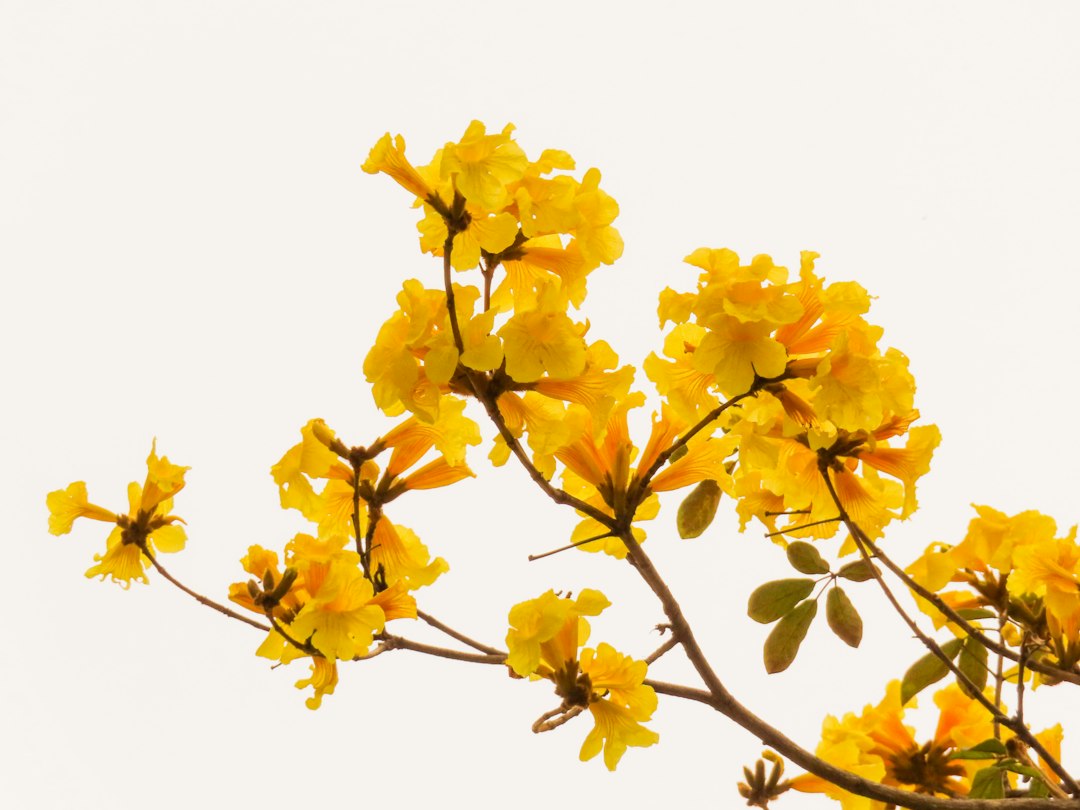
Damiana for mood and libido: yellow Turnera diffusa flowers on a branch

Yellow flowers of Turnera diffusa, the shrub behind damiana for mood and libido.

Damiana for mood and libido has a long track record in Mexico and the American Southwest, where people brewed the leaves as an everyday tea long before the plant reached European herbals. Spanish missionaries recorded that use in the 1500s. Traditional healers reached for the herb when someone felt flat, tense, or worn thin.

What damiana actually is

Botanically, damiana is Turnera diffusa, a small aromatic shrub in the Passifloraceae family. It grows to about two metres tall. The leaves are small, toothed and slightly sticky, and they carry a warm, fig-like scent when you crush them. Small yellow flowers appear along the stems in late summer.

The plant favours dry, rocky ground. You find it across northern Mexico, Baja California, Texas, and parts of the Caribbean and South America. Because it thrives in poor soil and full sun, damiana remains a hardy wild harvest rather than a fussy garden crop. Harvesters take the leaf and the flowering tops, then dry them for tea and tincture.

Common names and family ties

You will also see the herb listed as Mexican damiana, old woman’s broom, or hierba de la pastora. Herbalists group it loosely with the aromatic nervines. Its Passifloraceae connection matters, because that family also gives us passionflower, another herb for a restless nervous system. However, damiana runs warmer and more enlivening than passionflower, so the two are not interchangeable.

Here’s why that matters: people often assume every calming herb sedates. Damiana does not. Traditional use points instead to a lift, a warmth, and a gentle loosening of tension. That combination is exactly why damiana for mood and libido became the herb’s best-known pairing.

Why damiana became known for mood and libido

By the late 1800s, North American pharmacies stocked damiana fluid extract. It appeared in tonics aimed at nervous exhaustion and low drive. Interest faded through the middle of the twentieth century, then returned as herbalists revisited the older materia medica. Today most people meet the leaf as a tincture, as a loose leaf tea, or as one herb inside a blend.

For example, it often sits in formulas next to rose, hawthorn or oatstraw. So the herb you buy today carries the same reputation it had a century ago, just in a tidier bottle.

What Tradition and Research Say About Damiana for Mood and Libido

Amber glass tincture bottles of the kind used for damiana extract

Damiana is most often taken as a tincture.

Herbalists describe damiana as a warming nervine with an aromatic, bitter edge. That one sentence explains most of its reputation. Damiana for mood and libido sits at the crossroads of two traditional actions: it lifts a flat mood, and it eases the tension that gets in the way of desire.

The constituents behind the reputation

The leaf carries a volatile oil rich in compounds such as 1,8-cineole, thymol and alpha-pinene. Those aromatics give damiana its fig-like smell and its slightly warming feel on the palate. In addition, the leaf holds flavonoids including apigenin, plus tannins, arbutin, and a bitter resin called damianin.

Here’s how that combination is usually read. The aromatics account for the warmth and the circulatory lift. The flavonoids bring the calming edge, while the bitters act on appetite and digestion. Apigenin in particular interacts with GABA, the main calming signal in the nervous system. So a herb that feels both relaxing and enlivening is less of a contradiction than it first sounds.

What research says about damiana, mood and libido

Most published work on Turnera diffusa is preclinical. Animal studies have examined sexual behaviour and enzyme activity, and the results point in a supportive direction. However, solid human trials remain thin, and nobody should read rodent data as a promise. For that reason herbalists still lean on traditional use, which is both long and consistent.

That said, the traditional picture is specific rather than vague. Damiana was never a general tonic for everyone. It suited the person who felt tired, cold, discouraged and disconnected, and that pattern still guides how the herb gets used.

Where it overlaps with other nervines

Because low mood and low drive often travel together, damiana rarely works alone in a formula. Herbalists commonly pair it with St. John’s Wort when mood leads, or with rose and hawthorn when grief and heart tension lead. For plain nervous exhaustion, oatstraw sits alongside it well.

The key takeaway: damiana for mood and libido is best understood as a herb of warmth and reconnection, not as a stimulant. It nudges rather than pushes.

How to Use Damiana for Mood and Libido

A cup of loose leaf herbal tea brewed from dried damiana leaf

The dried leaf also makes a bittersweet infusion.

Most people take damiana for mood and libido as a tincture, because the volatile oils and the bitters both carry well into alcohol. A tea works too, and it brings its own advantage: you taste the bitterness, which is part of how the herb acts on appetite and digestion.

Tincture, tea and blends

As a tincture, the leaf blends easily with other nervines, so it turns up in formulas more often than on its own. Our Damiana tincture is a single herb extract, which lets you build your own combination. For a ready-made option, Lover’s Cordial pairs damiana with complementary herbs in one bottle.

As a tea, the dried leaf steeps into a bittersweet infusion. Many people add a little honey, or blend the leaf with mint. Traditionally it also went into cordials and liqueurs, where that aromatic warmth suits the format.

Fitting damiana for mood and libido into a routine

First, decide what you actually want from the herb. If a flat mood is the main issue, a consistent daily routine makes more sense than the occasional cup. If tension is the barrier instead, timing matters more, and people tend to reach for it in the hour before they want to unwind.

Also worth knowing: damiana tastes genuinely pleasant, which helps with consistency. Herbs work best when you remember to take them. For a wider look at supporting the nervous system, our guide to holy basil for stress relief covers similar ground from another angle.

How we source and prepare it

We buy damiana leaf from suppliers who meet our standards for identity and cleanliness, and we favour organic or sustainably wildcrafted material wherever the harvest allows. Our tinctures use the classic method at a 1:5 ratio, with the alcohol percentage set to suit the plant part. A third-party lab tests every batch, and our herbalists run an organoleptic check before final bottling.

One practical note on storage: damiana is aromatic, so keep the dried leaf in a sealed jar away from light and heat. The smell tells you a lot. If the fig-like scent has faded, the volatile oils have faded with it.

For regulatory reasons we do not offer dosing advice. Speak with a herbalist or a naturopathic doctor about how damiana for mood and libido might fit your own situation, particularly if you are pregnant, nursing, or taking medication.

FAQ

  • Superior Sourcing: Our herbs are sourced from all over the world to avoid seasonal fluctuations in availability, keeping herbs accessible. Our suppliers meet strict standards that ensure top quality herbs, most of which are organic, wildcrafted, sustainably grown, or grown using permaculture. We support local farmers and grow many of our own herbs.
  • Superior Processing: Our tinctures are made using the classic tincturing method. The tinctures are made in a 1:5 ratio which allows for the optimal extraction of the herb. The alcohol percentage is strictly controlled depending on the herb and part of the plant that is used.
  • Superior Selection: We take pride in our growing selection of over 300 individual herbs. If we don’t carry the herb you’re seeking, we can likely track it down for you.
  • Superior Quality Control: Our tinctures are thoroughly tested by a third-party lab and with an organoleptic evaluation by our team of herbalists prior to final bottling.
  • Superior Price: Our tinctures are more cost-effective than other tinctures on the market. With an eye towards efficiency, we keep our costs low by maintaining good relationships with our wide network of suppliers and ordering herbs in bulk quantities.
  • We Care About the Environment: We repackage materials that are shipped to us (so don’t be surprised if our packages look different from time to time!). We recycle or reuse materials whenever possible. We turn the cardboard we receive from other suppliers into packing material. We donate to avoid waste to groups like Naturopaths Without Borders. Our workforce almost completely uses public transportation or bikes. We are powered using 100% renewable energy through Bullfrog Power.
  • We Donate To Charity: We support many causes that make the world better. We donate a portion of our profits or products. These include charities that support environmental and natural sustainability.

Set up an online account and order through the website. If you don’t have an account and place an order, one will be created for you.

Our products are made in Toronto, Ontario, Canada by a team of Herbalists and Naturopathic Doctors. The herbs and ingredients we use to make our products are sourced both locally and globally to keep herbs accessible and sustainable.

The majority of our herbs are certified organic, sustainably wildcrafted, or come from small-scale local organic farms that do not yet have organic certification. We always do our best to provide organic herbs in your formulas. We work with a variety of suppliers to keep costs low.

Although most of our products do not contain gluten, we do not have gluten-free certification for our production facility. Feel free to ask about any specific products and we’ll share whatever information we have available.

For liability and regulatory reasons, we don’t make any claims as to how our herbs should be used, including dosing recommendations. Please review our disclaimer, as well as our terms and policies.
Posted on

Boneset for Fever and Flu: The Cold Season Herb Worth Knowing

Boneset for Fever and Flu: An Old North American Remedy

Boneset for fever and flu, white flowering Eupatorium perfoliatum in a summer meadow

Eupatorium perfoliatum, the plant behind boneset for fever and flu, in late summer flower.

Boneset for fever and flu was once the most-used herb in North American home medicine. The name has nothing to do with mending broken bones. Instead, it comes from “breakbone fever,” an old term for the deep aching chills that make your bones feel sore. Anyone who has had that kind of flu knows the feeling.

Boneset (Eupatorium perfoliatum) is a tall perennial in the daisy family. It grows in wet meadows, ditches and stream banks across eastern North America. In late summer it sends up flat clusters of small, fuzzy white flowers. Its leaves are the real giveaway, though.

The leaves fuse together around the stem. As a result, the stalk looks as though someone pushed it straight through one long leaf. That is exactly what perfoliatum means: through the leaf. Because of this, boneset is one of the easier wild plants to identify with confidence.

Boneset for fever and flu in early North American practice

Indigenous nations across the northeast used boneset long before settlers arrived. The Iroquois, Mohegan and Cherokee all recorded fever preparations made from the leaves and flowering tops. Settlers then adopted the plant quickly. By the 1800s, in fact, most farmhouses kept a bundle of dried boneset hanging in the attic for winter.

That reputation faded once aspirin arrived. However, herbalists never really put boneset down. It remains a standard in Western practice for the aching, shivery stage of an illness. So while it is far less famous than echinacea, it has never stopped being useful.

Here is why that matters: the plant fills a gap the popular immune herbs do not. That is why boneset for fever and flu still has a place in modern Western herbal practice.

One caution on identification. Boneset grows alongside joe-pye weed and white snakeroot, and the three look similar before the flowers open. Checking for those fused leaves settles the question quickly.

What Boneset for Fever and Flu Is Traditionally Used For

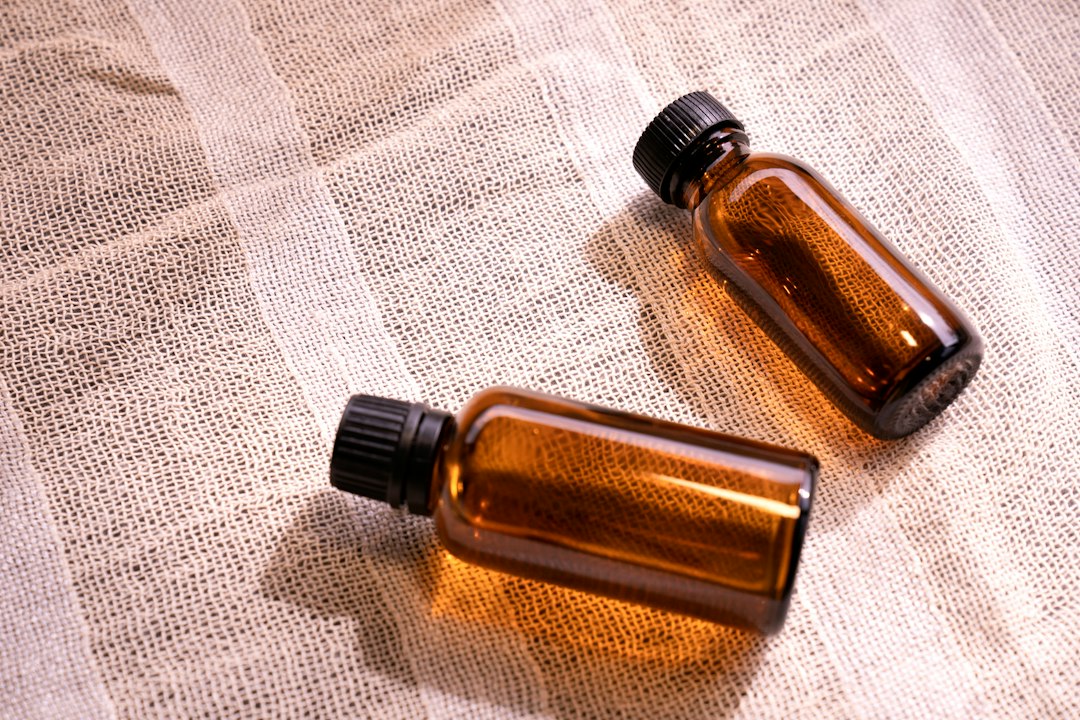
Amber dropper bottle of boneset tincture on a linen cloth

A hot tea or a tincture are the two usual forms.

Boneset is bitter. Very bitter, in fact. That bitterness is the first clue to how herbalists use it. Bitter herbs tend to act on digestion, circulation and the body’s heat-regulating reflexes. Boneset for fever and flu works in exactly that territory.

A diaphoretic that helps a fever finish

Traditionally, herbalists class boneset as a diaphoretic. That simply means it encourages sweating. Here is how it works. A hot infusion relaxes the small blood vessels near the skin. Blood then moves outward, and heat releases more freely. As a result, a hot dry fever that has stalled tends to break.

Temperature matters here. Taken hot, boneset pushes outward and promotes sweating. Taken cool, however, the same tea acts more as a bitter tonic on the stomach. Herbalists have relied on that distinction for two centuries.

The body aches

The aching is the other half of boneset’s reputation. Traditional texts describe it as the herb for flu that settles in the muscles and bones. Head colds and chest colds called for different plants. Because of that, herbalists often paired boneset with yarrow or elderflower in the shivery first days.

What research says about boneset for fever and flu

Modern research on boneset is thin, and it is fair to say so plainly. Laboratory work has identified sesquiterpene lactones, flavonoids and polysaccharides in the plant. Some of these compounds show immune-modulating activity in cell studies. However, good human trials are still missing. You can browse what exists on PubMed and judge for yourself.

So the honest position is this. Boneset for fever and flu rests mainly on a long record of traditional use, not on clinical trials. For many herbs that record is the best evidence available. Still, it is worth knowing the difference.

A note on safety

Never use boneset fresh. The fresh plant contains a compound that can cause nausea and vomiting. Drying removes it, so dried herb and properly made tinctures are the standard forms. Also, because this genus contains pyrrolizidine alkaloids, boneset suits short-term use rather than long-term daily use.

How to Use Boneset for Fever and Flu at Home

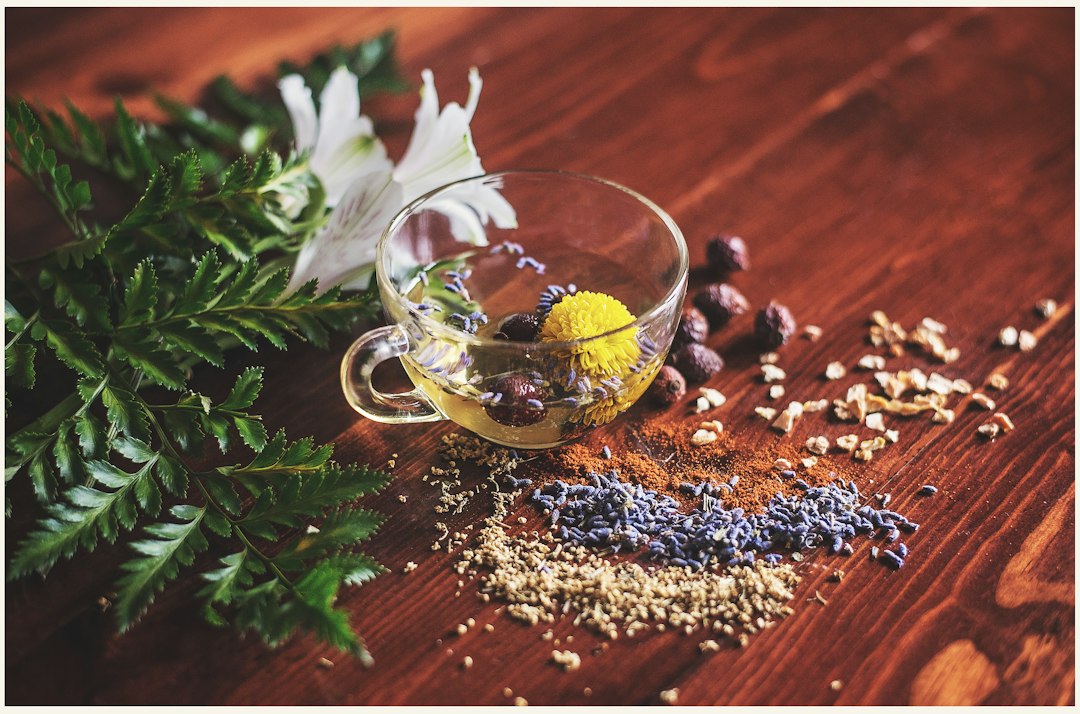
A covered mug of hot herbal infusion steeping on a wooden table

A hot, covered infusion is the traditional preparation.

Most people meet boneset for fever and flu in one of two forms: dried herb for tea, or tincture. Each suits a slightly different moment. So it helps to know both.

The hot infusion

The hot infusion is the traditional preparation, and it is still the most common one. Pour boiling water over the dried leaves and flowering tops. Then cover the cup and let it steep for ten to fifteen minutes. Covering matters, because the aromatic compounds otherwise escape with the steam.

Be ready for the taste. Boneset is genuinely bitter, and no amount of honey fully hides it. Many people blend it with elderflower, peppermint or yarrow for that reason. Those combinations also happen to be the traditional cold season pairings.

The tincture

A tincture is simpler, and it travels well. Herbalists often reach for it when someone cannot face another cup of bitter tea. It also gives a measured amount, which tea does not. Our boneset tincture uses a 1:5 ratio, with the alcohol percentage matched to the plant material. As a result, the extraction stays consistent from batch to batch.

When to use boneset for fever and flu

Boneset is a short-term herb, not a daily tonic. Traditionally, people took it at the first sign of aching and chills, then stopped once the illness passed. That is still how herbalists approach it. For steady immune support through the winter, herbs such as astragalus fit the role far better.

How we source and prepare it

We work with suppliers who harvest boneset at flowering, when the aerial parts are strongest. They then dry the material carefully, which matters more for this herb than for most. After drying, our herbalists run an organoleptic check on colour, aroma and taste. Only then does it go to bottling.

Boneset will probably never be as famous as echinacea again. Even so, it fills a niche those herbs do not. When the aching arrives and a fever will not break, this is the plant the old books point to.

FAQ

  • Superior Sourcing: Our herbs are sourced from all over the world to avoid seasonal fluctuations in availability, keeping herbs accessible. Our suppliers meet strict standards that ensure top quality herbs, most of which are organic, wildcrafted, sustainably grown, or grown using permaculture. We support local farmers and grow many of our own herbs.
  • Superior Processing: Our tinctures are made using the classic tincturing method. The tinctures are made in a 1:5 ratio which allows for the optimal extraction of the herb. The alcohol percentage is strictly controlled depending on the herb and part of the plant that is used.
  • Superior Selection: We take pride in our growing selection of over 300 individual herbs. If we don’t carry the herb you’re seeking, we can likely track it down for you.
  • Superior Quality Control: Our tinctures are thoroughly tested by a third-party lab and with an organoleptic evaluation by our team of herbalists prior to final bottling.
  • Superior Price: Our tinctures are more cost-effective than other tinctures on the market. With an eye towards efficiency, we keep our costs low by maintaining good relationships with our wide network of suppliers and ordering herbs in bulk quantities.
  • We Care About the Environment: We repackage materials that are shipped to us (so don’t be surprised if our packages look different from time to time!). We recycle or reuse materials whenever possible. We turn the cardboard we receive from other suppliers into packing material. We donate to avoid waste to groups like Naturopaths Without Borders. Our workforce almost completely uses public transportation or bikes. We are powered using 100% renewable energy through Bullfrog Power.
  • We Donate To Charity: We support many causes that make the world better. We donate a portion of our profits or products. These include charities that support environmental and natural sustainability.

Set up an online account and order through the website. If you don’t have an account and place an order, one will be created for you.

Our products are made in Toronto, Ontario, Canada by a team of Herbalists and Naturopathic Doctors. The herbs and ingredients we use to make our products are sourced both locally and globally to keep herbs accessible and sustainable.

The majority of our herbs are certified organic, sustainably wildcrafted, or come from small-scale local organic farms that do not yet have organic certification. We always do our best to provide organic herbs in your formulas. We work with a variety of suppliers to keep costs low.

Although most of our products do not contain gluten, we do not have gluten-free certification for our production facility. Feel free to ask about any specific products and we’ll share whatever information we have available.

For liability and regulatory reasons, we don’t make any claims as to how our herbs should be used, including dosing recommendations. Please review our disclaimer, as well as our terms and policies.
Posted on

Linden Flower for Stress: The Gentle European Nervine

Linden Flower for Stress: A Tree with a Long Reputation

Linden flower for stress, pale yellow blossoms and bracts on a linden tree branch
Linden flower for stress begins with these pale summer blossoms.

Linden flower for stress has been a European household staple for centuries, and the appeal is easy to understand: it settles the nerves without flattening you.

The herb comes from the flowers and papery bracts of the linden tree, known botanically as Tilia. Several species work interchangeably, mainly Tilia cordata (small-leaved lime), Tilia platyphyllos (large-leaved lime), and their hybrid Tilia x europaea. In North America people usually call the tree basswood. Britain knows it as lime, though it shares nothing with the citrus fruit.

A Two-Week Harvest Window

Linden trees are hard to miss in midsummer. They grow tall, sometimes past 30 metres, with broad heart-shaped leaves and a dense canopy. Then, for about two weeks in June or July, the whole tree fills with small pale-yellow flowers. Each cluster hangs from a ribbon-like bract that works as a tiny sail when the seed eventually drops. Harvesters gather flower and bract together, because both go into the finished herb.

Here’s why that matters: the window is short. Pickers must catch linden at peak bloom and dry it quickly in shade, or the delicate aroma disappears. As a result, good linden smells noticeably sweet and looks pale gold. Poor linden smells like hay.

The Tree of the Village Square

Traditionally, this herb sat at the gentle end of the European dispensary, mild enough for children and elders alike. Across France, Germany, Austria and much of Eastern Europe, tilleul or Lindenblütentee was the evening drink for restlessness, a tense day, or the first shiver of a cold. Beekeepers valued the tree too, since linden honey ranks among the most prized in Europe.

The tree itself carried real cultural weight. Village councils across Germanic Europe often met beneath a linden, which people regarded as the tree of justice and of community gathering. That role says something about how the plant came across to them: steady, sheltering, and dependable rather than dramatic.

Inside the Blossom: Properties and Active Constituents

Fresh linden blossoms with green leaves, the plant part used in linden tincture

Flower and bract are harvested together.

Linden’s reputation rests on three groups of compounds: flavonoids, mucilage, and volatile oils. The flavonoids, including quercetin, kaempferol and tiliroside, account for most of the antioxidant and vessel-toning activity. Meanwhile the mucilage gives the tea its faintly slippery texture and its soothing effect on irritated tissue. Volatile oils, farnesol especially, carry the honeyed scent and contribute to the relaxing quality.

So what does that mean in practice? Herbalists classify linden as a relaxing nervine, a diaphoretic, and a mild hypotensive. Those three actions overlap more than they first appear.

Three Overlapping Actions

As a nervine, linden is traditionally associated with tension that shows up in the body: a clenched jaw, a quick pulse, the kind of evening where nothing will stand down. People reach for linden flower for stress precisely because it takes the edge off without the heaviness of a stronger sedative.

As a diaphoretic, it encourages gentle sweating. European practice therefore pairs it with elderflower and chamomile at the onset of a fever, since warmth and circulation to the skin are thought to help the body work through it. Our guide to elderberry for cold and flu covers the same seasonal ground.

The cardiovascular angle is the least familiar, yet it runs deep in tradition. Herbalists have long used linden for mildly raised blood pressure and for palpitations tied to anxiety rather than to heart disease. Hawthorn is its usual partner, and practitioners frequently combine the two. If that interests you, our article on hawthorn berry for heart health goes further.

What the Research Says So Far

Evidence remains modest, although it is growing. Reviews of the genus report antioxidant, anti-inflammatory and mild anxiolytic activity in laboratory and animal models, and the European Medicines Agency recognises linden flower as a traditional herbal medicine for the relief of mild stress symptoms and as an aid to sleep. Still, human trials stay limited. Most of what herbalists rely on therefore comes from long, consistent traditional use rather than from large clinical studies.

How to Use Linden Flower for Stress at Home

A glass mug of pale herbal infusion beside loose dried flowers

Cover the cup while linden steeps.

Tea is the classic preparation, and for good reason. Both the mucilage and the volatile oils come out well in hot water, so a simple infusion captures nearly everything the flower has to offer. Use a heaped tablespoon of dried flower per cup, cover it while it steeps, and give it eight to ten minutes. Covering matters, because the aromatics otherwise escape with the steam.

The flavour is mild, faintly sweet, and a little floral. Most people drink it plain. However, it blends easily with chamomile, lemon balm or elderflower when you want something more layered.

Linden Flower for Stress: Tea or Tincture?

Tincture is the other common form. A tincture works faster, keeps for years, and makes the amount consistent every time, which suits anyone who would rather not brew a pot each evening. Our Linden tincture uses flower and bract in a 1:5 ratio, the same classic method we apply across the range.

Many people try it in the hour before bed, either as a last cup of tea or a few drops in water. Others save it for specific moments instead: a tense afternoon, a long flight, the first day of a cold. Both patterns appear throughout the traditional literature, so pick whichever fits your routine.

Why Freshness Matters Here

Linden loses quality faster than tougher roots and barks, so age and storage matter a great deal. We buy from suppliers who dry in shade and ship promptly, then we keep the material sealed and away from light. Good linden still smells sweet when you open the bag. If it smells of nothing, it will taste of nothing.

Finally, the usual caution. Linden is generally regarded as gentle, yet anyone taking blood pressure or diuretic medication, anyone pregnant, and anyone managing a known heart condition should speak with a qualified practitioner first. We make no dosing recommendations, and this article is educational rather than prescriptive.

FAQ

  • Superior Sourcing: Our herbs are sourced from all over the world to avoid seasonal fluctuations in availability, keeping herbs accessible. Our suppliers meet strict standards that ensure top quality herbs, most of which are organic, wildcrafted, sustainably grown, or grown using permaculture. We support local farmers and grow many of our own herbs.
  • Superior Processing: Our tinctures are made using the classic tincturing method. The tinctures are made in a 1:5 ratio which allows for the optimal extraction of the herb. The alcohol percentage is strictly controlled depending on the herb and part of the plant that is used.
  • Superior Selection: We take pride in our growing selection of over 300 individual herbs. If we don’t carry the herb you’re seeking, we can likely track it down for you.
  • Superior Quality Control: Our tinctures are thoroughly tested by a third-party lab and with an organoleptic evaluation by our team of herbalists prior to final bottling.
  • Superior Price: Our tinctures are more cost-effective than other tinctures on the market. With an eye towards efficiency, we keep our costs low by maintaining good relationships with our wide network of suppliers and ordering herbs in bulk quantities.
  • We Care About the Environment: We repackage materials that are shipped to us (so don’t be surprised if our packages look different from time to time!). We recycle or reuse materials whenever possible. We turn the cardboard we receive from other suppliers into packing material. We donate to avoid waste to groups like Naturopaths Without Borders. Our workforce almost completely uses public transportation or bikes. We are powered using 100% renewable energy through Bullfrog Power.
  • We Donate To Charity: We support many causes that make the world better. We donate a portion of our profits or products. These include charities that support environmental and natural sustainability.

Set up an online account and order through the website. If you don’t have an account and place an order, one will be created for you.

Our products are made in Toronto, Ontario, Canada by a team of Herbalists and Naturopathic Doctors. The herbs and ingredients we use to make our products are sourced both locally and globally to keep herbs accessible and sustainable.

The majority of our herbs are certified organic, sustainably wildcrafted, or come from small-scale local organic farms that do not yet have organic certification. We always do our best to provide organic herbs in your formulas. We work with a variety of suppliers to keep costs low.

Although most of our products do not contain gluten, we do not have gluten-free certification for our production facility. Feel free to ask about any specific products and we’ll share whatever information we have available.

For liability and regulatory reasons, we don’t make any claims as to how our herbs should be used, including dosing recommendations. Please review our disclaimer, as well as our terms and policies.
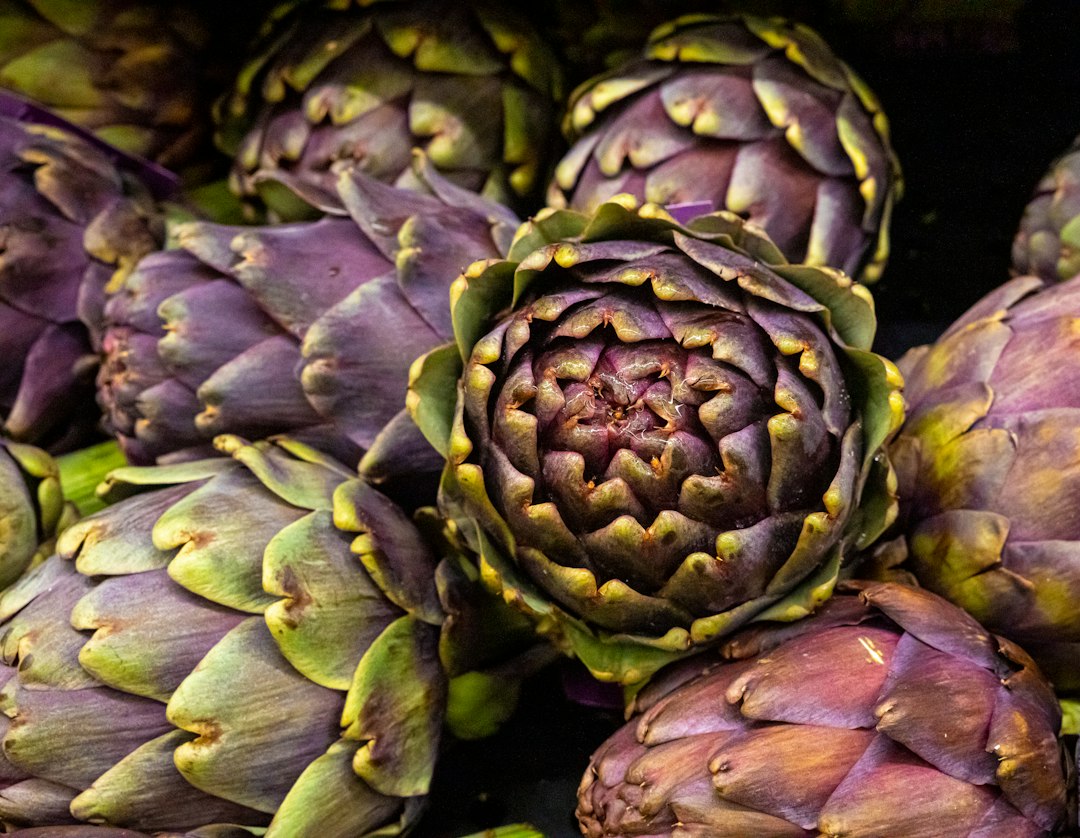
Posted on

Eyebright for Eye Irritation: A Meadow Herb With a Very Literal Name

Eyebright for Eye Irritation: Meet Euphrasia officinalis

Euphrasia officinalis in flower, the plant known in English as eyebright.

Eyebright for eye irritation names its own job. That is rare in herbal medicine.

Long before anyone identified a single plant constituent, European herbalists reached for this small meadow wildflower. They used it when eyes turned red, watery, or gritty. The name has held for roughly six centuries. That kind of staying power usually means something.

What the plant actually looks like

Botanically, eyebright is Euphrasia officinalis. It belongs to the broomrape family, Orobanchaceae. The plant is a modest annual, rarely taller than twenty centimetres. Small white flowers carry fine purple streaks and a yellow blotch at the throat.

Herbal writers noticed that marking early. It resembles a bloodshot eye. Perhaps the likeness guided the plant’s first use. Perhaps it simply reinforced something people had already found. Either way, the association stuck. You may also meet the names euphrasy, meadow eyebright, and casse-lunette. That last one is French, and it translates roughly as “break your glasses.”

A plant that refuses to be farmed

Here is where it gets interesting: eyebright does not grow alone. It is hemiparasitic. The plant photosynthesises normally, but it also taps the roots of neighbouring grasses. From them it draws part of its water and minerals.

Consequently, eyebright resists tidy commercial cultivation. Harvesters still gather most of it from wild and semi-wild grassland. It favours open meadows, chalk downs, and hillside pasture across Europe and western Asia. In addition, traders handle several closely related Euphrasia species interchangeably. That is one reason species identity matters so much at the sourcing stage.

Herbalists use the aerial parts: flowering tops, leaves, and upper stems. Traditionally, harvesters worked through mid to late summer. At that point the flowers open fully and the plant carries its deepest colour. Afterwards the herb dries whole. Producers then cut it for tea or extract it into tincture.

What Eyebright for Eye Irritation Is Traditionally Associated With

Amber glass dropper bottle of herbal tincture on a wooden plate

Eyebright is most commonly taken as a tincture or as a dried herb infusion.

Traditional Western herbalism classes eyebright as an astringent first. Anti-inflammatory comes second. Those two words carry most of the explanation.

Astringent herbs hold compounds that bind loosely to proteins at the surface of a mucous membrane. They tighten and tone tissue that has gone slack, weepy, and over-productive. Here is why that matters: the classic eyebright picture is not a dry eye. It is a wet one. Think watering, stinging, and puffiness in the surrounding tissue.

What sits inside the plant

The chemistry supports that description. Eyebright carries iridoid glycosides, most notably aucubin and catalpol. It also holds a meaningful tannin fraction, flavonoids such as quercetin, and phenolic acids including caffeic and ferulic acid.

The tannins account for the astringency. Furthermore, the iridoids and flavonoids draw the most attention in discussions of the plant’s anti-inflammatory reputation. However, eyebright research remains thin next to better-studied herbs. Most of what we know still rests on traditional use rather than large clinical trials.

The traditional picture behind eyebright for eye irritation

Historically, herbalists reached for this plant in a fairly narrow set of circumstances. Red and watering eyes. The gritty feeling that comes with conjunctivitis. Styes along the lid margin. General eye discomfort riding along with a heavy head cold.

However, they never treated it as an eye-only herb. The same membrane runs continuously from the eyes, through the tear ducts, into the nose and sinuses. So they applied eyebright just as readily to sinus congestion, post-nasal drip, and thin runny catarrh.

That connection explains its long role in allergy season. Pollen often sets off watering eyes and a streaming nose together. Traditional practice treated both as one picture, not two. For a related approach to the same season, see our guide to stinging nettle for seasonal allergies.

The key takeaway: eyebright is narrow and specific, not a broad tonic. Herbalists reach for it when tissue looks wet, reactive, and irritated. In addition, botanists recognise a large and tangled genus behind the common name. You can read more about the wider Euphrasia genus if the botany interests you.

How Eyebright for Eye Irritation Is Prepared and Used

Close-up of dried eyebright herb, Euphrasia officinalis, cut for tea

Dried eyebright aerial parts, cut and sifted for infusion.

Eyebright for eye irritation reaches people in two main forms today. One is a tincture. The other is dried herb for infusion. Both use the same aerial parts. The choice usually comes down to convenience and taste.

Tincture or tea?

The tincture suits most people better. Alcohol pulls the iridoid and flavonoid fractions efficiently. It also keeps the finished extract stable for years in a sealed amber bottle. Consequently, a tincture travels well and needs no daily preparation. We extract our eyebright at a 1:5 ratio. We also set the alcohol percentage for this specific herb and plant part rather than applying a house default.

As a tea, eyebright tastes grassy and faintly bitter. It finishes dry, exactly as an astringent herb should. Traditionally people infused it rather than simmering it. The aerial parts are delicate, and long boiling drives off the lighter aromatics.

Moreover, many herbalists blended it rather than taking it alone. Chamomile was the usual partner. It softens the astringency and adds its own calming character. Our post on chamomile for sleep and digestion covers that herb in more detail. Shepherd’s purse also turns up in the older literature as a stand-in, since it shares the same astringent quality.

One important caution about the eyes

Historical texts describe eyebright compresses and eyewashes applied straight to the eye. Plenty of online writing still repeats that practice. We do not recommend it.

The eye is an exceptionally vulnerable structure. Home-prepared liquids are not sterile. Putting a non-sterile preparation into an already irritated eye risks a real infection. Therefore, if you have eye symptoms, talk to an optometrist or physician instead of mixing a wash at home. Persistent redness, pain, discharge, or any change in vision needs proper assessment.

Species identity is the other thing to watch with this herb. The Euphrasia genus holds hundreds of closely related species, and they hybridise freely. Material sold as eyebright is not always the same plant twice. As a result, we verify the botanical identity of everything that arrives. Our herbalists also confirm it organoleptically before it goes into production. For a genus this tangled, that is not a formality.

For liability and regulatory reasons, we make no claims about how our herbs should be used. That includes dosage. If you want guidance for your own situation, speak with a qualified herbalist or your health practitioner.

FAQ

  • Superior Sourcing: Our herbs are sourced from all over the world to avoid seasonal fluctuations in availability, keeping herbs accessible. Our suppliers meet strict standards that ensure top quality herbs, most of which are organic, wildcrafted, sustainably grown, or grown using permaculture. We support local farmers and grow many of our own herbs.
  • Superior Processing: Our tinctures are made using the classic tincturing method. The tinctures are made in a 1:5 ratio which allows for the optimal extraction of the herb. The alcohol percentage is strictly controlled depending on the herb and part of the plant that is used.
  • Superior Selection: We take pride in our growing selection of over 300 individual herbs. If we don’t carry the herb you’re seeking, we can likely track it down for you.
  • Superior Quality Control: Our tinctures are thoroughly tested by a third-party lab and with an organoleptic evaluation by our team of herbalists prior to final bottling.
  • Superior Price: Our tinctures are more cost-effective than other tinctures on the market. With an eye towards efficiency, we keep our costs low by maintaining good relationships with our wide network of suppliers and ordering herbs in bulk quantities.
  • We Care About the Environment: We repackage materials that are shipped to us (so don’t be surprised if our packages look different from time to time!). We recycle or reuse materials whenever possible. We turn the cardboard we receive from other suppliers into packing material. We donate to avoid waste to groups like Naturopaths Without Borders. Our workforce almost completely uses public transportation or bikes. We are powered using 100% renewable energy through Bullfrog Power.
  • We Donate To Charity: We support many causes that make the world better. We donate a portion of our profits or products. These include charities that support environmental and natural sustainability.

Set up an online account and order through the website. If you don’t have an account and place an order, one will be created for you.

Our products are made in Toronto, Ontario, Canada by a team of Herbalists and Naturopathic Doctors. The herbs and ingredients we use to make our products are sourced both locally and globally to keep herbs accessible and sustainable.

The majority of our herbs are certified organic, sustainably wildcrafted, or come from small-scale local organic farms that do not yet have organic certification. We always do our best to provide organic herbs in your formulas. We work with a variety of suppliers to keep costs low.

Although most of our products do not contain gluten, we do not have gluten-free certification for our production facility. Feel free to ask about any specific products and we’ll share whatever information we have available.

For liability and regulatory reasons, we don’t make any claims as to how our herbs should be used, including dosing recommendations. Please review our disclaimer, as well as our terms and policies.