What Is Elecampane Root for Cough?
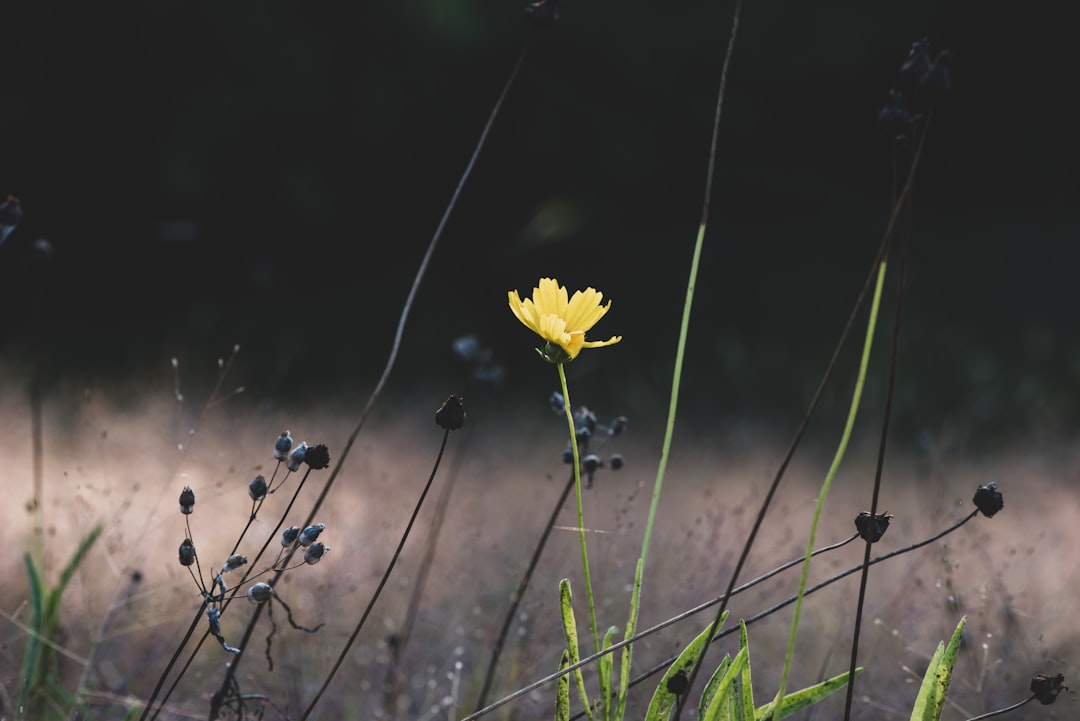
Elecampane (Inula helenium), a tall yellow-flowered member of the daisy family.
Elecampane root for cough has a track record that stretches back to the herbalists of ancient Greece and Rome, who reached for it whenever a chest turned wet and rattly. If you have ever fought a lingering, congested cough that just would not clear, this is a herb worth knowing.
Elecampane (Inula helenium) is a tall, striking plant in the daisy family (Asteraceae). It sends up bright yellow, ragged-petalled flowers on stems that can reach two metres, and its real prize sits underground: a thick, aromatic root. Native to Europe and Asia, it now grows across temperate regions and has naturalised widely in North America.
Here is why that matters: the root, not the flower, is the part traditionally used. Herbalists harvest it in autumn, when its warming, slightly bitter compounds are most concentrated. Common names include elfwort, horseheal, and scabwort, but the botanical name Inula helenium is the one that ties it to centuries of documented use for the respiratory system.
Benefits of Elecampane Root for a Congested Cough

The aromatic dried root is the medicinal part of the plant.
Elecampane root for cough is best understood as a stimulating expectorant. In plain terms, it encourages the airways to loosen and move thick, stuck mucus rather than simply suppressing the urge to cough. As a result, it has traditionally been chosen for damp, productive coughs rather than dry, tickly ones.
So what does this mean for you? When congestion sits deep in the chest and refuses to shift, an expectorant herb helps the body clear it out. The root also carries a gentle antimicrobial and warming, bitter quality, which is part of why it has long been associated with bronchial complaints and stubborn seasonal chest infections.
The activity comes largely from its sesquiterpene lactones, along with inulin, a soothing starch that gives the root its earthy character. Furthermore, elecampane pairs well with other respiratory herbs; traditionally it is combined with licorice to round off its sharper edge. This is where it gets interesting: the same warming action that clears the lungs also supports sluggish digestion.
How to Use Elecampane Root for Cough
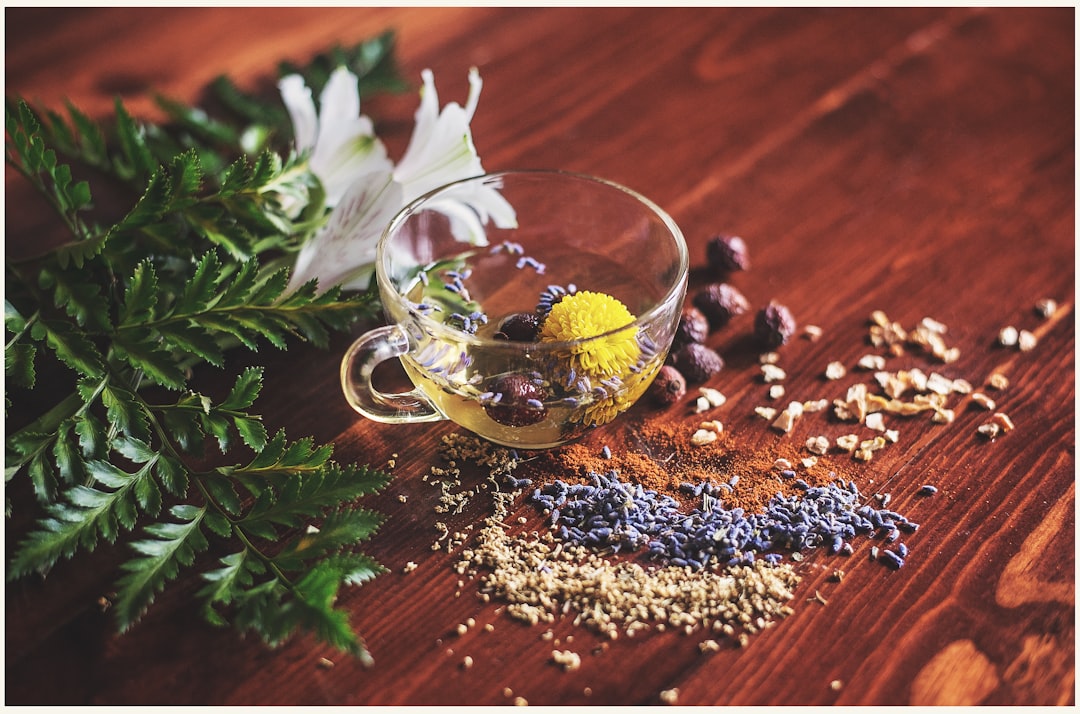
Elecampane is traditionally taken as a warm tea or a tincture.
Elecampane root for cough is most often prepared as a tincture or a decoction. Because the medicine lives in the tough root, a tea is usually made as a decoction: the root is simmered gently rather than steeped, which draws out more of its warming, aromatic compounds.
However, many people prefer a tincture for convenience and a longer shelf life. A tincture captures the root’s constituents in a concentrated, easy-to-measure form, and it blends readily with other respiratory herbs. Here’s how it works in practice: a small amount is added to a little water and taken through the day while congestion lasts.
At Herbal Clinic, we prepare our elecampane from carefully sourced Inula helenium root using the classic 1:5 tincturing method, with the alcohol strength matched to the root so the resin and inulin extract cleanly. For liability and regulatory reasons we do not give dosing advice, so please follow the guidance of a qualified herbalist. The key takeaway: choose elecampane when a cough is wet and congested, and give it consistently while symptoms persist.
FAQ
- Superior Sourcing: Our herbs are sourced from all over the world to avoid seasonal fluctuations in availability, keeping herbs accessible. Our suppliers meet strict standards that ensure top quality herbs, most of which are organic, wildcrafted, sustainably grown, or grown using permaculture. We support local farmers and grow many of our own herbs.
- Superior Processing: Our tinctures are made using the classic tincturing method. The tinctures are made in a 1:5 ratio which allows for the optimal extraction of the herb. The alcohol percentage is strictly controlled depending on the herb and part of the plant that is used.
- Superior Selection: We take pride in our growing selection of over 300 individual herbs. If we don’t carry the herb you’re seeking, we can likely track it down for you.
- Superior Quality Control: Our tinctures are thoroughly tested by a third-party lab and with an organoleptic evaluation by our team of herbalists prior to final bottling.
- Superior Price: Our tinctures are more cost-effective than other tinctures on the market. With an eye towards efficiency, we keep our costs low by maintaining good relationships with our wide network of suppliers and ordering herbs in bulk quantities.
- We Care About the Environment: We repackage materials that are shipped to us (so don’t be surprised if our packages look different from time to time!). We recycle or reuse materials whenever possible. We turn the cardboard we receive from other suppliers into packing material. We donate to avoid waste to groups like Naturopaths Without Borders. Our workforce almost completely uses public transportation or bikes. We are powered using 100% renewable energy through Bullfrog Power.
- We Donate To Charity: We support many causes that make the world better. We donate a portion of our profits or products. These include charities that support environmental and natural sustainability.
Set up an online account and order through the website. If you don’t have an account and place an order, one will be created for you.
Click here to subscribe to our mailing list.
Our products are made in Toronto, Ontario, Canada by a team of Herbalists and Naturopathic Doctors. The herbs and ingredients we use to make our products are sourced both locally and globally to keep herbs accessible and sustainable.
The majority of our herbs are certified organic, sustainably wildcrafted, or come from small-scale local organic farms that do not yet have organic certification. We always do our best to provide organic herbs in your formulas. We work with a variety of suppliers to keep costs low.
Although most of our products do not contain gluten, we do not have gluten-free certification for our production facility. Feel free to ask about any specific products and we’ll share whatever information we have available.
For liability and regulatory reasons, we don’t make any claims as to how our herbs should be used, including dosing recommendations. Please review our disclaimer, as well as our terms and policies.