Meadowsweet for Heartburn: Where This Old Herb Came From
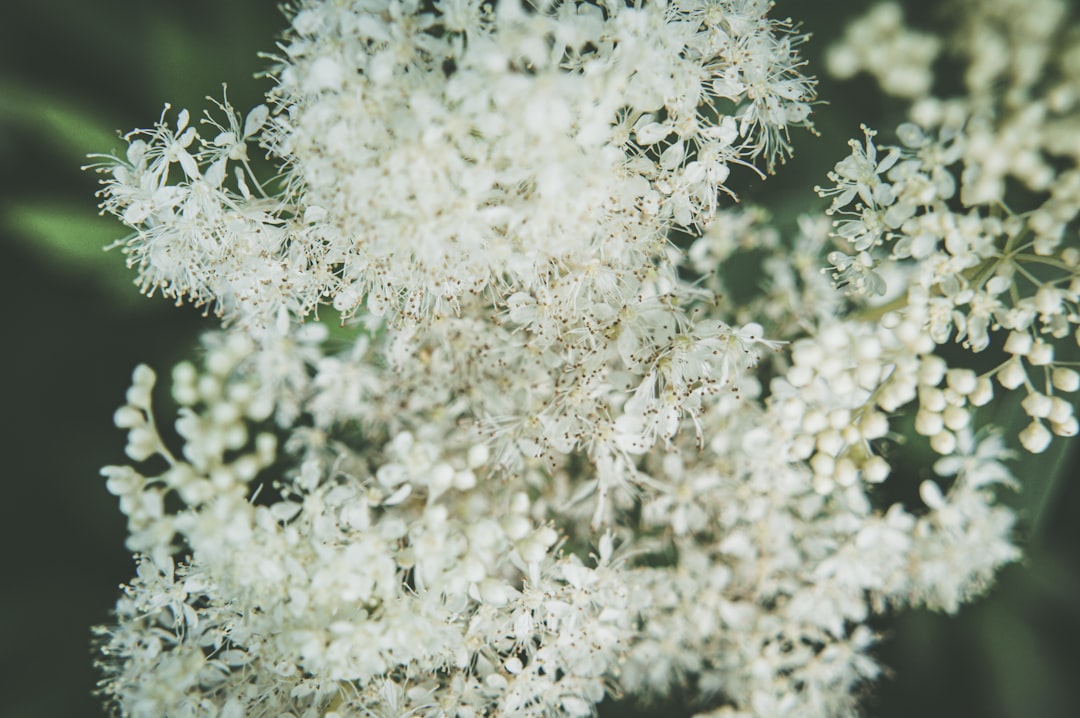
Meadowsweet for heartburn comes from the flowering tops of Filipendula ulmaria.
Meadowsweet for heartburn is one of those quiet remedies that never made headlines. Yet European herbalists have used it without a break for centuries. Instead of fading out, it stayed a household herb. Today it still grows in wet meadows and along ditches, and when the flowers open, they smell like almond and hay.
For the record, botanists call it Filipendula ulmaria, a member of the rose family (Rosaceae). Older texts list it as Spiraea ulmaria. That older name matters more than it sounds, because the word aspirin borrows from it. Chemists first pulled salicylic acid compounds out of meadowsweet and willow in the 1800s, and the herb gave its name to the drug that followed. However, the whole plant behaves quite differently from the isolated drug. That difference explains why herbalists still reach for meadowsweet for heartburn instead of treating it as a weak aspirin.
Here’s why that matters: the aerial parts carry tannins and mucilage alongside those salicylate precursors. Because of that, the plant brings its own buffering. Consequently, tradition links meadowsweet to settling the stomach rather than inflaming it.
Meanwhile, several common names follow the plant around: bridewort, queen of the meadow, and mead wort. That last one nods to its old job flavouring honey wine. Originally it grew across Europe and western Asia, and it now spreads widely through cooler parts of North America. Therefore, herbalists gather the flowering tops and leaves in summer, while the blossom stays fresh.
In addition, it pairs well with other digestive herbs. Traditional formulas combine it with burdock root and ginger for stomach discomfort.
Properties and Traditional Uses of Meadowsweet for Heartburn

Meadowsweet is most often taken as a 1:5 tincture of the aerial parts.
Herbalists classify meadowsweet first as a digestive herb, and second as an analgesic. Consequently, most traditional use of meadowsweet for heartburn sits in the upper digestive tract. Old texts connect the plant to gastrointestinal inflammation and plain stomach pain.
Meanwhile, the constituent picture stays straightforward. First, salicylic acid precursors, chiefly salicylaldehyde and its glycosides, carry the anti-inflammatory reputation. Second, tannins add a mild astringency, which explains the old use for loose stools. Finally, flavonoids and a little volatile oil finish the profile and give the flowers their sweet, almond-like scent.
This is where it gets interesting. In general, aspirin can irritate the gastric lining. Meadowsweet carries the same chemical family, yet herbalists have long turned to it for irritated stomachs. Most herbalists credit the tannins and mucilage that travel with the salicylates in the whole plant. As a result, herbalists call the herb protective rather than aggravating.
Tradition connects it to:
- Acid indigestion and a sour, burning stomach
- General gastrointestinal inflammation
- Mild diarrhoea, thanks to its astringency
- Achy joints and muscles, as a background anti-inflammatory
- Fevers, in older folk practice, often alongside elderflower
Furthermore, the herb suits people who struggle with stronger bitters. Its flavour stays mild, almost sweet, and it blends easily with chamomile in a tea.
One caution: meadowsweet contains salicylates. Anyone who avoids aspirin should talk to a practitioner first.
How Meadowsweet for Heartburn Is Prepared and Used
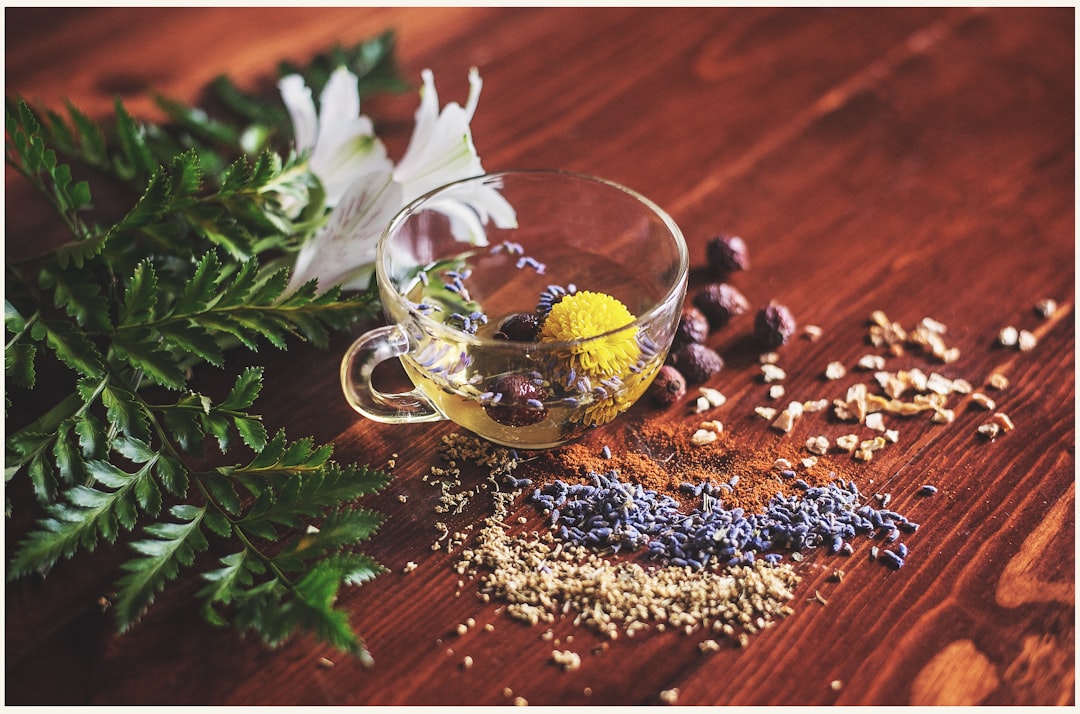
The dried flowering tops make a light, almond-scented infusion.
Meadowsweet for heartburn shows up in two main forms: a tincture of the aerial parts, and an infusion of the dried flowering tops. Either way, both stay simple to make. In practice, taste and convenience decide which one you pick.
For the tincture, we extract the aerial parts in alcohol and water. Specifically, we work at a 1:5 ratio and match the alcohol percentage to the plant part. That combination holds the water-soluble tannins and the less water-friendly aromatics together in solution. Above all, tinctures travel well, keep well, and measure easily with a dropper.
Alternatively, for tea, pour just-boiled water over the dried flowering tops and cover the cup. Cover it: otherwise the almond aroma drifts off with the steam. In addition, meadowsweet blends readily, and it sits comfortably beside chamomile, fennel seed, or ginger.
So what does this mean day to day? In short, most people reach for it around meals rather than at a set hour, since food-related discomfort forms its traditional context. For regulatory reasons we skip dosing advice. Read the FAQ below, and ask a qualified practitioner about amounts that suit you.
On sourcing: we buy meadowsweet aerial parts from suppliers who meet our standards for organic, wildcrafted, or sustainably grown material. Additionally, a third-party lab tests every tincture, and our herbalists run an organoleptic check before final bottling. The key takeaway: a gentle herb only stays gentle when the raw material arrives clean, correctly identified, and cut at the right stage.
FAQ
- Superior Sourcing: Our herbs are sourced from all over the world to avoid seasonal fluctuations in availability, keeping herbs accessible. Our suppliers meet strict standards that ensure top quality herbs, most of which are organic, wildcrafted, sustainably grown, or grown using permaculture. We support local farmers and grow many of our own herbs.
- Superior Processing: Our tinctures are made using the classic tincturing method. The tinctures are made in a 1:5 ratio which allows for the optimal extraction of the herb. The alcohol percentage is strictly controlled depending on the herb and part of the plant that is used.
- Superior Selection: We take pride in our growing selection of over 300 individual herbs. If we don’t carry the herb you’re seeking, we can likely track it down for you.
- Superior Quality Control: Our tinctures are thoroughly tested by a third-party lab and with an organoleptic evaluation by our team of herbalists prior to final bottling.
- Superior Price: Our tinctures are more cost-effective than other tinctures on the market. With an eye towards efficiency, we keep our costs low by maintaining good relationships with our wide network of suppliers and ordering herbs in bulk quantities.
- We Care About the Environment: We repackage materials that are shipped to us (so don’t be surprised if our packages look different from time to time!). We recycle or reuse materials whenever possible. We turn the cardboard we receive from other suppliers into packing material. We donate to avoid waste to groups like Naturopaths Without Borders. Our workforce almost completely uses public transportation or bikes. We are powered using 100% renewable energy through Bullfrog Power.
- We Donate To Charity: We support many causes that make the world better. We donate a portion of our profits or products. These include charities that support environmental and natural sustainability.
Set up an online account and order through the website. If you don’t have an account and place an order, one will be created for you.
Click here to subscribe to our mailing list.
Our products are made in Toronto, Ontario, Canada by a team of Herbalists and Naturopathic Doctors. The herbs and ingredients we use to make our products are sourced both locally and globally to keep herbs accessible and sustainable.
The majority of our herbs are certified organic, sustainably wildcrafted, or come from small-scale local organic farms that do not yet have organic certification. We always do our best to provide organic herbs in your formulas. We work with a variety of suppliers to keep costs low.
Although most of our products do not contain gluten, we do not have gluten-free certification for our production facility. Feel free to ask about any specific products and we’ll share whatever information we have available.
For liability and regulatory reasons, we don’t make any claims as to how our herbs should be used, including dosing recommendations. Please review our disclaimer, as well as our terms and policies.