What Is St. John's Wort and Why Is It Used for Mood?
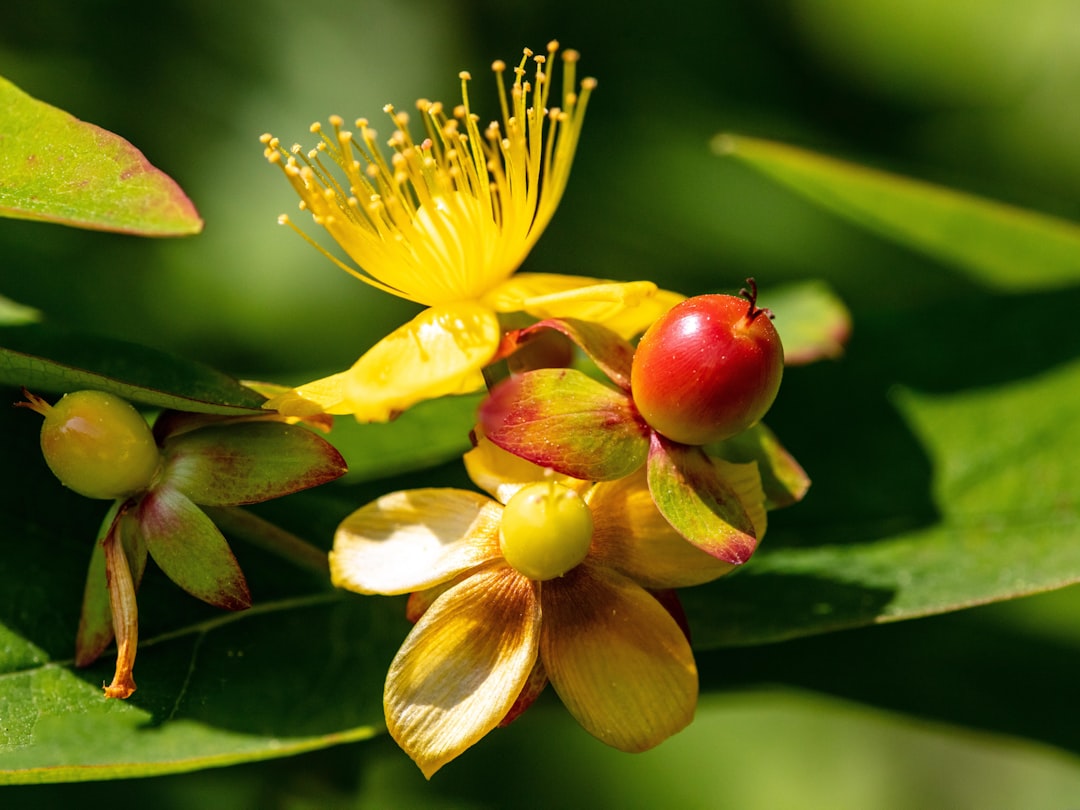
St. John’s Wort (Hypericum perforatum) in bloom
St johns wort for mood is one of the oldest and best-studied nervine herbs in Western herbalism. Hypericum perforatum blooms bright yellow each summer. Herbalists have reached for it for centuries to steady low spirits. If short, dark days ever leave you feeling flat, this is the classic herb for that grey mood.
The plant belongs to the Hypericaceae family. It grows as a hardy perennial. Wiry stems reach 30 to 90 cm tall and carry five-petalled golden flowers. Hold a leaf to the light and you will see tiny clear dots. These oil glands give the species its name, perforatum. Crush a flower bud and it stains your fingers deep red, the mark of hypericin inside.
Here’s why the name matters: the plant flowers around late June, near the feast of St. John the Baptist. That timing gave it the common name. Native to Europe and Asia, it now grows wild across North America, including much of Canada.
At Herbal Clinic in Toronto, we work with St. John’s Wort as an aerial-parts herb. We harvest the flowering tops, where the active compounds concentrate. We hold our suppliers to strict standards, and most of our herbs are organic, wildcrafted, or grown on small local farms.
St. John's Wort for Mood: Benefits and Active Compounds
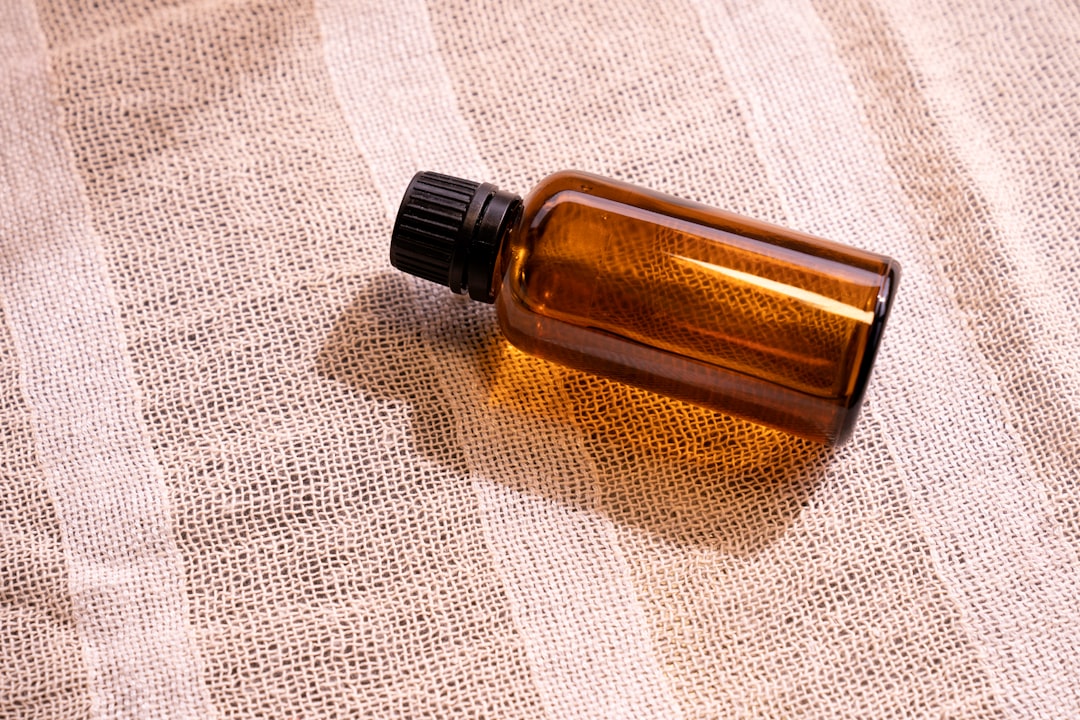
St. John’s Wort tincture in amber glass
Herbalists prize st johns wort for mood above all its other uses. They class it first as a nervine, an herb that traditionally supports and restores the nervous system. Its reputation rests on generations of use for low, flat, or downcast states. The seasonal kind, which arrives with shorter days, responds best of all.
Here’s how it works: the flowering tops carry two key compounds, hyperforin and hypericin. Research links hyperforin most closely to the herb’s traditional mood-supporting reputation. Hypericin gives the plant its red pigment. Together they make Hypericum one of the most examined herbs in the modern literature.
But there’s more to it than mood. St. John’s Wort also carries a traditional reputation as an antiviral. Herbalists have long applied it on the skin over nerve-rich areas. In addition, it has a gentle secondary action on the bowel. However, its lasting fame comes from that steadying effect on the spirit. For other calming nervines, see our guide to skullcap for anxiety and sleep.
One important note: St. John’s Wort interacts with many prescription medications. These include antidepressants and the contraceptive pill. Therefore, use this herb under the guidance of a qualified practitioner, especially if you take any medication.
How to Use St. John's Wort for Mood
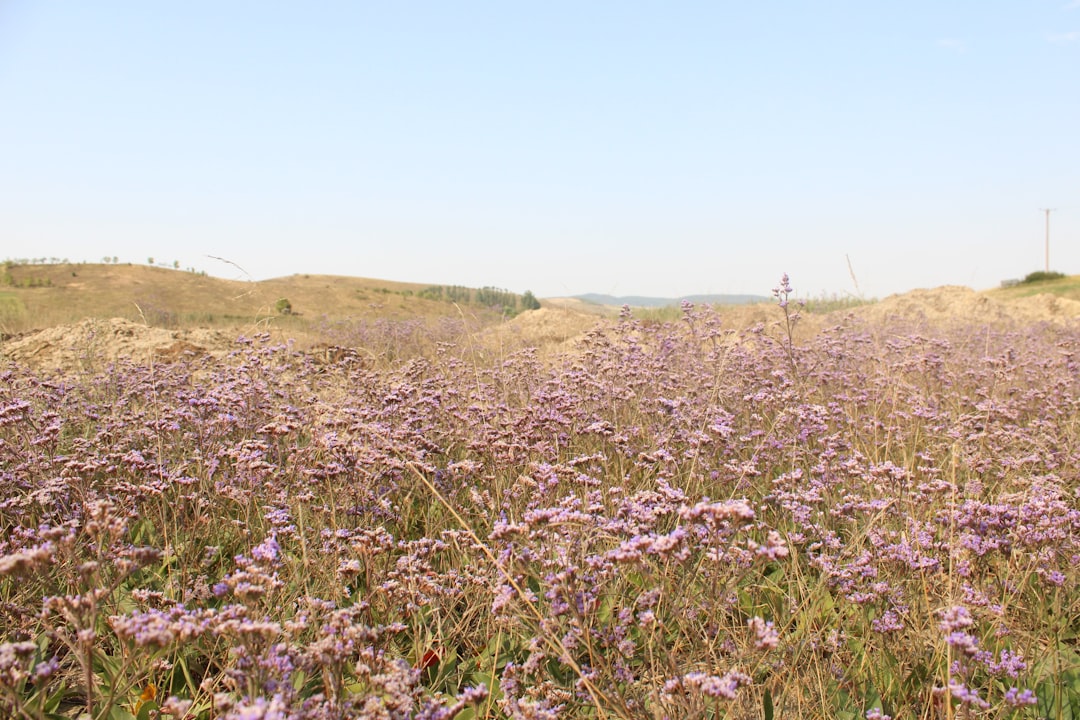
St. John’s Wort growing in the wild
People take st johns wort for mood in a few traditional forms. The flowering tops are the part used in all of them. The most common form is a tincture, a concentrated liquid extract in alcohol. It captures both hyperforin and hypericin from the herb. A tincture is easy to measure and blends well with other calming herbs.
So what does this mean in practice? St. John’s Wort pairs especially well with Calendula and Wood Betony for low, seasonal moods. That is exactly the combination in our Sunshine Combo. As a tea, you steep the dried aerial parts and sip through the day. Furthermore, an infused oil from the flowers makes a classic topical.
The key takeaway: consistency matters more than dose with this herb. Traditionally people take it steadily over several weeks rather than as a one-off. Its supportive effect on mood builds gradually.
At Herbal Clinic, we make our St. John’s Wort tinctures with the classic 1:5 method. We match the alcohol strength to the herb, so the flowering tops give up their full range of compounds. For liability and regulatory reasons we do not make dosing recommendations. Please speak with a qualified herbalist or your practitioner before you begin, especially if you take any medication.
FAQ
- Superior Sourcing: Our herbs are sourced from all over the world to avoid seasonal fluctuations in availability, keeping herbs accessible. Our suppliers meet strict standards that ensure top quality herbs, most of which are organic, wildcrafted, sustainably grown, or grown using permaculture. We support local farmers and grow many of our own herbs.
- Superior Processing: Our tinctures are made using the classic tincturing method. The tinctures are made in a 1:5 ratio which allows for the optimal extraction of the herb. The alcohol percentage is strictly controlled depending on the herb and part of the plant that is used.
- Superior Selection: We take pride in our growing selection of over 300 individual herbs. If we don’t carry the herb you’re seeking, we can likely track it down for you.
- Superior Quality Control: Our tinctures are thoroughly tested by a third-party lab and with an organoleptic evaluation by our team of herbalists prior to final bottling.
- Superior Price: Our tinctures are more cost-effective than other tinctures on the market. With an eye towards efficiency, we keep our costs low by maintaining good relationships with our wide network of suppliers and ordering herbs in bulk quantities.
- We Care About the Environment: We repackage materials that are shipped to us (so don’t be surprised if our packages look different from time to time!). We recycle or reuse materials whenever possible. We turn the cardboard we receive from other suppliers into packing material. We donate to avoid waste to groups like Naturopaths Without Borders. Our workforce almost completely uses public transportation or bikes. We are powered using 100% renewable energy through Bullfrog Power.
- We Donate To Charity: We support many causes that make the world better. We donate a portion of our profits or products. These include charities that support environmental and natural sustainability.
Set up an online account and order through the website. If you don’t have an account and place an order, one will be created for you.
Click here to subscribe to our mailing list.
Our products are made in Toronto, Ontario, Canada by a team of Herbalists and Naturopathic Doctors. The herbs and ingredients we use to make our products are sourced both locally and globally to keep herbs accessible and sustainable.
The majority of our herbs are certified organic, sustainably wildcrafted, or come from small-scale local organic farms that do not yet have organic certification. We always do our best to provide organic herbs in your formulas. We work with a variety of suppliers to keep costs low.
Although most of our products do not contain gluten, we do not have gluten-free certification for our production facility. Feel free to ask about any specific products and we’ll share whatever information we have available.
For liability and regulatory reasons, we don’t make any claims as to how our herbs should be used, including dosing recommendations. Please review our disclaimer, as well as our terms and policies.