Saw Palmetto for Prostate Health: An Ancient Berry
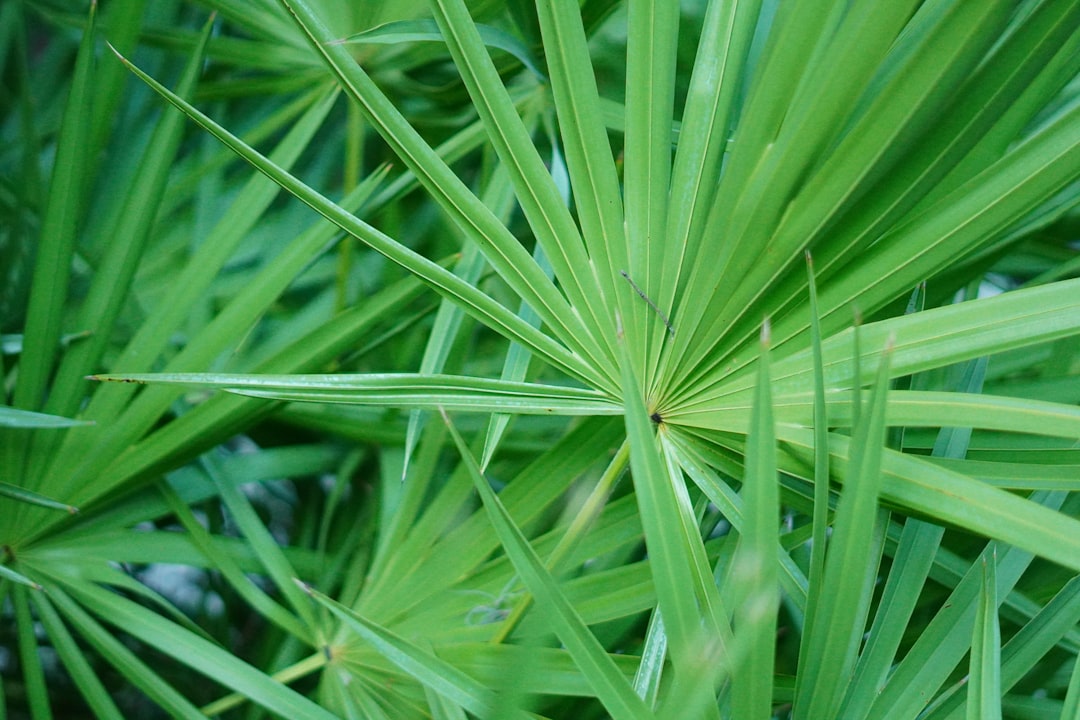
These berries from the fan palm Serenoa repens are the source of saw palmetto for prostate health.
Saw palmetto for prostate health is one of the most widely used herbal traditions in men’s wellness. In fact, its track record stretches back centuries. Long before the berry reached the modern supplement shelf, coastal communities relied on it as food and medicine.
Saw palmetto (Serenoa repens) is a low, fan-shaped palm. It grows in dense colonies across the sandy coastal soils of the American southeast, mainly Florida and Georgia. Botanically, it belongs to the Arecaceae, or palm, family. Instead of a tall trunk, it spreads as clusters of stiff, fan-like fronds close to the ground.
The part that matters here is the fruit. For example, each plant produces olive-sized berries. They ripen from green to a deep purple-black in autumn. Here’s why that matters: those berries carry the fatty acids and plant sterols that herbalists connect with the prostate and urinary tract.
Indigenous peoples of the Florida coast ate the berries and used them for urinary and reproductive complaints. Later, herbalists narrowed the focus. By the late nineteenth century, saw palmetto for prostate health had become a recognized remedy for the aging male body. As a result, that reputation keeps the berry popular today.
At Herbal Clinic, we work with the ripe berry, because that is where the traditional value sits. To explore the plant we prepare, take a look at our Saw Palmetto tincture, made from carefully sourced Serenoa repens fruit.
Benefits of Saw Palmetto for Prostate Health
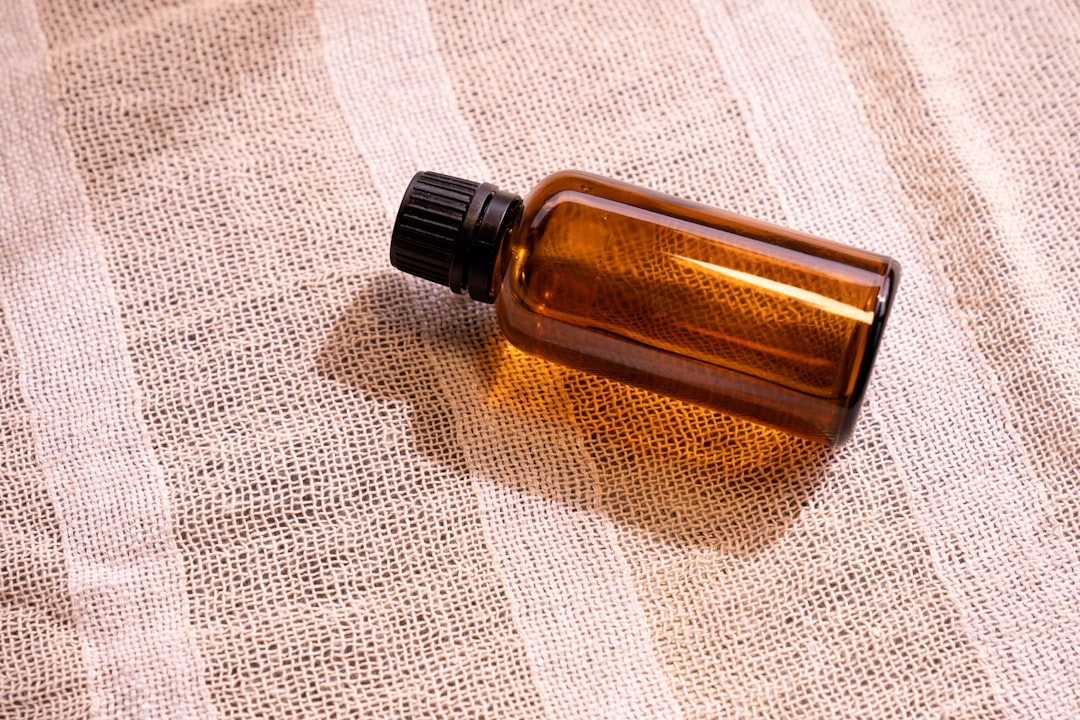
A traditional tincture concentrates the berry’s fat-soluble compounds.
The benefits of saw palmetto for prostate health come down to the berry’s chemistry. Specifically, the fruit is rich in free fatty acids, such as lauric and oleic acids. It also carries plant sterols like beta-sitosterol. Together, these fat-soluble compounds set the berry apart from most other herbs.
So what does this mean for the prostate? As men age, the gland tends to enlarge. Doctors call this common, non-cancerous change benign prostatic hyperplasia, or BPH. Consequently, the enlarged gland can press on the urethra. This leads to familiar symptoms: a weaker stream, waking at night to urinate, and a sense of incomplete emptying.
Traditionally, people have used saw palmetto to support comfortable urinary flow during this stage of life. Research suggests its constituents may interact with 5-alpha-reductase. That enzyme converts testosterone into dihydrotestosterone, or DHT, a hormone linked to prostate growth. In addition, herbalists associate the berry’s sterols with a calming effect on irritated tissue. Here’s how it works, in plain terms: the herb may soften that hormonal signal and ease irritation.
Furthermore, the same fatty-acid profile earned saw palmetto a wider reputation in men’s wellness. For instance, traditional use includes hair thinning and general vitality. However, the prostate story remains its best-known role.
Still, it is worth staying measured here. Herbal support does not replace medical care. Any lasting urinary change deserves a proper assessment. Instead, think of saw palmetto for prostate health as a gentle, traditional addition to a broader routine. To bring the berry into your own routine, browse our Saw Palmetto tincture.
How to Use Saw Palmetto for Prostate Health
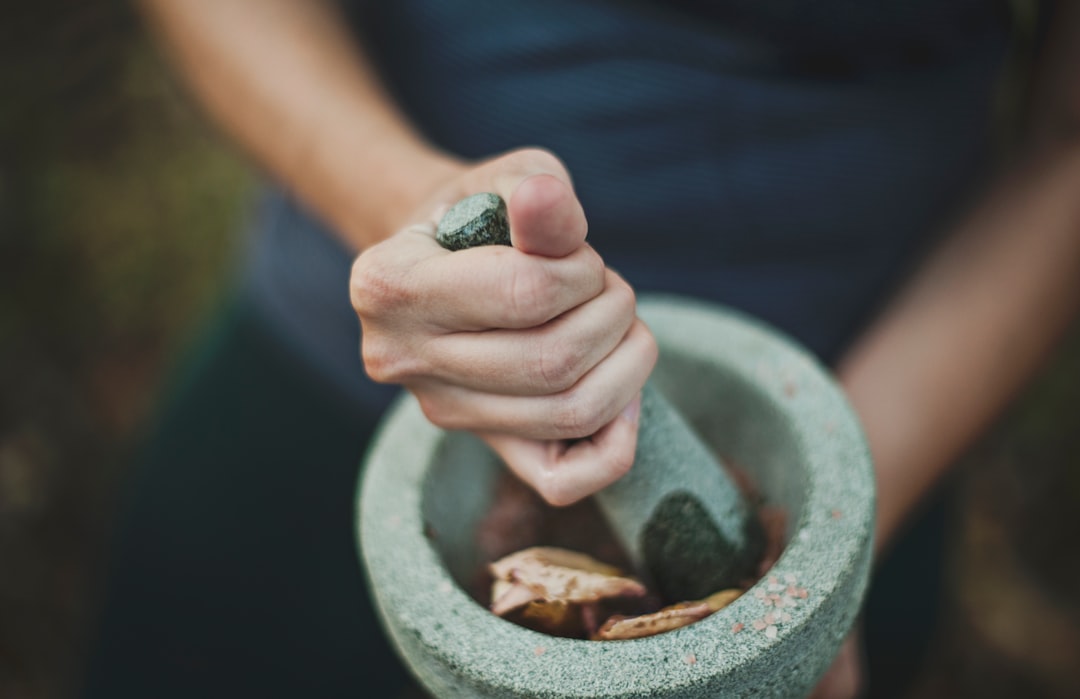
Traditional preparation draws the berry’s oils into a lasting extract.
Once you understand why the berry matters, one practical question remains. How do you actually use saw palmetto for prostate health day to day? Because the active compounds are fat-soluble, preparation makes a real difference.
The most popular form is a tincture. A traditional alcohol extract pulls the berry’s fatty acids and sterols into a concentrated, shelf-stable liquid. Then you can add a little to water and take it consistently. Consistency is the key point here. Traditionally, this use has leaned on daily, ongoing intake rather than occasional doses. Alternatively, for anyone avoiding alcohol, a glycerite offers a gentler, sweeter option.
You can also brew the dried berries as a tea. However, the fat-soluble compounds do not dissolve well in water, so many people prefer the tincture. Whichever form you choose, it slots easily into a morning routine. Additionally, you can pair it with other men’s-wellness habits, like staying active, limiting fluids late in the evening, and eating whole foods.
For regulatory reasons, we do not offer dosing advice. We always recommend speaking with a qualified practitioner before you start any new herb, especially if you take medication. As a result, the smartest approach pairs the herb with professional guidance.
At Herbal Clinic, we make our saw palmetto in Toronto from Serenoa repens berries. Moreover, we use the classic 1:5 tincturing method, and we match the alcohol strength to the berry so the oils extract fully. Finally, you can find several sizes, including a glycerite option, on our Saw Palmetto product page.
FAQ
- Superior Sourcing: Our herbs are sourced from all over the world to avoid seasonal fluctuations in availability, keeping herbs accessible. Our suppliers meet strict standards that ensure top quality herbs, most of which are organic, wildcrafted, sustainably grown, or grown using permaculture. We support local farmers and grow many of our own herbs.
- Superior Processing: Our tinctures are made using the classic tincturing method. The tinctures are made in a 1:5 ratio which allows for the optimal extraction of the herb. The alcohol percentage is strictly controlled depending on the herb and part of the plant that is used.
- Superior Selection: We take pride in our growing selection of over 300 individual herbs. If we don’t carry the herb you’re seeking, we can likely track it down for you.
- Superior Quality Control: Our tinctures are thoroughly tested by a third-party lab and with an organoleptic evaluation by our team of herbalists prior to final bottling.
- Superior Price: Our tinctures are more cost-effective than other tinctures on the market. With an eye towards efficiency, we keep our costs low by maintaining good relationships with our wide network of suppliers and ordering herbs in bulk quantities.
- We Care About the Environment: We repackage materials that are shipped to us (so don’t be surprised if our packages look different from time to time!). We recycle or reuse materials whenever possible. We turn the cardboard we receive from other suppliers into packing material. We donate to avoid waste to groups like Naturopaths Without Borders. Our workforce almost completely uses public transportation or bikes. We are powered using 100% renewable energy through Bullfrog Power.
- We Donate To Charity: We support many causes that make the world better. We donate a portion of our profits or products. These include charities that support environmental and natural sustainability.
Set up an online account and order through the website. If you don’t have an account and place an order, one will be created for you.
Click here to subscribe to our mailing list.
Our products are made in Toronto, Ontario, Canada by a team of Herbalists and Naturopathic Doctors. The herbs and ingredients we use to make our products are sourced both locally and globally to keep herbs accessible and sustainable.
The majority of our herbs are certified organic, sustainably wildcrafted, or come from small-scale local organic farms that do not yet have organic certification. We always do our best to provide organic herbs in your formulas. We work with a variety of suppliers to keep costs low.
Although most of our products do not contain gluten, we do not have gluten-free certification for our production facility. Feel free to ask about any specific products and we’ll share whatever information we have available.
For liability and regulatory reasons, we don’t make any claims as to how our herbs should be used, including dosing recommendations. Please review our disclaimer, as well as our terms and policies.