Valerian Root for Sleep: An Ancient Remedy Rediscovered
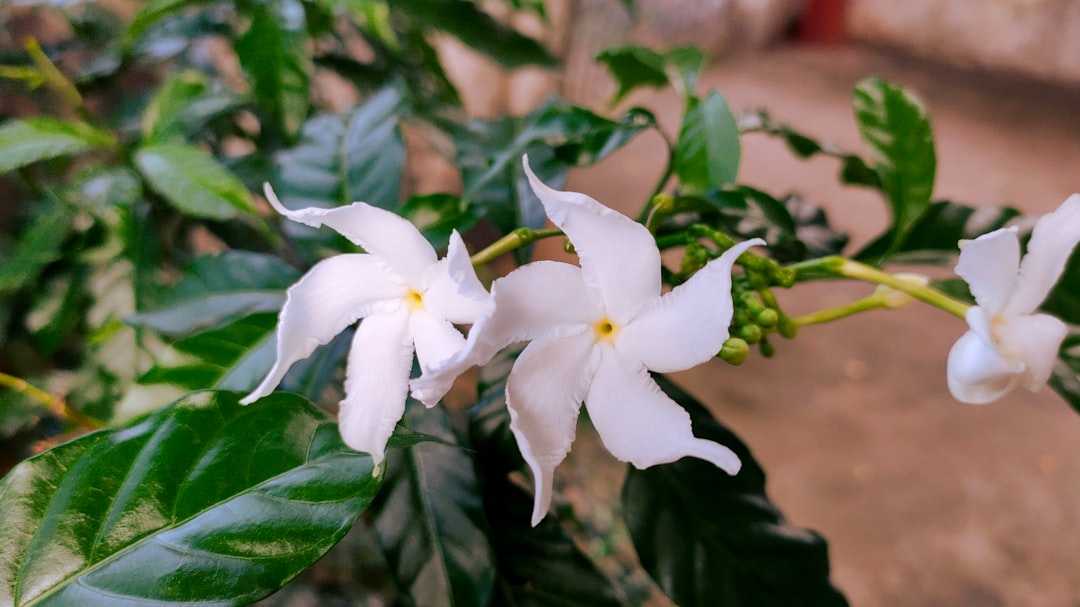
Valeriana officinalis, the plant behind one of the oldest sleep remedies.
Valerian root for sleep has been trusted for more than two thousand years, and the tradition behind it is remarkably consistent. If you have ever lain awake with a busy mind that will not switch off, this is the herb that generations of herbalists reached for first. Its calming reputation stretches from ancient Greece to the modern apothecary shelf.
Valerian (Valeriana officinalis) is a tall flowering perennial in the Caprifoliaceae family, native to Europe and parts of Asia and now growing wild across North America. It produces clusters of small, sweetly scented pink and white flowers in summer, but the medicine lives underground. The root and rhizome carry the herb’s active compounds, and they have a distinctive, earthy aroma that some people find pungent.
Here’s why that matters: the Greek physician Galen recommended valerian for insomnia as early as the second century, and European herbalists have relied on it ever since. The plant even earned the folk name “all-heal” for its wide traditional use. Today it grows in damp meadows and along riverbanks, and it is one of the most studied calming herbs in Western herbalism.
At Herbal Clinic, our herbalists prepare valerian as a tincture from carefully sourced root, so the earthy character of the whole plant carries through into the finished extract. If sleep is your focus, you may also like our guide to lavender for sleep and anxiety.
Benefits of Valerian Root for Sleep and Relaxation
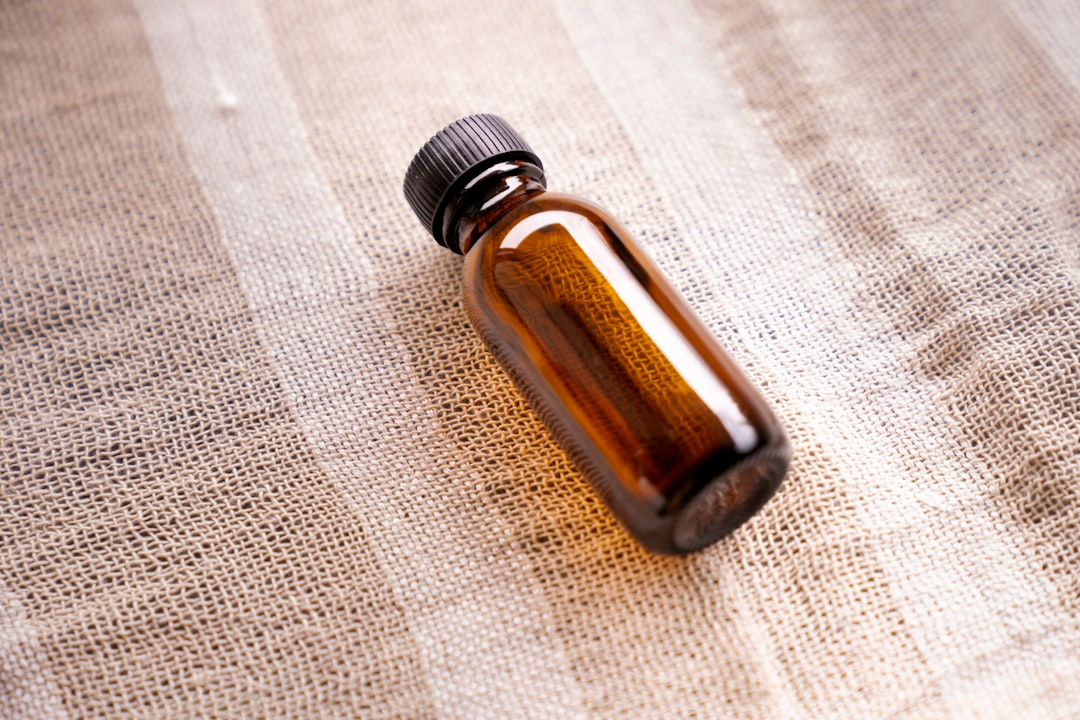
A valerian root tincture concentrates the herb’s calming compounds.
The main reason people turn to valerian root for sleep comes down to how it interacts with the nervous system. Herbalists class valerian as a nervine and a mild sedative, and the tradition associates it with easing tension and quieting an overactive mind rather than forcing sleep.
Here’s how it works: valerian contains valerenic acid and a group of compounds called valepotriates. Research suggests valerenic acid influences GABA, the brain’s main calming neurotransmitter, by slowing how quickly the body breaks it down. When GABA activity rises, the nervous system settles, which is why valerian eases the body into a gentler transition toward rest.
But there’s more to it than sleep alone. Valerian has traditionally been used for a range of connected concerns:
- Difficulty falling asleep or a restless, racing mind at bedtime
- Mild anxiety and everyday nervous tension
- Tension held in the muscles, since valerian has a mild antispasmodic reputation
- Occasional restlessness that disrupts a normal wind-down routine
So what does this mean for you? Unlike some sleep aids, valerian does not leave the heavy, groggy feeling that many people report from other sleep aids the next morning. Instead herbalists have traditionally valued it for helping the body find its own rhythm. That said, valerian affects everyone differently, and a small number of people find it energising rather than calming, so it is worth paying attention to your own response.
How to Use Valerian Root for Sleep in Your Routine
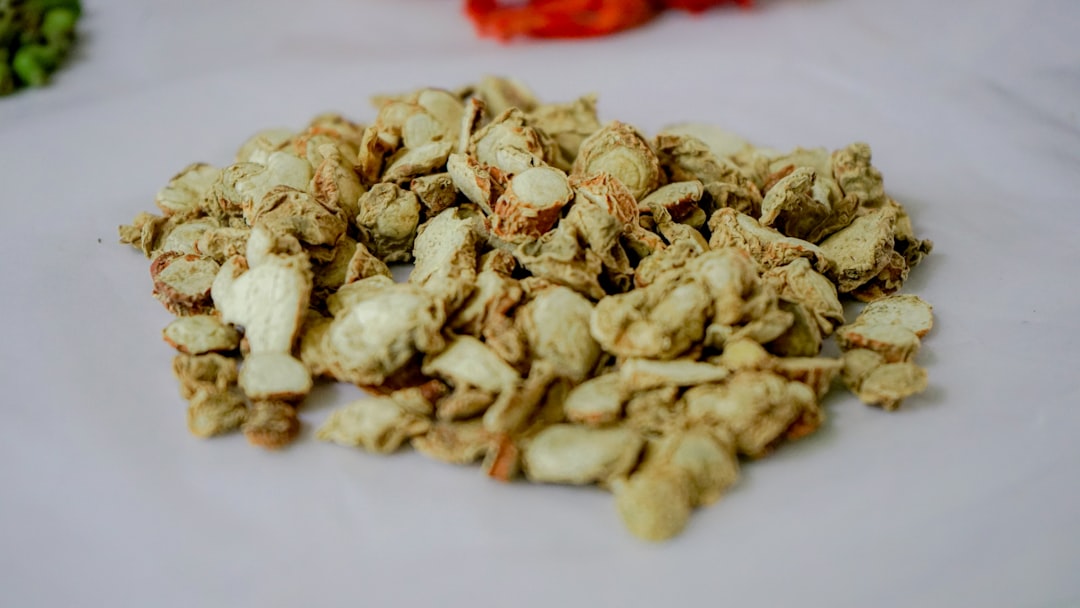
Dried valerian root, ready for tea or tincture preparation.
Using valerian root for sleep is straightforward, and the form you choose comes down to preference. The most common preparations are tinctures, teas, and capsules, and each has its place in a wind-down routine.
The key takeaway: herbalists traditionally take valerian in the evening, roughly thirty minutes to an hour before bed, so the calming effect lines up with your natural wind-down. Some herbalists suggest taking it consistently over a couple of weeks, since valerian is traditionally associated with building a steadier effect over time rather than working like a switch on the first night.
A tincture is the most flexible option. Because it is a concentrated liquid extract, it absorbs quickly and is easy to adjust drop by drop. A few drops in a little warm water or tea makes a simple bedtime ritual. Valerian tea is another gentle route, though its earthy flavour is not for everyone, which is why it is often blended with sweeter, aromatic herbs.
Here’s a practical tip: valerian pairs well with other calming herbs. Herbalists traditionally combine it with passionflower, chamomile, lemon balm, or hops to round out its effect, and Herbal Clinic offers valerian both on its own and in ready-made blends. If you like a customised approach, our formulation calculator lets you build your own blend around it.
Herbal Clinic prepares its valerian as a 1:5 tincture from quality-sourced root, made in-house in Toronto by a team of herbalists and naturopathic doctors, then reviews it before bottling. For guidance on how any herb fits your individual situation, consult a qualified herbalist or naturopathic doctor.
These statements have not been evaluated by Health Canada. This product is not intended to diagnose, treat, cure, or prevent any disease.
FAQ
- Superior Sourcing: Our herbs are sourced from all over the world to avoid seasonal fluctuations in availability, keeping herbs accessible. Our suppliers meet strict standards that ensure top quality herbs, most of which are organic, wildcrafted, sustainably grown, or grown using permaculture. We support local farmers and grow many of our own herbs.
- Superior Processing: Our tinctures are made using the classic tincturing method. The tinctures are made in a 1:5 ratio which allows for the optimal extraction of the herb. The alcohol percentage is strictly controlled depending on the herb and part of the plant that is used.
- Superior Selection: We take pride in our growing selection of over 300 individual herbs. If we don’t carry the herb you’re seeking, we can likely track it down for you.
- Superior Quality Control: Our tinctures are thoroughly tested by a third-party lab and with an organoleptic evaluation by our team of herbalists prior to final bottling.
- Superior Price: Our tinctures are more cost-effective than other tinctures on the market. With an eye towards efficiency, we keep our costs low by maintaining good relationships with our wide network of suppliers and ordering herbs in bulk quantities.
- We Care About the Environment: We repackage materials that are shipped to us (so don’t be surprised if our packages look different from time to time!). We recycle or reuse materials whenever possible. We turn the cardboard we receive from other suppliers into packing material. We donate to avoid waste to groups like Naturopaths Without Borders. Our workforce almost completely uses public transportation or bikes. We are powered using 100% renewable energy through Bullfrog Power.
- We Donate To Charity: We support many causes that make the world better. We donate a portion of our profits or products. These include charities that support environmental and natural sustainability.
Set up an online account and order through the website. If you don’t have an account and place an order, one will be created for you.
Click here to subscribe to our mailing list.
Our products are made in Toronto, Ontario, Canada by a team of Herbalists and Naturopathic Doctors. The herbs and ingredients we use to make our products are sourced both locally and globally to keep herbs accessible and sustainable.
The majority of our herbs are certified organic, sustainably wildcrafted, or come from small-scale local organic farms that do not yet have organic certification. We always do our best to provide organic herbs in your formulas. We work with a variety of suppliers to keep costs low.
Although most of our products do not contain gluten, we do not have gluten-free certification for our production facility. Feel free to ask about any specific products and we’ll share whatever information we have available.
For liability and regulatory reasons, we don’t make any claims as to how our herbs should be used, including dosing recommendations. Please review our disclaimer, as well as our terms and policies.