Rosemary for Memory and Focus: The Herb of Remembrance
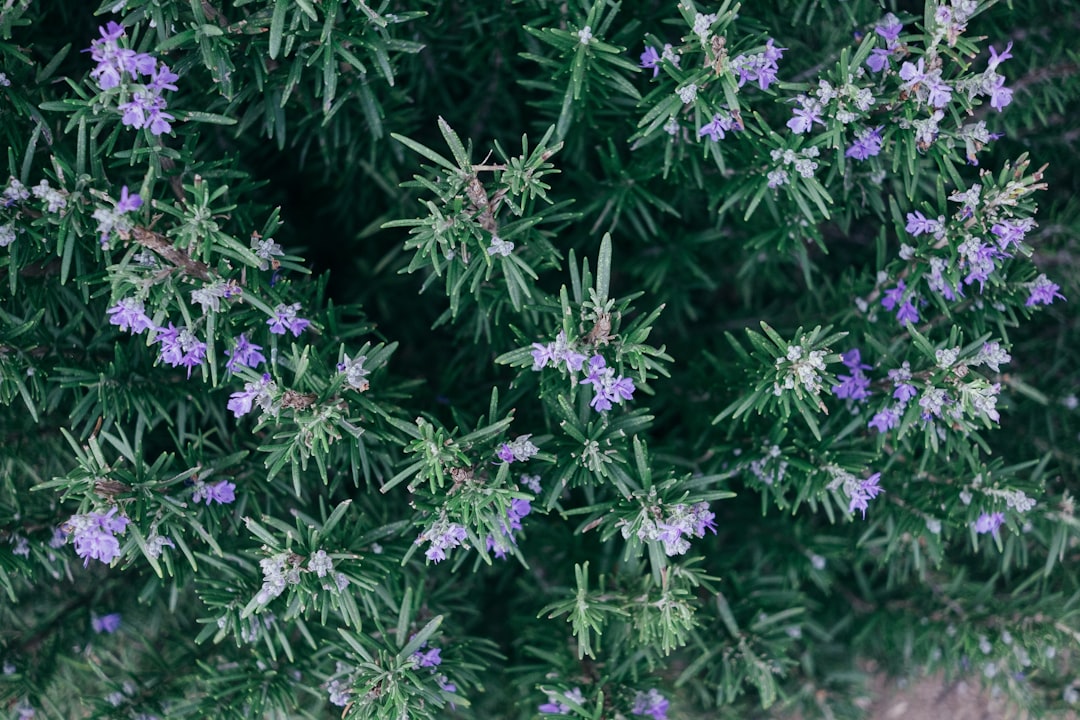
Rosmarinus officinalis, long called the herb of remembrance
Rosemary for memory and focus is one of the oldest ideas in Western herbalism, and it has held up remarkably well. For centuries this fragrant evergreen shrub was called the herb of remembrance, tucked into wedding bouquets and funeral wreaths alike as a symbol of not forgetting. Today the tradition and the aroma both endure.
Rosemary (Rosmarinus officinalis) belongs to the mint family, Lamiaceae, alongside sage, thyme, and lavender. It is a woody perennial native to the rocky, sun-baked coasts of the Mediterranean, where it grows into dense bushes of needle-like leaves that release a sharp, pine-like scent when brushed. Those same aromatic oils are the reason the plant has always been linked to a sharp mind.
Here’s why that matters: the scent is not just pleasant, it is chemistry. The volatile compounds that give rosemary its distinctive smell are the very constituents herbalists associate with its effect on alertness and recall.
Common names include rosemary, dew of the sea, and the old herb of remembrance. Whatever you call it, the plant is easy to grow, easy to source, and easy to work into a daily routine, which is part of why it has stayed in continuous use from ancient gardens to modern kitchens.
How Rosemary Supports Memory and Focus
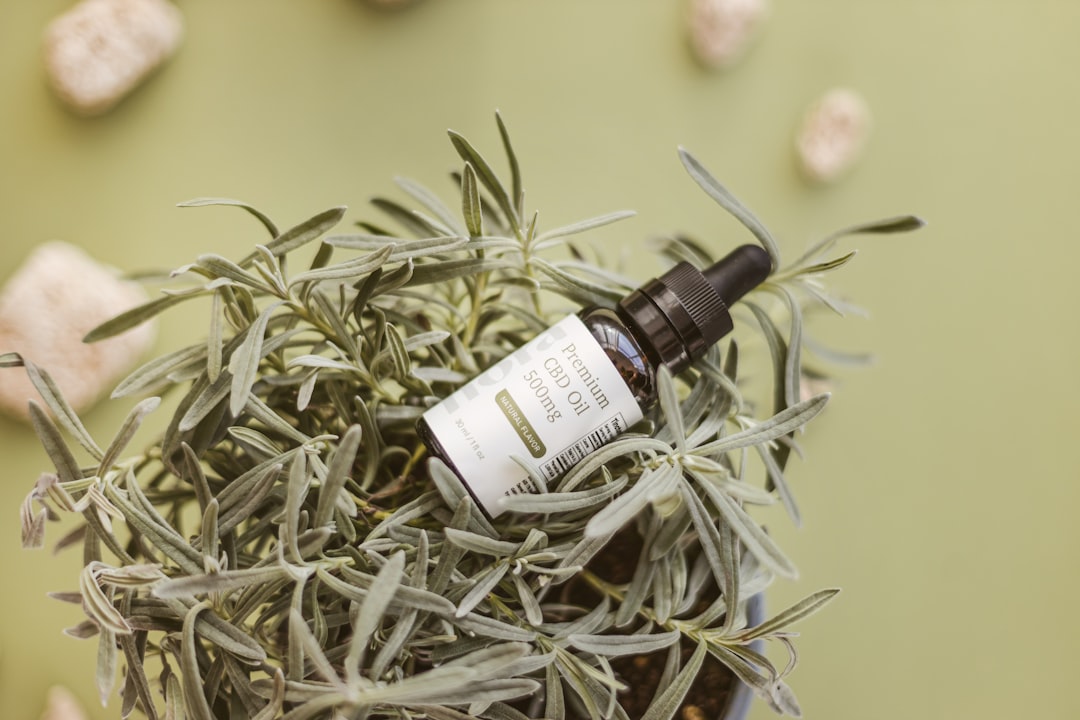
Rosemary tincture, a concentrated way to take the herb
The connection between rosemary for memory and focus is not only folklore. The herb is rich in aromatic compounds, chiefly 1,8-cineole, along with rosmarinic acid and carnosic acid. However, these are more than curiosities. Cineole is the constituent most often studied for its association with alertness and cognitive performance.
Here’s how it works: aromatic molecules from rosemary are small and fat-soluble, so they readily cross into the bloodstream whether you inhale them or swallow them. From there they are thought to interact with the systems that govern attention and the breakdown of acetylcholine, a neurotransmitter central to learning and recall. In other words, the herb is traditionally associated with keeping the brain’s messaging chemistry running a little more smoothly.
But there’s more to it than that. Rosmarinic acid and carnosic acid are potent antioxidants, and the brain is especially sensitive to oxidative stress. Herbalists have long valued rosemary as a circulatory stimulant as well, traditionally used to encourage healthy blood flow to the head, which supports the plain intuition that a well-supplied brain thinks more clearly.
So what does this mean for you? Rosemary is traditionally used for mental fatigue, foggy concentration, and those afternoons when focus simply will not hold. It pairs naturally with other calming, clarity-supporting herbs, and it forms the backbone of blends built around cognitive support.
How to Use Rosemary for Memory and Focus
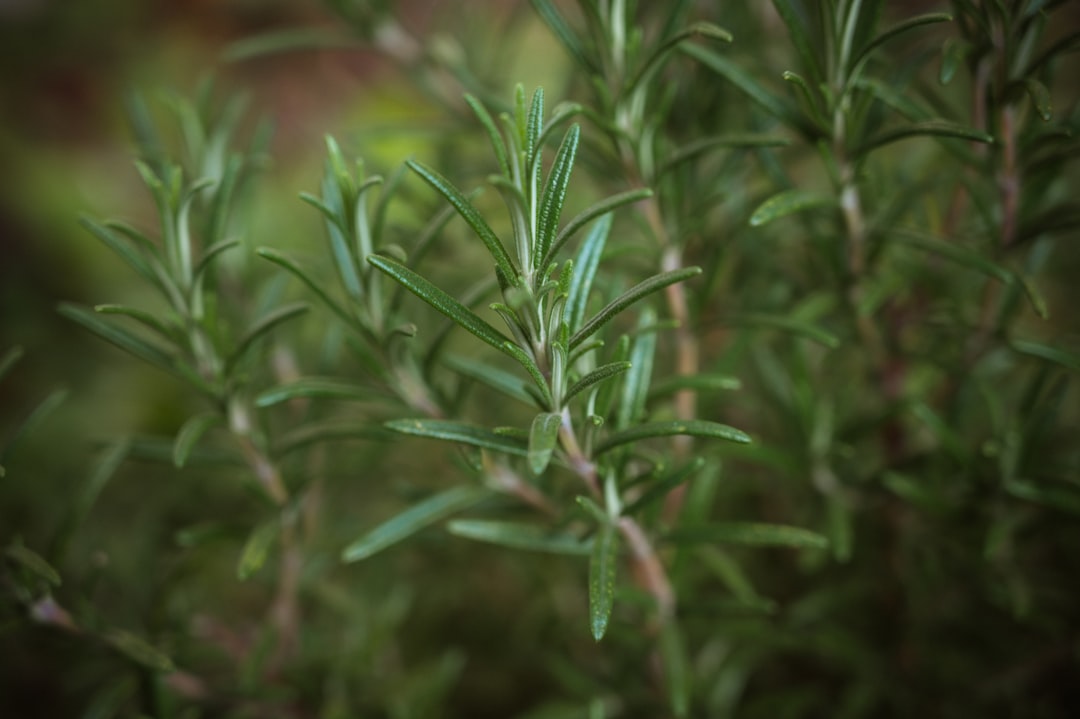
Rosemary works as a tea, a tincture, or simply an aroma
There are several practical ways to bring rosemary for memory and focus into a daily wellness routine, and the right one depends on how you like to take your herbs. Furthermore, each method captures a slightly different part of the plant.
A tincture is the most concentrated and convenient option. Because alcohol readily extracts rosemary’s active compounds, a well-made tincture captures the full aromatic and antioxidant profile in a few drops that travel easily in a bag or pocket. As a result, it is the form many people reach for when they want consistency.
A tea is the gentler, more ritual-driven choice. Steeping the fresh or dried needles releases the aromatic oils into hot water, and the simple act of pausing over a warm cup is itself a focus practice. In addition, the aroma alone is worth using: simply crushing a sprig and breathing it in is the oldest form of the remedy, and the one the old studies on scent and recall were built around.
Rosemary also belongs in the kitchen, where cooking with it is an easy way to take a little every day. At Herbal Clinic, we source our rosemary to a high standard and prepare it using the classic tincturing method, so the finished extract reflects the quality of the plant it came from. As with any herb, rosemary is a support for a healthy routine, not a replacement for professional care.
FAQ
- Superior Sourcing: Our herbs are sourced from all over the world to avoid seasonal fluctuations in availability, keeping herbs accessible. Our suppliers meet strict standards that ensure top quality herbs, most of which are organic, wildcrafted, sustainably grown, or grown using permaculture. We support local farmers and grow many of our own herbs.
- Superior Processing: Our tinctures are made using the classic tincturing method. The tinctures are made in a 1:5 ratio which allows for the optimal extraction of the herb. The alcohol percentage is strictly controlled depending on the herb and part of the plant that is used.
- Superior Selection: We take pride in our growing selection of over 300 individual herbs. If we don’t carry the herb you’re seeking, we can likely track it down for you.
- Superior Quality Control: Our tinctures are thoroughly tested by a third-party lab and with an organoleptic evaluation by our team of herbalists prior to final bottling.
- Superior Price: Our tinctures are more cost-effective than other tinctures on the market. With an eye towards efficiency, we keep our costs low by maintaining good relationships with our wide network of suppliers and ordering herbs in bulk quantities.
- We Care About the Environment: We repackage materials that are shipped to us (so don’t be surprised if our packages look different from time to time!). We recycle or reuse materials whenever possible. We turn the cardboard we receive from other suppliers into packing material. We donate to avoid waste to groups like Naturopaths Without Borders. Our workforce almost completely uses public transportation or bikes. We are powered using 100% renewable energy through Bullfrog Power.
- We Donate To Charity: We support many causes that make the world better. We donate a portion of our profits or products. These include charities that support environmental and natural sustainability.
Set up an online account and order through the website. If you don’t have an account and place an order, one will be created for you.
Click here to subscribe to our mailing list.
Our products are made in Toronto, Ontario, Canada by a team of Herbalists and Naturopathic Doctors. The herbs and ingredients we use to make our products are sourced both locally and globally to keep herbs accessible and sustainable.
The majority of our herbs are certified organic, sustainably wildcrafted, or come from small-scale local organic farms that do not yet have organic certification. We always do our best to provide organic herbs in your formulas. We work with a variety of suppliers to keep costs low.
Although most of our products do not contain gluten, we do not have gluten-free certification for our production facility. Feel free to ask about any specific products and we’ll share whatever information we have available.
For liability and regulatory reasons, we don’t make any claims as to how our herbs should be used, including dosing recommendations. Please review our disclaimer, as well as our terms and policies.