White Willow Bark for Pain: The Tree Behind Aspirin
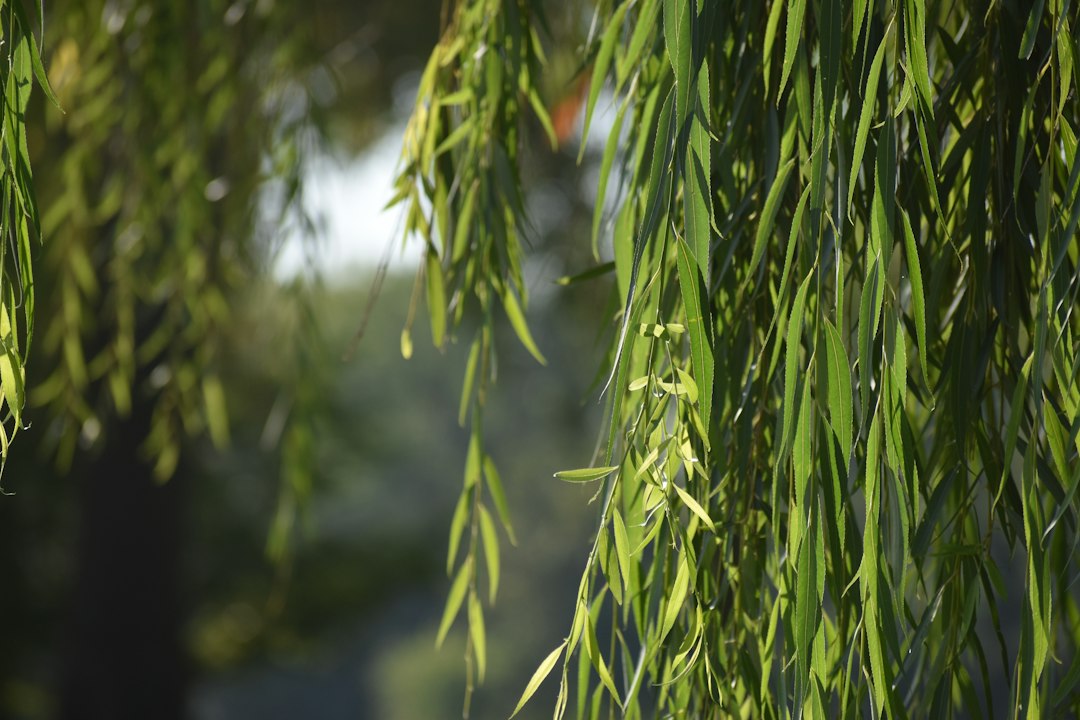
Salix alba, the source of white willow bark for pain in Western herbal tradition.
White willow bark for pain has one of the longest track records in Western herbalism, and the chemistry inside the bark went on to shape the most familiar pain reliever in the world.
Willow shows up in Egyptian, Greek and Roman medical writing. Hippocrates reportedly told patients to chew the bark for aches and fever. Centuries later, European village healers still reached for the same tree. Then, in the 1820s, chemists isolated a compound called salicin from willow bark. As a result, that single discovery led to the synthesis of acetylsalicylic acid, the drug we now call aspirin.
Here is why that matters: the herb did not borrow its reputation from the pharmacy. The order runs the other way around.
Where white willow bark for pain comes from
White willow (Salix alba) grows as a fast deciduous tree in the willow family, Salicaceae. It reaches 20 to 25 metres and carries narrow, silvery-backed leaves that give the species its name. The tree favours riverbanks, ditches and damp ground, so you often find it leaning over water.
Native to Europe and western Asia, white willow now spreads across temperate North America as well. Furthermore, it establishes itself with very little help. Push a cut branch into wet soil and it often roots on its own.
The medicine sits in the bark. Herbalists harvest it from young branches in spring, when the sap rises and the bark peels away cleanly. After drying, they cut the bark into small chips or grind it to powder.
Common names and related species
Several other names turn up on labels. They include white willow, European willow, salix and bay willow. In addition, related species such as Salix purpurea and Salix fragilis carry similar constituents, and traditional practice treated them interchangeably.
The taste tells you a great deal. Willow bark runs distinctly bitter and astringent, which points straight to its tannin content. However, that bitterness also confirms you hold genuine bark rather than filler. The herbalists who reached for white willow bark for pain in the old texts worked from taste and experience long before anyone named a molecule.
How White Willow Bark for Pain Works: Salicin and Tannins

A 1:5 tincture keeps the bitter bark constituents stable and easy to measure.
Traditional herbalists classify white willow bark as an analgesic first and an astringent second. In other words, they reached for the bark for pain, and they also used it to tighten and tone tissue. Modern constituent analysis lines up neatly with both of those older observations.
The salicin behind white willow bark for pain
Willow bark contains salicylic acid precursors, chiefly salicin. Your body converts salicin into salicylic acid after absorption. Salicylic acid, in turn, appears to reduce production of prostaglandins, the signalling compounds that amplify pain and swelling.
This is where it gets interesting. Aspirin is a modified, concentrated version of that same molecule. However, the whole bark behaves differently in practice. Salicin travels through the stomach unchanged and converts further along the digestive tract, so tradition considers willow gentler on the stomach lining than isolated aspirin. It also acts more slowly and more mildly. That pattern explains why people choosing white willow bark for pain usually take it over a stretch of days instead of expecting an instant result.
The European Medicines Agency monograph on willow bark reviews the traditional-use record in detail, and the clinical literature on willow bark keeps growing.
Tannins, and why they matter
The bark also holds plenty of tannins. Tannins bind proteins, which produces that dry, puckering feel on the tongue. Traditionally, herbalists chose astringent barks to tone slack tissue and to firm up loose bowels. Additionally, polyphenols and flavonoids in the bark contribute antioxidant activity.
What tradition associates white willow bark for pain with
Folk and traditional use centres on a few recurring themes:
- General aches, stiffness and back discomfort
- Joint complaints, particularly where stiffness limits movement
- Headaches and feverish conditions
- Poor circulation and sluggish perfusion, in line with its vascular affinity
The bark also carries mild anticoagulant activity, which is worth knowing rather than fearing. Because of that, willow does not belong alongside blood-thinning medication, and anyone sensitive to salicylates or aspirin should skip it entirely. Similarly, avoid willow during pregnancy and breastfeeding, and never give it to a child with a fever.
Herbalists have long paired willow with other anti-inflammatory herbs rather than using it alone. For example, the classic pairing puts willow with devil’s claw, and turmeric makes another common partner. The reasoning is simple: each herb works on a slightly different part of the inflammatory picture.
How to Use White Willow Bark for Pain Day to Day
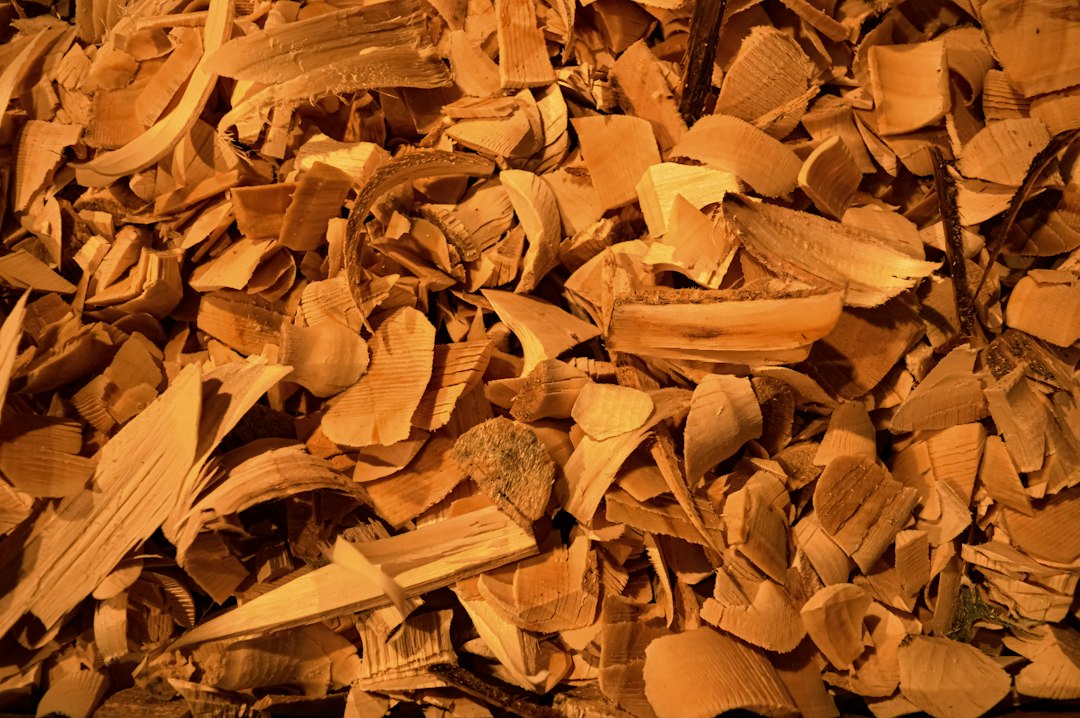
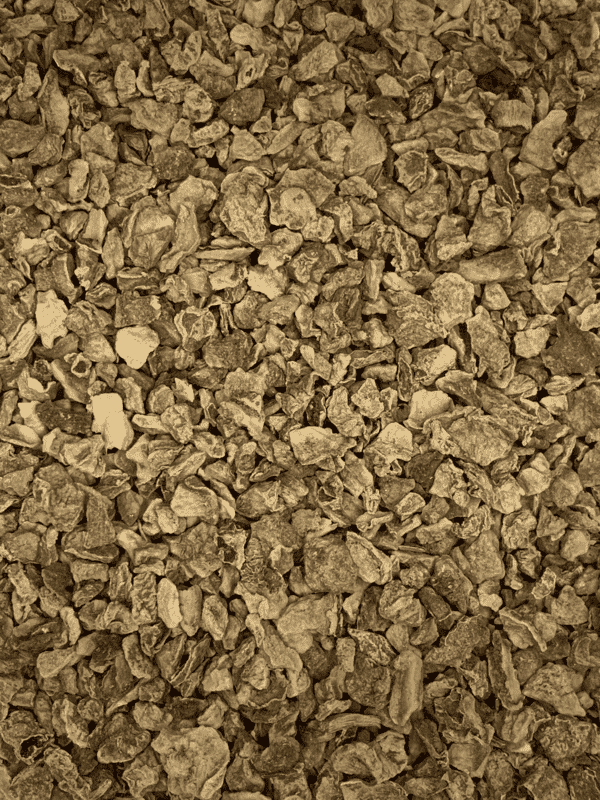
Cut bark chips, the form that suits both decoctions and tincturing.
Willow bark is woody, so the preparation method matters more here than with a soft leaf or flower. Practically speaking, people take white willow bark for pain in three main forms: a tincture, a decoction, or a powdered capsule.
Taking white willow bark for pain as a tincture
A tincture makes the most convenient option, and it is the form we make at Herbal Clinic. We extract our white willow bark tincture at a 1:5 ratio, and we set the alcohol percentage for bark specifically, since bark needs a higher strength than a delicate aerial part. As a result, the salicin and tannins stay in solution and stay stable on the shelf.
Tinctures also blend easily. Consequently, willow slots naturally into a custom anti-inflammatory formula alongside other herbs chosen for your situation.
Brewing white willow bark for pain as a tea
Bark does not give up its constituents to a quick steep. Instead, you need a decoction. Simmer the cut bark in water for 10 to 15 minutes with the lid on, then strain. The result tastes bitter and drying, so many people add a slice of ginger or a little liquorice for palatability.
Brace yourself for the flavour. Willow is one of those herbs where the taste genuinely tells you something.
Fitting it into a routine
Traditionally, people took willow consistently rather than occasionally, because its effect builds. Meanwhile, a few habits make it easier to keep up:
- Take it with food if bitters bother your stomach
- Keep the bottle somewhere visible, since consistency does the work
- Pair it with gentle movement, as stiffness usually responds to both
- Give it a fair trial of two to three weeks before you judge it
For liability and regulatory reasons, we do not make dosing recommendations. Please review our disclaimer and speak with a health practitioner about your own situation, especially if you take medication.
How we source and prepare it
Our willow bark comes from suppliers who meet our standards for organic, wildcrafted or sustainably grown material. Our herbalists assess every batch organoleptically, and good bark smells clean and woody and tastes sharply bitter. Furthermore, our tinctures go through third-party lab testing before final bottling. Anyone choosing white willow bark for pain deserves to know that the bark in the bottle matches the species on the label.
FAQ
- Superior Sourcing: Our herbs are sourced from all over the world to avoid seasonal fluctuations in availability, keeping herbs accessible. Our suppliers meet strict standards that ensure top quality herbs, most of which are organic, wildcrafted, sustainably grown, or grown using permaculture. We support local farmers and grow many of our own herbs.
- Superior Processing: Our tinctures are made using the classic tincturing method. The tinctures are made in a 1:5 ratio which allows for the optimal extraction of the herb. The alcohol percentage is strictly controlled depending on the herb and part of the plant that is used.
- Superior Selection: We take pride in our growing selection of over 300 individual herbs. If we don’t carry the herb you’re seeking, we can likely track it down for you.
- Superior Quality Control: Our tinctures are thoroughly tested by a third-party lab and with an organoleptic evaluation by our team of herbalists prior to final bottling.
- Superior Price: Our tinctures are more cost-effective than other tinctures on the market. With an eye towards efficiency, we keep our costs low by maintaining good relationships with our wide network of suppliers and ordering herbs in bulk quantities.
- We Care About the Environment: We repackage materials that are shipped to us (so don’t be surprised if our packages look different from time to time!). We recycle or reuse materials whenever possible. We turn the cardboard we receive from other suppliers into packing material. We donate to avoid waste to groups like Naturopaths Without Borders. Our workforce almost completely uses public transportation or bikes. We are powered using 100% renewable energy through Bullfrog Power.
- We Donate To Charity: We support many causes that make the world better. We donate a portion of our profits or products. These include charities that support environmental and natural sustainability.
Set up an online account and order through the website. If you don’t have an account and place an order, one will be created for you.
Click here to subscribe to our mailing list.
Our products are made in Toronto, Ontario, Canada by a team of Herbalists and Naturopathic Doctors. The herbs and ingredients we use to make our products are sourced both locally and globally to keep herbs accessible and sustainable.
The majority of our herbs are certified organic, sustainably wildcrafted, or come from small-scale local organic farms that do not yet have organic certification. We always do our best to provide organic herbs in your formulas. We work with a variety of suppliers to keep costs low.
Although most of our products do not contain gluten, we do not have gluten-free certification for our production facility. Feel free to ask about any specific products and we’ll share whatever information we have available.
For liability and regulatory reasons, we don’t make any claims as to how our herbs should be used, including dosing recommendations. Please review our disclaimer, as well as our terms and policies.