Posted on

Ma Zi Ren Wan for Constipation: A Classical Chinese Formula

Ma Zi Ren Wan for Constipation: History and Origins

Hemp seeds in a bowl — the chief ingredient in ma zi ren wan for constipation

Known as the Hemp Seed Pill, this formula has been used in Chinese herbal medicine for nearly 2,000 years.

Ma zi ren wan for constipation is one of the oldest formulas in Chinese herbal medicine. Zhang Zhongjing first recorded it in the Shang Han Lun — the Treatise on Cold Damage Disorders — around 200 CE. That is nearly 2,000 years ago. Indeed, practitioners still reach for this formula today, particularly when patients present with dry, hard stools and persistent straining.

Here’s what distinguishes it from most modern approaches: it does not work by forcing the bowels. Instead, it moistens dry intestinal tissue and clears the internal heat that produced the dryness. The result is a gentler, more sustainable approach to a pattern that harsh laxatives often make worse over time.

A Classical Pattern: Pi Yue

The Shang Han Lun is one of the foundational texts in TCM clinical practice. Zhang Zhongjing organised it around specific disease patterns — detailed clinical pictures that guide formula selection with precision. Ma Zi Ren Wan belongs to the pattern called Pi Yue, which translates roughly as Spleen constraint.

The Pi Yue framework used pattern-based medicine as its core approach. A practitioner did not simply treat the symptom of constipation — they identified the mechanism behind it and selected a formula to match. This means Ma Zi Ren Wan is not a one-size-fits-all laxative. It is a targeted formula for a specific clinical picture.

In Pi Yue, excess heat accumulates in the Stomach. In time, that heat dries out the large intestine. The Spleen, responsible for distributing fluids throughout the body, cannot keep pace. As a result, stool becomes dry and difficult to pass. Also, infrequent bowel movements, straining, and a sense of incomplete emptying are common signs of this pattern.

Furthermore, Pi Yue is not the same as constipation from cold, deficiency, or pure qi stagnation. Each pattern calls for a different formula. A warming formula would worsen the Pi Yue picture. For instance, a strong purgative might offer short-term relief but would not restore moisture to the intestines. Ma Zi Ren Wan targets dryness and heat together — that specificity is what makes it effective for this presentation.

The Six-Herb Formula

The formula’s English name — Hemp Seed Pill — comes from its chief herb. That herb is Ma Zi Ren, or hemp seed (Cannabis sativa). In fact, hemp seed is rich in plant oils and fatty acids. It acts as a moistening agent for the intestinal lining. The five supporting herbs are:

  • Apricot Kernel (Xing Ren, Prunus armeniaca): moistens the lungs and large intestine; supports downward qi movement
  • White Peony root (Bai Shao, Paeonia lactiflora): nourishes blood and yin; helps restore the body’s fluid resources
  • Rhubarb root (Da Huang, Rheum palmatum): clears Stomach heat; moves the bowels with a mild downward action
  • Magnolia bark (Hou Po, Magnolia officinalis): moves stagnant qi in the digestive tract
  • Immature Bitter Orange (Zhi Shi, Citrus aurantium): breaks up qi accumulation; supports downward intestinal movement

Together, these six herbs address the full Pi Yue picture. That means dryness, heat, and qi stagnation in the large intestine. In contemporary herbal practice, ma zi ren wan for constipation remains one of the most frequently prescribed TCM formulas for this pattern. Herbal Clinic prepares it as a liquid tincture, available in sizes from 100mL to 1000mL.

How Ma Zi Ren Wan Works for Constipation

Chinese herbal medicine preparation — classical formulas for digestive health

Classical TCM formulas combine multiple herbs into precise, balanced preparations.

Understanding how ma zi ren wan works for constipation means looking at each herb’s contribution. This is not a one-ingredient preparation. Specifically, it combines moistening agents, heat-clearing herbs, and qi-movers into a single, balanced formula. Moreover, each ingredient addresses a different part of the Pi Yue picture.

What Each Herb Contributes

Hemp seed (Ma Zi Ren) anchors the formula with its lubricating action. It is rich in plant fats and oils — natural compounds that coat and soften dry intestinal tissue. In modern terms, it acts as a gentle emollient for the large intestine. Additionally, hemp seed contains proteins and plant fats that support the gut lining over time.

However, hemp seed alone would not fully resolve the Pi Yue pattern. That is why rhubarb root (Da Huang) plays a key supporting role. In particular, rhubarb contains natural plant compounds that stimulate intestinal movement and clear Stomach heat. It also adds a mild downward-draining action to the formula. Importantly, the moistening herbs keep this action in balance. The result is easier bowel movement without the cramping or fluid loss that harsh purgatives can cause.

White Peony root (Bai Shao) nourishes blood and yin in TCM terms. Both relate to the body’s fluid reserves. In a dryness pattern, replenishing these reserves helps restore moisture to the intestinal lining. As a result, stool softens gradually over time. Apricot Kernel (Xing Ren) works in a similar direction. In TCM, the lungs and large intestine are paired organs. Consequently, Apricot Kernel moistens both, supporting downward qi movement through the digestive tract.

For their part, Magnolia bark (Hou Po) and Immature Bitter Orange (Zhi Shi) bring qi-moving action to the formula. In constipation, qi often backs up alongside fluid deficiency. Therefore, moving that qi helps restore the downward flow the intestines need to function. These two herbs ensure the formula does not simply add moisture — it also clears the way for normal bowel movement to resume.

Research and Clinical Findings

In TCM theory, this aligns with how the formula is built. Herbs that clear heat and move qi tend to produce results quickly. Moistening and nourishing herbs, however, take longer to rebuild the body’s fluid resources. In practice, this means the formula often offers some relief early on while also supporting a more gradual restoration of intestinal moisture with continued use.

Modern research has examined ma zi ren wan for constipation in clinical settings. Studies published in journals including the World Journal of Gastroenterology have found the formula associated with improved stool consistency. Researchers also noted reduced straining in participants with functional constipation. Additional studies have explored its use in post-operative constipation and IBS with a constipation-dominant pattern.

Most importantly, practitioners note that this formula is generally well-tolerated for longer-term use. Indeed, many laxative herbs produce dependence or rebound constipation when stopped. Ma Zi Ren Wan does not carry that same risk, largely because moistening — not forcing — is its primary action. For chronic dry constipation, that distinction matters.

How to Take Ma Zi Ren Wan for Constipation

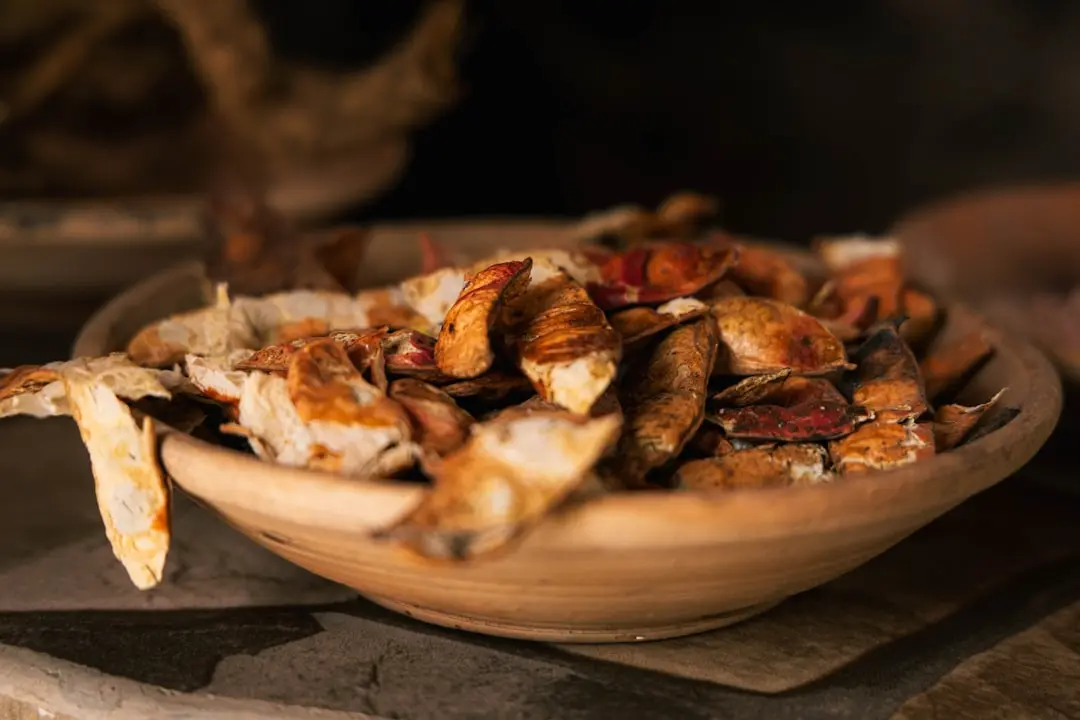
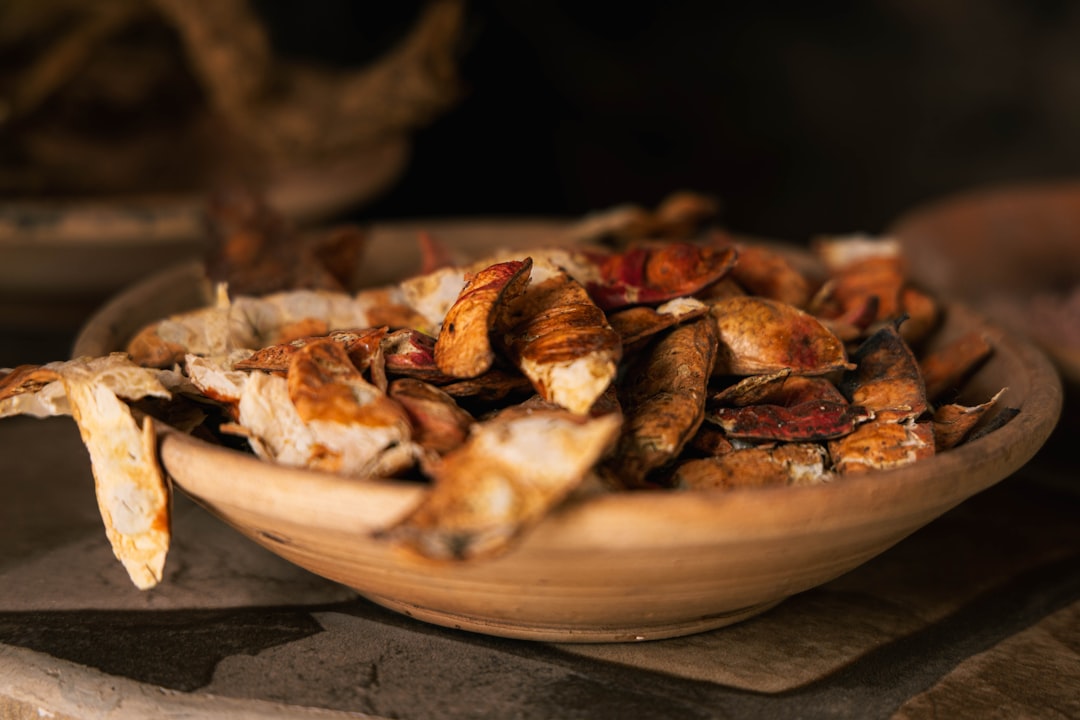
Dried herbs in a wooden bowl — ingredients used in traditional Chinese herbal formulas

Herbal Clinic prepares Ma Zi Ren Wan as a liquid tincture using the six classical herbs.

At Herbal Clinic, ma zi ren wan for constipation is prepared as a liquid tincture. This format has practical advantages over the traditional pill or granule form. Furthermore, liquid extracts absorb efficiently. They also allow a practitioner to adjust quantities without switching products.

Choosing a Size

The formula is available in four sizes: 100mL, 250mL, 500mL, and 1000mL. For a first use, the 100mL is a good starting point. The 250mL and 500mL are the most popular sizes for ongoing use. The 1000mL suits households where the formula is used regularly by more than one person.

You typically take liquid tinctures diluted in a small amount of warm water. How and when to take this formula is best guided by a practitioner trained in TCM. In particular, the pattern matters here. Someone whose constipation stems from cold or deficiency would need a different formula entirely. A TCM practitioner can assess whether the Pi Yue picture fits your situation.

It is also worth noting how this formula differs from single-herb laxatives. A herb like senna or cascara primarily purges — it forces the bowels with a strong downward action. Ma Zi Ren Wan does not work this way. Furthermore, it does not deplete fluids in the process. That makes it a fundamentally different kind of digestive support, and one that suits longer periods of use.

Who This Formula Suits

Ma Zi Ren Wan suits dry constipation specifically. This means hard stools that are difficult to pass, infrequent bowel movements, and a sense of intestinal dryness. For example, someone who notices constipation worsening in dry conditions or during periods of low fluid intake may be showing this pattern. In TCM, the Pi Yue picture often presents alongside other signs of dryness — dry skin, dry lips, or low thirst.

Additionally, the tincture form suits longer treatment periods well. In TCM clinical practice, addressing a chronic dryness pattern takes time. The body rebuilds its fluid resources gradually. A daily tincture is easier to maintain than counting pills or mixing granules — especially for those using herbal medicine as part of a broader wellness routine.

In practice, this formula sometimes combines well with others. Those with Spleen qi deficiency alongside the dryness pattern may benefit from pairing Ma Zi Ren Wan with Si Jun Zi Tang for digestive qi support. People with concurrent fatigue and poor digestion might also benefit from Gui Pi Tang for fatigue and digestive weakness. A qualified practitioner guides these combinations based on the full clinical picture.

Overall, Herbal Clinic sources each of the six herbs to consistent quality standards. Each batch undergoes evaluation before bottling. Because of this, what you receive reflects the classical six-herb ratio — not a simplified extract. The tincture contains Roasted Hemp Seed, Apricot Kernel Seed, White Peony, Rhubarb, Magnolia, and Roasted Unripe Bitter Orange, prepared in reverse osmosis water and gluten-free pharmaceutical grade alcohol.

These statements have not been evaluated by Health Canada. This product is not intended to diagnose, treat, cure, or prevent any disease.

FAQ

  • Superior Sourcing: Our herbs are sourced from all over the world to avoid seasonal fluctuations in availability, keeping herbs accessible. Our suppliers meet strict standards that ensure top quality herbs, most of which are organic, wildcrafted, sustainably grown, or grown using permaculture. We support local farmers and grow many of our own herbs.
  • Superior Processing: Our tinctures are made using the classic tincturing method. The tinctures are made in a 1:5 ratio which allows for the optimal extraction of the herb. The alcohol percentage is strictly controlled depending on the herb and part of the plant that is used.
  • Superior Selection: We take pride in our growing selection of over 300 individual herbs. If we don’t carry the herb you’re seeking, we can likely track it down for you.
  • Superior Quality Control: Our tinctures are thoroughly tested by a third-party lab and with an organoleptic evaluation by our team of herbalists prior to final bottling.
  • Superior Price: Our tinctures are more cost-effective than other tinctures on the market. With an eye towards efficiency, we keep our costs low by maintaining good relationships with our wide network of suppliers and ordering herbs in bulk quantities.
  • We Care About the Environment: We repackage materials that are shipped to us (so don’t be surprised if our packages look different from time to time!). We recycle or reuse materials whenever possible. We turn the cardboard we receive from other suppliers into packing material. We donate to avoid waste to groups like Naturopaths Without Borders. Our workforce almost completely uses public transportation or bikes. We are powered using 100% renewable energy through Bullfrog Power.
  • We Donate To Charity: We support many causes that make the world better. We donate a portion of our profits or products. These include charities that support environmental and natural sustainability.

Set up an online account and order through the website. If you don’t have an account and place an order, one will be created for you.

Our products are made in Toronto, Ontario, Canada by a team of Herbalists and Naturopathic Doctors. The herbs and ingredients we use to make our products are sourced both locally and globally to keep herbs accessible and sustainable.

The majority of our herbs are certified organic, sustainably wildcrafted, or come from small-scale local organic farms that do not yet have organic certification. We always do our best to provide organic herbs in your formulas. We work with a variety of suppliers to keep costs low.

Although most of our products do not contain gluten, we do not have gluten-free certification for our production facility. Feel free to ask about any specific products and we’ll share whatever information we have available.

For liability and regulatory reasons, we don’t make any claims as to how our herbs should be used, including dosing recommendations. Please review our disclaimer, as well as our terms and policies.
Posted on

Si Jun Zi Tang: A Guide to the Four Gentlemen Formula

Si Jun Zi Tang: The Four Gentlemen Formula

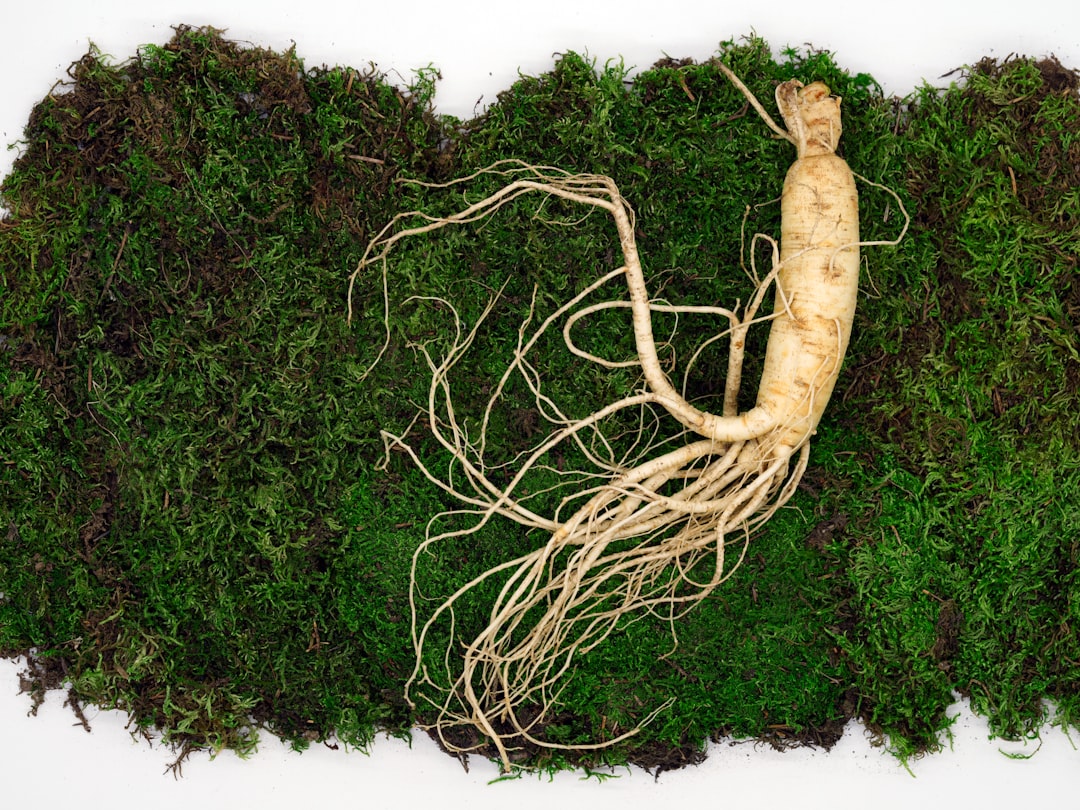
si jun zi tang four gentlemen formula ginseng root traditional chinese herb

Ginseng root — the chief herb in Si Jun Zi Tang

Si Jun Zi Tang, the Four Gentlemen Formula, is one of the most studied classical formulas in Chinese medicine. Practitioners have relied on the Si Jun Zi Tang Four Gentlemen Formula for nearly a thousand years, tracing its origins to the Song Dynasty text Tai Ping Hui Min He Ji Ju Fang, compiled in 1078 CE. Indeed, few classical formulas have held their place so consistently across time and clinical tradition.

The name tells you something about the formula’s character. In classical Chinese culture, a gentleman does not push, drain, or force. Instead, he restores through quiet virtue. The Four Gentlemen Formula works the same way — it strengthens the digestive system gently, without depleting the little energy that remains.

Here’s why that matters:

In TCM, the Spleen governs digestion in a much broader sense than the anatomical organ. It’s the central system responsible for extracting nutrients from food, transforming them into Qi and Blood, and distributing that energy throughout the body. When Spleen Qi runs low, the body can’t draw nourishment from what it eats. You eat, but the energy doesn’t arrive. Fatigue builds. Appetite fades. Digestion slows. That’s the pattern Si Jun Zi Tang addresses.

The Four Herbs and Their Roles

  • Ren Shen (Korean Red Ginseng / Panax ginseng) — the chief herb. Ginseng tonifies Yuan Qi, the body’s foundational energy, and strengthens Spleen function directly. It lifts the Spleen’s capacity to transform and transport nutrients from food.
  • Bai Zhu (White Atractylodes / Atractylodes macrocephala) — the deputy herb. Bai Zhu strengthens the Spleen and clears Dampness — the TCM term for the heaviness and fluid buildup that accumulates when digestion is weak.
  • Fu Ling (Poria / Poria cocos) — the assistant herb. Poria leaches out Dampness gently and calms the mind. It works with Bai Zhu to clear what a weakened Spleen can’t manage alone.
  • Zhi Gan Cao (Honey-Fried Licorice / Glycyrrhiza uralensis) — the envoy herb. Honey-roasted licorice harmonizes the other three herbs and moderates Ginseng’s stronger action. It also adds a mild, tonifying action of its own.

Its Place in Classical TCM

In TCM, formulas fall into categories based on their function. In fact, Si Jun Zi Tang belongs to the class of bu qi — Qi-tonifying formulas. Furthermore, it’s one of the four foundational tonic formulas in the classical Chinese materia medica, alongside formulas that address blood, yin, and yang deficiency. This foundational status reflects its consistency — practitioners return to it because it works reliably for the pattern it addresses.

In particular, many well-known formulas incorporate Si Jun Zi Tang’s four herbs at their core. For example, Ba Zhen Tang — the Eight Treasures Formula — combines Si Jun Zi Tang with a blood-nourishing formula to treat both Qi and blood deficiency at once. Si Jun Zi Tang provides the foundation. Additional herbs refine the action for the specific pattern.

What the Four Gentlemen Formula Treats

herbal tincture bottle traditional chinese medicine

Si Jun Zi Tang tincture — available at Herbal Clinic in 100mL to 1000mL sizes

Si Jun Zi Tang — the Four Gentlemen Formula — targets Spleen and Stomach Qi deficiency with precision. In fact, this is not a broad wellness tonic. It fits one specific pattern, and when that pattern is present, the results tend to be clear.

Signs of Spleen Qi Deficiency

A TCM practitioner looks for a distinct set of signs before recommending Si Jun Zi Tang:

  • Low energy that doesn’t recover with rest
  • A weak or absent appetite
  • Bloating or heaviness after meals
  • Loose stools or unformed bowel movements
  • A pale complexion with little natural colour
  • A pale tongue with a thin white coating
  • A weak pulse, especially in the Spleen position on the right wrist

Furthermore, many people notice their digestion declined after a long illness, a period of poor nutrition, or prolonged stress. For this reason, Si Jun Zi Tang works especially well in recovery phases — when the system needs rebuilding rather than stimulating.

However, the formula does not suit every case of fatigue or digestive trouble. Someone with Liver Qi stagnation, Dampness-Heat, or active inflammation may need a different approach. This is where working with a qualified TCM practitioner makes a real difference. A full assessment — tongue, pulse, signs, and history — determines whether the pattern matches before a formula is chosen.

Four Gentlemen Formula Research and Evidence

Modern research has looked at several of this formula’s active plant compounds. Ginseng (Panax ginseng) contains ginsenosides — plant compounds that research links to energy support, immune modulation, and reduced fatigue. Poria (Poria cocos) contains beta-glucans, complex plant sugars that support gut immune function.

However, TCM formulas work as systems. Studies on the whole formula — rather than single isolated compounds — show effects on gastrointestinal motility and gut barrier function. Additionally, research has looked at Si Jun Zi Tang in supporting digestive health during chemotherapy recovery, consistent with its traditional role in rebuilding a weakened Spleen system. For further reading, a search on PubMed for Si Jun Zi Tang returns over 200 peer-reviewed references.

That said, this research is ongoing. Most importantly, practitioners have refined this combination of four herbs over centuries of clinical use — long before controlled trials existed. That tradition carries real weight when evaluating the formula’s clinical value.

Read our guide to Gui Pi Tang for fatigue, anxiety, and poor memory — a related Qi and Blood tonic that practitioners often pair with Si Jun Zi Tang in more complex formulas.

How to Use the Si Jun Zi Tang Four Gentlemen Formula

chinese herbal medicine preparation bowl traditional

Herbal preparation in the classical tradition — the foundation of our tincture-making process

At Herbal Clinic, the Si Jun Zi Tang Four Gentlemen Formula is available as a liquid tincture, made in small batches in Toronto, Ontario. The formula contains Korean Red Ginseng, White Atractylodes, Poria, and Honey-Fried Licorice. Additionally, Herbal Clinic extracts these herbs in a base of reverse osmosis water and pharmaceutical-grade gluten-free alcohol.

Tinctures absorb faster than capsules. They also blend easily with other herbs if a practitioner recommends a more complex formula. You can take the tincture directly or dilute it in a small amount of warm water.

Who Might Benefit

Overall, this is a gentle formula. It doesn’t push, heat, cool, or drain — it builds. Because of this, it suits people who are chronically fatigued, have weak digestion after illness or stress, or eat reasonably well but can’t seem to hold their energy.

Many TCM practitioners use Si Jun Zi Tang as a base, layering additional herbs on top. For example, Ba Zhen Tang combines Si Jun Zi Tang with Si Wu Tang to address both Qi and blood deficiency at once. This reflects a core principle in TCM — build the foundation first, then refine the formula for the individual pattern.

Moreover, many practitioners use the Si Jun Zi Tang Four Gentlemen Formula alongside Western herbal or naturopathic protocols. Its gentle Qi-building action supports rather than interferes with other treatments. As a result, it’s a common long-term tonic in integrative practice.

Si Jun Zi Tang contains Ginseng. As a result, those sensitive to stimulating herbs should introduce it gradually. Do not use during pregnancy or while breastfeeding, and consult a health practitioner if you take prescription medications.

Furthermore, Herbal Clinic sources organically grown, wildcrafted, or small-farm herbs wherever possible. Si Jun Zi Tang is available in 100mL, 250mL, 500mL, and 1000mL sizes. In particular, the 250mL size suits most people starting with the formula for the first time.

These statements have not been evaluated by Health Canada. This product is not intended to diagnose, treat, cure, or prevent any disease.

FAQ

  • Superior Sourcing: Our herbs are sourced from all over the world to avoid seasonal fluctuations in availability, keeping herbs accessible. Our suppliers meet strict standards that ensure top quality herbs, most of which are organic, wildcrafted, sustainably grown, or grown using permaculture. We support local farmers and grow many of our own herbs.
  • Superior Processing: Our tinctures are made using the classic tincturing method. The tinctures are made in a 1:5 ratio which allows for the optimal extraction of the herb. The alcohol percentage is strictly controlled depending on the herb and part of the plant that is used.
  • Superior Selection: We take pride in our growing selection of over 300 individual herbs. If we don’t carry the herb you’re seeking, we can likely track it down for you.
  • Superior Quality Control: Our tinctures are thoroughly tested by a third-party lab and with an organoleptic evaluation by our team of herbalists prior to final bottling.
  • Superior Price: Our tinctures are more cost-effective than other tinctures on the market. With an eye towards efficiency, we keep our costs low by maintaining good relationships with our wide network of suppliers and ordering herbs in bulk quantities.
  • We Care About the Environment: We repackage materials that are shipped to us (so don’t be surprised if our packages look different from time to time!). We recycle or reuse materials whenever possible. We turn the cardboard we receive from other suppliers into packing material. We donate to avoid waste to groups like Naturopaths Without Borders. Our workforce almost completely uses public transportation or bikes. We are powered using 100% renewable energy through Bullfrog Power.
  • We Donate To Charity: We support many causes that make the world better. We donate a portion of our profits or products. These include charities that support environmental and natural sustainability.

Set up an online account and order through the website. If you don’t have an account and place an order, one will be created for you.

Our products are made in Toronto, Ontario, Canada by a team of Herbalists and Naturopathic Doctors. The herbs and ingredients we use to make our products are sourced both locally and globally to keep herbs accessible and sustainable.

The majority of our herbs are certified organic, sustainably wildcrafted, or come from small-scale local organic farms that do not yet have organic certification. We always do our best to provide organic herbs in your formulas. We work with a variety of suppliers to keep costs low.

Although most of our products do not contain gluten, we do not have gluten-free certification for our production facility. Feel free to ask about any specific products and we’ll share whatever information we have available.

For liability and regulatory reasons, we don’t make any claims as to how our herbs should be used, including dosing recommendations. Please review our disclaimer, as well as our terms and policies.
Posted on

Si Ni San for Liver Qi Stagnation – The Complete Guide

Si Ni San for Liver Qi Stagnation: Origins and Formula

dried herbal roots used in si ni san for liver qi stagnation formula

The herbs of Si Ni San have been used in Chinese medicine for nearly 1,800 years.

Si ni san for liver qi stagnation is one of the oldest recorded clinical formulas in Chinese medicine. Zhang Zhong-jing first described it in the Shang Han Lun — the Treatise on Cold Damage Diseases — around 220 AD. The name means “Four Reversal Powder.” It describes a specific symptom: cold hands and feet that arise not from a lack of warmth, but from blocked Qi flow.

Here’s how it works. In Chinese medicine, the Liver governs the smooth movement of Qi — the body’s functional energy. When stress or frustration builds, the Liver loses its ability to move Qi freely. As a result, that energy stagnates and stops reaching the hands and feet. The extremities turn cold even when the body’s core stays warm.

In fact, this is what makes si ni san for liver qi stagnation distinct from warming formulas. It does not add warmth. Instead, it resolves the constraint that is blocking circulation.

Specifically, the formula contains four herbs, each with a distinct role:

  • Chai Hu (Bupleurum sinensis) — the lead herb. It moves Liver Qi, releases constraint, and restores smooth flow upward and outward.
  • Zhi Shi (Roasted Unripe Bitter Orange, Citrus aurantium) — breaks accumulated Qi in the chest and abdomen, dispersing where blockage gathers.
  • Bai Shao (White Peony Root, Paeonia lactiflora) — nourishes Liver Blood and softens tension. It balances Chai Hu’s outward drive to keep dispersal controlled.
  • Zhi Gan Cao (Honey-Fried Licorice, Glycyrrhiza uralensis) — harmonizes all four herbs and supports Spleen function.

Notably, the balance between these herbs matters. Chai Hu and Zhi Shi disperse and move. Bai Shao nourishes and holds. Without that counterbalance, excessive dispersal would scatter Qi rather than restore flow. Indeed, herbalists have refined this proportion over nearly two millennia of clinical practice.

The Shang Han Lun is one of the foundational texts of Chinese medicine. Zhang Zhong-jing wrote it during a period of epidemic illness in the Han dynasty, refining formulas through direct clinical observation. Many of those formulas remain in active use today. Si Ni San is one of the shorter ones — only four herbs — but its clinical reach is wide. Specifically, it treats the pattern rather than individual symptoms. Si ni san for liver qi stagnation applies wherever the underlying cause — Liver Qi constraint blocking flow — is present, whether the main complaint is emotional, digestive, or physical.

In Chinese medicine, spring connects closely to the Liver. The season’s upward, outward energy mirrors the Liver’s natural movement. When Liver Qi stagnates in spring, si ni san for liver qi stagnation becomes especially relevant. Therefore, many TCM practitioners reach for this formula most actively during the spring months.

Additionally, Herbal Clinic carries Si Ni San as a liquid tincture in four sizes: 100mL, 250mL, 500mL, and 1000mL — the classical four-herb formula in a pharmaceutical-grade alcohol base.

How Si Ni San Works for Liver Qi Stagnation

amber herbal tincture dropper bottle for Chinese medicine

Si Ni San targets the pattern where emotional tension and physical symptoms reinforce each other.

Si ni san for liver qi stagnation targets a specific clinical pattern: Liver Qi constraint, frequently combined with Liver-Spleen disharmony. Together, these two elements explain why the formula applies to such a range of symptoms — from emotional tension and cold extremities to stress-linked digestive complaints.

In Chinese medicine, the Liver keeps Qi flowing smoothly throughout the body. When that function breaks down — from chronic stress, frustration, or suppressed emotion — Qi backs up. You may feel this as chest tightness, internal pressure, pain along the ribcage, or a recurring need to sigh. These are classic signs of Liver Qi constraint.

Si Ni San for Liver Qi Stagnation: Common Patterns

Practitioners use the formula for:

  • Liver Qi constraint — chest tightness, hypochondriac fullness, irritability, frequent sighing
  • Qi-blocked cold extremities — cold hands and feet from constraint, not from cold deficiency
  • Liver-Spleen disharmony — stress-related bloating, abdominal distension, irregular digestion
  • Combined emotional-physical tension — the pattern where mood and body symptoms worsen together

But there’s more to it than that. The Liver and Spleen function as a pair in Chinese medicine. A stagnant Liver often disrupts Spleen function — the organ responsible for digestion. Consequently, many people with Liver Qi constraint also develop stress-linked digestive symptoms: bloating, abdominal tension, or bowel irregularity that worsens under emotional pressure.

Research on Si Ni San’s Key Herbs

Research on Si Ni San/u2019s Key Herbs/h3>

Research into the formula’s herbs supports these traditional uses. Bupleurum (Chai Hu) contains plant compounds called saikosaponins, which studies link to liver-protective and anti-inflammatory effects. Similarly, White Peony (Bai Shao) contains paeoniflorin — research associates this compound with calming effects and reduced smooth muscle tension. Furthermore, studies on Bitter Orange (Zhi Shi) show activity on gut motility, consistent with the formula’s traditional role in stress-linked digestive complaints.

Research on the full Si Ni San formula has also examined its effects on the autonomic nervous system. Several of its herbs — notably Bai Shao and Chai Hu — appear to modulate both the stress response and gut motility. This dual action mirrors what TCM describes as the Liver-Spleen relationship: two systems that influence each other strongly under stress. Moreover, clinical observations have examined the formula in patients with chronic hepatitis and stress-related gastrointestinal conditions, finding improvements in both liver function markers and digestive symptoms.

TCM practitioners have long used si ni san for liver qi stagnation in women presenting with premenstrual symptoms — mood changes, breast tenderness, and abdominal distension before menstruation. These symptoms fit the Liver Qi constraint pattern closely. However, the formula applies to any person showing the matching pattern, regardless of sex.

In summary, si ni san targets the point where emotional constraint and physical symptoms overlap. If stress tightens the chest, cools the hands and feet, and disrupts digestion at the same time — that is the pattern this formula addresses.

How to Use Si Ni San: A Practical Guide

spring wildflowers in a meadow representing liver qi renewal and seasonal herbal medicine

Spring is the Liver’s season in Chinese medicine — a natural time to support smooth Qi flow.

Si ni san for liver qi stagnation is available at Herbal Clinic as a liquid tincture. The classical form was a brewed decoction — the four herbs powdered and boiled in warm water. Modern tinctures capture the same active compounds in a stable, alcohol-preserved liquid that needs no preparation.

Additionally, liquid tinctures allow for easy dose adjustment — useful when working with Liver Qi patterns that shift as stress levels change over time.

Choosing the Right Size

Specifically, Herbal Clinic’s Si Ni San comes in four sizes:

  • 100mL — a practical starting point for first-time users
  • 250mL — suitable for ongoing use
  • 500mL and 1000mL — larger volumes for practitioners and long-term supplementation

In practice, most people take liquid tinctures by adding drops to a small amount of water. The specific amount varies with individual constitution and practitioner guidance.

Si Ni San vs. Xiao Yao San

Many people encounter Si Ni San alongside Xiao Yao San — another classical formula for Liver Qi stagnation. The two formulas are related but target distinct patterns. Si Ni San suits more acute Qi constraint, where tension is strong and cold extremities are a clear sign. Xiao Yao San, in contrast, addresses a pattern that also includes Liver Blood deficiency and Spleen weakness. It tends to be gentler and better suited to chronic, depleted presentations.

Moreover, practitioners sometimes combine the two formulas or rotate between them as the pattern changes. Therefore, a qualified TCM practitioner is the best resource for matching formula to pattern. Nevertheless, understanding the distinction helps clarify why both formulas appear so often together in discussions of liver support through herbal medicine.

When Si Ni San May Not Be the Right Fit

When Si Ni San for Liver Qi Stagnation May Not Apply/h3>

A note on when Si Ni San is not the best fit: the formula targets Qi constraint, not deficiency. If the main pattern involves significant fatigue, weakness, or cold throughout the body — not just in the extremities under stress — a nourishing formula is more appropriate. Si Ni San suits a wound-up, tense, blocked presentation. When depletion is the dominant pattern rather than constraint, a TCM practitioner would typically consider a different formula or a combination approach.

In practice, Liver Qi patterns often include some degree of Liver Blood deficiency. This is why Bai Shao (White Peony) is part of the formula — it addresses the Blood component alongside the Qi constraint. However, when Blood deficiency is the dominant pattern, additional herbal support is typically needed.

At Herbal Clinic, we make Si Ni San in Toronto using pharmaceutical-grade alcohol and carefully sourced herb extracts. Our team of herbalists checks each batch by taste and smell before bottling. Herbal Clinic and Perfect Herbs are committed to quality sourcing and transparent production — so you know exactly what goes into every bottle.

These statements have not been evaluated by Health Canada. This product is not intended to diagnose, treat, cure, or prevent any disease.

FAQ

  • Superior Sourcing: Our herbs are sourced from all over the world to avoid seasonal fluctuations in availability, keeping herbs accessible. Our suppliers meet strict standards that ensure top quality herbs, most of which are organic, wildcrafted, sustainably grown, or grown using permaculture. We support local farmers and grow many of our own herbs.
  • Superior Processing: Our tinctures are made using the classic tincturing method. The tinctures are made in a 1:5 ratio which allows for the optimal extraction of the herb. The alcohol percentage is strictly controlled depending on the herb and part of the plant that is used.
  • Superior Selection: We take pride in our growing selection of over 300 individual herbs. If we don’t carry the herb you’re seeking, we can likely track it down for you.
  • Superior Quality Control: Our tinctures are thoroughly tested by a third-party lab and with an organoleptic evaluation by our team of herbalists prior to final bottling.
  • Superior Price: Our tinctures are more cost-effective than other tinctures on the market. With an eye towards efficiency, we keep our costs low by maintaining good relationships with our wide network of suppliers and ordering herbs in bulk quantities.
  • We Care About the Environment: We repackage materials that are shipped to us (so don’t be surprised if our packages look different from time to time!). We recycle or reuse materials whenever possible. We turn the cardboard we receive from other suppliers into packing material. We donate to avoid waste to groups like Naturopaths Without Borders. Our workforce almost completely uses public transportation or bikes. We are powered using 100% renewable energy through Bullfrog Power.
  • We Donate To Charity: We support many causes that make the world better. We donate a portion of our profits or products. These include charities that support environmental and natural sustainability.

Set up an online account and order through the website. If you don’t have an account and place an order, one will be created for you.

Our products are made in Toronto, Ontario, Canada by a team of Herbalists and Naturopathic Doctors. The herbs and ingredients we use to make our products are sourced both locally and globally to keep herbs accessible and sustainable.

The majority of our herbs are certified organic, sustainably wildcrafted, or come from small-scale local organic farms that do not yet have organic certification. We always do our best to provide organic herbs in your formulas. We work with a variety of suppliers to keep costs low.

Although most of our products do not contain gluten, we do not have gluten-free certification for our production facility. Feel free to ask about any specific products and we’ll share whatever information we have available.

For liability and regulatory reasons, we don’t make any claims as to how our herbs should be used, including dosing recommendations. Please review our disclaimer, as well as our terms and policies.
Posted on

Oak Bark for Digestive Health: Benefits and How to Use It

Oak Bark for Digestive Health: A Herb Rooted in Western Tradition

oak bark for digestive health — closeup of white oak tree bark texture

Oak bark for digestive health — white oak (Quercus alba) inner bark contains the highest concentration of medicinal tannins.

Oak bark for digestive health has been a staple of Western herbal practice for centuries. It remains one of the most reliable astringent herbs in the materia medica. Derived from the bark of Quercus alba (white oak), a native North American hardwood in the Fagaceae family, it delivers a concentrated dose of tannins and gallic acid. These constituents act directly on inflamed and irritated mucous membranes. For anyone navigating digestive inflammation, diarrhea, or gut laxity, understanding how this herb works is worth the time.

White Oak Tree: Identification and Harvest

The white oak grows across eastern North America, from southern Ontario down through the southeastern United States. It is one of the most ecologically significant hardwoods on the continent. In older specimens, the deeply furrowed, whitish-grey bark is immediately recognizable. For medicinal purposes, however, the inner bark of young branches — typically two to five years old — holds the therapeutic value. Herbalists discard the outer bark. Additionally, younger inner bark contains a higher proportion of soluble tannins than older, heavily lignified tissue, making harvest timing meaningful rather than arbitrary.

Oak Bark in Traditional Western Herbalism

Oak bark’s place in Western herbalism predates European settlement in North America. Multiple Indigenous nations across the eastern woodlands — including Anishinaabe, Cherokee, and Haudenosaunee communities — recorded medicinal uses of various Quercus species for diarrhea, wound care, and inflammatory gut conditions. Furthermore, European herbalists recognized in white oak an analogue to European oak (Quercus robur), long listed in Old World pharmacopoeias for its astringent properties. By the nineteenth century, white oak bark held an official entry in the United States Pharmacopoeia.

Here’s why that matters: oak bark is not a herb that depends on tradition alone. Chemistry directly explains its actions, and that chemistry has been consistently documented and studied. Therefore, oak bark is a predictable and trustworthy herb — one that earns its place in a protocol because the mechanism is understood. In the context of digestive health, the clinical indication centres on states of excess laxity, secretion, or inflammation in the gut lining. This is where the primary action of its tannins applies most directly.

At Herbal Clinic, we carry Quercus alba oak bark as both a tincture and a dried herb. Consequently, whether you are working with a practitioner on a targeted protocol or building a broader digestive wellness routine, both forms are available.

How Oak Bark Works: Tannins, Gallic Acid, and the Astringent Mechanism

herbal tincture bottle on wooden table representing oak bark tincture

Oak bark tincture — alcohol extraction draws out both the tannins and gallic acid that define the herb’s therapeutic activity.

Oak bark for digestive health works through one primary mechanism: astringency. The bark of Quercus alba contains a substantial concentration of tannins — primarily ellagitannins and condensed proanthocyanidins — along with gallic acid, a polyphenolic compound with independent antimicrobial and antiparasitic activity. Together, these constituents make oak bark one of the more biochemically coherent herbs in the Western materia medica.

How Tannins Work on the Gut Lining

Tannins act by precipitating proteins. They bind to proteins on contact and cause them to condense. On a mucous membrane, this creates a temporary protective layer that reduces secretion, limits tissue permeability, and exerts a mild anti-inflammatory effect on the underlying tissue. Furthermore, this protein-binding action is not selective: it works on the mucosal surface of the gut, on skin, and on any protein-rich tissue the herb contacts directly. This is the core of astringency, and it explains why oak bark applies both internally for digestive complaints and externally for skin conditions.

In the gastrointestinal tract, this mechanism addresses states of excessive secretion and tissue laxity — the underlying conditions in many presentations of diarrhea and intestinal inflammation. However, astringency does not suppress gut motility the way pharmaceutical antidiarrheals do. Nor does it address root-cause inflammation directly. Instead, it tones the mucosal surface and reduces secretory excess while the underlying condition resolves. As a result, oak bark works best as part of a broader protocol rather than a standalone long-term intervention.

Oak Bark, Gallic Acid, and Parasite Protocols

Gallic acid adds further dimension. Beyond its contribution to the astringent effect, research on gallic acid documents antifungal and antiparasitic activity, giving oak bark secondary usefulness in protocols for dysbiosis, intestinal fungal overgrowth, or parasitic infection. Moreover, when combined with black walnut hull (Juglans nigra), oak bark’s tissue-toning action complements black walnut’s anthelmintic juglone content. The combination is a recognized staple of parasite-focused herbal protocols for this reason.

Topically, the same astringent mechanism applies to skin. Oak bark is traditionally associated with suppurative skin infections — weeping wounds, fungal skin conditions, and inflammatory skin eruptions with excess exudate. The tannins draw the tissue, reduce discharge, and create an environment less favourable to pathogen growth. This dual affinity for gastrointestinal and dermal tissue reflects how a single biochemical action serves different clinical ends depending on the route of application.

For comparison: Salix alba (white willow bark) is the listed substitute for oak bark. It shares a similar tannin profile and comparable astringent action. Nevertheless, willow also contains salicylates — analgesic and anti-inflammatory compounds absent in oak — making the two herbs related but not identical. The choice between them depends on which properties the clinical picture most requires.

Using Oak Bark for Digestive Health: Tincture, Tea, and Practical Notes

dried oak bark chips for herbal tea and tincture preparation

Dried oak bark — suitable for decoction or tincturing, depending on the intended use.

Oak bark for digestive health is available in two primary forms: as a tincture and as a dried herb for tea. Each preparation has distinct strengths, and understanding the difference is useful when choosing how to work with this herb.

Tincture vs. Decoction: Which to Choose

A tincture extracts the tannins and gallic acid in alcohol, producing a concentrated liquid with a long shelf life. Additionally, tinctures offer precise and consistent dosing, which makes them convenient for daily use. For topical applications — skin infections, weeping wounds, or hemorrhoids — dilute the tincture in water and apply via compress or wash. This delivers the same astringent action externally that it provides internally. The alcohol base also ensures that gallic acid, which has good solubility in ethanol, extracts fully into the preparation.

Oak bark tea, prepared as a decoction from the dried inner bark, delivers the herb’s tannins in water. However, a decoction differs from a simple infusion: the woody nature of bark requires sustained simmering — typically 15 to 20 minutes — rather than a brief steep. Polyphenols and tannins from hard plant tissue release more fully under prolonged heat. Many traditional herbalists preferred the decoction for gut-specific complaints. Their reasoning: the tannins act directly on the gastrointestinal mucosa as the liquid passes through, providing a surface-level interaction before systemic absorption occurs.

Oak Bark for Digestive Health: Dosing and Herb Pairings

Here’s a practical consideration worth noting: oak bark works best as a corrective rather than a long-term tonic. The astringent action suits states of excess — loose stools, weeping skin, inflamed gut mucosa — and supports short to medium-term protocols tied to a specific clinical presentation. Furthermore, because tannins bind to minerals and other compounds in the digestive tract, practitioners typically recommend taking oak bark away from meals and other supplements.

For broader digestive protocols, oak bark pairs naturally with other gut-supportive herbs. As one example, dandelion root addresses liver and bile production — a complementary focus to oak bark’s mucosal toning action. For parasite protocols specifically, the pairing with black walnut hull remains a recognized and widely used combination.

At Herbal Clinic, oak bark (Quercus alba) is available as a 1:5 tincture in sizes from 100 mL to 1000 mL and as a dried herb. A glycerite version is also available for those avoiding alcohol. All tinctures use the classic tincturing method with controlled alcohol percentages, and third-party lab testing confirms quality before final bottling. As a result, what you receive is a consistent, reliably potent preparation.

FAQ

  • Superior Sourcing: Our herbs are sourced from all over the world to avoid seasonal fluctuations in availability, keeping herbs accessible. Our suppliers meet strict standards that ensure top quality herbs, most of which are organic, wildcrafted, sustainably grown, or grown using permaculture. We support local farmers and grow many of our own herbs.
  • Superior Processing: Our tinctures are made using the classic tincturing method. The tinctures are made in a 1:5 ratio which allows for the optimal extraction of the herb. The alcohol percentage is strictly controlled depending on the herb and part of the plant that is used.
  • Superior Selection: We take pride in our growing selection of over 300 individual herbs. If we don’t carry the herb you’re seeking, we can likely track it down for you.
  • Superior Quality Control: Our tinctures are thoroughly tested by a third-party lab and with an organoleptic evaluation by our team of herbalists prior to final bottling.
  • Superior Price: Our tinctures are more cost-effective than other tinctures on the market. With an eye towards efficiency, we keep our costs low by maintaining good relationships with our wide network of suppliers and ordering herbs in bulk quantities.
  • We Care About the Environment: We repackage materials that are shipped to us (so don’t be surprised if our packages look different from time to time!). We recycle or reuse materials whenever possible. We turn the cardboard we receive from other suppliers into packing material. We donate to avoid waste to groups like Naturopaths Without Borders. Our workforce almost completely uses public transportation or bikes. We are powered using 100% renewable energy through Bullfrog Power.
  • We Donate To Charity: We support many causes that make the world better. We donate a portion of our profits or products. These include charities that support environmental and natural sustainability.

Set up an online account and order through the website. If you don’t have an account and place an order, one will be created for you.

Our products are made in Toronto, Ontario, Canada by a team of Herbalists and Naturopathic Doctors. The herbs and ingredients we use to make our products are sourced both locally and globally to keep herbs accessible and sustainable.

The majority of our herbs are certified organic, sustainably wildcrafted, or come from small-scale local organic farms that do not yet have organic certification. We always do our best to provide organic herbs in your formulas. We work with a variety of suppliers to keep costs low.

Although most of our products do not contain gluten, we do not have gluten-free certification for our production facility. Feel free to ask about any specific products and we’ll share whatever information we have available.

For liability and regulatory reasons, we don’t make any claims as to how our herbs should be used, including dosing recommendations. Please review our disclaimer, as well as our terms and policies.
Posted on

Xiao Yao San for Liver Qi Stagnation: The Classic Free and Easy Wanderer Formula

Xiao Yao San for Liver Qi Stagnation: What It Is

Xiao Yao San herbs for liver qi stagnation — traditional Chinese medicine roots and botanicals

Xiao Yao San for liver qi stagnation is composed of eight classical Chinese herbs, each playing a distinct role in the formula.

Xiao Yao San for liver qi stagnation is one of the oldest and most widely used formulas in classical Chinese medicine — a carefully balanced combination of eight herbs that together address the tension, mood shifts, and digestive disruption that arise when the Liver’s free-flowing function is compromised.

The formula dates to the Song dynasty, first recorded in the Tai Ping Hui Min He Ji Ju Fang (1107 CE), and has remained a clinical mainstay for nearly a thousand years. Its common English translations — Rambling Powder, Free and Easy Wanderer — point directly to its purpose: restoring the smooth, unobstructed movement of Qi through the body’s channels.

In TCM, the Liver is responsible for ensuring that Qi flows freely throughout the body. When that flow becomes constrained — from stress, overwork, irregular eating, or emotional strain — the pattern known as Liver Qi stagnation develops. The Liver channel runs through the chest, hypochondrium, and lower abdomen, which is why stagnation there tends to produce a recognizable cluster: tightness under the ribs, mood irritability, breast tenderness, and disruption to the menstrual cycle.

Here’s why the formula works so well: Xiao Yao San doesn’t only regulate the Liver — it simultaneously nourishes the Blood and supports the Spleen, addressing the root cause alongside the presenting pattern. Liver function depends on adequate Blood; when Blood is thin, Qi stagnates more easily. Meanwhile, Spleen function weakens under prolonged stagnation, reducing the digestive capacity that generates new Blood. The formula interrupts this cycle from both ends.

The eight ingredients in Herbal Clinic’s Xiao Yao San tincture are: Bupleurum (Chai Hu), Dong Quai (Dang Gui), White Peony Root (Bai Shao), White Atractylodes (Bai Zhu), Poria (Fu Ling), Honey-Fried Licorice (Gan Cao), Ginger (Sheng Jiang), and Chinese Mint (Bo He).

How Xiao Yao San Addresses Liver Qi Stagnation

Herbal tincture bottle — xiao yao san formula for liver qi stagnation

Each ingredient in this liquid tincture extract contributes a distinct and complementary action to the whole formula.

Bupleurum (Chai Hu): The Lead Herb for Liver Qi Stagnation

The therapeutic logic of Xiao Yao San for liver qi stagnation becomes clear when you examine each herb’s contribution. Bupleurum (Chai Hu) is the principal herb — its primary action is hepatic, relieving constraint in the Liver channel and lifting depressed Liver Qi. Furthermore, it acts as an alterative, clearing congestion at the hepatic level. Its saponin and sterol constituents associate with anti-inflammatory activity and hepatic tissue support. In short, Chai Hu provides the formula’s directional action.

Blood Nourishment in Liver Qi Stagnation: Bai Shao and Dang Gui

Working alongside Chai Hu, White Peony Root (Bai Shao) provides essential counterbalancing nourishment. As a female endocrine modulator with antispasmodic and alterative actions, Bai Shao prevents the dispersing action from depleting Liver Blood further. Its constituent paeoniflorin associates with smooth muscle relaxation and hormonal regulation. Where Chai Hu moves, Bai Shao nourishes and holds.

In addition, Dong Quai (Dang Gui) adds Blood-nourishing and Blood-moving action. As an endocrine modulator with carminative properties, it addresses blood deficiency that often underlies Liver Qi stagnation, including dysmenorrhea and menstrual irregularity.

Why Liver Qi Stagnation Needs Spleen Support

Liver Qi stagnation frequently invades the Spleen, producing bloating, fatigue, and poor appetite. White Atractylodes (Bai Zhu) and Poria (Fu Ling) address this dimension directly. Together, they tonify Spleen Qi and restore the digestive capacity that generates new Blood. Moreover, Poria calms the Shen through its heart-settling action, addressing the anxiety and restlessness that often accompany stagnation.

The Harmonizing Herbs: Mint, Ginger, and Licorice

Chinese Mint (Bo He) is added in a small quantity — enough to disperse constrained Liver Qi at the surface and vent accumulated heat. Ginger activates the formula’s digestive action and warms the middle. Honey-Fried Licorice (Gan Cao) harmonizes all ingredients and protects the Spleen throughout.

The key takeaway: this formula moves without over-dispersing, nourishes without creating dampness, and clears without over-cooling. That balance has kept it clinically unmodified for nearly a millennium. However, when stagnation generates significant internal heat, the modified formula Jia Wei Xiao Yao San may be more appropriate.

Using Xiao Yao San for Liver Qi Stagnation: What to Expect

Dried herbs in a wooden bowl — ingredients used in xiao yao san for liver qi stagnation

Each batch of Xiao Yao San is made in Toronto using herbs sourced to Herbal Clinic’s quality standards.

Sizes Available for Xiao Yao San for Liver Qi Stagnation

Xiao Yao San for liver qi stagnation is available at Herbal Clinic as a liquid tincture. It uses reverse osmosis water and gluten-free pharmaceutical grade alcohol. Our team of herbalists and naturopathic doctors make it in Toronto. The formula comes in four sizes: 100mL, 250mL, 500mL, and 1000mL. The 250mL bottle is a practical starting point, providing several weeks of consistent daily use.

How Long to Take Xiao Yao San

Chinese herbal formulas are course-of-treatment remedies rather than on-demand supplements. Xiao Yao San works cumulatively, and consistent daily use is central to how the formula functions. Most practitioners recommend observing the formula’s effect over several weeks before adjusting. In other words, it rewards patience and consistency more than periodic use.

Why Spring Is the Right Season

In TCM, spring is the season of the Liver. The Liver’s natural energy is expansive and upward-moving. When this movement is blocked, symptoms of stagnation intensify in spring rather than ease. So what does this mean for you? If mood irritability, PMS symptoms, or digestive tightness tend to flare in March and April, that timing is consistent with the TCM seasonal framework and with Xiao Yao San’s classic indications.

The formula is traditionally associated with hypochondriac fullness, mood variability, fatigue, poor appetite, breast distension, and menstrual irregularity. As a result, it is broad and adaptable — one reason it has remained in continuous clinical use across centuries.

For more pronounced heat presentations, where stagnation has generated significant irritability or night sweating, Long Dan Xie Gan Tang may be more appropriate. A practitioner familiar with TCM pattern differentiation can help determine which formula fits your presentation best.

Furthermore, Herbal Clinic sources each ingredient to meet the quality standards applied across all our TCM formulas: certified organic or sustainably wildcrafted where available, third-party tested, and produced using the classic tincturing method.

FAQ

  • Superior Sourcing: Our herbs are sourced from all over the world to avoid seasonal fluctuations in availability, keeping herbs accessible. Our suppliers meet strict standards that ensure top quality herbs, most of which are organic, wildcrafted, sustainably grown, or grown using permaculture. We support local farmers and grow many of our own herbs.
  • Superior Processing: Our tinctures are made using the classic tincturing method. The tinctures are made in a 1:5 ratio which allows for the optimal extraction of the herb. The alcohol percentage is strictly controlled depending on the herb and part of the plant that is used.
  • Superior Selection: We take pride in our growing selection of over 300 individual herbs. If we don’t carry the herb you’re seeking, we can likely track it down for you.
  • Superior Quality Control: Our tinctures are thoroughly tested by a third-party lab and with an organoleptic evaluation by our team of herbalists prior to final bottling.
  • Superior Price: Our tinctures are more cost-effective than other tinctures on the market. With an eye towards efficiency, we keep our costs low by maintaining good relationships with our wide network of suppliers and ordering herbs in bulk quantities.
  • We Care About the Environment: We repackage materials that are shipped to us (so don’t be surprised if our packages look different from time to time!). We recycle or reuse materials whenever possible. We turn the cardboard we receive from other suppliers into packing material. We donate to avoid waste to groups like Naturopaths Without Borders. Our workforce almost completely uses public transportation or bikes. We are powered using 100% renewable energy through Bullfrog Power.
  • We Donate To Charity: We support many causes that make the world better. We donate a portion of our profits or products. These include charities that support environmental and natural sustainability.

Set up an online account and order through the website. If you don’t have an account and place an order, one will be created for you.

Our products are made in Toronto, Ontario, Canada by a team of Herbalists and Naturopathic Doctors. The herbs and ingredients we use to make our products are sourced both locally and globally to keep herbs accessible and sustainable.

The majority of our herbs are certified organic, sustainably wildcrafted, or come from small-scale local organic farms that do not yet have organic certification. We always do our best to provide organic herbs in your formulas. We work with a variety of suppliers to keep costs low.

Although most of our products do not contain gluten, we do not have gluten-free certification for our production facility. Feel free to ask about any specific products and we’ll share whatever information we have available.

For liability and regulatory reasons, we don’t make any claims as to how our herbs should be used, including dosing recommendations. Please review our disclaimer, as well as our terms and policies.
Posted on

Herbal Tincture for SIBO: Barberry, Thyme & Myrrh

Herbal Tincture for SIBO: Understanding Small Intestinal Bacterial Overgrowth

Herbal Clinic’s SIBO Tincture: Barberry, Thyme & Myrrh

A herbal tincture for SIBO has become one of the most-requested natural approaches to digestive discomfort. If you’ve been living with unexplained bloating, gas, or erratic digestion, the condition behind these symptoms may be more common than you think.

SIBO stands for Small Intestinal Bacterial Overgrowth. The small intestine normally hosts relatively few bacteria. When certain organisms colonize and multiply in the wrong part of the gut, they disrupt digestion. These bacteria ferment nutrients before the body absorbs them. The result is gas and metabolic byproducts that trigger a recognizable cluster of symptoms.

The signs of SIBO include bloating, excess gas, abdominal discomfort, irregular bowel movements, and fatigue. These symptoms overlap with many other digestive conditions, so SIBO often goes undiagnosed. Many people manage symptoms for months or years before identifying the underlying cause.

Why Bacterial Composition Matters in SIBO

Here’s why that matters: the bacteria that drive SIBO — including Streptococcus, E. coli, and Staphylococcus species — respond to plant-derived antimicrobial compounds. This is why herbal medicine has a long tradition of addressing intestinal infections and bacterial imbalance in the gut.

Herbal approaches to gut infections predate modern medicine by centuries. Western herbalists chose aromatic and resinous plants to discourage pathogenic organisms while supporting digestive function. Traditional Chinese Medicine incorporated antimicrobial resins and botanicals into digestive formulas thousands of years ago.

Herbal Clinic’s SIBO Tincture combines three time-tested antimicrobial herbs: Barberry (Berberis vulgaris), Thyme (Thymus vulgaris), and Myrrh (Commiphora myrrha). Our team of herbalists and naturopathic doctors formulates it in-house as a 1:5 alcohol tincture at our Toronto facility.

Why Barberry, Thyme & Myrrh Make a Powerful Herbal Tincture for SIBO

Barberry root bark (Berberis vulgaris) — key constituent in the formula

Why Barberry, Thyme, and Myrrh as a herbal tincture for SIBO? Each herb brings a distinct antimicrobial profile. Together, they cover multiple mechanisms of action — a hallmark of well-designed botanical formulas.

Barberry (Berberis vulgaris)

Barberry root is a potent antimicrobial with a long history in Western herbal medicine. Its key active constituents are isoquinoline alkaloids, most notably berberine. Researchers have given berberine significant attention for its activity against intestinal pathogens. Alongside its antimicrobial action, Barberry supports the liver, making it relevant for both gut infections and broader digestive health.

Barberry carries a strong affinity for the immune system. Practitioners sometimes use it interchangeably with Goldenseal (Hydrastis canadensis), which shares a similar alkaloid profile. Berberine specifically targets bacteria implicated in SIBO, including E. coli and Staphylococcus species.

Thyme (Thymus vulgaris)

Familiar as a kitchen herb, Thyme has a deep medicinal history. The aerial parts of Thymus vulgaris are rich in essential oils — primarily thymol and carvacrol. These compounds deliver potent antimicrobial and carminative effects. Thyme works on both the gastrointestinal and respiratory tracts. In a herbal tincture for SIBO, its carminative action stands out: Thyme traditionally relieves gas and digestive spasm, addressing some of the most uncomfortable SIBO symptoms directly.

Myrrh (Commiphora myrrha)

Myrrh resin — known in Traditional Chinese Medicine as Mo Yao — is one of the oldest documented medicinal substances in human history. Healers across Middle Eastern, Ayurvedic, and TCM traditions have used it for millennia. Its active constituents include sterols and volatile oils concentrated in the resin. Myrrh delivers primary antimicrobial action and supports immune function, making it effective against a broad range of infections.

All three herbs deliver antimicrobial activity as their primary action, yet each achieves it through different chemistry. Barberry works through alkaloids, Thyme through essential oils, and Myrrh through resin-bound volatile compounds. This multi-constituent approach is characteristic of thoughtful herbal formulation: complementary mechanisms that reinforce each other, rather than depending on a single pathway.

How to Use Herbal Clinic's Herbal Tincture for SIBO

Thyme

Thyme (Thymus vulgaris) — carminative and antimicrobial

Our team prepares the herbal tincture for SIBO using the classic tincturing method at a 1:5 ratio. That means one part dried herb for every five parts of a precisely calibrated alcohol-and-water solvent. We choose this ratio to optimize extraction of the active constituents: the isoquinoline alkaloids from Barberry root, the volatile essential oils from Thyme’s aerial parts, and the resin-bound compounds from Myrrh.

The alcohol percentage matters too. Resin-based herbs like Myrrh need a higher alcohol concentration than leaf-based herbs to fully dissolve their active compounds. Our herbalists calibrate this in-house at our Toronto facility. It is not a detail left to chance.

Quality Control and Sourcing

Before any batch reaches the bottle, our team evaluates it through two quality control steps. First, a third-party laboratory tests each batch for potency and purity. Second, our herbal team performs an organoleptic assessment — checking appearance, aroma, and taste against established benchmarks. This process applies to every tincture we produce.

Because tinctures are liquid extracts, the body absorbs them more readily than capsules. The liquid format makes them easy to combine with other tinctures when a practitioner recommends a broader gut health protocol. Many people incorporate this blend alongside probiotic support and dietary changes. We always recommend consultation with a naturopathic doctor or qualified herbalist for guidance specific to your situation.

The SIBO Tincture comes in four sizes: 100mL, 250mL, 500mL, and 1000mL. Our herbs come from a global network of suppliers, with preference for certified organic, wildcrafted, and sustainably grown plant material. We grow some herbs locally and support Canadian farmers wherever possible.

Whether you are new to herbal support for gut health or working with a practitioner on a targeted protocol, the herbal tincture for SIBO is one of our most purposefully formulated signature blends — three herbs with centuries of documented use and a clear shared purpose.

FAQ

  • Superior Sourcing: Our herbs are sourced from all over the world to avoid seasonal fluctuations in availability, keeping herbs accessible. Our suppliers meet strict standards that ensure top quality herbs, most of which are organic, wildcrafted, sustainably grown, or grown using permaculture. We support local farmers and grow many of our own herbs.
  • Superior Processing: Our tinctures are made using the classic tincturing method. The tinctures are made in a 1:5 ratio which allows for the optimal extraction of the herb. The alcohol percentage is strictly controlled depending on the herb and part of the plant that is used.
  • Superior Selection: We take pride in our growing selection of over 300 individual herbs. If we don’t carry the herb you’re seeking, we can likely track it down for you.
  • Superior Quality Control: Our tinctures are thoroughly tested by a third-party lab and with an organoleptic evaluation by our team of herbalists prior to final bottling.
  • Superior Price: Our tinctures are more cost-effective than other tinctures on the market. With an eye towards efficiency, we keep our costs low by maintaining good relationships with our wide network of suppliers and ordering herbs in bulk quantities.
  • We Care About the Environment: We repackage materials that are shipped to us (so don’t be surprised if our packages look different from time to time!). We recycle or reuse materials whenever possible. We turn the cardboard we receive from other suppliers into packing material. We donate to avoid waste to groups like Naturopaths Without Borders. Our workforce almost completely uses public transportation or bikes. We are powered using 100% renewable energy through Bullfrog Power.
  • We Donate To Charity: We support many causes that make the world better. We donate a portion of our profits or products. These include charities that support environmental and natural sustainability.

Set up an online account and order through the website. If you don’t have an account and place an order, one will be created for you.

Our products are made in Toronto, Ontario, Canada by a team of Herbalists and Naturopathic Doctors. The herbs and ingredients we use to make our products are sourced both locally and globally to keep herbs accessible and sustainable.

The majority of our herbs are certified organic, sustainably wildcrafted, or come from small-scale local organic farms that do not yet have organic certification. We always do our best to provide organic herbs in your formulas. We work with a variety of suppliers to keep costs low.

Although most of our products do not contain gluten, we do not have gluten-free certification for our production facility. Feel free to ask about any specific products and we’ll share whatever information we have available.

For liability and regulatory reasons, we don’t make any claims as to how our herbs should be used, including dosing recommendations. Please review our disclaimer, as well as our terms and policies.
Posted on

Dandelion Root for Liver Health: The Herb in Your Backyard

Dandelion root for liver health has held a central place in herbal medicine for centuries. Traditional practitioners across Europe, Asia, and North America trusted this common backyard plant to support the liver, aid digestion, and cleanse the body. Modern herbalists continue that tradition — and the pharmacological profile of this plant explains why.

Part 1: What Is Dandelion Root? History, Origin and Traditional Use

dandelion root for liver health — bright yellow Taraxacum officinale flower in full bloom

Few plants carry as much undeserved baggage as the dandelion (Taraxacum officinale). Most people recognize it as the resilient yellow-flowered weed that reappears in lawns overnight. In herbal medicine, however, dandelion earns deep respect — not despite its abundance, but precisely because of it.

Origins and Botanical Profile

Dandelion belongs to the Asteraceae (daisy) family. Native to Europe and Asia, it now grows on every continent. Its English name comes from the French dent de lion, meaning “lion’s tooth” — a reference to the jagged edges of its leaves. Moreover, the whole plant is edible and medicinal, from root to flower, which makes it unusual even among well-known herbs.

In Traditional Chinese Medicine, practitioners call the plant Pu Gong Ying. They have used it for thousands of years to clear heat and support the liver. European herbalists, similarly, catalogued dandelion as a primary herb for hepatic and digestive complaints — a tradition that spans from the medieval period through the 19th century. In North America, folk herbalists adopted it widely after European contact, and it has remained a staple of herbal practice ever since.

Leaf vs. Dandelion Root: Two Distinct Medicines

Herbalists distinguish between two main medicinal forms: the leaf (folia) and the root (radix). Each part offers different therapeutic strengths. Specifically, the leaf targets the kidneys and urinary system, acting as a gentle diuretic and anti-inflammatory. By contrast, the root carries a deep affinity for the liver and gastrointestinal tract — making it the form most closely associated with dandelion root for liver health.

Here’s why that matters: together, these two parts address a broad range of the body’s eliminative systems. As a result, herbalists often combine them as a leaf and root preparation to support the liver and kidneys at the same time.

A Food Herb With Medicinal Depth

Beyond medicine, dandelion has a long history as a food plant. Young leaves appear in salads across French, Italian, and Greek cuisines. Cooks use dandelion flowers to make wine, fritters, and syrups, while roasted dandelion root serves as a popular caffeine-free coffee substitute. In fact, this culinary history signals something important: dandelion is a gentle, nourishing herb the body tolerates well — what herbalists call a “food herb.”

Learn More About Liver Support Herbs at Herbal Clinic

Check Dandelion Leaf & Root Combo at Herbal Clinic


Part 2: Dandelion Root for Liver Health — Benefits and Key Properties

dandelion seed head representing the full plant used in herbal medicine

Dandelion root for liver health draws on a well-documented pharmacological profile. Herbalists classify the root’s primary action as alterative — a term describing herbs that gradually correct and improve metabolic and eliminative function. Its secondary actions include hepatic (liver-supporting) and laxative effects. Together, these make it a reliable choice for sluggish digestion and hepatic congestion.

Dandelion Root and the Liver: Understanding Bile Flow

Much of dandelion root’s reputation for liver health rests on its relationship with bile. Herbalists have long associated the root with stimulating bile production and encouraging its flow from the gallbladder. Bile plays a key role in breaking down dietary fats. When bile moves freely, the liver clears metabolic waste more efficiently. This is the classical basis for dandelion’s use as a bitter digestive tonic.

This is where it gets interesting: dandelion root contains a distinct set of active constituents that underpin this action. The root is rich in di- and triterpenoids, sesquiterpene lactones, and sterols. Taraxacin and taraxacerin — two sesquiterpene lactones — serve as the primary bitter compounds. They trigger a reflex response that primes the digestive system before a meal. Notably, these compounds differ from the flavonoids concentrated in the leaf, which is why the leaf and root produce distinct therapeutic effects.

Digestive and Eliminative Support

Beyond bile and the liver, dandelion root works directly on the gastrointestinal tract. Herbalists traditionally use it to relieve constipation and support regular bowel function, though its laxative action is mild — well-suited to chronic sluggishness rather than acute situations. Additionally, herbalists often combine dandelion root with Mahonia aquifolium (Oregon grape) and Iris versicolor (blue flag iris) when addressing skin conditions. The reasoning: the liver, bowel, and skin share an eliminative relationship, and dandelion root supports all three pathways at once.

Kidney and Anti-Inflammatory Action from the Leaf

When the leaf joins the formula — as in a Leaf and Root Combo — the scope of action broadens considerably. Dandelion leaf acts as a diuretic with affinity for the kidneys and urinary system. Herbalists traditionally use it for urinary problems and systemic inflammation. Furthermore, the leaf’s flavonoids and terpenoids contribute anti-inflammatory properties that complement the root’s hepatic action. Together, the leaf and root cover the liver, kidneys, digestive tract, and inflammation in a single plant.

So what does this mean for you? Whether your goal is digestive support, liver care, urinary health, or general detoxification, dandelion offers a preparation suited to that purpose. The whole-plant combo, in particular, addresses all of these at once.

Learn More: Dandelion Research Overview (National Institutes of Health)

Check Dandelion Root Tincture at Herbal Clinic


Part 3: How to Use Dandelion Root for Liver Health — Tinctures, Teas and Daily Wellness

dandelion seed head in full bloom representing herbal preparations

Dandelion root for liver health is available in several practical forms: tincture, tea, decoction, roasted coffee substitute, or whole food. Each preparation has a distinct character, and the right choice depends on your specific goals and daily habits.

Tinctures: Concentrated and Convenient

A tincture provides the most concentrated form of dandelion root. The alcohol extraction process captures the full range of the root’s active constituents — including the bitter sesquiterpene lactones that degrade in boiling water. At Herbal Clinic, our team crafts dandelion tinctures at a 1:5 ratio, which supports optimal extraction. We also calibrate the alcohol percentage specifically to the needs of the root, resulting in a potent, shelf-stable preparation with consistent delivery.

But there’s more to it than that. Tinctures also allow easy blending with complementary herbs. Dandelion root pairs well in formulas targeting liver and skin health, and it combines naturally with burdock (Arctium lappa), a traditional substitute for dandelion root. Whether you take it alone as a hepatic tonic or as part of a broader formula, a tincture fits easily into daily life. For more on how tinctures work, visit our beginner’s guide to making tinctures.

Teas and Decoctions

Dandelion root tea has long been a staple herbal preparation, and for best results, prepare the root as a decoction. Rather than simply steeping the root, simmer it in water for 15 to 20 minutes. Roots contain dense, fibrous material that requires longer extraction to release their compounds fully. The resulting brew has an earthy, mildly bitter flavour that herbalists traditionally recommend drinking before meals to prime the digestive system.

Roasted dandelion root offers a different experience altogether. Roasting changes the root’s flavour profile, producing a deeper, caramel-like taste that many people find much easier to drink daily. Furthermore, roasted root retains enough hepatic character to provide gentle liver support alongside its pleasant flavour — making it a practical entry point for everyday use.

Dandelion Root for Liver Health: Choosing Your Preparation

Ultimately, the best preparation depends on your primary goal. For targeted dandelion root for liver health support, a root tincture or decoction delivers the strongest action. For broader support across both the liver and kidneys, a Leaf and Root Combo covers more ground. In this case, the leaf contributes diuretic and anti-inflammatory flavonoids, while the root anchors the formula with its alterative and hepatic properties.

Dandelion also integrates naturally into daily wellness practice. Add young leaves to salads and smoothies. Use dandelion root tincture as a simple pre-meal habit that accumulates benefit over time. Because dandelion is a gentle, food-like herb with centuries of culinary and medicinal use, it serves as a practical starting point for anyone new to herbal medicine. You may also want to explore our guide to calendula — another accessible herb with strong eliminative and anti-inflammatory properties.

However, consult a qualified health practitioner before using dandelion if you take medications such as diuretics or blood thinners, if you are pregnant or nursing, or if you have a known allergy to Asteraceae plants.

At Herbal Clinic, we source dandelion from suppliers who meet rigorous quality standards. Most of our herbs carry certified organic status, come from sustainably wildcrafted sources, or grow on permaculture farms. Dandelion, in particular, often comes in wildcrafted form — harvested from natural stands well away from pesticides and pollution.

Learn More About Digestive Health Herbs at Herbal Clinic

Check Dandelion Leaf & Root Combo at Herbal Clinic


Frequently Asked Questions

What makes your products special and unique?

Superior Sourcing: Our herbs are sourced from all over the world to avoid seasonal fluctuations in availability, keeping herbs accessible. Our suppliers meet strict standards that ensure top quality herbs, most of which are organic, wildcrafted, sustainably grown, or grown using permaculture. We support local farmers and grow many of our own herbs. Superior Processing: Our tinctures are made using the classic tincturing method. The tinctures are made in a 1:5 ratio which allows for the optimal extraction of the herb. The alcohol percentage is strictly controlled depending on the herb and part of the plant that is used. Superior Selection: We take pride in our growing selection of over 300 individual herbs. If we don’t carry the herb you’re seeking, we can likely track it down for you. Superior Quality Control: Our tinctures are thoroughly tested by a third-party lab and with an organoleptic evaluation by our team of herbalists prior to final bottling. Superior Price: Our tinctures are more cost-effective than other tinctures on the market. With an eye towards efficiency, we keep our costs low by maintaining good relationships with our wide network of suppliers and ordering herbs in bulk quantities. We Care About the Environment: We repackage materials that are shipped to us. We recycle or reuse materials whenever possible. We turn the cardboard we receive from other suppliers into packing material. We donate to avoid waste to groups like Naturopaths Without Borders. Our workforce almost completely uses public transportation or bikes. We are powered using 100% renewable energy through Bullfrog Power. We Donate To Charity: We support many causes that make the world better. We donate a portion of our profits or products to charities that support environmental and natural sustainability.

How do I order herbs from you?

Set up an online account and order through the website. If you don’t have an account and place an order, one will be created for you.

I heard your email list is the best in town. How can I get on that?

Click here to subscribe to our mailing list.

Are your products Canadian?

Our products are made in Toronto, Ontario, Canada by a team of Herbalists and Naturopathic Doctors. The herbs and ingredients we use to make our products are sourced both locally and globally to keep herbs accessible and sustainable.

Are your products organic?

The majority of our herbs are certified organic, sustainably wildcrafted, or come from small-scale local organic farms that do not yet have organic certification. We always do our best to provide organic herbs in your formulas. We work with a variety of suppliers to keep costs low.

Are your products gluten-free?

Although most of our products do not contain gluten, we do not have gluten-free certification for our production facility. Feel free to ask about any specific products and we’ll share whatever information we have available.

How should I use your products? What’s the recommended dose?

For liability and regulatory reasons, we don’t make any claims as to how our herbs should be used, including dosing recommendations. Please review our disclaimer, as well as our terms and policies.

Posted on

Herbs for Irritable Bowel Syndrome (IBS)

Irritable bowel syndrome (IBS) is one of the most difficult conditions to deal with. It’s hard to diagnose. It’s inconsistent. It’s annoying as heck for doctors to try to figure out.

Lab tests and other diagnostics rarely give a clear-cut picture. So it’s often viewed as a problem with physiological adaptation. The small intestine sends the message to slow things down because it needs more time to absorb nutrients.  This temporarily causes problems with elimination and transit time.

However, once toxicity accumulates to a certain point, the body tries to get rid of these things very quickly. And this cycle repeats.

IBS may be due to insufficient digestion, insufficient acid as an example, or it may be due to the consumption of damaging foods. Foods that hurt the small intestine.

So what can be done from a herbal medicine perspective?

Digestive support should be both bitter (from an action perspective) and warming. Demulcents are useful to soothe irritation and inflammation. Slippery elm, marshmallow, and aloe juice have been used traditionally for this purpose.

Nervines support the body in moving forward and being more relaxed. Laxatives, adaptogens, and alteratives may all be indicated, depending on the IBS case.

Here’s an example formula to consider:

Gentian 40mL

Archangelica 30mL

Meadowsweet 20mL

Ginger 10mL

Tincture: 1 tablespoon (15mL), ideally in a cup of warm water, taken after meals, especially lunch and dinner or larger meals.

If you have any questions about your particular IBS case, or just need digestive support in any capacity, please get in touch.

Posted on

The Dreaded SIBO

SIBO is the acronym for Small Intestinal Bacterial Overgrowth. Just like it sounds, it is what happens when there is unusual bacteria growing in the small intestine. These bacteria can process nutrients from food and create products like gas, which can then cause indigestion, irritable bowels, and prevent proper functioning of the digestive system.

So how does SIBO even happen in the first place?

One of the obstacles is that it is completely normal to have some bacteria in the intestines. Lots in fact. However, when certain organisms grow too high in number, they can skew the natural balance into SIBO. They can impair digestion and the regular functions of the intestines.

There are many normal and pathogenic bacteria associated with SIBO, including Streptococcus, E. Coli, Staphylococcus, and a laundry list of others.

The signs and symptoms of SIBO are: bloating, gas, constipation, weight loss, abdominal discomfort, and weakness. This set of symptoms doesn’t need to happen in everyone and for this reason can make SIBO hard to diagnose or assess quickly. It may take time to rule out other potential causes first.

There are many health conditions that increase the risk of SIBO. There are also medical procedures that can increase the risk of SIBO. So how do we get rid of SIBO and feel better? The conventional medical system usually suggests antibiotics. The obvious problem with this approach is that it will often kill healthy bacteria too. And of course, there’s no guarantee that once the slate is wiped clean, that the balance will be naturally restored.

It’s a good idea to consider probiotics if going this route. Also, there are many herbs that have antibiotic properties against the bacteria that cause SIBO. These include:

  • Goldenseal
  • Oregano
  • Garlic
  • Andrographis

These herbs can be used in many forms, but most commonly in tincture form. There’s also a common formulation with a bit of an unusual name… I won’t share it here, you’ll have to ask us for that. But it’s named the way it is because it doesn’t have the greatest taste. It’s a combination of Goldenseal, Myrrh, and Thyme.

If you think you may have SIBO, please get yourself checked out. There’s no substitute for an assessment by a qualified health practitioner.

Posted on

Herbs and Foods for Constipation

Constipation occurs when bowel movements are not happening frequently or regularly, or are difficult to pass. Most people suffer from constipation periodically.  Sluggish bowels produce chronic bloating and gas and cause significant discomfort. It’s always best to start with diet. The following foods for constipation were selected because they are supported by research and people can easily add them as part of their routine.

Rhamnus

There exist many herbs that act as laxatives. Rhamnus is one example. It helps to directly stimulate a bowel movement by activating the bowels. Other herbal laxatives may also help pull more water into the bowels, causing a bowel movement.

Flax Seeds

Flax seeds are rich in fiber and oil which both help relieve constipation.  Flax seeds are natural laxatives that can act as both a bowel lubricant and bulk laxative. They can be consumed whole, or ground. They can be frozen for preservation. Flaxseeds are rich in fiber: two tablespoons have roughly 4 g of fiber. Fiber-rich foods act as bulk laxatives because they absorb water and expands in the bowels.

Olive Oil

Olive oil has numerous health benefits research suggests it can help constipation.  One study showed hospitalized patients given olive oil received the same benefit as those taking the standard treatment. Olive oil acts as a bowel lubricant. When excess olive oil is consumed, it remains in bowels and helps to soften and lubricate the stool.

Prunes

Drinking prune juice is the most common home remedy for constipation and it has research to support it. Prune consumption was found to be associated with increased bowel movement and improve stool consistency. Furthermore, eating prunes may do more than just relieve constipation. They are loaded with antioxidants. Prunes contain high amounts of sorbitol which has a natural laxative effect. Sorbitol is an “alcohol sugar” that is not readily absorbed and pulls water into the stool.

As always, seek advice from a qualified health practitioner.