Ginger Root for Digestion and Nausea: A Warming Carminative
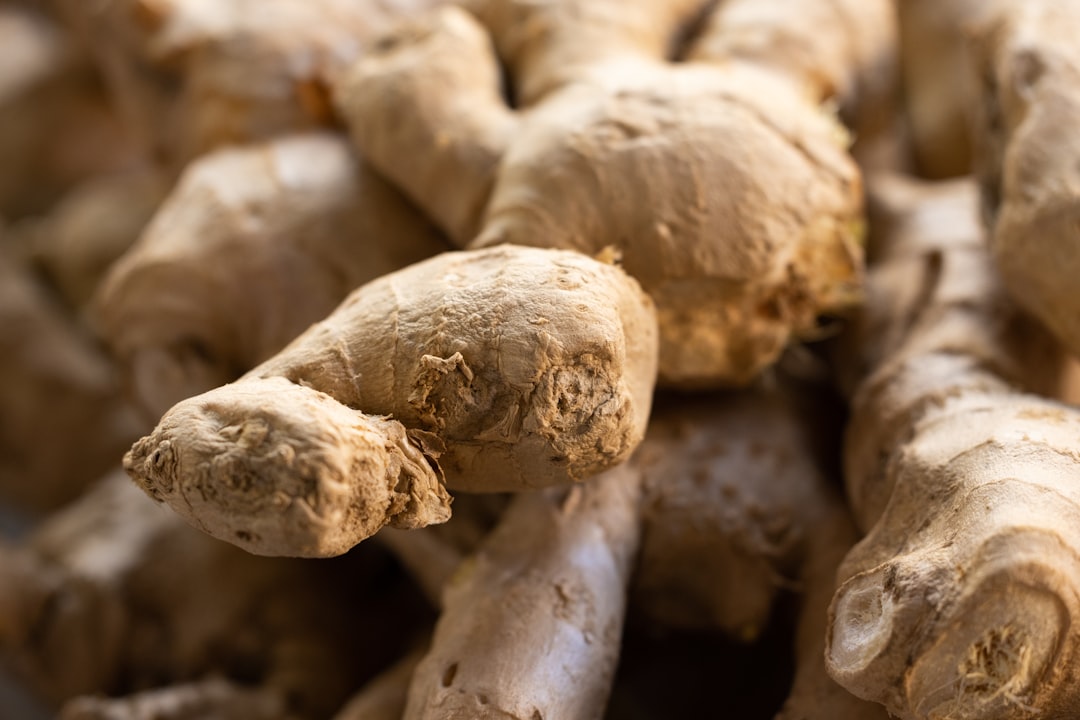
Fresh Zingiber officinale rhizome — the part of the plant used for ginger root for digestion and nausea in tinctures and teas.
Ginger root for digestion and nausea has one of the longest unbroken track records of any herb in common use. Practitioners in Chinese, Ayurvedic, and Western herbal traditions have prescribed Zingiber officinale for more than two thousand years, and modern research confirms most of what tradition already knew: in short, ginger settles the stomach, moves stagnant digestion, and reduces nausea quickly and reliably.
What Ginger Root Is and Where It Grows
The plant itself is a tropical rhizome native to Southeast Asia, now grown across the warm belt of the world. The medicinal part is the underground stem, which growers harvest either fresh or dried. Fresh ginger (Sheng Jiang in Chinese herbalism) feels warming and slightly diffusive. By contrast, dried ginger (Gan Jiang) runs hotter and warms more deeply. Both forms earn their place, but each suits slightly different situations.
Ginger Root for Digestion and Nausea: Classification and Active Compounds
Western herbal medicine classifies ginger as a carminative, an anti-inflammatory, and an antiemetic. Its system affinity is the gastrointestinal tract. The active constituents are mainly volatile oils, including gingerols and shogaols, which carry both the heat and the therapeutic action. Furthermore, these compounds break down predictably when the rhizome dries, which is why dried ginger feels hotter on the tongue than fresh. For more on warming digestive herbs, see our piece on cayenne tincture.
Here’s why that matters: most digestive complaints that respond to ginger involve some form of stagnation or cold. For example, a stomach that feels heavy after eating, queasy in the morning, or sluggish on a cold day is a textbook case for this herb.
How Ginger Root Supports Digestion and Calms Nausea
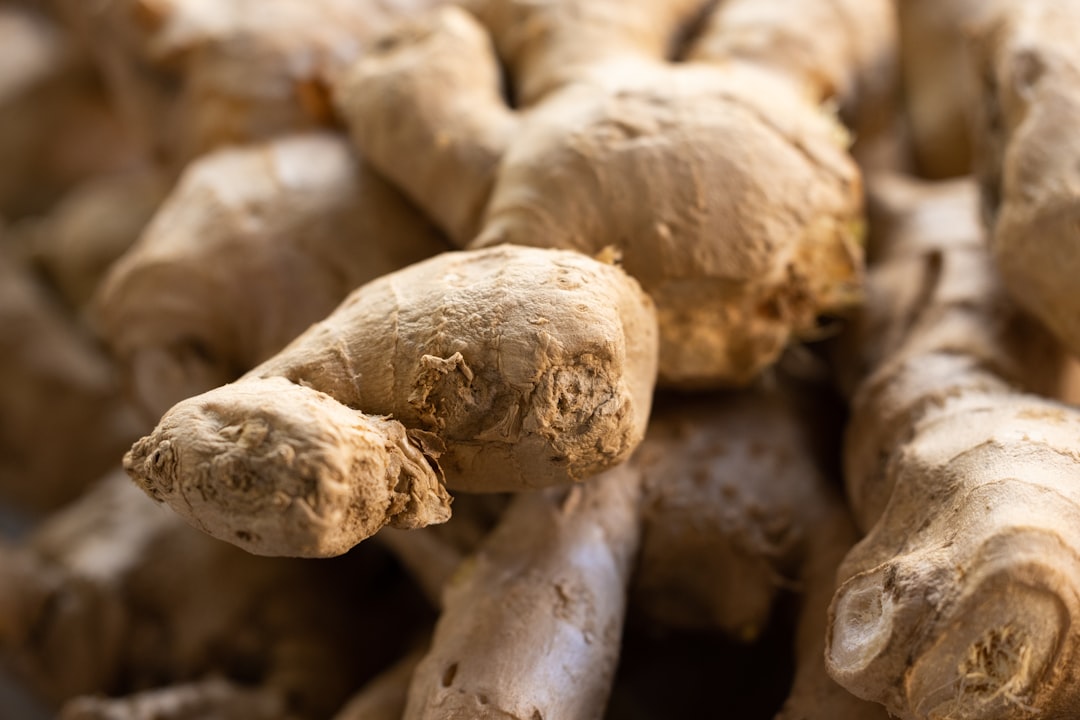
Ginger tincture — an alcohol extract of Zingiber officinale rhizome
The use of ginger root for digestion and nausea rests on a clear mechanism. First, ginger stimulates saliva, bile, and gastric secretions, and it speeds gastric emptying. In other words, it helps food move through the stomach instead of letting it sit there. As a result, the heavy, bloated feeling that follows a rich or cold meal often eases within minutes.
The Antiemetic Mechanism of Ginger Root
Clinical research links ginger to reduced nausea in pregnancy, motion sickness, post-operative recovery, and chemotherapy. Furthermore, the mechanism appears to work in two places at once. Ginger blocks serotonin receptors in the gastrointestinal tract (where the nausea signal often starts) and also modulates the part of the brainstem that triggers vomiting.
Traditional Uses of Ginger Root for Digestion and Nausea
Traditionally, herbalists pair ginger root with:
- Nausea from motion, morning sickness, or weak digestion
- Bloating, gas, and that heavy feeling after eating
- Cold extremities and sluggish circulation
- Joint stiffness, particularly the kind that worsens in cold or damp weather
However, ginger is not a universal digestive herb. It works best where cold, dampness, or stagnation drive the picture. For example, in cases of acute heat (a hot, burning gastritis, or a peptic ulcer) ginger can aggravate symptoms. Additionally, the traditional pairing with Arctium lappa (burdock root), honey, and a hot water bottle for food retention and cold-stomach nausea shows how skilled herbalists match the herb to a specific picture rather than a generic symptom.
The key takeaway: ginger does not sedate the gut. On the contrary, it stimulates. It works by getting things moving, not by suppressing them, and that is why the relief tends to feel quick and lasting.
How to Use Ginger Root for Digestion and Nausea
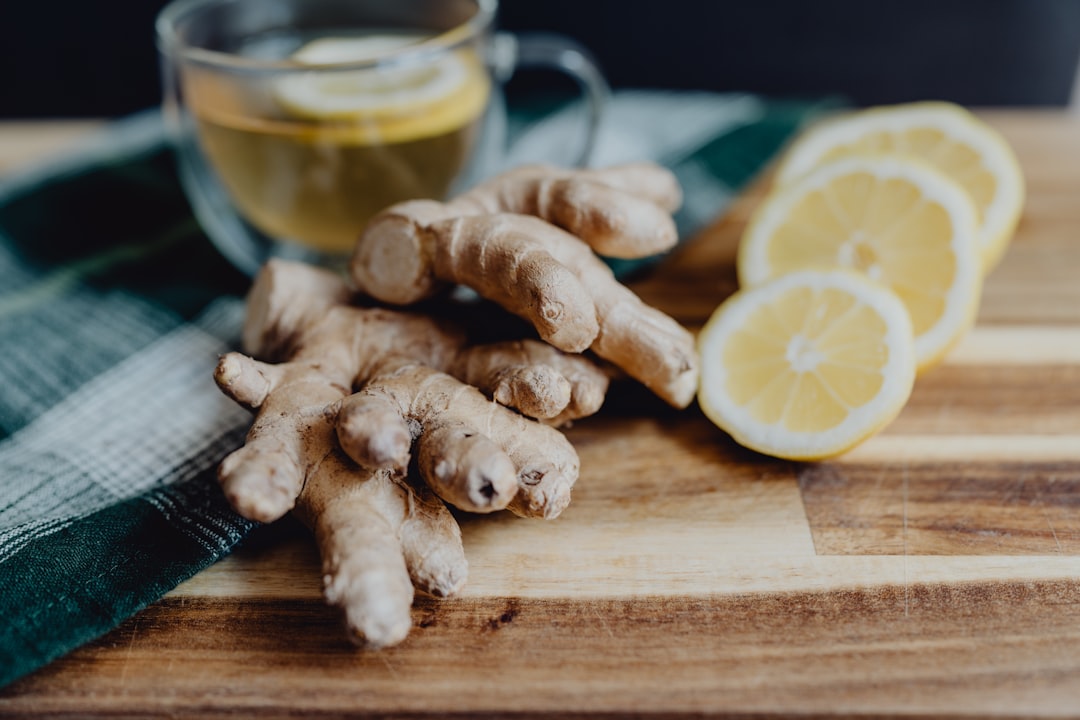
Sliced ginger ready for tea — a simple home preparation
Ginger root for digestion and nausea comes in several useful forms. The most common are tincture, tea, and fresh or powdered culinary use. Each has its place, and choosing between them mostly comes down to convenience and how quickly relief is needed.
Tincture Dosing for Ginger Root
The tincture acts fastest and travels easiest. Furthermore, the traditional daily dose range runs from 1 mL to 6 mL, divided through the day. For acute nausea (motion sickness, morning queasiness, a heavy meal that won’t settle) a single dose of 1 to 2 mL on the tongue or in a small glass of warm water tends to work within ten to fifteen minutes. In addition, tinctures suit anyone who finds the heat of fresh ginger too sharp.
Ginger Root Tea Preparation
For ginger tea, the traditional dose runs 1 to 8 g of dried root daily, simmered in water for ten to twenty minutes. A simple cup of fresh ginger tea (a few thin slices in hot water with a squeeze of lemon) remains one of the most reliable home remedies for mild nausea and cold-day digestion. Moreover, the tea form often feels more comfortable for people who don’t tolerate alcohol-based extracts.
Cautions and Pairings for Ginger Root
Cautions are straightforward. Ginger has a long history of safe use during pregnancy for nausea, but daily doses above 1 g of dried root warrant a conversation with a practitioner. Those on anticoagulant medication (warfarin, aspirin, similar drugs) should consult before regular use, as ginger has mild antiplatelet activity. In addition, people with active peptic ulcers or acute heat in the digestive tract should generally choose a cooling herb instead. For a related digestive support option, see our notes on chamomile.
At Herbal Clinic, we make our ginger tincture in the classic 1:5 ratio from Zingiber officinale rhizome. The alcohol percentage is matched carefully to the herb so the volatile oils extract fully, since that is where the action sits. Dried root is also available for tea preparation. As a result, both forms meet the same sourcing standards as the rest of our catalogue.
FAQ
- Superior Sourcing: Our herbs are sourced from all over the world to avoid seasonal fluctuations in availability, keeping herbs accessible. Our suppliers meet strict standards that ensure top quality herbs, most of which are organic, wildcrafted, sustainably grown, or grown using permaculture. We support local farmers and grow many of our own herbs.
- Superior Processing: Our tinctures are made using the classic tincturing method. The tinctures are made in a 1:5 ratio which allows for the optimal extraction of the herb. The alcohol percentage is strictly controlled depending on the herb and part of the plant that is used.
- Superior Selection: We take pride in our growing selection of over 300 individual herbs. If we don’t carry the herb you’re seeking, we can likely track it down for you.
- Superior Quality Control: Our tinctures are thoroughly tested by a third-party lab and with an organoleptic evaluation by our team of herbalists prior to final bottling.
- Superior Price: Our tinctures are more cost-effective than other tinctures on the market. With an eye towards efficiency, we keep our costs low by maintaining good relationships with our wide network of suppliers and ordering herbs in bulk quantities.
- We Care About the Environment: We repackage materials that are shipped to us (so don’t be surprised if our packages look different from time to time!). We recycle or reuse materials whenever possible. We turn the cardboard we receive from other suppliers into packing material. We donate to avoid waste to groups like Naturopaths Without Borders. Our workforce almost completely uses public transportation or bikes. We are powered using 100% renewable energy through Bullfrog Power.
- We Donate To Charity: We support many causes that make the world better. We donate a portion of our profits or products. These include charities that support environmental and natural sustainability.
Set up an online account and order through the website. If you don’t have an account and place an order, one will be created for you.
Click here to subscribe to our mailing list.
Our products are made in Toronto, Ontario, Canada by a team of Herbalists and Naturopathic Doctors. The herbs and ingredients we use to make our products are sourced both locally and globally to keep herbs accessible and sustainable.
The majority of our herbs are certified organic, sustainably wildcrafted, or come from small-scale local organic farms that do not yet have organic certification. We always do our best to provide organic herbs in your formulas. We work with a variety of suppliers to keep costs low.
Although most of our products do not contain gluten, we do not have gluten-free certification for our production facility. Feel free to ask about any specific products and we’ll share whatever information we have available.
For liability and regulatory reasons, we don’t make any claims as to how our herbs should be used, including dosing recommendations. Please review our disclaimer, as well as our terms and policies.