Peppermint for Digestion: Where the Plant Comes From
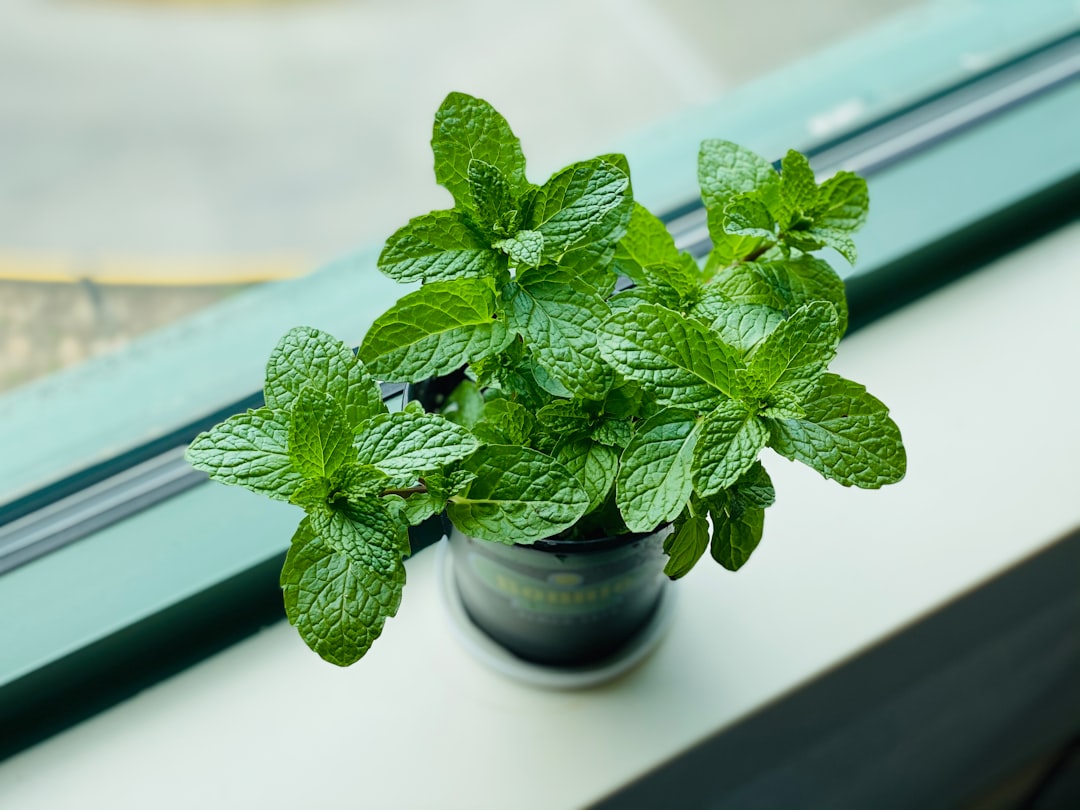
Mentha piperita, a natural cross of watermint and spearmint
Peppermint for digestion is one of the oldest and most reliable comforts in the herbal kitchen, and the plant behind it has a longer story than most people expect. Mentha piperita is a natural hybrid of watermint and spearmint. English herbalists first recorded it in the late 1600s. Since then it has spread to gardens and apothecaries across the world.
Known commonly as peppermint, brandy mint, or simply mint, it belongs to the Lamiaceae family, the same aromatic group that gives us basil, sage, and thyme. The plant is easy to recognize: square stems, deep green serrated leaves, and that unmistakable cooling scent the moment a leaf is crushed.
Here’s why that matters: the same volatile oils responsible for the aroma are the ones that make peppermint such a dependable digestive herb. Peppermint grows vigorously in damp, temperate soil and spreads fast through underground runners, so many gardeners call it a bully. However, that hardiness is exactly what makes it so widely available and affordable. At Herbal Clinic we work with quality-controlled Mentha piperita so the aromatic oils that matter most are well preserved.
Why Peppermint for Digestion Works

A peppermint tincture concentrates the plant’s aromatic oils
So what makes peppermint for digestion more than just a pleasant after-dinner habit? The answer is in its chemistry. Peppermint leaf is rich in volatile oil, primarily menthol and menthone, along with flavonoids and rosmarinic acid. Menthol drives the herb’s traditional use as a carminative, the kind of herb that relieves gas and bloating.
Here’s how it works: menthol relaxes the smooth muscle of the digestive tract. When that muscle relaxes, trapped gas can move through more easily and cramping spasms tend to settle. This is the mechanism behind peppermint’s long association with bloating, gas, and the general discomfort that follows a heavy meal. Furthermore, peppermint stimulates bile flow, which supports the breakdown of fats.
Peppermint traditionally eases indigestion, flatulence, and spasmodic gut discomfort. Researchers have studied it most closely for soothing irritable bowel symptoms. However, peppermint is not only a gut herb. Its mild antimicrobial and aromatic properties also make it a popular choice for fresh breath and for clearing a stuffy head. As a result, it earns a place in many home herbal kits. You can read more in our guide to herbs for digestive balance.
How to Use Peppermint for Digestion
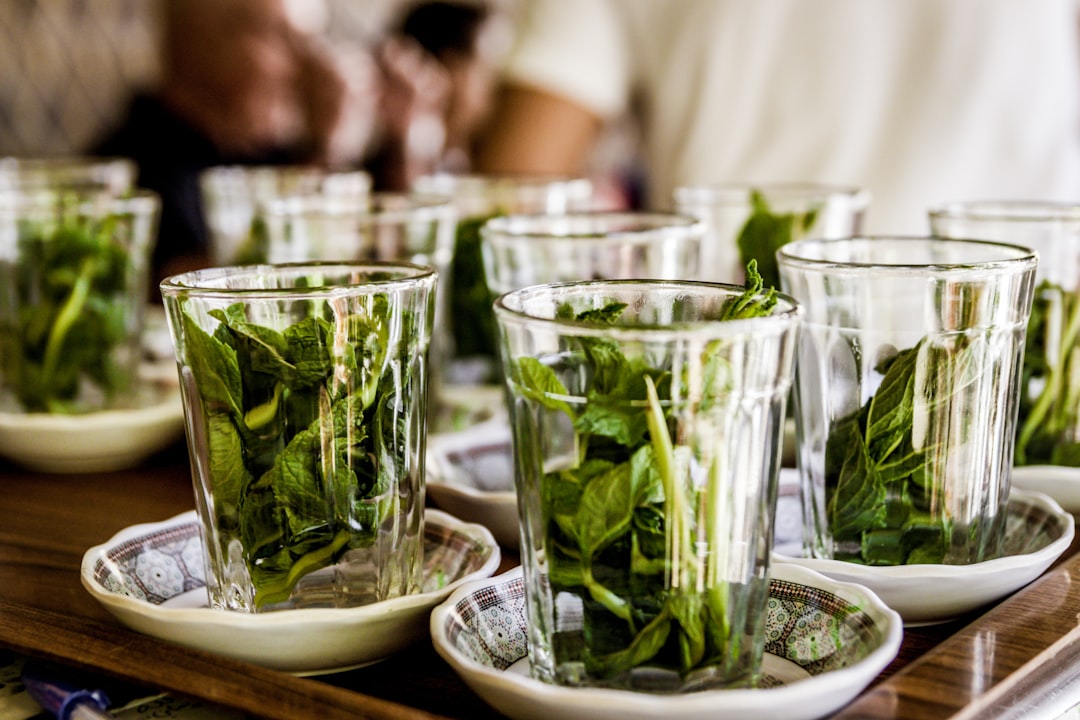
Peppermint tea is the simplest way to enjoy the herb
There are several easy ways to bring peppermint for digestion into a daily routine, and the right one depends on how you like to take your herbs. The two most common forms are tea and tincture. A warm cup of peppermint tea after a meal is the classic approach, gentle, soothing, and pleasant to drink. In addition, the warmth itself can help ease a tight, gassy stomach.
A tincture is the more concentrated option. Because alcohol pulls out the aromatic oils, a tincture captures peppermint’s carminative compounds in a small, convenient dose. It travels well and keeps for a long time. This is where it gets practical: a few drops in water before or after eating delivers the herb without brewing a pot. At Herbal Clinic we prepare our peppermint tincture using the classic 1:5 method, and we control the alcohol percentage for the leaf so it preserves the volatile oils.
For everyday wellness, many people simply enjoy peppermint as part of their evening wind-down. As always, we don’t make dosing claims, peppermint is traditionally taken in modest amounts, and anyone who is pregnant, breastfeeding, or managing reflux should check with a practitioner first. Whether you reach for the tea or the tincture, peppermint for digestion remains one of the simplest herbal habits to keep.
FAQ
- Superior Sourcing: Our herbs are sourced from all over the world to avoid seasonal fluctuations in availability, keeping herbs accessible. Our suppliers meet strict standards that ensure top quality herbs, most of which are organic, wildcrafted, sustainably grown, or grown using permaculture. We support local farmers and grow many of our own herbs.
- Superior Processing: Our tinctures are made using the classic tincturing method. The tinctures are made in a 1:5 ratio which allows for the optimal extraction of the herb. The alcohol percentage is strictly controlled depending on the herb and part of the plant that is used.
- Superior Selection: We take pride in our growing selection of over 300 individual herbs. If we don’t carry the herb you’re seeking, we can likely track it down for you.
- Superior Quality Control: Our tinctures are thoroughly tested by a third-party lab and with an organoleptic evaluation by our team of herbalists prior to final bottling.
- Superior Price: Our tinctures are more cost-effective than other tinctures on the market. With an eye towards efficiency, we keep our costs low by maintaining good relationships with our wide network of suppliers and ordering herbs in bulk quantities.
- We Care About the Environment: We repackage materials that are shipped to us (so don’t be surprised if our packages look different from time to time!). We recycle or reuse materials whenever possible. We turn the cardboard we receive from other suppliers into packing material. We donate to avoid waste to groups like Naturopaths Without Borders. Our workforce almost completely uses public transportation or bikes. We are powered using 100% renewable energy through Bullfrog Power.
- We Donate To Charity: We support many causes that make the world better. We donate a portion of our profits or products. These include charities that support environmental and natural sustainability.
Set up an online account and order through the website. If you don’t have an account and place an order, one will be created for you.
Click here to subscribe to our mailing list.
Our products are made in Toronto, Ontario, Canada by a team of Herbalists and Naturopathic Doctors. The herbs and ingredients we use to make our products are sourced both locally and globally to keep herbs accessible and sustainable.
The majority of our herbs are certified organic, sustainably wildcrafted, or come from small-scale local organic farms that do not yet have organic certification. We always do our best to provide organic herbs in your formulas. We work with a variety of suppliers to keep costs low.
Although most of our products do not contain gluten, we do not have gluten-free certification for our production facility. Feel free to ask about any specific products and we’ll share whatever information we have available.
For liability and regulatory reasons, we don’t make any claims as to how our herbs should be used, including dosing recommendations. Please review our disclaimer, as well as our terms and policies.