Part of our complete guide to classical Chinese digestive formulas.
What is Ling Gui Zhu Gan Tang?
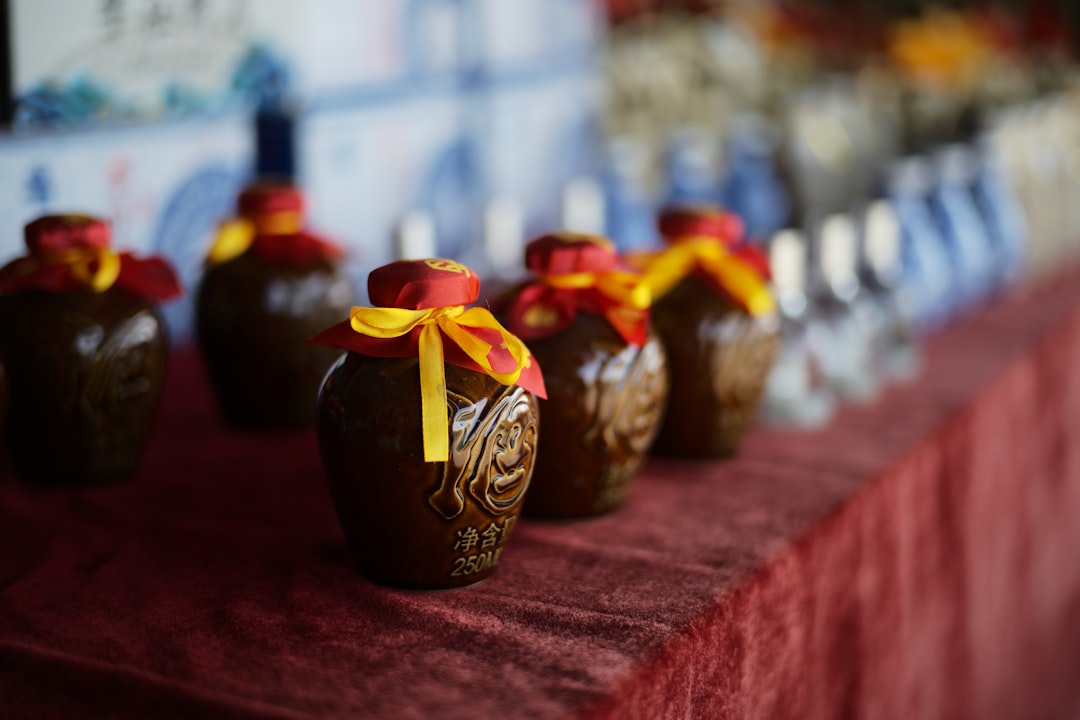
Ling Gui Zhu Gan Tang as a 1:5 alcohol tincture
Ling Gui Zhu Gan Tang is a classical Chinese formula that herbalists turn to when fluid feels stuck — heaviness in the chest, dizzy spells, or that sloshy feeling under the ribs. The name encodes its four ingredients: Ling (Fu Ling, Poria), Gui (Gui Zhi, cinnamon twig), Zhu (Bai Zhu, white atractylodes), and Gan (Gan Cao, honey-fried licorice). Together they warm the digestive center and move stuck fluid out of the body.
The formula first appeared in the Shang Han Lun, a foundational Chinese medical text written by Zhang Zhongjing around 220 CE. For nearly two thousand years it has served as one of the core prescriptions for what classical doctors called Tan Yin — phlegm-fluid retention. In modern terms, the pattern shows up as the body holding onto extra water it cannot move or warm.
How the name maps to the herbs
Each character in the name points to one ingredient. Here is how the four pieces work together:
- Fu Ling (Poria) — a mild, sweet fungus that drains dampness through the urinary system without depleting fluids elsewhere.
- Gui Zhi (cinnamon twig) — warms the chest and circulation, helping the heart push fluid along.
- Bai Zhu (white atractylodes) — strengthens the spleen so it can move food and water properly instead of letting them pool.
- Zhi Gan Cao (honey-fried licorice) — harmonizes the other three and supports the spleen’s energy.
Here’s why that matters: the four herbs do not just sit in the bowl — they correct the underlying problem and move out the visible fluid at the same time. Poria pulls water down. Cinnamon twig pushes warmth and circulation up and out. Atractylodes rebuilds the digestive engine that lets fluid flow in the first place. Furthermore, licorice keeps the formula gentle and ties the actions together.
Where this formula sits in classical practice
Practitioners file this prescription under “warm and transform phlegm-fluid” formulas — alongside relatives like Er Chen Tang, which clears thicker phlegm higher up in the body. In contrast, where Er Chen Tang handles sticky phlegm in the lungs and stomach, this formula targets thinner, watery fluid that has settled in the chest, head, or middle.
For centuries the formula has stayed in active use because the pattern it treats is common: weak digestion, cold core, fluid that wells up where it should not.
Ling Gui Zhu Gan Tang Benefits and Pattern
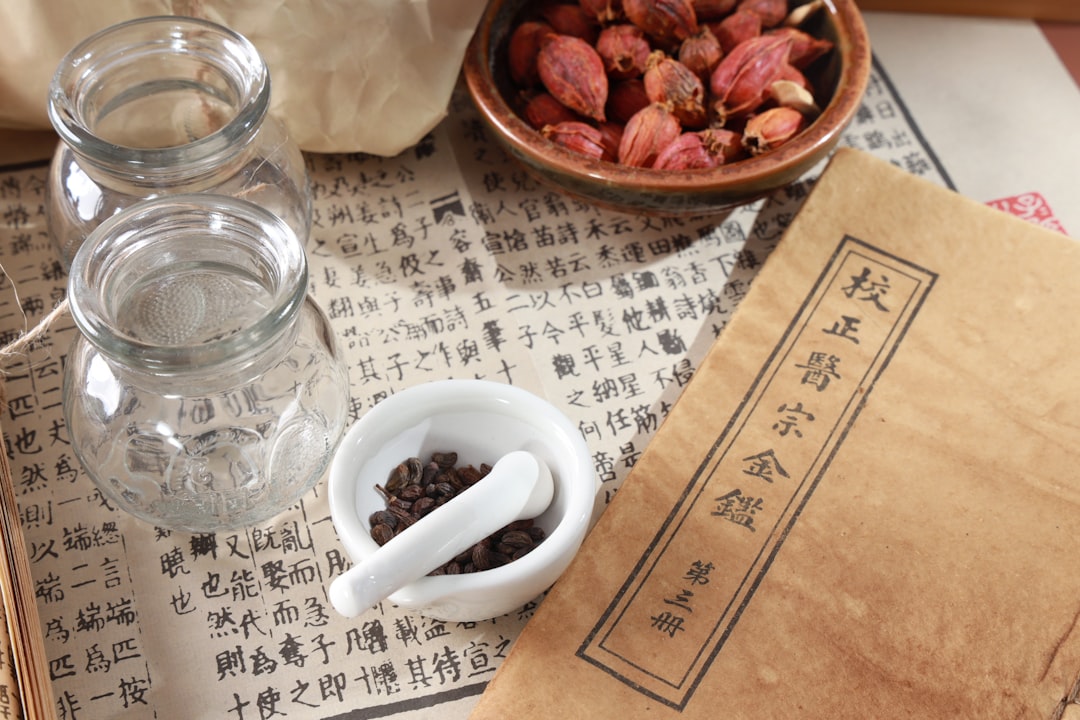
Classical decoction form of the four-herb formula
The Ling Gui Zhu Gan Tang pattern shows up in clinic as a recognizable cluster of signs. Patients describe a heavy or muffled feeling in the head, palpitations that come on with movement, dizziness when standing up, and a sense that water is sloshing under the ribs. The tongue often shows a white, slippery coat — the classic marker of cold, watery dampness.
Conditions traditionally associated with Ling Gui Zhu Gan Tang
For centuries Chinese herbalists have used the formula to address:
- Dizziness and vertigo — especially the kind that worsens when bending or rising suddenly
- Palpitations and shortness of breath on exertion — fluid pressing on the chest area
- Gurgling or sloshing in the upper abdomen — a hallmark of the pattern
- Loose stools and watery diarrhea — alongside cold hands and feet
- Mild edema — puffiness that responds to warmth and movement rather than pressure
In addition, modern research has begun to look at the formula in conditions like Ménière’s disease and certain forms of mild heart-related fluid retention. A handful of PubMed-indexed clinical reviews suggest that the herbs may calm vertigo episodes and reduce excess fluid in patients who fit the cold-and-damp pattern. The studies are early, yet the direction matches two thousand years of traditional use.
Why the formula works on the spleen
In Chinese medicine the spleen is the organ in charge of moving food, water, and energy through the trunk. When spleen yang — the warm, active side of digestion — runs low, fluid can no longer travel where it needs to go. As a result, it pools instead. Practitioners describe this as “spleen yang failing to transform fluid.”
However, the body does not simply hold the fluid in one place. The water rises into the chest and head, which is why the symptoms feel so disorienting. the formula corrects the engine at the bottom — the spleen and the lower warmer — and at the same time helps the chest let go of what has crept upward.
Furthermore, the formula sits in a family of warming digestive prescriptions. Li Zhong Wan handles deeper spleen-yang cold without the rising fluid component, while Ping Wei San dries thicker damp earth pattern in the stomach. Ling Gui Zhu Gan Tang occupies the middle ground: cold weak digestion plus thin watery fluid that has migrated upward.
The key takeaway: this is not a generic diuretic and not a generic warming tonic. Instead, it is a paired action — warm the source, drain the puddle.
How to Use Ling Gui Zhu Gan Tang
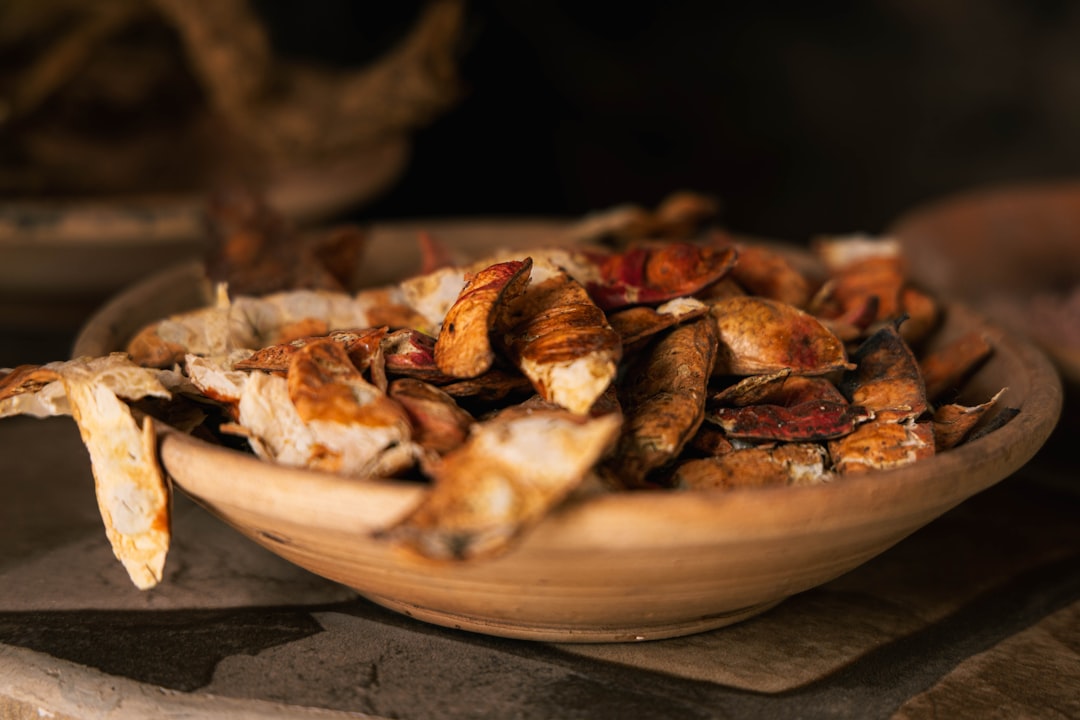
Raw form of the four formula herbs
Ling Gui Zhu Gan Tang has spent most of its history as a decoction — a strong simmered tea. For centuries practitioners would weigh out the four raw herbs, simmer them in water for about an hour, and divide the resulting liquid into doses across the day. The tradition still works, and many practitioners in China prepare it that way today.
Modern forms of the formula
Today most people meet the formula as a tincture, a pill (wan), or a granule. Each form has trade-offs:
- Tincture — fast acting, easy to dose, no daily simmering, longer shelf life. Best for steady use over weeks.
- Pill (wan) — the classical “honey pill” form, gentler and slower, well suited to long-term spleen support.
- Decoction (raw herbs simmered) — the strongest and most flexible form, but it requires daily kitchen time.
- Granule — a modern concentrated extract you stir into hot water; closest to a decoction in strength without the cookware.
At Herbal Clinic we prepare Ling Gui Zhu Gan Tang as a 1:5 alcohol tincture using the classical Shang Han Lun proportions. As a result, the four herbs deliver their full action in a small daily volume that fits easily into a routine.
How Herbal Clinic sources and prepares the formula
Quality matters more than usual with this prescription because the herbs come from different botanical groups. Poria is a fungus, cinnamon twig is bark, atractylodes is a root, and licorice is a root. Each one needs a different supplier, a different harvest window, and a different test panel. Most of our suppliers grow organically or wildcraft sustainably. A third-party lab tests every lot, and our herbalists then evaluate it by taste and smell before bottling.
For instance, we run identity testing on poria so the body of the fungus is genuine — not a substitute species — and we confirm cinnamon twig is true Cinnamomum cassia twig rather than the bark, since the twig and bark have different actions in this formula.
Fitting the formula into a daily routine
Most practitioners suggest the tincture before or between meals so the warming, fluid-moving action lines up with digestion. In contrast, people often take the pill form with a small amount of warm water in the morning. Either way, the goal is steady contact with the herbs over weeks rather than a single big dose.
Because the formula treats a deep, structural pattern, change is gradual. Many people notice that dizziness softens first, then the chest feels lighter, then the gurgling settles. As a result, practitioners typically reassess after four to six weeks of consistent use.
For specific dosing or whether Ling Gui Zhu Gan Tang fits your situation, please talk with a qualified Chinese medicine practitioner. These statements have not been evaluated by Health Canada and the formula is not intended to diagnose, treat, cure, or prevent any disease.
FAQ
- Superior Sourcing: Our herbs are sourced from all over the world to avoid seasonal fluctuations in availability, keeping herbs accessible. Our suppliers meet strict standards that ensure top quality herbs, most of which are organic, wildcrafted, sustainably grown, or grown using permaculture. We support local farmers and grow many of our own herbs.
- Superior Processing: Our tinctures are made using the classic tincturing method. The tinctures are made in a 1:5 ratio which allows for the optimal extraction of the herb. The alcohol percentage is strictly controlled depending on the herb and part of the plant that is used.
- Superior Selection: We take pride in our growing selection of over 300 individual herbs. If we don’t carry the herb you’re seeking, we can likely track it down for you.
- Superior Quality Control: Our tinctures are thoroughly tested by a third-party lab and with an organoleptic evaluation by our team of herbalists prior to final bottling.
- Superior Price: Our tinctures are more cost-effective than other tinctures on the market. With an eye towards efficiency, we keep our costs low by maintaining good relationships with our wide network of suppliers and ordering herbs in bulk quantities.
- We Care About the Environment: We repackage materials that are shipped to us (so don’t be surprised if our packages look different from time to time!). We recycle or reuse materials whenever possible. We turn the cardboard we receive from other suppliers into packing material. We donate to avoid waste to groups like Naturopaths Without Borders. Our workforce almost completely uses public transportation or bikes. We are powered using 100% renewable energy through Bullfrog Power.
- We Donate To Charity: We support many causes that make the world better. We donate a portion of our profits or products. These include charities that support environmental and natural sustainability.
Set up an online account and order through the website. If you don’t have an account and place an order, one will be created for you.
Click here to subscribe to our mailing list.
Our products are made in Toronto, Ontario, Canada by a team of Herbalists and Naturopathic Doctors. The herbs and ingredients we use to make our products are sourced both locally and globally to keep herbs accessible and sustainable.
The majority of our herbs are certified organic, sustainably wildcrafted, or come from small-scale local organic farms that do not yet have organic certification. We always do our best to provide organic herbs in your formulas. We work with a variety of suppliers to keep costs low.
Although most of our products do not contain gluten, we do not have gluten-free certification for our production facility. Feel free to ask about any specific products and we’ll share whatever information we have available.
For liability and regulatory reasons, we don’t make any claims as to how our herbs should be used, including dosing recommendations. Please review our disclaimer, as well as our terms and policies.