Reishi Mushroom for Stress and Immunity: What It Is and Where It Comes From
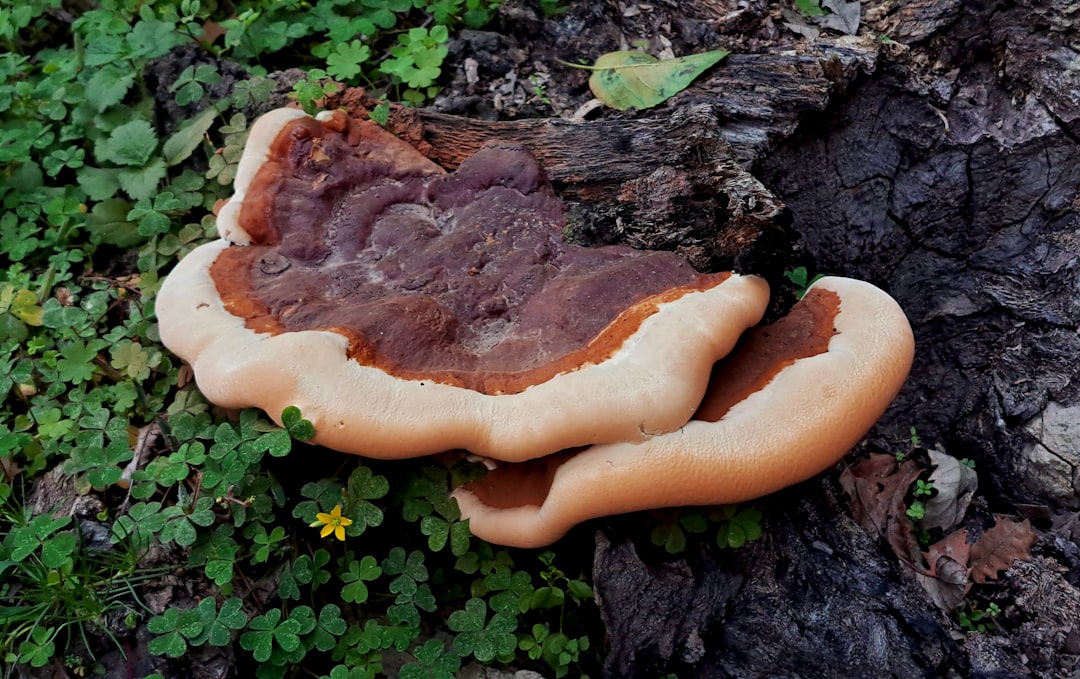
Reishi mushroom for stress and immunity comes from Ganoderma lucidum, shown here on a hardwood log.
Reishi mushroom for stress and immunity has one of the longest track records in herbal medicine. The Chinese name, Ling Zhi, translates roughly to “spirit mushroom.” Classical Chinese texts have listed it for more than two thousand years as a tonic for longevity, calm, and resilience.
Where Reishi Grows
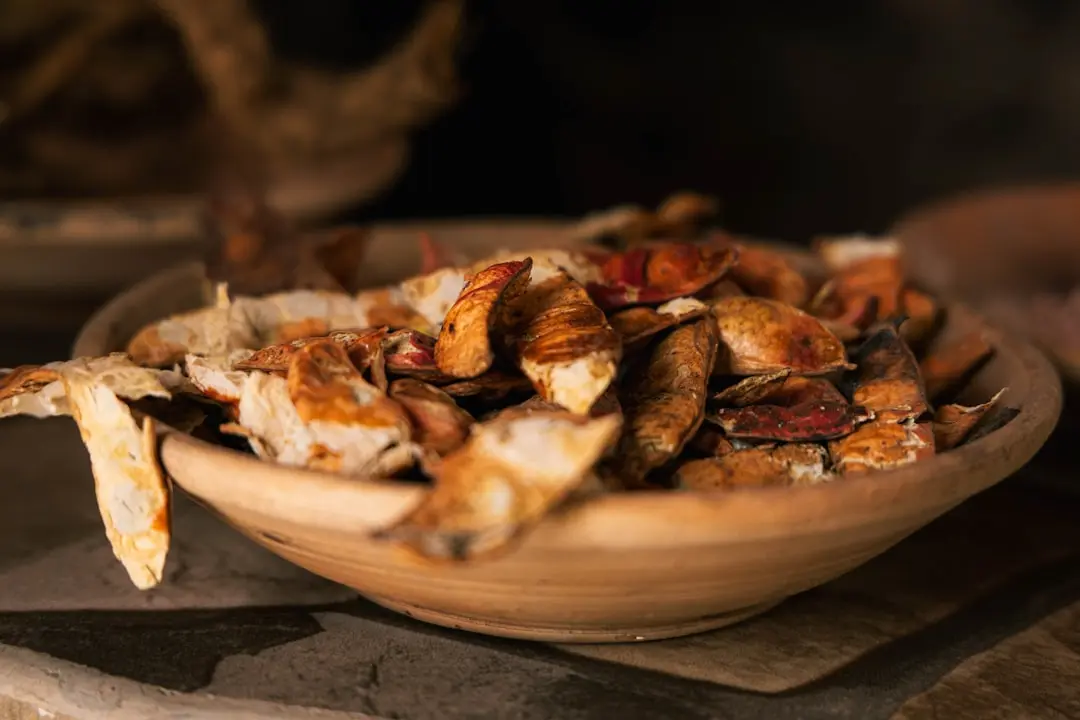
The botanical name is Ganoderma lucidum. This polypore fungus grows on hardwood, especially hemlock, oak, and maple. Practitioners use the fruiting body, which forms a shiny, kidney-shaped cap. Colours range from deep red to mahogany, often with a varnished surface. Because wild reishi is uncommon, most reishi on the herbal market today grows on cultivated logs or sawdust under controlled conditions.
Why Reishi Stands Out
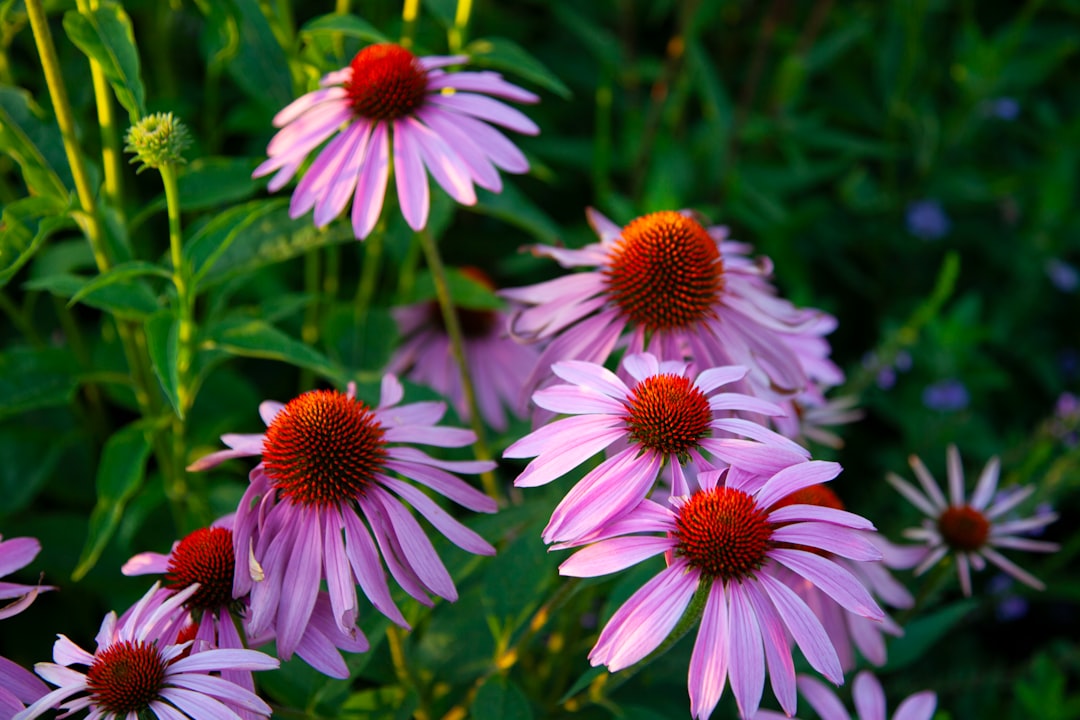
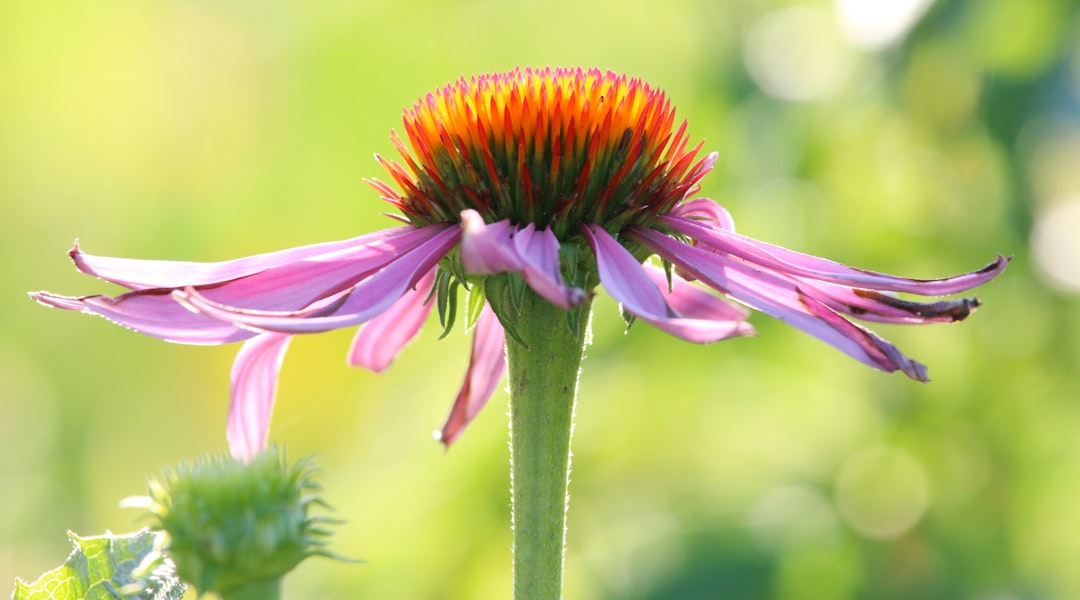
Here is why that matters: reishi belongs to a small group of herbs classed as adaptogens. Adaptogens support the body’s response to stress without overstimulating it. Moreover, reishi qualifies as a recognised immunomodulator, which means it nudges immune activity toward balance rather than simply pushing it up. Consequently, traditional practitioners reached for reishi during convalescence, periods of heavy work, and times of weakened resistance. For more on this kind of immune work, see our guide to echinacea tincture for immune support.
The taste is famously bitter. In tea form it is woody and a little astringent. As a result, most modern users take reishi as a tincture or in formulas blended with sweeter herbs. However, the bitterness is a feature, not a flaw. It signals the triterpene content, one of the active compound groups behind the mushroom’s effects on the nervous and immune systems.
At Herbal Clinic, we extract our reishi tincture from the dried fruiting body of Ganoderma lucidum at a 1:5 ratio in controlled alcohol concentration. We use the same classic method across our tincture range. As a result, the polysaccharides and the triterpenes both come through into the finished product.
Reishi Mushroom for Stress and Immunity: Benefits and Active Constituents
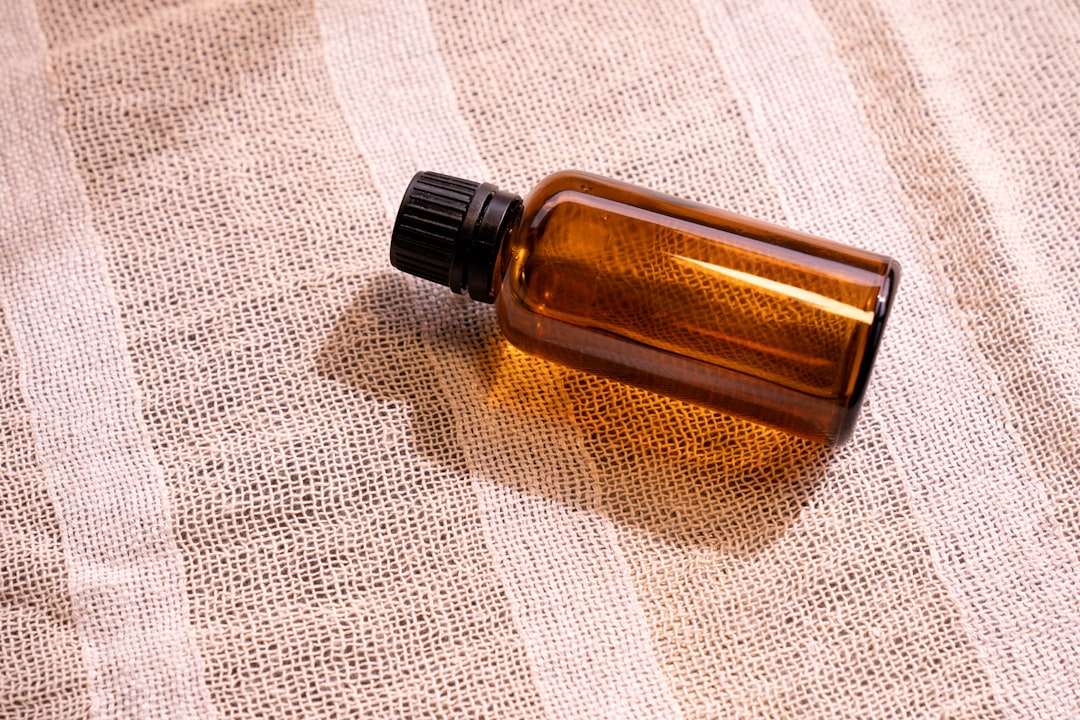
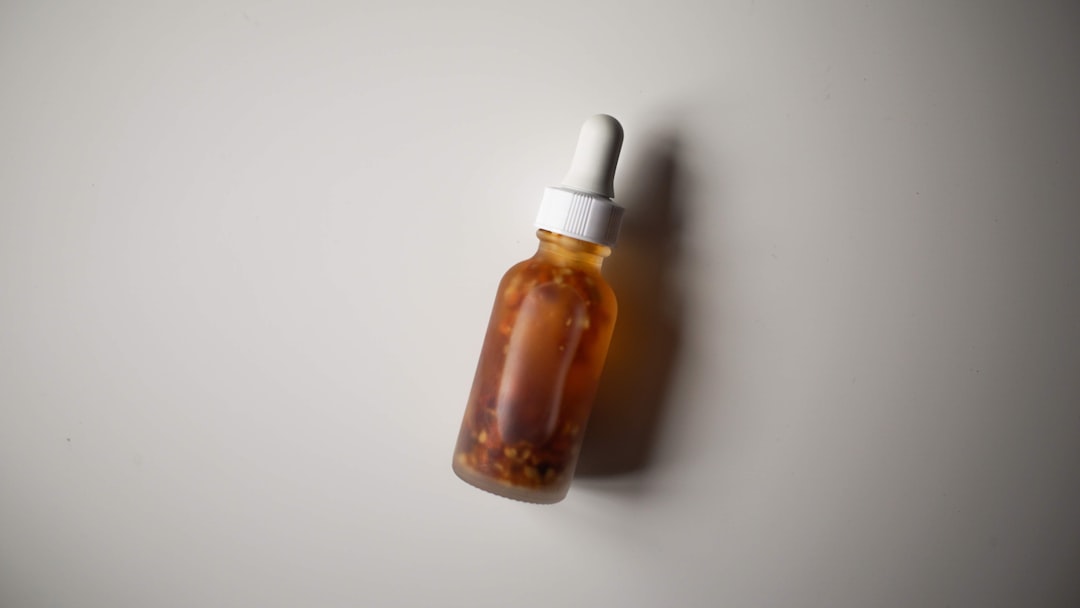
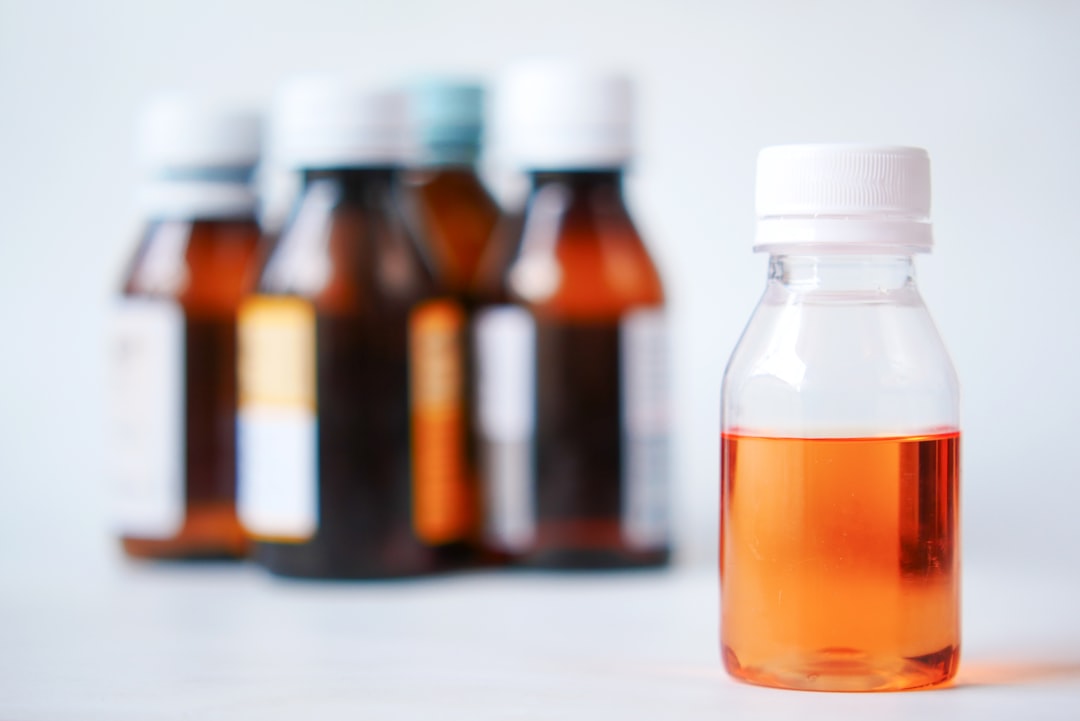
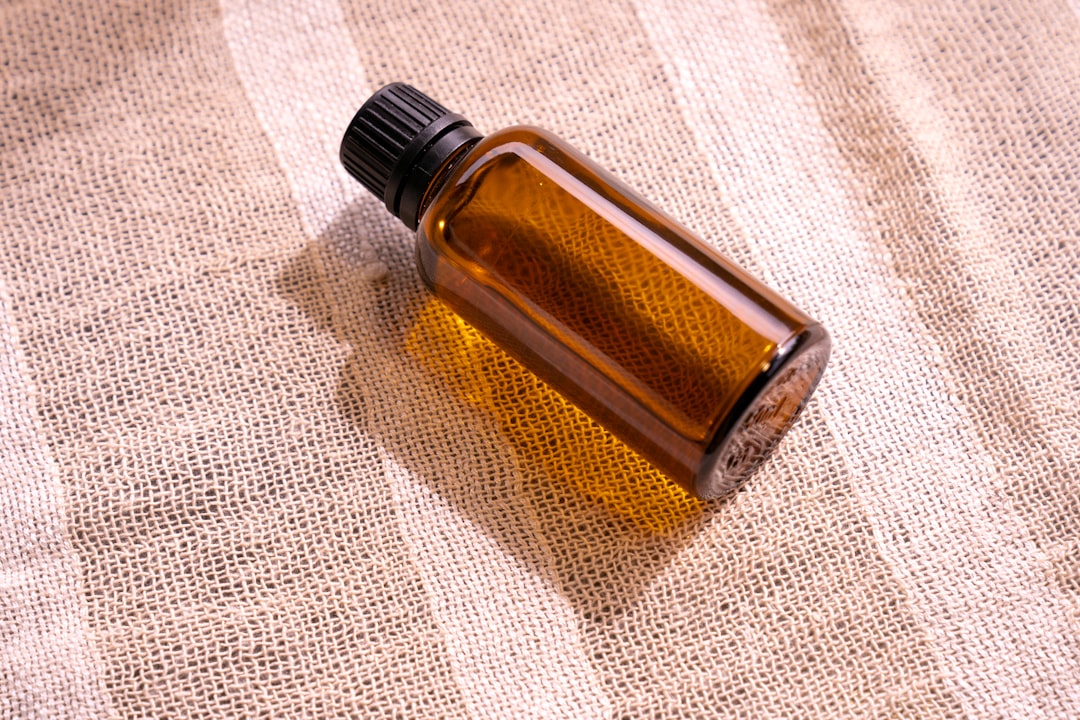
A 1:5 tincture is the most practical way to take reishi day to day.
Reishi mushroom for stress and immunity works on two main fronts. First, it acts on the hypothalamic-pituitary-adrenal axis. This system governs how the body releases cortisol and responds to ongoing demand. Adaptogens like reishi help moderate that release. As a result, people who take it regularly often describe feeling steadier rather than sedated.
How Reishi Supports the Immune System
Second, reishi acts on the immune system itself. It contains beta-glucans and other polysaccharides, which interact with receptors on macrophages and natural killer cells. In addition, the triterpenes (the bitter compounds) show effects on inflammatory signalling. Together these compound groups give reishi its immunomodulating reputation. For that reason, it shows up so often in convalescent formulas and in protocols that support people through long recovery periods.
What Reishi Is Used For
So what does this mean for you? In practice, herbalists associate reishi with:
- Recovery from illness, surgery, or extended stress
- Long-term support for weakened or overactive immune function
- Sleep that feels more restorative, without sedation
- A general sense of steadiness during demanding seasons of work or training
Furthermore, reishi pairs well with other immune and adaptogenic herbs. Traditional Chinese formulas often combine it with astragalus for deeper immune support. Meanwhile, Western practitioners frequently blend it with chaga (Inonotus obliquus) and yellow dock (Rumex crispus). This pairing supports healthy red and white blood cell counts, particularly after rounds of medical treatment. Dandelion root sometimes joins the same formulas where liver support also matters.
As a result, reishi fits comfortably into both daily tonic use and more targeted, short-term protocols. It feels gentle enough to take consistently and substantive enough to notice over time.
One more point: traditional use treats reishi as a long-game herb. It is not the herb you reach for at the first sign of a cold; that role belongs to echinacea or elderberry. Instead, reishi works underneath, on the terrain, and the benefits build with consistent use over weeks and months rather than days.
How to Use Reishi Mushroom for Stress and Immunity
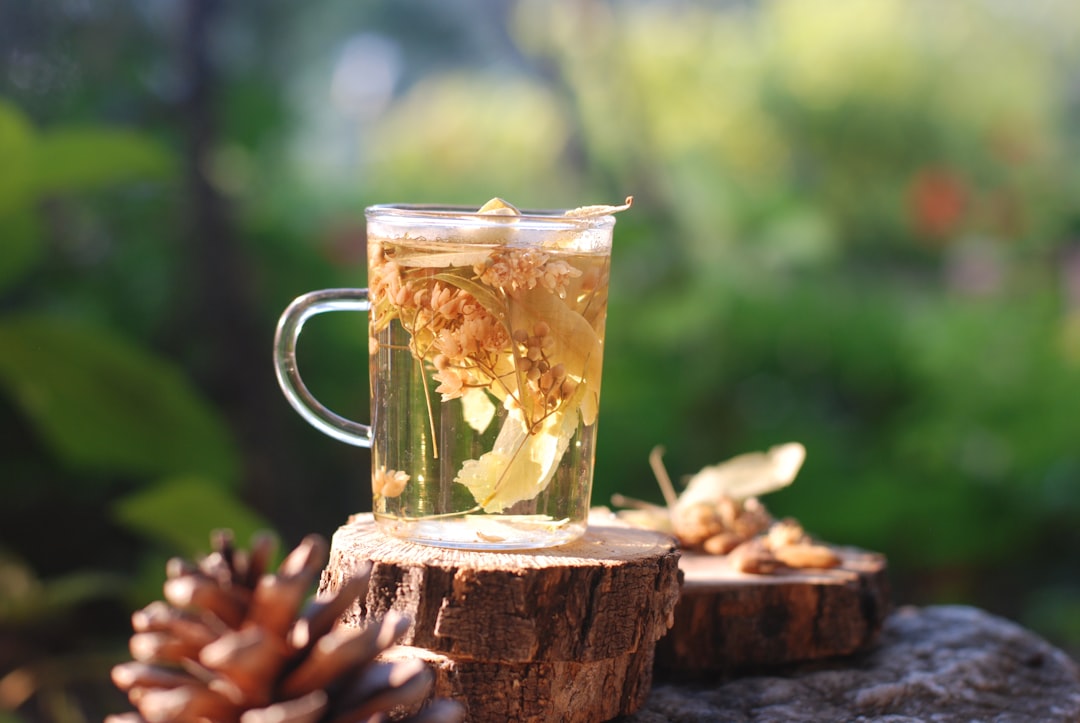
Reishi can be taken as a tincture, a decoction, or as part of a blend.
The most common ways to take reishi mushroom for stress and immunity are tincture, decoction, and powdered extract. Each form has a place. However, the tincture is the most practical for most people. The active compounds, both the water-soluble polysaccharides and the alcohol-soluble triterpenes, come through cleanly in a properly made 1:5 extract.
Tincture and Tea
As a tincture, reishi typically goes into a small amount of warm water once or twice a day. Traditionally, the dose range is roughly 5 mL to 15 mL daily. For liability and regulatory reasons we do not make specific dosing recommendations. Please review our disclaimer and speak with a qualified practitioner about what is appropriate for you.
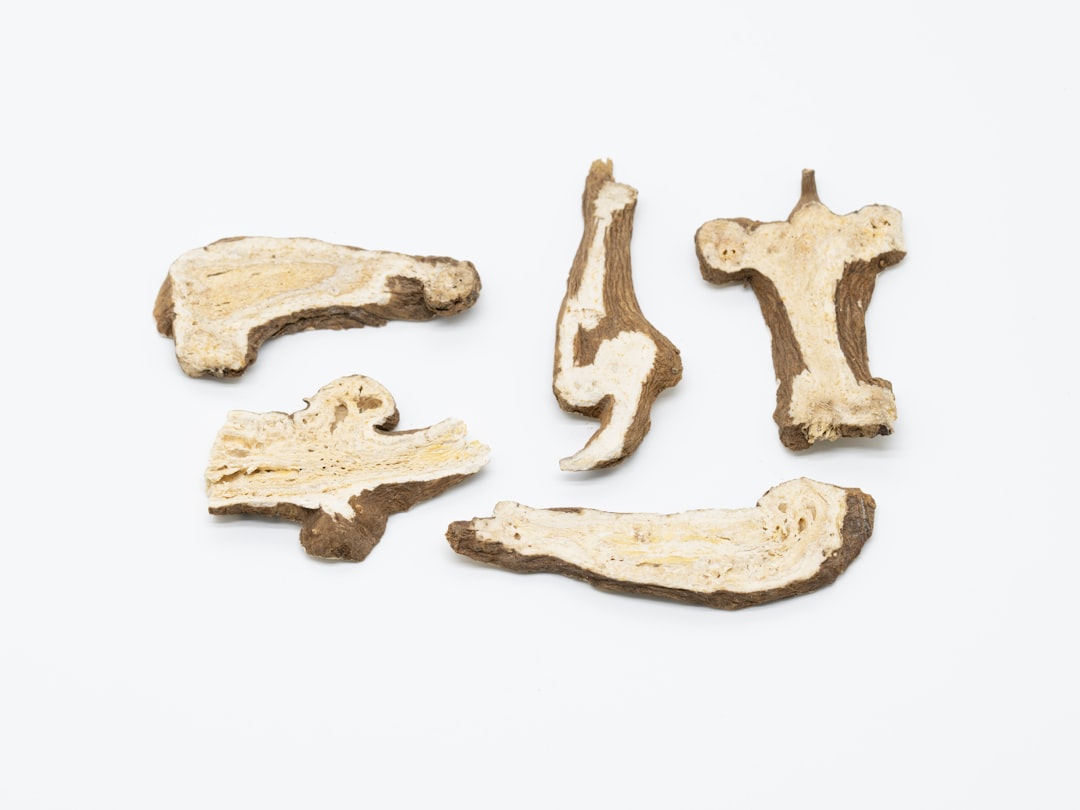
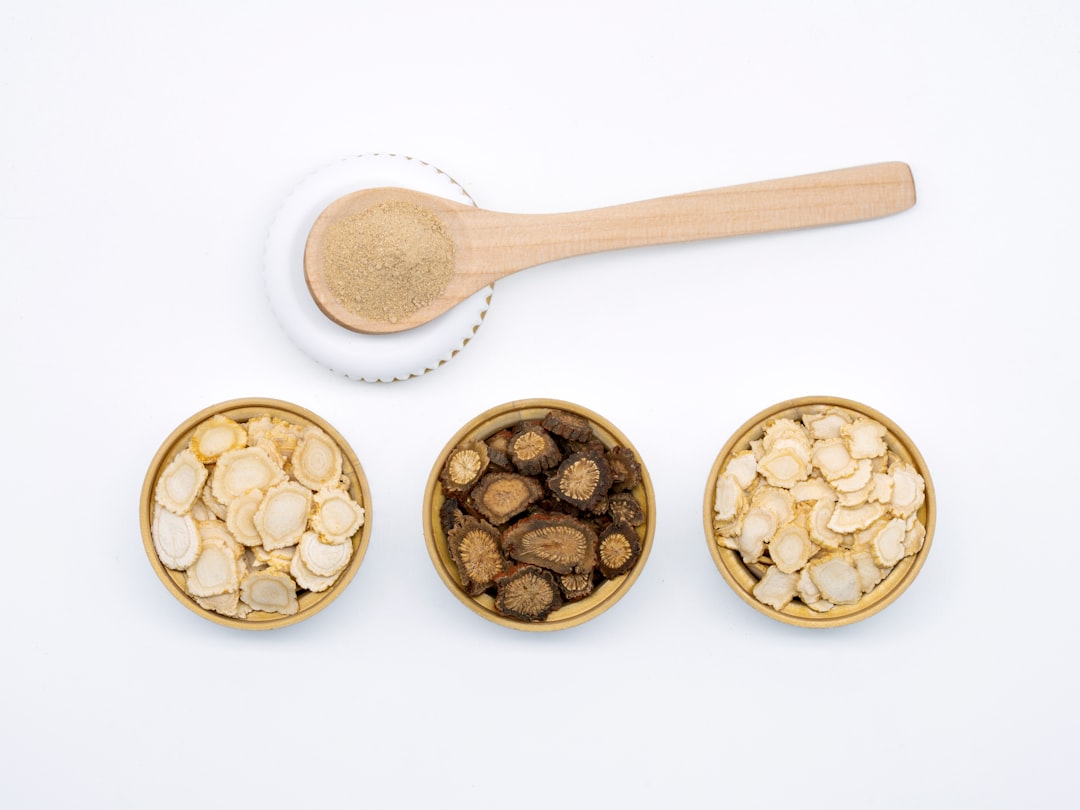
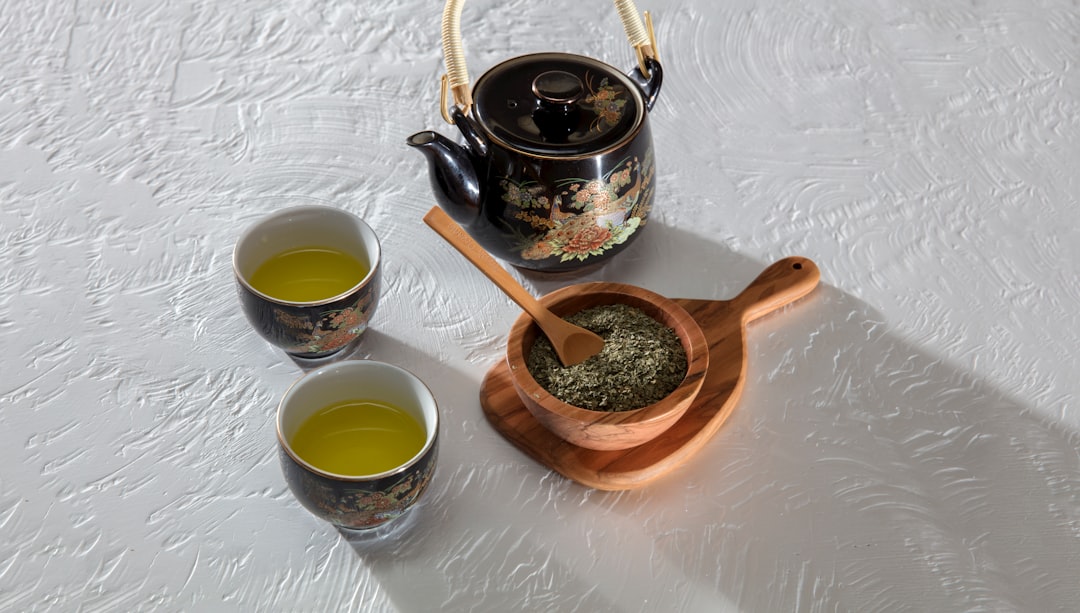
As a tea, reishi calls for decoction rather than infusion. Simmer the dried slices for at least thirty to sixty minutes to draw the polysaccharides out of the woody fruiting body. The result is bitter and earthy. Therefore, it pairs well with sweeter, supportive herbs like licorice root, jujube, or ginger. Traditionally, the tea daily intake range is 6 g to 20 g of dried mushroom.
Building Reishi Into a Routine
Here is how it works in a daily routine:
- Take reishi consistently rather than occasionally. Its effects build over time.
- Pair it with the kind of stress you are managing. For chronic, low-grade stress, take it in the morning. For sleep, take it in the evening.
- Combine with other adaptogens or mushrooms where appropriate. Mushroom blends broaden the immune support across several species.
- Give it eight to twelve weeks before judging the effect. This is not an acute herb.
At Herbal Clinic, we produce our reishi in small batches in Toronto using dried fruiting body of Ganoderma lucidum. Specifically, we extract the tinctures at a 1:5 ratio with controlled alcohol percentage. Our herbalist team then assesses each batch, and a third-party lab tests it before final bottling. In addition, we offer reishi as part of our Mushroom Bundle alongside lion’s mane, chaga, cordyceps, and turkey tail for people who want broader medicinal mushroom coverage.
To summarise: reishi is a long-game herb, taken consistently, that supports the way your body handles stress and the way your immune system handles ongoing demand. Consequently, it stands as one of the most studied and most trusted adaptogens in herbal medicine.
FAQ
- Superior Sourcing: Our herbs are sourced from all over the world to avoid seasonal fluctuations in availability, keeping herbs accessible. Our suppliers meet strict standards that ensure top quality herbs, most of which are organic, wildcrafted, sustainably grown, or grown using permaculture. We support local farmers and grow many of our own herbs.
- Superior Processing: Our tinctures are made using the classic tincturing method. The tinctures are made in a 1:5 ratio which allows for the optimal extraction of the herb. The alcohol percentage is strictly controlled depending on the herb and part of the plant that is used.
- Superior Selection: We take pride in our growing selection of over 300 individual herbs. If we don’t carry the herb you’re seeking, we can likely track it down for you.
- Superior Quality Control: Our tinctures are thoroughly tested by a third-party lab and with an organoleptic evaluation by our team of herbalists prior to final bottling.
- Superior Price: Our tinctures are more cost-effective than other tinctures on the market. With an eye towards efficiency, we keep our costs low by maintaining good relationships with our wide network of suppliers and ordering herbs in bulk quantities.
- We Care About the Environment: We repackage materials that are shipped to us (so don’t be surprised if our packages look different from time to time!). We recycle or reuse materials whenever possible. We turn the cardboard we receive from other suppliers into packing material. We donate to avoid waste to groups like Naturopaths Without Borders. Our workforce almost completely uses public transportation or bikes. We are powered using 100% renewable energy through Bullfrog Power.
- We Donate To Charity: We support many causes that make the world better. We donate a portion of our profits or products. These include charities that support environmental and natural sustainability.
Set up an online account and order through the website. If you don’t have an account and place an order, one will be created for you.
Click here to subscribe to our mailing list.
Our products are made in Toronto, Ontario, Canada by a team of Herbalists and Naturopathic Doctors. The herbs and ingredients we use to make our products are sourced both locally and globally to keep herbs accessible and sustainable.
The majority of our herbs are certified organic, sustainably wildcrafted, or come from small-scale local organic farms that do not yet have organic certification. We always do our best to provide organic herbs in your formulas. We work with a variety of suppliers to keep costs low.
Although most of our products do not contain gluten, we do not have gluten-free certification for our production facility. Feel free to ask about any specific products and we’ll share whatever information we have available.
For liability and regulatory reasons, we don’t make any claims as to how our herbs should be used, including dosing recommendations. Please review our disclaimer, as well as our terms and policies.