Sage for Sore Throat: History and the Plant Itself
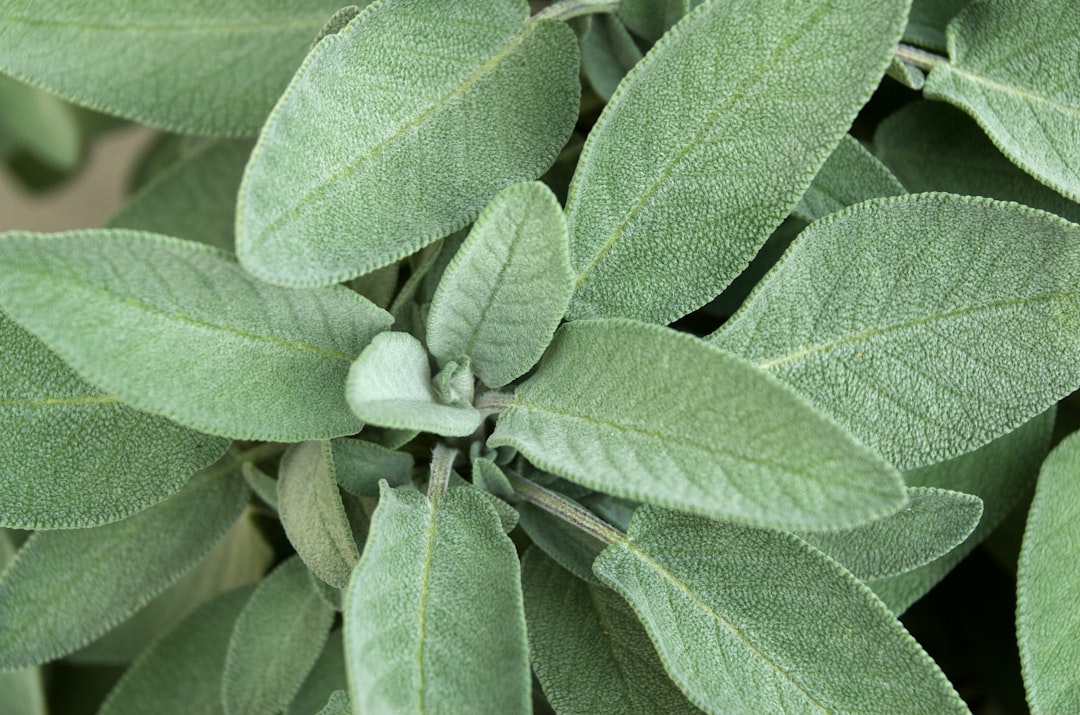
Salvia officinalis, common garden sage
Sage for sore throat is one of the oldest remedies in the Western herbal tradition, and if you have ever reached for a warm sage gargle at the first scratch of a cold, you are drawing on centuries of practice. This common kitchen herb has a reputation that goes well beyond the roast dinner.
Known by its Latin name Salvia officinalis, sage belongs to the mint family (Lamiaceae). The name comes from the Latin salvere, meaning to heal or to save, which tells you how highly earlier herbalists regarded it. Common names include garden sage, common sage, and true sage.
Sage is a small, woody evergreen shrub with soft, grey-green leaves that carry a distinctive velvety texture and a warm, slightly peppery aroma. It grows in dry, sunny spots and is native to the Mediterranean, though it now thrives in gardens across the world. The leaf is the part used in herbal medicine.
Here is why that matters: the same aromatic oils that give sage its scent are the ones traditional herbalists rely on when they turn to sage for sore throat and respiratory support.
Why Sage for Sore Throat Works: Properties and Constituents
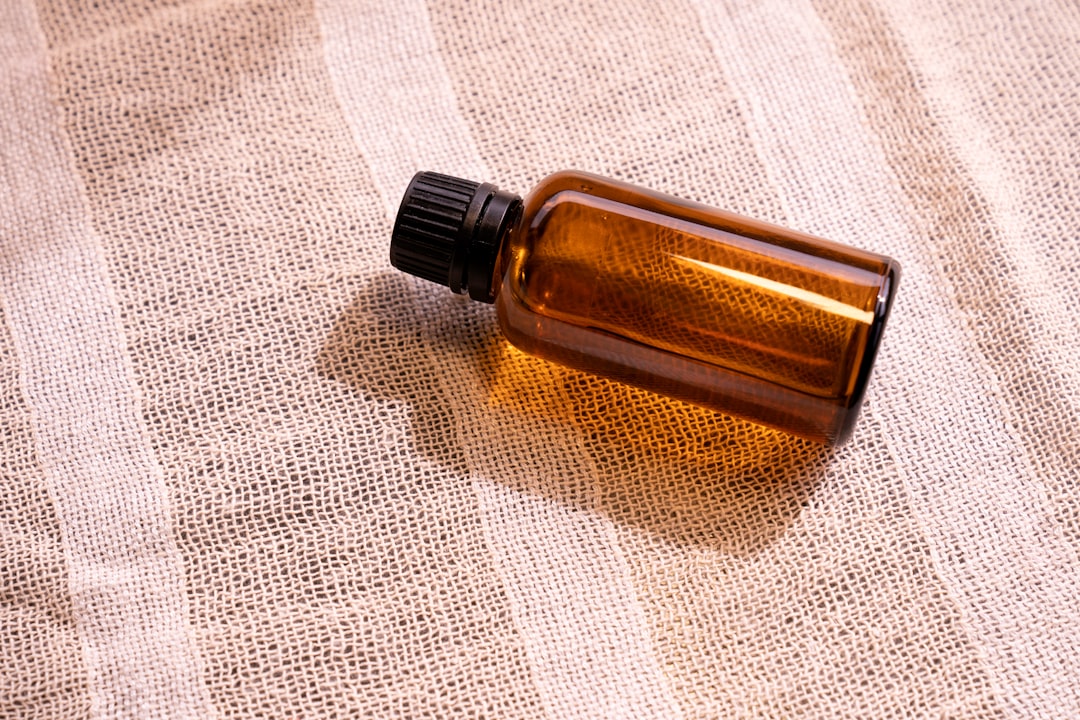
Sage tincture concentrates the leaf’s aromatic oils
The value of sage for sore throat comes down to its chemistry. Sage leaf is rich in aromatic essential oils, and these oils are the herb’s primary active constituents. Herbalists classify sage first and foremost as an antimicrobial, meaning it is traditionally used to discourage the growth of the bacteria and other microbes associated with throat and mouth infections.
However, there is more to it than that. Sage also carries astringent tannins. Astringents gently tighten and tone inflamed mucous membranes, which is exactly why a sage gargle has such a long track record for a raw, irritated throat. The astringent action helps firm up swollen tissue while the aromatic oils get to work.
In addition, sage acts as an expectorant. As a result, it is traditionally associated not only with the throat but with the wider respiratory tract, helping to loosen and move mucus during a lingering cold or upper respiratory infection. Its system affinities are both respiratory and renal, and it has a traditional reputation for urinary support as well.
The key takeaway: sage brings together an antimicrobial, astringent, and expectorant action in a single leaf, which explains why it has stayed in the herbal cabinet for so long. You can explore more cold and flu herbs alongside it.
How to Use Sage for Sore Throat: Tinctures, Teas, and Gargles
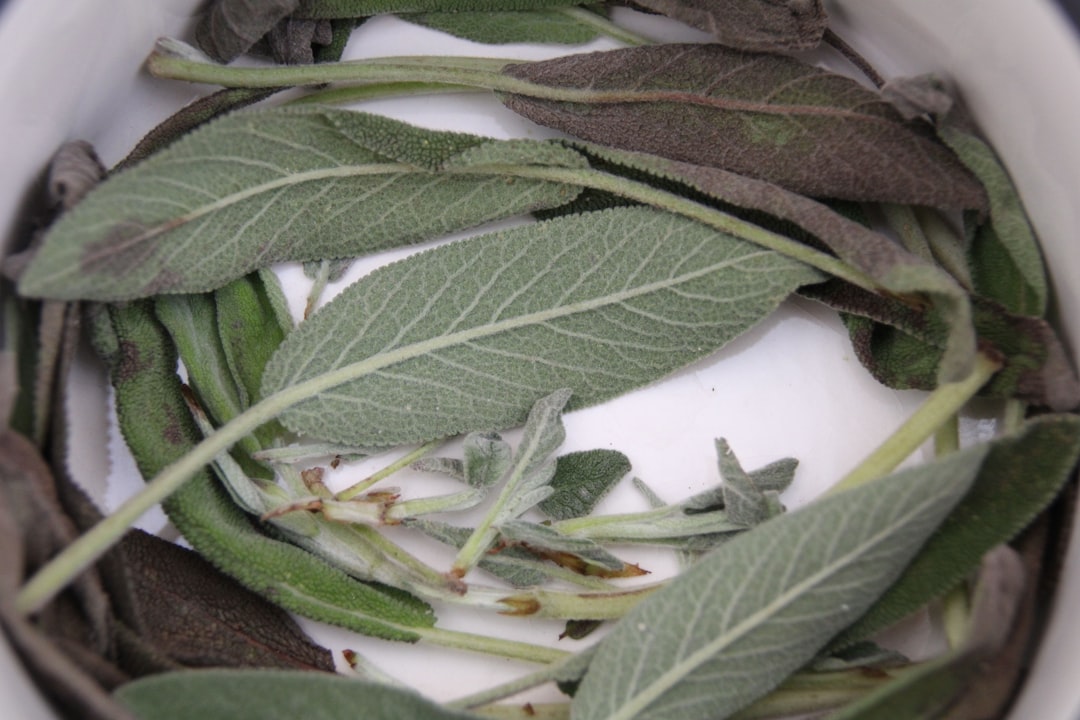
Dried sage leaf, ready for tea or a gargle
One of the reasons sage for sore throat has stayed popular is how simply it can be prepared at home. The most traditional method is the sage gargle: a strong infusion of the leaf, cooled to a comfortable temperature, then swished and gargled to bring the herb into direct contact with the irritated tissue at the back of the throat.
Sage tea is made much the same way. Pour hot water over the dried leaf, cover, and let it steep so the aromatic oils are captured rather than lost to the steam. Furthermore, the covered steep keeps the volatile oils in the cup, which is where the antimicrobial character lives.
Tinctures offer a concentrated and convenient alternative. Herbal Clinic’s sage tincture is made using the classic 1:5 tincturing method, which allows for the optimal extraction of the leaf’s essential oils. The alcohol percentage is carefully controlled for the plant part used, and every batch is evaluated by our team of herbalists and third-party tested before bottling.
For liability and regulatory reasons we do not make dosing recommendations. Sage pairs traditionally with juniper for urinary support and with clove for infections that bring heavy mucus. As always, let quality guide the choice, and reach for the form that fits your routine.
FAQ
- Superior Sourcing: Our herbs are sourced from all over the world to avoid seasonal fluctuations in availability, keeping herbs accessible. Our suppliers meet strict standards that ensure top quality herbs, most of which are organic, wildcrafted, sustainably grown, or grown using permaculture. We support local farmers and grow many of our own herbs.
- Superior Processing: Our tinctures are made using the classic tincturing method. The tinctures are made in a 1:5 ratio which allows for the optimal extraction of the herb. The alcohol percentage is strictly controlled depending on the herb and part of the plant that is used.
- Superior Selection: We take pride in our growing selection of over 300 individual herbs. If we don’t carry the herb you’re seeking, we can likely track it down for you.
- Superior Quality Control: Our tinctures are thoroughly tested by a third-party lab and with an organoleptic evaluation by our team of herbalists prior to final bottling.
- Superior Price: Our tinctures are more cost-effective than other tinctures on the market. With an eye towards efficiency, we keep our costs low by maintaining good relationships with our wide network of suppliers and ordering herbs in bulk quantities.
- We Care About the Environment: We repackage materials that are shipped to us (so don’t be surprised if our packages look different from time to time!). We recycle or reuse materials whenever possible. We turn the cardboard we receive from other suppliers into packing material. We donate to avoid waste to groups like Naturopaths Without Borders. Our workforce almost completely uses public transportation or bikes. We are powered using 100% renewable energy through Bullfrog Power.
- We Donate To Charity: We support many causes that make the world better. We donate a portion of our profits or products. These include charities that support environmental and natural sustainability.
Set up an online account and order through the website. If you don’t have an account and place an order, one will be created for you.
Click here to subscribe to our mailing list.
Our products are made in Toronto, Ontario, Canada by a team of Herbalists and Naturopathic Doctors. The herbs and ingredients we use to make our products are sourced both locally and globally to keep herbs accessible and sustainable.
The majority of our herbs are certified organic, sustainably wildcrafted, or come from small-scale local organic farms that do not yet have organic certification. We always do our best to provide organic herbs in your formulas. We work with a variety of suppliers to keep costs low.
Although most of our products do not contain gluten, we do not have gluten-free certification for our production facility. Feel free to ask about any specific products and we’ll share whatever information we have available.
For liability and regulatory reasons, we don’t make any claims as to how our herbs should be used, including dosing recommendations. Please review our disclaimer, as well as our terms and policies.