Boneset for Fever and Flu: An Old North American Remedy
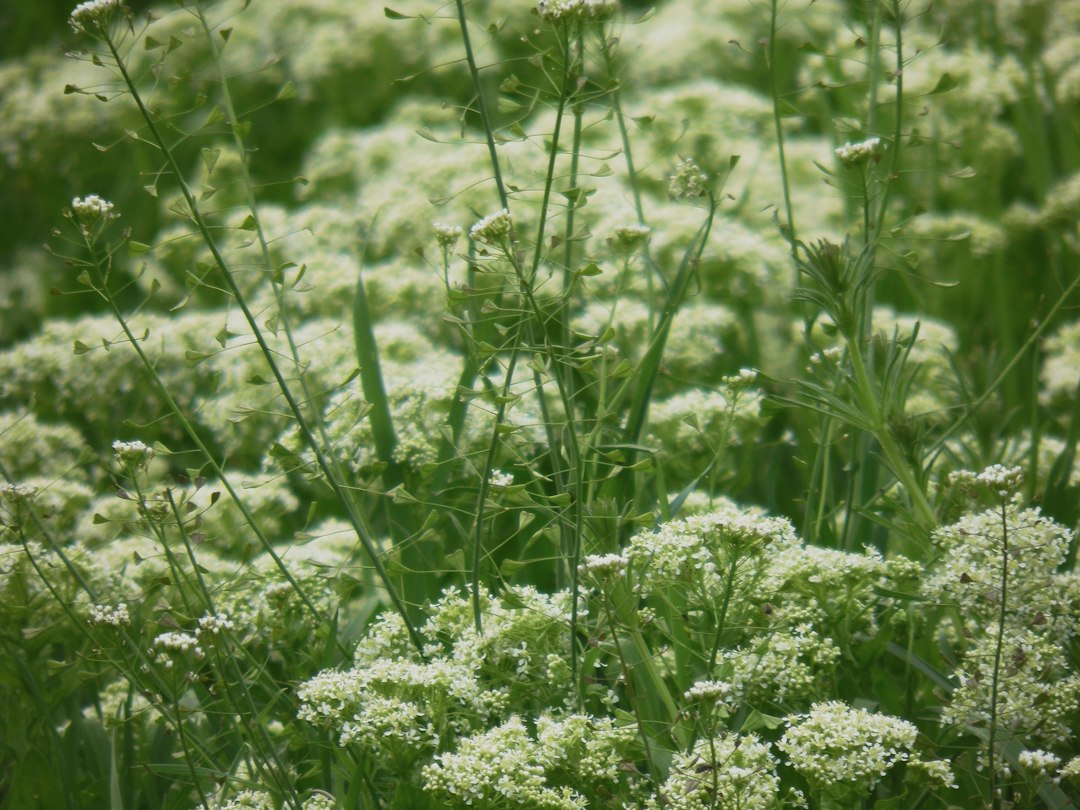
Eupatorium perfoliatum, the plant behind boneset for fever and flu, in late summer flower.
Boneset for fever and flu was once the most-used herb in North American home medicine. The name has nothing to do with mending broken bones. Instead, it comes from “breakbone fever,” an old term for the deep aching chills that make your bones feel sore. Anyone who has had that kind of flu knows the feeling.
Boneset (Eupatorium perfoliatum) is a tall perennial in the daisy family. It grows in wet meadows, ditches and stream banks across eastern North America. In late summer it sends up flat clusters of small, fuzzy white flowers. Its leaves are the real giveaway, though.
The leaves fuse together around the stem. As a result, the stalk looks as though someone pushed it straight through one long leaf. That is exactly what perfoliatum means: through the leaf. Because of this, boneset is one of the easier wild plants to identify with confidence.
Boneset for fever and flu in early North American practice
Indigenous nations across the northeast used boneset long before settlers arrived. The Iroquois, Mohegan and Cherokee all recorded fever preparations made from the leaves and flowering tops. Settlers then adopted the plant quickly. By the 1800s, in fact, most farmhouses kept a bundle of dried boneset hanging in the attic for winter.
That reputation faded once aspirin arrived. However, herbalists never really put boneset down. It remains a standard in Western practice for the aching, shivery stage of an illness. So while it is far less famous than echinacea, it has never stopped being useful.
Here is why that matters: the plant fills a gap the popular immune herbs do not. That is why boneset for fever and flu still has a place in modern Western herbal practice.
One caution on identification. Boneset grows alongside joe-pye weed and white snakeroot, and the three look similar before the flowers open. Checking for those fused leaves settles the question quickly.
What Boneset for Fever and Flu Is Traditionally Used For
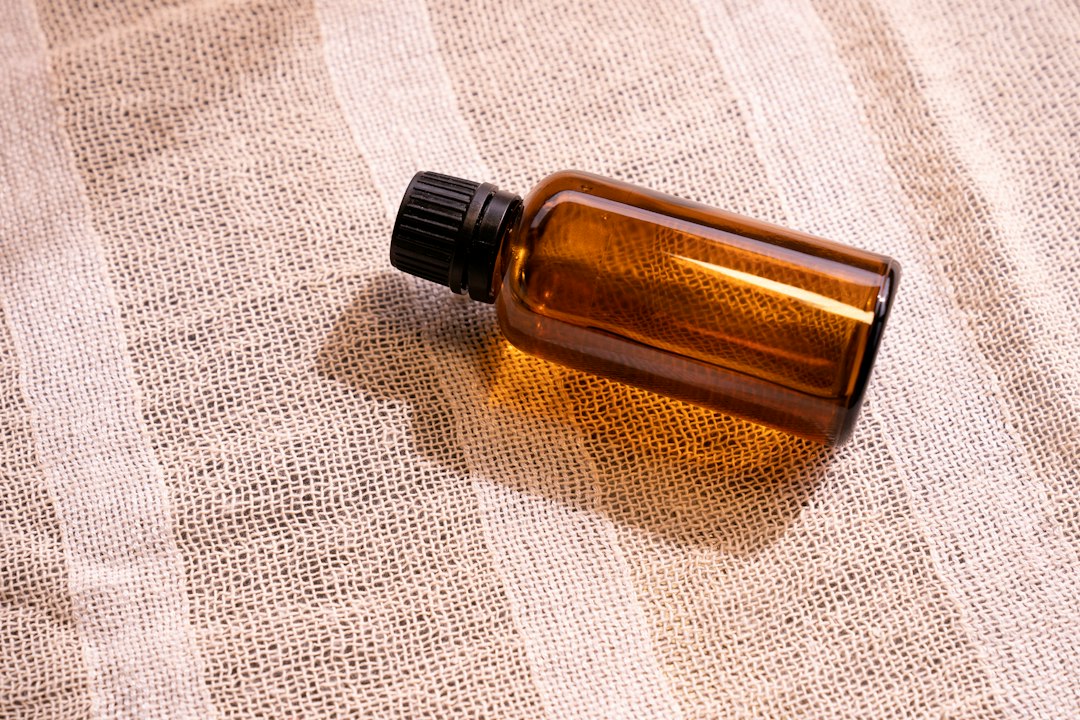
A hot tea or a tincture are the two usual forms.
Boneset is bitter. Very bitter, in fact. That bitterness is the first clue to how herbalists use it. Bitter herbs tend to act on digestion, circulation and the body’s heat-regulating reflexes. Boneset for fever and flu works in exactly that territory.
A diaphoretic that helps a fever finish
Traditionally, herbalists class boneset as a diaphoretic. That simply means it encourages sweating. Here is how it works. A hot infusion relaxes the small blood vessels near the skin. Blood then moves outward, and heat releases more freely. As a result, a hot dry fever that has stalled tends to break.
Temperature matters here. Taken hot, boneset pushes outward and promotes sweating. Taken cool, however, the same tea acts more as a bitter tonic on the stomach. Herbalists have relied on that distinction for two centuries.
The body aches
The aching is the other half of boneset’s reputation. Traditional texts describe it as the herb for flu that settles in the muscles and bones. Head colds and chest colds called for different plants. Because of that, herbalists often paired boneset with yarrow or elderflower in the shivery first days.
What research says about boneset for fever and flu
Modern research on boneset is thin, and it is fair to say so plainly. Laboratory work has identified sesquiterpene lactones, flavonoids and polysaccharides in the plant. Some of these compounds show immune-modulating activity in cell studies. However, good human trials are still missing. You can browse what exists on PubMed and judge for yourself.
So the honest position is this. Boneset for fever and flu rests mainly on a long record of traditional use, not on clinical trials. For many herbs that record is the best evidence available. Still, it is worth knowing the difference.
A note on safety
Never use boneset fresh. The fresh plant contains a compound that can cause nausea and vomiting. Drying removes it, so dried herb and properly made tinctures are the standard forms. Also, because this genus contains pyrrolizidine alkaloids, boneset suits short-term use rather than long-term daily use.
How to Use Boneset for Fever and Flu at Home
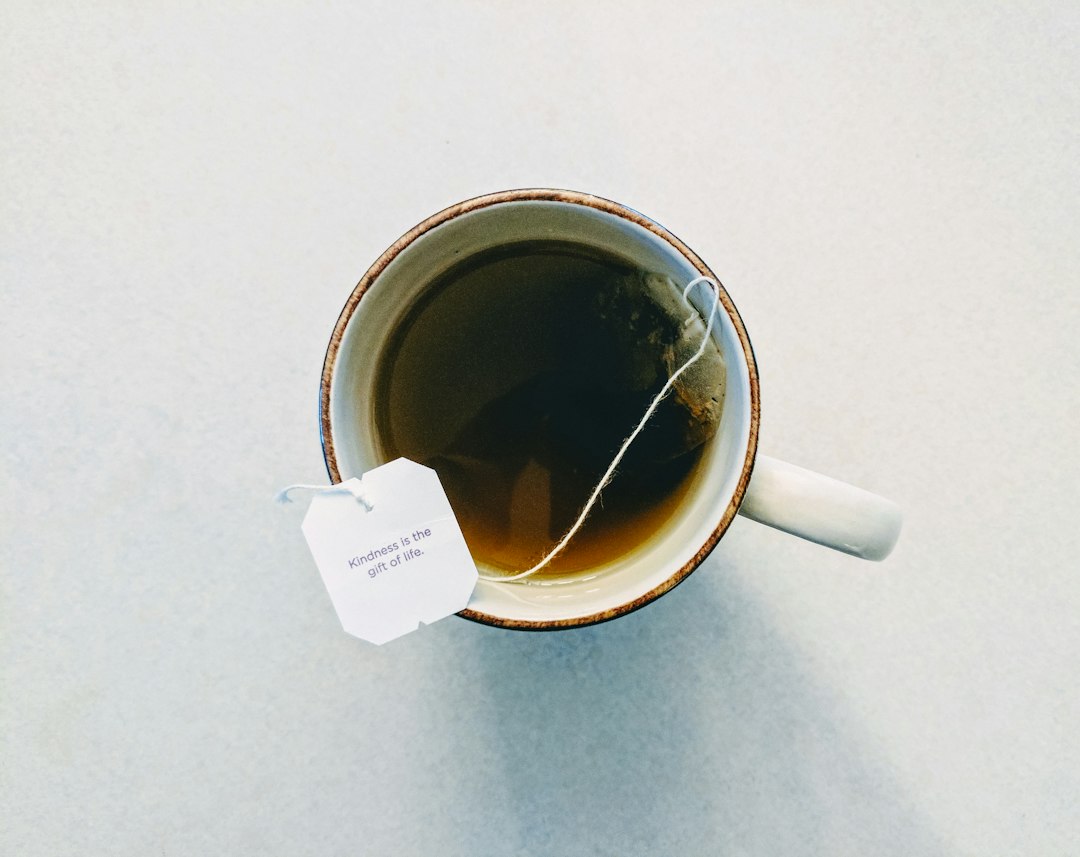
A hot, covered infusion is the traditional preparation.
Most people meet boneset for fever and flu in one of two forms: dried herb for tea, or tincture. Each suits a slightly different moment. So it helps to know both.
The hot infusion
The hot infusion is the traditional preparation, and it is still the most common one. Pour boiling water over the dried leaves and flowering tops. Then cover the cup and let it steep for ten to fifteen minutes. Covering matters, because the aromatic compounds otherwise escape with the steam.
Be ready for the taste. Boneset is genuinely bitter, and no amount of honey fully hides it. Many people blend it with elderflower, peppermint or yarrow for that reason. Those combinations also happen to be the traditional cold season pairings.
The tincture
A tincture is simpler, and it travels well. Herbalists often reach for it when someone cannot face another cup of bitter tea. It also gives a measured amount, which tea does not. Our boneset tincture uses a 1:5 ratio, with the alcohol percentage matched to the plant material. As a result, the extraction stays consistent from batch to batch.
When to use boneset for fever and flu
Boneset is a short-term herb, not a daily tonic. Traditionally, people took it at the first sign of aching and chills, then stopped once the illness passed. That is still how herbalists approach it. For steady immune support through the winter, herbs such as astragalus fit the role far better.
How we source and prepare it
We work with suppliers who harvest boneset at flowering, when the aerial parts are strongest. They then dry the material carefully, which matters more for this herb than for most. After drying, our herbalists run an organoleptic check on colour, aroma and taste. Only then does it go to bottling.
Boneset will probably never be as famous as echinacea again. Even so, it fills a niche those herbs do not. When the aching arrives and a fever will not break, this is the plant the old books point to.
FAQ
- Superior Sourcing: Our herbs are sourced from all over the world to avoid seasonal fluctuations in availability, keeping herbs accessible. Our suppliers meet strict standards that ensure top quality herbs, most of which are organic, wildcrafted, sustainably grown, or grown using permaculture. We support local farmers and grow many of our own herbs.
- Superior Processing: Our tinctures are made using the classic tincturing method. The tinctures are made in a 1:5 ratio which allows for the optimal extraction of the herb. The alcohol percentage is strictly controlled depending on the herb and part of the plant that is used.
- Superior Selection: We take pride in our growing selection of over 300 individual herbs. If we don’t carry the herb you’re seeking, we can likely track it down for you.
- Superior Quality Control: Our tinctures are thoroughly tested by a third-party lab and with an organoleptic evaluation by our team of herbalists prior to final bottling.
- Superior Price: Our tinctures are more cost-effective than other tinctures on the market. With an eye towards efficiency, we keep our costs low by maintaining good relationships with our wide network of suppliers and ordering herbs in bulk quantities.
- We Care About the Environment: We repackage materials that are shipped to us (so don’t be surprised if our packages look different from time to time!). We recycle or reuse materials whenever possible. We turn the cardboard we receive from other suppliers into packing material. We donate to avoid waste to groups like Naturopaths Without Borders. Our workforce almost completely uses public transportation or bikes. We are powered using 100% renewable energy through Bullfrog Power.
- We Donate To Charity: We support many causes that make the world better. We donate a portion of our profits or products. These include charities that support environmental and natural sustainability.
Set up an online account and order through the website. If you don’t have an account and place an order, one will be created for you.
Click here to subscribe to our mailing list.
Our products are made in Toronto, Ontario, Canada by a team of Herbalists and Naturopathic Doctors. The herbs and ingredients we use to make our products are sourced both locally and globally to keep herbs accessible and sustainable.
The majority of our herbs are certified organic, sustainably wildcrafted, or come from small-scale local organic farms that do not yet have organic certification. We always do our best to provide organic herbs in your formulas. We work with a variety of suppliers to keep costs low.
Although most of our products do not contain gluten, we do not have gluten-free certification for our production facility. Feel free to ask about any specific products and we’ll share whatever information we have available.
For liability and regulatory reasons, we don’t make any claims as to how our herbs should be used, including dosing recommendations. Please review our disclaimer, as well as our terms and policies.