Damiana for Mood and Libido: Where the Plant Comes From
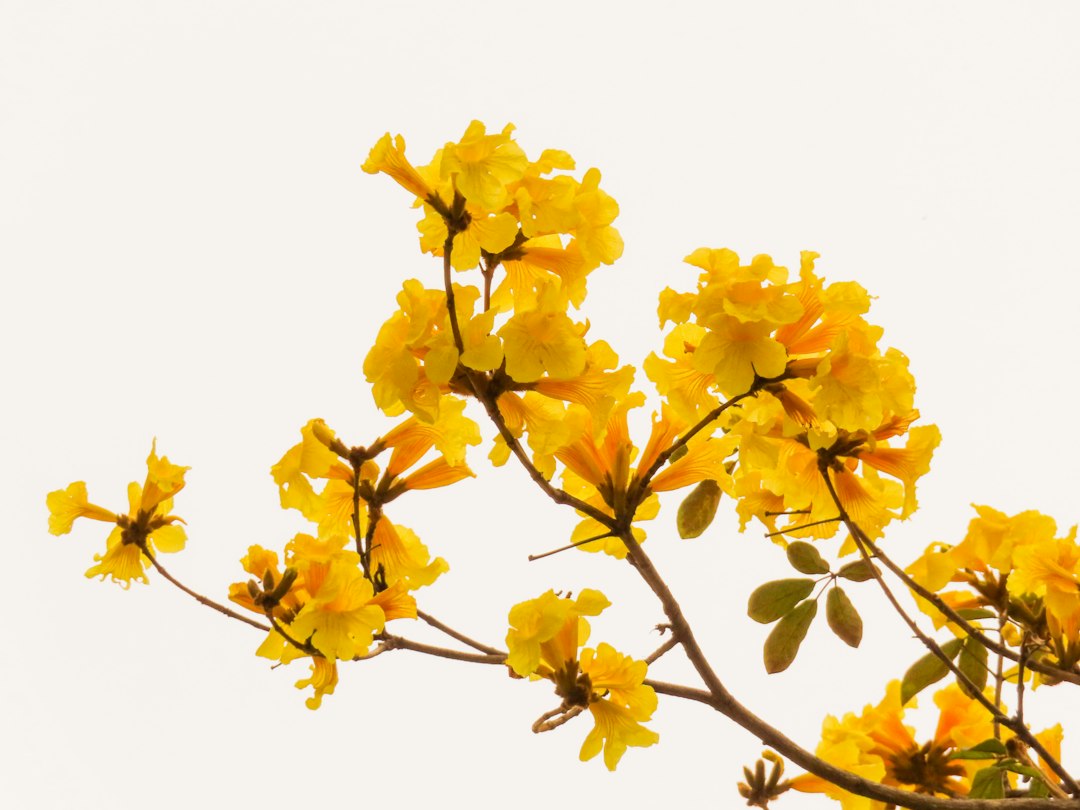
Yellow flowers of Turnera diffusa, the shrub behind damiana for mood and libido.
Damiana for mood and libido has a long track record in Mexico and the American Southwest, where people brewed the leaves as an everyday tea long before the plant reached European herbals. Spanish missionaries recorded that use in the 1500s. Traditional healers reached for the herb when someone felt flat, tense, or worn thin.
What damiana actually is
Botanically, damiana is Turnera diffusa, a small aromatic shrub in the Passifloraceae family. It grows to about two metres tall. The leaves are small, toothed and slightly sticky, and they carry a warm, fig-like scent when you crush them. Small yellow flowers appear along the stems in late summer.
The plant favours dry, rocky ground. You find it across northern Mexico, Baja California, Texas, and parts of the Caribbean and South America. Because it thrives in poor soil and full sun, damiana remains a hardy wild harvest rather than a fussy garden crop. Harvesters take the leaf and the flowering tops, then dry them for tea and tincture.
Common names and family ties
You will also see the herb listed as Mexican damiana, old woman’s broom, or hierba de la pastora. Herbalists group it loosely with the aromatic nervines. Its Passifloraceae connection matters, because that family also gives us passionflower, another herb for a restless nervous system. However, damiana runs warmer and more enlivening than passionflower, so the two are not interchangeable.
Here’s why that matters: people often assume every calming herb sedates. Damiana does not. Traditional use points instead to a lift, a warmth, and a gentle loosening of tension. That combination is exactly why damiana for mood and libido became the herb’s best-known pairing.
Why damiana became known for mood and libido
By the late 1800s, North American pharmacies stocked damiana fluid extract. It appeared in tonics aimed at nervous exhaustion and low drive. Interest faded through the middle of the twentieth century, then returned as herbalists revisited the older materia medica. Today most people meet the leaf as a tincture, as a loose leaf tea, or as one herb inside a blend.
For example, it often sits in formulas next to rose, hawthorn or oatstraw. So the herb you buy today carries the same reputation it had a century ago, just in a tidier bottle.
What Tradition and Research Say About Damiana for Mood and Libido
Damiana is most often taken as a tincture.
Herbalists describe damiana as a warming nervine with an aromatic, bitter edge. That one sentence explains most of its reputation. Damiana for mood and libido sits at the crossroads of two traditional actions: it lifts a flat mood, and it eases the tension that gets in the way of desire.
The constituents behind the reputation
The leaf carries a volatile oil rich in compounds such as 1,8-cineole, thymol and alpha-pinene. Those aromatics give damiana its fig-like smell and its slightly warming feel on the palate. In addition, the leaf holds flavonoids including apigenin, plus tannins, arbutin, and a bitter resin called damianin.
Here’s how that combination is usually read. The aromatics account for the warmth and the circulatory lift. The flavonoids bring the calming edge, while the bitters act on appetite and digestion. Apigenin in particular interacts with GABA, the main calming signal in the nervous system. So a herb that feels both relaxing and enlivening is less of a contradiction than it first sounds.
What research says about damiana, mood and libido
Most published work on Turnera diffusa is preclinical. Animal studies have examined sexual behaviour and enzyme activity, and the results point in a supportive direction. However, solid human trials remain thin, and nobody should read rodent data as a promise. For that reason herbalists still lean on traditional use, which is both long and consistent.
That said, the traditional picture is specific rather than vague. Damiana was never a general tonic for everyone. It suited the person who felt tired, cold, discouraged and disconnected, and that pattern still guides how the herb gets used.
Where it overlaps with other nervines
Because low mood and low drive often travel together, damiana rarely works alone in a formula. Herbalists commonly pair it with St. John’s Wort when mood leads, or with rose and hawthorn when grief and heart tension lead. For plain nervous exhaustion, oatstraw sits alongside it well.
The key takeaway: damiana for mood and libido is best understood as a herb of warmth and reconnection, not as a stimulant. It nudges rather than pushes.
How to Use Damiana for Mood and Libido
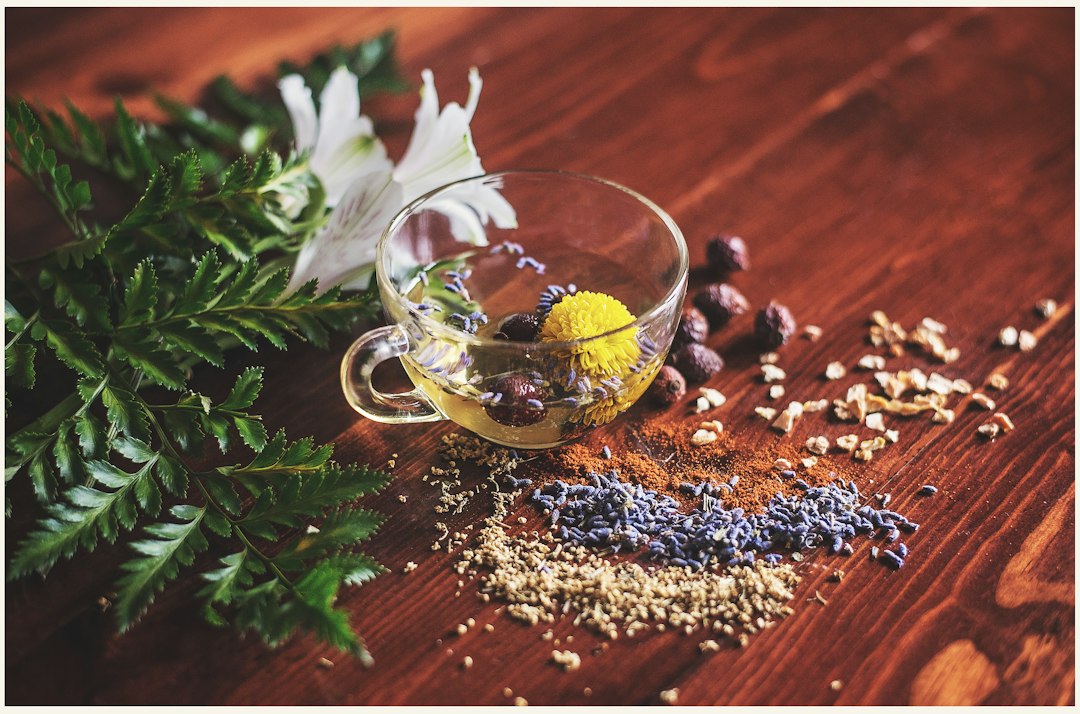
The dried leaf also makes a bittersweet infusion.
Most people take damiana for mood and libido as a tincture, because the volatile oils and the bitters both carry well into alcohol. A tea works too, and it brings its own advantage: you taste the bitterness, which is part of how the herb acts on appetite and digestion.
Tincture, tea and blends
As a tincture, the leaf blends easily with other nervines, so it turns up in formulas more often than on its own. Our Damiana tincture is a single herb extract, which lets you build your own combination. For a ready-made option, Lover’s Cordial pairs damiana with complementary herbs in one bottle.
As a tea, the dried leaf steeps into a bittersweet infusion. Many people add a little honey, or blend the leaf with mint. Traditionally it also went into cordials and liqueurs, where that aromatic warmth suits the format.
Fitting damiana for mood and libido into a routine
First, decide what you actually want from the herb. If a flat mood is the main issue, a consistent daily routine makes more sense than the occasional cup. If tension is the barrier instead, timing matters more, and people tend to reach for it in the hour before they want to unwind.
Also worth knowing: damiana tastes genuinely pleasant, which helps with consistency. Herbs work best when you remember to take them. For a wider look at supporting the nervous system, our guide to holy basil for stress relief covers similar ground from another angle.
How we source and prepare it
We buy damiana leaf from suppliers who meet our standards for identity and cleanliness, and we favour organic or sustainably wildcrafted material wherever the harvest allows. Our tinctures use the classic method at a 1:5 ratio, with the alcohol percentage set to suit the plant part. A third-party lab tests every batch, and our herbalists run an organoleptic check before final bottling.
One practical note on storage: damiana is aromatic, so keep the dried leaf in a sealed jar away from light and heat. The smell tells you a lot. If the fig-like scent has faded, the volatile oils have faded with it.
For regulatory reasons we do not offer dosing advice. Speak with a herbalist or a naturopathic doctor about how damiana for mood and libido might fit your own situation, particularly if you are pregnant, nursing, or taking medication.
FAQ
- Superior Sourcing: Our herbs are sourced from all over the world to avoid seasonal fluctuations in availability, keeping herbs accessible. Our suppliers meet strict standards that ensure top quality herbs, most of which are organic, wildcrafted, sustainably grown, or grown using permaculture. We support local farmers and grow many of our own herbs.
- Superior Processing: Our tinctures are made using the classic tincturing method. The tinctures are made in a 1:5 ratio which allows for the optimal extraction of the herb. The alcohol percentage is strictly controlled depending on the herb and part of the plant that is used.
- Superior Selection: We take pride in our growing selection of over 300 individual herbs. If we don’t carry the herb you’re seeking, we can likely track it down for you.
- Superior Quality Control: Our tinctures are thoroughly tested by a third-party lab and with an organoleptic evaluation by our team of herbalists prior to final bottling.
- Superior Price: Our tinctures are more cost-effective than other tinctures on the market. With an eye towards efficiency, we keep our costs low by maintaining good relationships with our wide network of suppliers and ordering herbs in bulk quantities.
- We Care About the Environment: We repackage materials that are shipped to us (so don’t be surprised if our packages look different from time to time!). We recycle or reuse materials whenever possible. We turn the cardboard we receive from other suppliers into packing material. We donate to avoid waste to groups like Naturopaths Without Borders. Our workforce almost completely uses public transportation or bikes. We are powered using 100% renewable energy through Bullfrog Power.
- We Donate To Charity: We support many causes that make the world better. We donate a portion of our profits or products. These include charities that support environmental and natural sustainability.
Set up an online account and order through the website. If you don’t have an account and place an order, one will be created for you.
Click here to subscribe to our mailing list.
Our products are made in Toronto, Ontario, Canada by a team of Herbalists and Naturopathic Doctors. The herbs and ingredients we use to make our products are sourced both locally and globally to keep herbs accessible and sustainable.
The majority of our herbs are certified organic, sustainably wildcrafted, or come from small-scale local organic farms that do not yet have organic certification. We always do our best to provide organic herbs in your formulas. We work with a variety of suppliers to keep costs low.
Although most of our products do not contain gluten, we do not have gluten-free certification for our production facility. Feel free to ask about any specific products and we’ll share whatever information we have available.
For liability and regulatory reasons, we don’t make any claims as to how our herbs should be used, including dosing recommendations. Please review our disclaimer, as well as our terms and policies.