Hops for Sleep: Where This Herb Comes From
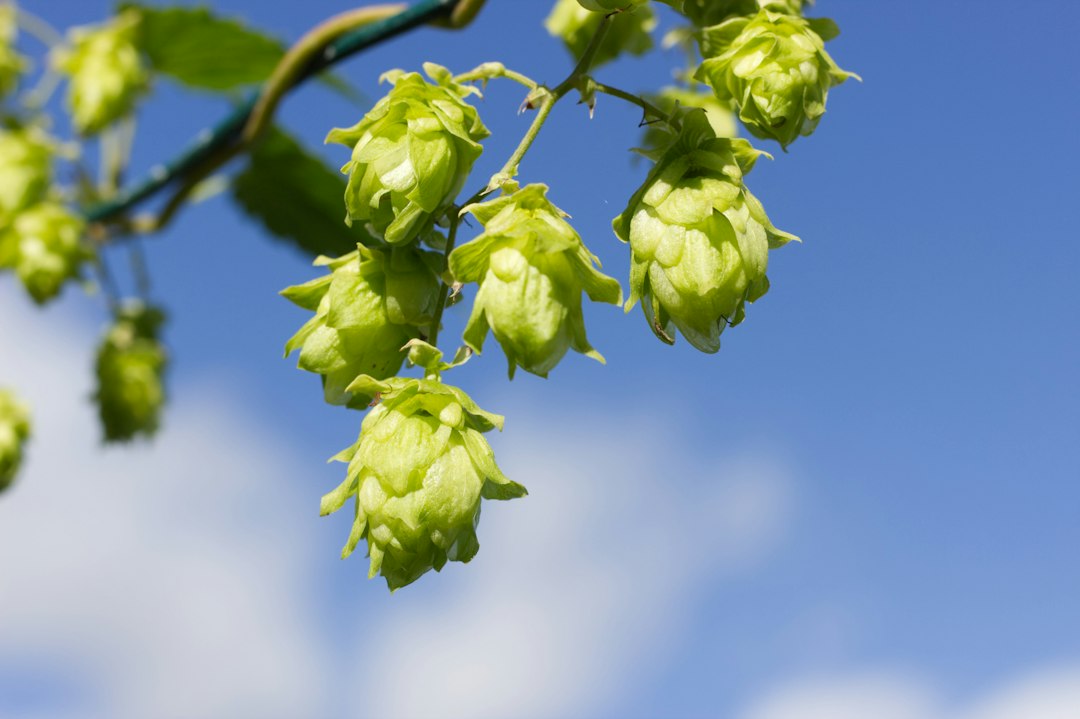
These fresh cones show where hops for sleep begins: Humulus lupulus on the vine.
Hops for sleep is an old idea that most people only meet in a pint glass, yet herbalists have reached for this plant long before brewers made it famous. If your mind keeps running after the lights go out, hops may be worth a closer look.
Hops is the common name for Humulus lupulus, a climbing vine in the Cannabaceae family. It grows wild across Europe, western Asia and North America. The part we use is the female flower, a soft, papery cone that looks a little like a small green pine cone.
Why hops for sleep began in the fields
Here’s a story herbalists love to tell. For centuries, workers who harvested hops by hand reported feeling drowsy in the fields. The sticky yellow powder inside each cone, called lupulin, rubbed off on their hands and filled the air. As a result, hops earned a reputation as a gentle sedative long before anyone studied it.
Europeans also stuffed pillows with dried hops. People slept on them to ease restlessness, and some families still do. In addition, traditional German and English herbals list hops as a remedy for nervous tension and poor sleep.
What hops looks and smells like
The vine can climb six metres or more in a single season. It twists clockwise around poles, fences and trees. By late summer, the cones turn from bright green to pale gold. At that point they are ready to pick.
Crush a dried cone and you will notice the smell right away. It is bitter, resinous and slightly musky. That aroma comes from the same resins and oils that give hops its calming and bitter qualities. So the scent is a good first clue to what the herb does.
But there’s more to it than that. Hops is also a classic bitter herb, which means it has a second role in digestion. We will cover both uses in the sections below.
How Hops for Sleep Works: Benefits and Properties
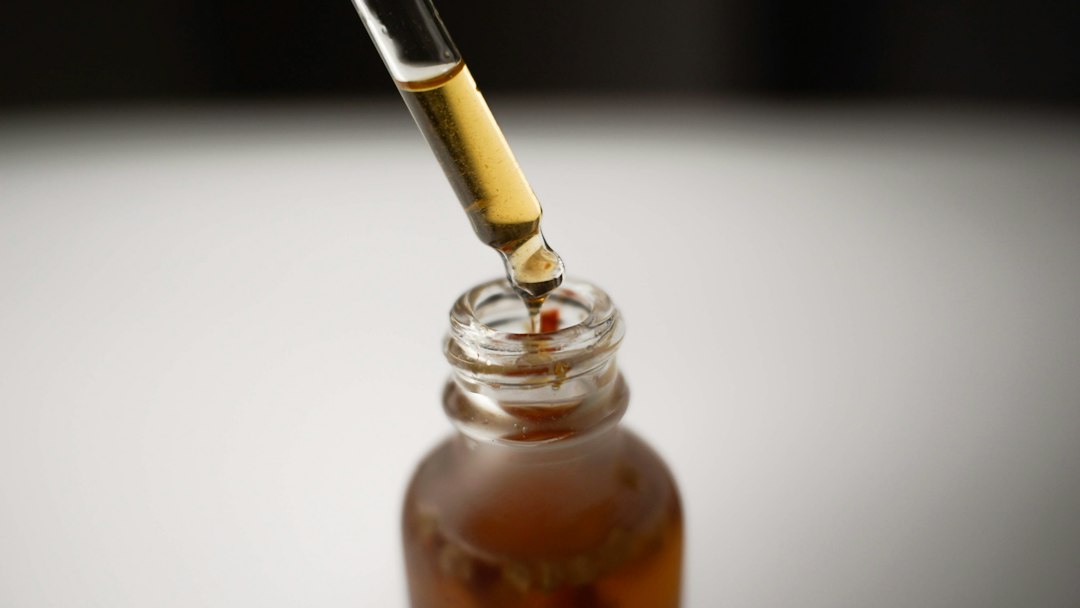
Hops is most often taken as a tincture or tea.
So what makes hops for sleep so popular with herbalists? The answer lies in the resin inside each cone. That resin holds bitter acids, essential oils and plant compounds called flavonoids.
The calming compounds behind hops for sleep
Hops contains bitter acids known as humulone and lupulone. As the dried herb ages, these break down into a compound called 2-methyl-3-buten-2-ol. Researchers think this compound may help explain the drowsy effect. In other words, hops seems to work in a similar way to the body’s own calming signals, which help the nervous system slow down at night.
For this reason, herbalists describe hops as a nervine. A nervine is an herb that supports the nervous system. Hops falls on the more relaxing end of that group. It is traditionally used for restlessness, nervous tension and trouble falling asleep.
Why hops pairs so well with valerian
This is where it gets interesting. Hops is rarely used alone for sleep. Instead, herbalists often combine it with valerian root, lemon balm or passionflower. The European Medicines Agency includes hops in its herbal monograph for hop strobile, which lists it as traditionally used for mild stress and to aid sleep.
Here’s why that matters: each herb brings something slightly different. Valerian is heavier and more sedating. Hops, on the other hand, is lighter and also calms an unsettled stomach. Together, they cover more ground than either herb on its own.
Hops as a bitter for digestion
Hops is also one of the more bitter herbs in the apothecary. Bitter taste triggers saliva, stomach acid and bile. As a result, a few drops before a meal may support appetite and digestion. This makes hops a good choice for people whose stress shows up in their gut.
The key takeaway: hops is both a calming herb and a digestive bitter. That double role is why it often appears in evening formulas for people who feel wired and bloated at the end of the day.
How to Use Hops for Sleep at Home
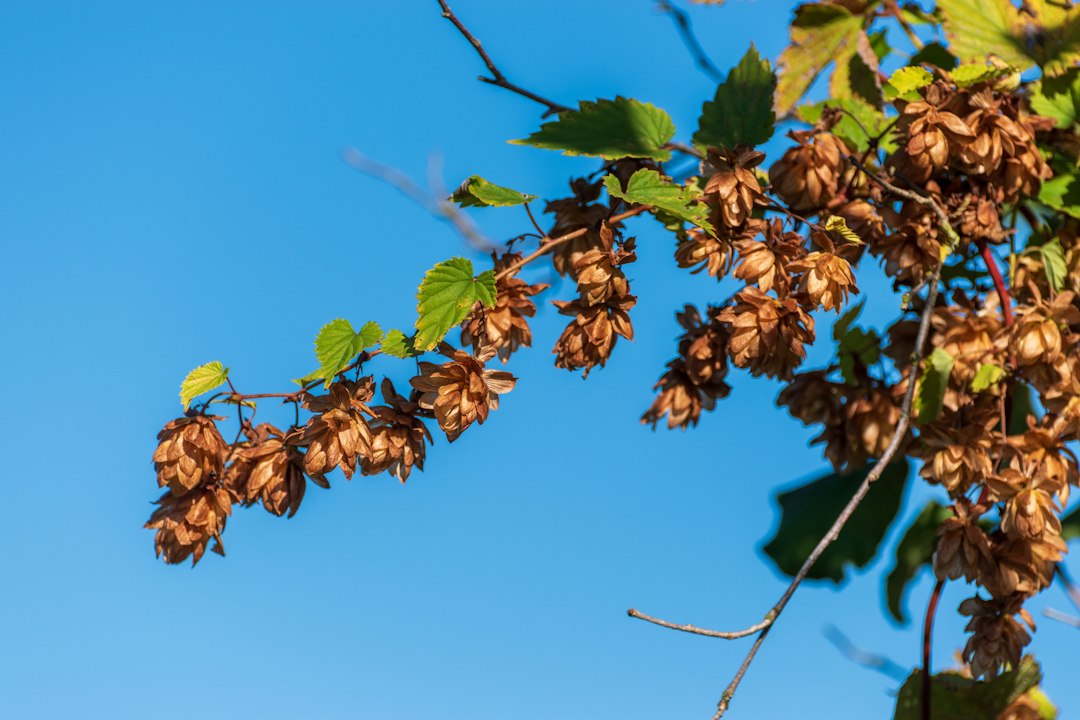
Hop cones turn gold when they are ready to harvest.
There are several easy ways to use hops for sleep. The best one depends on your taste and your routine. Most people choose a tincture, a tea or a herbal pillow.
Hops tincture
A tincture is the simplest option. It is concentrated, it keeps well and you only need a small amount. Many people take it in a little water in the evening. Because hops tastes very bitter, some people also mix it into a formula with milder herbs.
Hops tea for sleep
Hops tea is traditional, but it is strong. For that reason, most people blend a pinch of hops with chamomile, lemon balm or linden flower. Steep the blend for five to ten minutes, then strain. A little honey also helps soften the bitterness.
Hops pillows for sleep
A hops pillow is the old European method. Simply fill a small cotton bag with dried cones and a few lavender buds. Then tuck it inside your pillowcase. The scent is the whole point, so replace the herbs every few weeks as the aroma fades.
Tips for a calmer evening
First, build a routine. Herbs tend to work best alongside steady habits, such as a set bedtime and a dark, cool room. Also, try taking your tincture or tea about an hour before bed rather than right at lights out.
Hops is not for everyone. For example, herbalists traditionally avoid it in people with depression, because it can make low mood feel heavier. It may also add to the effect of sedative medications. So talk to your health care practitioner before you start, especially if you are pregnant or take any prescriptions.
How Herbal Clinic makes hops tincture
We make our hops tincture in small batches in Toronto. First, we source quality dried hop strobiles from trusted suppliers. Then we extract them using the classic tincturing method at a 1:5 ratio. Finally, our team of herbalists checks every batch before it is bottled. As a result, you get a tincture that tastes, smells and works the way hops should.
FAQ
- Superior Sourcing: Our herbs are sourced from all over the world to avoid seasonal fluctuations in availability, keeping herbs accessible. Our suppliers meet strict standards that ensure top quality herbs, most of which are organic, wildcrafted, sustainably grown, or grown using permaculture. We support local farmers and grow many of our own herbs.
- Superior Processing: Our tinctures are made using the classic tincturing method. The tinctures are made in a 1:5 ratio which allows for the optimal extraction of the herb. The alcohol percentage is strictly controlled depending on the herb and part of the plant that is used.
- Superior Selection: We take pride in our growing selection of over 300 individual herbs. If we don’t carry the herb you’re seeking, we can likely track it down for you.
- Superior Quality Control: Our tinctures are thoroughly tested by a third-party lab and with an organoleptic evaluation by our team of herbalists prior to final bottling.
- Superior Price: Our tinctures are more cost-effective than other tinctures on the market. With an eye towards efficiency, we keep our costs low by maintaining good relationships with our wide network of suppliers and ordering herbs in bulk quantities.
- We Care About the Environment: We repackage materials that are shipped to us (so don’t be surprised if our packages look different from time to time!). We recycle or reuse materials whenever possible. We turn the cardboard we receive from other suppliers into packing material. We donate to avoid waste to groups like Naturopaths Without Borders. Our workforce almost completely uses public transportation or bikes. We are powered using 100% renewable energy through Bullfrog Power.
- We Donate To Charity: We support many causes that make the world better. We donate a portion of our profits or products. These include charities that support environmental and natural sustainability.
Set up an online account and order through the website. If you don’t have an account and place an order, one will be created for you.
Click here to subscribe to our mailing list.
Our products are made in Toronto, Ontario, Canada by a team of Herbalists and Naturopathic Doctors. The herbs and ingredients we use to make our products are sourced both locally and globally to keep herbs accessible and sustainable.
The majority of our herbs are certified organic, sustainably wildcrafted, or come from small-scale local organic farms that do not yet have organic certification. We always do our best to provide organic herbs in your formulas. We work with a variety of suppliers to keep costs low.
Although most of our products do not contain gluten, we do not have gluten-free certification for our production facility. Feel free to ask about any specific products and we’ll share whatever information we have available.
For liability and regulatory reasons, we don’t make any claims as to how our herbs should be used, including dosing recommendations. Please review our disclaimer, as well as our terms and policies.