Artichoke Leaf for Digestion: Meet the Globe Artichoke
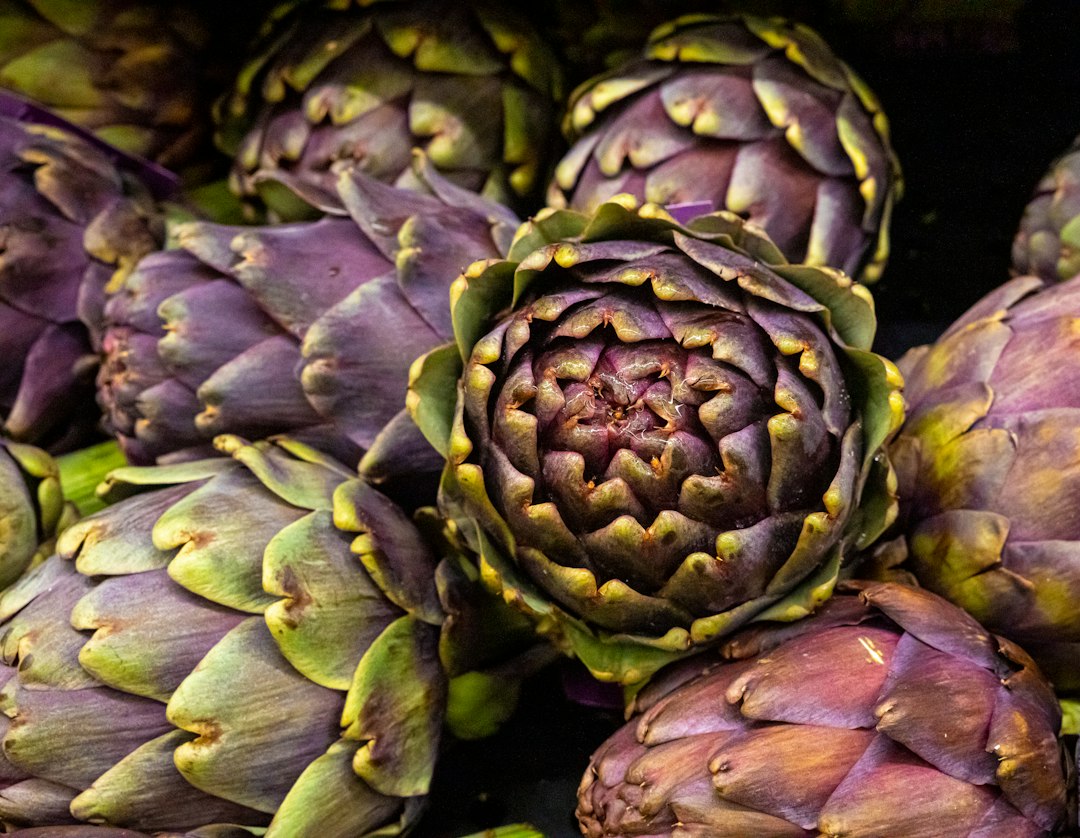
Globe artichoke buds, the plant behind artichoke leaf for digestion
Artichoke leaf for digestion is one of the oldest bitter remedies in European herbalism, and it comes from a plant most people only know from the dinner plate. If rich meals leave you feeling heavy, bloated, or sluggish, this leaf might be the herb you have been overlooking.
Here’s the thing: the part we eat and the part herbalists use are different. The edible heart is an unopened flower bud. In contrast, herbalists prize the large, silvery, deeply lobed leaves. Those leaves carry most of the bitter compounds, so they taste far stronger than anything you would serve with butter.
A Mediterranean Thistle with a Long History
Globe artichoke (Cynara scolymus) belongs to the daisy family, Asteraceae. So it is a close cousin of milk thistle, burdock, and dandelion. It grows as a tall, silvery perennial across the Mediterranean. If nobody harvests the buds, each one opens into a striking purple thistle flower.
People have eaten and used artichoke for over two thousand years. For example, the ancient Greeks and Romans valued it as both a food and a digestive aid. Later, European herbalists turned to the leaves for sluggish digestion and a congested liver. By the twentieth century, artichoke leaf extract had become a common digestive remedy in Germany and France.
Why the Leaf and Not the Heart?
The answer comes down to bitterness. The leaves hold much higher levels of cynarin and related compounds than the bud. As a result, a leaf preparation tastes sharply bitter, and that bitter taste is part of how it works. Traditional herbalists believed that bitterness wakes up digestion before and during a meal.
So what does this mean for you? When people talk about artichoke leaf for digestion, they mean a concentrated leaf preparation, not a plate of steamed artichokes. The vegetable is a healthy food, of course. However, it simply does not deliver the same bitter punch.
If you enjoy this family of herbs, you may also like our guide to dandelion root for liver health, another classic bitter from the daisy family.
How Artichoke Leaf Supports Digestion and Bile Flow
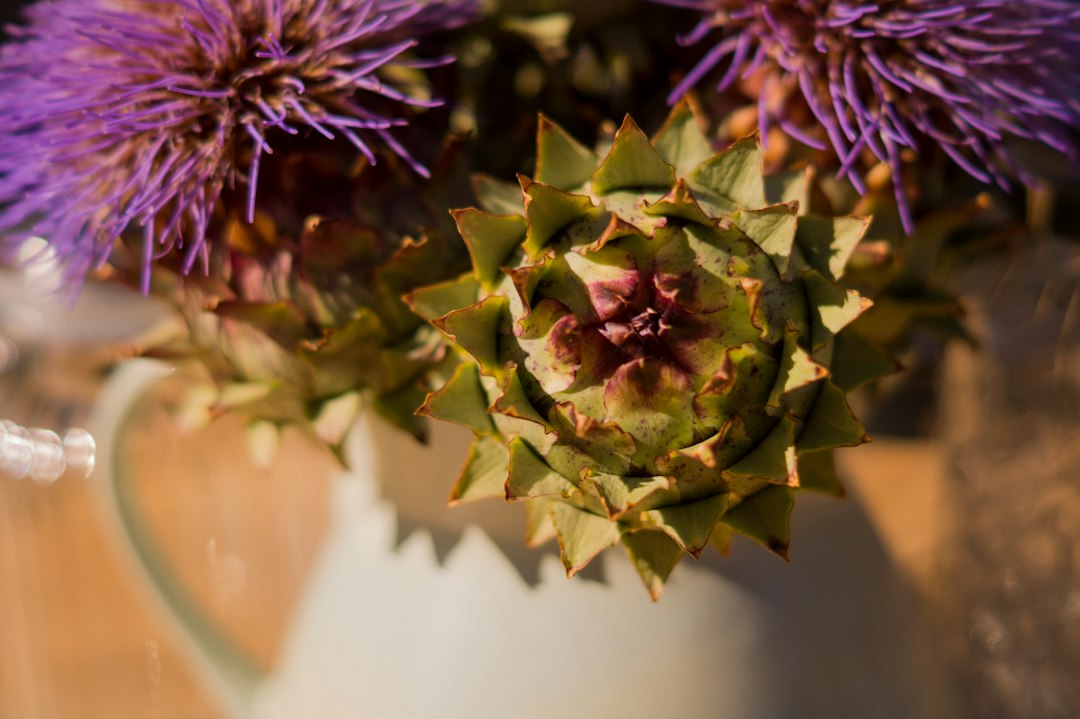
Left on the plant, artichoke buds open into purple thistle flowers
Artichoke leaf for digestion works mainly through one process: bile flow. Bile is a greenish fluid that your liver makes and your gallbladder stores. When you eat a fatty meal, the gallbladder squeezes bile into the small intestine. There, it breaks fats into tiny droplets so your body can absorb them.
Here’s why that matters: when bile flow is sluggish, fats linger longer. Consequently, many people feel full, heavy, or gassy after rich food. Herbalists call herbs that increase bile production choleretics, and artichoke is one of the best-known examples.
The Key Compounds in Artichoke Leaf
Artichoke leaves contain several active groups of compounds:
- Cynarin and chlorogenic acid: plant acids linked to increased bile production
- Cynaropicrin: the compound that gives the leaf its bitter taste
- Luteolin: a flavonoid with antioxidant activity
- Inulin: a prebiotic fibre, found mostly in the root and bud
Together, these compounds explain most of the plant’s traditional reputation. For instance, the European Medicines Agency herbal monograph on artichoke leaf recognises its traditional use for digestive complaints such as fullness, bloating, and gas.
What the Research Suggests
This is where it gets interesting. Several clinical trials have tested artichoke leaf extract in people with functional dyspepsia, the medical term for recurring indigestion without a clear cause. In these studies, many participants reported less fullness, bloating, and nausea than those taking a placebo. Other researchers have also looked at artichoke leaf and healthy cholesterol levels, with encouraging early results.
Still, most of these studies are small. So it is best to think of artichoke as a traditional digestive herb with some supportive evidence, rather than a cure for any condition.
Who Reaches for Artichoke Leaf for Digestion?
Herbalists have long associated this herb with a few common patterns:
- Heaviness or discomfort after fatty meals
- Bloating and gas that follow rich food
- A sluggish appetite
- General liver and gallbladder support
It also pairs well with other liver herbs. For example, many people combine it with milk thistle, which you can read about in our milk thistle for liver support guide.
How to Use Artichoke Leaf for Digestion
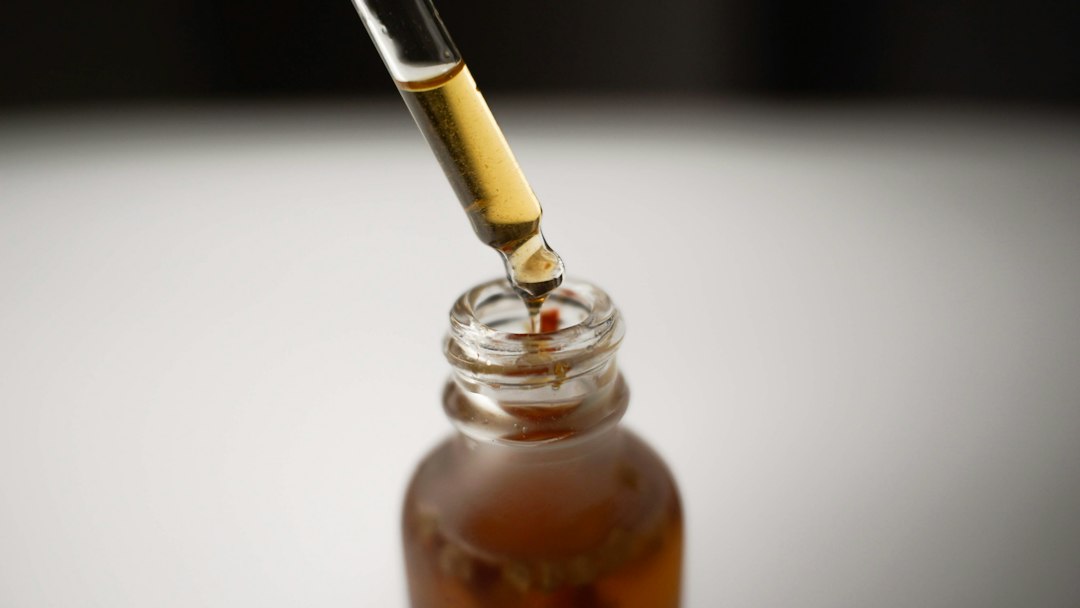
A tincture is the easiest way to take bitter herbs before meals
Using artichoke leaf for digestion is simple, but timing makes a difference. Because bitters work by stimulating your digestive reflexes, most people take them shortly before or with a meal. That way, the bitter taste can prime digestion just as food arrives.
Tincture
A tincture is the most popular way to take artichoke leaf. It is concentrated, easy to carry, and quick to use. Many people add their drops to a small splash of water and sip it slowly. In fact, tasting the bitterness is part of the point, so there is no need to hide it in juice.
Tea
Dried artichoke leaf also makes a strong, earthy tea. Steep the leaves in hot water for about ten minutes, then strain. A word of warning, though: the tea is very bitter. Some people blend it with peppermint or fennel to soften the flavour and add extra digestive support.
Tips for Daily Use
- Take it 10 to 15 minutes before your largest meal of the day.
- Keep a bottle at work or in your bag for restaurant meals.
- Pair it with slower eating and smaller portions.
- Give it a few weeks, since traditional bitters work best with steady use.
Who Should Be Careful
Artichoke belongs to the daisy family. Therefore, anyone allergic to ragweed, chamomile, or marigold should use it with caution. Also, because it increases bile flow, people with gallstones or a blocked bile duct should avoid it unless a practitioner approves. If you are pregnant, nursing, or taking medication, talk to a qualified health professional first.
How Herbal Clinic Makes It
We make our Globe Artichoke tincture in small batches in Toronto using the classic 1:5 tincturing method. First, our herbalists select quality dried leaf. Then we soak it in carefully measured alcohol to draw out the bitter compounds. Finally, the team checks every batch by taste and smell before bottling.
FAQ
- Superior Sourcing: Our herbs are sourced from all over the world to avoid seasonal fluctuations in availability, keeping herbs accessible. Our suppliers meet strict standards that ensure top quality herbs, most of which are organic, wildcrafted, sustainably grown, or grown using permaculture. We support local farmers and grow many of our own herbs.
- Superior Processing: Our tinctures are made using the classic tincturing method. The tinctures are made in a 1:5 ratio which allows for the optimal extraction of the herb. The alcohol percentage is strictly controlled depending on the herb and part of the plant that is used.
- Superior Selection: We take pride in our growing selection of over 300 individual herbs. If we don’t carry the herb you’re seeking, we can likely track it down for you.
- Superior Quality Control: Our tinctures are thoroughly tested by a third-party lab and with an organoleptic evaluation by our team of herbalists prior to final bottling.
- Superior Price: Our tinctures are more cost-effective than other tinctures on the market. With an eye towards efficiency, we keep our costs low by maintaining good relationships with our wide network of suppliers and ordering herbs in bulk quantities.
- We Care About the Environment: We repackage materials that are shipped to us (so don’t be surprised if our packages look different from time to time!). We recycle or reuse materials whenever possible. We turn the cardboard we receive from other suppliers into packing material. We donate to avoid waste to groups like Naturopaths Without Borders. Our workforce almost completely uses public transportation or bikes. We are powered using 100% renewable energy through Bullfrog Power.
- We Donate To Charity: We support many causes that make the world better. We donate a portion of our profits or products. These include charities that support environmental and natural sustainability.
Set up an online account and order through the website. If you don’t have an account and place an order, one will be created for you.
Click here to subscribe to our mailing list.
Our products are made in Toronto, Ontario, Canada by a team of Herbalists and Naturopathic Doctors. The herbs and ingredients we use to make our products are sourced both locally and globally to keep herbs accessible and sustainable.
The majority of our herbs are certified organic, sustainably wildcrafted, or come from small-scale local organic farms that do not yet have organic certification. We always do our best to provide organic herbs in your formulas. We work with a variety of suppliers to keep costs low.
Although most of our products do not contain gluten, we do not have gluten-free certification for our production facility. Feel free to ask about any specific products and we’ll share whatever information we have available.
For liability and regulatory reasons, we don’t make any claims as to how our herbs should be used, including dosing recommendations. Please review our disclaimer, as well as our terms and policies.