Catnip for Relaxation: Meet the Mint Family Herb
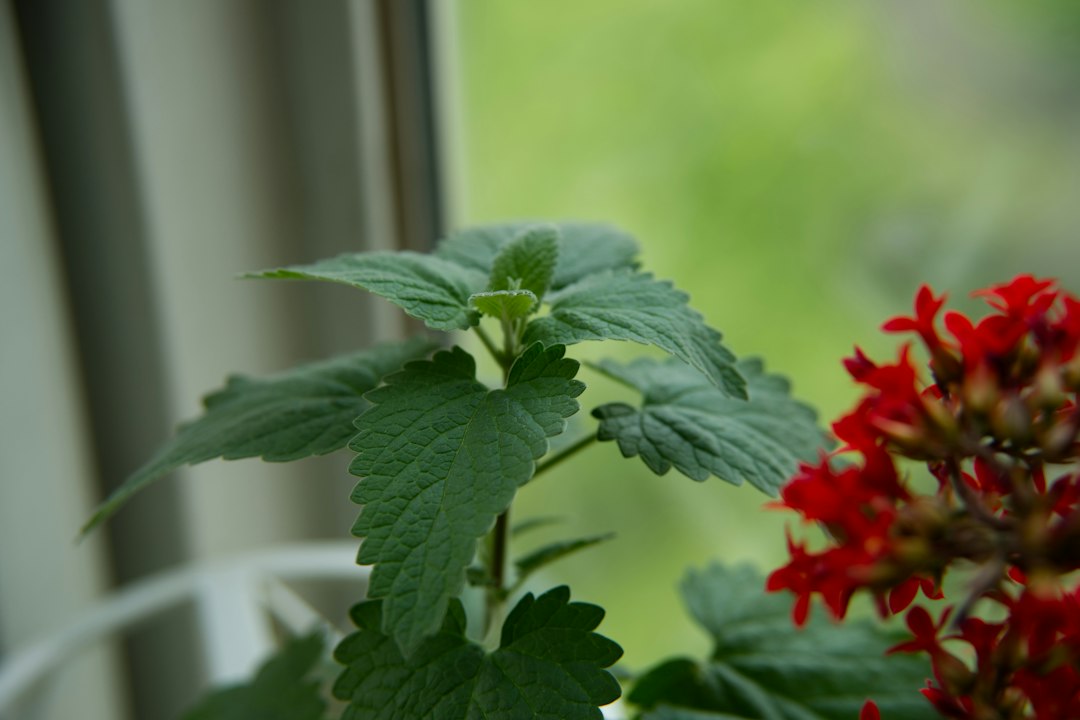
Soft, minty leaves like these are where catnip for relaxation begins.
Catnip for relaxation might sound like a joke about house cats, but this humble herb has calmed people for centuries. In fact, European and North American households once kept it on the shelf right next to chamomile. So why did it fall out of fashion, and why is it worth a second look?
Catnip (Nepeta cataria) belongs to the Lamiaceae, or mint, family. It is a cousin of lemon balm, peppermint and sage. Like its relatives, it has a square stem and soft, fragrant leaves. The leaves are grey-green, heart-shaped and toothed along the edges. Then, in summer, small white flowers with purple spots appear in spikes at the tips of the stems.
The plant is native to Europe and parts of Asia. However, early settlers carried it to North America, where it now grows wild along roadsides, fences and field edges. It reaches about one metre tall and spreads easily. As a result, gardeners often find it in places they never planted it. Other common names include catmint, catwort and field balm.
A Long History in the Kitchen Garden
Catnip has a long record in folk herbalism. For example, English cottagers brewed catnip tea long before black tea from Asia became affordable. Herbalists also gave the mild tea to children with colds, upset tummies and restless nights. In addition, cooks added the leaves to soups and sauces for their soft minty flavour.
Here’s why that matters: catnip earned its place because it is gentle. Families trusted it for the youngest and oldest members of the house. Over time, it became a classic nursery herb alongside chamomile and lemon balm.
What About Cats?
Of course, the herb’s name comes from its famous effect on cats. The plant contains a compound called nepetalactone. When a cat sniffs it, the compound triggers rolling, rubbing and playful behaviour for about ten minutes. Humans, on the other hand, do not react this way at all. Instead, people have traditionally used catnip as a soothing, settling herb. You can explore the plant’s botanical profile in the USDA PLANTS Database.
Traditional Benefits of Catnip for Relaxation
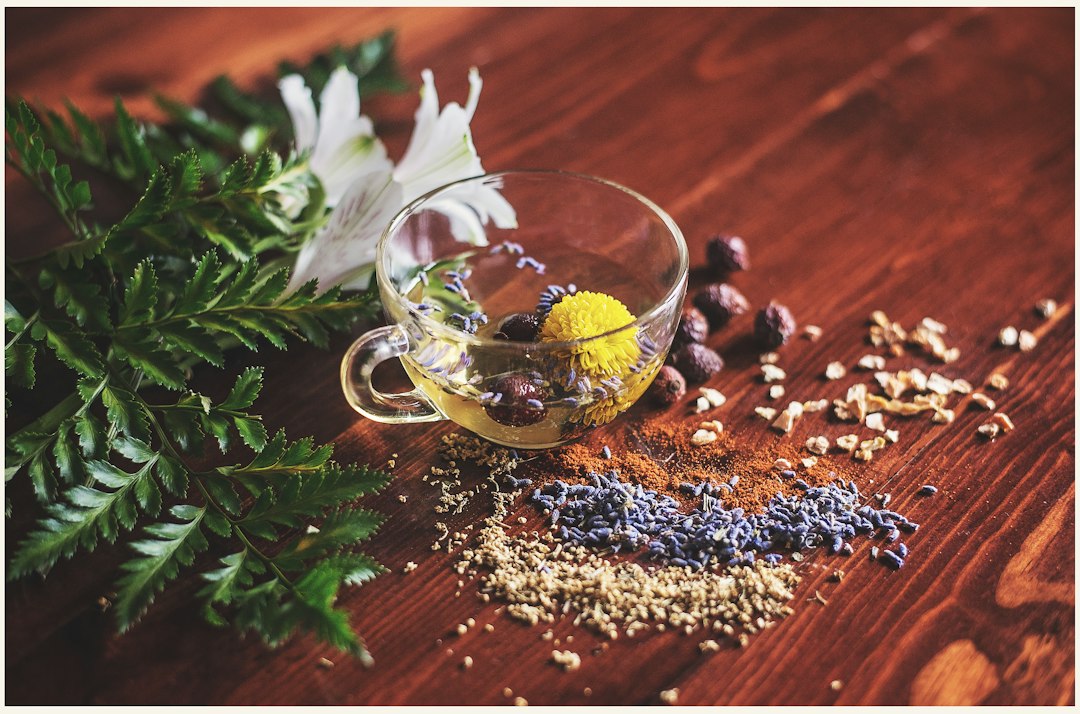
A warm cup of herbal tea is a traditional way to unwind.
Herbalists describe catnip for relaxation as a gentle nervine. A nervine is an herb traditionally used to support a calm nervous system. Catnip sits at the mild end of that group. So herbalists often choose it for everyday tension rather than intense stress.
But there’s more to it than that. Catnip is also a carminative, which means it may help ease gas and bloating. Many people carry tension in the belly, and catnip speaks to both sides of that problem. For this reason, herbalists often reach for it after a heavy meal or at the end of a long day.
Key Traditional Uses
- Restlessness and tension: a warm cup in the evening is a traditional way to unwind.
- Digestive discomfort: catnip may help settle gas, cramping and a nervous stomach.
- Colds and fevers: as a hot tea, it acts as a traditional diaphoretic, meaning it may help the body sweat during a fever.
- Children’s remedies: its mild taste and gentle action made it a common choice for young ones, with guidance from a practitioner.
What’s Inside the Plant?
This is where it gets interesting. Catnip’s aroma comes from its volatile oil, which is rich in nepetalactone. The oil also contains smaller amounts of citronellol, geraniol and caryophyllene. In addition, the leaves hold tannins and flavonoids, which give the tea its slightly bitter, drying edge.
Researchers have studied nepetalactone mostly for its effect on insects. For example, lab studies suggest it repels mosquitoes about as well as some commercial repellents. However, human research on catnip as a calming herb is still limited. Most of what we know comes from centuries of traditional use and the experience of herbalists.
So what does this mean for you? Think of catnip as a friendly, gentle herb for daily balance. It also pairs naturally with other calming herbs. For example, our Chamomile and Catnip Combo blends two classic nursery herbs in one bottle. Readers exploring herbs for sleep often look at passionflower next.
How to Use Catnip for Relaxation at Home
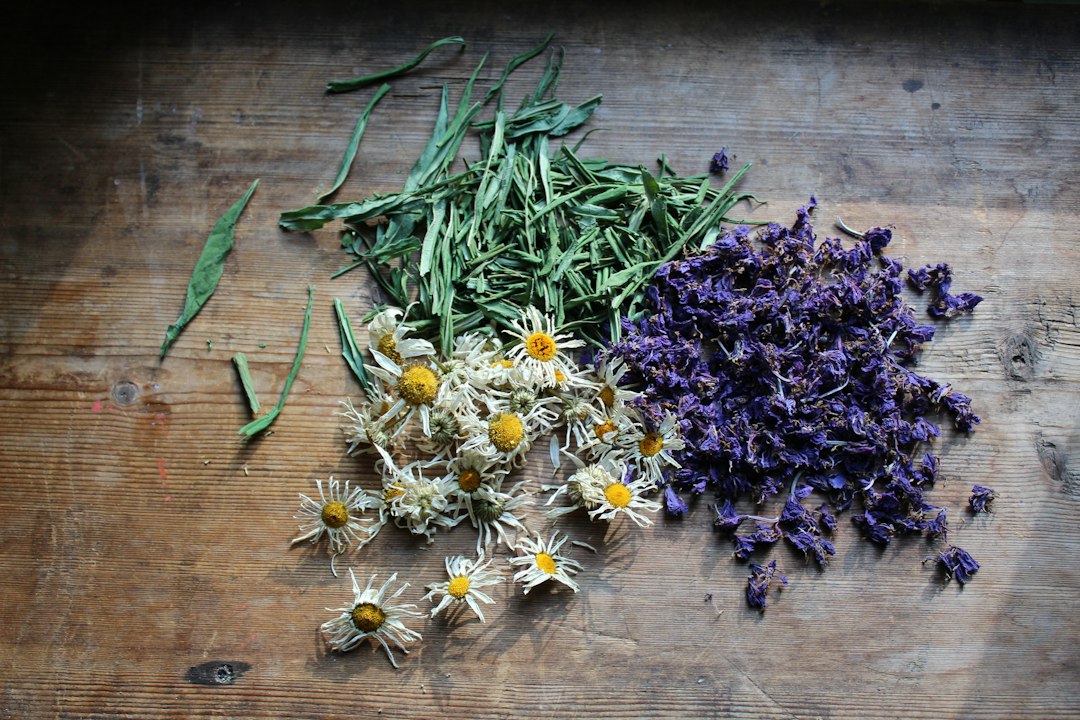
Dried catnip blends well with other gentle tea herbs.
The simplest way to try catnip for relaxation is a cup of warm tea. First, pour hot water over the dried leaf and flower. Then cover the cup and let it steep for about ten minutes. Covering the cup keeps the fragrant oils in your tea instead of in the air.
Catnip Tea for Evening Relaxation
Catnip tea tastes minty, earthy and a little bitter. Many people enjoy it with honey or a slice of lemon. You can also blend it with chamomile, lemon balm or peppermint for a softer flavour. As a result, it slips easily into an evening wind-down routine.
Catnip Tincture for Relaxation on the Go
A tincture is another convenient option. Because alcohol pulls out both the oils and the bitter compounds, a tincture captures the whole character of the plant. It also travels well, so you can keep a bottle in a bag or desk drawer. Many people stir it into a small glass of water or warm tea. If you like to make your own remedies, our guide on how to make a tincture walks you through the process.
Tips for Your Daily Routine
- Make a cup of catnip tea part of a screen-free evening ritual.
- Sip it after a large meal when your stomach feels heavy.
- Grow a pot on a sunny windowsill, but keep it out of the cat’s reach.
- Pair it with slow breathing or a short walk to wind down.
A Few Cautions
Most herbalists consider catnip a mild herb. Even so, avoid it during pregnancy, because it has a traditional reputation for stimulating the uterus. Also, speak with a healthcare practitioner before giving any herb to a child or combining it with sedative medications.
At Herbal Clinic, we make our Catnip tincture in Toronto using the classic tincturing method. We source quality dried herb and extract it at a 1:5 ratio. Our herbalists then check every batch before bottling. The key takeaway: catnip is a simple, time-tested herb that deserves a spot in your evening routine.
FAQ
- Superior Sourcing: Our herbs are sourced from all over the world to avoid seasonal fluctuations in availability, keeping herbs accessible. Our suppliers meet strict standards that ensure top quality herbs, most of which are organic, wildcrafted, sustainably grown, or grown using permaculture. We support local farmers and grow many of our own herbs.
- Superior Processing: Our tinctures are made using the classic tincturing method. The tinctures are made in a 1:5 ratio which allows for the optimal extraction of the herb. The alcohol percentage is strictly controlled depending on the herb and part of the plant that is used.
- Superior Selection: We take pride in our growing selection of over 300 individual herbs. If we don’t carry the herb you’re seeking, we can likely track it down for you.
- Superior Quality Control: Our tinctures are thoroughly tested by a third-party lab and with an organoleptic evaluation by our team of herbalists prior to final bottling.
- Superior Price: Our tinctures are more cost-effective than other tinctures on the market. With an eye towards efficiency, we keep our costs low by maintaining good relationships with our wide network of suppliers and ordering herbs in bulk quantities.
- We Care About the Environment: We repackage materials that are shipped to us (so don’t be surprised if our packages look different from time to time!). We recycle or reuse materials whenever possible. We turn the cardboard we receive from other suppliers into packing material. We donate to avoid waste to groups like Naturopaths Without Borders. Our workforce almost completely uses public transportation or bikes. We are powered using 100% renewable energy through Bullfrog Power.
- We Donate To Charity: We support many causes that make the world better. We donate a portion of our profits or products. These include charities that support environmental and natural sustainability.
Set up an online account and order through the website. If you don’t have an account and place an order, one will be created for you.
Click here to subscribe to our mailing list.
Our products are made in Toronto, Ontario, Canada by a team of Herbalists and Naturopathic Doctors. The herbs and ingredients we use to make our products are sourced both locally and globally to keep herbs accessible and sustainable.
The majority of our herbs are certified organic, sustainably wildcrafted, or come from small-scale local organic farms that do not yet have organic certification. We always do our best to provide organic herbs in your formulas. We work with a variety of suppliers to keep costs low.
Although most of our products do not contain gluten, we do not have gluten-free certification for our production facility. Feel free to ask about any specific products and we’ll share whatever information we have available.
For liability and regulatory reasons, we don’t make any claims as to how our herbs should be used, including dosing recommendations. Please review our disclaimer, as well as our terms and policies.